Posts

New National Website Brings Together a Cross-Canada Architecture Superstudio Confronting the Housing Crisis

Architects Against Housing Alienation (AAHA) was formed in 2021 by a collective of architects, activists, and advocates determined to solve the problem of housing alienation in Canada. As part of their efforts to find solutions, they recently launched a website showcasing the work of students from END HOUSING ALIENATION NOW! The cross-Canada architecture Superstudio brought students and faculty together from September 2025 to May 2026 in order to approach the crisis from a perspective that goes beyond increasing the housing supply. Check out the press release below to see how this project examines the housing crisis with a much deeper focus.


August 2026 — Canada — Architects Against Housing Alienation (AAHA) has launched a new public website bringing together student work from END HOUSING ALIENATION NOW!, a crossCanada architecture Superstudio that mobilized students and faculty to imagine alternatives to the country’s current housing system.

Running from September 2025 to May 2026, the Superstudio brought architecture schools across Canada into a shared pedagogical project focused on one of the country’s most urgent challenges: how architecture can meaningfully contribute to ending housing alienation.

Rather than approaching the housing crisis simply as a problem of increasing housing supply, participating studios examined the deeper forces shaping housing today—including land ownership, financialization, displacement, colonialism, the climate crisis and the organization of collective life. Students developed architectural proposals that explored decommodified forms of tenure, such as cooperative and co-housing, community land trusts and collective ownership; as well as locally engaged forms of building and urbanism such as adaptive reuse and infill housing.

The newly launched website creates a national archive and public exhibition of this work. Visitors can explore projects by school and studio, or move across the exhibition through shared themes and demands. Together, the projects demonstrate the breadth of architectural possibilities that emerge when housing is understood not primarily as a financial asset, but as the physical foundation of individual and collective and ecological life.


“The Superstudio began with a simple proposition: a challenge as large as the housing crisis requires us to work collectively. By bringing students and faculty across the country into conversation, we wanted to multiply the possibilities for what housing could become. This website makes that collective body of work public—not as a single solution to the housing crisis, but as an expanding field of alternatives.”

—Adrian Blackwell, AAHA Co-founder

The Superstudio connected individual courses through common resources, lectures, discussions, and exchanges while allowing each school to develop its own approach to the shared theme. The result is not a single vision for the future of housing, but a diverse collection of architectural propositions emerging from different cities, regions, pedagogies, and forms of inquiry. The studio involved 12 universities: Athabasca University, British Columbia Institute of Technology, Carleton University, Laurentian University, OCAD University, Toronto Metropolitan University, Université de Montréal, University of British Columbia, University of Calgary, University of Manitoba, University of Toronto and University of Waterloo, with more than one studio from a number of schools.

The Superstudio was supported by Canadian Council of University Schools of Architecture (CCUSA), and the website was designed by Ali Qadeer.

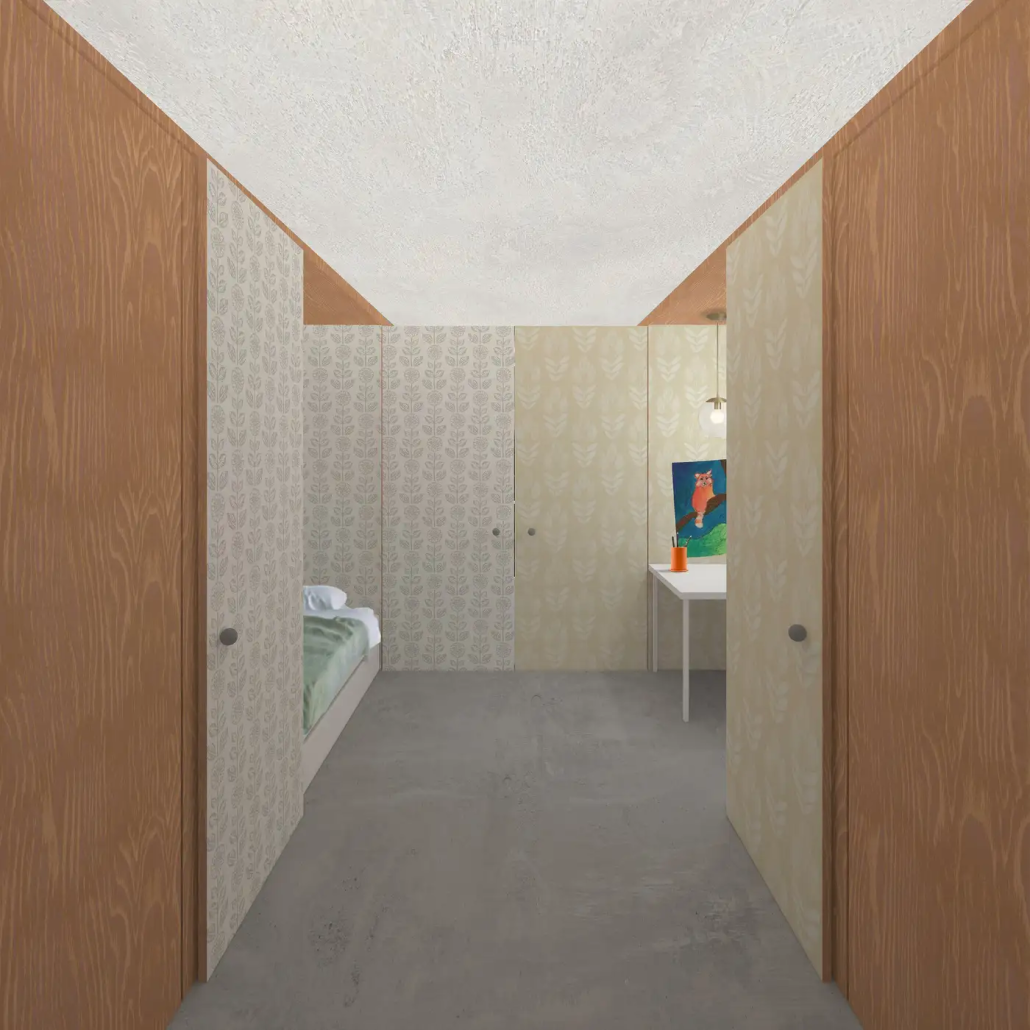
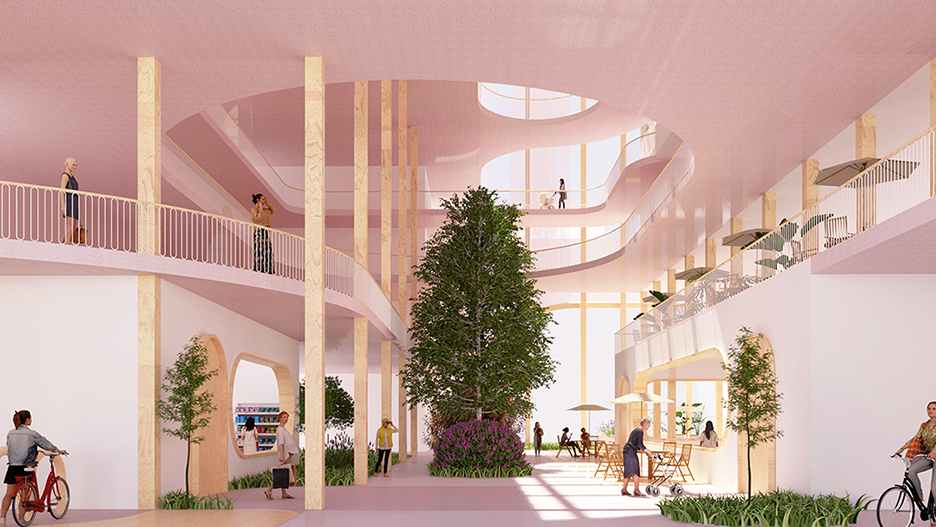
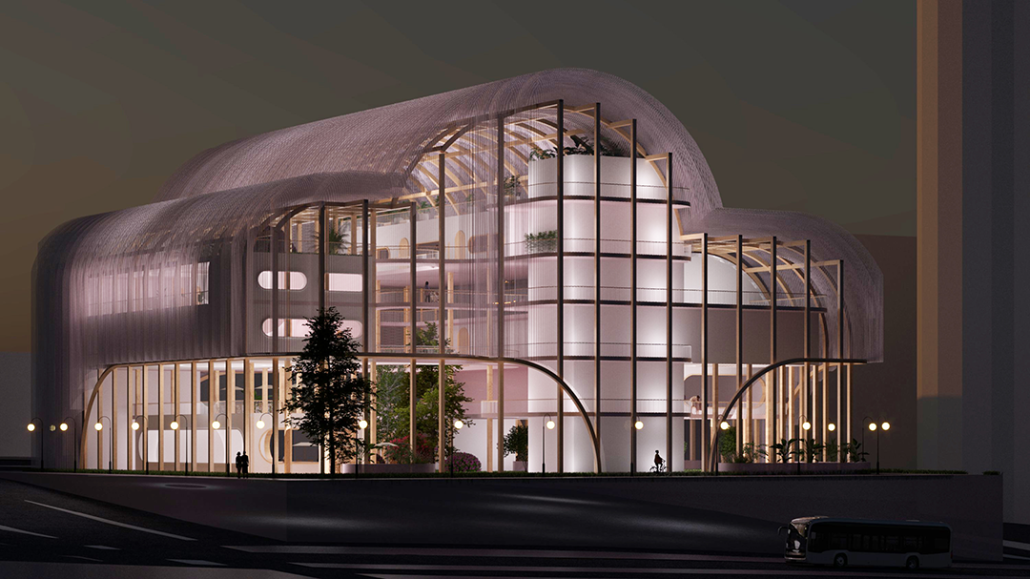
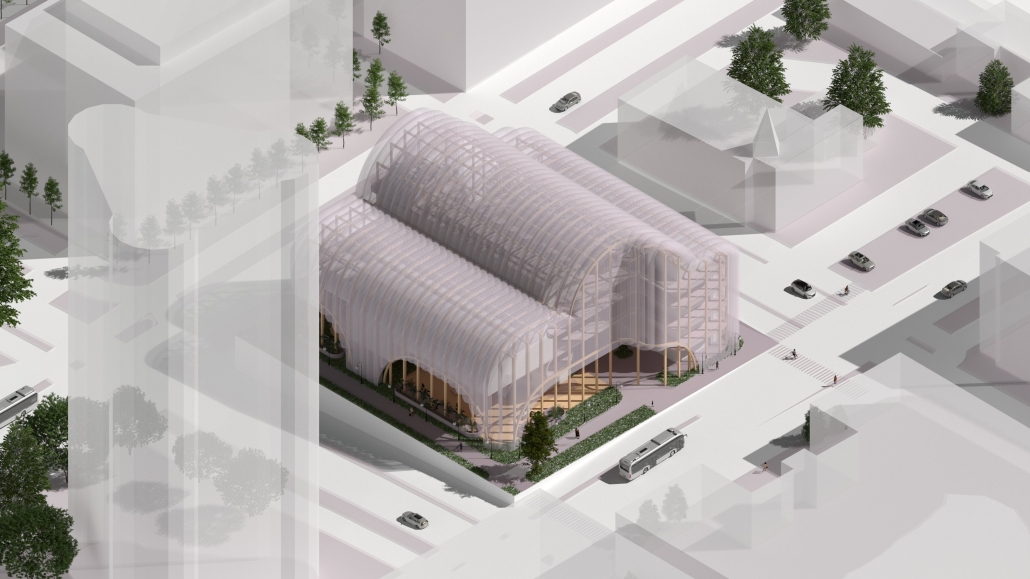
Projects now presented on the website range from the adaptive use of underutilized church lands and cooperative housing to community land trusts, transformations of existing housing towers, alternative methods of housing manufacture, and new relationships between housing, ecology, public space, and collective life.

The project extends the work of Architects Against Housing Alienation, the national collective that represented Canada at the 2023 Venice Biennale of Architecture. AAHA was formed in 2021 around the proposition that Canada’s housing crisis is fundamentally connected to the treatment of land and housing as commodities. Its work brings together architects, advocates, activists, researchers, and communities to develop alternatives that reconnect housing to land, community, and creative selfdetermination.

The Superstudio shifts that work into architectural education. By coordinating studios across the country, it asks a generation of emerging architects not only to respond to the housing crisis, but to reconsider the systems, assumptions, and forms through which housing is produced.

EXPLORE THE SUPERSTUDIO  superstudio.aaha.ca

About Architects Against Housing Alienation

Architects Against Housing Alienation (AAHA) is a collective of architects, activists, and advocates working to end housing alienation in Canada. Formed in 2021, the collective develops architectural proposals, research, exhibitions, advocacy, and pedagogy aimed at creating socially, ecologically, and creatively empowering alternatives to commodified housing. AAHA represented Canada at the 2023 Venice Biennale of Architecture.

Media inquiries

Architects Against Housing Alienation info@aaha.ca and adrian.blackwell@uwaterloo.ca  Instagram: @aaha.ca aaha.ca
2023 Study Architecture Student Showcase - Part XVIII

Welcome to Part XVIII of the Study Architecture Student Showcase! Today, we take a look at student work that focuses on empowering women across the world, from the Democratic Republic of Congo to Chicago. Each project addresses the systemic inequalities and marginalization women face and proposes architectural solutions to promote education, safe spaces, violence prevention, and the dismantling of colonial and patriarchal structures.

KUSHIRIKIANA: Une approche architecturale collaborative et résiliente supportant la prévention de la violence sexuelle à l’Est de la République Démocratique du Congo by Jonathan Kabumbe, M. Arch ‘23
Laurentian University – McEwen School of Architecture | Advisor: Dr. Emilie Pinard

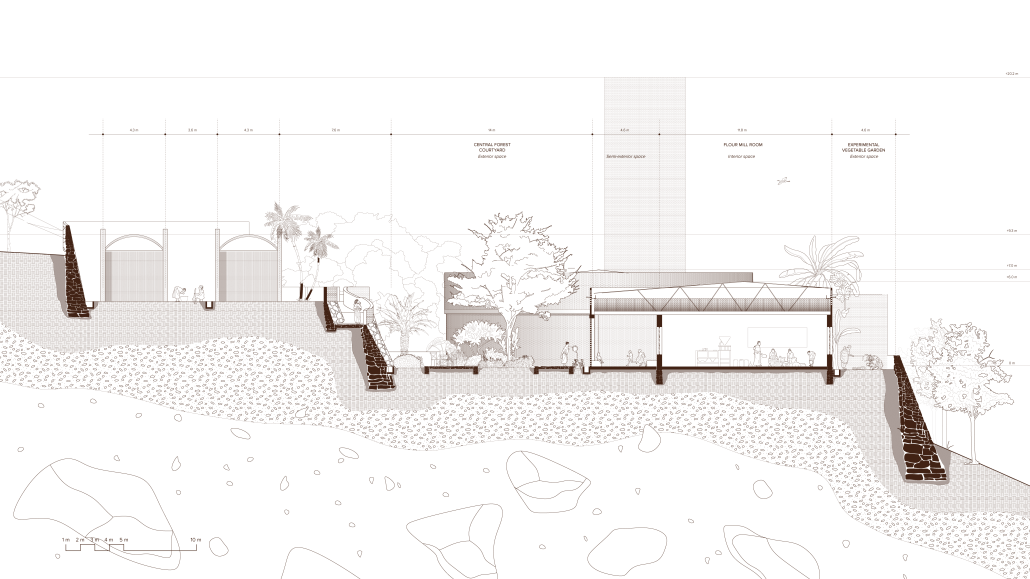
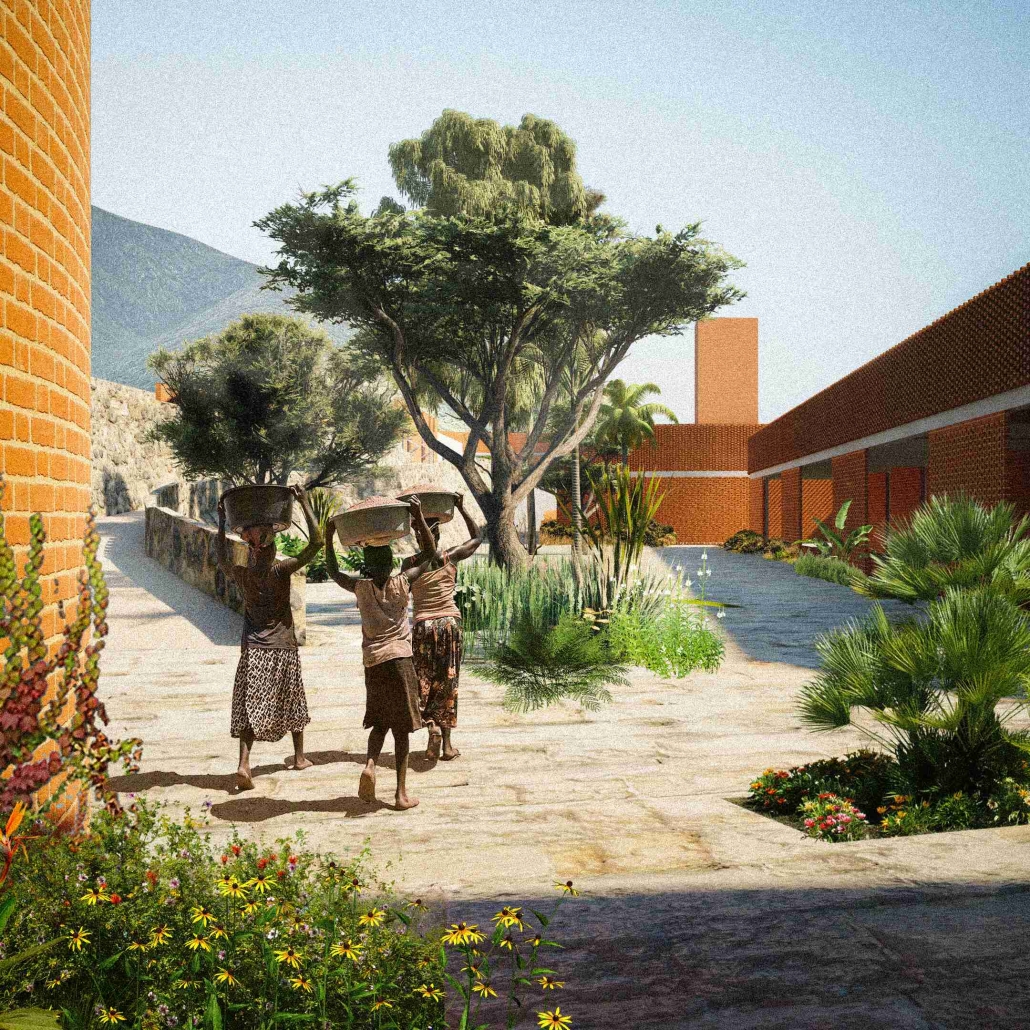
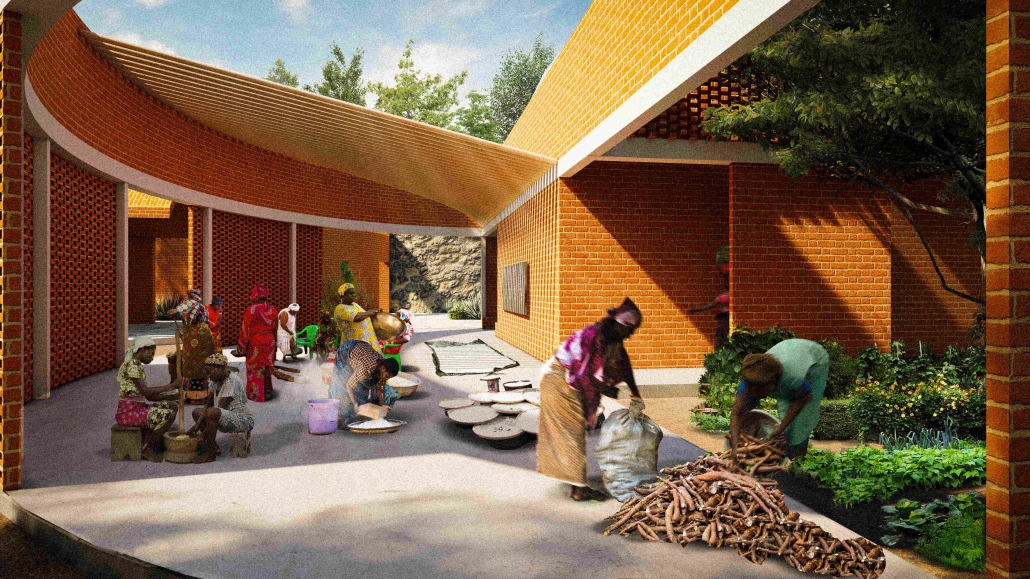
Sexual violence against women and children in the East of the Democratic Republic of Congo is a problem rooted in a long history of violence and raises a number of political, security, cultural, economic, and educational issues. The latter three issues relate specifically to discrimination against women, their economic vulnerability, and poor access to education. Social architecture provides the socio-economic and educational principles that can empower a community. Predominantly male, the building process expands these avenues specifically for women. This thesis explores how architecture, in particular the construction process, can contribute to transforming the image of women in order to support the prevention of sexual violence in Eastern Congo. The thesis revolves around the creation of an architectural guide for NGO development projects, and its application in the design of a women’s crafts and agriculture center in Businga, South Kivu province. (translated from the original French version) 

This thesis received the following accolades: 

– Thesis Commendation

– RAIC Student Medal

– RAIC Honour Roll

– AIA Academic Excellence Medal

– BTES Edward Allen Award (Medal)

– Ontario Association of Architects – Exceptional Leadership Through Design Excellence Scholarship: Equity, Diversity & Inclusion [$2500]

– Nominated by the School for the Canadian Architect magazine Student Awards of Excellence

Instagram: @jonathan_kabumbe

Women Inequality: A New Malala Center for Guatemala by Ariana Caquías-Acosta, B.Arch ‘23
Pontifical Catholic University of Puerto Rico | Advisors: Pedro A. Rosario-Torres & Juan C. Santiago-Colón

Women have been marginalized due to inequality, discrimination, and lack of opportunities. Through spaces, design, and architecture, we can provide opportunities and tools for women in these conditions to balance this disadvantage. The project seeks to generate an architecture that contributes to solving problems, with a focus on design in response to the specific needs of inequality towards disadvantaged women.

This research was conducted for Guatemala, the country with the highest rate of gender inequality in Latin America. Women represent 51% of the population, with a 62.5% rate of illiterate women. Statistically, 11% of girls and adolescents between 11 and 19 years of age have not received any formal education, representing the highest percentage of those who cannot read or write in the region.

The project expands on an existing Malala Center in the location, as an organization that seeks and prioritizes education and equal resources for women. Malala Centers have a program for the education of indigenous girls in Guatemala. The educational programs proposed by the centers are taught in indigenous languages and are based on indigenous culture reinforcing skills in favor of personal and socioeconomic development. The educational foundation Fe y Alegría, and the municipalities become stakeholders for this proposal.

The final objective of the Malala Center is to ensure the full and effective participation of women and girls and establish equal opportunities for leadership at all decision-making levels in political, economic, and public life.

Instagram: @caquiasacosta

Viaduct Housing by Tim Wood, B.A. in Architecture ‘23
University of Illinois at Chicago | Advisor: Alexander Eisenschmidt

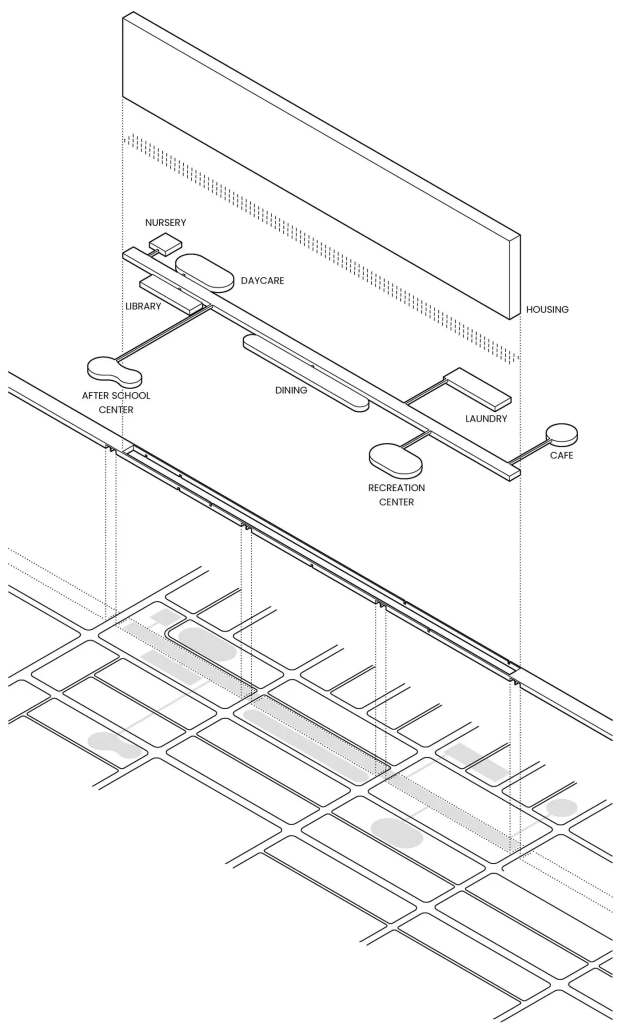
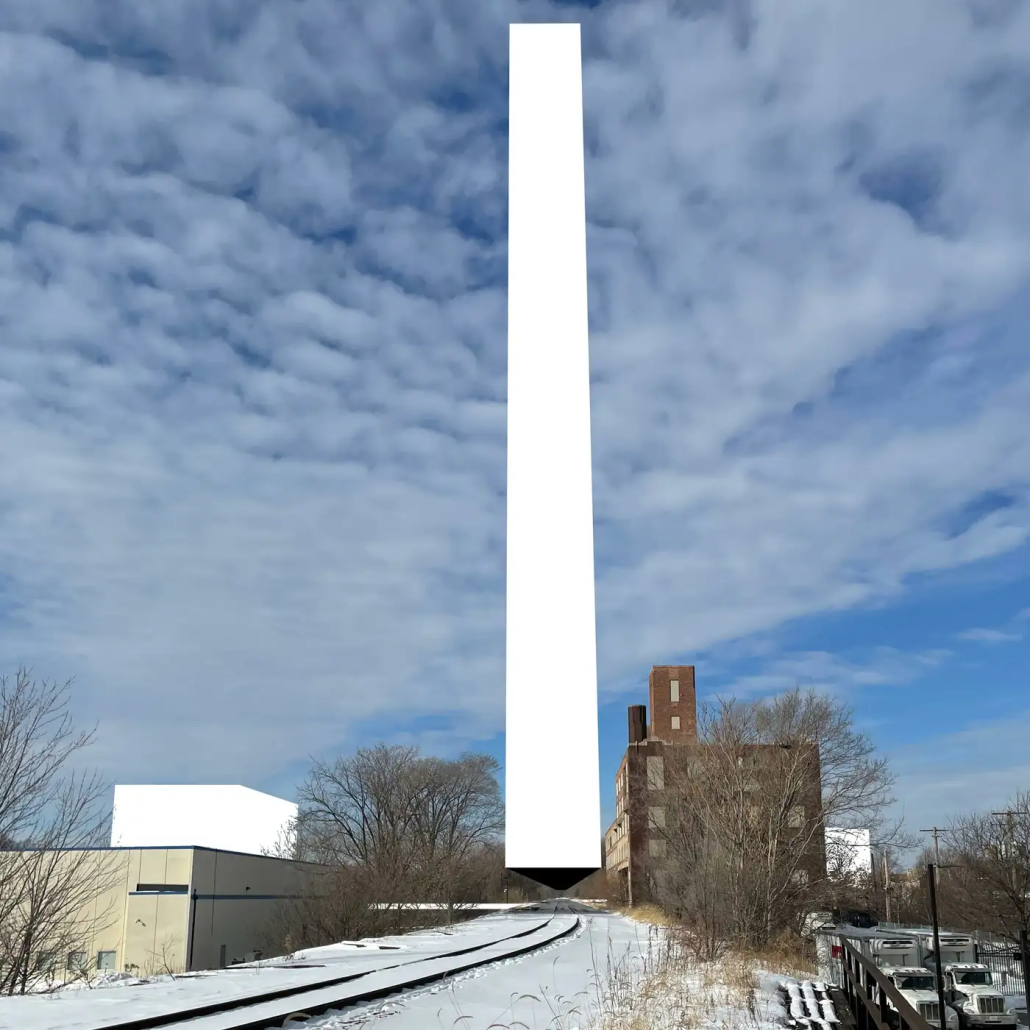
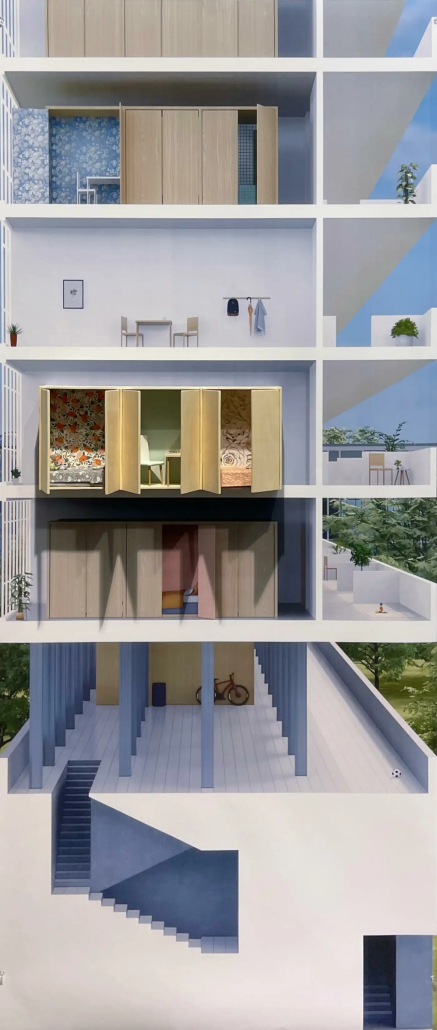
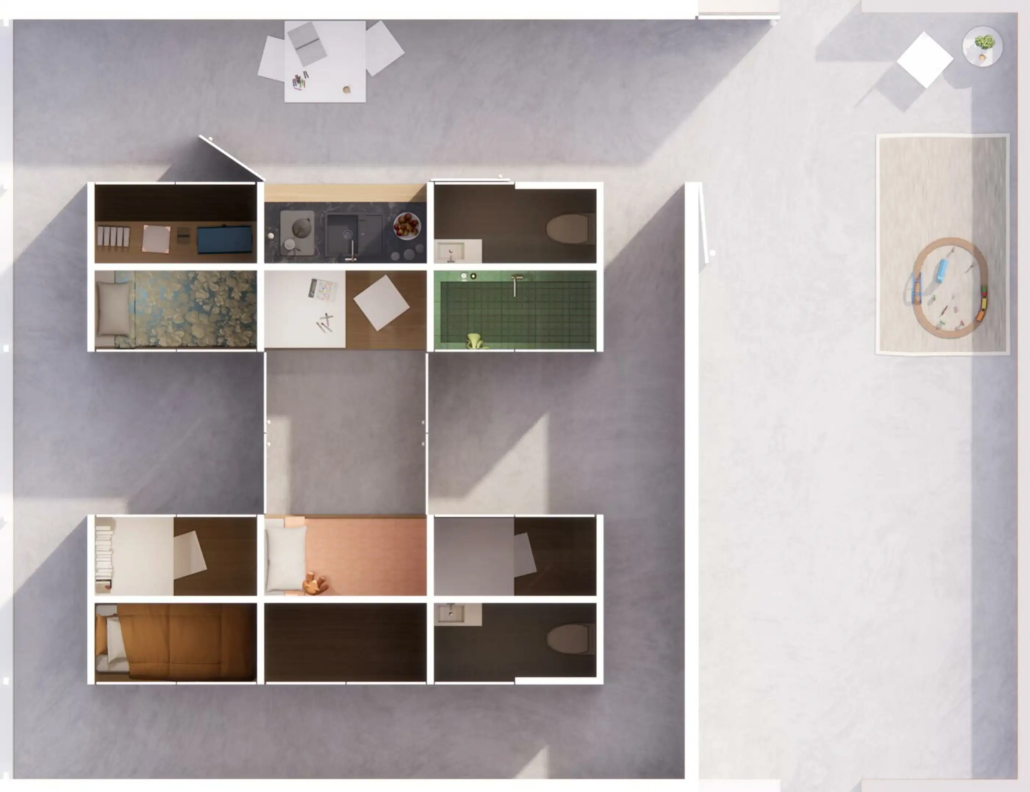
In the blocks surrounding Douglass Park in Chicago, over 80% of households are led by single mothers. In addition to performing paid labor to financially support their families, these mothers also perform thirty hours of unpaid domestic labor for their families per week, leaving little time for rest, play, or personal development. This project proposes a monolithic housing collective that spans three city blocks, sitting on the viaduct of an unused rail line. Domestic labor is outsourced to dedicated programs that stretch into the surrounding neighborhood. Collective meals are hosted in the shared kitchen and dining facility, and an on-site cafe is open to both residents and the public. A laundry service takes dirty clothes and returns them washed and folded. Children are cared for at different ages in different facilities, with a nursery and daycare for young children, an after-school program for the nearby elementary and middle school, and a recreation center for older children. By freeing overburdened mothers from this domestic labor, they are able to rest, play, and nurture themselves and their children.

Instagram: @Eisenschmidt_a

Her Block by Phebe Davis, M. Arch ‘23
University of Oregon, School of Architecture and Environment | Advisor: Elisandra Garcia

Women experience gender-based violence all too often – whether it be psychological, physical, or sexual.

Violence against women exists in all sectors of our lives: violence in politics (laws restricting access to abortion and gender-affirming healthcare), violence in the workplace (unequal pay or sexual harassment), violence in healthcare (not being heard by healthcare providers), violence in education (being discouraged from pursuing ‘masculine’ fields, specifically those in STEM), and violence at home (domestic violence).

I am interested in what constitutes a safe space for women. If we can create safe spaces for women, those spaces will be safe for almost everyone.

Once safety is achieved, empowerment can begin. This is how we will combat the violence that we experience, by creating a space that instills confidence in young women to fight back against the violent, patriarchal society that we exist in.

I recognize that my project alone will not dismantle the patriarchal society in which we live, but will hopefully spark inspiration for others to try to design with women in mind.

This project was recognized as one of “10 selected projects by the University of Oregon – Dezeen Magazine”

Instagram: @phebedvs7, @_elistudio

The Sundarbans’ Heroines: Gender and Climate Change in Action by Farzana Hossain, B.Arch ‘23
Cornell University | Advisors: Lily Chi & Felix Heisel

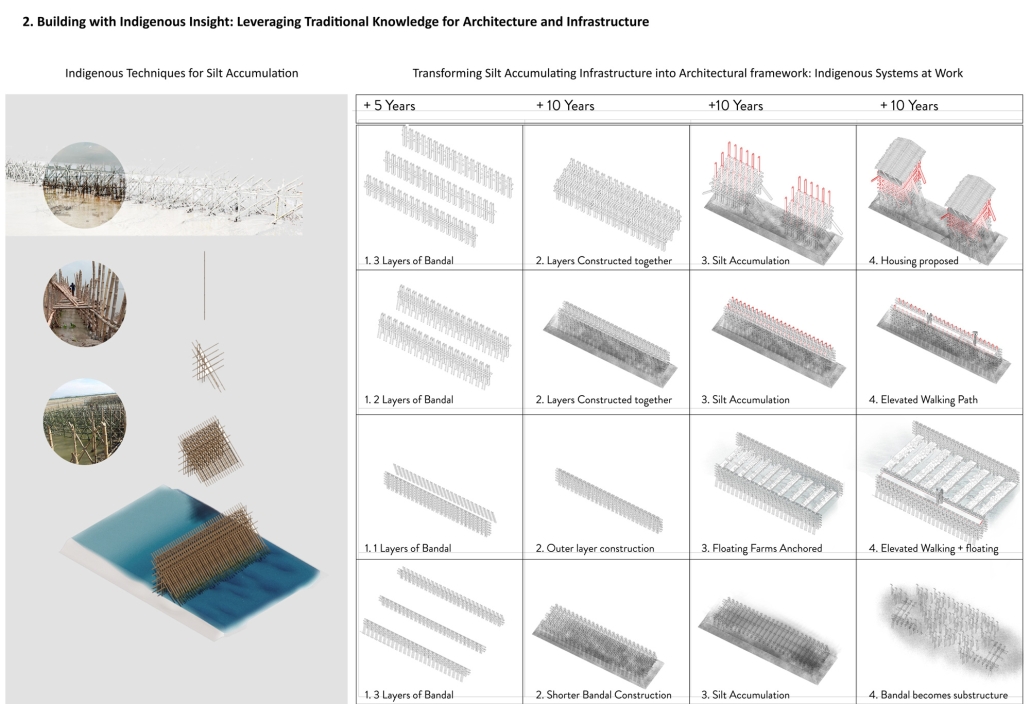
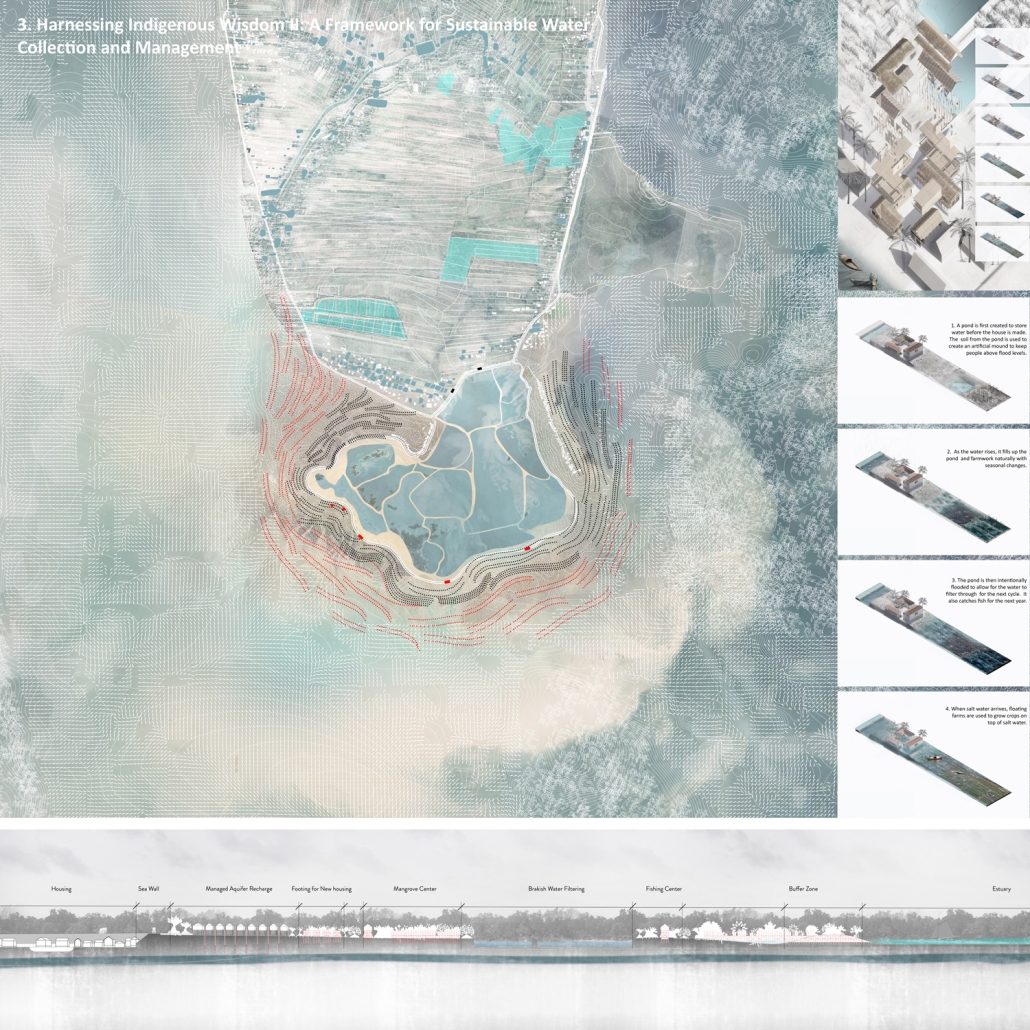
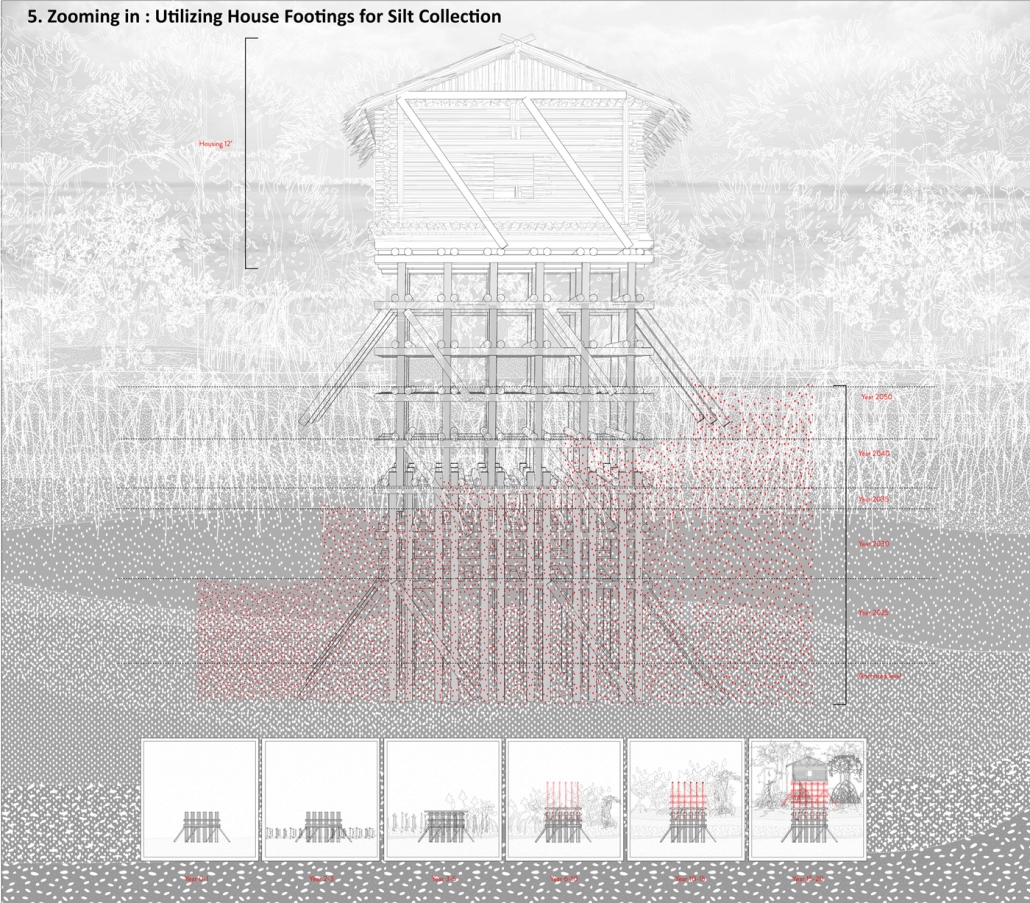
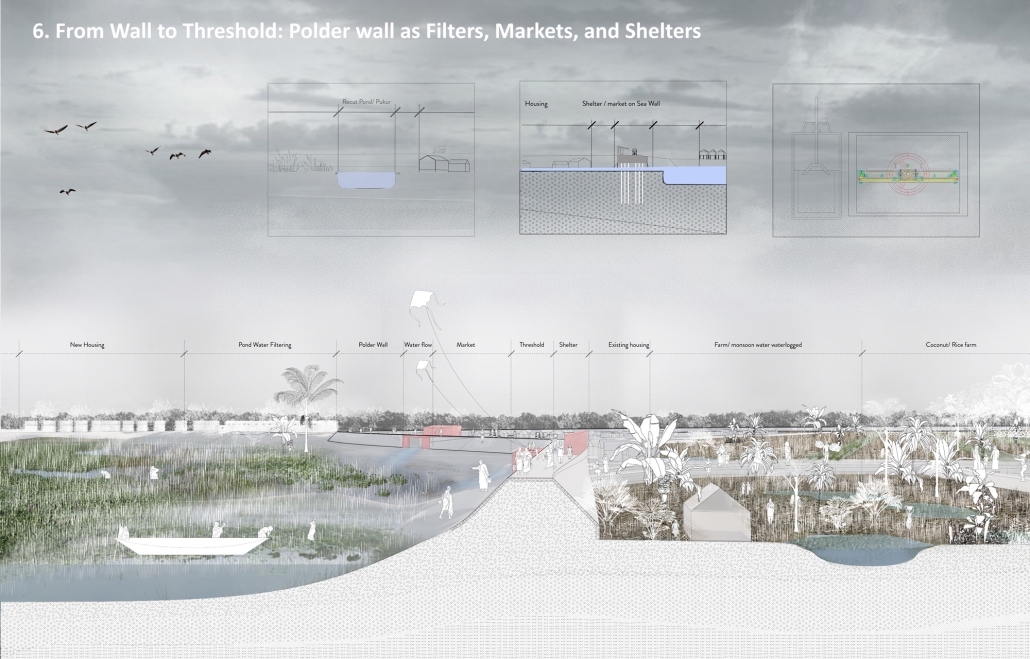
“The Sundarbans’ Heroines: Gender and Climate Change in Action” presents a comprehensive framework that empowers women through various tools to promote sedimentation, nurture mangroves, and safeguard freshwater resources. These initiatives aim to support the cultivation of indigenous infrastructure built upon local practices of living and working with water. In doing so, this project raises essential questions: How can design empower communities to adapt to a changing landscape? How might the vernacular inform and contribute to systemic amelioration to facilitate those most vulnerable to the climate crisis? 

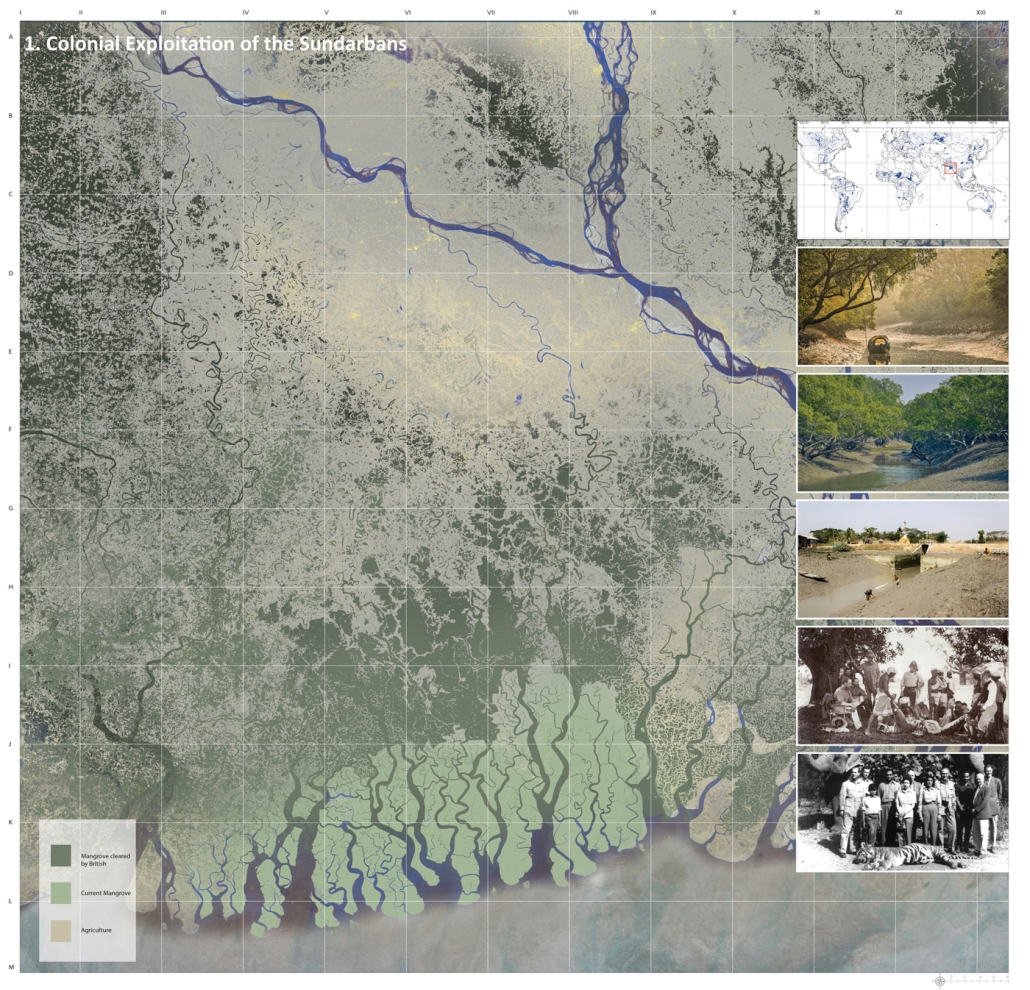
The Ganges-Brahmaputra Delta river in Bangladesh receives 1.2 billion tons of silt each year from the Himalayan glaciers. This silt is vital for 600 million people relying on the delta for freshwater. Mixing with the Bay of Bengal’s saltwater, it forms the world’s largest mangrove forest, the Sundarbans. The British East India Company arrived in the 17th century and gradually extended its control over vast territories in the Indian subcontinent. Motivated by the strategic importance and abundant resources of the Sundarbans, the British colonial regime had a profound effect on the local population and the delicate ecology of the Sundarbans. While the locals celebrated the “Bonna” season, characterized by floods and silt deposition, the British aimed to control and manipulate these natural phenomena. Their interventions, such as clearing mangroves, constructing polders, and developing railroads, disrupted the annual cycle of silt deposition necessary for land elevation against rising sea levels. Consequently, silt accumulation diminished, leading to the obstruction of riverbeds. Inadequately designed polders exacerbated monsoon flooding, while saltwater intrusion damaged arable land during dry seasons.

Today, the degradation caused by colonial infrastructure is causing men to migrate to urban areas in search of employment, leaving rural women to bear the brunt of these environmental disasters.

This project won the Charles Goodwin Sands Memorial Award (Thesis Prize) 

Instagram: @felix.heisel

Jubilant Emigration by Alex Torres, B.Arch ‘23
Cornell University | Advisors: Peter Robinson Sydney Maubert

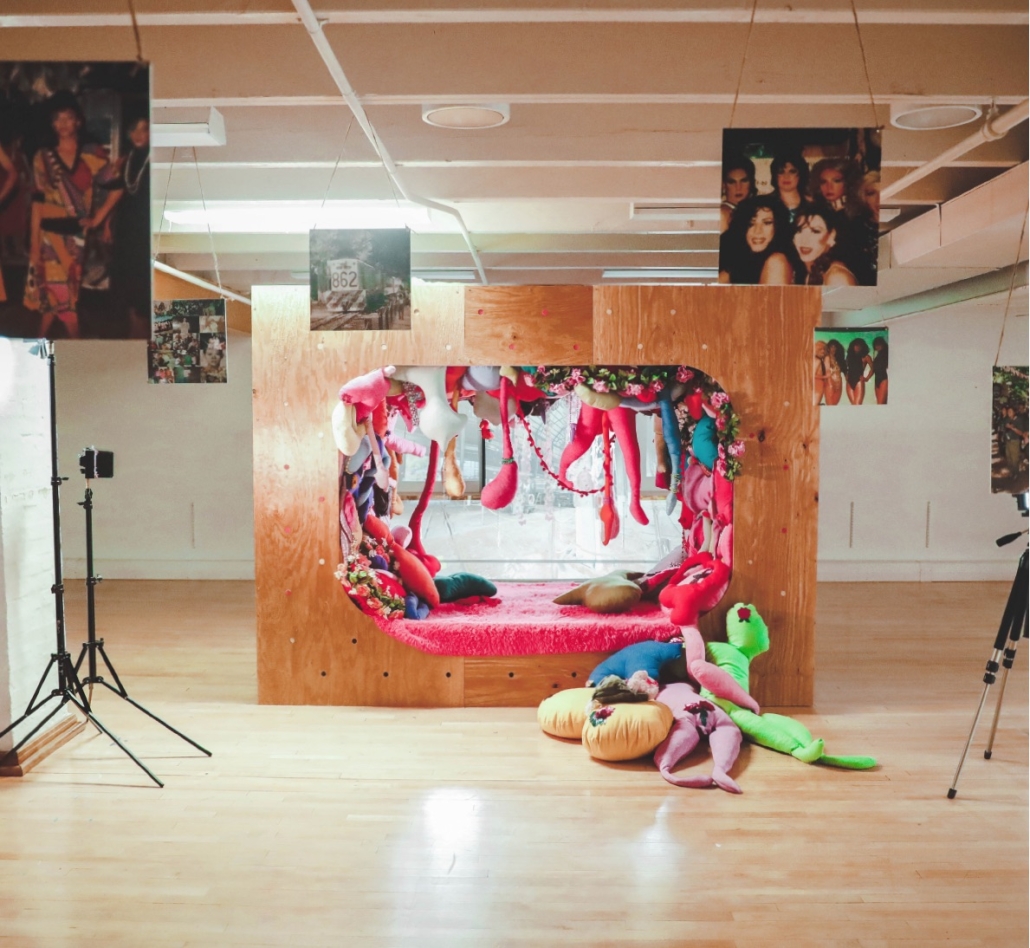
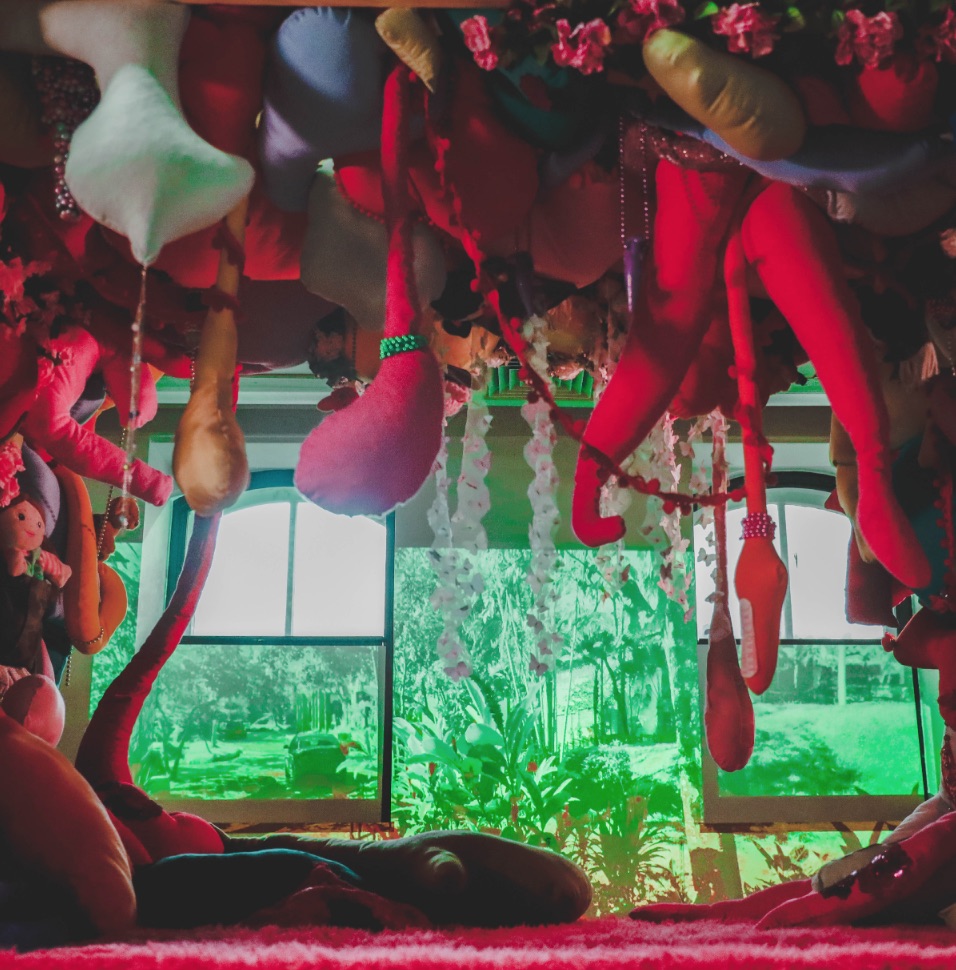
Set in the 1980s Salvadoran Civil War, this investigation starts with acknowledging the history of violence against trans female sex workers who made their living tending to military soldiers of the time in La Praviana, San Salvador. With the continued need for trans female sex workers to escape violence today, this thesis calls for the reactivation of the Salvadoran National Railway that will serve as a moving infrastructure that mobilizes queer bodies away from harm. The site of intervention is an antique railcar of the national railway, known in English as “The Silver Bullet”. This intervention will transform the interior railcar into a place for rest, utility, sex, empathy, and celebration. 

This semester-long thesis culminated into an exhibition that lasted for a week inside the Sibley Hall basement, room B56.

See you next week for the next installment of the Student Showcase!