Posts

2025 Study Architecture Student Showcase - Part VIII

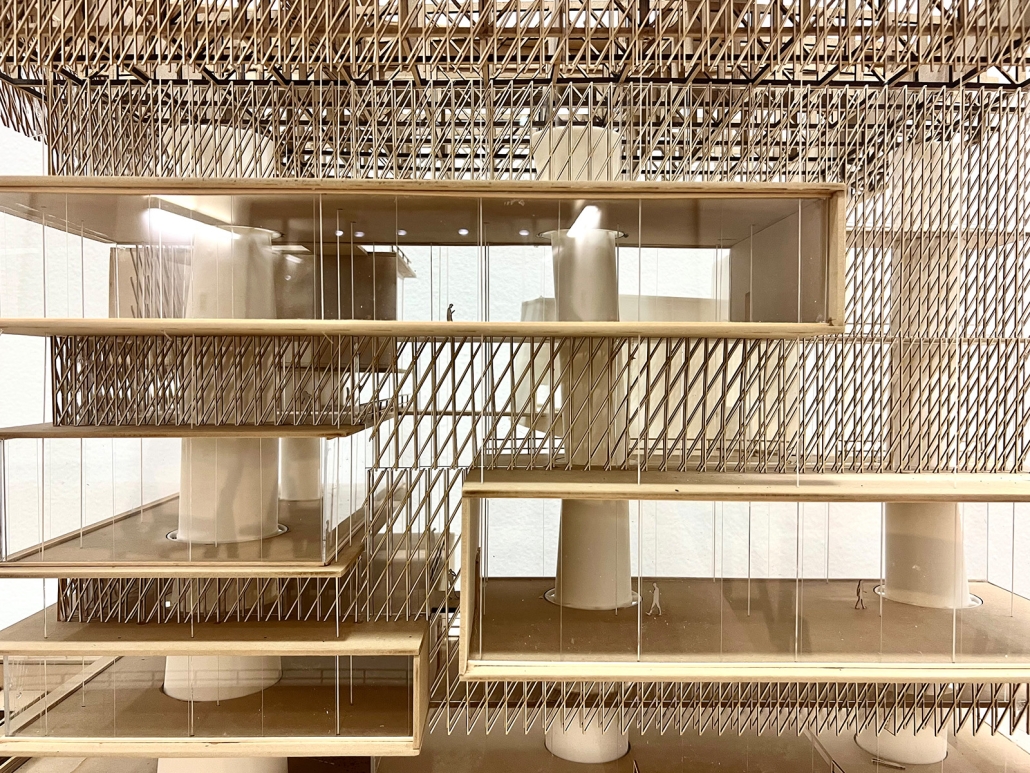
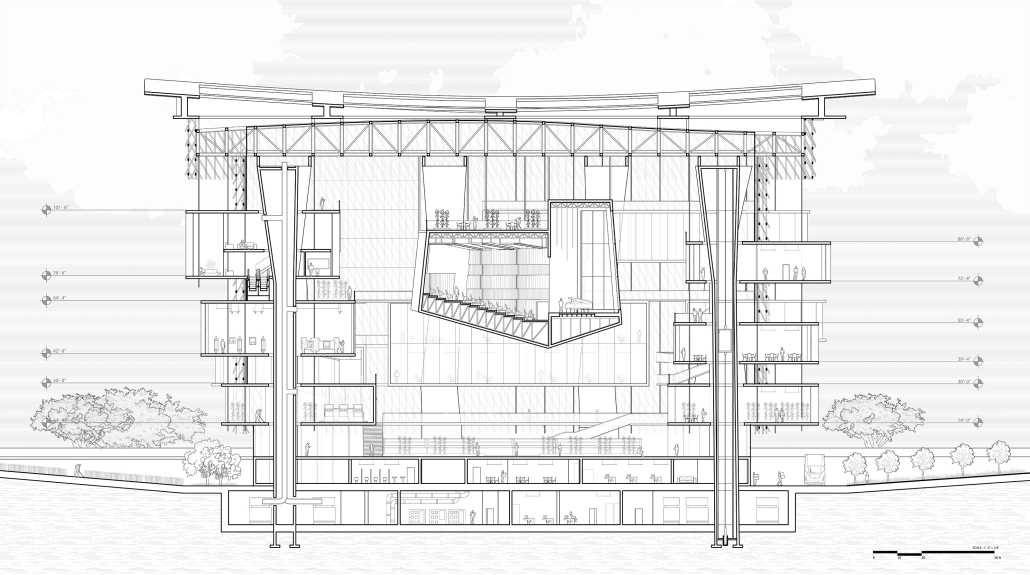
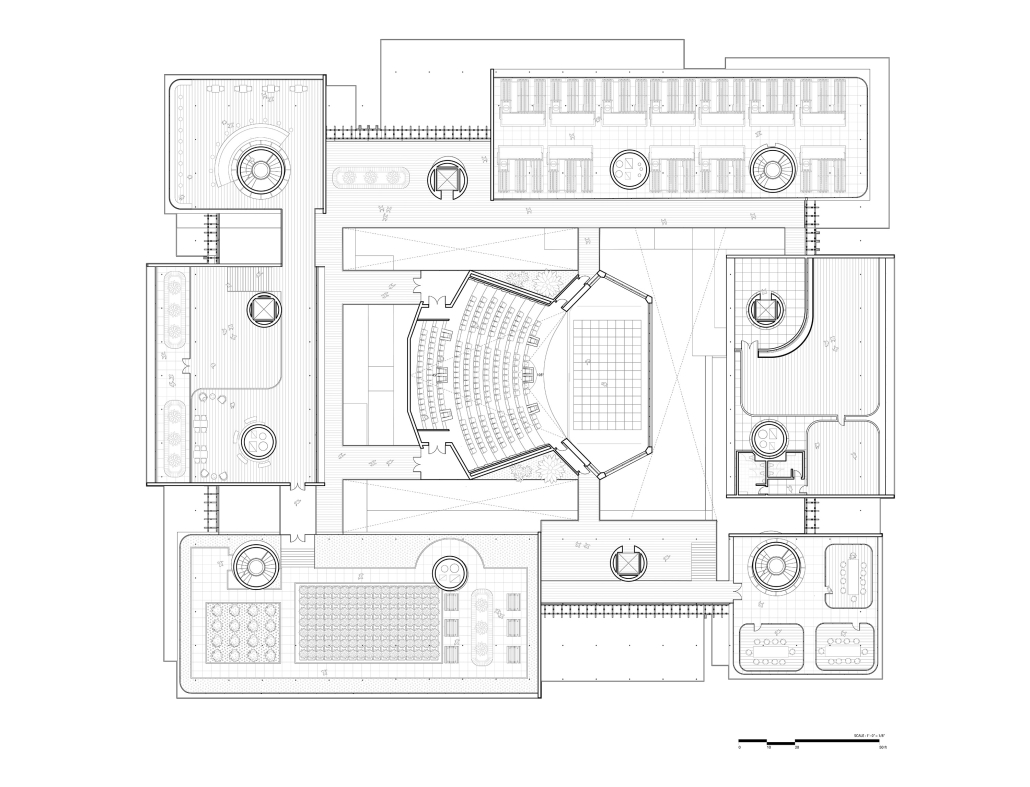
A city’s infrastructure has a large impact on its community. Part VIII of the 2025 Study Architecture Student Showcase features projects that reimagine infrastructure in innovative ways. With interconnectedness at the forefront, these designs re-envision highways, commuter routes, and hybrid energy sources. Each project presents a design solution that increases accessibility, promotes connection, and makes a positive difference in its respective community. 

Scroll down for a closer look at these outstanding projects!
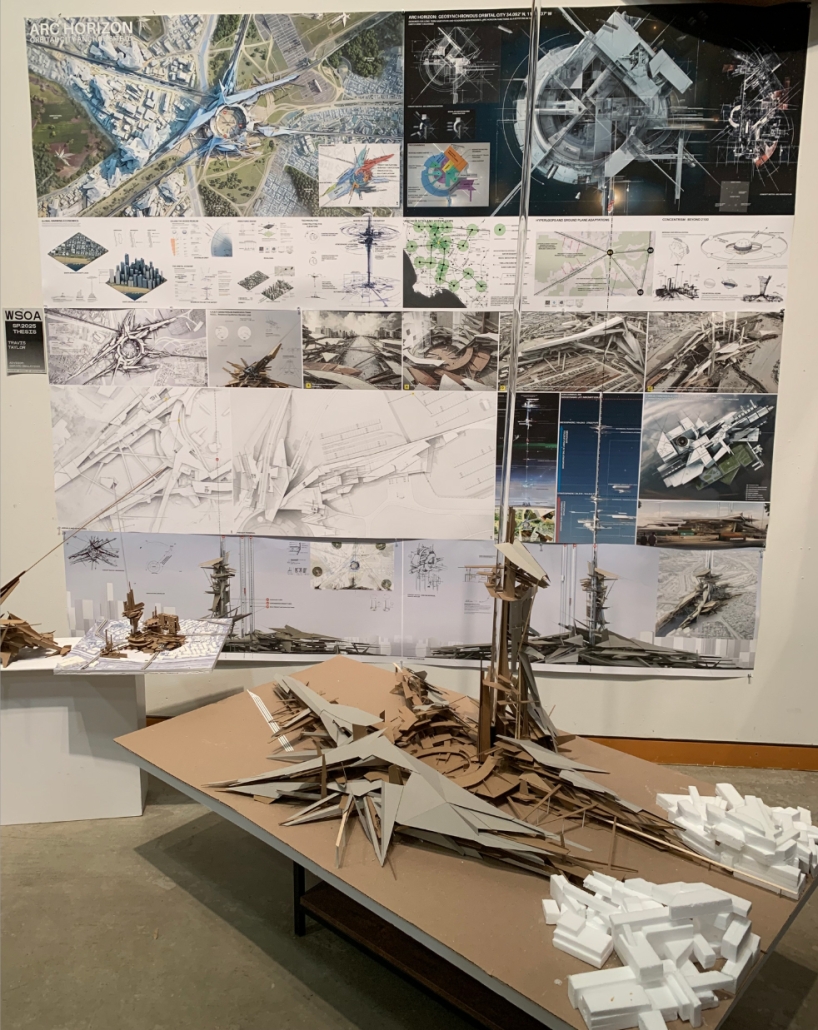
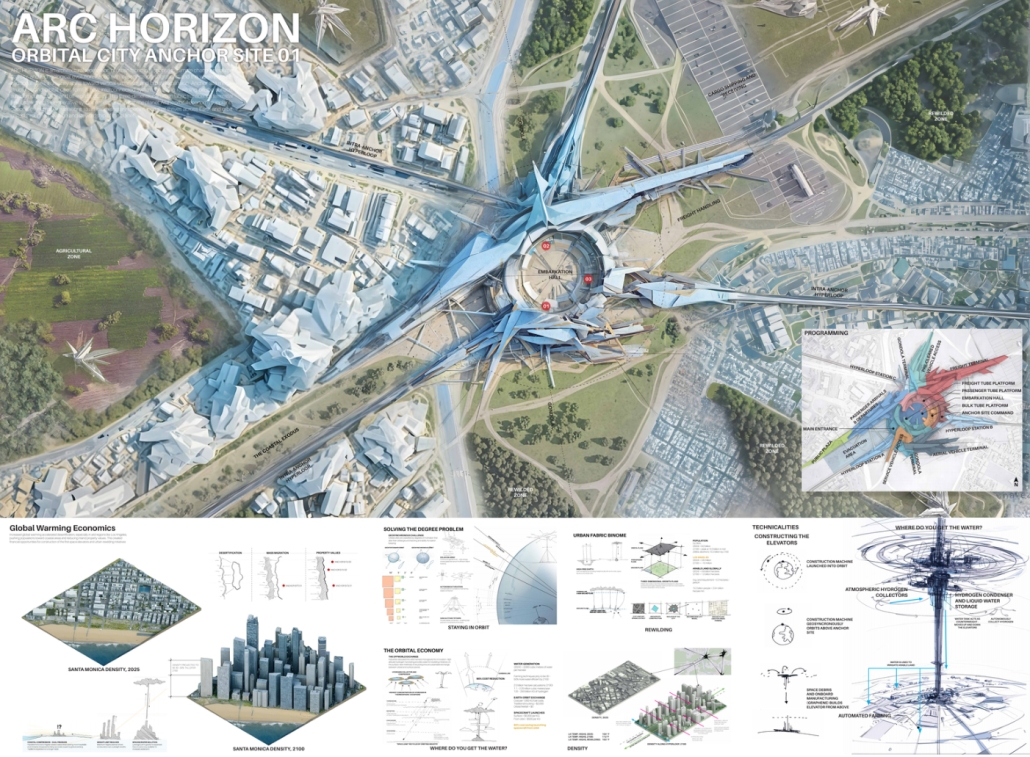
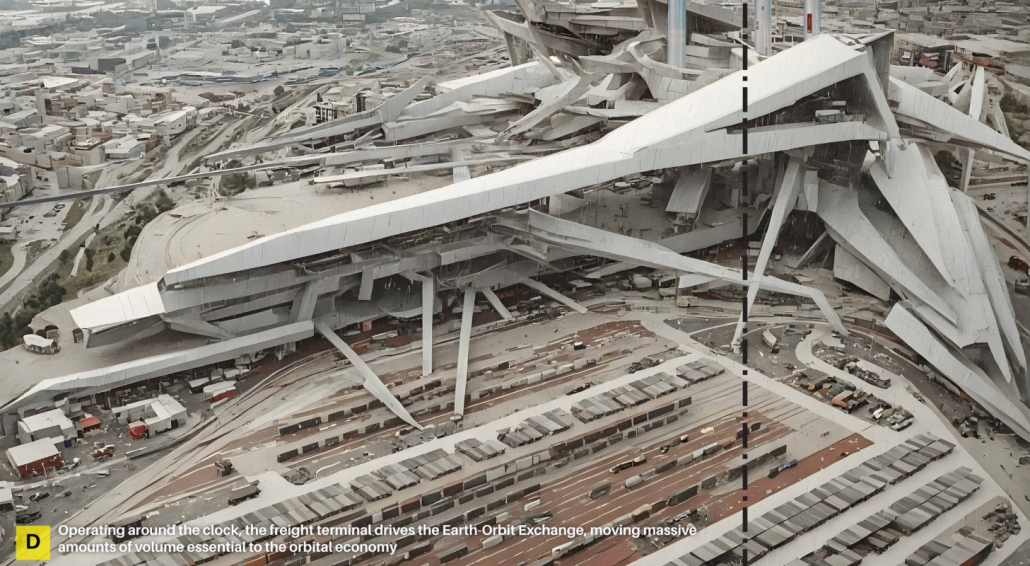
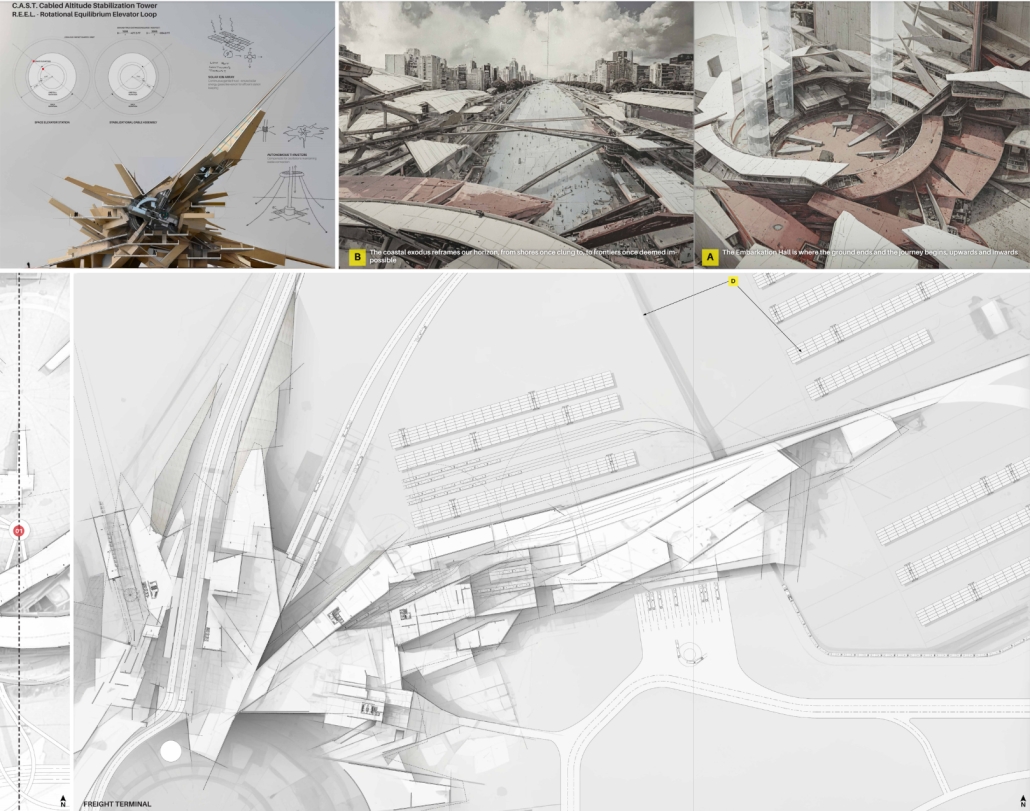
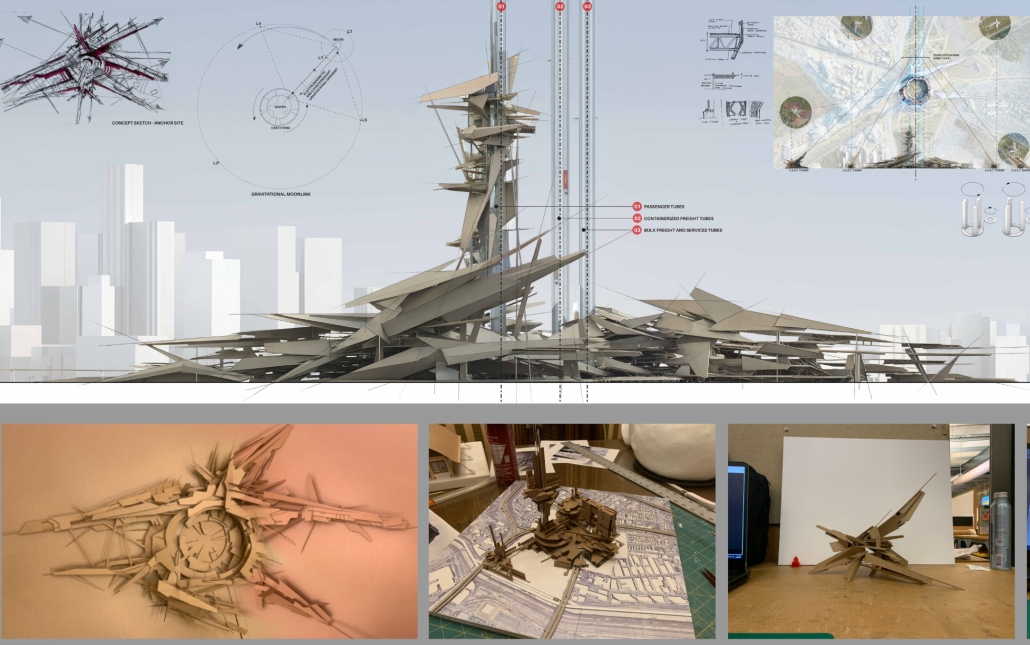
ARC HORIZON: Anchoring Humankind’s Future in the Orbital Era by Travis Colton Taylor, B.Arch ’25
Woodbury University | Advisor: Gerard Smulevich

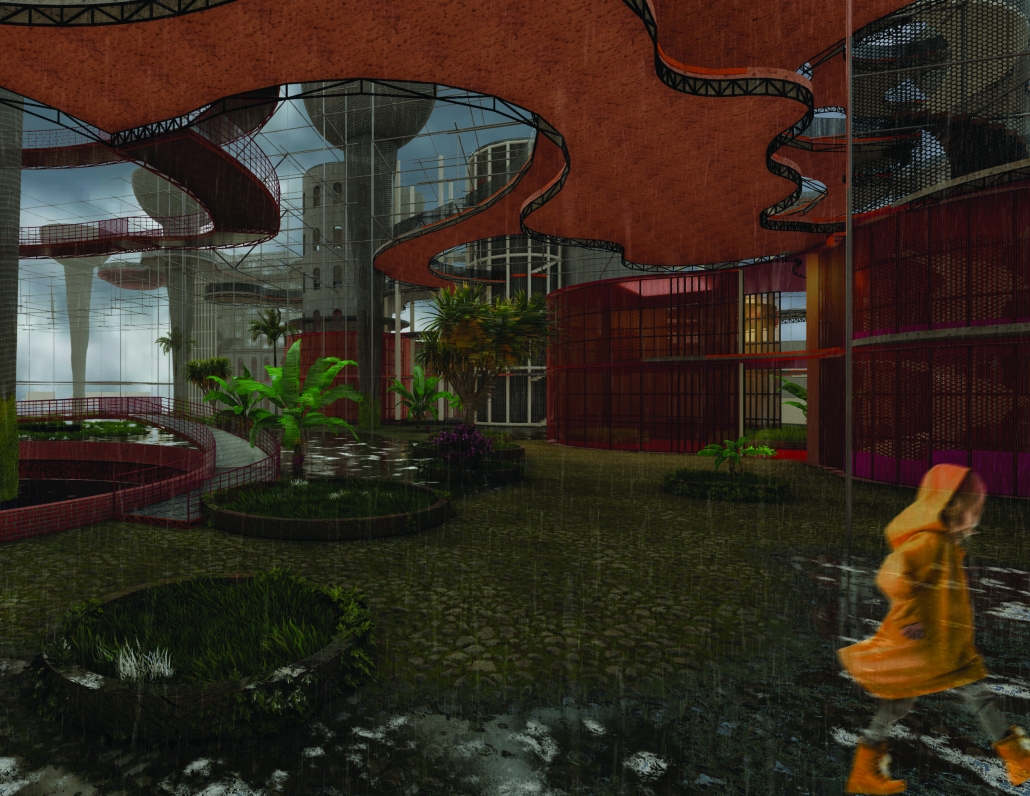
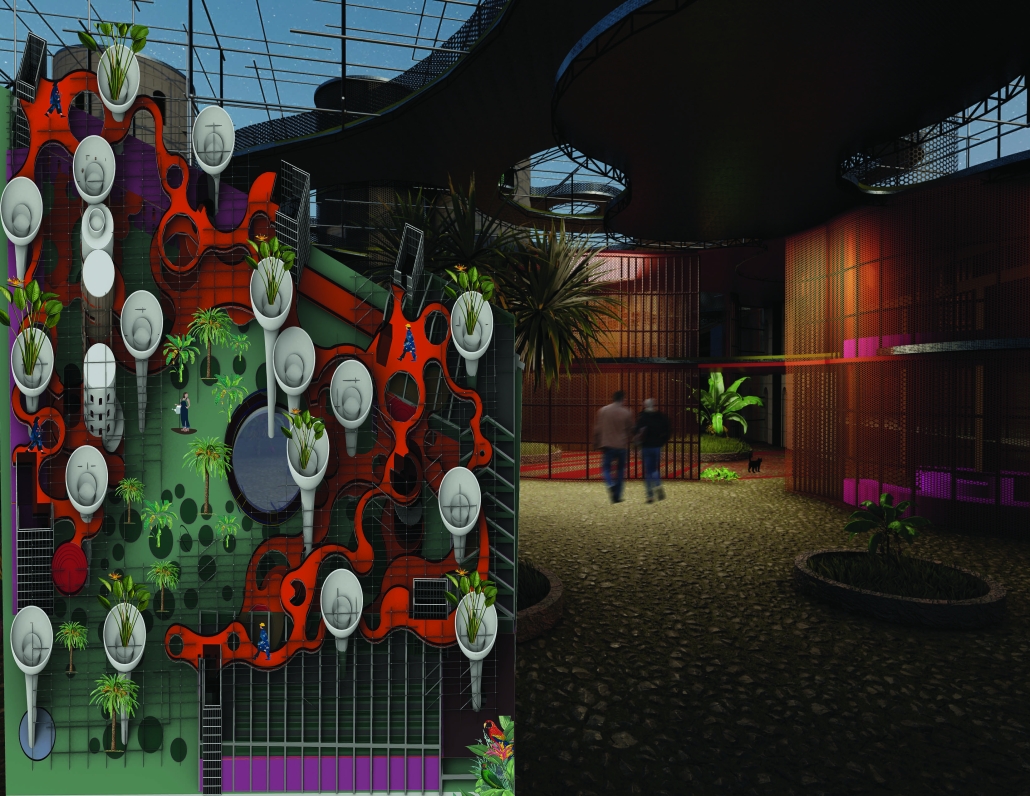
“Arc Horizon” is an architectural redefinition of urban fabric in response to climate change, resource scarcity, and technological evolution. Faced with desertification, migration, and the weaknesses in traditional cities, humanity shifts toward vertical urbanism and orbital expansion. Anchor site mega-structures and orbital cities form a new interconnected system, enabling rewilding on the surface, autonomous mobility, and off-world industry. This three-dimensional urban fabric transcends terrestrial limits, catalyzing a regenerative, symbiotic relationship with the planet. As the orbital economy supplants geopolitics, humanity transitions to an interplanetary species, one that thrives across Earth and orbit, united through innovation and stewardship of the planet.

This project received the Architecture Degree Project Design Excellence Award.
UNRAVEL & REWEAVE: I-794 AS MILWAUKEE’S URBAN GREEN SPINE by Sean Thiel, B.S. in Architecture ‘25
University of Virginia | Advisor: Mona El Khafif

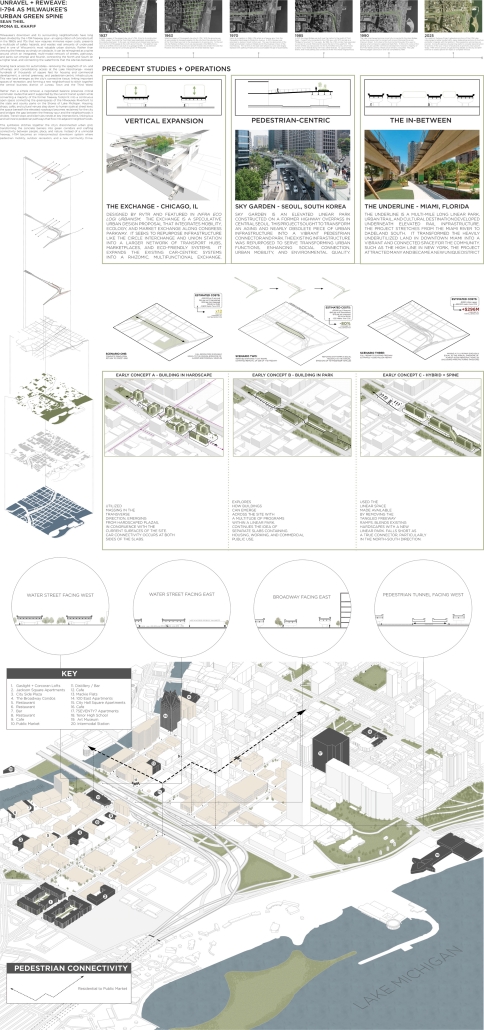
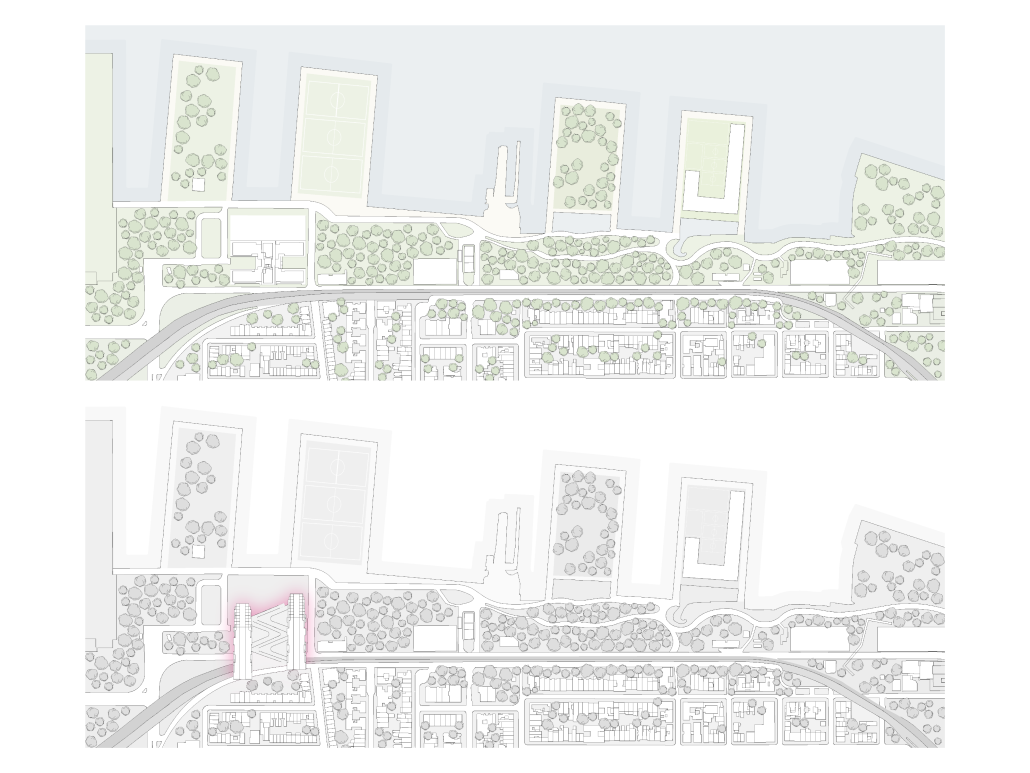
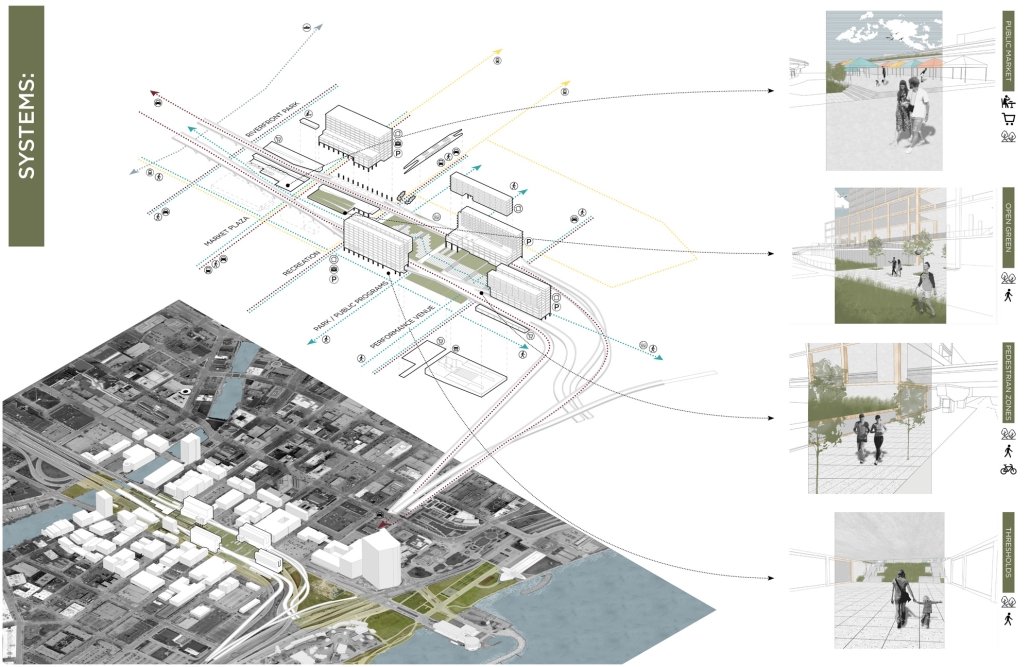
Milwaukee’s downtown and its surrounding neighborhoods have long been divided by the I‑794 freeway spur– an aging band of concrete built in the 1960s and ‘70s that now requires immense repair costs, poses a multitude of safety hazards, and leaves vast amounts of underused land in one of Wisconsin’s most valuable urban districts. Rather than viewing the freeway simply as an obstacle, it can be reimagined as a spine around which an integrated, multi‑modal network of streets, pathways, programs, and parks can emerge and flourish, connecting the North and South on a higher level, and connecting the waterfronts that the site lies between.

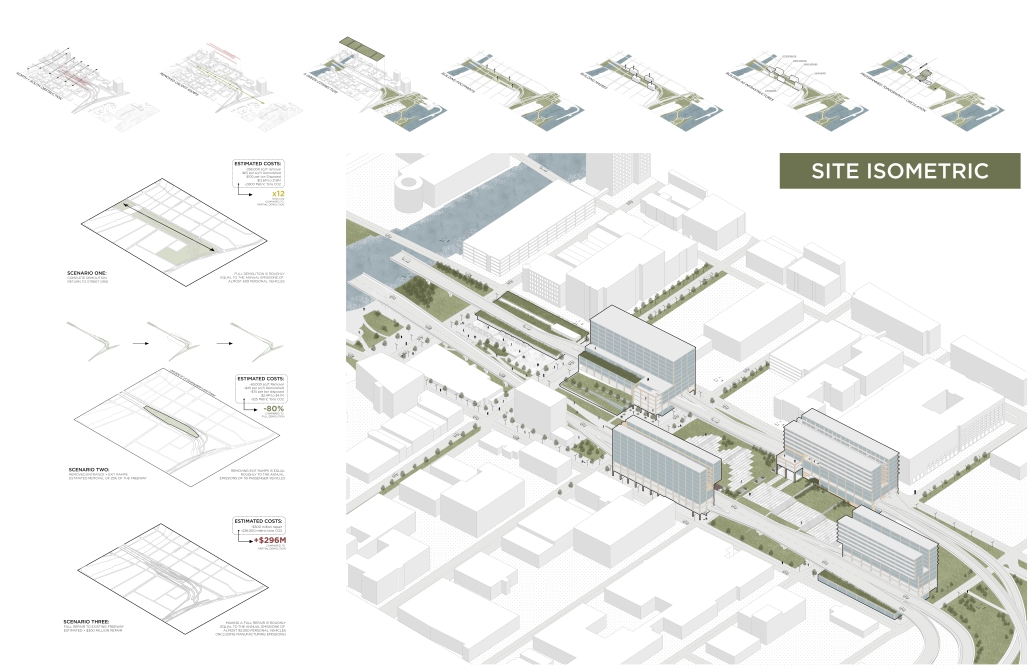
Scaling back access for automobiles— removing the “spaghetti” of on‑ and off‑ramps and consolidating access eastward at the Lake Interchange —reveals hundreds of thousands of square feet for housing and commercial development, a central greenway, and pedestrian-centric infrastructure. This new land emerges as the city’s connective tissue, linking important spaces of recreation and forming a new neighborhood to stitch together the central business district of Juneau Town and the Third Ward.   

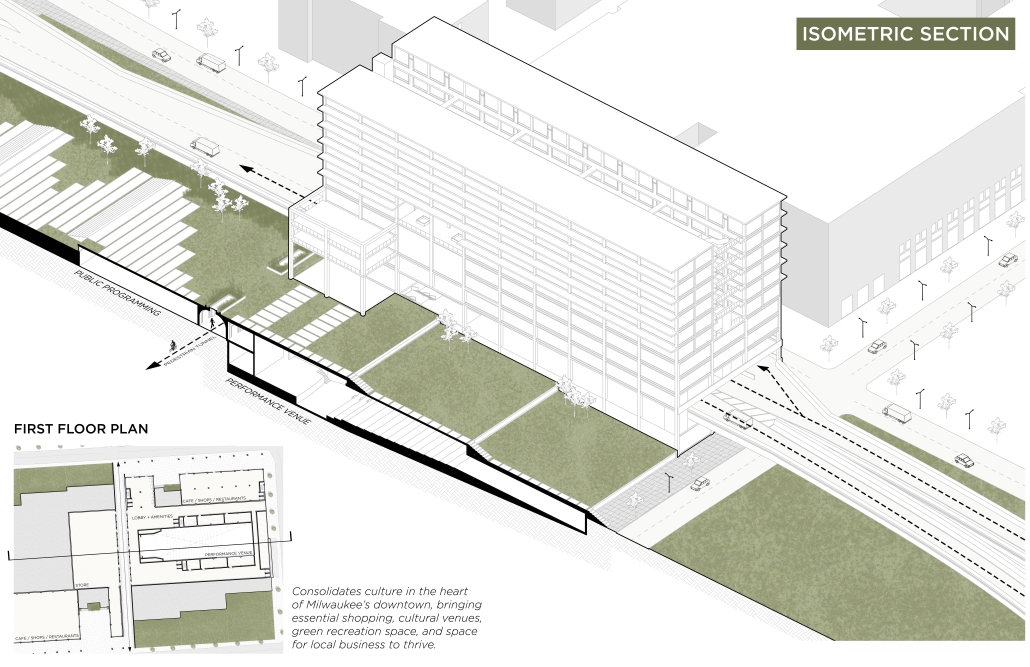
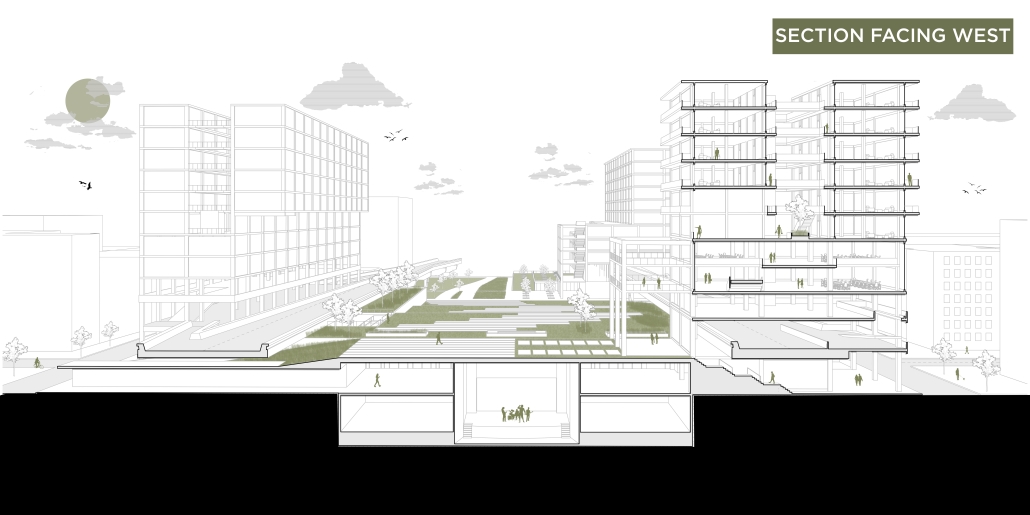
Rather than a simple removal, a negotiated balance preserves critical commuter routes that aren’t supported by the current transit system while converting a majority of the former freeway footprint into a continuous open space connecting the greenspaces of the Milwaukee Riverfront to the state and county parks on the Shores of Lake Michigan. Housing, shops, cafés, and cultural venues step down to human scale at street level; the space beneath the elevated roadways becomes reclaimed for the city and bridges the gap between the freeway spur and the neighborhoods it divides. These new buildings integrate parking garages that are directly accessible from the I-794 overpass, allowing vehicles to enter and exit without encroaching on street-level activity. This approach helps relegate car traffic away from pedestrian spaces, promoting a vibrant street life and encouraging ‘park-and-walk’ rather than driving directly to one’s destination. Transit stops and bike hubs nestle at key intersections, linking bus and rail lines to pedestrian pathways that flow seamlessly into adjacent neighborhoods.

This symbiosis stitches together the city’s disconnected urban grid, transforming the concrete barriers into green corridors and crafting connectivity between people, place, and nature. Instead of a unimodal freeway, I‑794 becomes an interconnected downtown system where pedestrian mobility, outdoor recreation, and a new community thrive.

Instagram: @sean.thiel, @smt_arch, @monaelkhafif
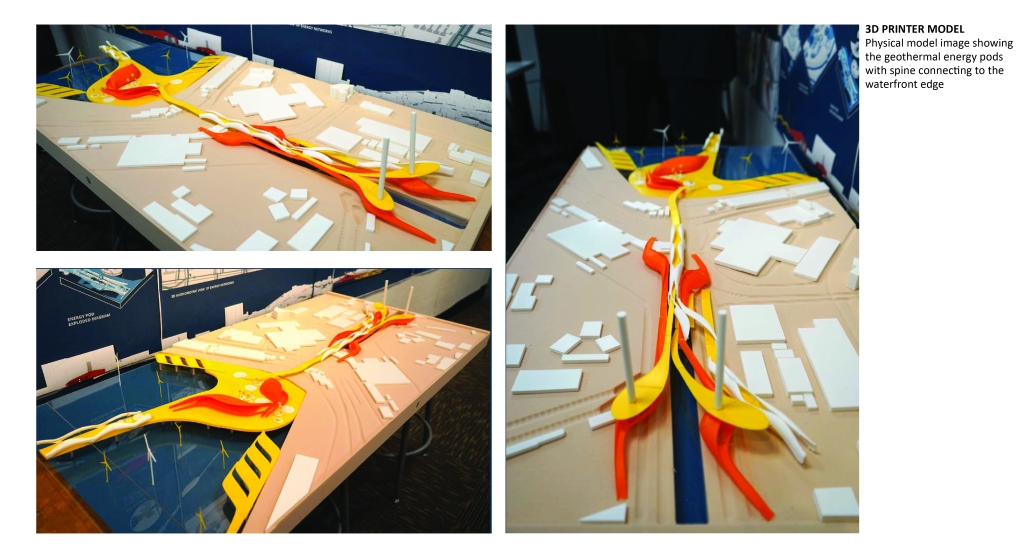
Energy Networks: Stitching Infrastructure through Land & Water by Neha Mudu & Sarvesh Joshi, M.Arch ’25
New York Institute of Technology | Advisors: Marcella Del Signore & Evan Shieh

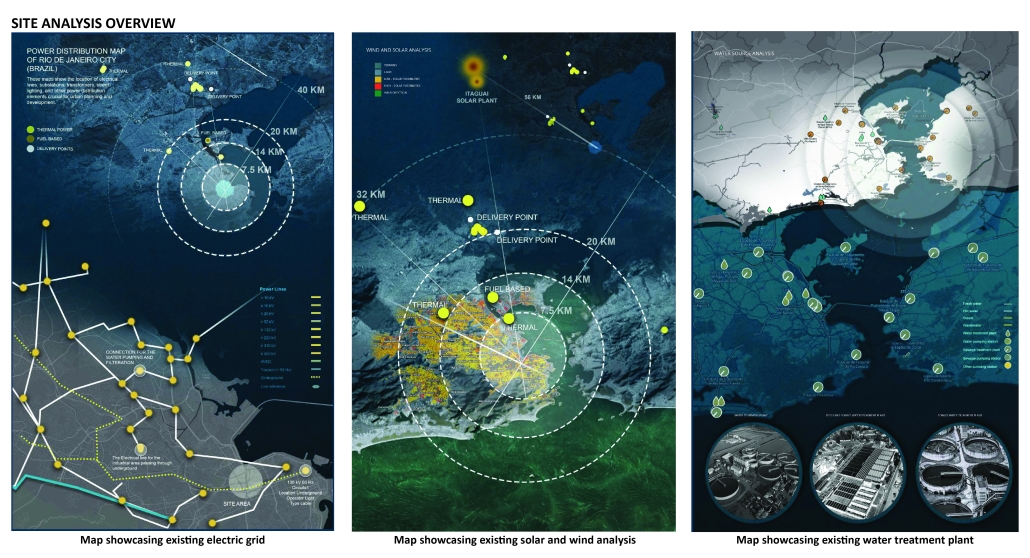
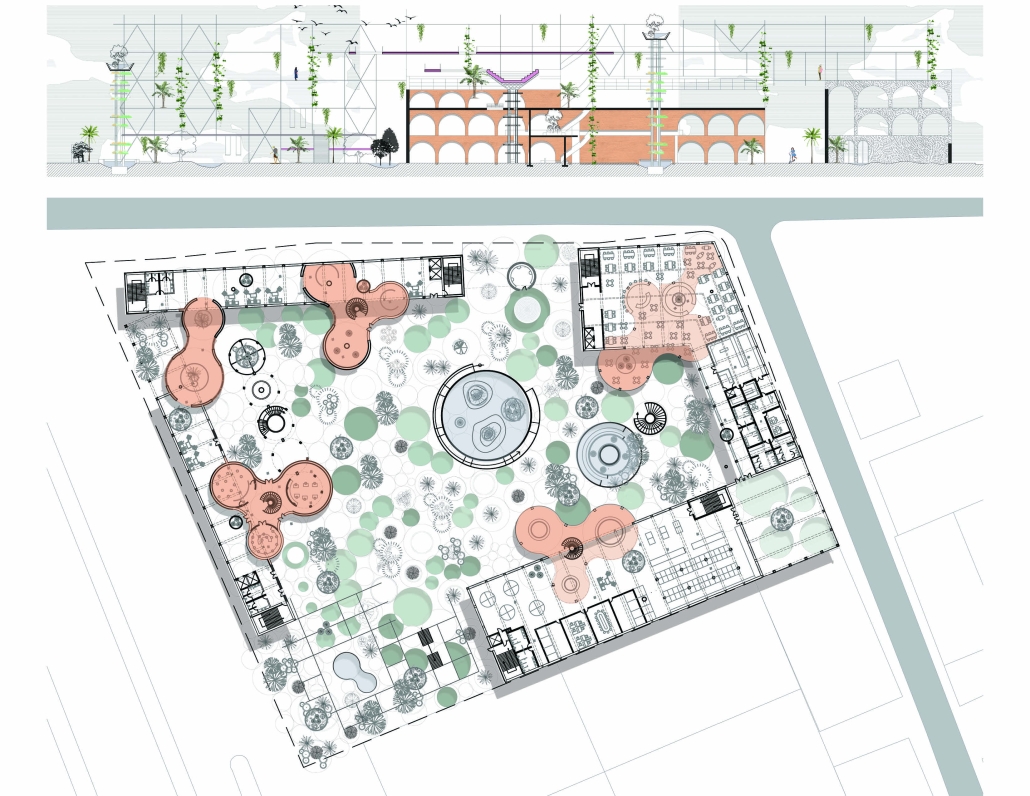
[This] proposal envisions a renewable energy power plant designed to act as a resilient backup system for Rio de Janeiro’s industrial zones, addressing the city’s recurring power outages while supporting long-term sustainable urban development. The design responds not only to the functional need for energy resilience but also to the environmental and social challenges faced by rapidly urbanizing coastal cities.

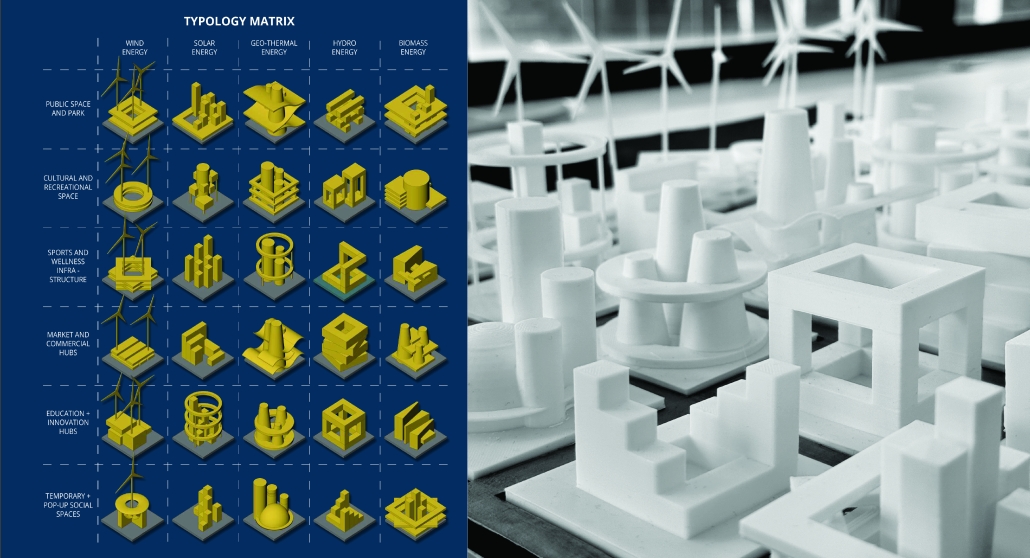
At the heart of the project is a hybrid energy infrastructure that integrates four key renewable sources — hydroelectric, geothermal, solar, and wind. These systems are carefully sited and layered across the landscape, forming a continuous network that blends with both the urban and natural context. The infrastructure is not hidden away, but exposed and celebrated, functioning as both a power-generating engine and a public experience.

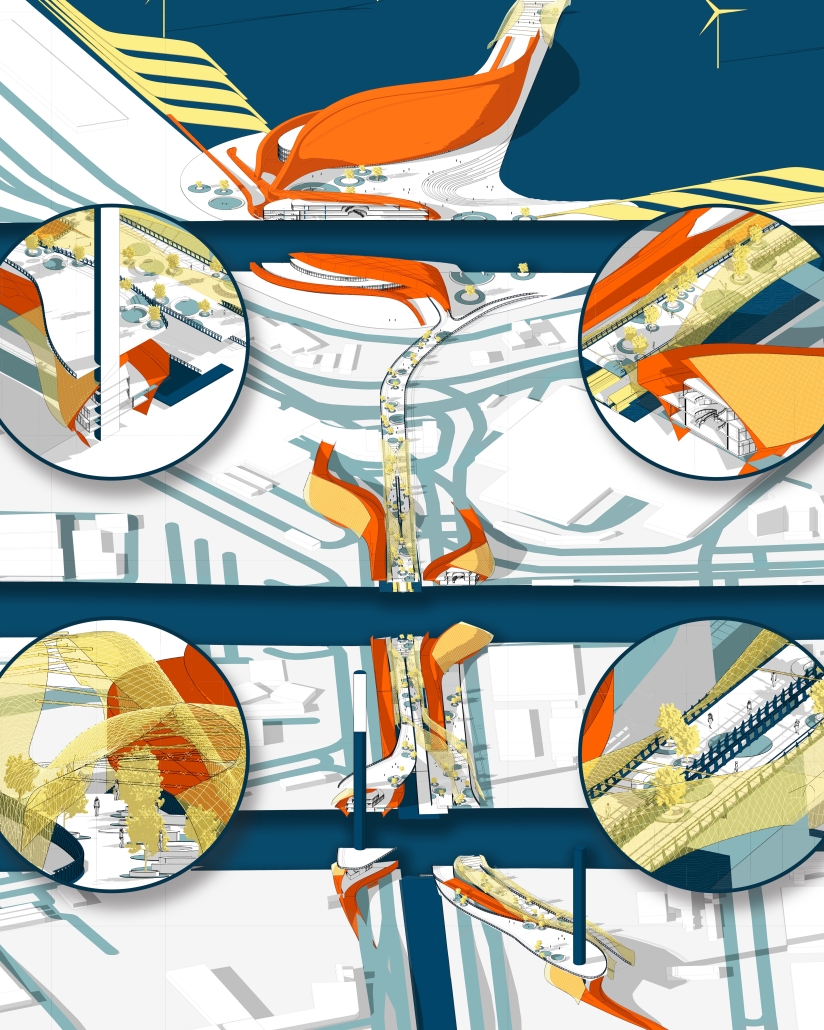
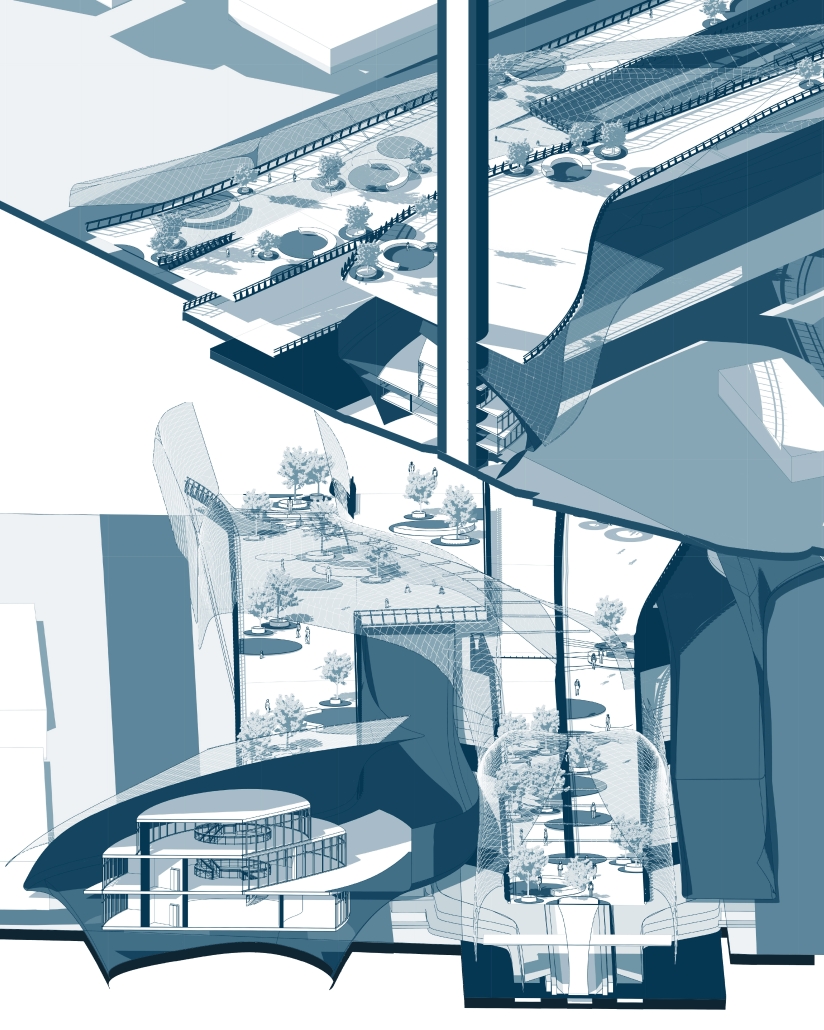
A central feature of the project is a spine-like elevated pedestrian walkway. This linear path connects the energy-producing nodes across the site, guiding movement and interaction while educating the public about sustainable energy systems. The walkway is embedded with piezoelectric panels that convert foot traffic into electricity, symbolizing how everyday public activity can contribute to a collective energy future.

Along this spine, key programmatic zones unfold — including educational centres, community spaces, research pods, and waterfront public areas. The project becomes more than a utility; it transforms into a civic landscape where infrastructure, technology, and people converge.

By treating renewable energy infrastructure as a public asset, this proposal aims to blur the boundaries between utility and urban experience. It supports energy independence, encourages public engagement, and creates a resilient framework that can adapt to future environmental and social needs.

This project was featured in the NYC X DESIGN Presentation Showcase.

Instagram: @nehamudu, @sarveshjoshi2697, @ev07, @marcelladelsi
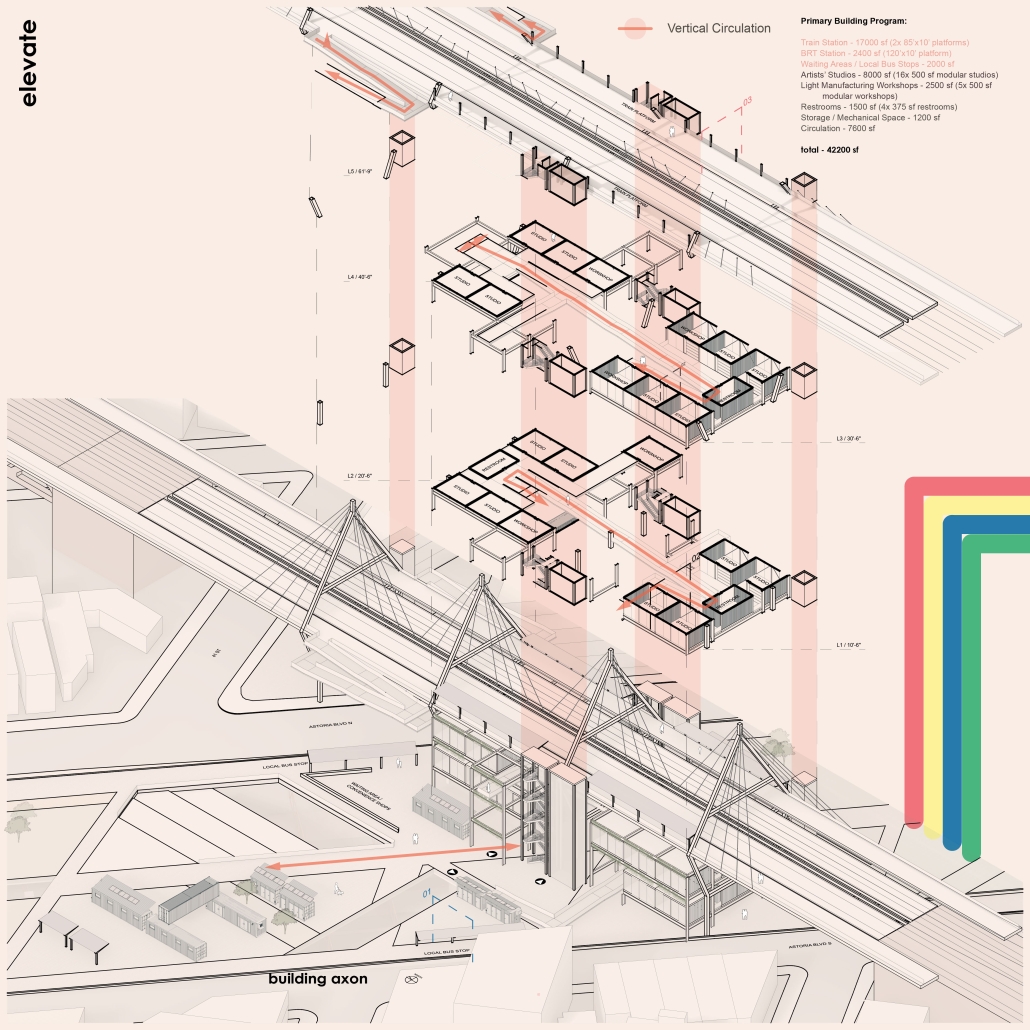
ELEVATE: Rethinking Urban Mobility Infrastructure by  Luke Stefanchik, B.Arch ’25
New York Institute of Technology | Advisor: Farzana Gandhi

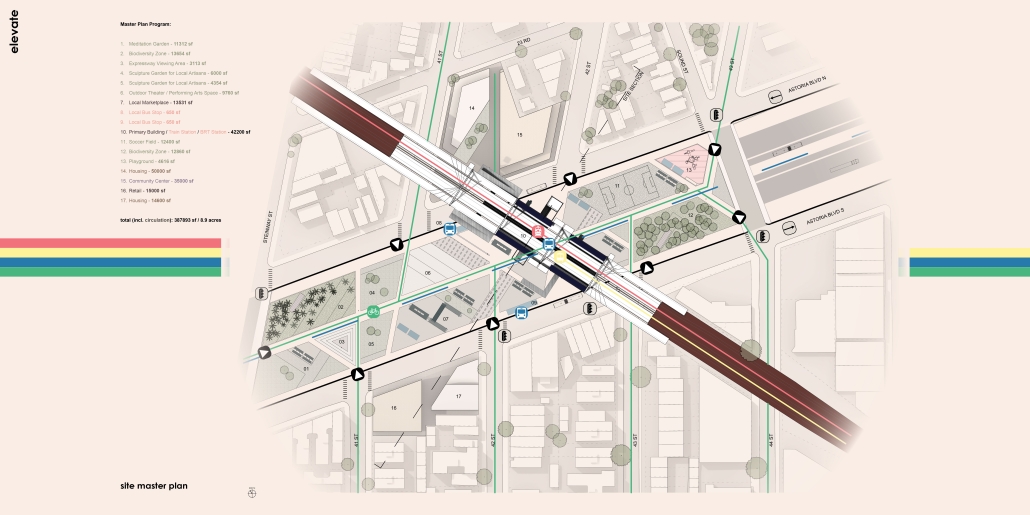
Cities around the world are removing or decking over their highways in favor of linear parks and boulevards. Is this enough to repair decades of damage caused by highways and car-centric infrastructure? We need to develop a new typology that weaves public transit with community services and adaptive reuse, and bridges the divide created by highways. New public transit projects in NYC and innovations in architecture and infrastructure provide an opportunity to rethink the city’s existing transit corridors. [This project redevelops] the intersection of the sunken Brooklyn-Queens Expressway with the elevated Hell Gate rail bridge along Astoria Boulevard between Steinway Street and 43rd Street in Queens. This is a densely-populated and diverse area that lacks recreation and community spaces, and was split in half by the highway. 

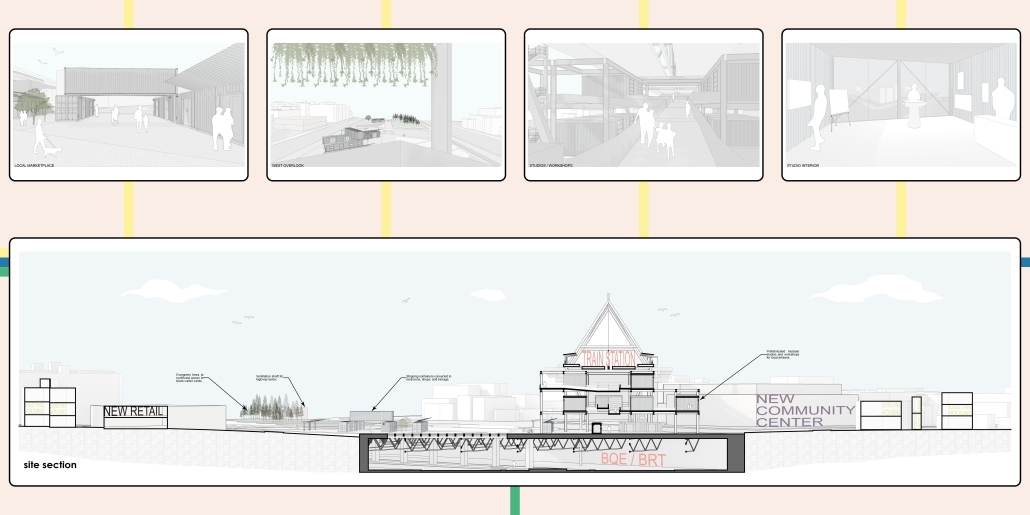
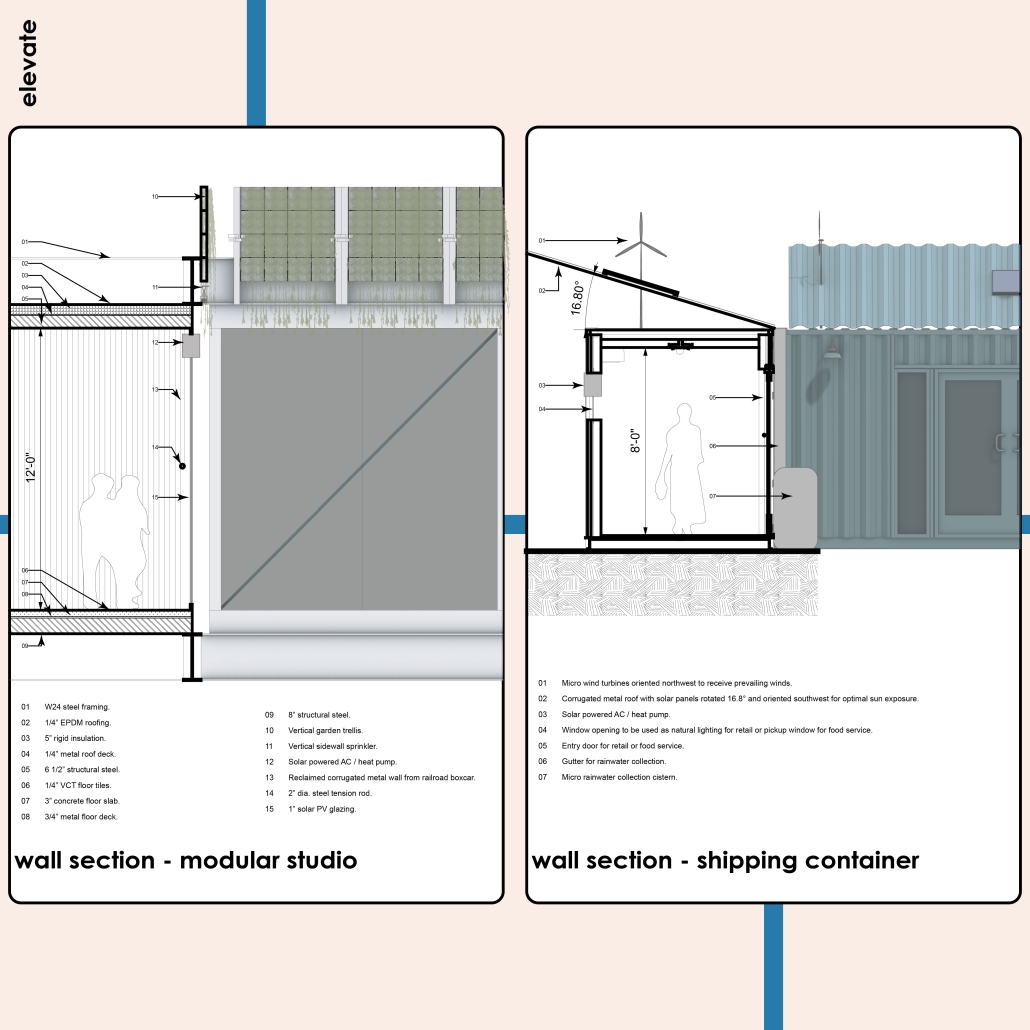
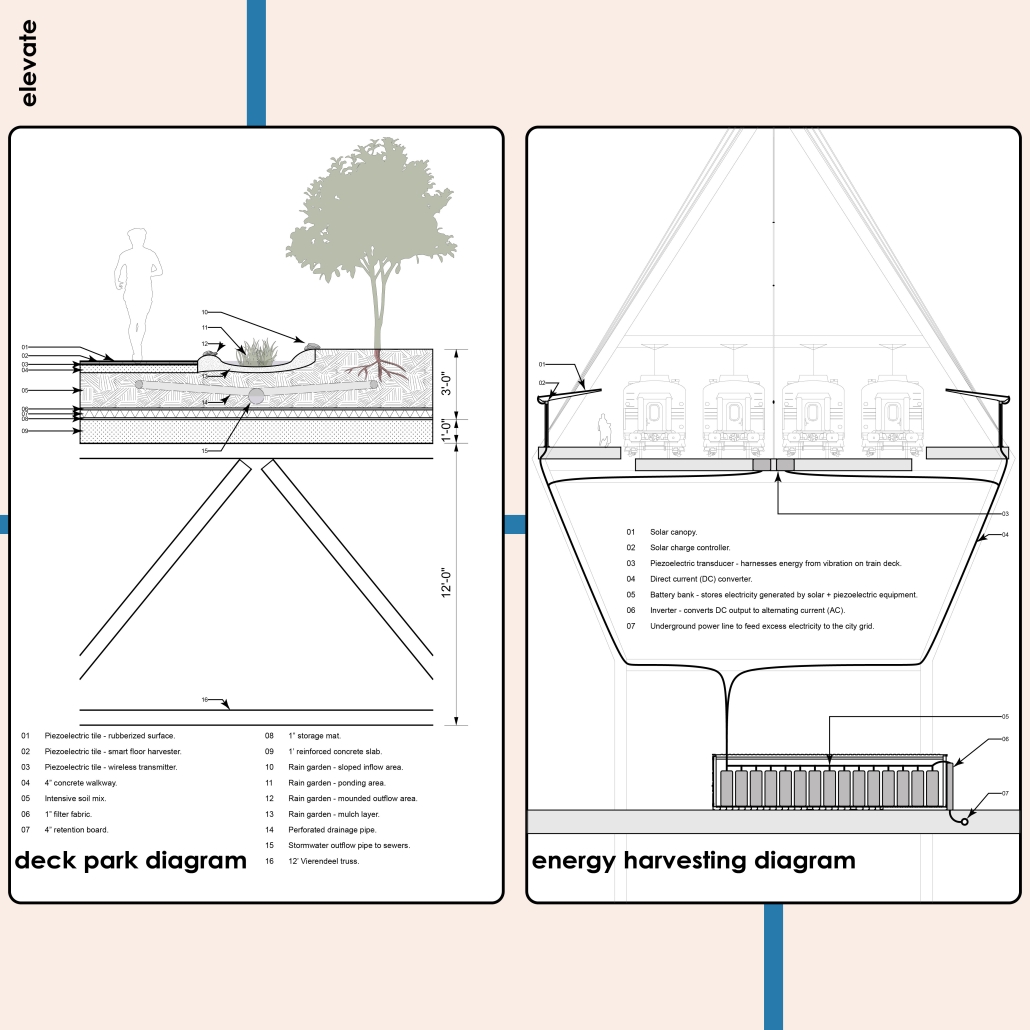
Right now, two different projects plan to make use of the railway — Metro-North’s Penn Station Access and MTA’s Interborough Express — which is currently only used by Amtrak and freight trains. Merging these projects creates an opportunity to develop this new typology. I am proposing to add two bus rapid transit lanes to the BQE for the M60 bus to LaGuardia Airport. At street level, the expressway will be decked over to create a park with exhibition and performance spaces for local artists. A section of the bridge will be torn down and rebuilt with modern, lightweight materials to support a new train station for the Metro-North, Amtrak, and Interborough Express. The space under the bridge will house prefabricated, modular workshops for local artisans to create and sell their work. Sustainable aspects incorporated into the project include hanging vegetation, solar canopies, and retrofitted shipping containers in the park. This hub will bridge the divide created by the expressway and serve as a catalyst for future transit design.

Click here to learn more. 

This project received the Dean’s Award for Excellence in Architecture and was featured during the 2025 NYIT Symposium of University Research and Creative Expression (SOURCE) and the 2025 NYCxDesign Festival.

Instagram: @luke.js, @fg_architecture
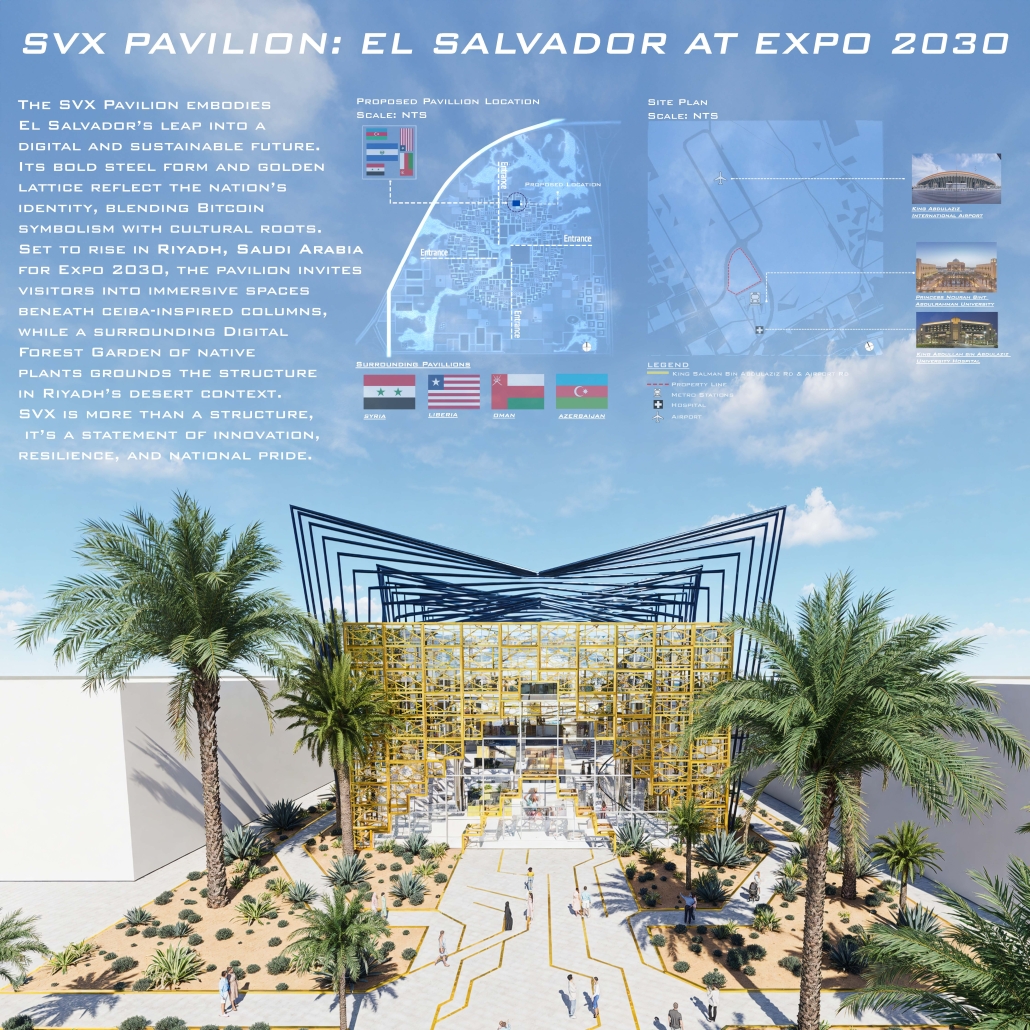
The SVX Pavilion: EL Salvador At Expo 2030 by Elaine Bonilla-Villatoro, B.Sc. in Architecture ’25
University of the District of Columbia | Advisor: Golnar Ahmadi

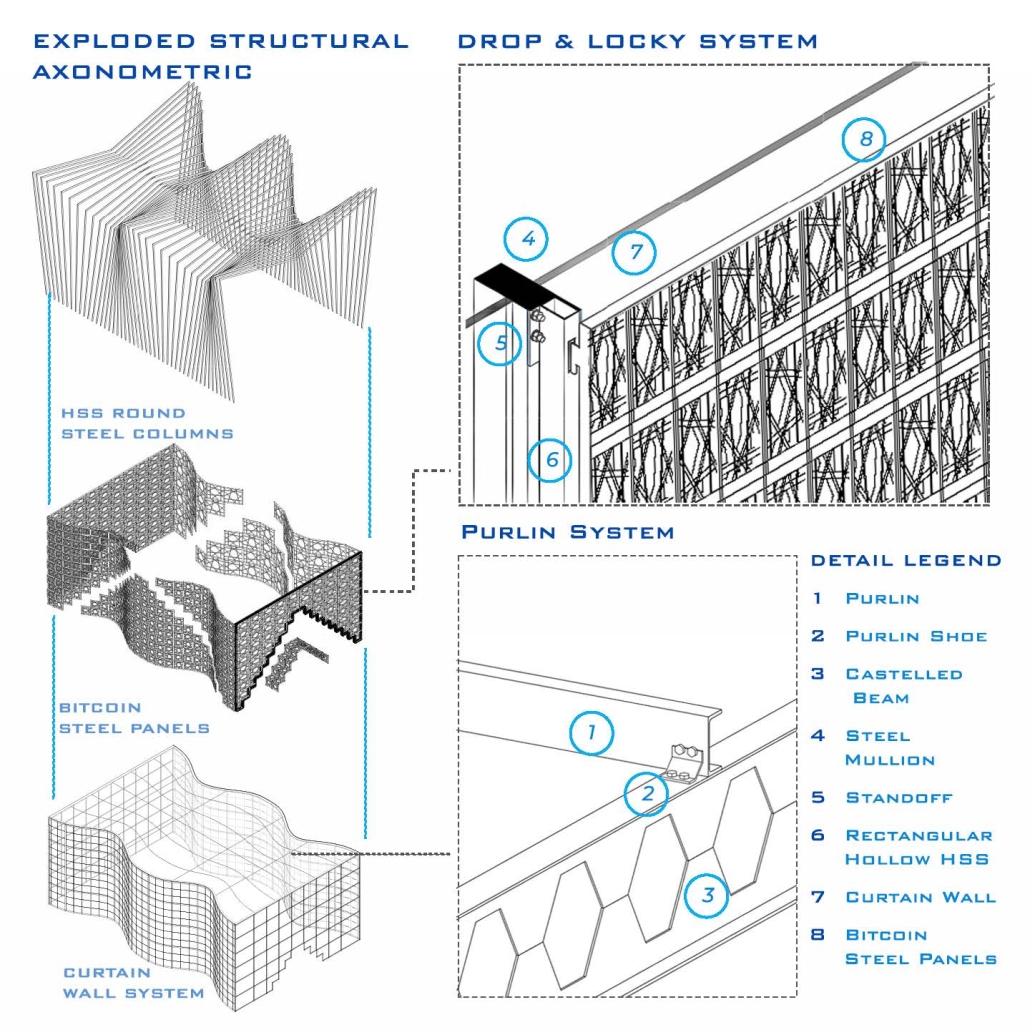
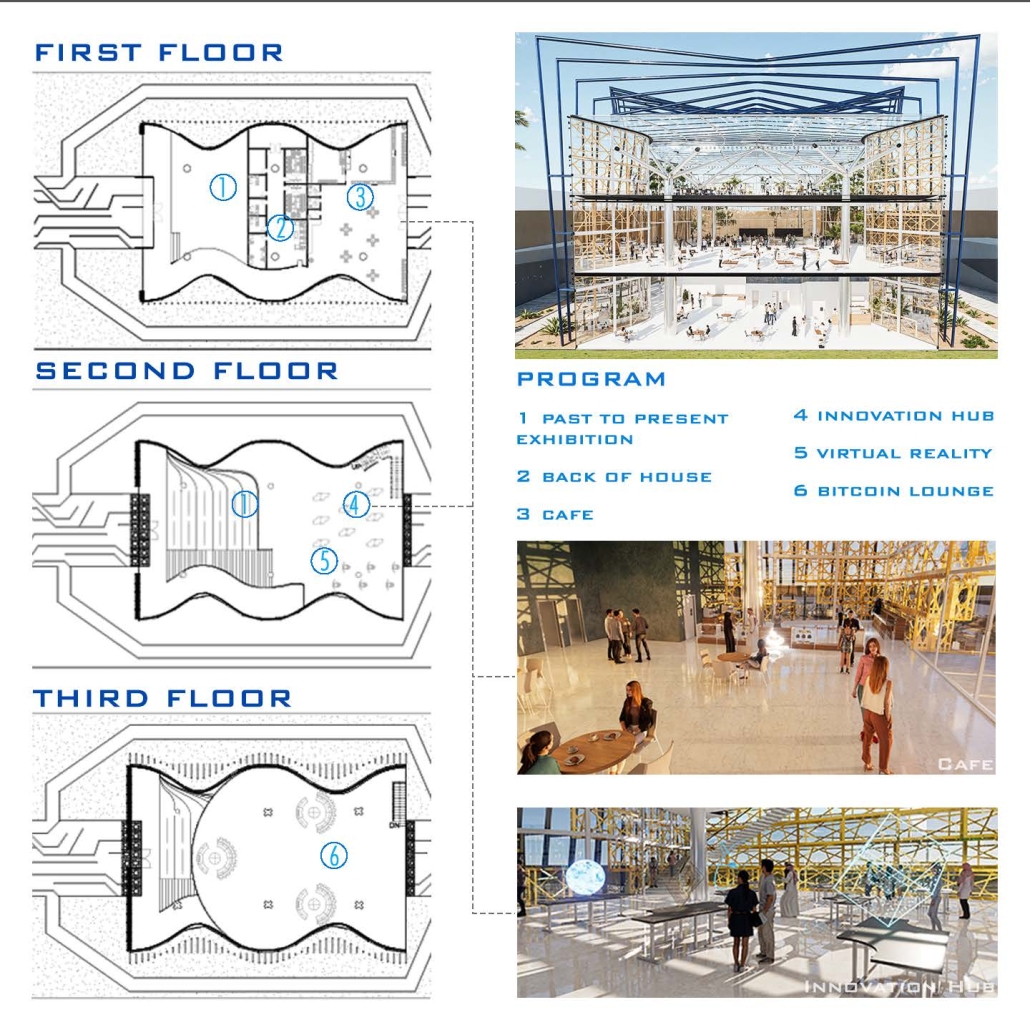
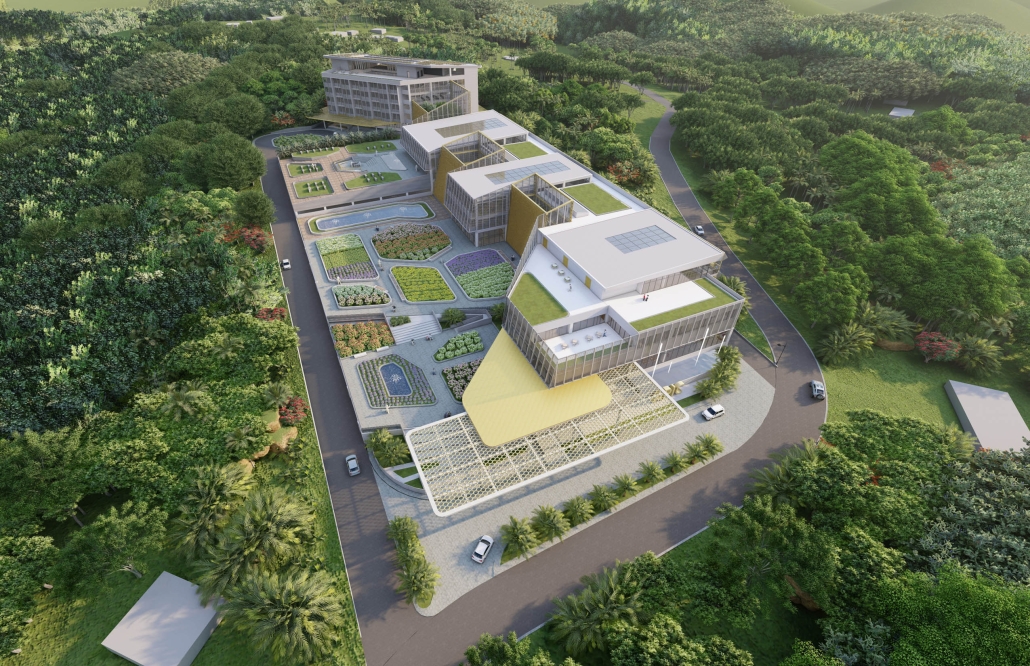
The SVX Pavilion, designed for Expo 2030 in Riyadh, Saudi Arabia, symbolizes El Salvador’s bold leap into a digital and sustainable future. Rooted in an expressive steel structure, the pavilion expresses a national identity through architectural elements, merging cultural roots with the country’s adoption of Bitcoin as a legal tender, which makes it the first nation to do so.

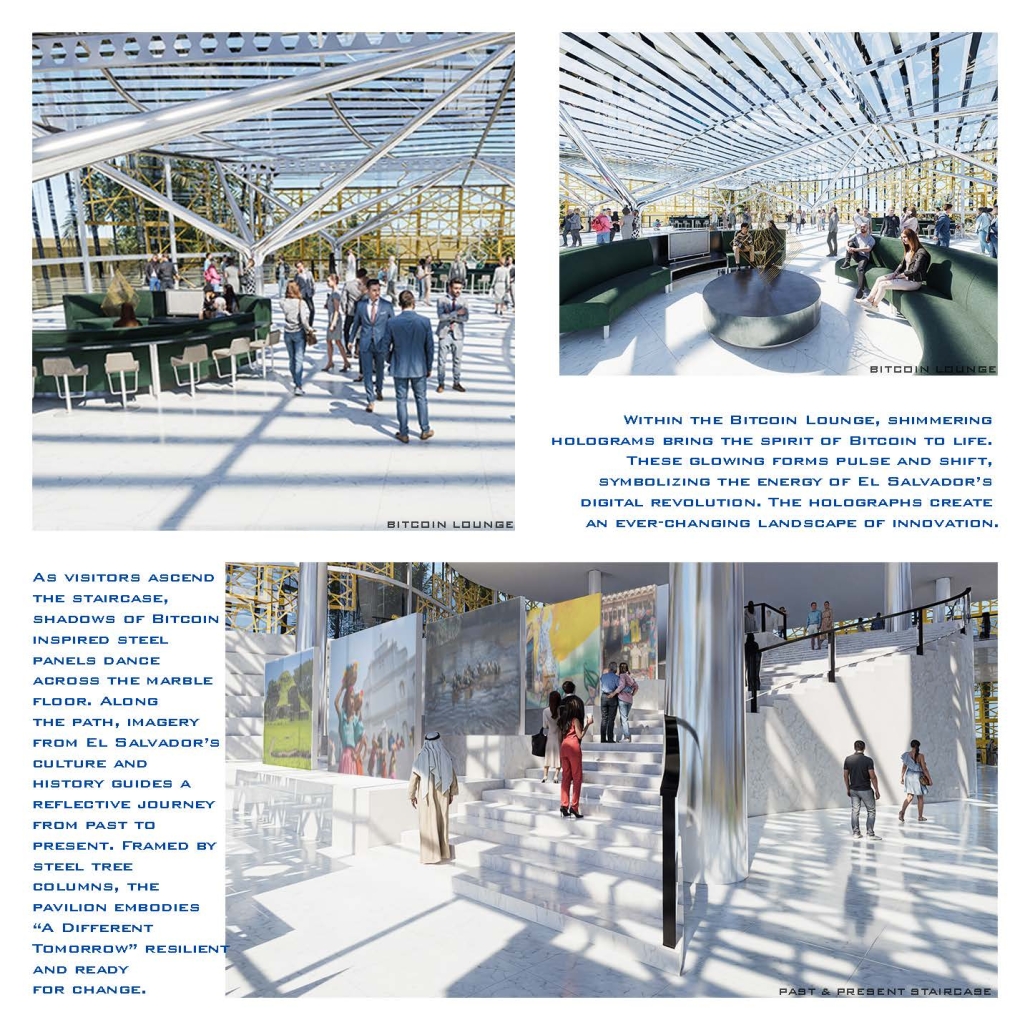
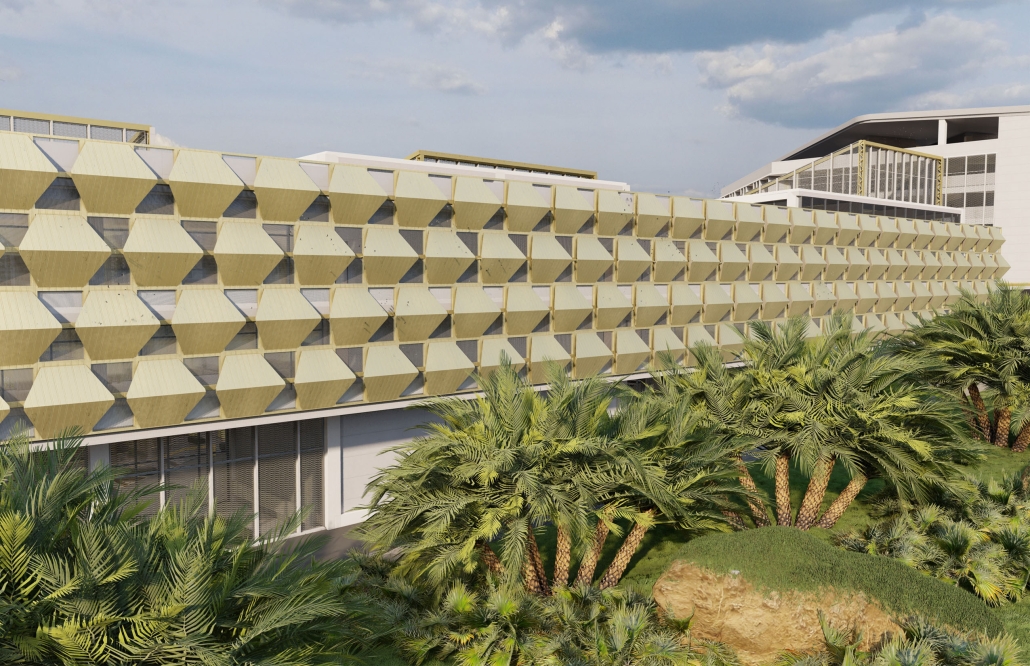
Inspired by the Ceiba tree, the pavilion features branching rolled steel columns that rise continuously from the ground floor to the roof and support a canopy and the glazed roof, which allows the spaces to be filtered with desert light. These structural columns shape the main circulation spaces and frame key exhibition zones while representing strength and interconnectedness, a metaphor for El Salvador’s digital network. A golden perforated panel facade references blockchain technology’s traditional craft and digital mesh, creating a visual connection between the past and future.

At its core, the SVX Pavilion includes the Bitcoin Lounge and Innovation Hub, with holographic displays representing El Salvador’s digital economy. These spaces offer a platform for education, interaction, and diplomacy while inviting global visitors to reflect on how emerging technologies shape sovereign futures and redefine national narratives.

Surrounding the pavilion, the “Digital Forest Garden” combines native Salvadoran plants that can adapt to Riyadh’s desert climate. This makes the futuristic structure belong in nature and promotes ecological resilience. The landscape is a metaphor for sustainable adaptation and a thermal buffer that enhances passive climate control.

Steel is not only the structural core of the SVX Pavilion but also a symbol of strength, modularity, and meaningful possibilities. Its use enables rapid fabrication and bold sculptural identity, which supports the project’s narrative of innovation and transformation. The SVX Pavilion is more than a national exhibition. It is a statement of El Salvador’s emerging role in the global dialogue on technology and sovereignty.

Instagram: @golnarahmadi

Stay tuned for Part IX!
2025 Study Architecture Student Showcase - Part VI

Today’s installment of the 2025 Student Showcase highlights projects with a focus on landscape and agriculture. Part VI features student work that takes place in diverse settings, including New Mexico, Brazil, Chile, Alaska, and more. Each project utilizes architecture as a tool to promote sustainability, social equity, and community resilience. 

Scroll down for a closer look at these outstanding student projects!
The Agrarian City by Aneesha Muthuraj & Rajni Kathiriya, M.Arch ‘25
New York Institute of Technology | Advisors: Marcella del Signore & Evan Shieh

In a time when urban centers face growing food insecurity and rural traditions risk being forgotten, architecture has the potential to bridge the gap between cultural heritage and contemporary urban challenges. 

This project began with two key questions: 

  • How can architecture reconnect Brazil’s deep agrarian identity with its current urban food insecurity?
  • And how can we transform abandoned structures into systems that grow food, share knowledge, and empower local communities?

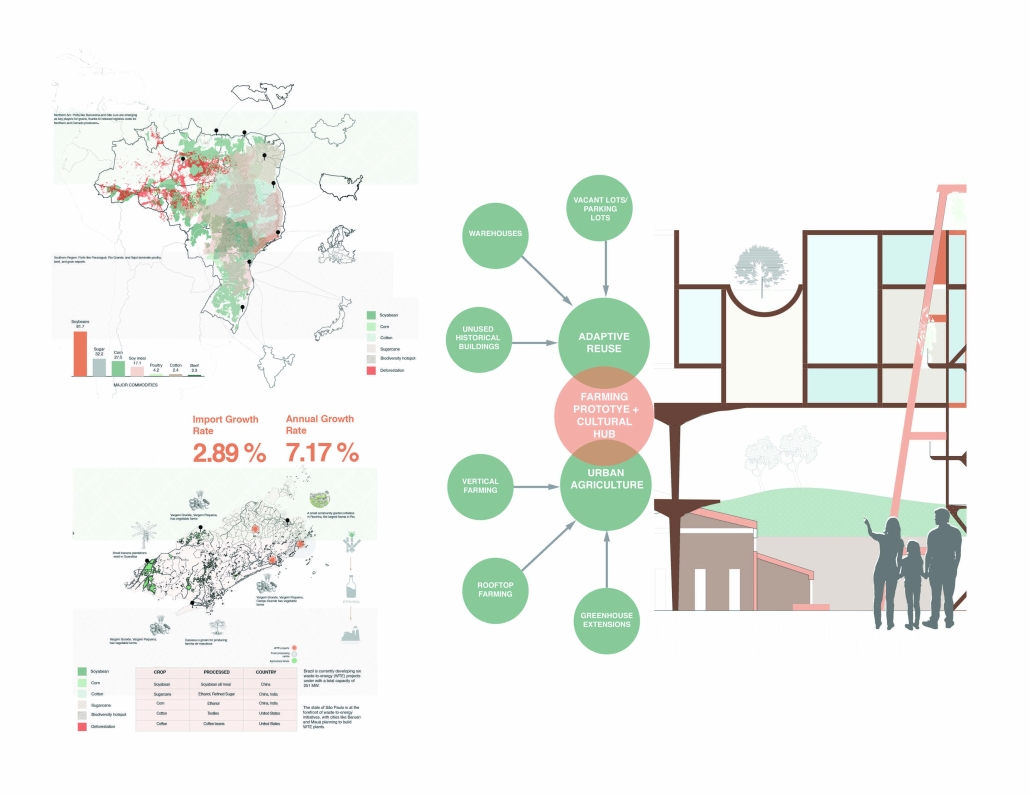
 From these questions, “The Agrarian City” was born, a design framework that proposes scaffolding systems and modular toolkit insertions to retrofit unused buildings into vertical teaching farms. These structures not only produce food but also serve as platforms for education, skill-building, and community gathering. 

Our pilot site in São Cristóvão, Rio de Janeiro, is rooted in the principles of adaptive reuse, seasonal crop planning, and integrated spatial systems that blur the lines between agriculture, learning, and public life. By treating architecture as an evolving, regenerative system rather than a static form, the project aims to demonstrate how the built environment can support ecological restoration, food justice, and social empowerment. At its core, The Agrarian City is about growing, reusing, and educating, rethinking the role of architecture as a living system that cultivates resilience and belonging within the urban fabric.

Instagram: @aneesha_muthuraj, @ev07, @marcelladelsi

Nuclear Landscapes of New Mexico by Amanda Champion, Master of Landscape Architecture (MLA)’25
University of New Mexico | Advisors: Catherine Page Harris, Chris Wilson, Nora Wendl & Dr. Myrriah Gomez

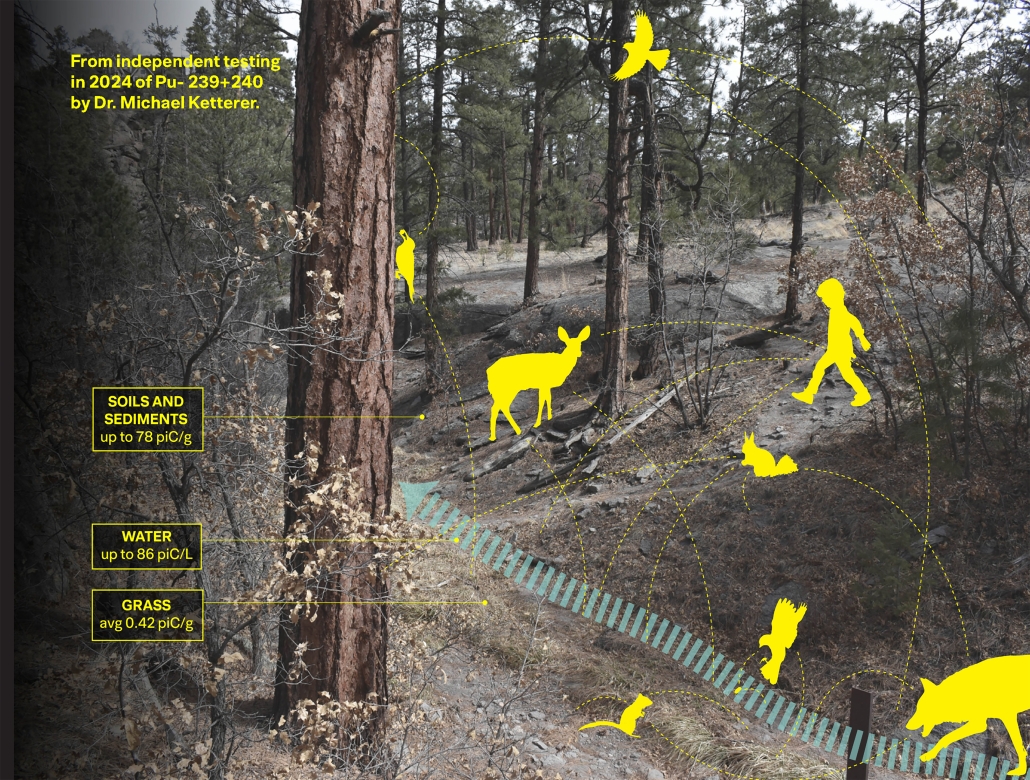
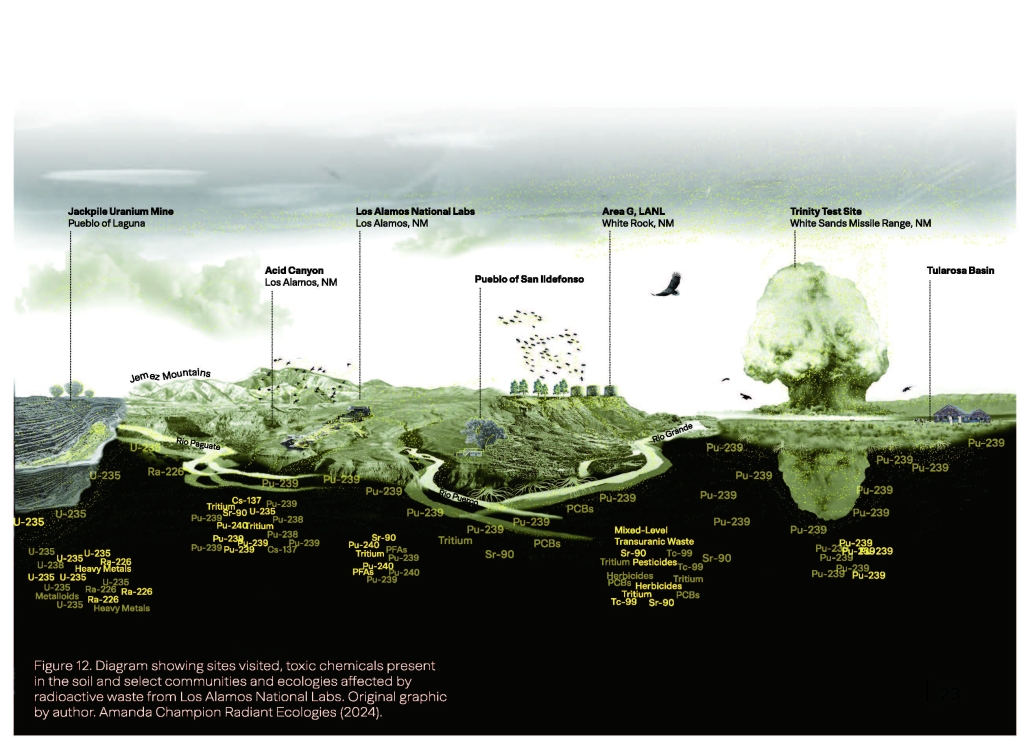
Champion (MLA 2025) investigated Acid Canyon, Los Alamos, NM, through her master’s project, making visible water moving plutonium through public recreational landscapes into the Rio Grande. Champion wrote, “The landscapes of nuclear sites, both historic and contemporary, are designed spaces that tell specific stories about the societies we live in. Whether highly visible industrial infrastructure or naturalistic spaces touched by the invisible yet toxic hand of radiation, these landscapes are woven into the fabric of the New Mexican landscape … Many of these landscapes are unknown due to the intentional secrecy of the federal government around the nuclear weapons industry.”

This project received a master’s distinction.

Instagram: @a_man_dog, @cph_landart

Roots and Rails by Alyssa Ascani, Naomi Metzger & Siraphat Sukarom, M.Arch ’25
New York Institute of Technology | Advisors: Marcella Del Signore & Evan Shieh

“Roots and Rails” is a design thesis focused on reimagining food distribution infrastructure in Brazil at a micro scale, specifically in the São Cristóvão neighborhood of Rio de Janeiro. The project addresses issues of food insecurity, infrastructure inequality, and community disconnection, proposing a local food network.

Brazil is a major exporter of agricultural goods, but simultaneously imports rising amounts of processed food. In neighborhoods like São Cristóvão, this results in food deserts and traffic congestion from export-driven transport. Mapping studies revealed that large portions of the population live beyond walkable distances to grocery stores, especially in dense areas like favelas.    

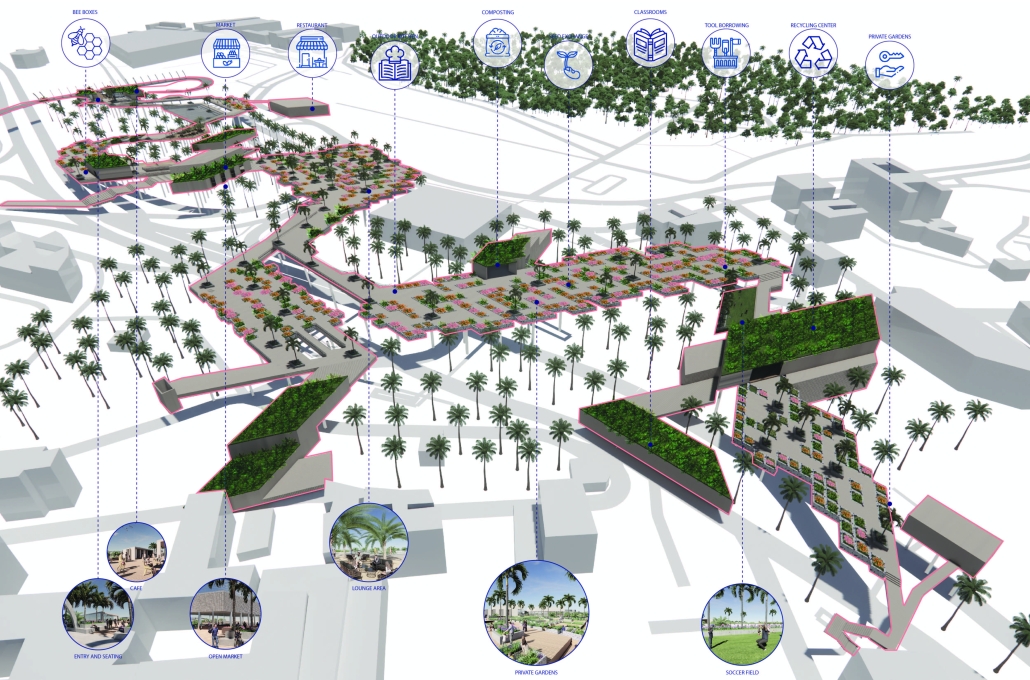
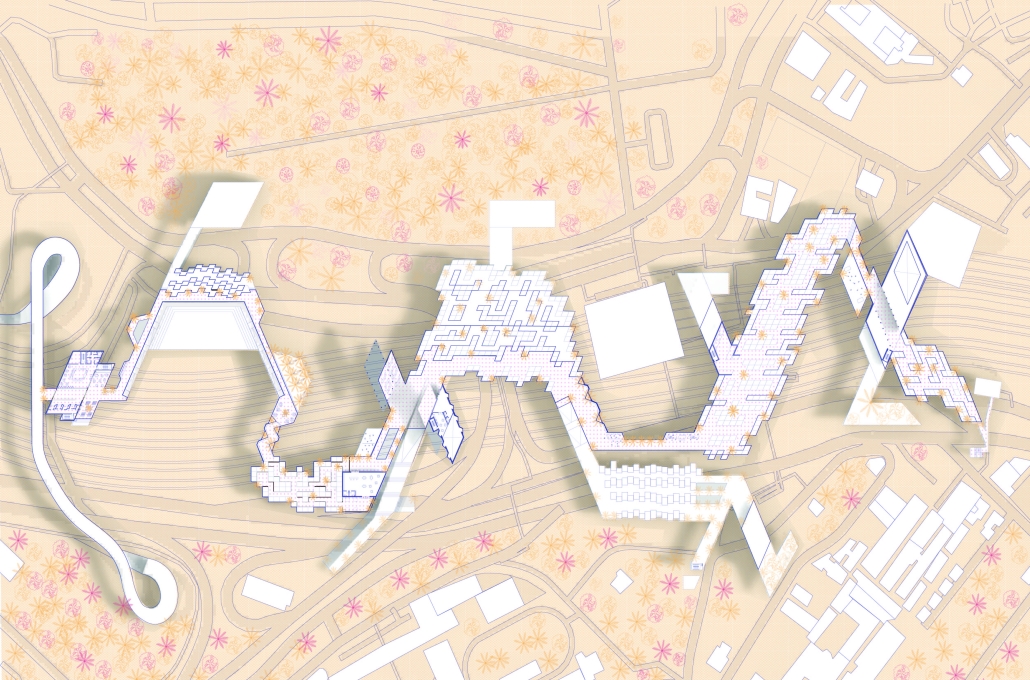
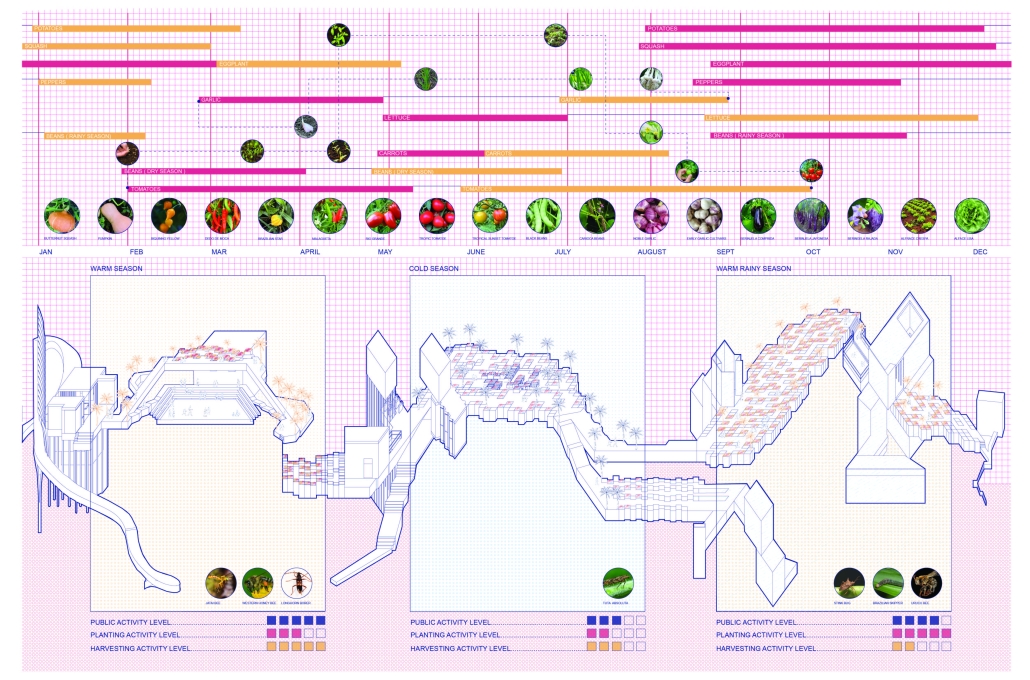
Our solution transforms underutilized land and divides urban infrastructure, specifically the railway corridor, into a linear public food system. We identified three vacant or unproductive sites along the railway and connected them with a continuous “spine” built above the tracks. This elevated path hosts production, consumption, exchange, and celebration programs, forming the core of a new community-based food network.

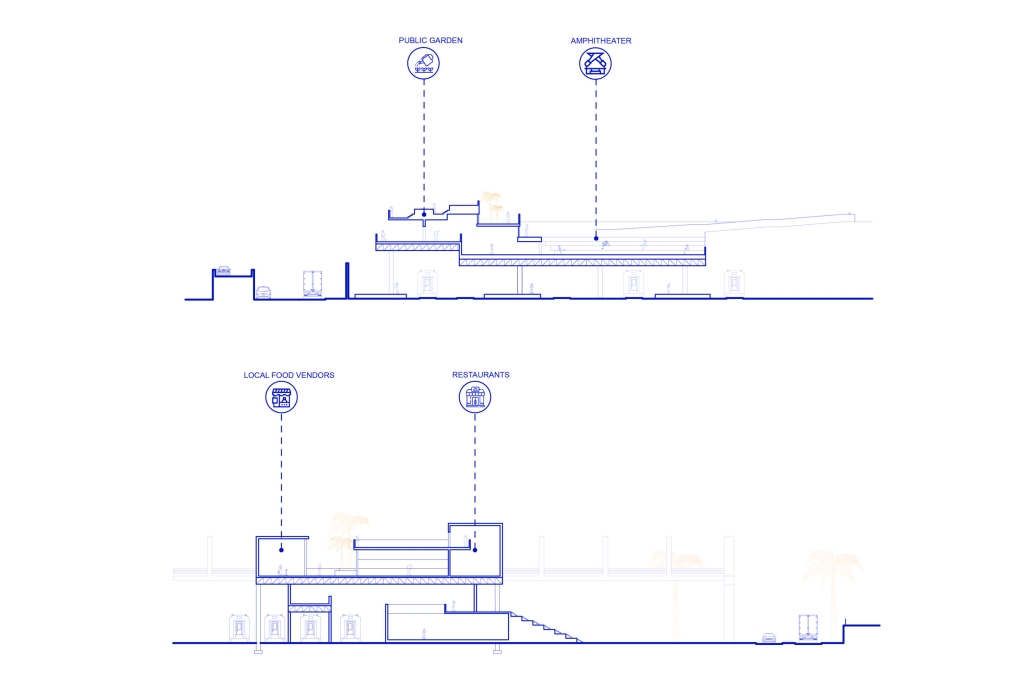
The spine includes community gardens, open markets, dining areas, and public spaces. It is accessible via existing pedestrian bridges and integrates with surrounding neighborhoods, connecting local businesses, bars, restaurants, and homes. The spine’s design allows programs to “bleed” into adjacent areas, transitioning from large-scale infrastructure to neighborhood-scale interventions.

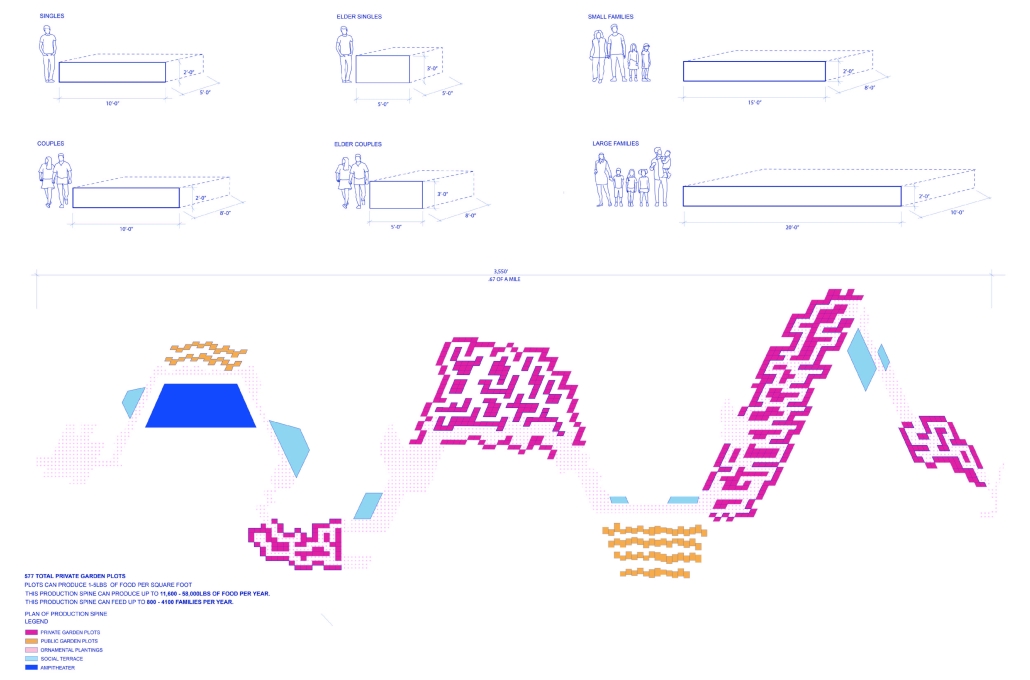
Gardens are divided into private, communal, and market plots, with varied sizes to serve individuals, families, and elders. These plots supply fresh produce to local vendors and cafes located along the spine, and excess goods can be distributed via the adjacent railway. Additional elements include amphitheaters, educational classrooms, seed exchange hubs, and compost stations.

A management team oversees garden plot rentals, market operations, and waste management. Organic waste is collected, composted, and returned as fertilizer, creating a sustainable loop that reduces pollution and supports local agriculture.

Roots and Rails reclaim neglected infrastructure to serve the local community, transforming a divisive element of the city into a unifying, productive space. The project not only tackles food insecurity but also fosters local economies, environmental sustainability, and community resilience through thoughtful urban design

Instagram: @ascaniarchitecture, @naomilewinter, @pattapsp, @ev07, @marcelladelsi

Reimagining Concon Estuary: Reclaiming Concon With Community-Led Catalysts by Mutita (Maeve) Ouk, Vicky Sindac Gomez, Daisy Castro & Qingyi (Eva) Gan, M.S. Architecture and Urban Design (MSAUD) ’25
Columbia University | Advisors: Kate Orff, Geeta Mehta, Sebastian Delpino, Gabriel Vergara, Emanuel Admassu & Lucas Coelho Netto

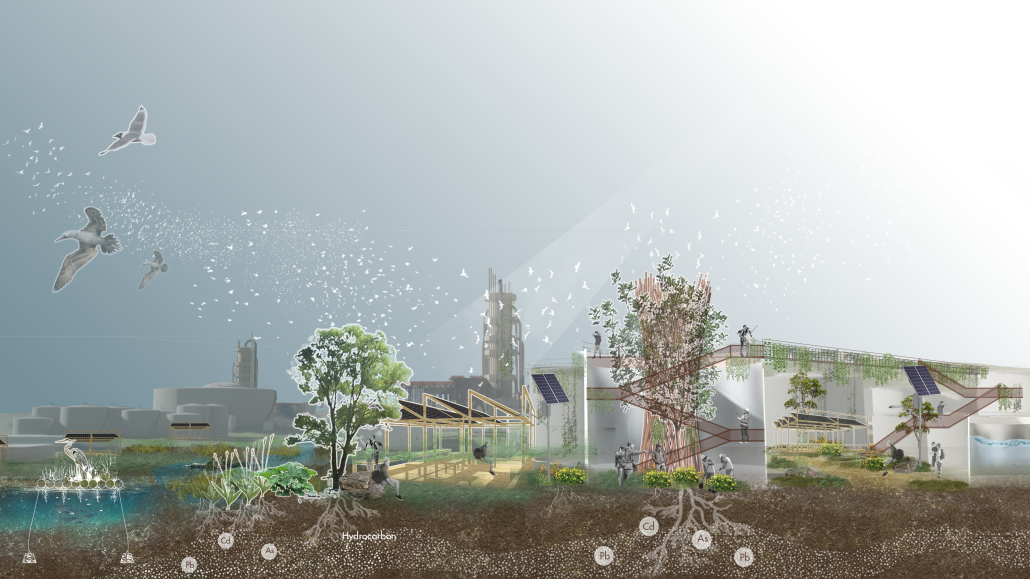
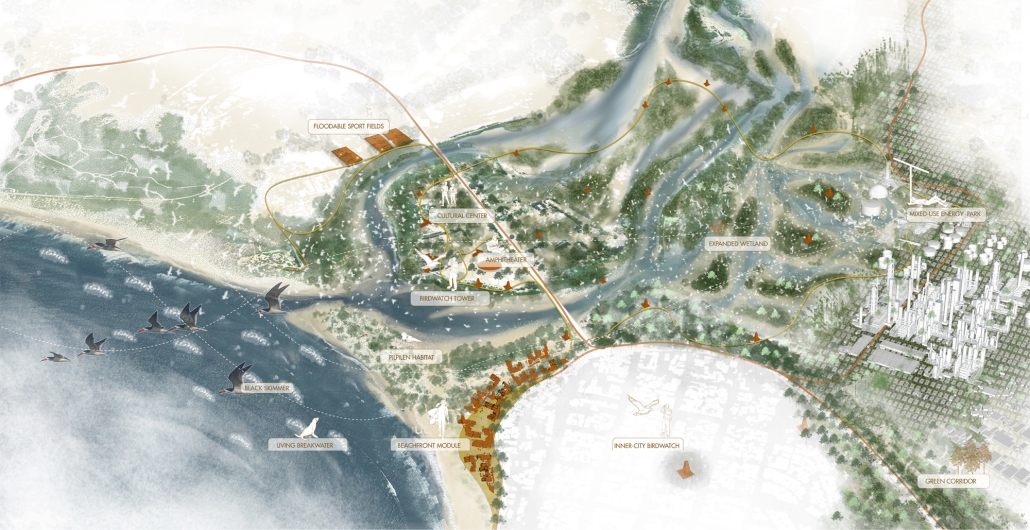
What if the Concon Estuary and the surrounding wetland ecosystem were restored to enhance the well-being of local flora, fauna, and community?

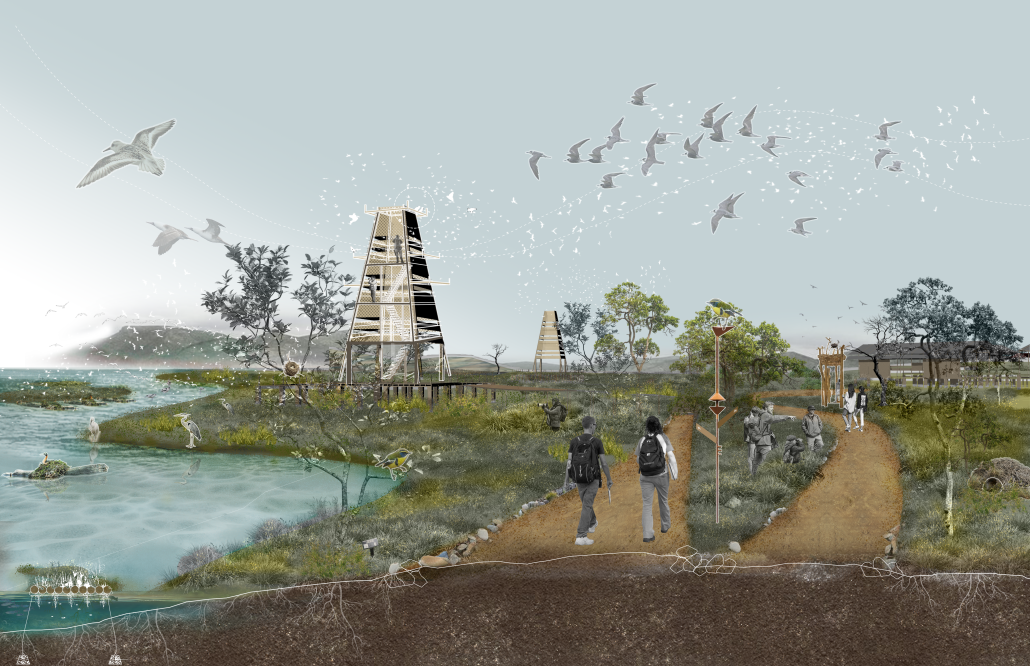
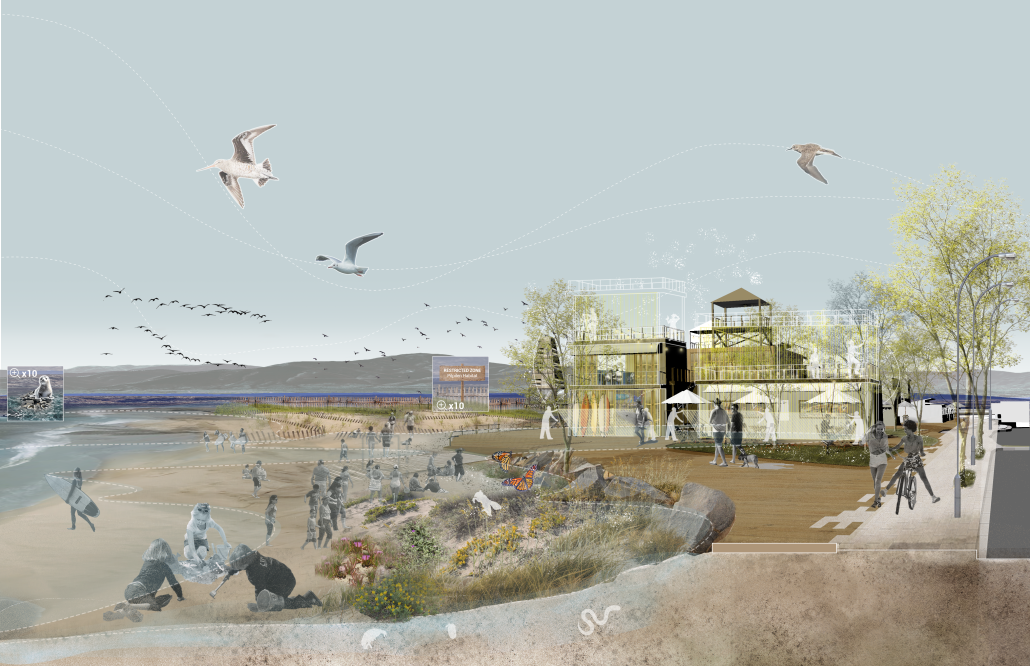
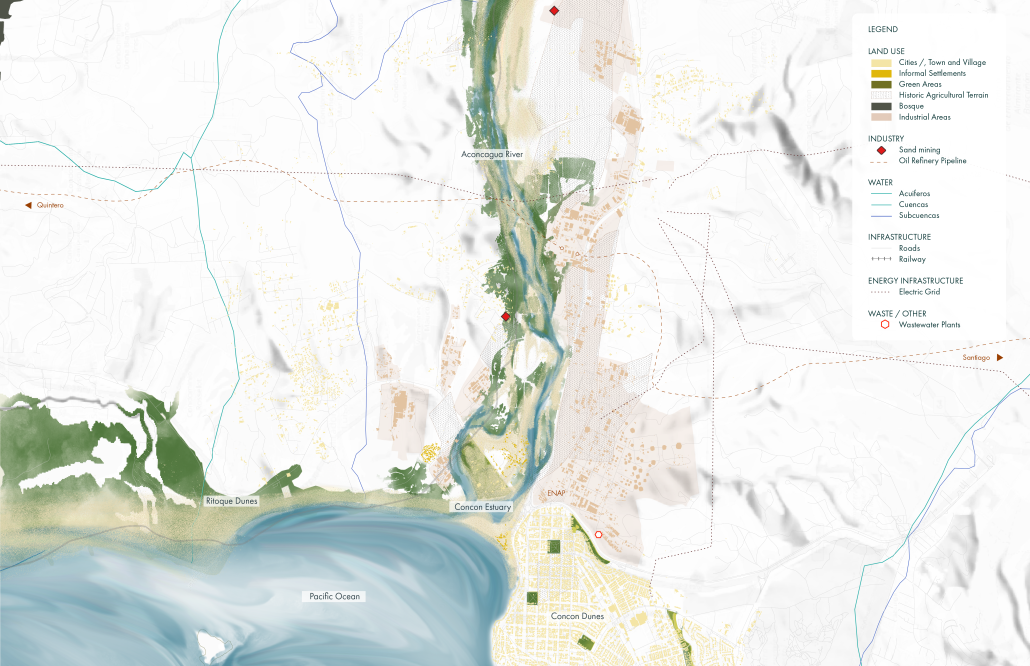
The Concon Estuary, located in the coastal region of Valparaiso, Chile, is a vital transitional zone between the Aconcagua River and the Pacific Ocean. It boasts rich biodiversity and a dynamic landscape that constantly changes throughout the days, seasons, and years– where river meanders, ocean tides fluctuate, sediment flows, and birds are free to come and go. However, human activities, including urban development, pollution from the ENAP oil refinery, the Asfalcom cement factory, sand mining, waste dumping, and unregulated recreational activities, have placed significant pressure on the ecosystem. This constant resource extraction and exploitation has led to more frequent and intense storm surges, increased flood risks due to rising sea levels, habitat loss, saltwater intrusion, shifting river course, and unregulated activities. 

ENAP, the primary polluter, contributes little to the local economy. Locals rely on small businesses along the beach that are poorly constructed and are exposed to flood risks due to the abrupt transition between the coastline and the urban area. Given Chile’s policy goals of replacing fossil fuels with renewable energy and the risk of sea level rise, we envision a future where ENAP is gradually phased out, paving the way for sustainable energy sources. Throughout this transition, the existing industrial structures and operations will be integrated into the design process to mitigate pollution and environmental impacts. Additionally, sand mining will be banned to facilitate the regeneration of the wetland ecosystem and restore its natural space. This will also create new job opportunities, supporting a more resilient and sustainable way of life for the community.

Click here to learn more.

Instagram: @mutita.ouk.arch, @vsg.arch, @dyc_urbdesign, @gsapp_aud, @mehtageeta999, @gabrielvergarag, @sdelpino_arq, @eadmassu, @lucascoelhonetto

Mount Baker Urban Farm [CLT Cannibalism Studio] by David Oluwamayowa Asokeji, M.Arch ’25
University of Washington | Advisor: Susan Jones

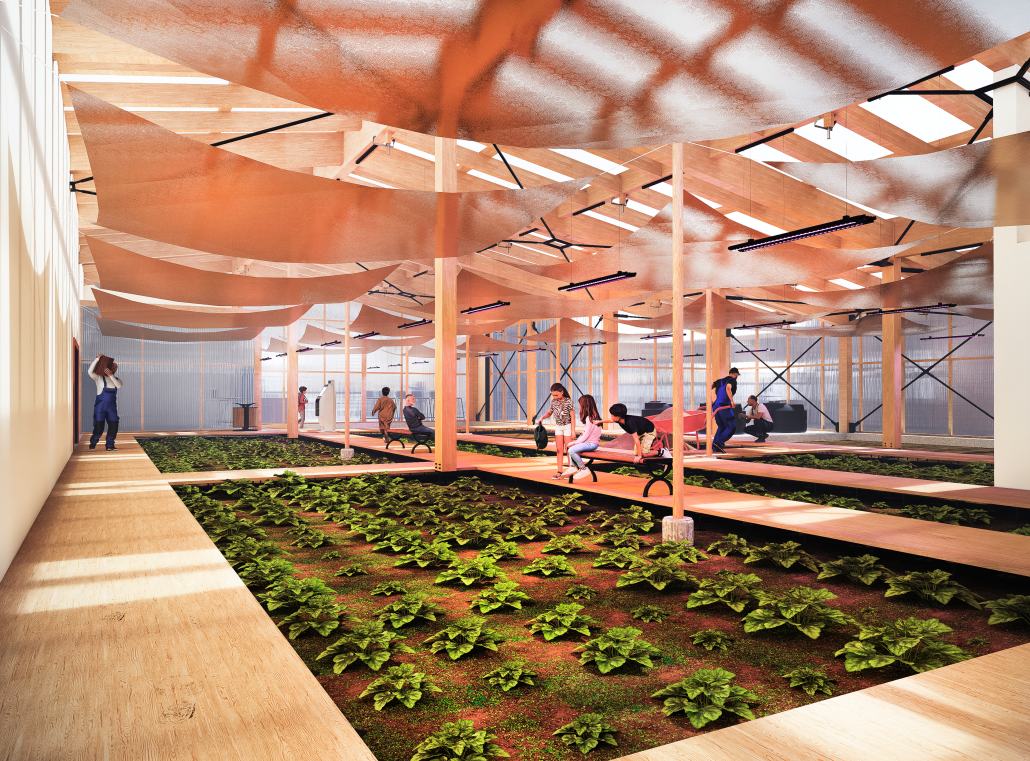
“Mount Baker’s Urban Farm” is a transformative community-based project that confronts food insecurity and economic disinvestment in Seattle’s Black and African American neighborhoods. Designed as a local response to systemic inequities in food access, the project reimagines urban agriculture as both a cultural anchor and a platform for environmental resilience.

At its heart is the Cassava plant—an essential staple crop widely used across West Africa, Southeast Asia, and South America. Known for its versatility and low-waste processing, cassava becomes both the functional and symbolic backbone of the farm. The crop supports not only flour-based food production but also textile, paper, and material research initiatives, making it a dynamic resource for community-building and circular design.

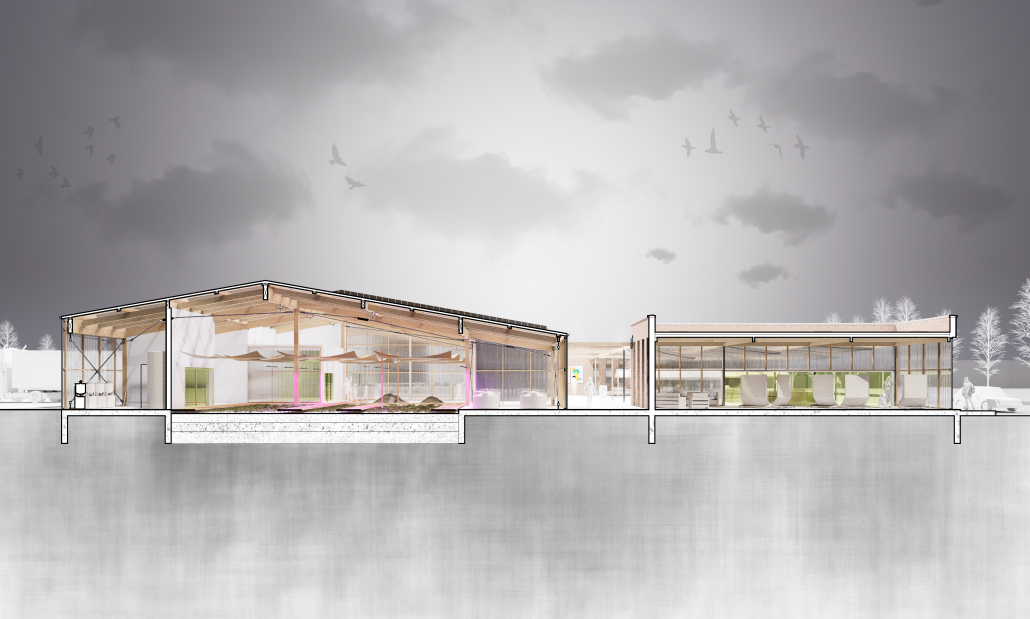
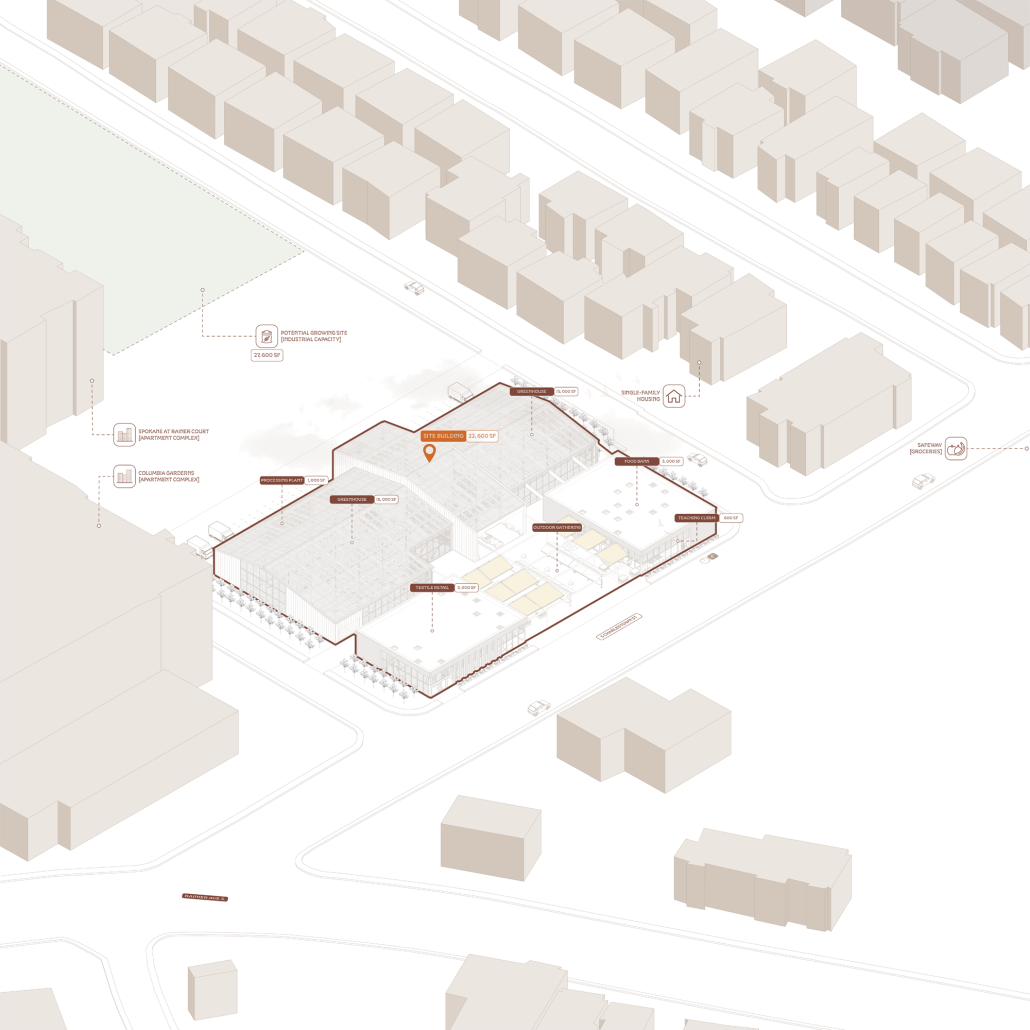
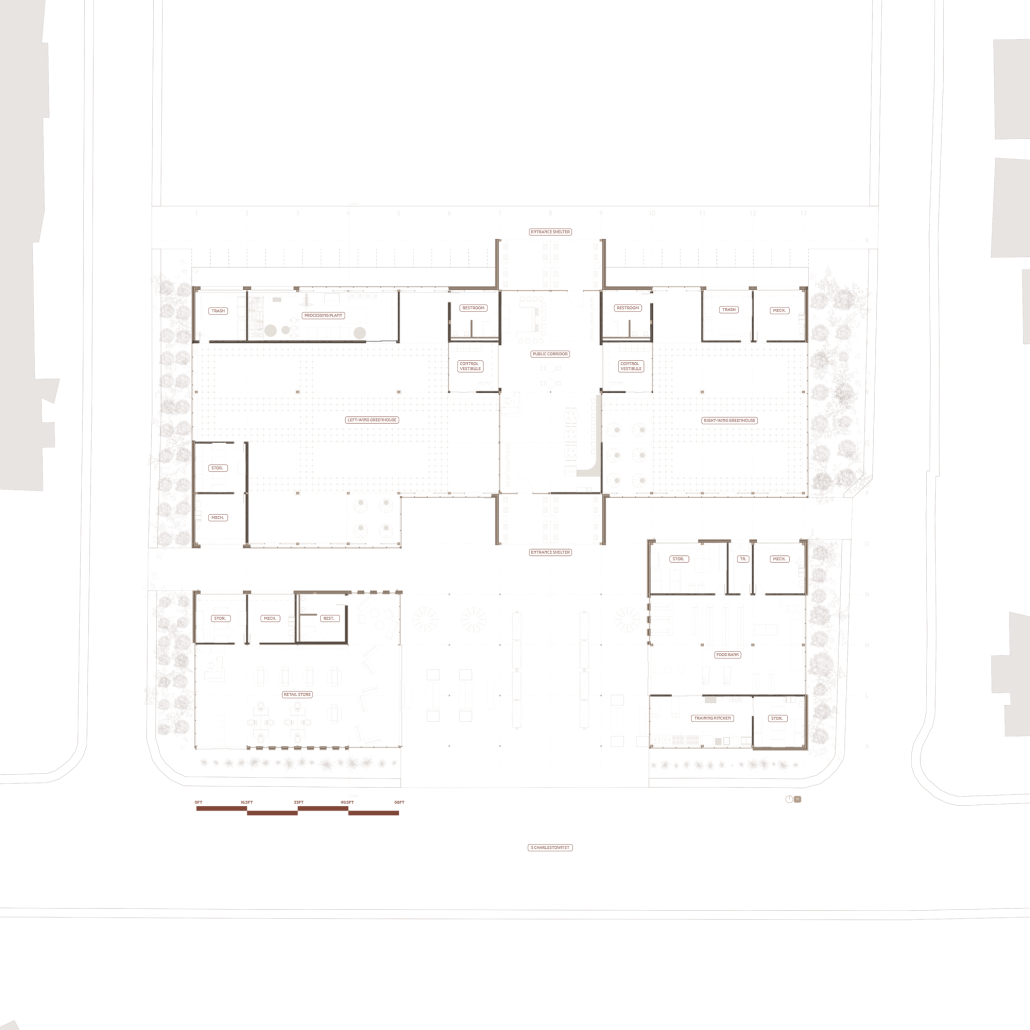
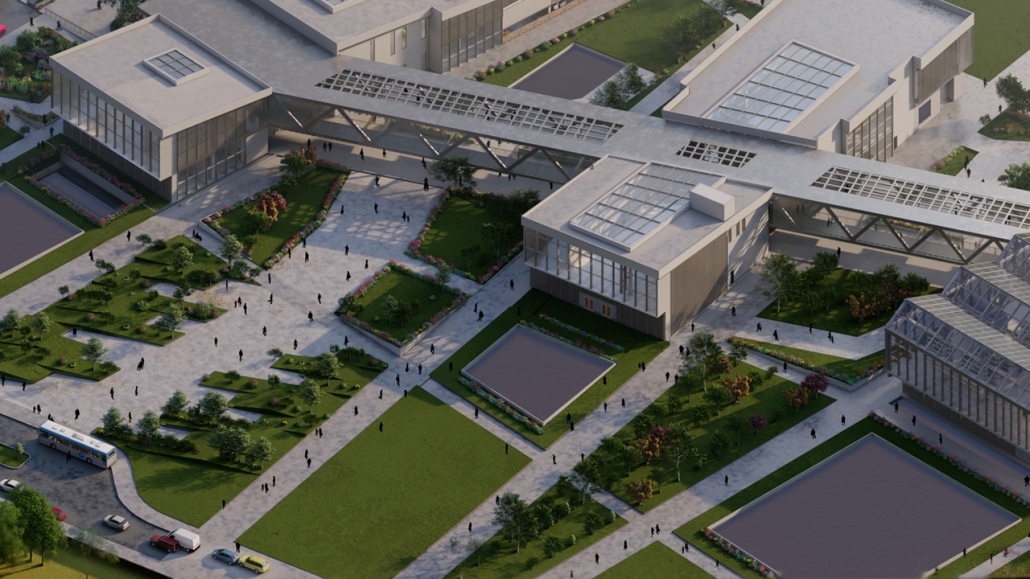
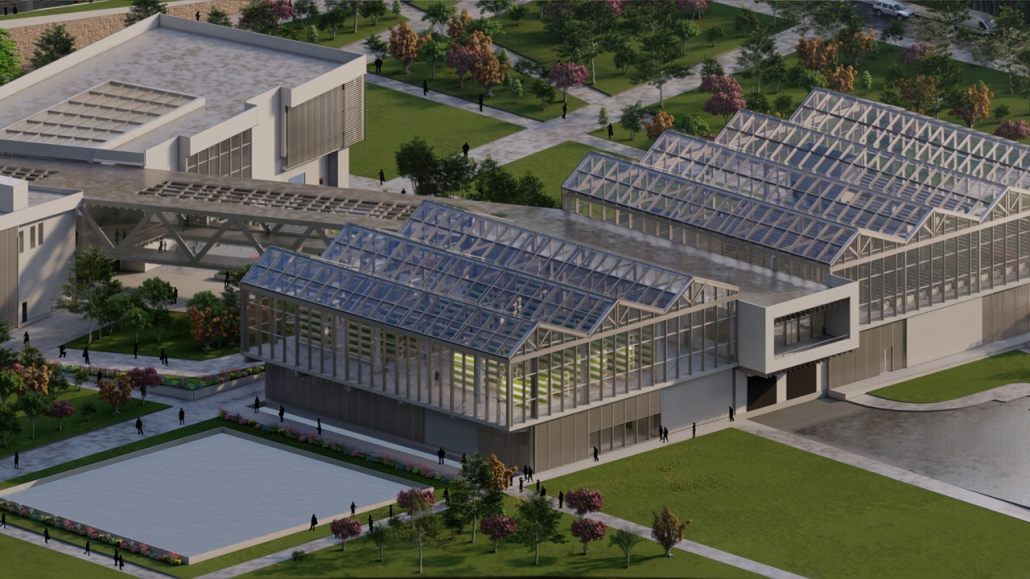
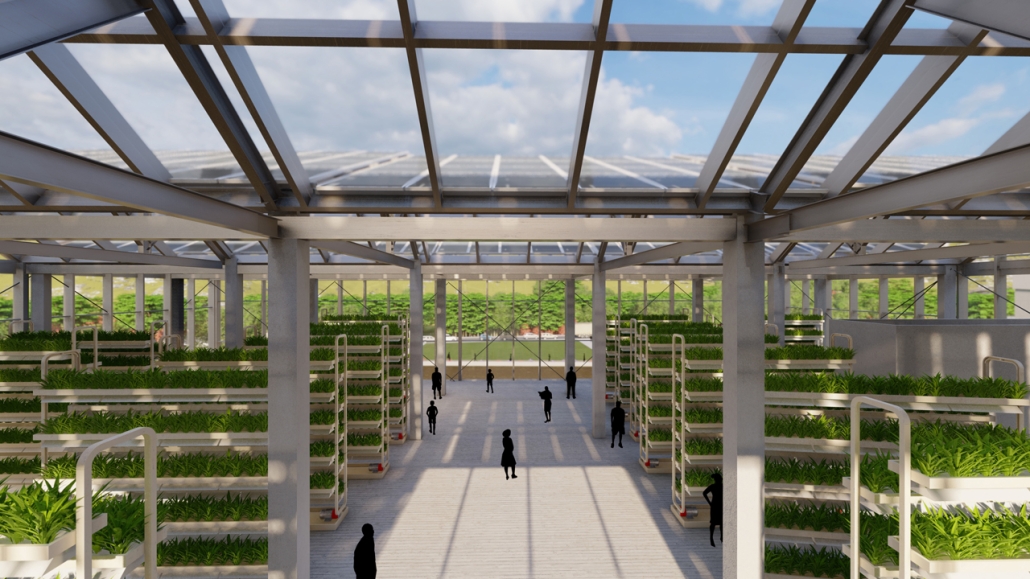
This urban farm integrates a greenhouse, processing plant, teaching kitchen, community food bank, textile fabrication studio, and a public-facing retail space. Together, these programs create a closed-loop system of cultivation, education, and empowerment. The design fosters hands-on learning through cooking classes and sustainable farming workshops, while simultaneously supporting food relief through onsite distribution.

An open-air courtyard anchors the project, acting as a communal gathering space and visible nexus of exchange. Here, architecture supports transparency, wellness, and social cohesion—inviting the public into the often-hidden processes of food production and collective stewardship.

More than just a farm, Mount Baker’s Urban Farm positions architecture as a tool for social equity, ecological intelligence, and economic resilience. It exemplifies how built environments can honor cultural heritage, activate underutilized spaces, and nourish both people and place.

Click here to learn more.

Instagram: @davidasokeji_0, @dbaarchitecture, @atelierjones

Equinox House: Contextual Materiality of a Residence by Austin Small, B.S. in Architecture ’25
University of Virginia | Advisor: Peter Waldman

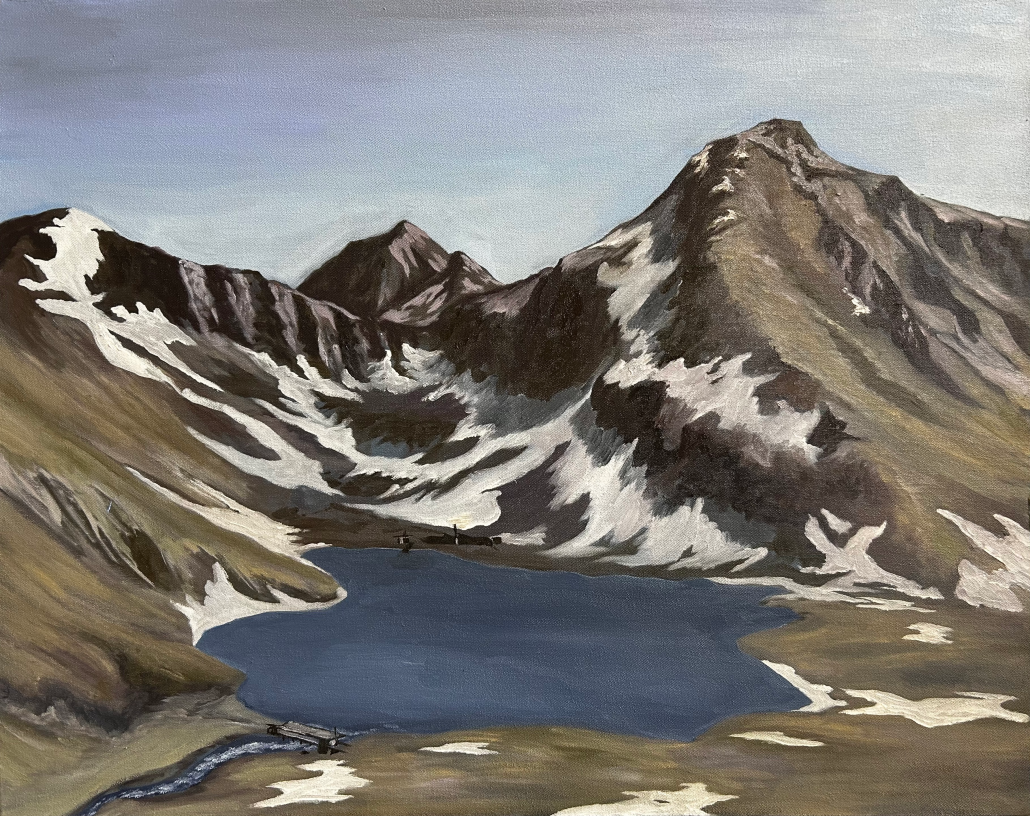
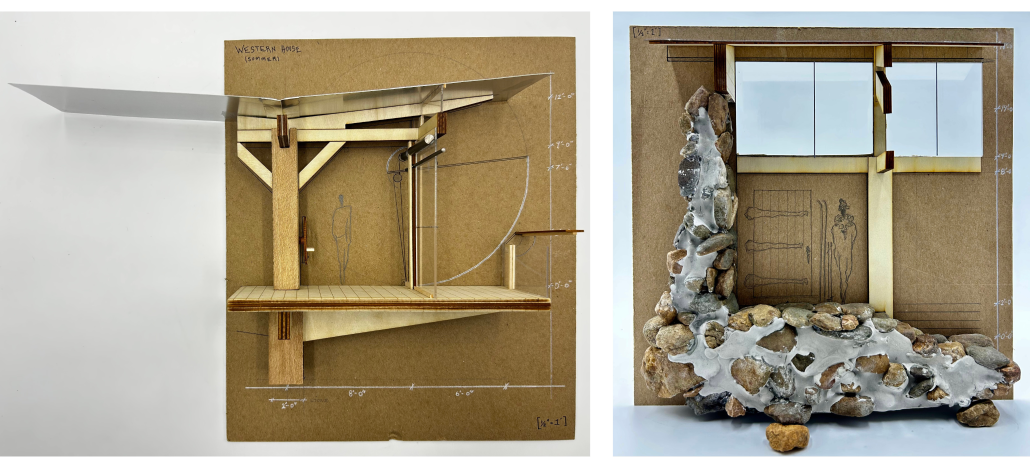
Rabbit Lake, southeast of Anchorage, Alaska, is a peacefully calm, yet brutally intense landscape tucked into a corner of the Chugach Mountains. Reaching the lake involves a two-mile hike from the nearest road access point after driving 10 miles out of the city. Sitting higher than the alpine line, roughly 3200ft above sea level, the lake and its surrounding mountains are void of trees; the shores instead are dotted with shrubs and littered with rocks that have been shed in avalanches over the years. 

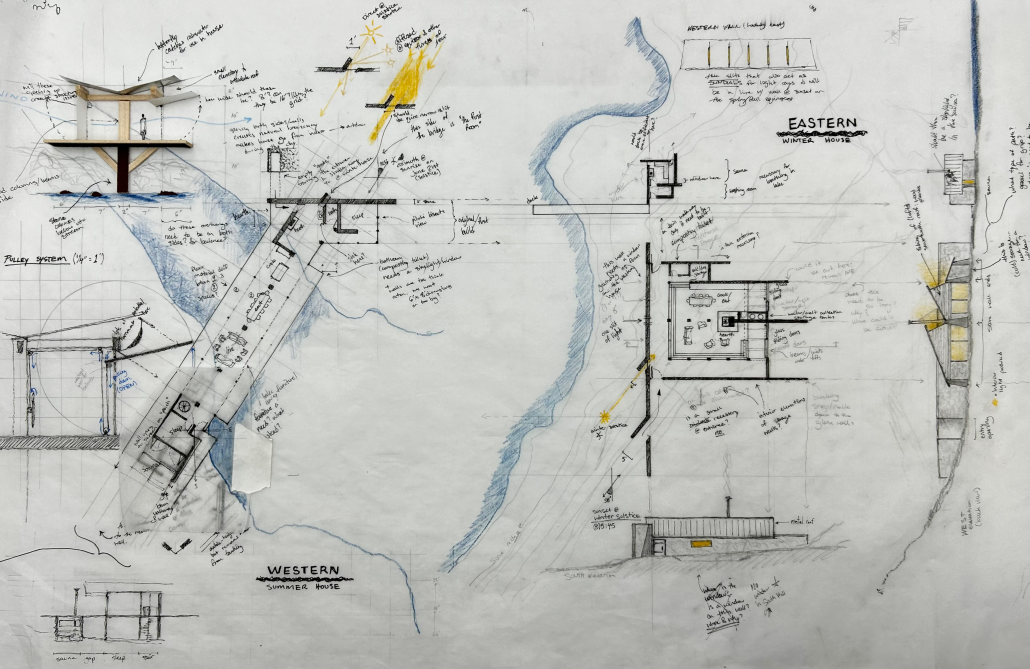
One half of the project sits atop a bluff on the western bank, bridging a creek fed by the lake: this is the summer house. Across the lake, directly to its east and braced into the mountain behind, lies the opposing winter house. The two dwellings are connected by their compass alignment and the journey made between them; one that the project proposes is initiated by the solar path on both the vernal and autumnal equinoxes. With one window in both structures directly facing the other, the sunrise and sunset on the equinoxes act as a seasonal sundial, initiating the changeover journey between winter and summer. 

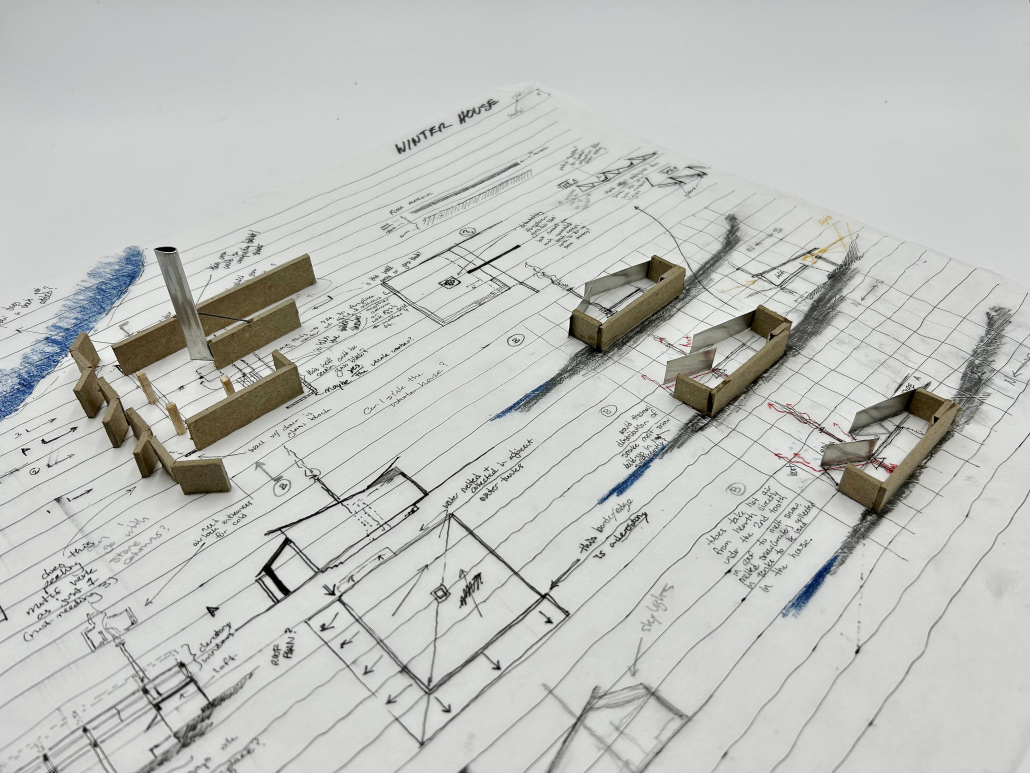
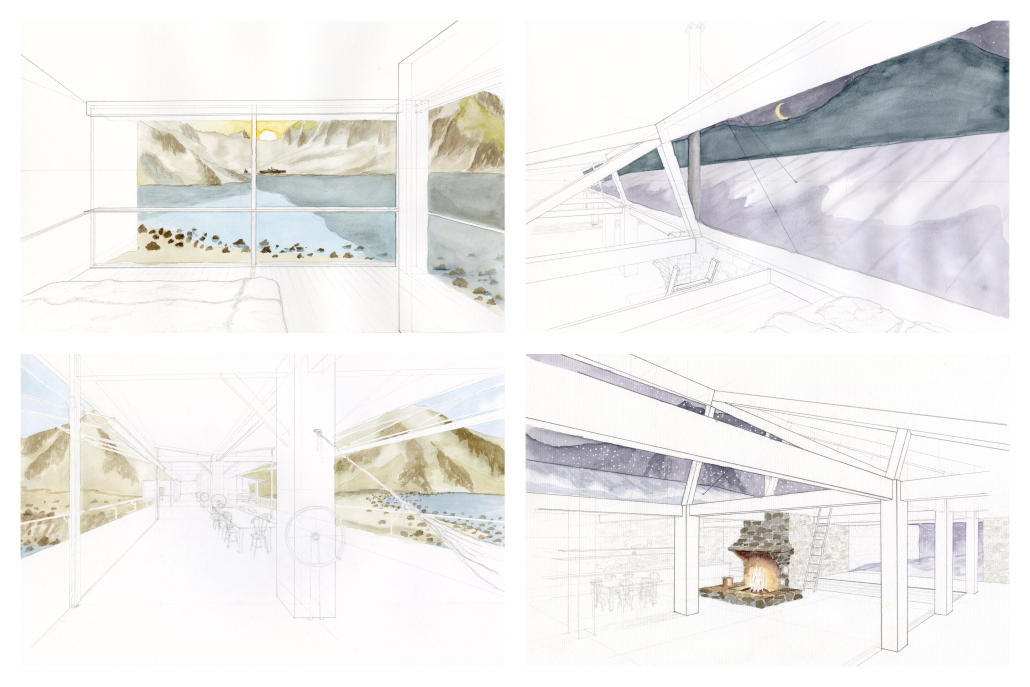
A more immediate indication of movement, the long covered bridge of the summer dwelling is a kinetic structure proposing a blend of interior and exterior. The glass walls on each side of the bridge are designed to rotate and open upward, transforming the span into a livable breezeway. While the Western dwelling is light, breathable, and tectonic, the Eastern house is a burly cave in contrast. Made from the stone found on site, [its] thick walls and a centrally located hearth offer protection and comfort from the sub-zero temperatures of the winter months. The protective western wall guards the structure from harsh winds coming off the lake, while the clerestories of the saw-toothed roof take in as much of the minimal daylight as possible and offer views of the “Aurora Borealis” in the northern night sky.

In an attempt to design a house precisely unique to its setting, this project proposes a response both to the seasonally extreme nature of Rabbit Lake and to the traditional Alaskan lifestyle, a way of living that is intrinsically exterior. The proposal imagines a cast of characters: a nomadic countryman with a possible family, living off the land and lake as much as possible, and maintaining the dwellings in a simple and slow lifestyle by returning to nature. As a result of the drastic seasonal differences in both light and temperature, the project splits the home into two respective dwellings, living not only on the site but with the site; allowing the landscape, and interaction thereof, to complete the proposed design.

This project received the Highest Honors for the 2025 Fourth Year Thesis at the UVA School of Architecture.

Stay tuned for Part VII!

2024 Study Architecture Student Showcase - Part VI

In Part VI of the 2024 Study Architecture Student Showcase, we take a look at projects that address various agricultural concepts. For these projects, agriculture is much more than just farmland. From agrotourism and community-centered food banks to using Twitch streaming to cultivate a transparent farming process, viewers are encouraged to expand their thinking about what agriculture encompasses. Scroll down to browse the award-winning projects!

Seed to Seed by Elyssa Hines, Bachelor of Science in Architecture ‘24
Washington University in St. Louis | Advisor: Zahra Safaverdi

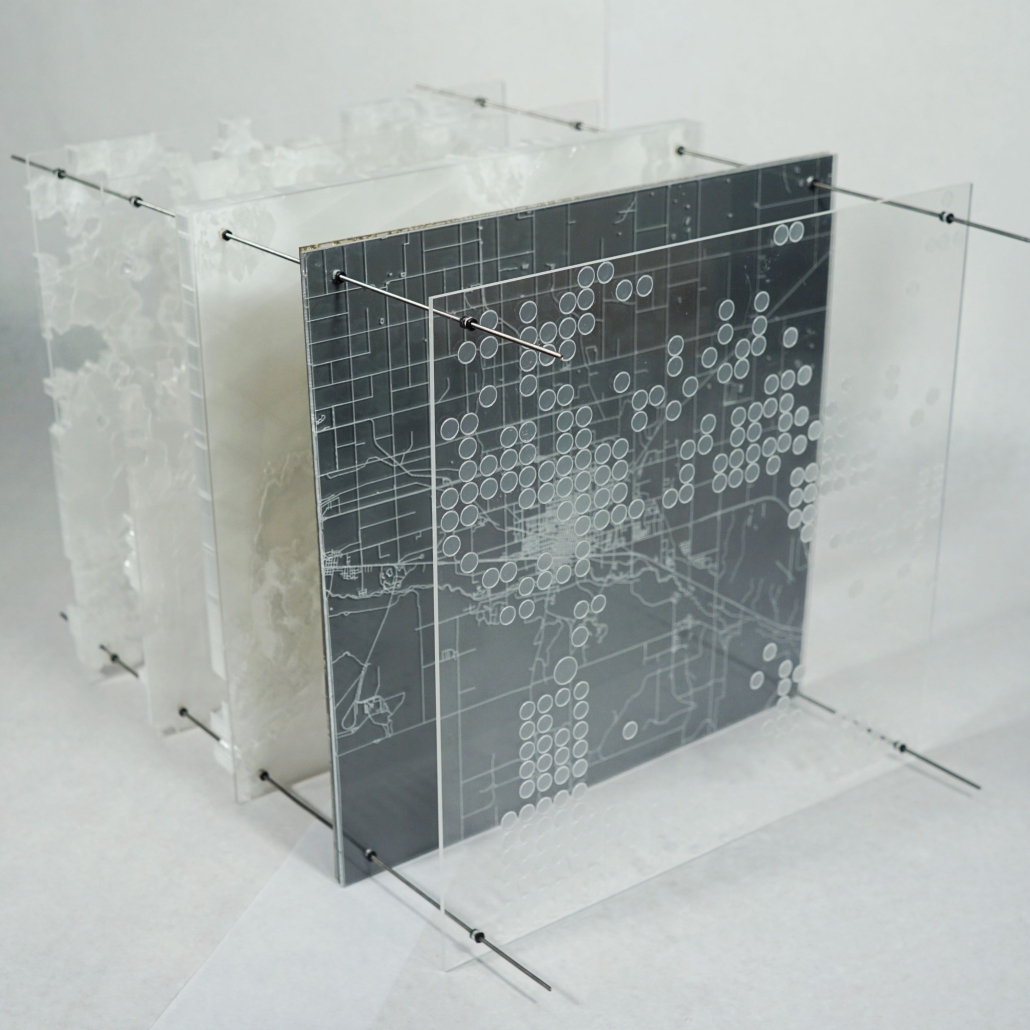
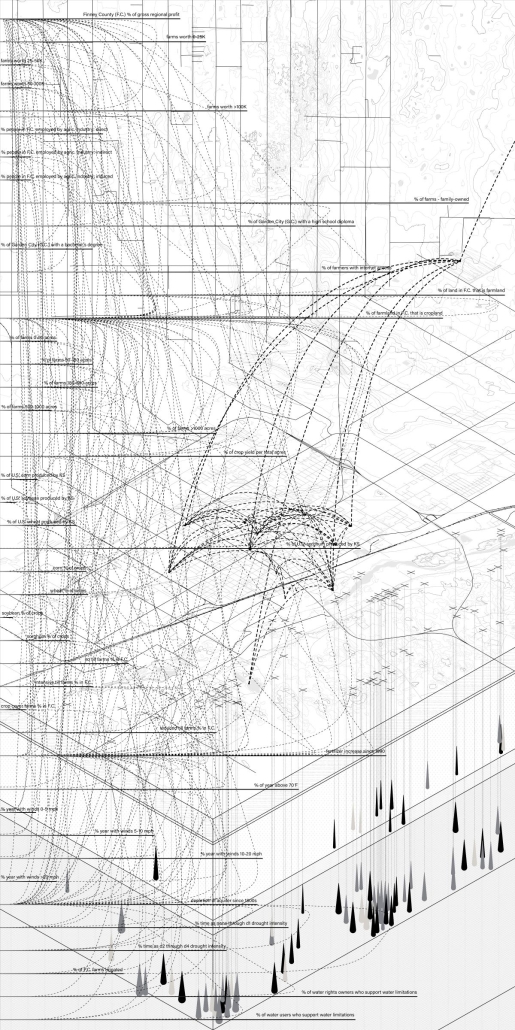
Within Garden City, Kansas, industrial agriculture is the bones of the community: the land is dedicated to farming and much of the population works directly with industrial agriculture. While sustaining human life, this drains Garden City’s ecosystem. To name a few examples, the watershed is shrinking, soil health is decreasing, and the better part of four years has been spent in drought. Legislation to allow for positive environmental action is unclear, misleading, or both, resulting in no progress. This creates a need for a place-based community resource such as Seed to Seed.

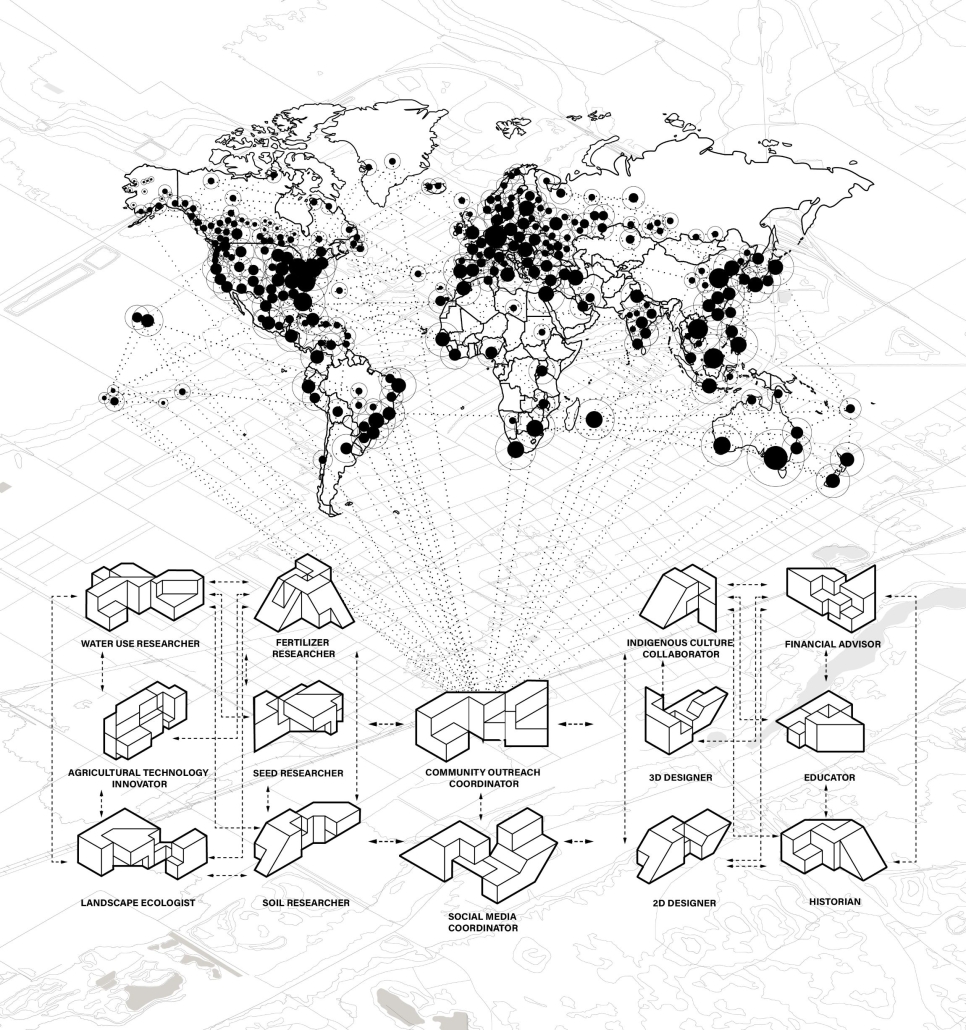
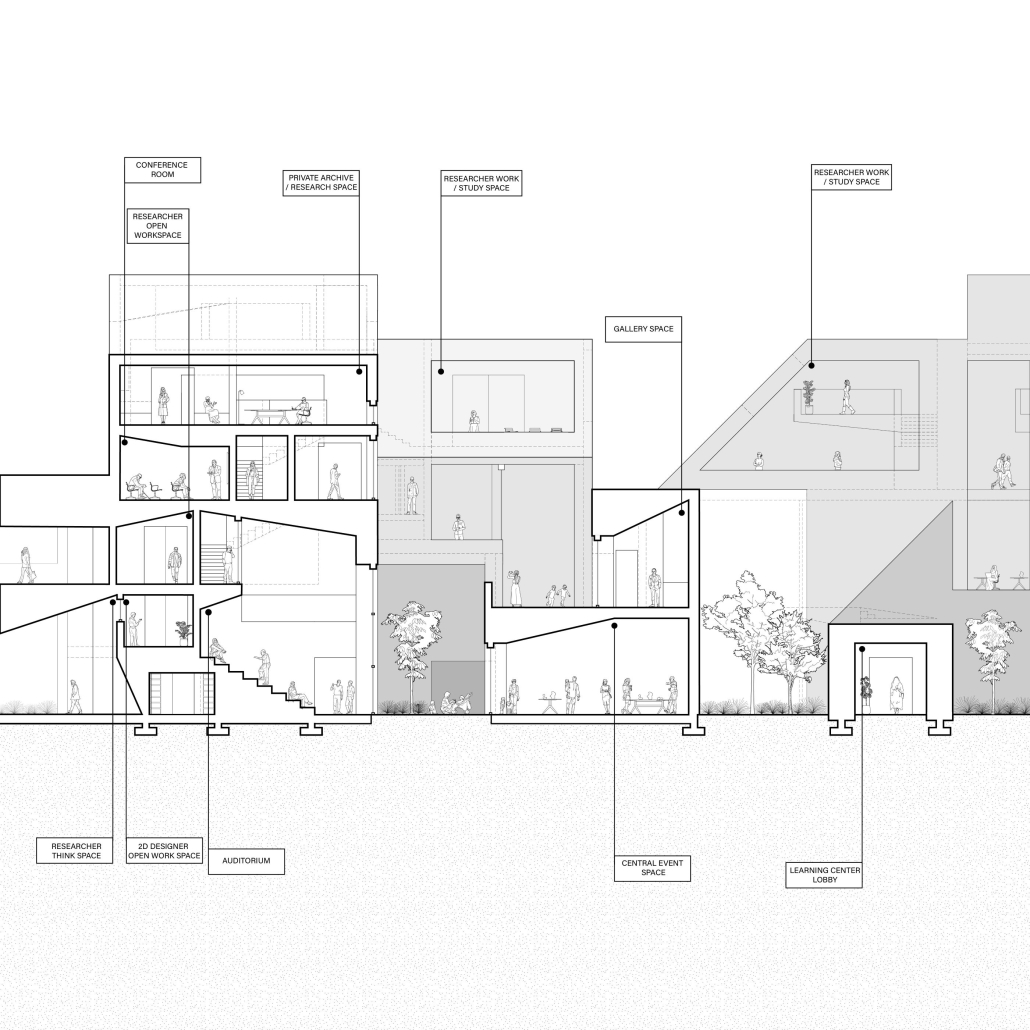
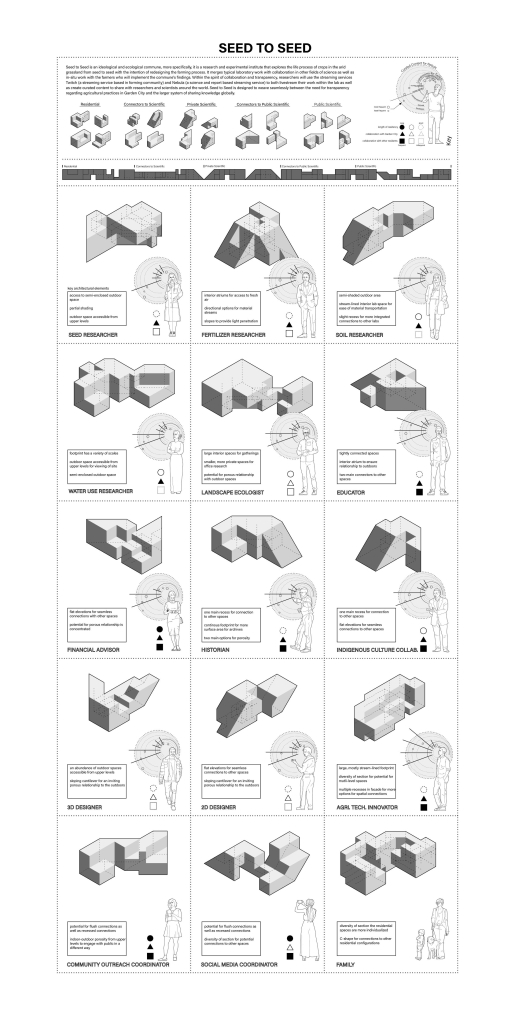
Seed to Seed is a live-work research institute that explores the life process of crops in the arid grassland with the intention of redesigning the farming process. It merges typical laboratory work with collaboration in other fields and in-situ work with the farmers who will implement the community’s findings. Within the spirit of collaboration and transparency, researchers will use the streaming services Twitch and Nebula to live stream their work within the lab and create curated content to share with researchers globally. Seed to Seed weaves seamlessly between the need for transparency regarding agricultural practices in Garden City and the larger system of sharing knowledge globally, not only through digital practices, but also with academic, industry, and government partners at a variety of scales.

The institute is designed around the circulation of inhabitants physically and digitally. Physical reality is organized around inhabitants’ interactions and deliberation between public and private. Digital reality is designed through what is visible to the streaming services and curated content. The curated content’s audience is Nebula, and they interact with Seed to Seed through 360° cameras. These cameras are within spaces the in-person public cannot access, but the digital audience has a full view of these spaces. Twitch content is streamed using immobile cameras in public spaces that constantly have people moving through them, becoming dynamic through what is within the camera frame. All cameras ensure that the inner workings of Seed to Seed are transparent to all audiences, encouraging everyone to work towards a reimagined farming process.

This project was featured in Washington University in St. Louis’s Year End Show.

Instagram: @elyssa.lyssa.lys

Suspending Urban Farm by Kai Chen & Qiuxiao Tang, M. Arch ’24
University of Pennsylvania | Advisor: Simon Kim

“Suspending” is emblematic of the project’s essence—representing the delicate balance between innovation and tradition, the elevation of community aspirations, and the support extended to those in need. It encapsulates the project’s endeavor to uplift and sustain. Both metaphorically and literally, as it seeks to suspend not just the structures of agriculture and art within its bounds, but also the collective hopes and dreams of a diverse community. The aim is to ensure they are nurtured and allowed to thrive amidst the urban expanse of New York.

In this studio, we propose to design a vertical farm to grow and equitably distribute fresh food to those in need, while also serving as a cultural promotion platform. It will not only cultivate and provide culturally varied foods but also host performances and productions from diverse nationalities, addressing food security and celebrating global cultural heritage. Efforts to combat food insecurity will be enhanced by a diverse fair-pay workforce aiding any group in need, overcoming language barriers, and ensuring accessible, culturally relevant food. Situated in Seneca Village, this project pays tribute to its historical roots, provides a haven for the needy, promotes cultural diversity, and bolsters the tourism economy, aligning with New York’s commitment to equity and inclusivity.

Instagram: @yohey.kim, @kaichen.architecture, @qiuxiaot

Revitalizing an Industry: Jute and Communal Empowerment, Bangladesh by Iana Ishrat, B.S. Architecture ‘24
University of Virginia | Advisors: Peter Waldman & WG Clark

The fibrous plant jute has an important history in Bangladesh. The once-thriving industry has seen closure and difficulties in recent years. But the high demand for plastic alternatives has rekindled interest in the natural fiber that plastic helped replace. 

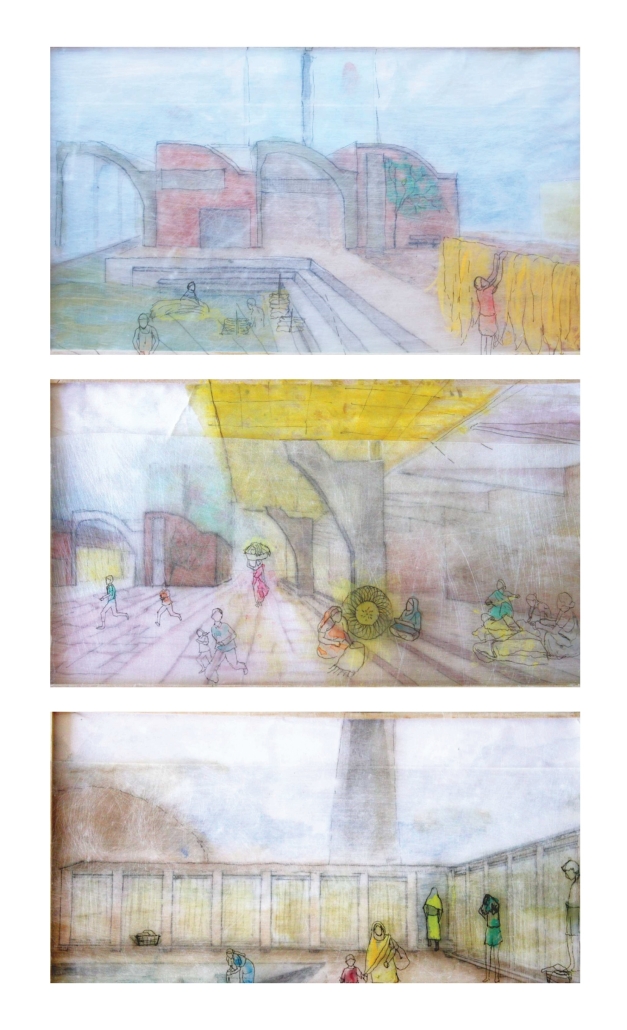
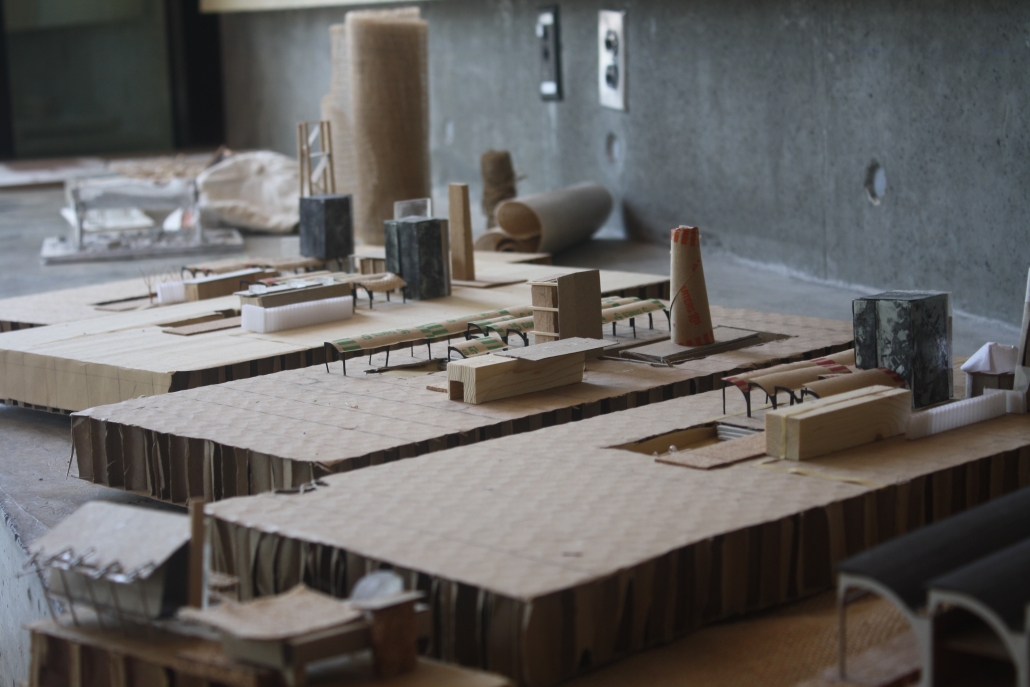
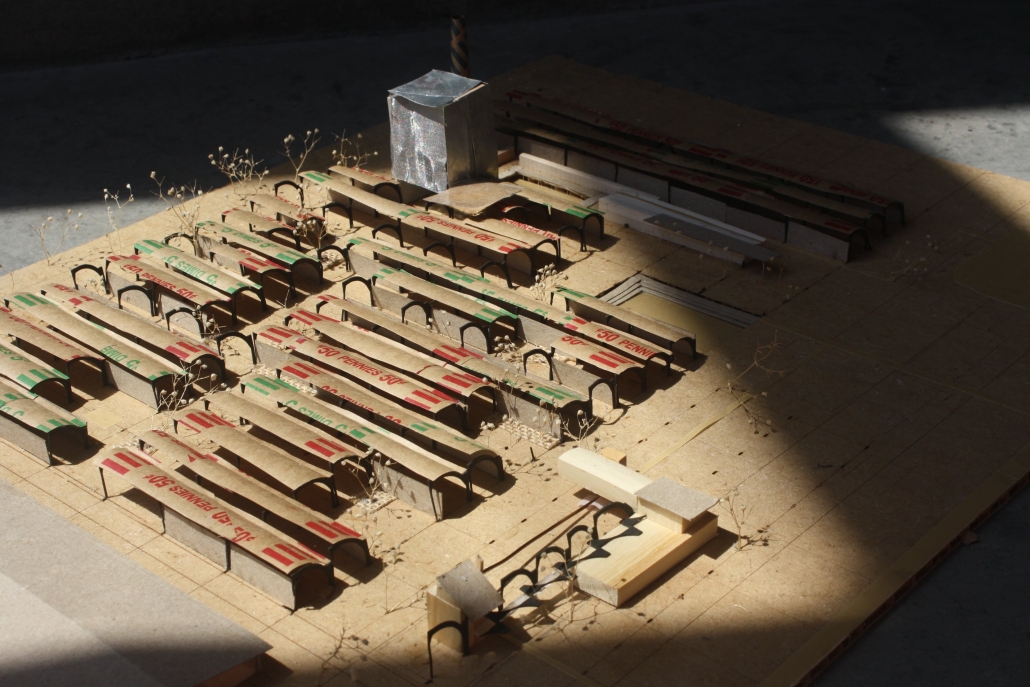
This project uses architecture and design to revitalize an abandoned jute mill to establish a place of living-working space that can help the surrounding communities. Inspired by the communal traditions around rice cultivation, the project reimagines the arduous process of jute milling as a communal activity to create spaces that can inspire community and traditions around the production of jute products. 

The expansive and repetitive colonial-era factory invokes ideas of mass production. These structures are broken up strategically with alleys and courtyards to allow spaces that reflect a more human-scale work environment. 

The construction consists of two key parts. The first is a visitor center that can help educate the population about the important history of jute and its potential in the future. The second is the renovation of the factory and the construction of the central communal workspace. This area includes a mosque, library, office spaces, Bath house, indoor-outdoor workspaces and courtyard with a water-pool. The Mosque at the center of the site helps establish the factory as a central hub for the surrounding prominently Muslim population.

A small brick kiln is also established on site. This will provide material for the renovation and construction of the factory. With time, parts of the farmland surrounding the factory will be used for other crops like rice and vegetables to provide food for the workers. Some of this land will also be distributed among workers. They can utilize the brick from the kiln for any construction needs in their new communities. This initiative will help foster a sense of ownership and community building among the workforce.

Overall, the project seeks to revitalize the legacy of jute while empowering the local communities who play a vital role in its revival.

This project received the 2024 Exceptional Thesis Project accolade at the University of Virginia.

Instagram: @yana_ishrat, @aschool_uva

The Seed: A New Farming System that Bridges Urban and Rural Areas by Ziheng Li, M. Arch ’24
SCAD (Savannah College of Art and Design)| Advisors: Andrea Bertassi, Aaron Wilner & David Gobel

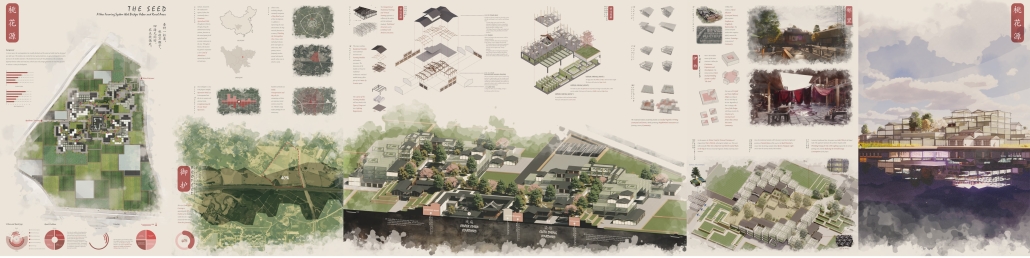
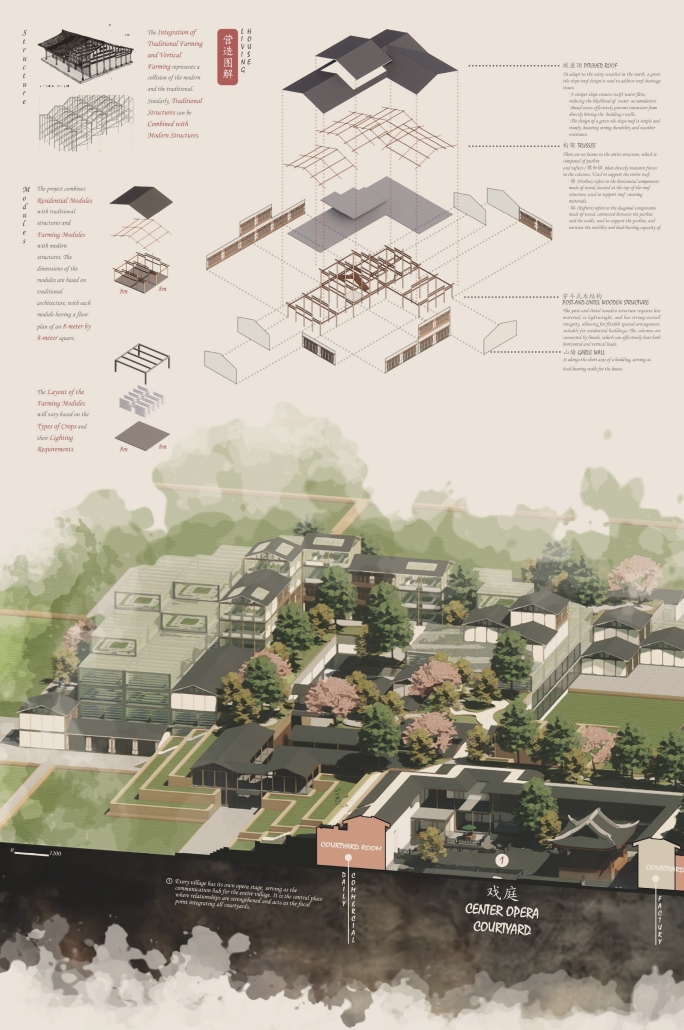
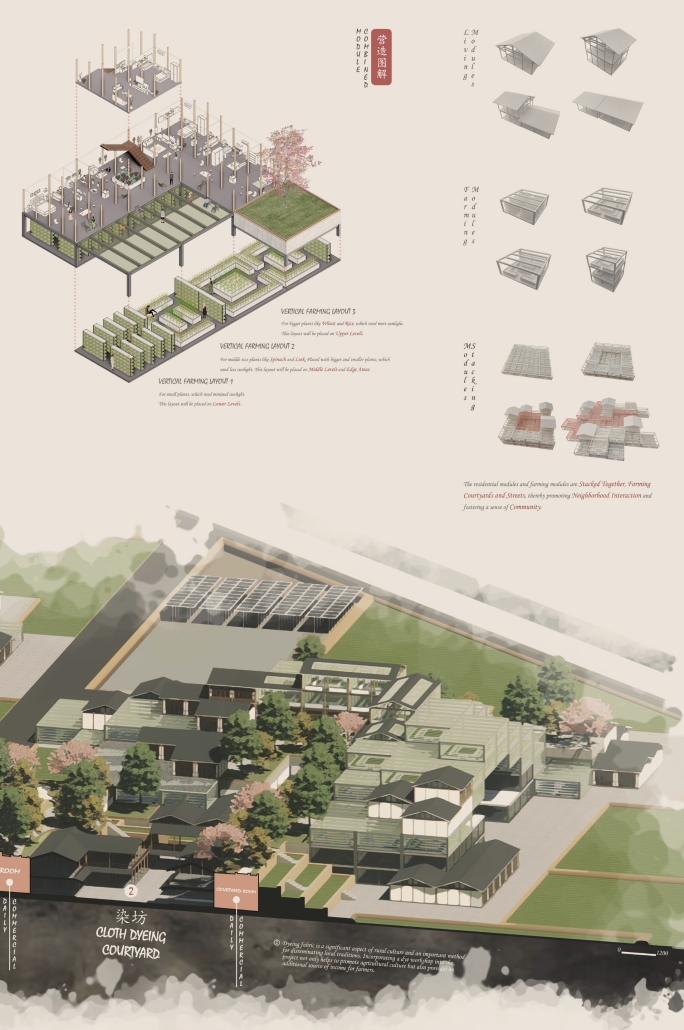
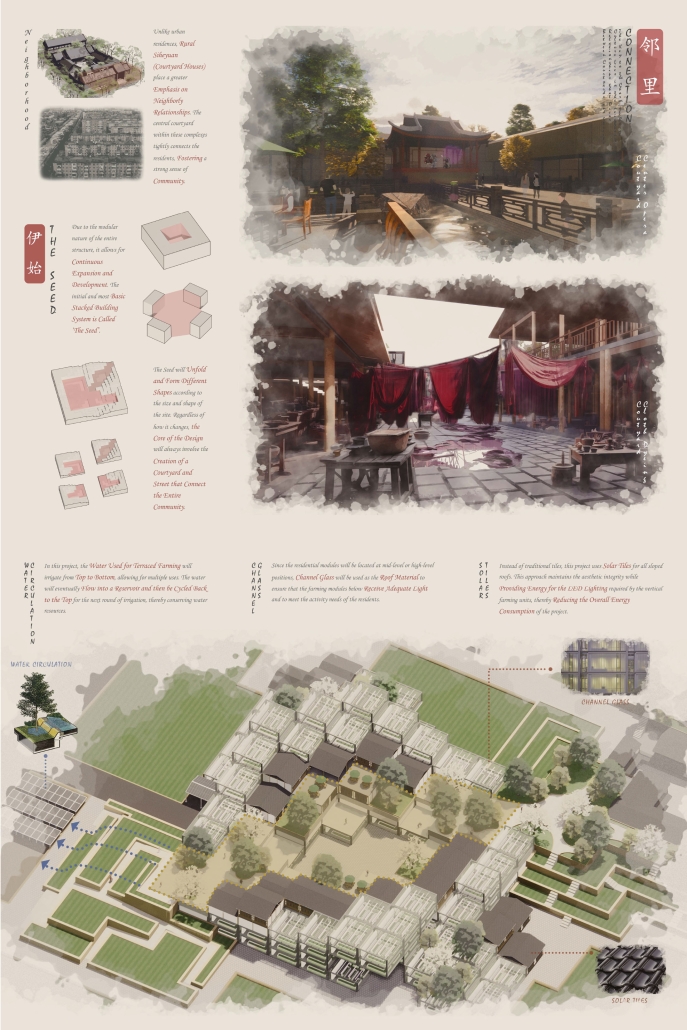
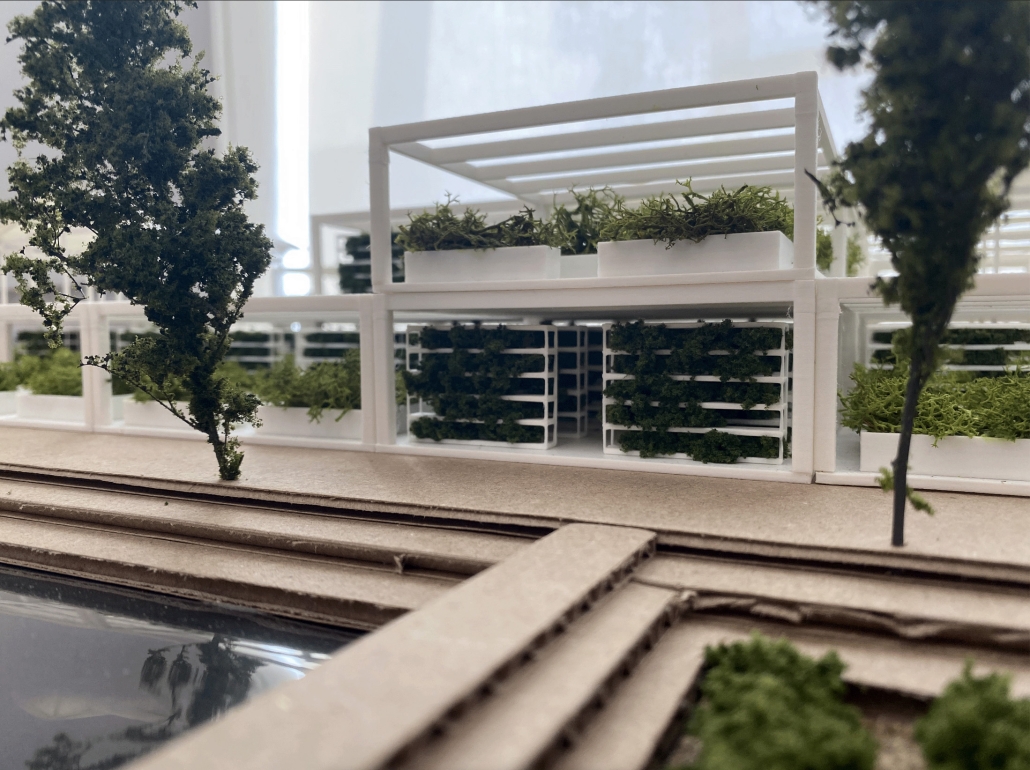
The project is set in a broad expanse of land in Chengdu, a city characterized by its basin topography and predominantly cloudy weather. Addressing the challenges of rural depopulation, declining farmland, and the appeal of urban migration, the goal of this thesis is to create a new type of farming system that incorporates both traditional and modern farming techniques while also adding additional characteristics to help farmers gain revenue and close the urban-rural divide, preserving cultural heritage while enhancing sustainability. The design integrates residential modules with farming units, creating a cohesive and interactive community space that fosters rural culture within an urban context and contributes to urban food production. This system can grow and expand between urban and rural areas.

Instagram: @henoao_li, @andre_bertassi

A Framework for Regeneration by Lyric Barnik, Bachelor of Architectural Studies ’24
University of Waterloo | Advisor: Jaliya Fonseka

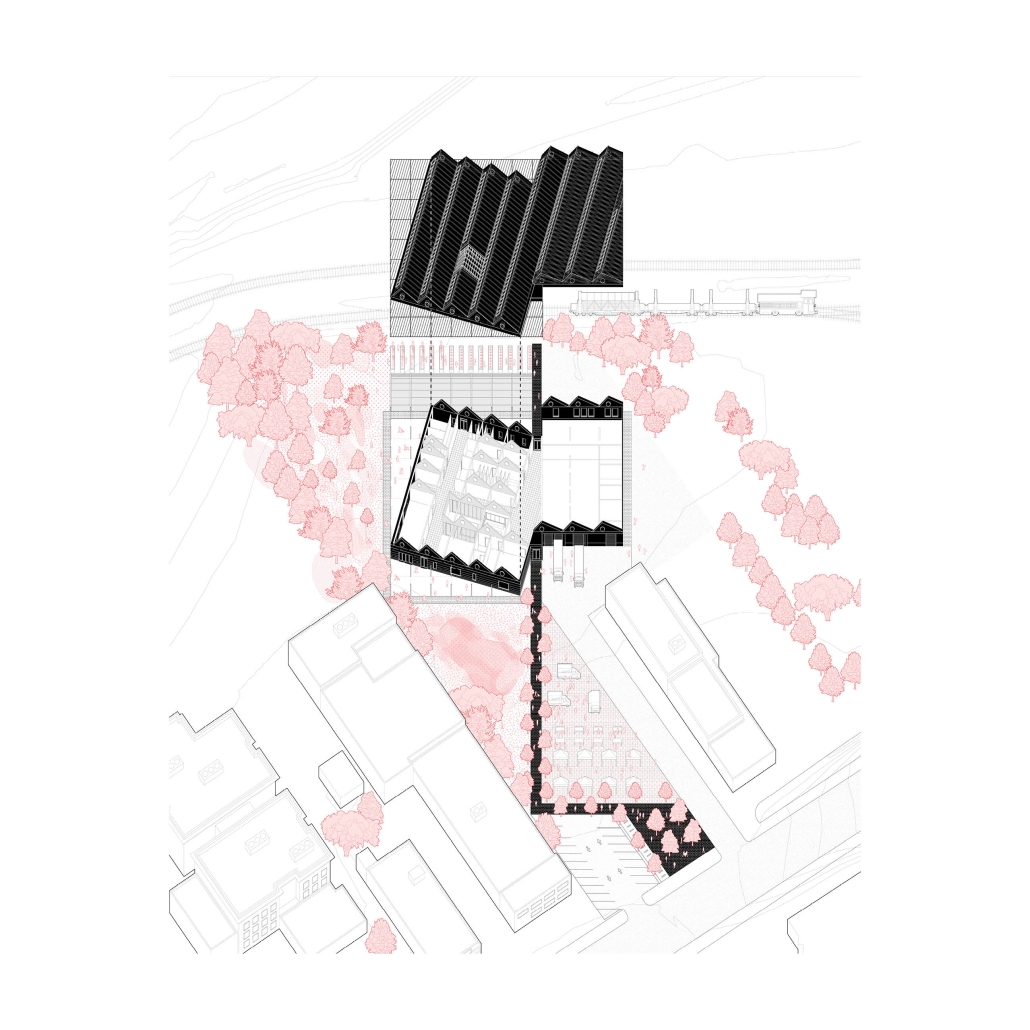
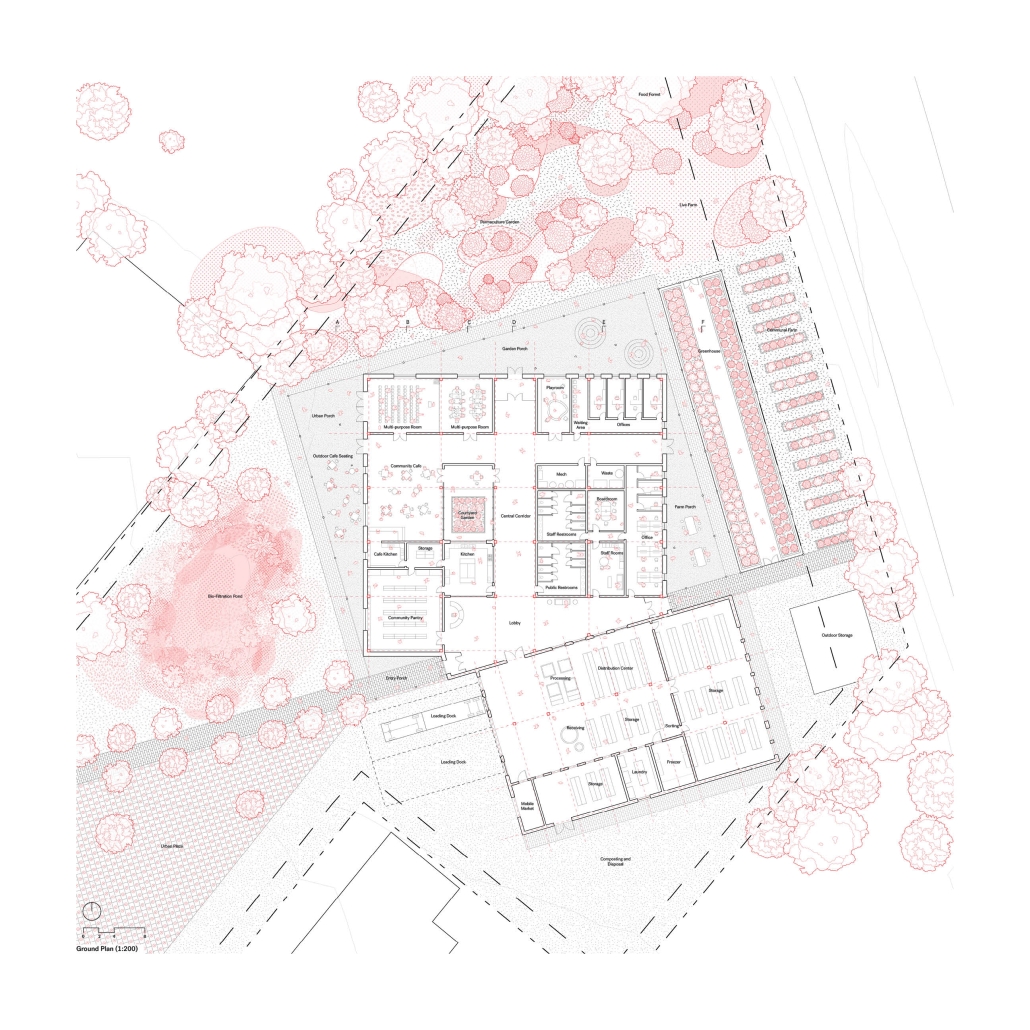
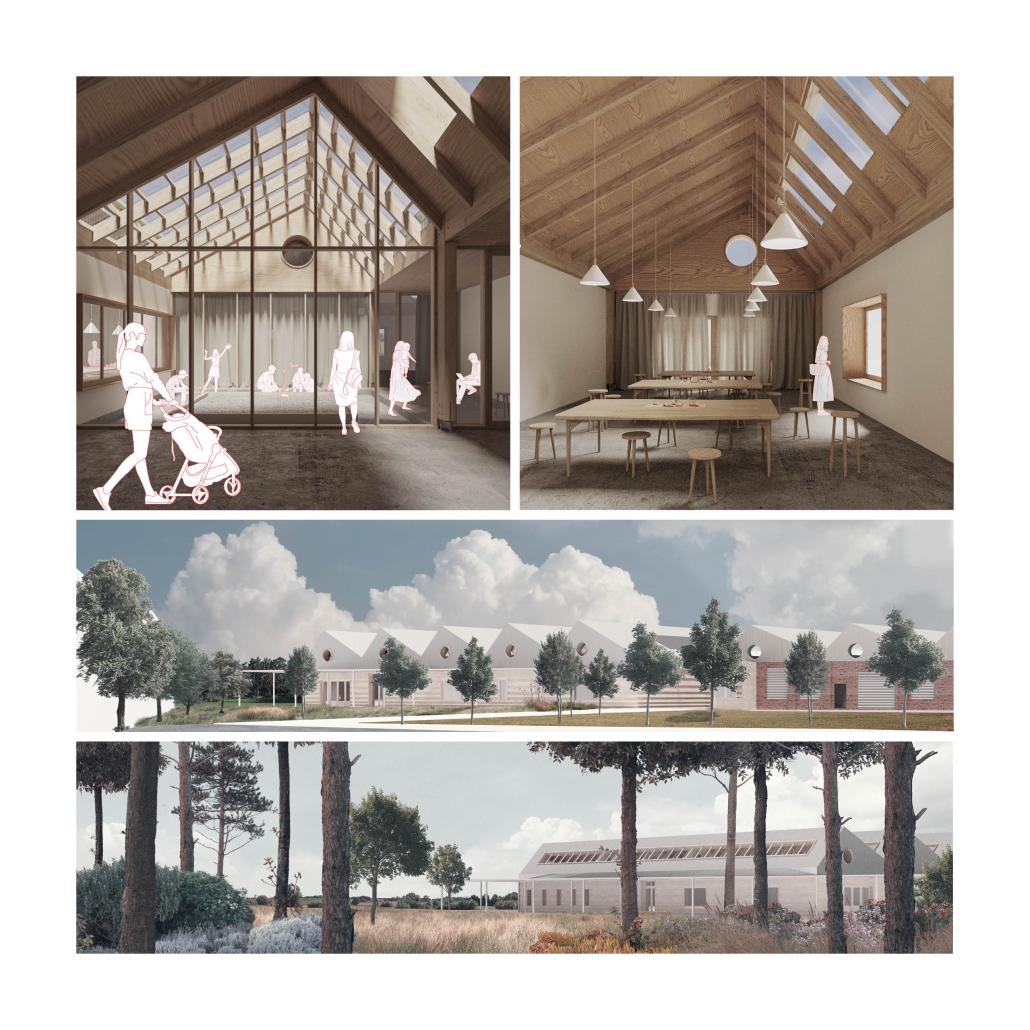
The Cambridge Food Bank is a 1,500sm food bank that integrates social services, food processing facilities, and community spaces. It is in Cambridge, Ontario with a continental climate that is relatively cold and temperate, with significant precipitation. The site, a contaminated brownfield with light-industrial infrastructure, was given to the Food Bank as a potential location for their new facilities. The proposed design explores a compact envelope, incorporating a pre-existing warehouse building and readapting the site into a communal greenspace. The design explores the regenerative multiplicity of food housed within a robust architectural framework.

The food bank sits at this unique intersection of food and community, partaking in duties of both production and social enrichment. The question underpinning this project begins by asking: How can the act of food heal us? How can the act of eating, making, shaping, growing, studying, and sharing food help to regenerate the body, community and land? The act of food is multi-faceted and its modes of expression are in constant flux. Thus, the proposed food bank looks at creating a set of infrastructures that can nurture this regeneration in whatever form it takes in the future.

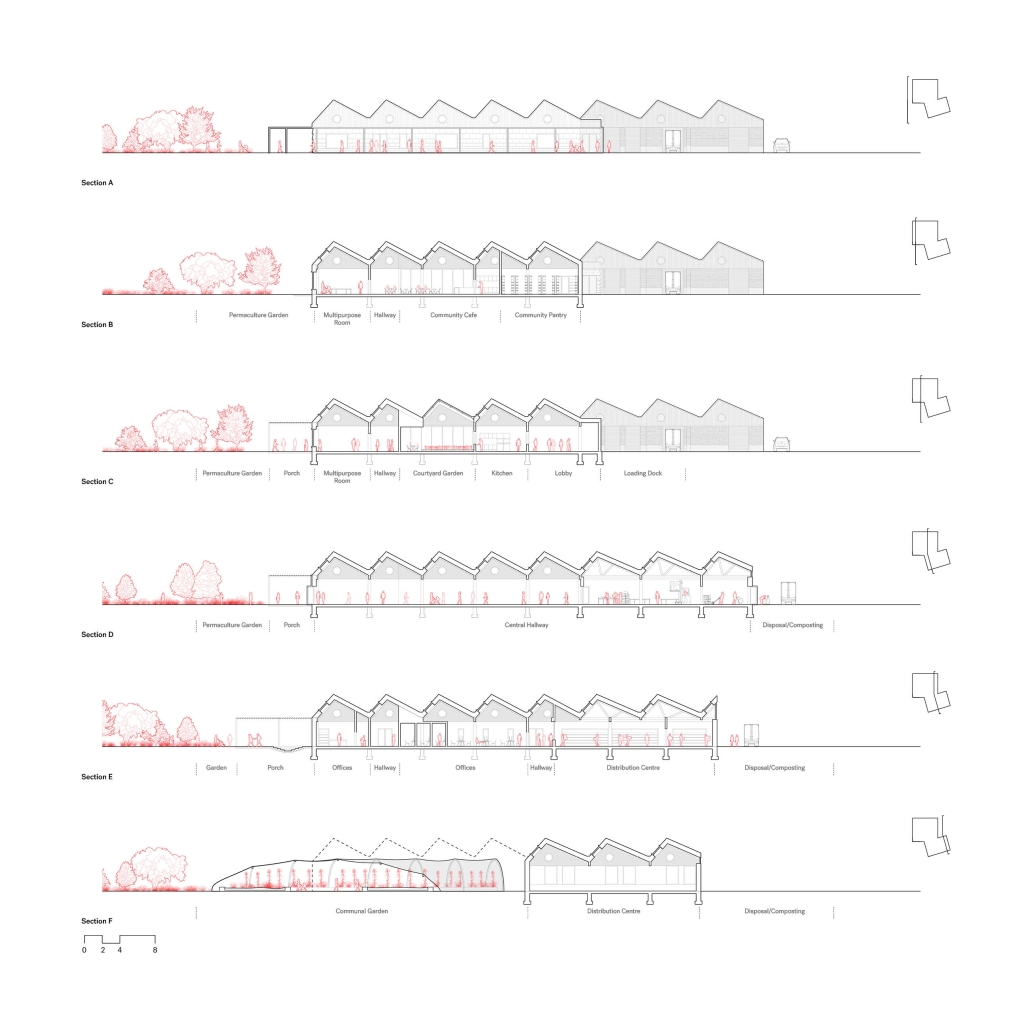
The architectural manifestation of these guiding principles relies upon a reciprocal exchange between landscape, building and community. The site is divided using the physical and social forces of the site and a matrix of programs are formed, with the food bank radiating from the center of the grid. With a regenerative and circular landscape strategy in mind, the proposed programs study how new energy can be collected, old energy can be reused and long-term growth can be accommodated. In addition to traditional plot urban farming, alternative agricultural systems like a permaculture food forest, a livestock farm and a bio-filtration pond are proposed. The architectural concept proposes a compact square enclosure structured with a robust mass timber column grid, decoupled from the wall assembly. Four porches are created, establishing an interstitial zone between outside and inside as a lightweight shading canopy. A regular saw-tooth structure rests upon the timber frame, spanning across the entire building providing solar energy, collecting rainwater, and dispensing soft daylighting year-round. The spacious grid allows for programmatic flexibility, placing activities with a public appeal along the perimeter to best use the porches.

This project won the Soprema Award. 

Instagram: @lyriclmiracl

Centro de Agroturismo by Montserrat Sánchez Villaseñor, B. Arch ’24
Universidad Anáhuac Querétaro | Advisors: Patricia Cutiño & Jorge Javier

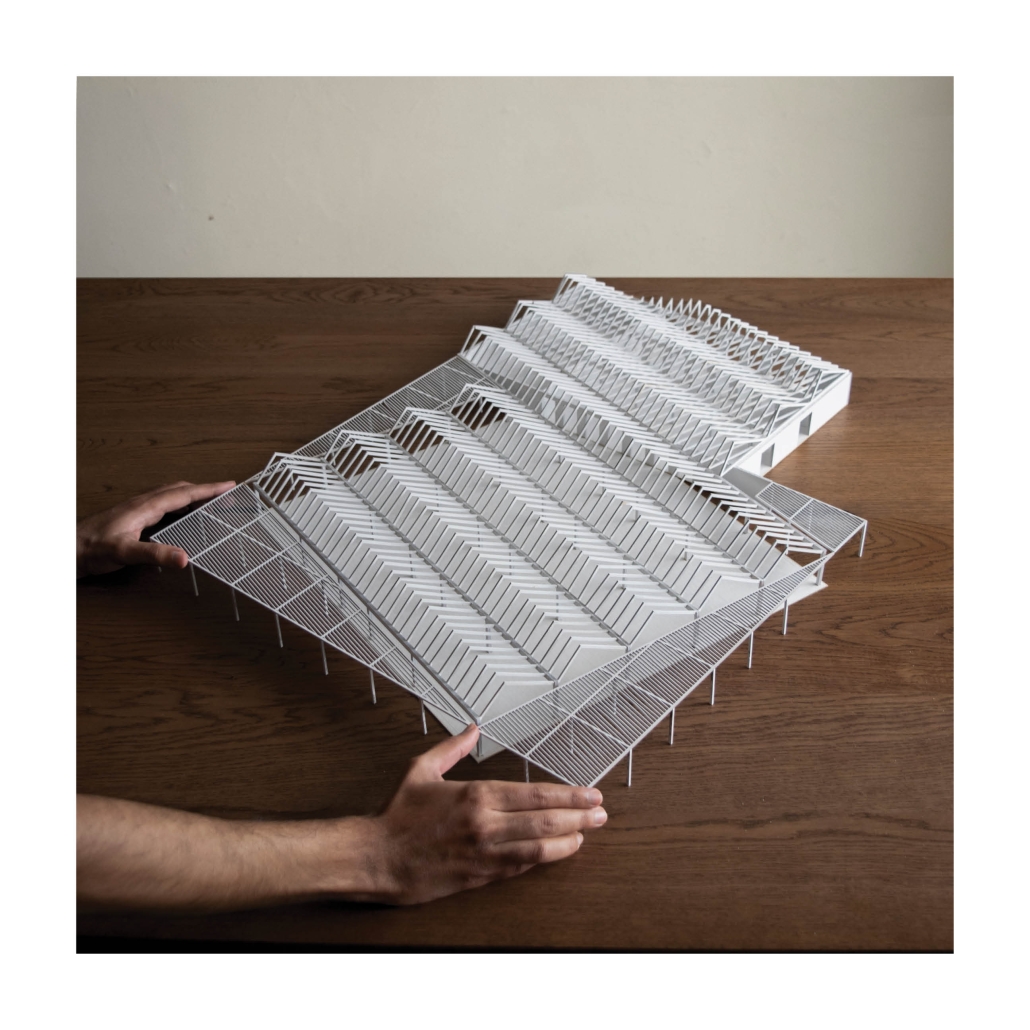
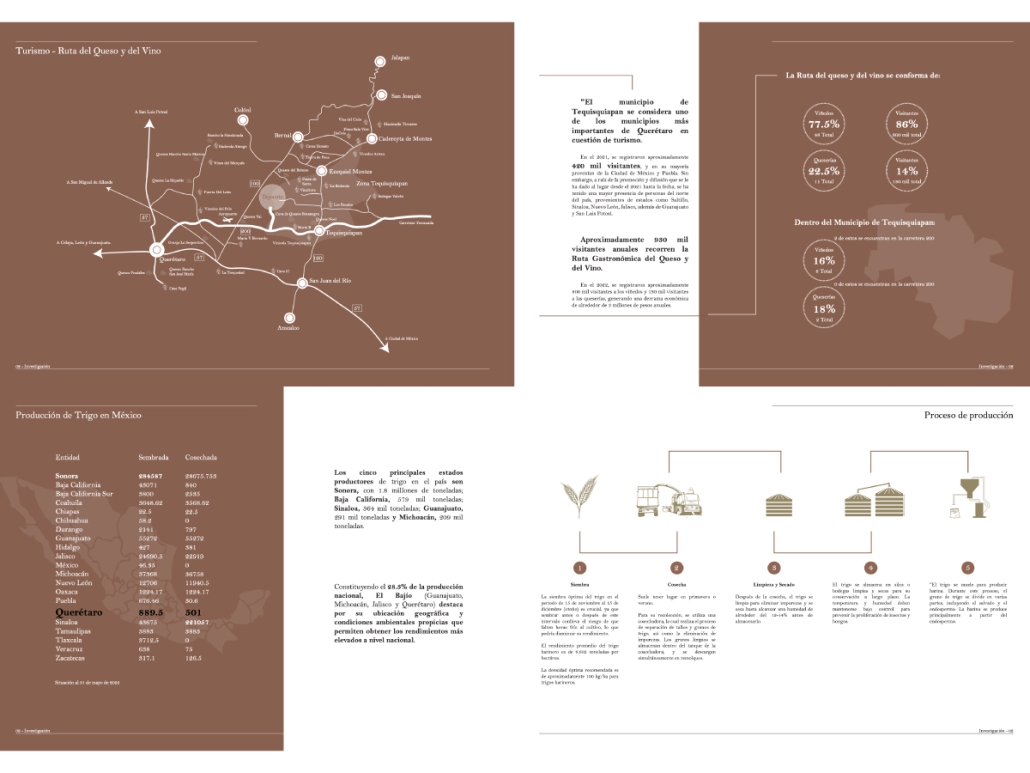
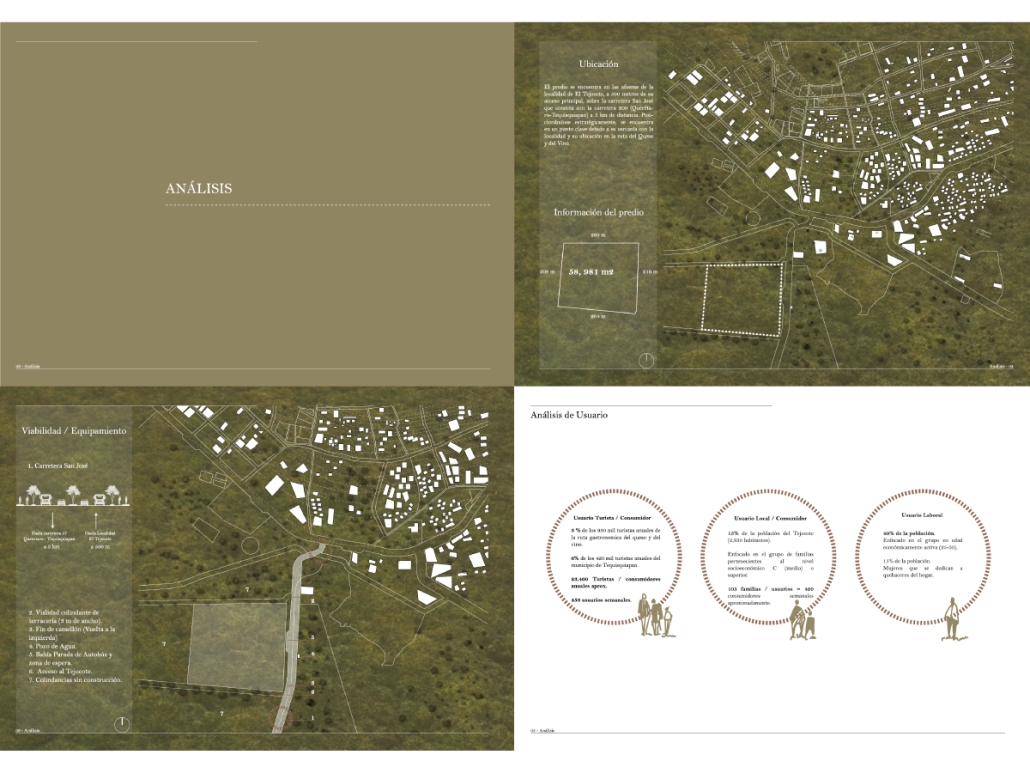
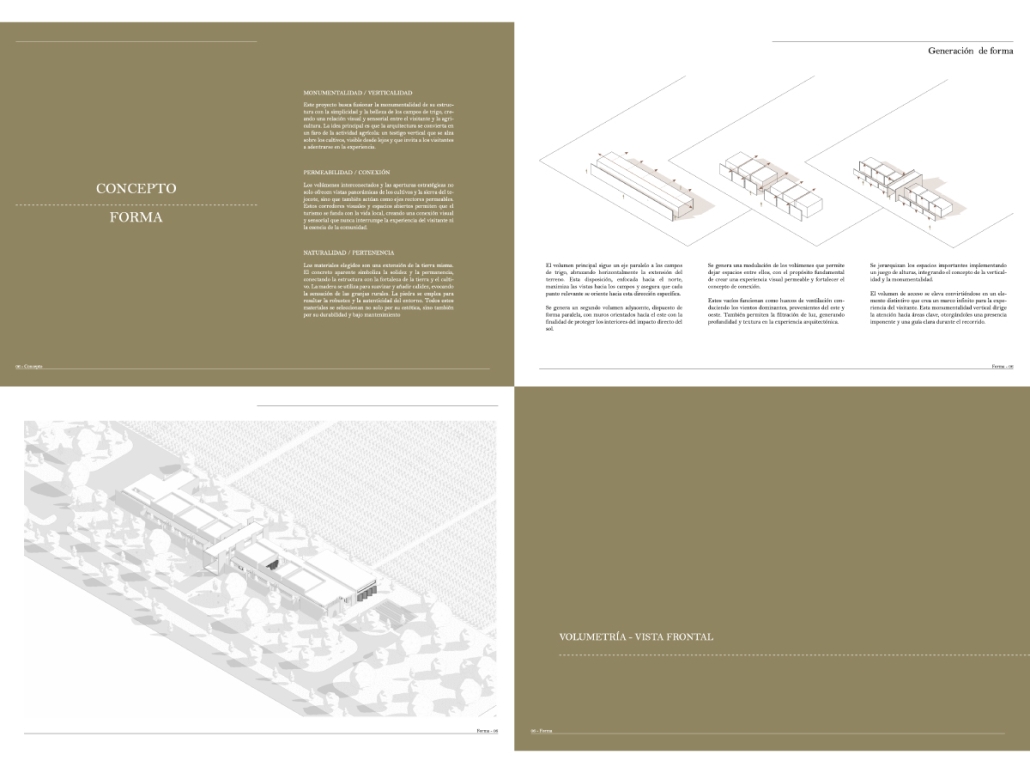
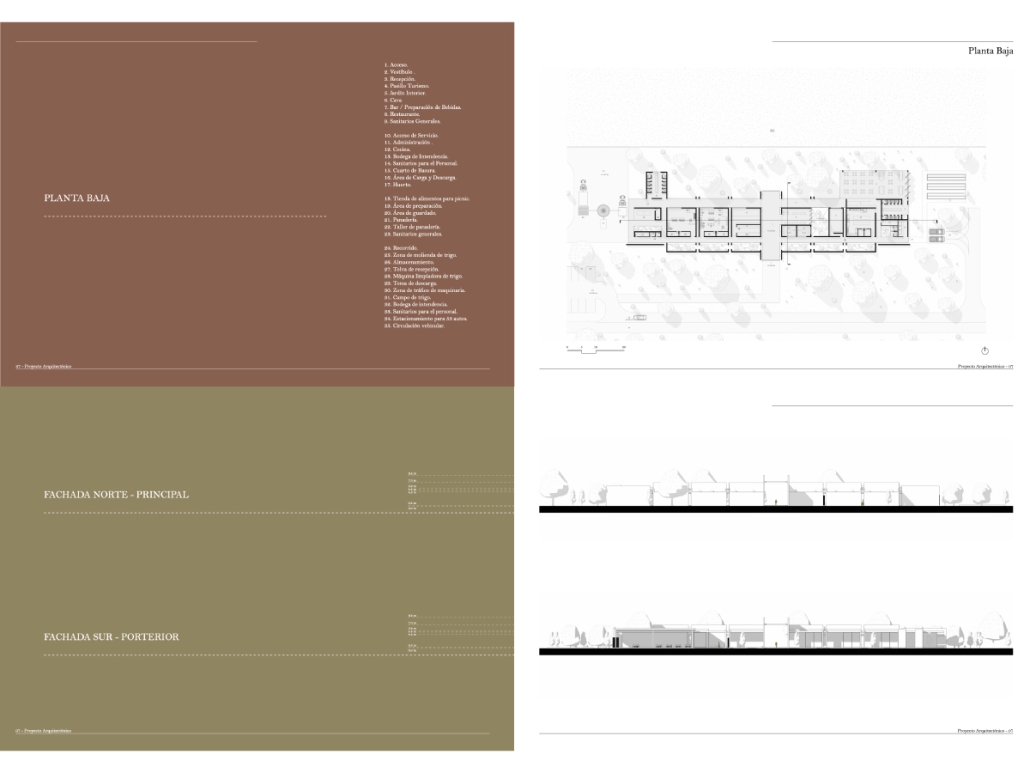
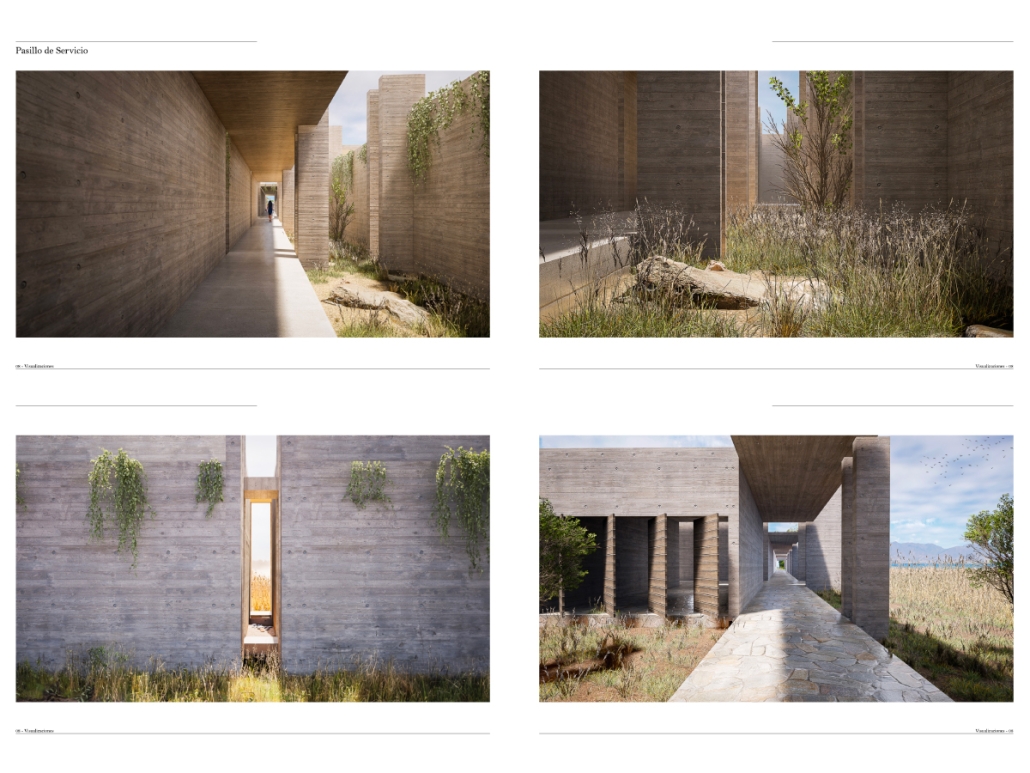
The focus of the Agrotourism Centre is primarily on the cultivation of wheat as a raw material. Integrating the whole process, from the sowing and harvesting of the wheat to the production of high-quality flour and the elaboration of artisan bread. The latter, characterised by its unique particularities rooted in the local culture, with the aim of becoming a true emblem that identifies and distinguishes Tejocote. 

A crucial element of this project is the integration of tourism in each of the production stages. The aim is to generate controlled and sustainable tourism in a decisive and strategic manner. The primary objective is that the main beneficiaries will be the inhabitants of Tejocote, who will experience a significant boost to their local economy thanks to the economic spillover from this agrotourism model. 

This centre not only offers an authentic and educational experience for visitors, but also contributes to the economic development and strengthening of the cultural identity of Tejocote.

Instagram: @arqwave, @arquitectura_anahuac

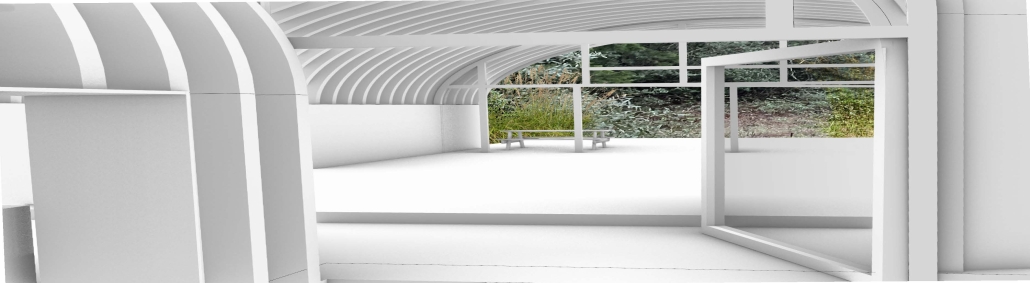
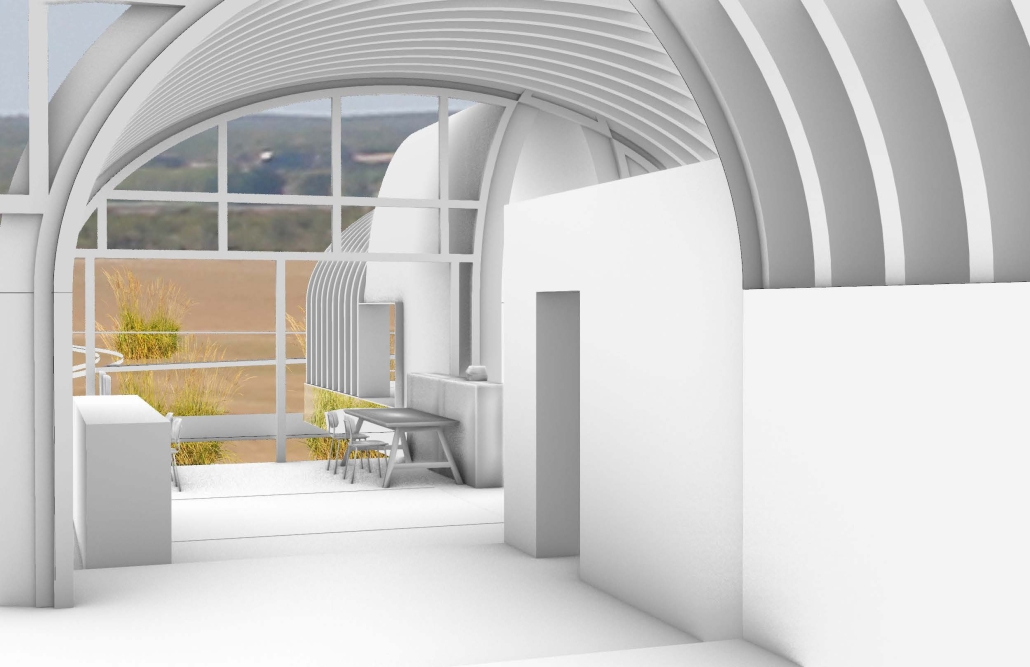
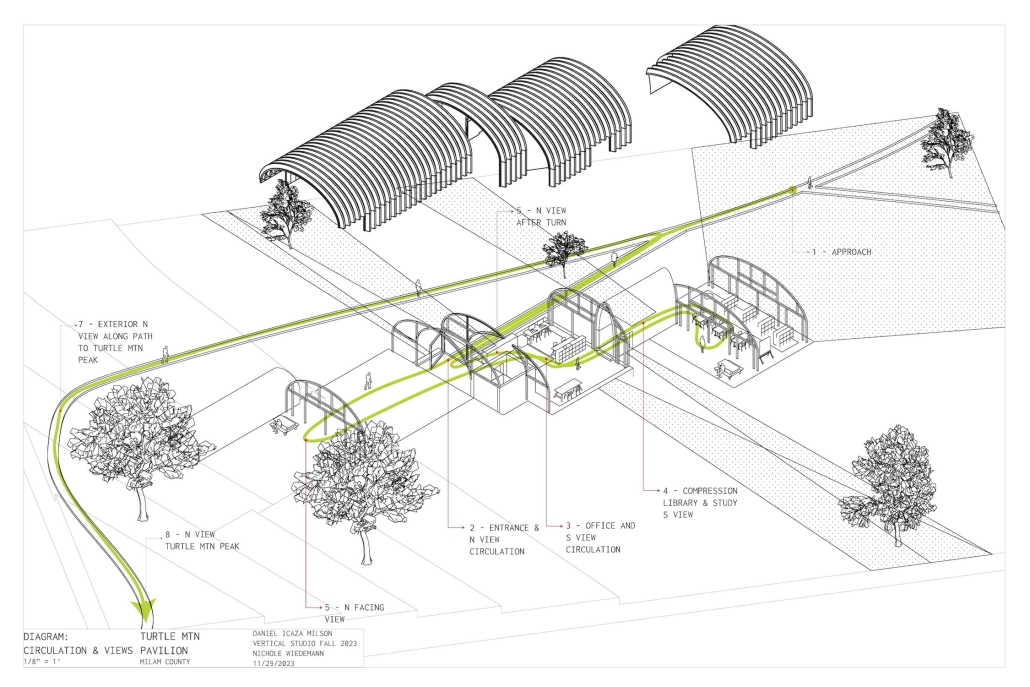
Red Mountain Pavilion by Daniel Icaza Milson, M.Arch ’24
University of Texas at Austin | Advisor: Nichole Wiedemann

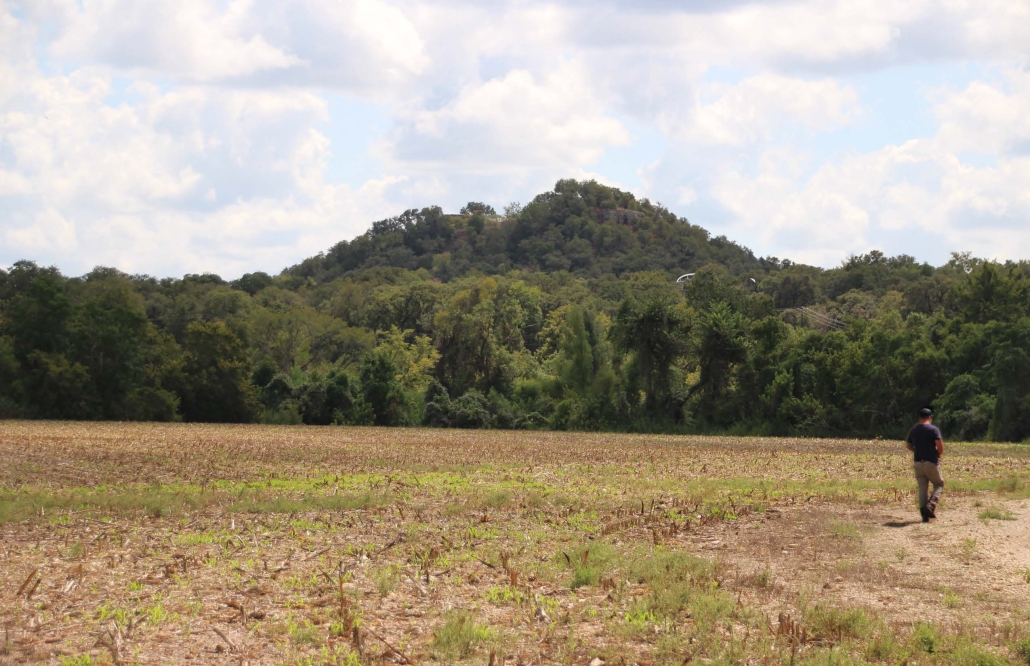
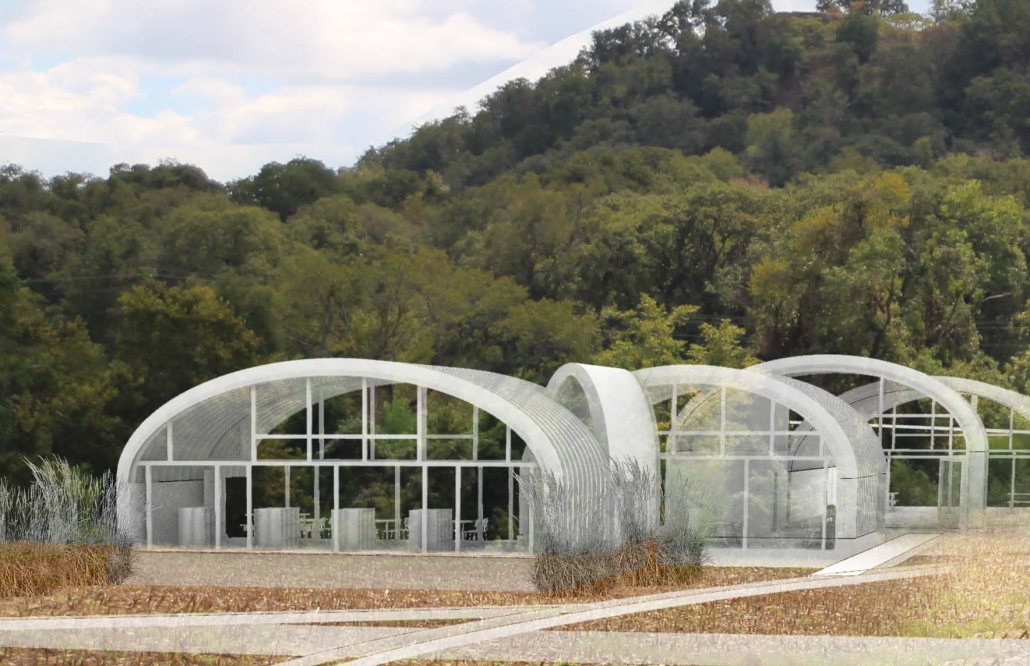
With support of El Camino Real de los Tejas National Historic Trail Association, Tonkawa Tribe and Blackland Collaborative, this studio focused on Milam County, Texas, which straddles the Blackland Prairie and Post Oak Savanah traversed by three rivers –Brazos River ((Río de los Brazos de Dios), Little River and San Gabriel River– flowing to the Gulf of Mexico. In addition to the Camino Real, the area is punctuated by settlements including the Rancheria Grande, Spanish Missions and Freedom Colonies. The area is a place of convergence, connecting diverse peoples (and places) for over 10,000 years.

The Brazos River and its tributaries define the undulating, verdant landscape that surrounds Red Mountain, a sacred mountain for the Tonkawa tribe. These lands are still plentiful today – supporting the farms and ranches of Milam County. Embracing the economy and ubiquity of prefabricated metal structures, the Red Mountain Pavilion is arranged so that the visitor is reoriented from the restored Blackland Prairie and Little River toward Red Mountain, the origin of the Tonkawa. The building is staggered so that the landscape completes the experience of the visitors.

Instagram: @nicholewiedemann, @dash.ing.dash

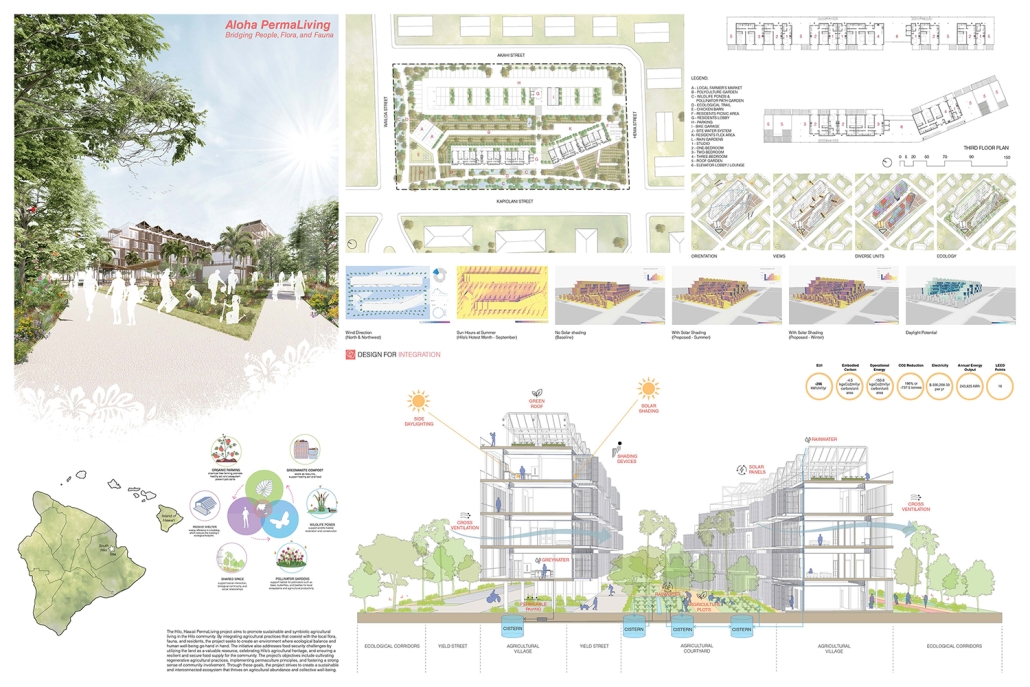
Aloha Permaliving: Bridging People, Flora and Fauna by Chris Caracena, B. Arch ’24
Cal Poly University – Pomona | Advisor: Pablo La Roche

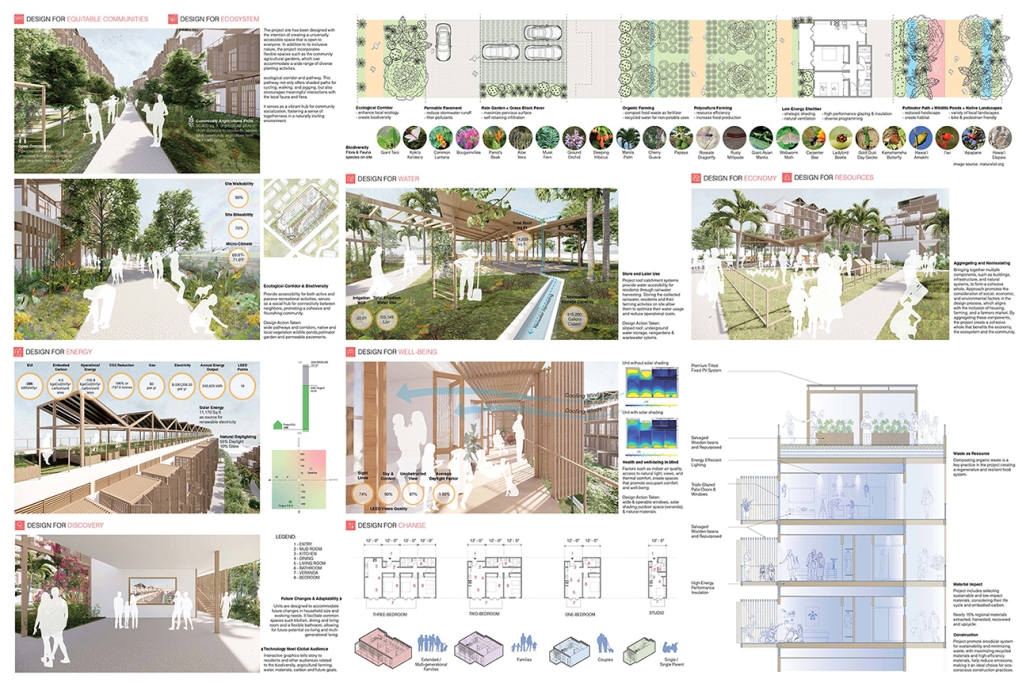
This permaliving project in Hilo, Hawaii, promotes sustainable and symbiotic agricultural living in the  Hilo Community, by integrating agricultural practices that coexist with the local flora, fauna and residents, the project creates an environment where ecological balance and human well-being go hand in hand addressing food security issues in Hawaii. This affordable housing project creates a sustainable and interconnected ecosystem that thrives on agricultural abundance and collective well-being. 

Instagram: @pmlaroche

Beetecture: Connection between Bees and Architecture by Yaimi L. Cartagena-Santiago, B. Arch ’24
Pontifical Catholic University of Puerto Rico | Advisor: Pedro A. Rosario-Torres

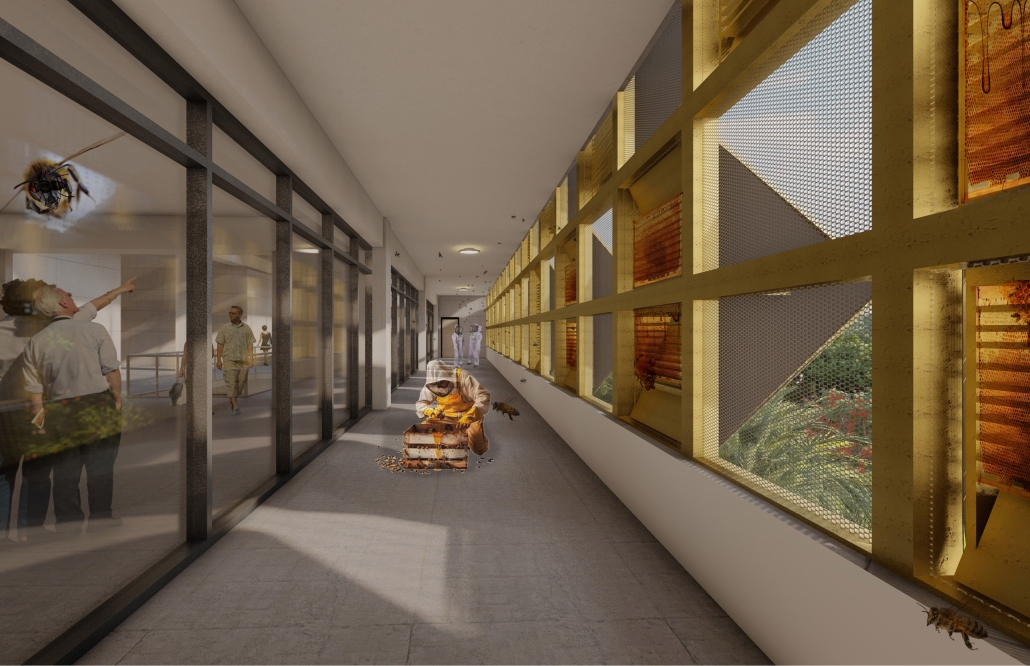
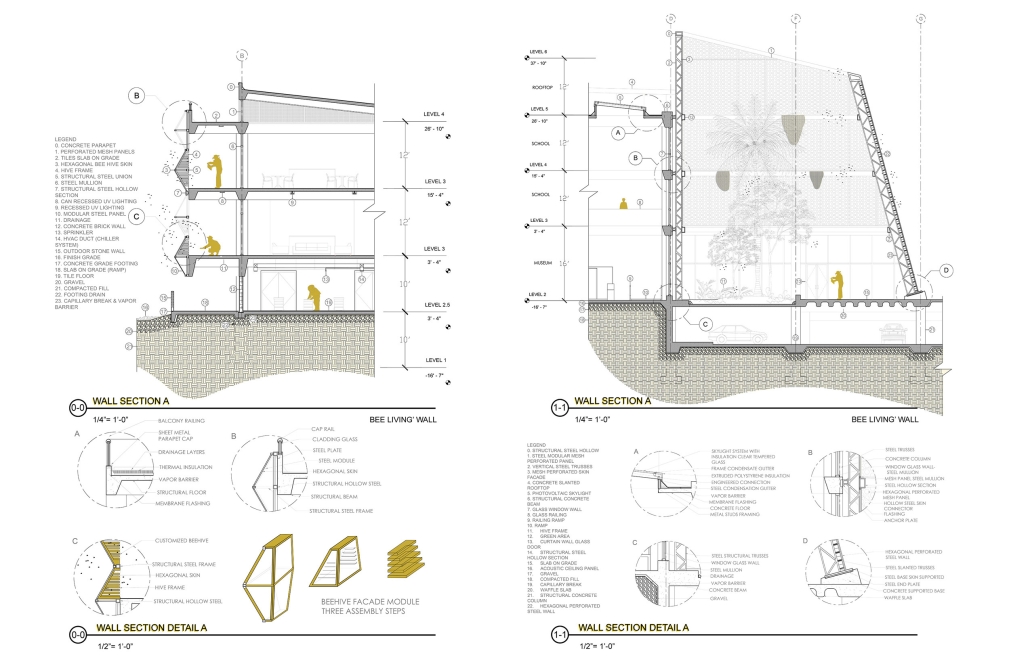
Throughout history, architecture has primarily focused on solving problems related to humans; however, humans consistently overlook the fact that they are part of a much larger world than themselves. In the current context, there is a steady increase in bee mortality worldwide. Various media outlets have attempted to draw attention to this issue, but the efforts of environmentalists, journalists, and a political minority have not generated a strong enough impact to effectively address this phenomenon. The purpose of the APIC (Apiculture Production and Investigative Center) project is to develop an architectural proposal that addresses the challenges faced by apiculture, focusing primarily on the devaluation of this practice and its impact on the scarcity of agricultural production.

The project’s location is the municipality of Hatillo, in the north coast of Puerto Rico. Currently, there is the Puerto Rico Institute of Beekeeping Education, Research, and Development (Hatillo School of Beekeeping), which offers theoretical and practical courses in beekeeping management. The place in turn offers a balance between tropical and subtropical climates, allowing for versatile beekeeping and the possibility of collecting beehive products for much of the year.

The APIC project, as a proposal, is based on the integration of various architectural programs. The main objective of the project is to bring together in a single facility all the activities related to beekeeping, which are currently very fragmented. This installation offers the opportunity to address the challenge of reconnecting architecture with nature. The project aims to maintain the bee population through responsible beekeeping practices, monitor and safeguard the pollination service for multi-floral agriculture, limit damage caused by pests and diseases to ensure bee safety, provide accessibility to the public encourage community sensitivity, and guarantee and promote the future of the local beekeeping industry. Social programs that can be developed within the facilities are proposed to integrate society into the beekeeping culture. The programs are classified into four general zones: beekeeping education, beekeeping production, apitourism, and apitherapy. In conclusion, this project represents a commitment to sustainability, biodiversity, and environmental consciousness while emphasizing the vital importance of bees in our delicate ecological balance.

Instagram: @yaimilizz

Río Verde & Parques del Río Verde Corridor by Hector Michael Miranda Sanchez, M. Arch ’24
University of Puerto Rico | Advisors: Omayra Rivera Crespo & Jose R Coleman-Davis

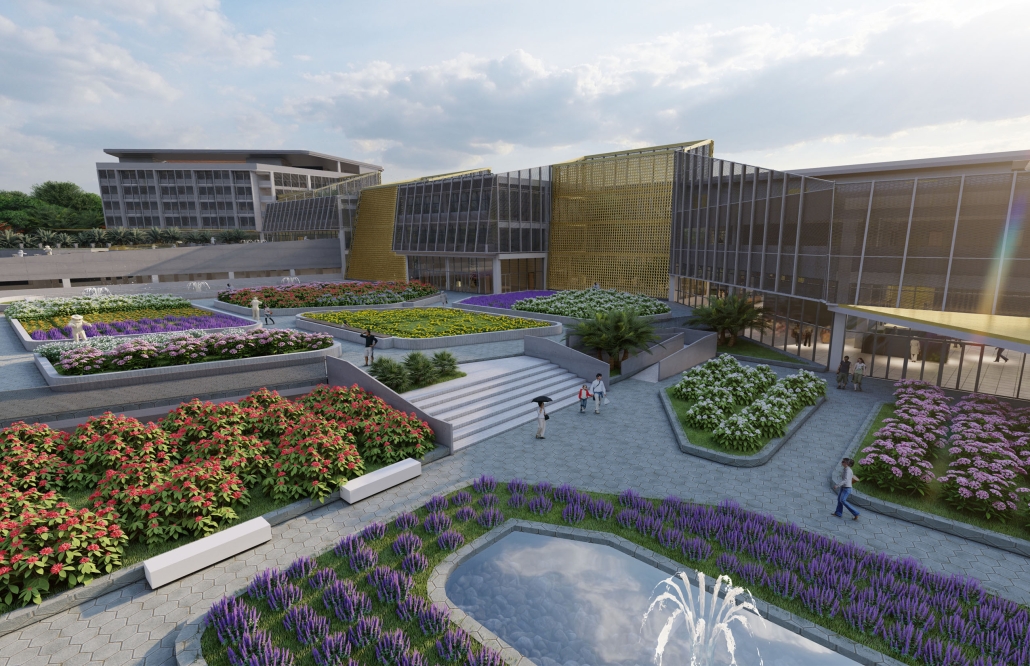
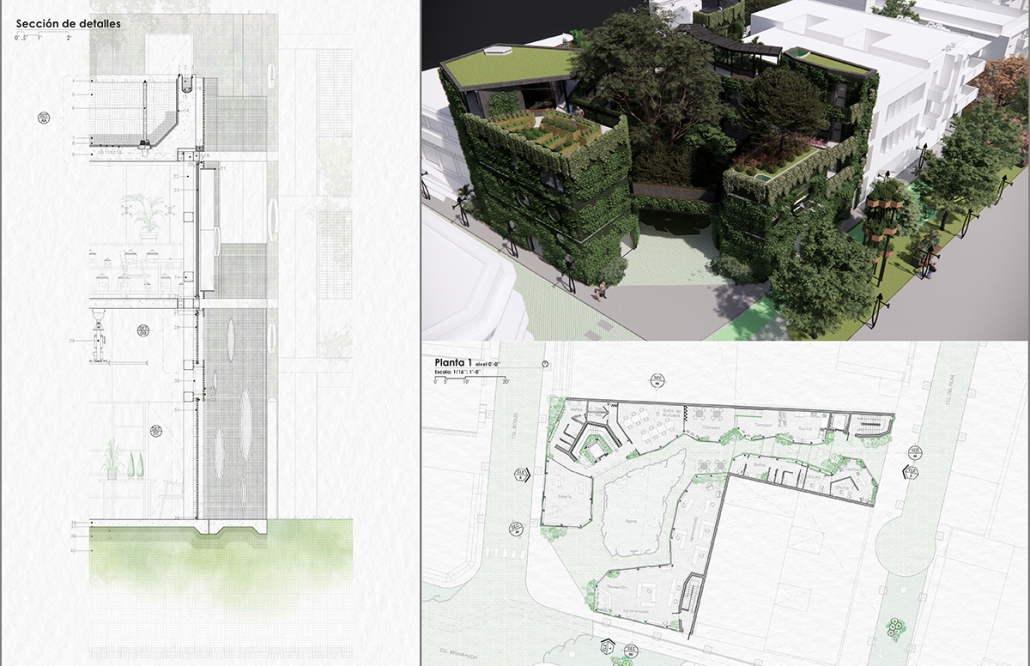
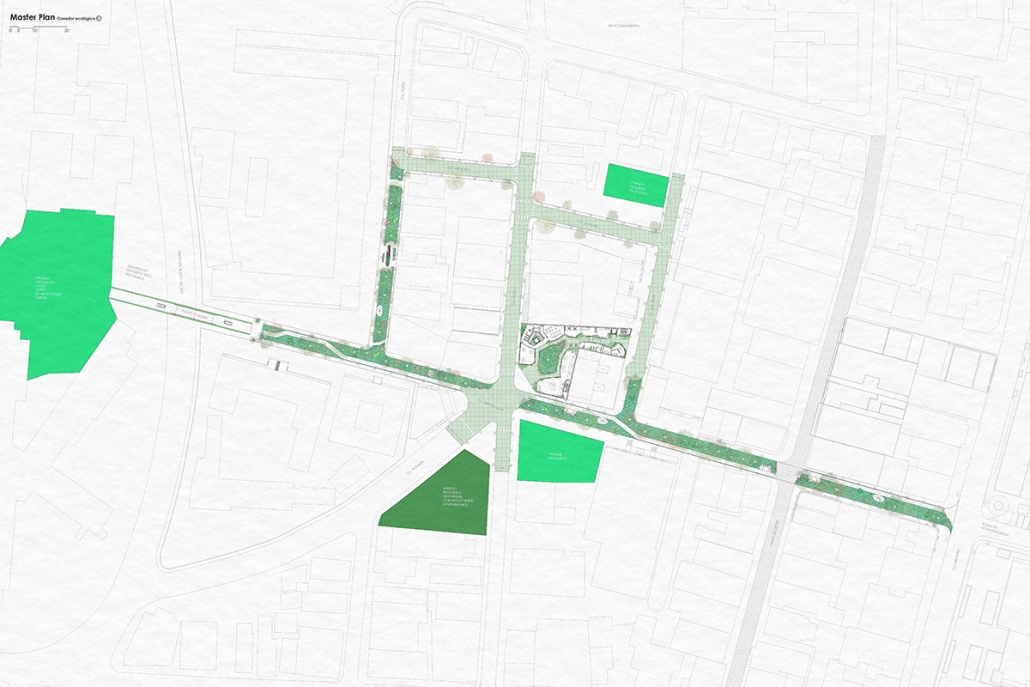
The sustainable Río Verde project consists of three buildings and a floating greenhouse interconnected through an agora and bridges, with a prominent focus on mixed-use. Most of its space program was determined based on the needs of the community. For instance, the Zoology department at UPRRP required a herbarium, laboratory, and storage space. Similarly, the Río Piedras community needed a place to promote their farmers’ market (agromercado). These spaces were provided, connecting the entire community system while preserving existing green systems. On the other hand, this project also introduces new urban and social public spaces. Additionally, the site borders two green areas: the University of Puerto Rico and the Plaza de la Convalecencia. As a result, the ecological corridor Parques del Río Verde is proposed, integrating directly with the proposed building. Its purpose is to implement a new green system in the urban area of Río Piedras, improving environmental conditions in a highly urbanized and paved city while serving as a bridge between other existing green systems. Furthermore, Río Verde and its corridor aim to promote biodiversity, sustainable and resilient elements, and integration with community agriculture, cultural and economic activities, visual landscapes, and the pre-existing urban fabric of Río Piedras. Ultimately, this project aspires to be an exemplary reference in sustainability, offering a solution within the green construction industry to address the current environmental crisis and mitigate accumulated impacts over the years in Río Piedras, San Juan, Puerto Rico.

Instagram: @mike_mird, @uprarchitecture

Stay tuned for Part VII!

2023 Study Architecture Student Showcase - Part XXII

In Part XXII of the Study Architecture Student Showcase, the featured student work addresses agricultural challenges including food deserts, climate change, and disruptions to agricultural production. These thesis projects propose designs that promote community engagement, learning, sustainability and systems to advance sustainable production practices. Browse these outstanding projects and share them with a colleague.

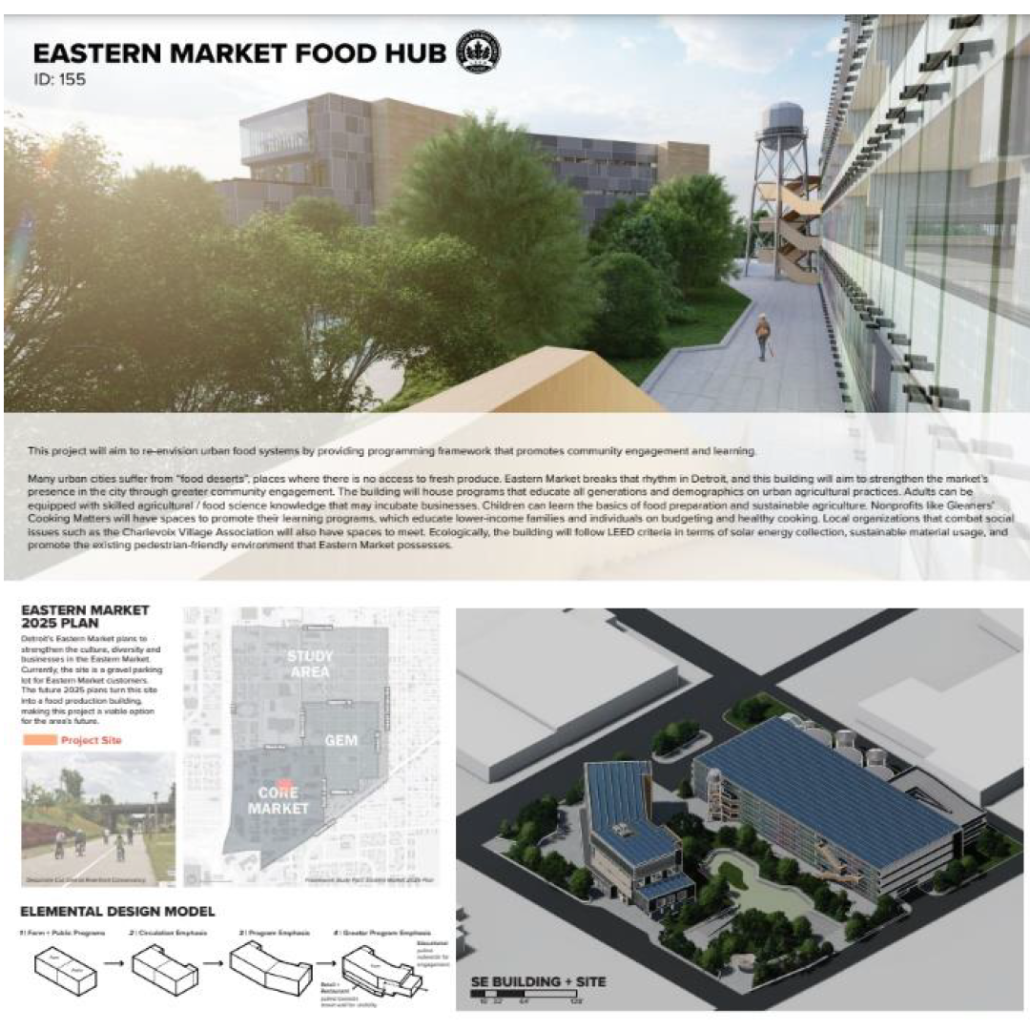
Urban Farmers Market Center by Allyza-Danica Valino, M.Arch ‘23
Lawrence Technological University | Advisors: Daniel Faoro, Eric Ward, Farris Habba & Kurt Neiswender

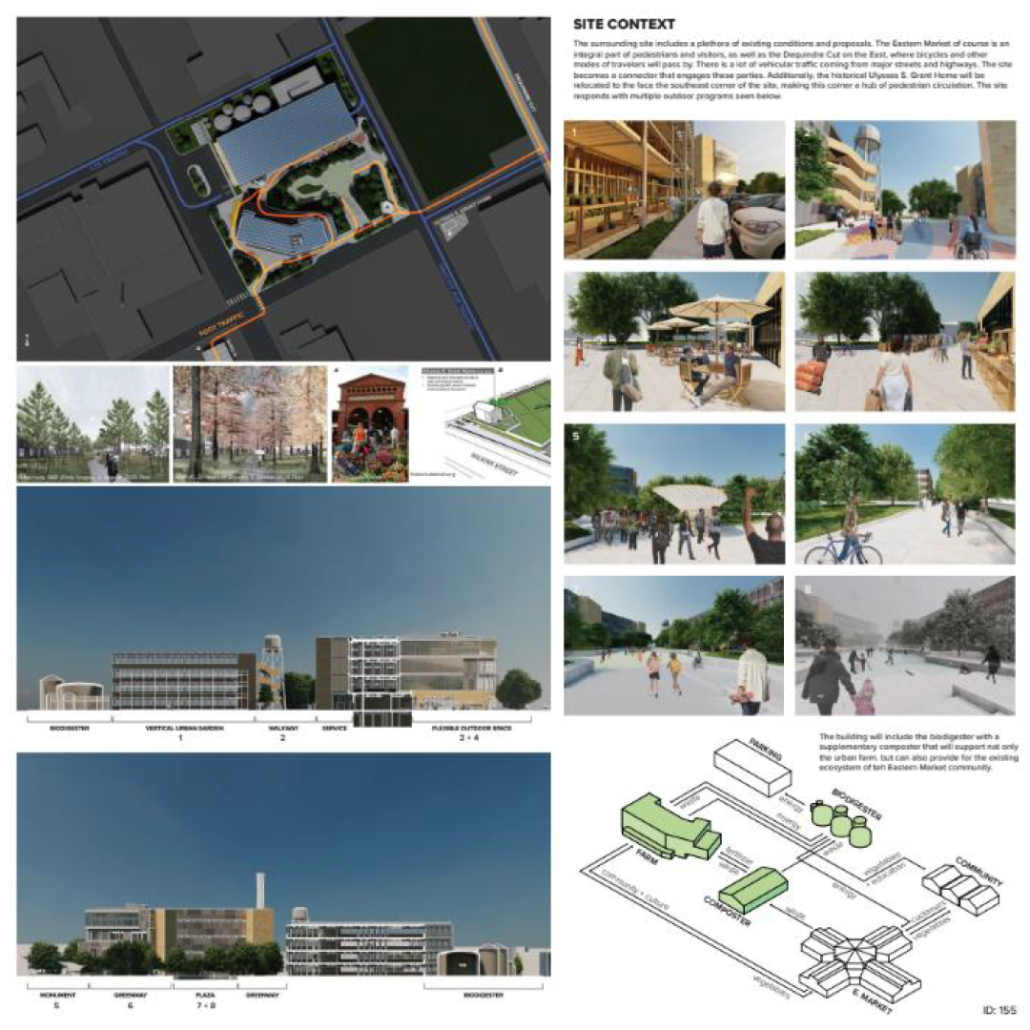
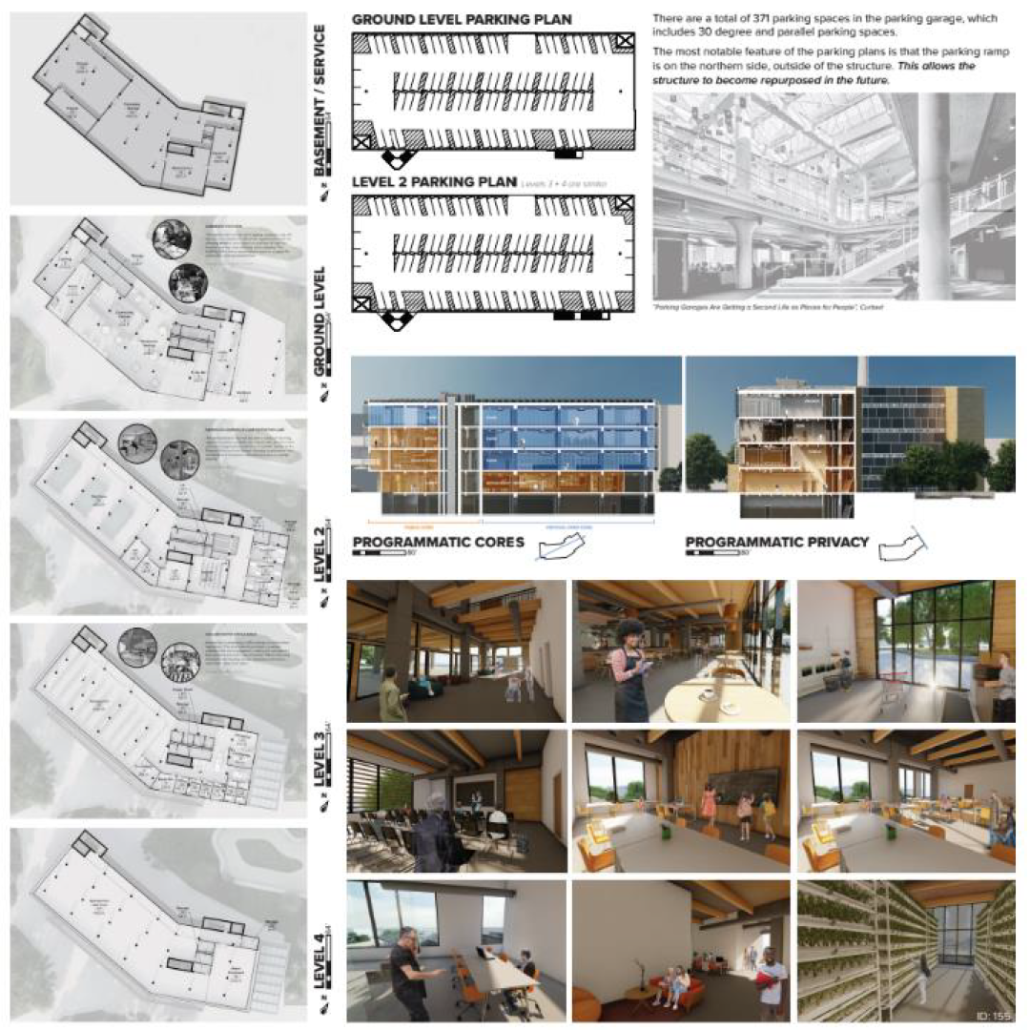
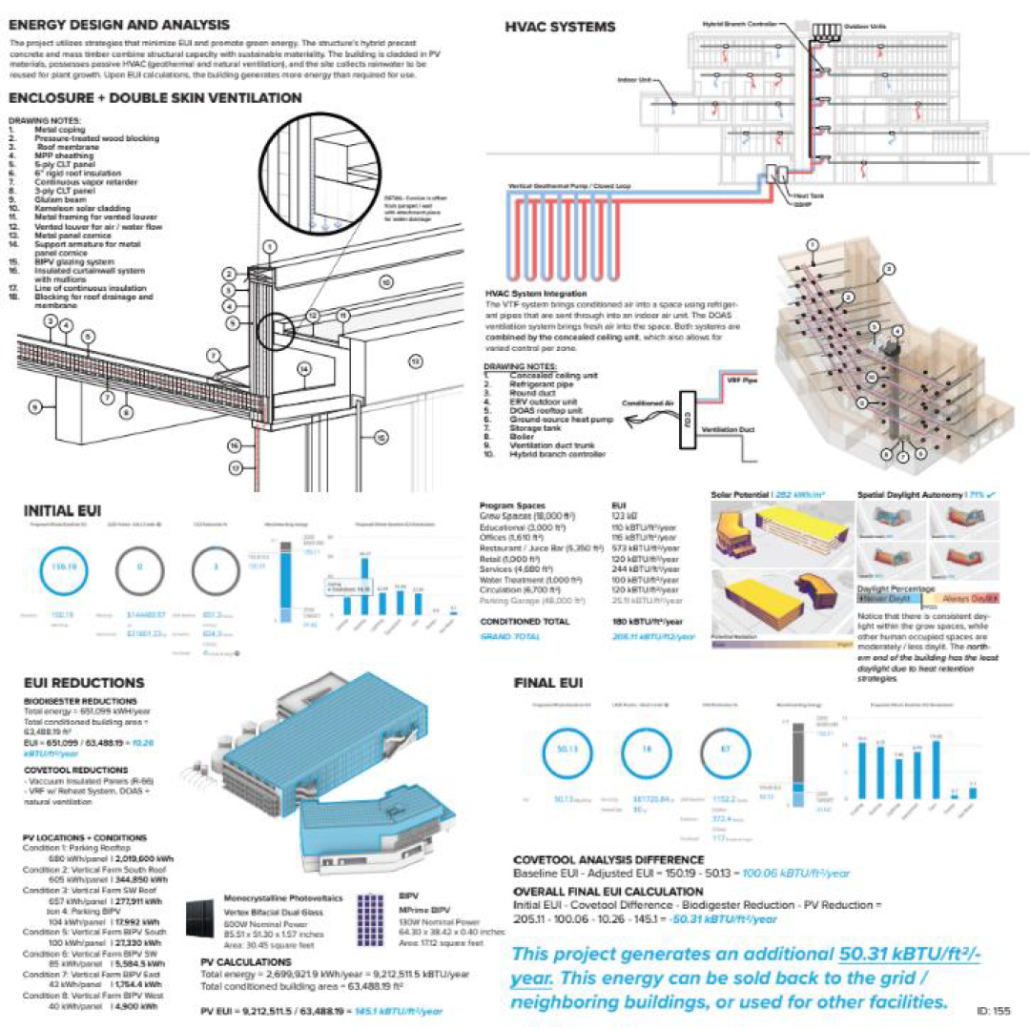
This project will aim to re-envision urban food systems by providing a programming framework that promotes community engagement and learning. Many urban cities suffer from “food deserts”, places where there is no access to fresh produce. Eastern Market breaks that rhythm in Detroit, and this building will aim to strengthen the market’s presence in the city through greater community engagement. The building will house programs that educate all generations and demographics on urban agricultural practices. Adults can be equipped with skilled agricultural / food science knowledge that may incubate businesses. Children can learn the basics of food preparation and sustainable agriculture. Nonprofits like Gleaners’ Cooking Matters will have spaces to promote their learning programs, which educate lower-income families and individuals on budgeting and healthy cooking. Local organizations that combat social issues such as the Charlevoix Village Association will also have spaces to meet. Ecologically, the building will follow LEED criteria in terms of solar energy collection, sustainable material usage, and promote the existing pedestrian-friendly environment that Eastern Market possesses.  

This project received the Dept. Chair Award Senior Year Capstone, and an Honorable Mention at the USGBC Detroit Student Competition

Agritecture: Integrated Interventions for Agronomy Production by Eixanette Laytung-Bardeguez, B. Arch ‘23
Pontifical Catholic University of Puerto Rico | Advisor: Pedro A. Rosario-Torres

At present, agronomic production processes have acquired crucial importance for the development and success of organizations in various traditional and industrial sectors. However, it is undeniable that they also face a series of challenges and problems that affect their efficiency, quality, and profitability.

The proposal aims to recognize and address these problems in quantity, quality, and regulation losses in production phases under the recognition of reasons such as dependence on arable soils, exposure to climatic and biological factors of the soil, and management situations.

To overcome these difficulties, the Agritecture proposal implements strategies that promote the optimization of production processes by creating a fully regulated ecosystem in laboratory and greenhouse spaces through Agricultural Biotechnology. In this way, certain crop factors such as plant germination, survival against pests, and the different seasons of the year can be guaranteed. These agrobiotechnology methods would promote crop quality and maximize production to four times what would be achieved using traditional methods.

The project located in Lajas, Puerto Rico highlights a context recognized for its scenic and cultural value towards traditional crops. Complying with this site selection criterion, it was necessary to integrate and illustrate the transition of the different production methods in the area from their traditional planting, the combination of methods in an experimental station, and then, the industrial approach through agricultural biotechnology. The rest of the location strategies and the visitor’s route are based on framing the particularity and richness of the context. Conceptually, we can appreciate it on the site plan from the context grid with its planting lots. According to the context organization, the alignments were projected on the perimeter of the site. In it, we see the footprint of the building, three volumes or fragments located in the lots, and projected tours. Seeking to negotiate with the site instead of imposing itself with what is established and at the same time maintaining the vision of the traditional crops of the area.

This project was nominated for the Medal for Excellence in Design, Francisco Luis Porrata-Doria 

Instagram: @elaytung

PLANT: LA by Spencer A. Thornton, B.Arch ‘23
Cal Poly Pomona | Advisor: Mitchell De Jarnett

PLANT: LA

Spencer A. Thornton

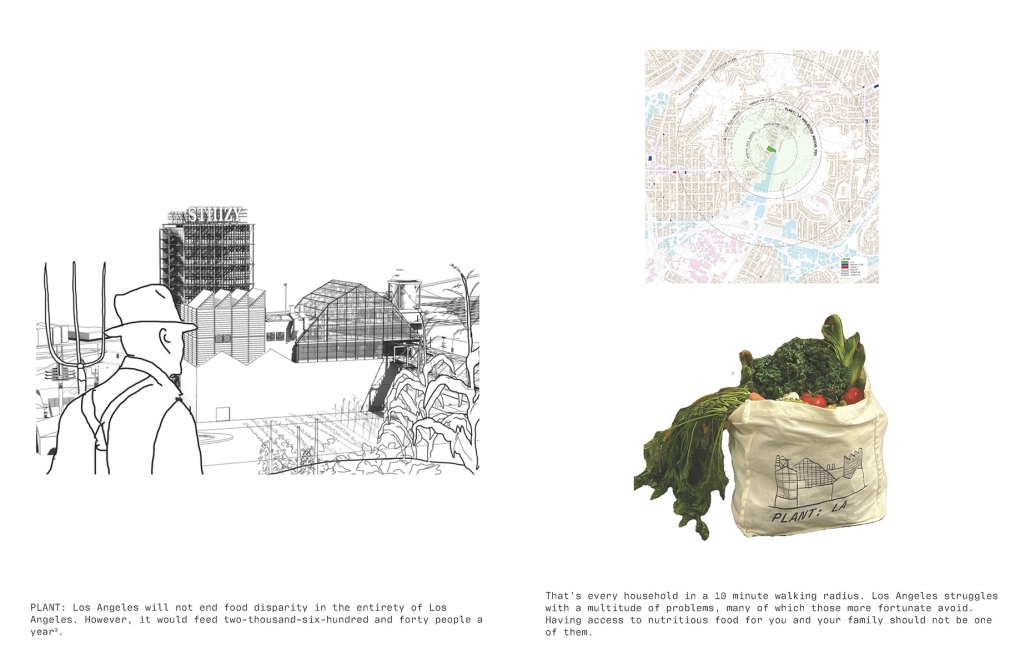
The residents of East Los Angeles currently suffer from a dearth of access to fresh produce. The area has very few options for residents to access fresh, nutritious food. A 2023 study found one in three low income Angelenos experiences food insecurity.

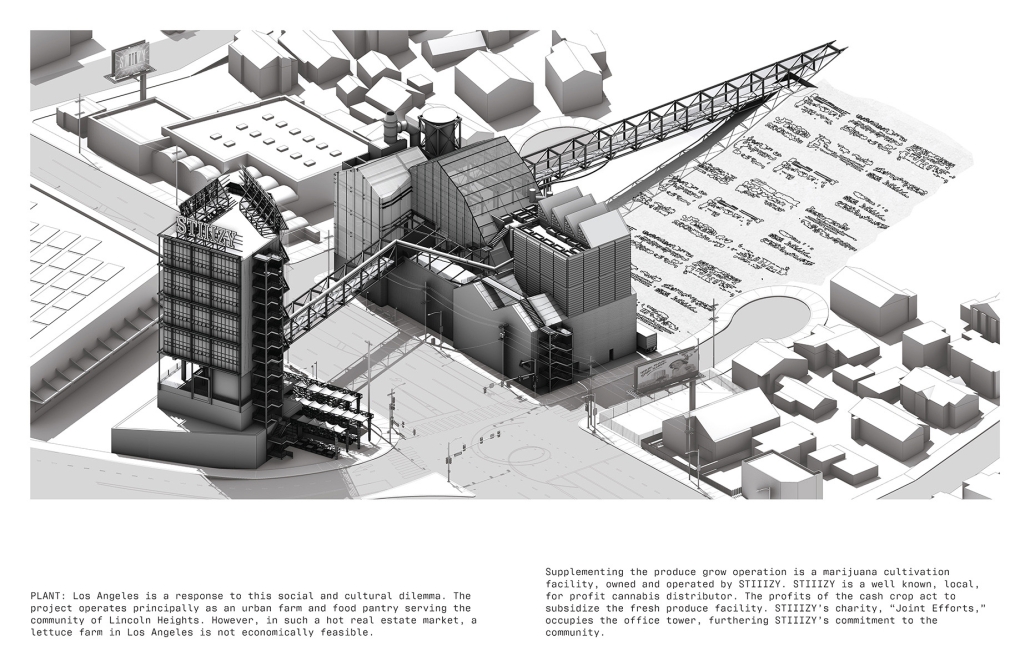
Located at the intersection of Soto St. and Mission Rd., PLANT: LA supports the local community of East Los Angeles through the pairing of a highly lucrative cannabis cultivation business with a neighborhood food charity and urban farm. The profits from the cannabis grow act to subsidize the urban farming component of the project. 

STIIIZY Joint Efforts is the non-profit arm of this major cannabis company. Their Mission statement reads: “GIVE TO GROW – Community matters. It’s what brought us here and helped build our brand. It’s why giving back is just as important as growth, it’s who we are. STIIIZY continues to be one of the most engaged cannabis companies in the industry.”

In partnership with STIIIZY Joint Efforts, PLANT: LA combines three main programs:

  1. An Urban Farm administered by STIIIZY Joint Efforts, where residents and specialists collaborate to grow produce to feed up to 2,640 people. 
  2. Office Space (subsidized by STIIIZY) for related food injustice nonprofit organizations in Los Angeles.
  3. A Cannabis Cultivation and Distribution Facility administered by STIIIZY.

PLANT: LA does not house an on-site retail cannabis dispensary. 

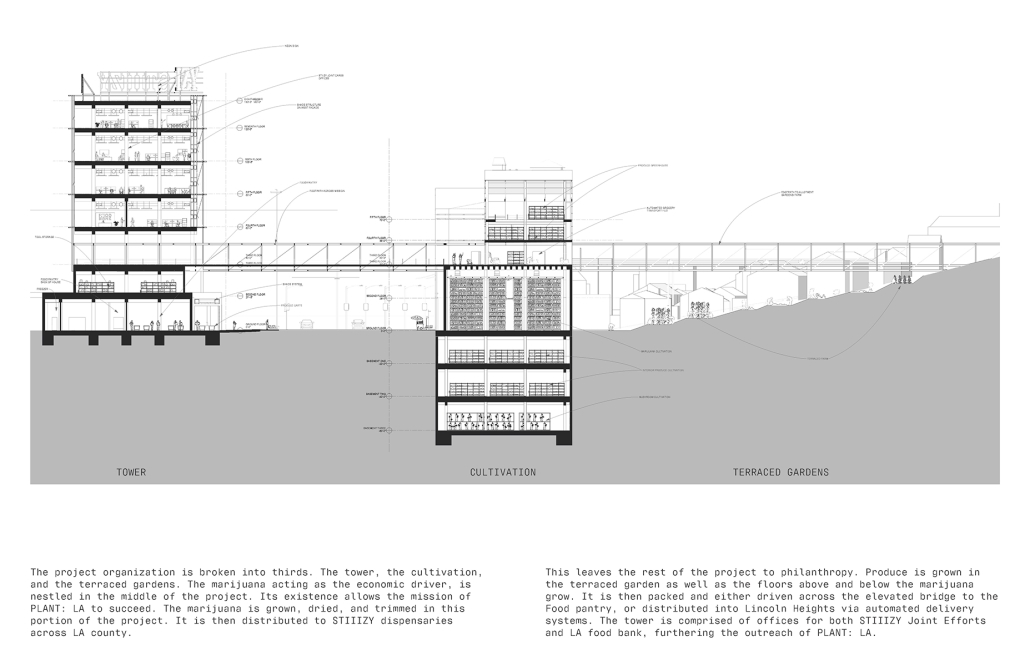
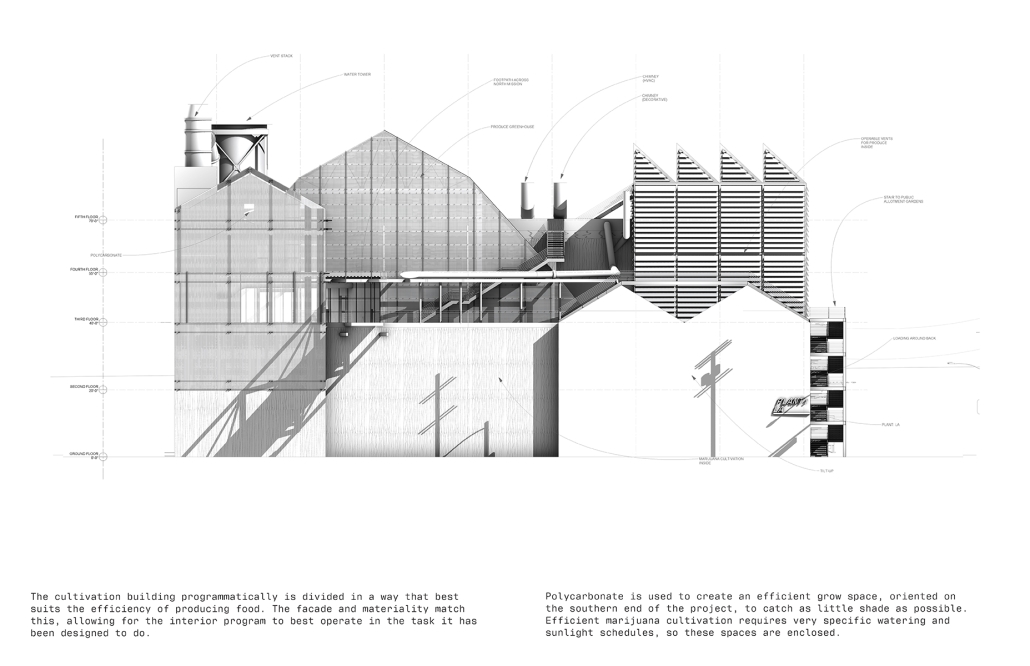
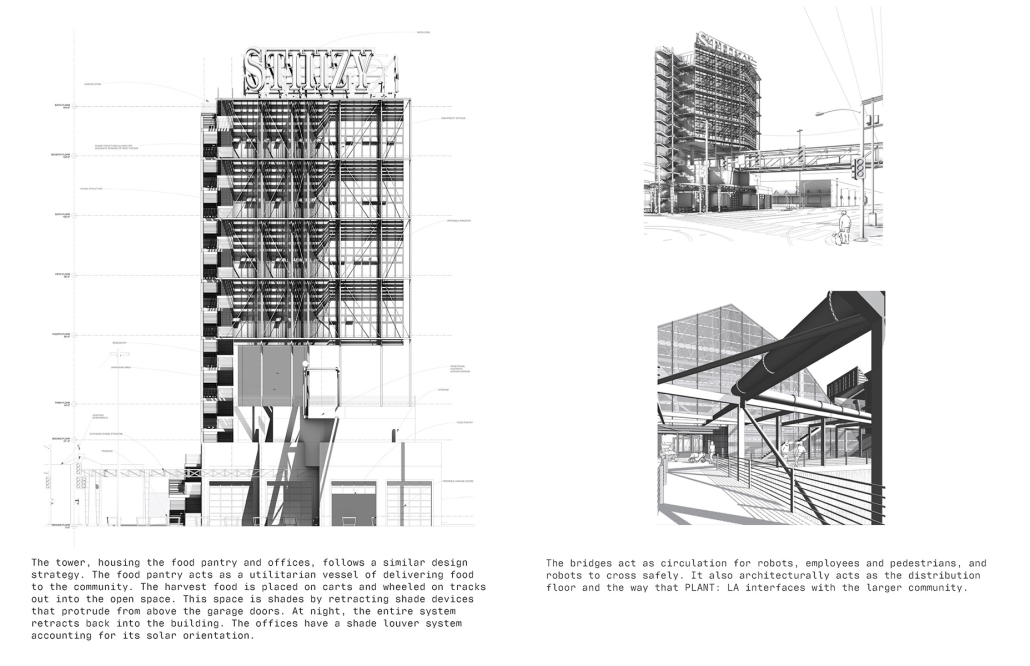
Programmatically the project organization is broken into thirds, the terraced gardens, the cultivation facility, and the tower. Produce is grown in the terraced garden as well as the floors above and below the marijuana grow. It is then packed and either driven across the elevated bridge to the Food Pantry or distributed into Lincoln Heights via automated delivery systems. The cannabis grow is in the middle of the project. The marijuana is grown, dried, and trimmed in this portion of the facility. It is then distributed to STIIIZY dispensaries across LA County. 

The tower is comprised of offices for both STIIIZY Joint Efforts and the LA Food Bank, increasing the philanthropic outreach of PLANT: LA. 

Instagram: @tonofthorn@ seen_in_the_idc

Farm Housing by Miguel Serna, B.A. in Architecture ‘23
University of Illinois at Chicago | Advisor: Alexander Eisenschmidt

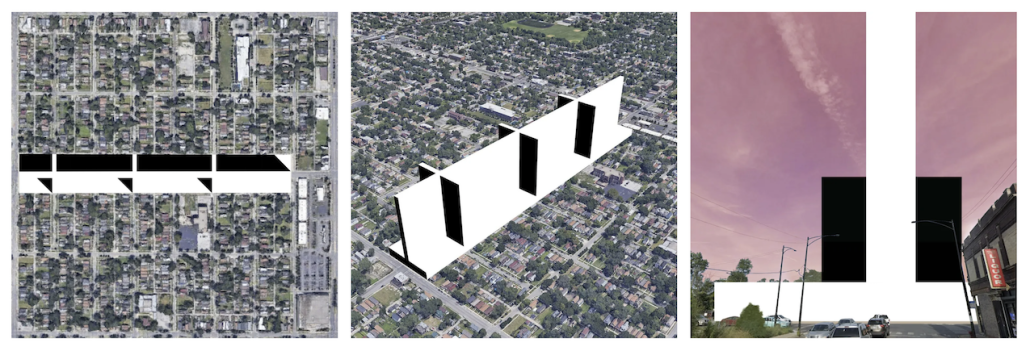
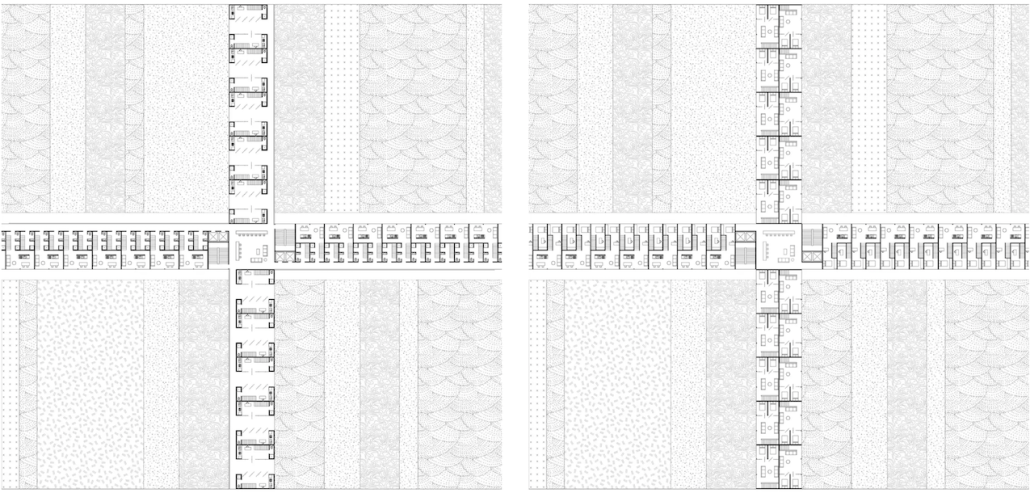
West Englewood is a neighborhood on the southwest side of Chicago with a population of 20,000 residents. Ranking fifth out of 77 neighborhoods in Chicago in terms of economic hardship, it is also known as a “food desert.” 51% of residents have been convicted (making it hard for them to find jobs) and 59% of families have reported food insecurities (with 6 out of 10 children living in impoverished conditions). This project, therefore, aims to offer housing as well as jobs for individuals and families in need. It occupies fourteen vacant blocks and is composed of a raised farm, with a public market and community programs below, and two different sets of apartments above. While all units are small, they spatially interlock across two floors, where the bottom floor makes space for a shared corridor between two neighbors, which in turn leads to the main corridor. Each renter is also given a strip of farmland that can be cultivated for consumption or, with the help of local organizations (such as I Grow Chicago and Growing Home), can be sold at the market below.

Instagram: @Eisenschmidt_a

The Dilemma in Detroit by Marina Iodice & Daniella Vlakancic, B.Arch. ‘23
New York Institute of Technology | Advisor: Evan Shieh

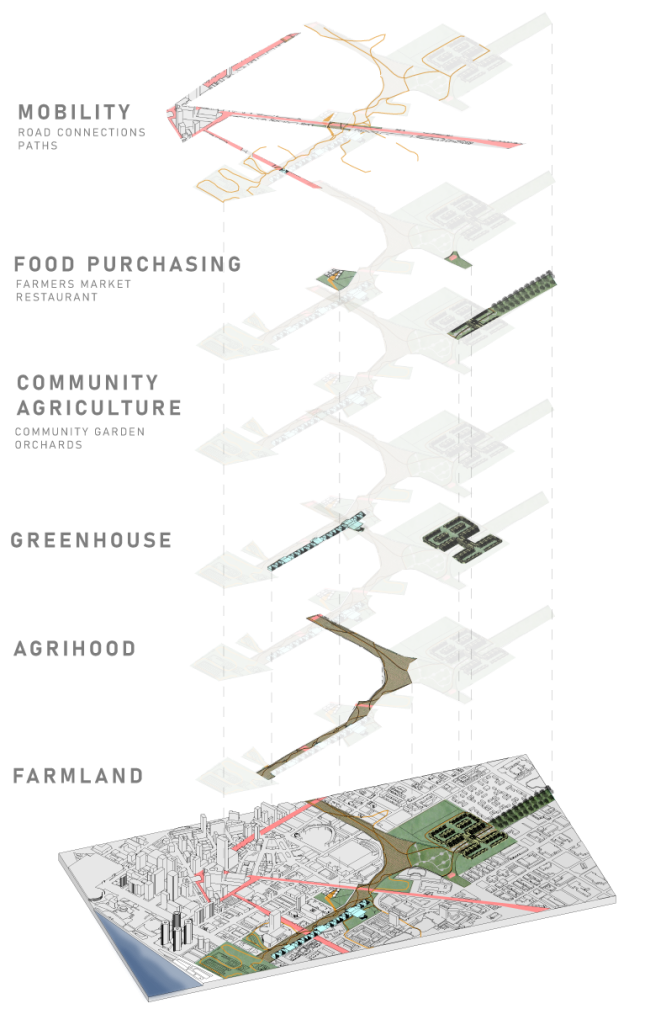
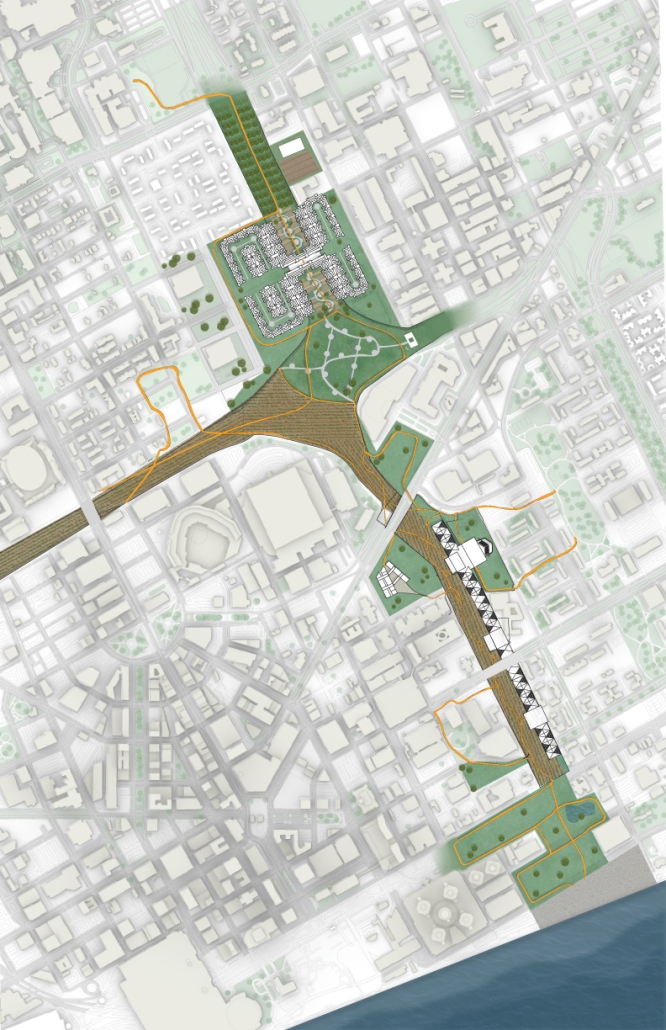
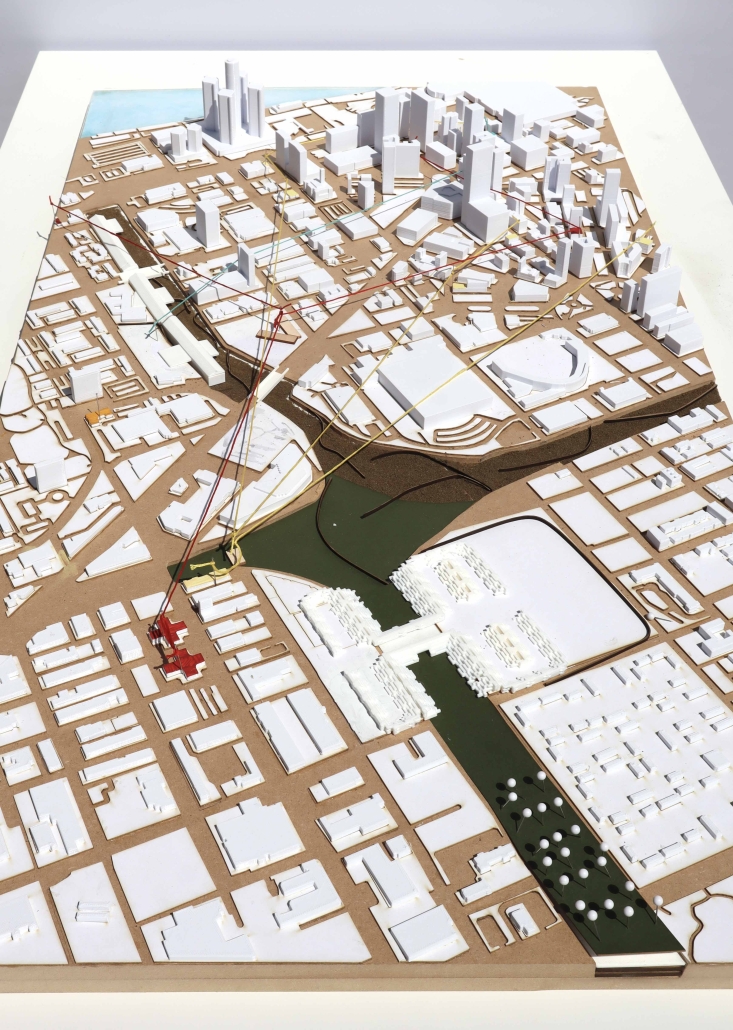
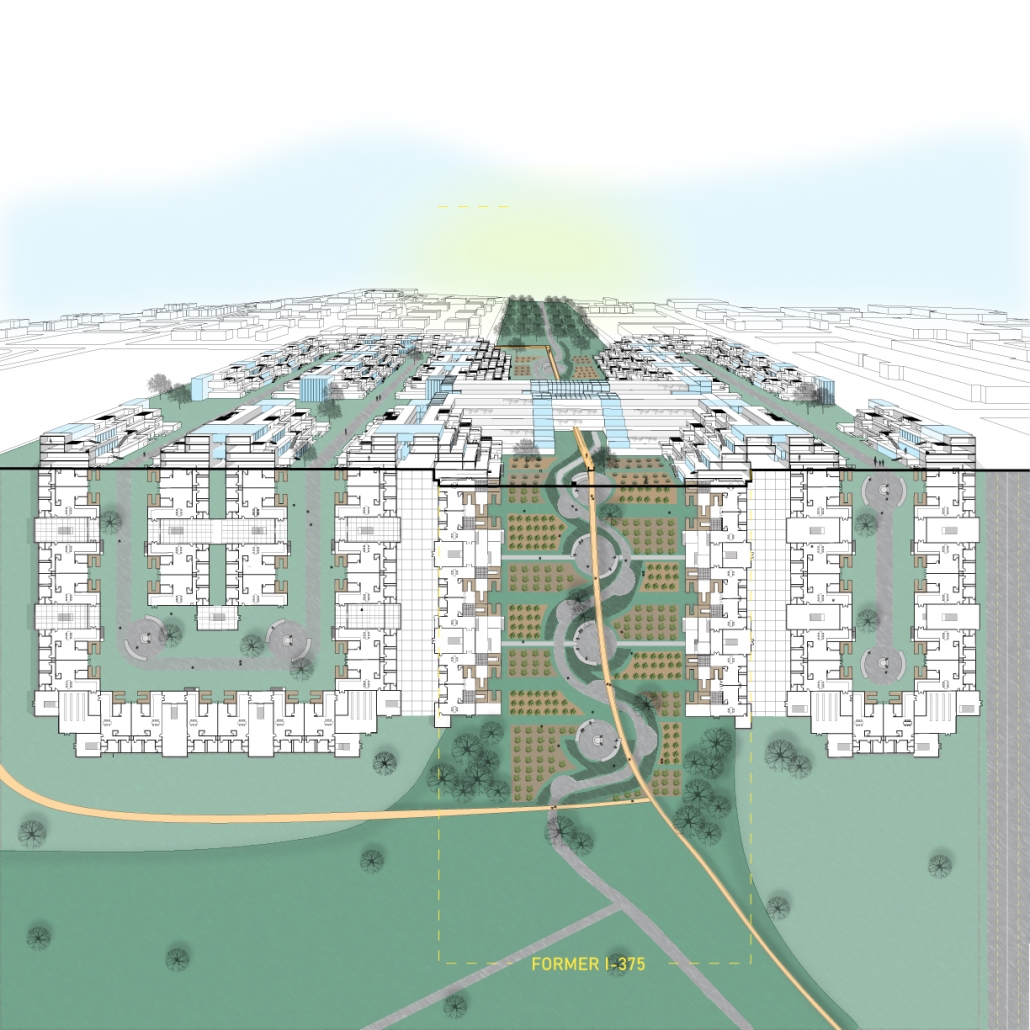
Our project was formed off of the challenge to reform underutilized highways in the U.S. into something greater. Given a plethora of highways to choose from, we chose Detroit’s I-375 for a multitude of reasons. While researching we discovered Detroit’s food insecurity struggles, as well as how the highway disconnected and plowed through thriving neighborhoods such as “Black Bottom” when it was created. With this in mind, we decided to create something that would not only reconnect and re-stitch the community back together but also help relieve food insecurity as well. 

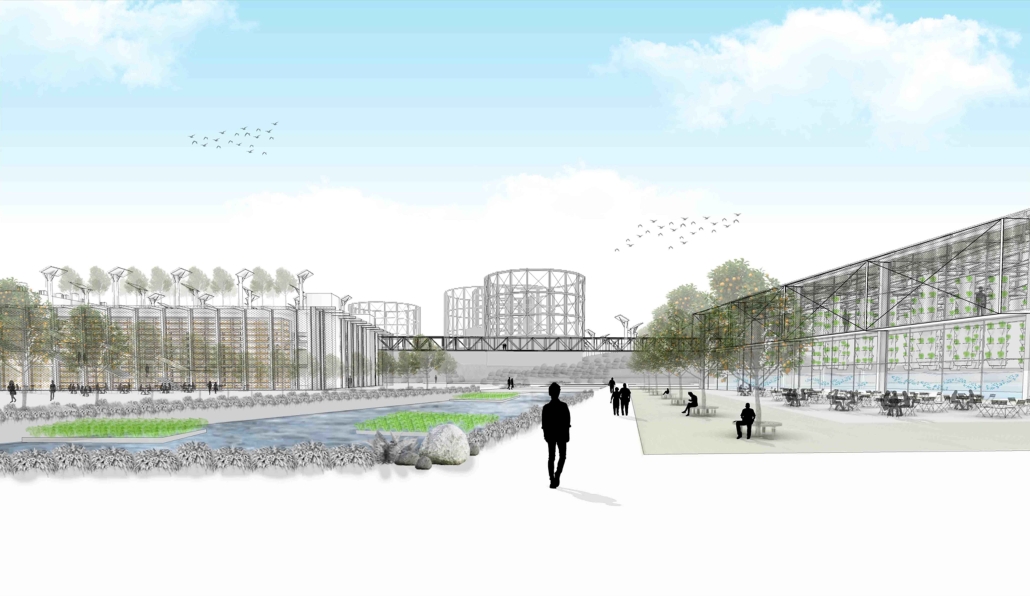
We proposed to transform the I-375 into an opportunity to help relieve food insecurity by making it into a prototype test site for farming. We intend to accomplish this by meshing small-scale agriculture and large-scale community gardening. By doing this we hoped to help fill in the missing links in Detroit’s local food economy and also make the process more visible and integrated into the community. We accomplished this through applicable architecture such as a mile-long stretch of greenhouses, an Agrihood (Agricultural neighborhood), community gathering sites, farmers markets, restaurants, community gardens, and even traditional farmland. Our main focus being the Greenhouse and the Agrihood. 

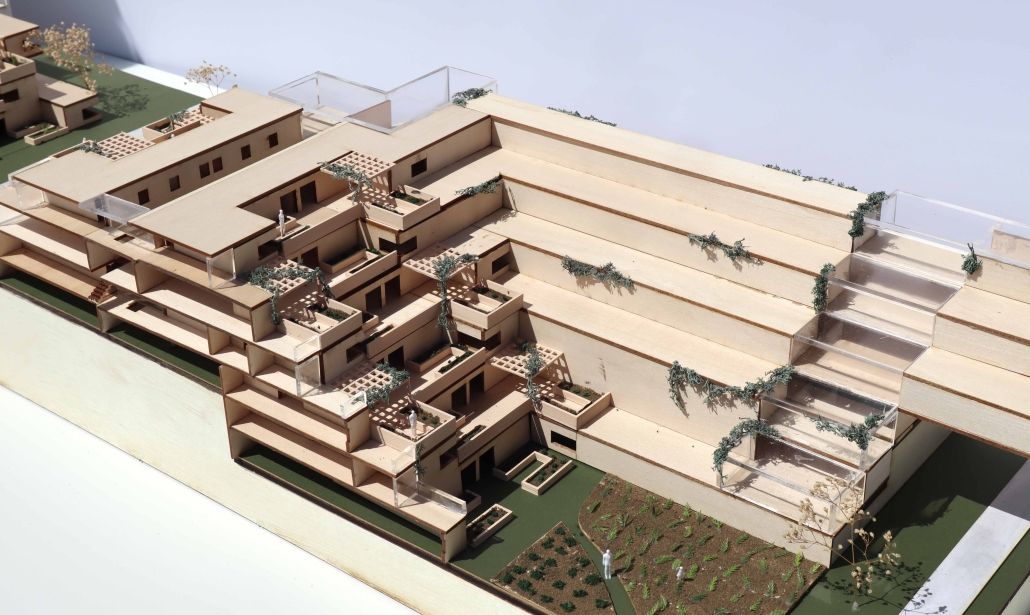
Having greenhouses was crucial to have on our site since we are located in Michigan where there are harsh winters. The greenhouse encases urban farming such as hydroponics as well as community programs such as an amphitheater. The Agrihood was born when we were considering different ways to have the community live and interact not only with food but with each other. It’s a neighborhood that consists of terraced housing/gardens, as well as public amenities. The architecture promotes interaction by including centers to trade crops with neighbors and communal dining.

Instagram: @deesignsss, @marina.designs_, @ev07

Center for the Promotion of Fiesole Organic Olive Oil Farming by Emma Schnelle, Geneva Sinkula & Joseph Eichstaed, M.Arch and B.Arch. ‘23
The University of Texas at Austin | Advisor: Smilja Milovanovic-Bertram

The objective of this project is the design of the Center for the Promotion of Fiesole Organic Olive Oil Farming. Our client is the Association of Biological Organic District of Fiesole, a non-profit association, founded in 2018. It is composed of olive oil-producing farms, municipal administration, university professors, sectors of professionals and private citizens whose aim is the sustainable management of resources of the Fiesole area in the promotion, dissemination and protection of organic production methods in the agricultural field for the community. 

This project won the Design Excellence Award.

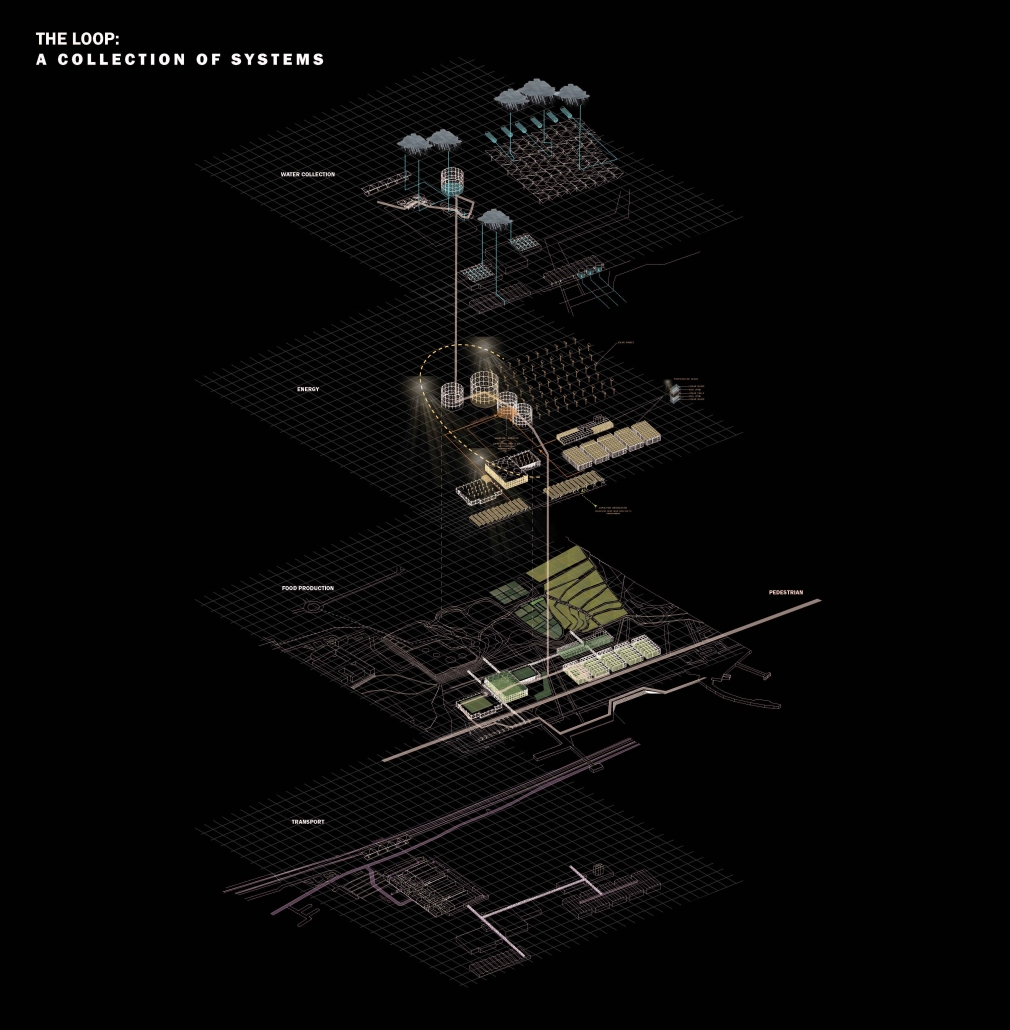
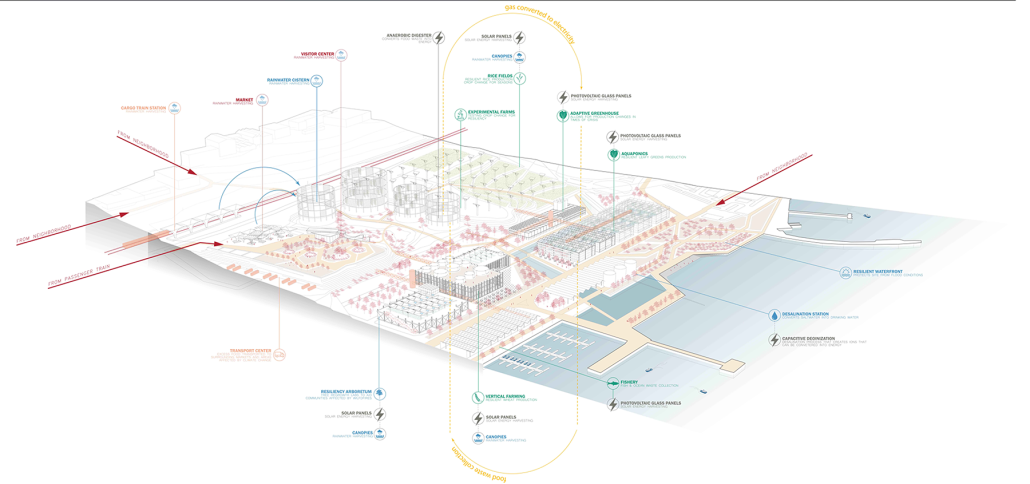
The Loop Lisboa: A Closed Loop Approach to Protecting Portugal from the Climate Crisis by Eryn Cooper, B.Arch ’23
New York Institute of Technology | Advisor: Farzana Gandhi

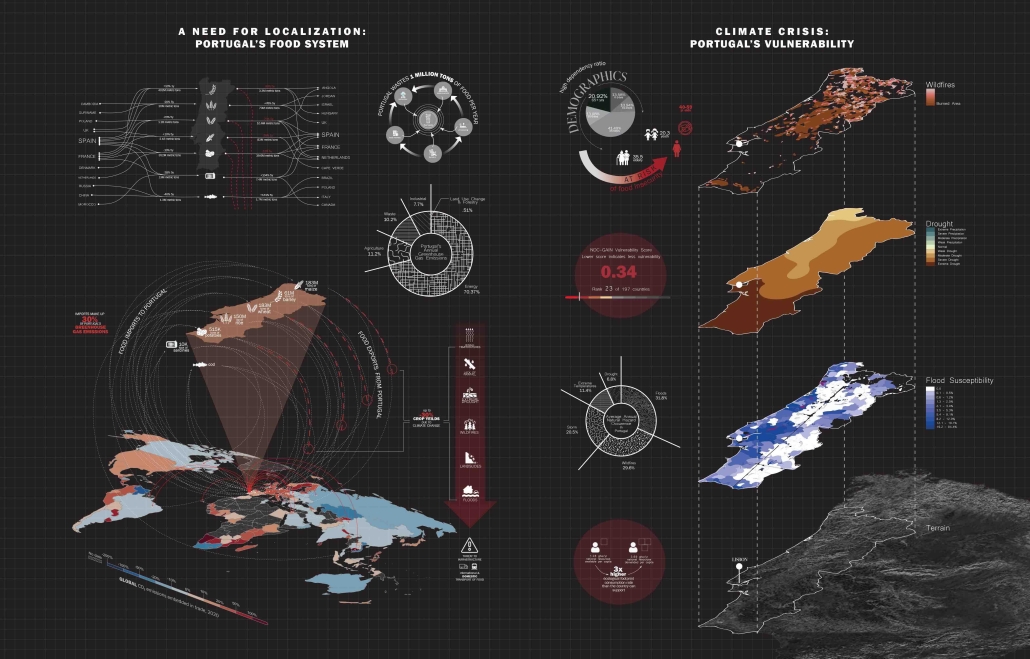
40% of Portugal’s arable land and pastures are increasingly affected by severe drought and rising temperatures. This has resulted in an increased dependence on food imports, which rely on transportation infrastructure that is often compromised due to wildfires, landslides, and floods. This project offers a solution for the city of Lisbon to locally grow crops that have decreased in production due to climate change.  

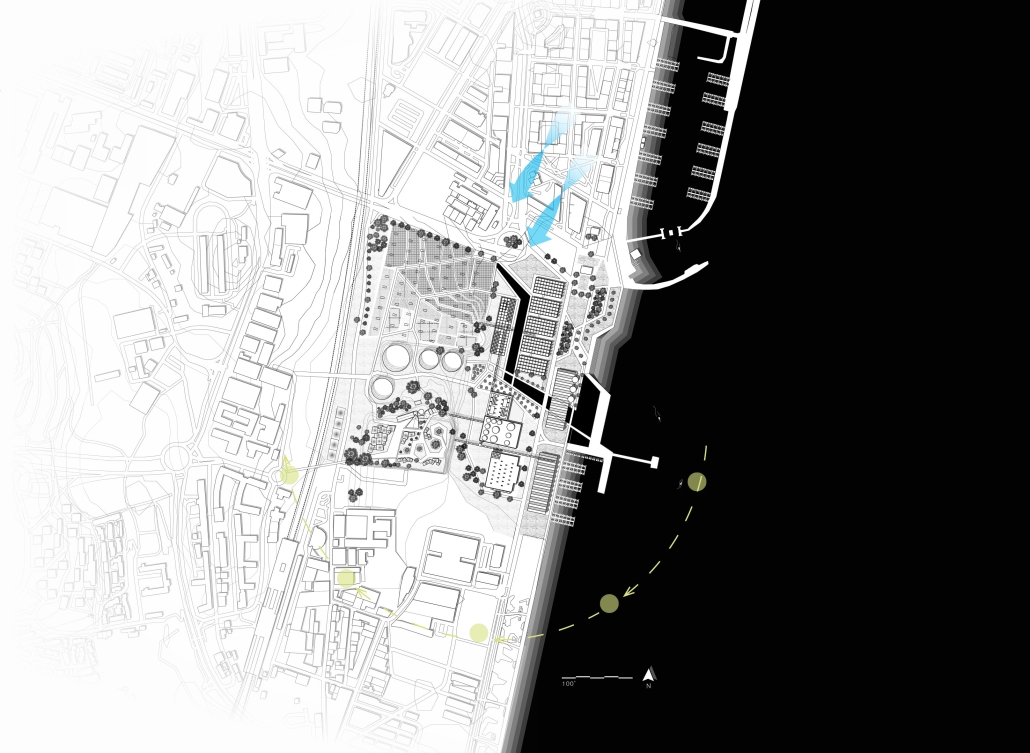
Situated between the Tagus River waterfront and an existing commuter rail line, the project takes advantage of the site conditions for access to the fishing industry as well as providing multiple means of transporting excess food to communities in need. Formally an oil refinery, this adaptive reuse project transforms the narrative of the site from what was once harmful to the environment to a system that aids communities affected by the climate crisis. 

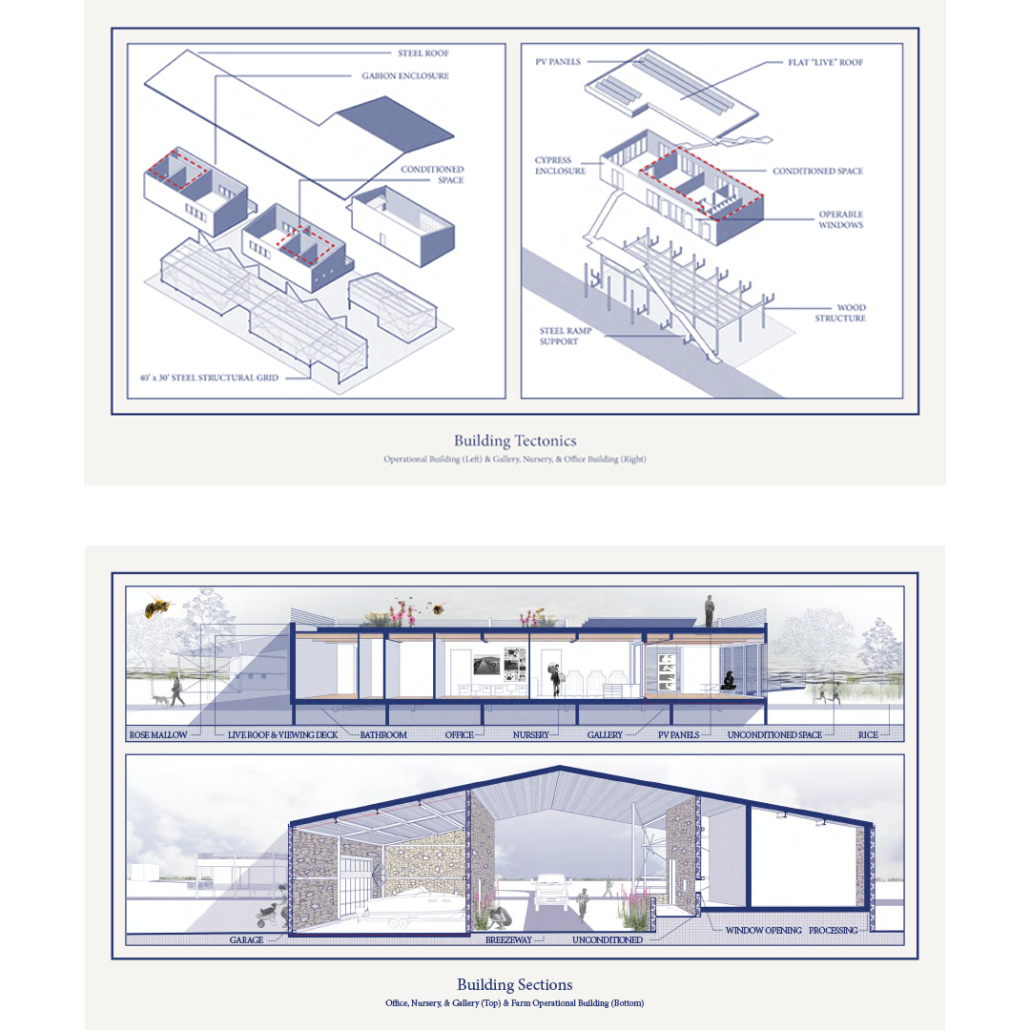
The project operates as a closed loop, zero waste, climate resilient system comprised of food production, off-grid renewable energy, and public education. Each component of the master plan collects, stores, and utilizes renewable energy to produce food through processes including vertical farming, aquaponics, rooftop farming, and more. In times of crisis, components may operate on a decentralized system as well as adapt to grow several crops in order to supplement the production of decreased crop yields. 

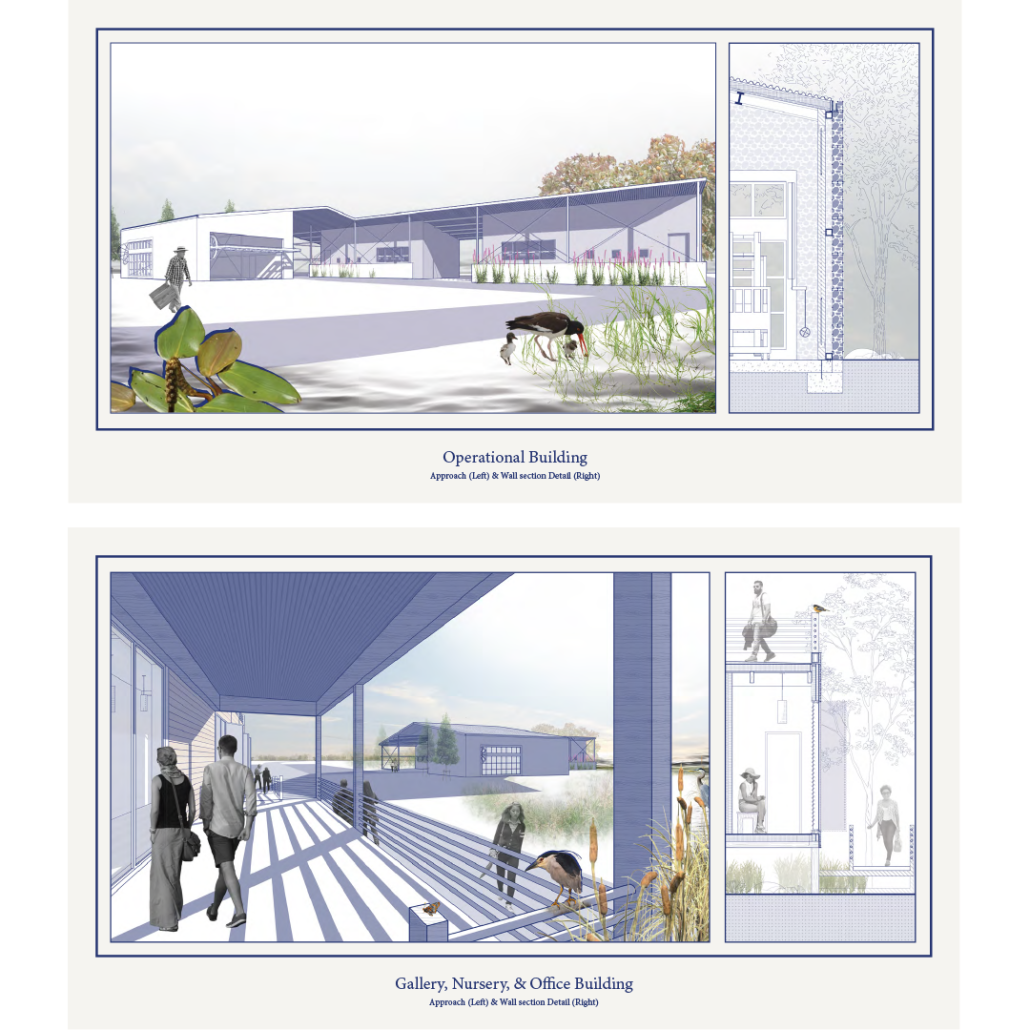
Public paths bring visitors through the heart of production spaces and lead to market areas where visitors develop farm-to-table awareness, thus leaning further into Portugal’s cultural importance on fresh food sources. Acting as a public park as well as a food production system, the complex system of paths allows visitors to have a unique experience upon every visit. Each trail loop provides different insight into the project’s systems relating to energy, markets, transport, water collection, and food production. Through public education, transportation, and resilient food production, this thesis provides a holistic approach to remedying the effects of the climate crisis in Portugal.

This project received the Michael T. Berthold Energy Conservation Award.

Instagram: @eryncooper, @nyitarch

See you in the next installment of the Student Showcase!

2023 Study Architecture Student Showcase - Part XXI

Climate Change is an important issue that impacts architecture in many aspects. In Part XXI of the Study Architecture Student Showcase, the featured student work addresses climate change in innovative ways. Each project highlights how climate change impacts our present—or uses current trends to predict a possible future—while using design to present sustainable solutions. Take a look!

Suspended Culture: Agritecture for a Contemporary Climate by Vincenza Perla, M.Arch ‘23
University of Maryland | Advisors: Lindsey May, Brian Kelly & Jana Vandergoot

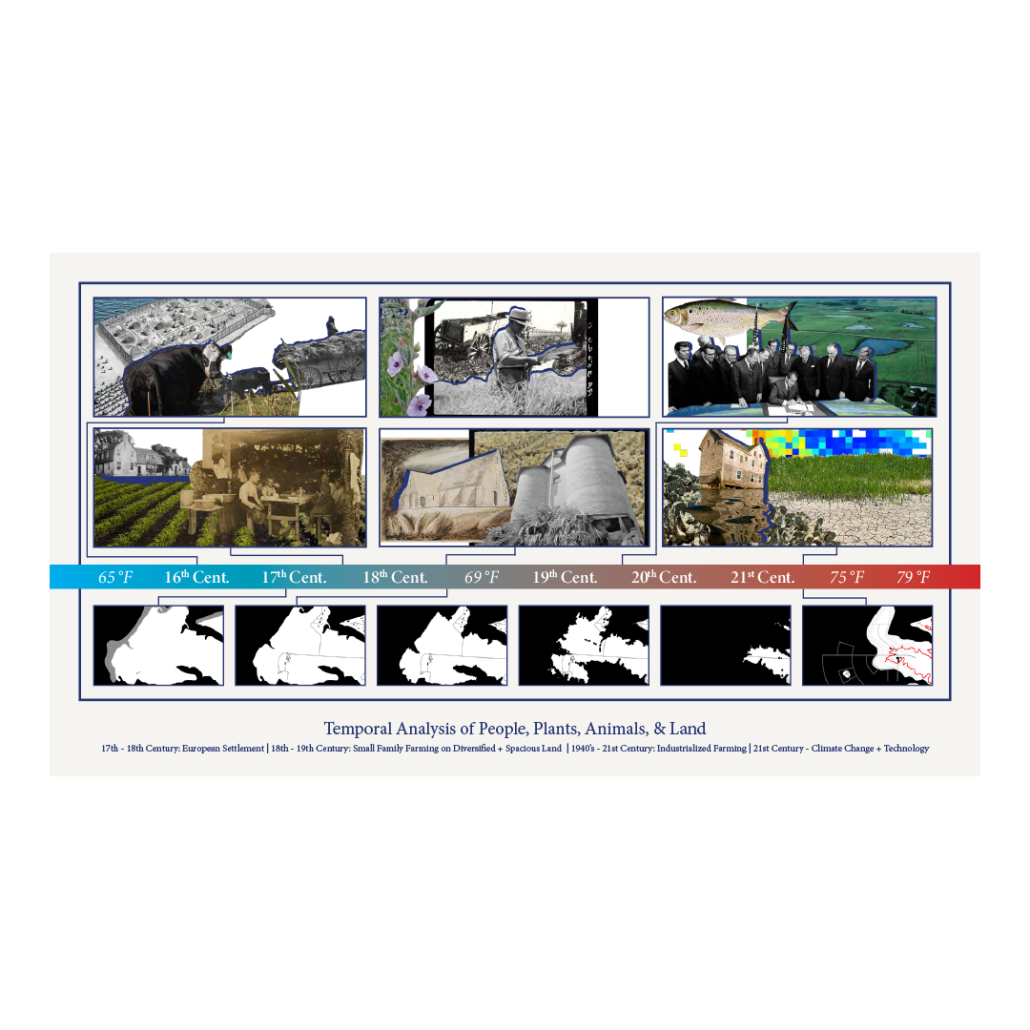
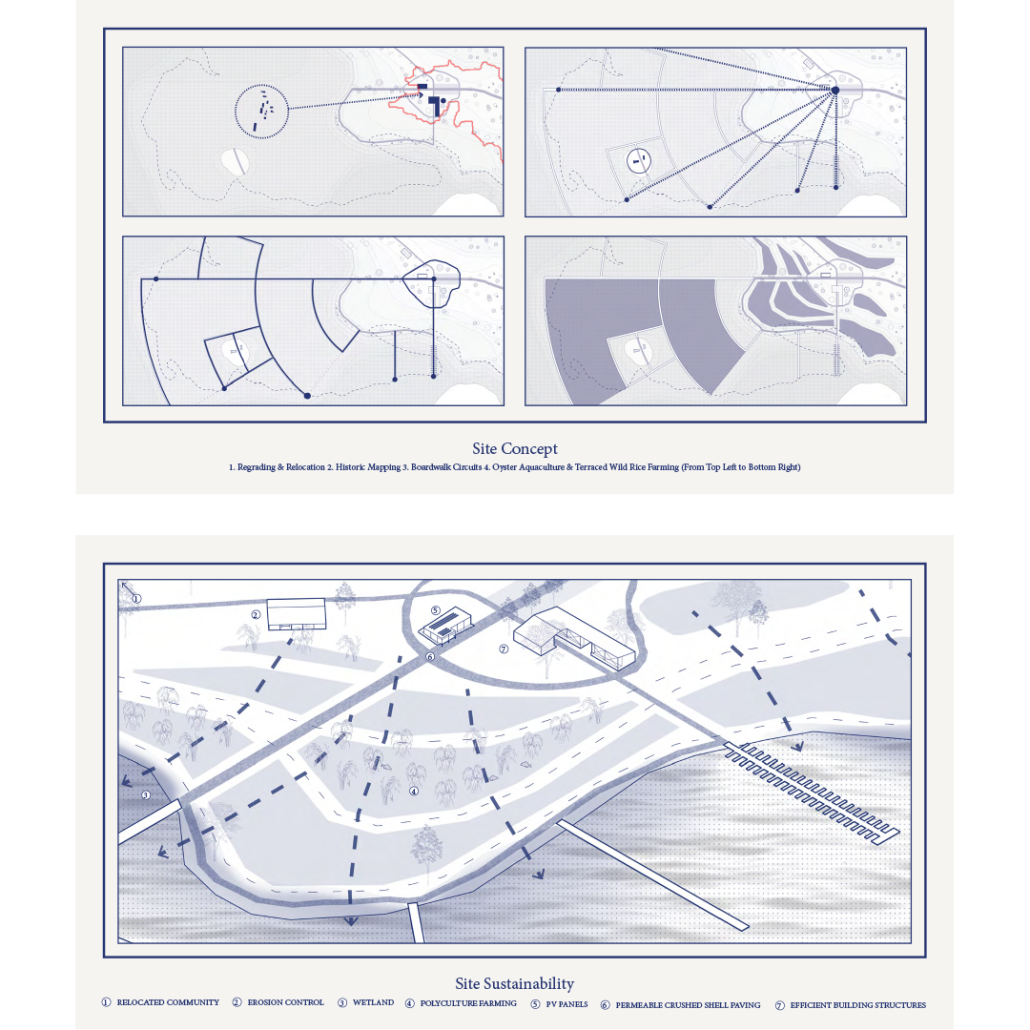
This thesis is about how architecture can shape the future of historic coastal agriculture. The site of this thesis sits along the banks of Maryland’s Chesapeake Bay. It shares the benefits of being located on one of the East Coast’s most prominent watersheds. Therefore, this thesis tackles this problem by acknowledging indefinite boundaries. We cannot keep operating in the same ways that got us here, so we must think ahead of the changing landscape, reimagine what the land and water can produce in terms of food, and build in a more sensitive and resilient manner. 

In summary, Suspended Culture acknowledges the immediacy of climate change and how it threatens coastal agricultural practices as we know it. It disrupts the cycle of displacement on the land by planning for the current and future realities through both landscape and building design. The land produces historic local food goods, invites people to interact with the landscape and agricultural practices, and acts as a memorial to the history of the site and climate. The buildings are specific and efficiently designed with attention to historic precedents, durability, thermal comfort, and with consideration for land, people, plants, and animals. All in all, the thesis acknowledges the violent history and future projections of the land to ensure the viability of vital cultural institutions like coastal agriculture and architecture by planning ahead of climate change and designing buildings that consider both the past and future in their design.

This project won the Director’s Award. 

Instagram: @studio.mayd, @buildinghopepod, @vincenzcube

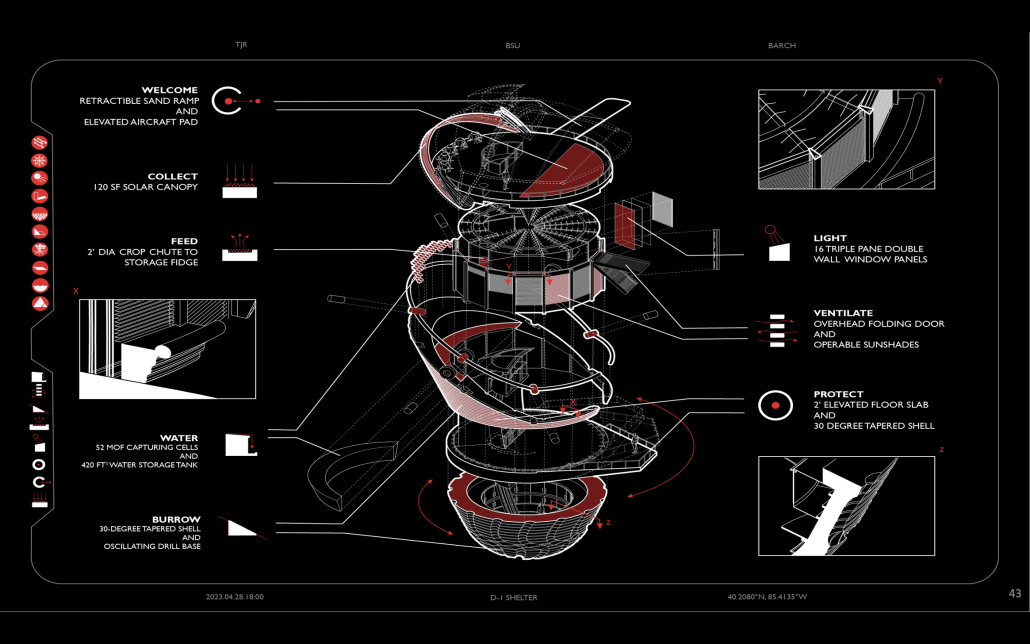
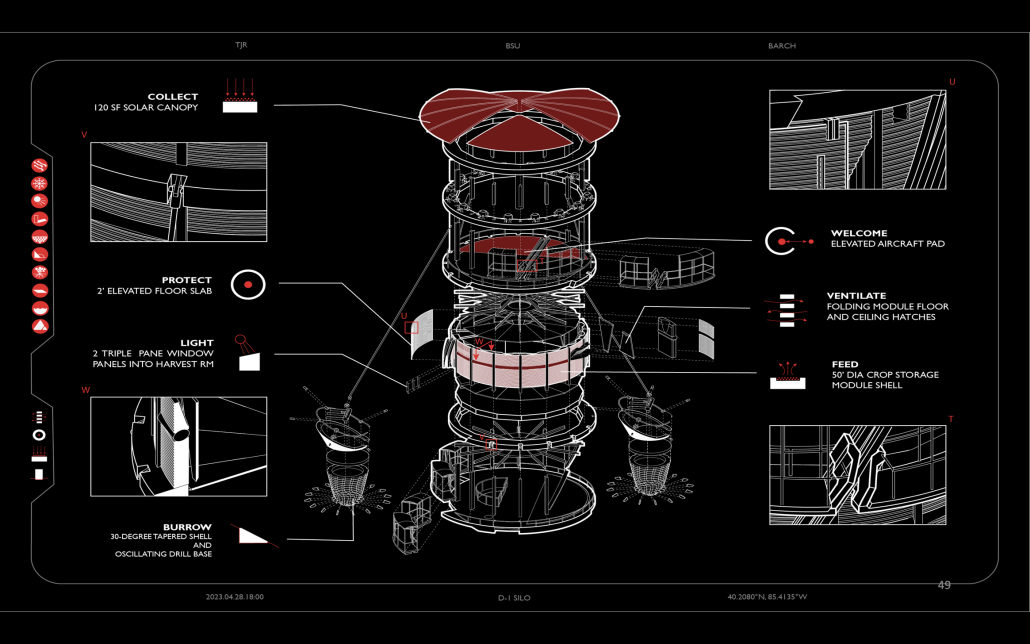
Inhabiting the Uninhabitable by Tyler Renschen, B. Arch ‘23
Ball State University | Advisor: Miguel San Miguel, AIA

In the year 2022, the Earth was comprised of 149 million km2 of land and 361 million km2 of ocean. 19% [28 million km2] of this land was considered barren by desertification, or topographical complexity and 10% [15 million km2] made up the glaciers among the poles. 71% [104 million km2] was considered habitable land. At this point in Earth’s history, nearly half of the habitable land was used for agriculture, and even then, roughly 10% of the human population was undernourished.  

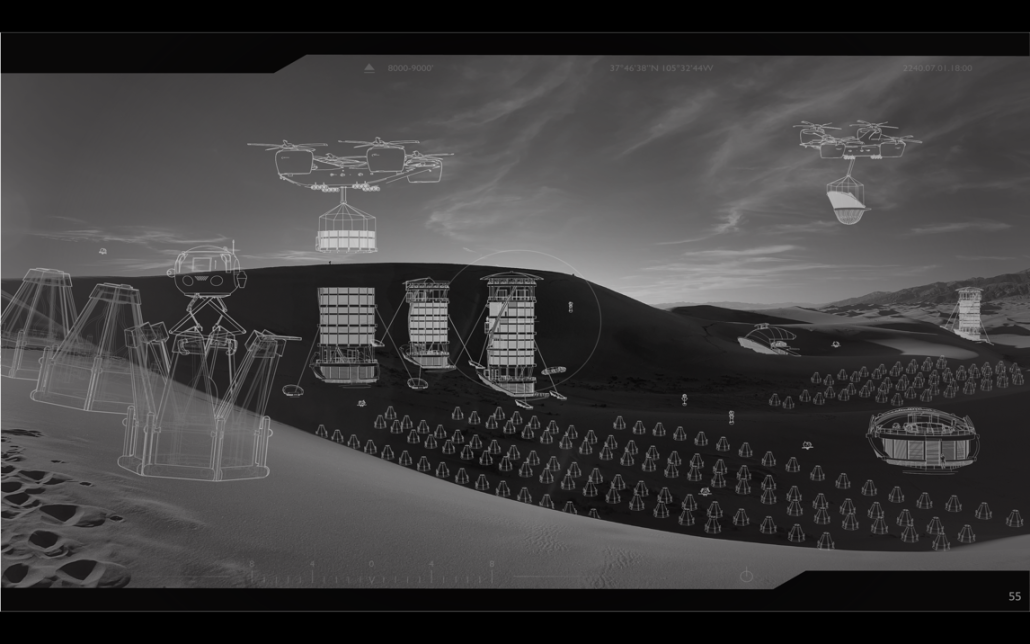
Now it is the year 2240 and the Earth is different. The glaciers have continued to melt, forcing the ocean tides to rise over a foot, swallowing up portions of once-ideal real estate. The human population has continued to grow in reaction to innovations in healthcare and the doubling of human life expectancy. This has dramatically increased the size of Earth’s cities and infrastructure, both densifying and sprawling outward across their surrounding landscapes tripling the amount of developed habitable land. The biggest change is the sand. Since the 21st century, every year, desertification has continued to turn 120,000 km2 of the Earth‘s surface dry, making once habitable land uninhabitable. We now live with sand at our doorsteps and a growing need for space. How does an architect interpret an environment and its role in shaping and scoping a project?

We have begun looking for answers in the sand.  

This investigation was inspired by the work of English architect Richard Horden (1944-2018) and his conceptualization of “Adaptive Architecture.”  Inhabiting the Uninhabitable tells the story of an architectural response to Earth’s continuous desertification in a future time known as The Exhaustive Era (2240) when all “inhabitable” land has been developed and the human race begins looking to territories currently deemed “uninhabitable.”  

The expanding Great Sand Dunes National Park into the San Luis Valley and Alamosa, Colorado was the project site.

The desert may hold the key to a new meaning of architecture and its imaginative possibilities.

This project received the TEG Prize, a two-stage process. A group of 20 finalists were selected by 5th-year students and faculty, followed by a final external review judged by a distinguished panel of designers and architects. 

Instagram: @renschentyler, @txtocajackalope13

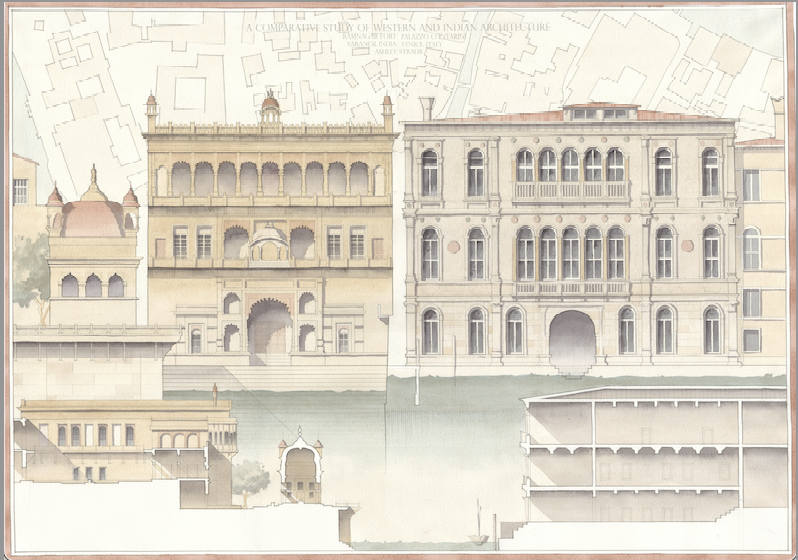
Examining Indian Architecture – Design of the Eastern Waterfront Mumbai, India by Ashley Straub, B.Arch ‘23
University of Notre Dame | Advisor: Krupali Krusche

Pedagogical Goals of the Project:

1) Study the effects of rising water levels on the Western and Eastern Waterfront for the city of Mumbai and how to design new development with considerations of climate change.

2) Study population explosion in metropolitan cities and what urban and architectural

interventions can be best suited to create beneficial design solutions for the future urban growth of these cities.

3) Study the language of classical and vernacular of non-western architecture, in this case, Indian architecture specific to the Bora Bazaar and Ballard estate area to effectively allow translation of specific understanding of proportions, design and composition rules.

4) Study the urban factors of foreground and background buildings and how architecture and urban design both play a major role in design decisions.

5) Help students navigate the knowledge of reading architecture of a foreign, lesser-known culture to them. Knowing how to decipher the universality of building typology of unfamiliar places and its application in a variety of indigenous, vernacular, local, and regional settings in terms of their political, economic, social, ecological, and technological factors.

6) Getting practical knowledge to connect with real ongoing complex projects programs.

The Future of Highways: Introducing Localized Logistics Centers with High-Density Housing to the Brooklyn-Queens Expressway by Emily O’Connell, B.Arch ‘23
New York Institute of Technology | Advisor: Evan Shieh

The Brooklyn-Queens Expressway (BQE) of New York City is famously overused, seeing heavy traffic at almost all hours of the day. This expressway is also a significant link for the movement of goods through the region. Single-passenger and last-mile delivery vehicles make a significant contribution to the excessive congestion levels and are leading to infrastructure failure along the BQE, specifically in the Triple Cantilever section of Brooklyn Heights. This section has received a lot of attention and proposals for its repair, most of which focus solely on the maintenance of the expressway as we know it and do not explore approaches that address how we can lessen the usage of this expressway.

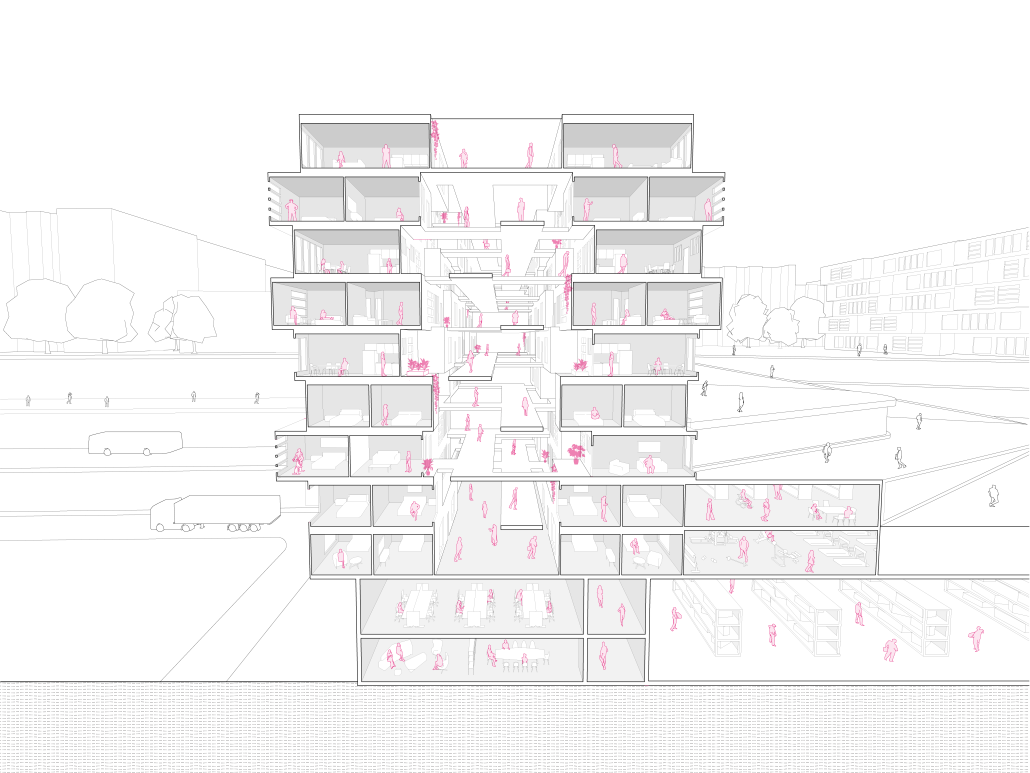
This project proposes an intervention along the Triple Cantilever that combines a localized logistics center with high-density housing for employees of the facility and transitory works of Brooklyn to reside. Localized logistics centers combat congestion by decreasing delivery distances for last-mile vehicles, and opens the door for on-foot or bicycle delivery options. Introducing co-living housing into these logistics centers is a unique opportunity to form a valuable work-to-home connection, as well as address the housing crisis that New York City is currently facing. 

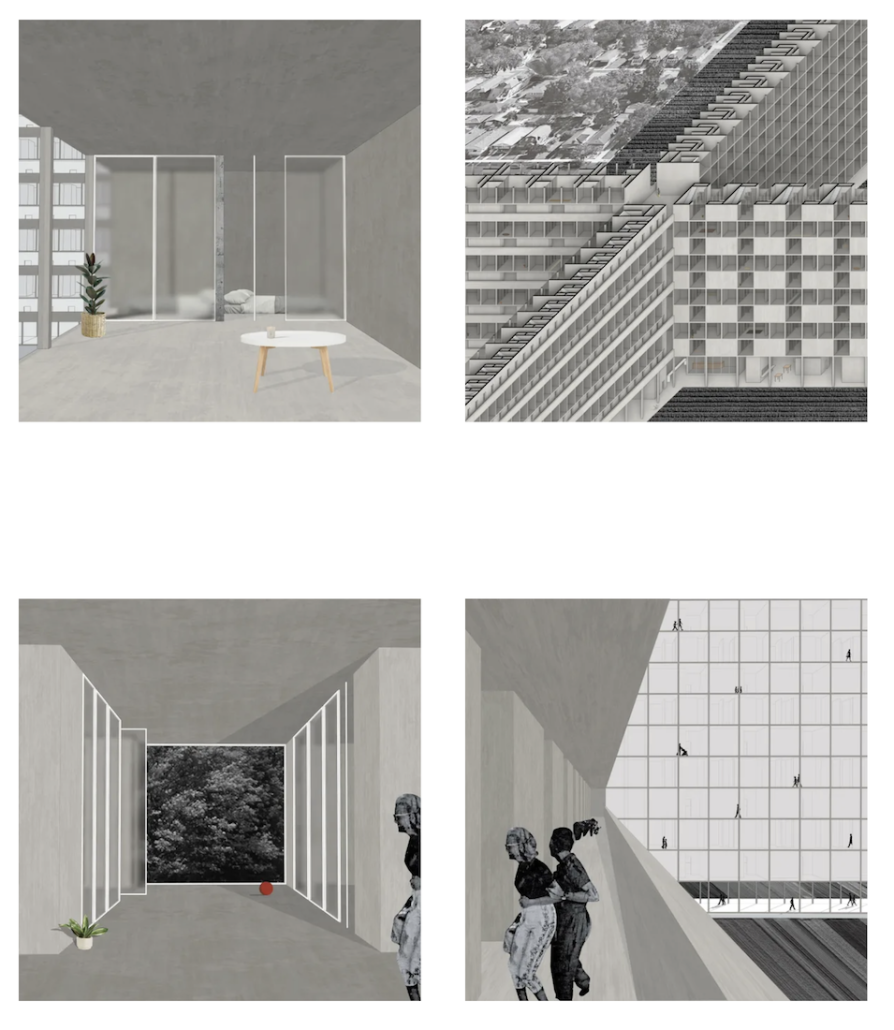
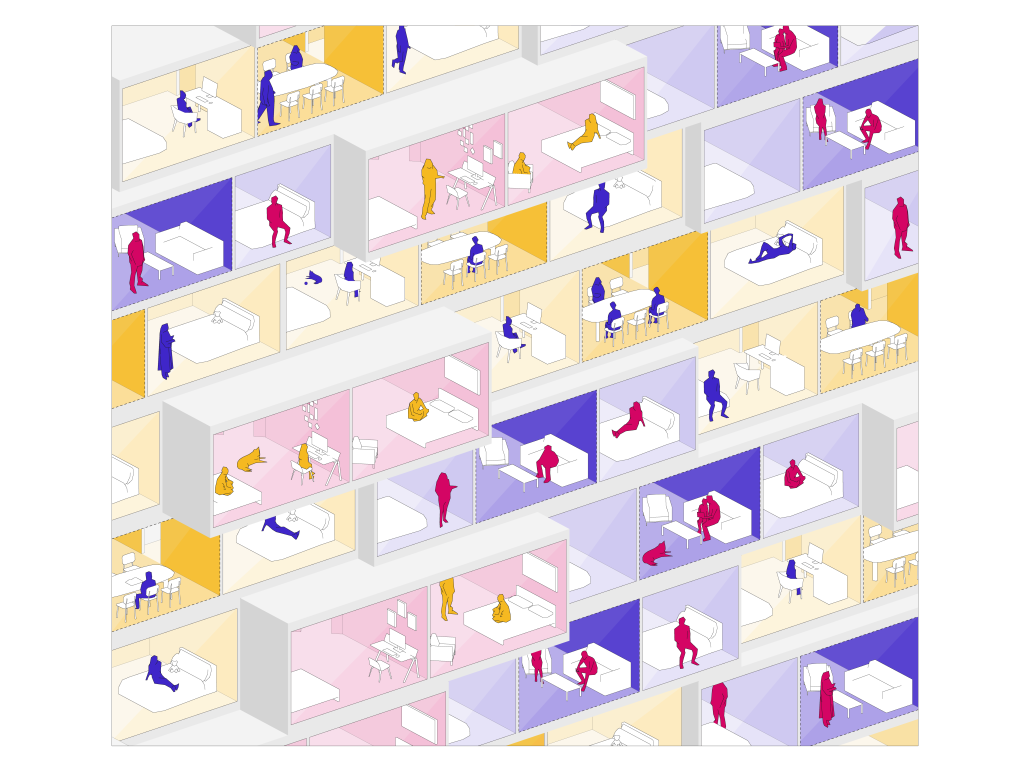
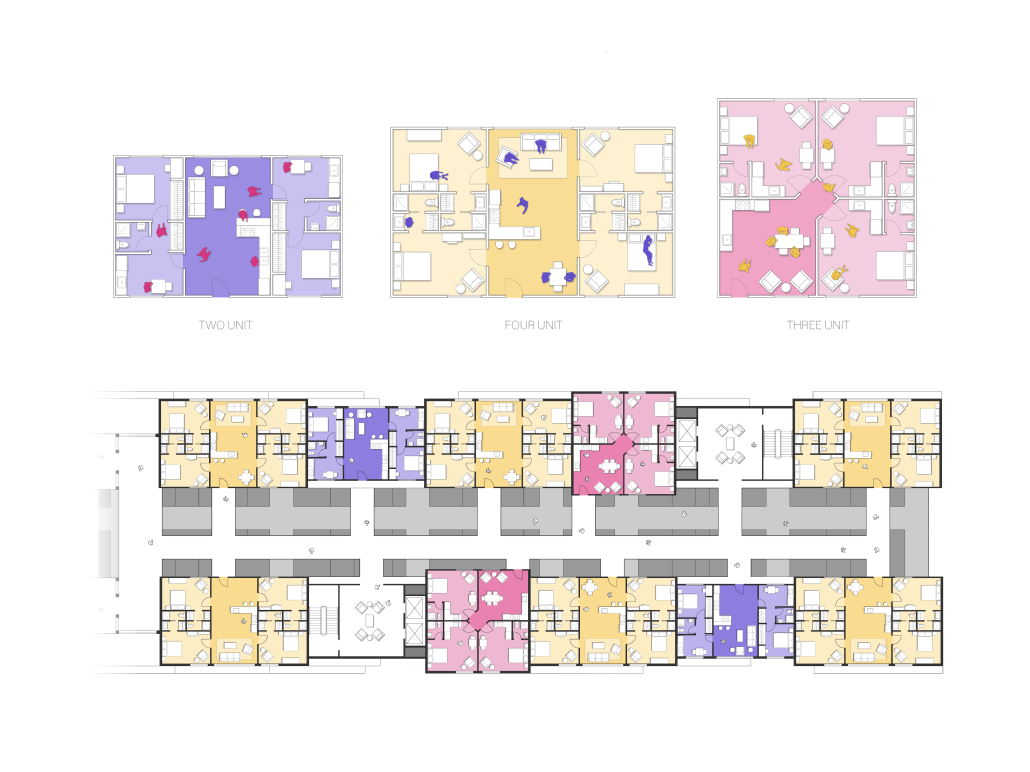
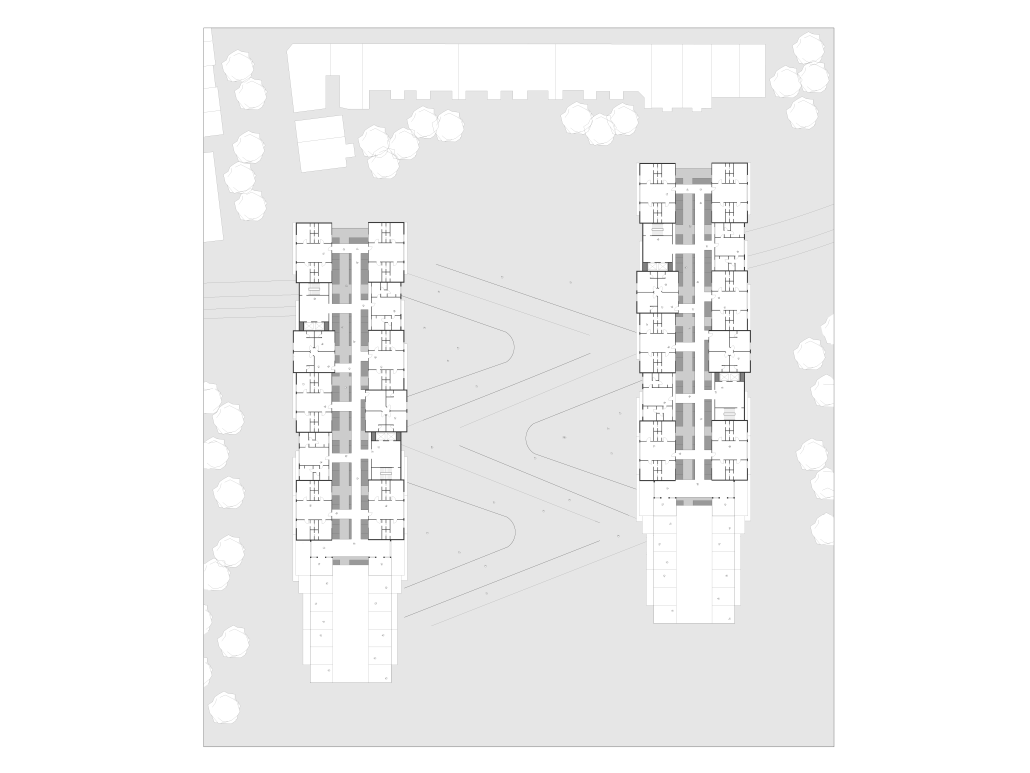
Connection to community is seen throughout multiple scales of this project. Three variations of co-living units allow for a sense of community on an individual and private level. These units accumulate in a unique order on each floor and are accessed by bridges through the building’s central atrium circulation space. This allows the occupants to visualize and form connections with their neighbors, not limited to their own floor. The project’s form creates a courtyard space for both occupants of the building and members of Brooklyn to utilize for recreation, amenities, and community engagement. The logistics center is located on the bottom levels of this building, with ground access for trucking circulation from the expressway.

The intention of this project is to showcase the benefit of localized logistics hubs in combating congestion and to highlight their potential to be an asset on many portions of the BQE, but also highways that are faced with similar problems.

This project won the New York Institute of Technology, Faculty Thesis Award 

Instagram: @design.emily, @ev07

Napa Laboratory by Bo Su, Hao Wang & Chenshuo Zhang, MS in Architecture and Urban Design ‘23
University of California, Los Angeles | Advisors: Jeffrey Inaba and Valeria Ospital

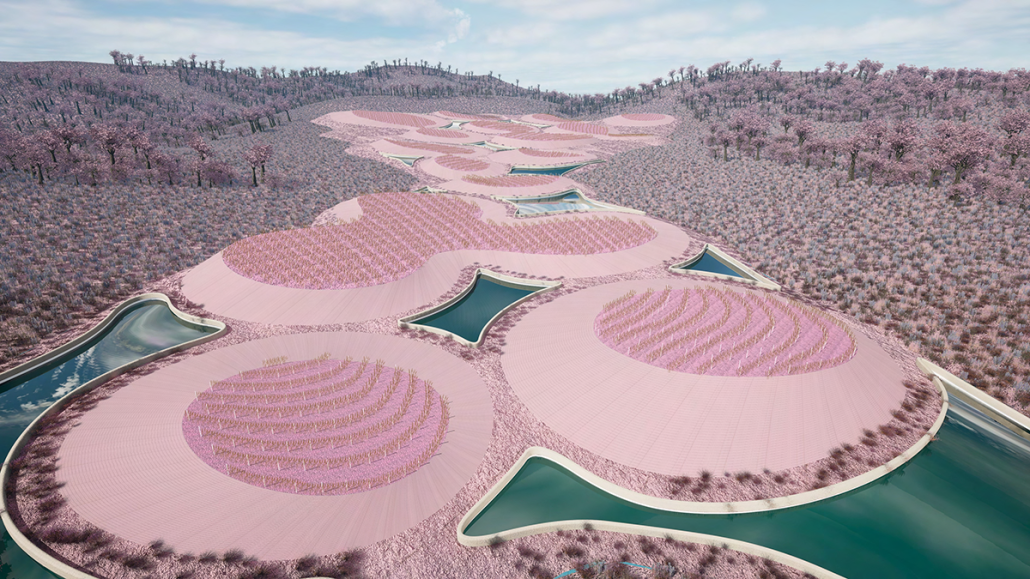
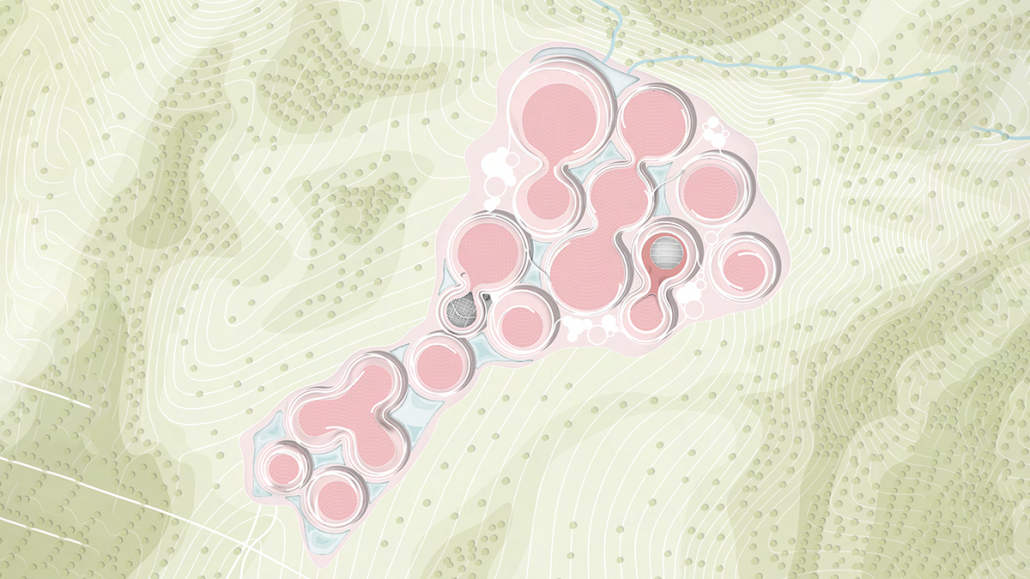
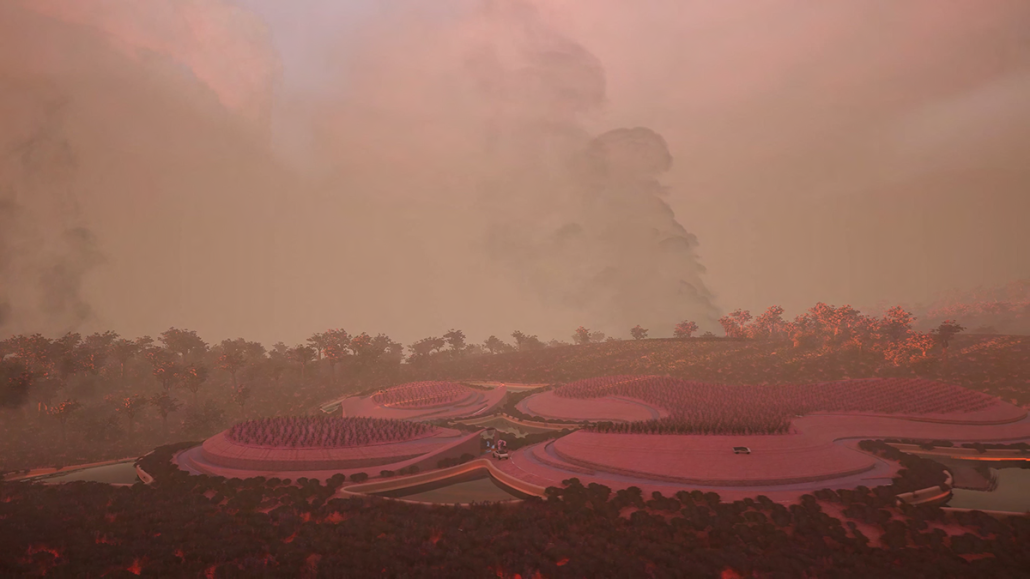
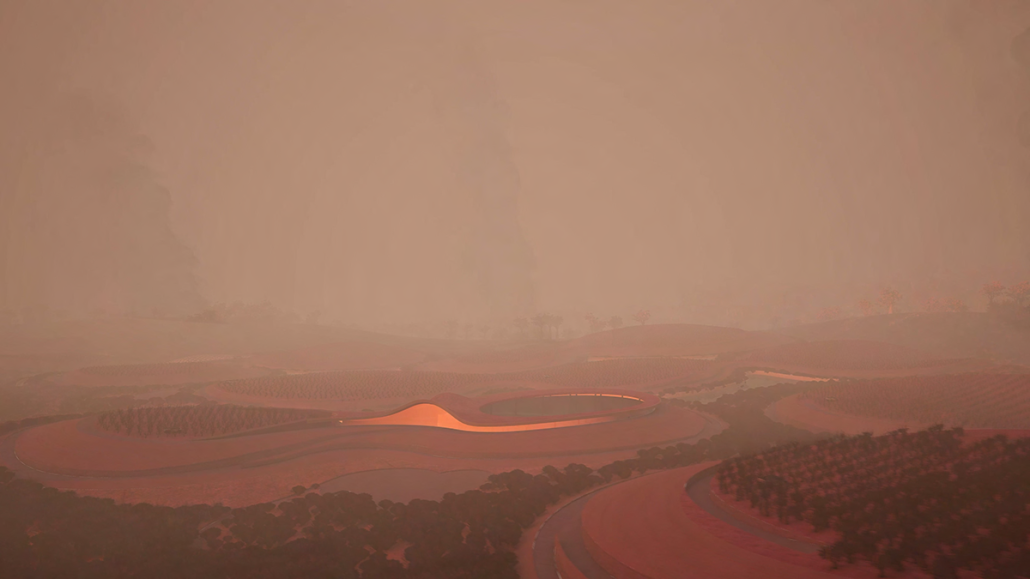
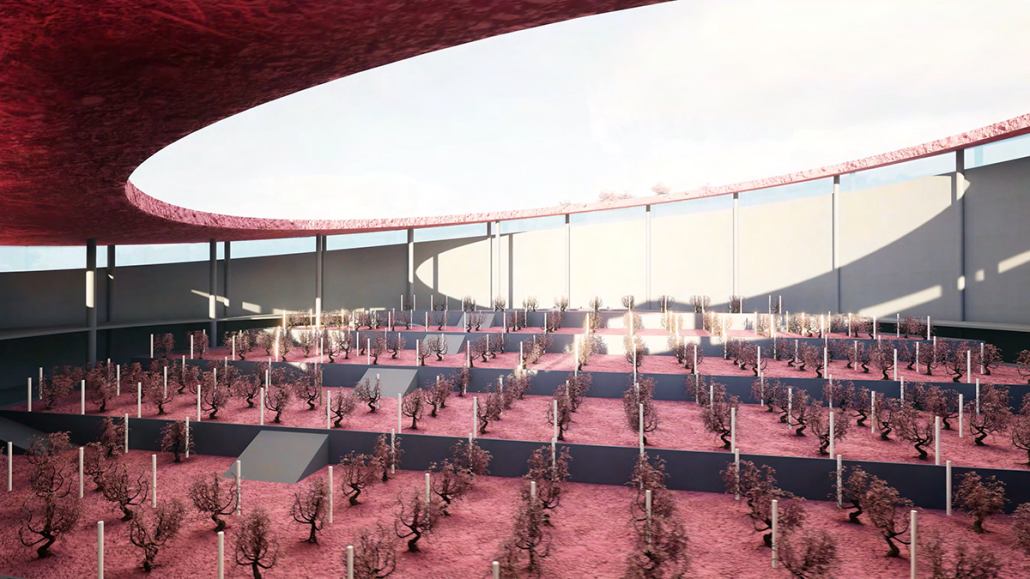
Napa County grapples with climate change-induced challenges like wildfires and flooding. However, it offers opportunities to pilot novel hazard management solutions. Canal construction diverts floods and stores water for irrigation, while vineyards are reorganized as firebreaks to mitigate wildfires and trial innovative approaches. 

The primary objective is to utilize Napa County as an experimental site for investigating various aspects of environmental management, including soil mitigation, forest management, flood control, and wildfire prevention. 

The slope design considers local climate and hydrological factors such as rainfall, runoff, sunlight, and wind. It aims to create ideal conditions for grape growth by choosing the right angle to allow water absorption, minimize erosion, maximize sunlight exposure, and reduce wind damage. The angle of the slopes can be modified periodically, to experiment on how different conditions impact in crop development. 

Built on federal land leased to small vineyards, the project is a landscape that works as a mitigation barrier for wildfires and an experimentation field for crop weather adaptation. 

Instagram: @hao_wang97, @bo_suuuuuu, @desistance666, @jeffreyinaba, @valeriaospital, 

See you next week for the next installment of the Student Showcase!