Everything You Need to Know About College Fairs
Planning for the future can feel intimidating. For high school and college students, the fall semester is filled with anticipation for the future. You may find yourself overwhelmed or need help figuring out where to begin. If you’re looking for a place to get started, college fairs are just what you’re looking for!
College fairs are an opportunity for high school students and their families to learn more about different schools. These fairs are also valuable resources for undergraduate students who are interested in graduate or doctorate programs. During college fairs, representatives from various colleges and universities across the country (or even on a global scale) come together to promote their programs.
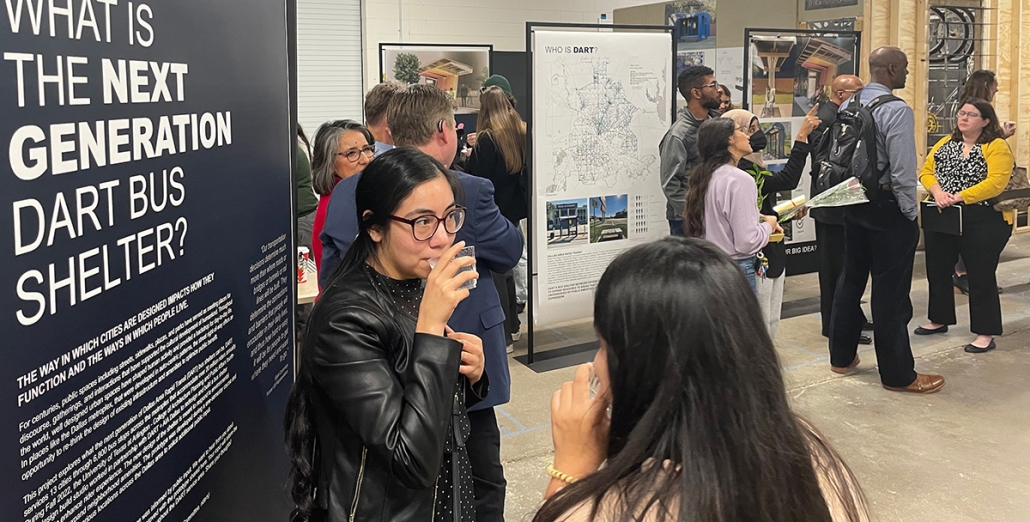
Each school has a booth where students and their families will be greeted by staff. The booths can feature a variety of resources ranging from school merchandise to informational pamphlets. Some schools may even allow students to apply on the spot!

(Image Credit: Michigan Association of College Admission Counseling)
College fairs may be organized by your school, local community centers, or even large national associations. Hosted by the National Association for College Admission Counseling (NACAC), the National College Fairs Program organizes free virtual and in-person college fairs that are open to the public. According to their website, NACAC College Fairs attract representatives from 175 to 400 institutions.
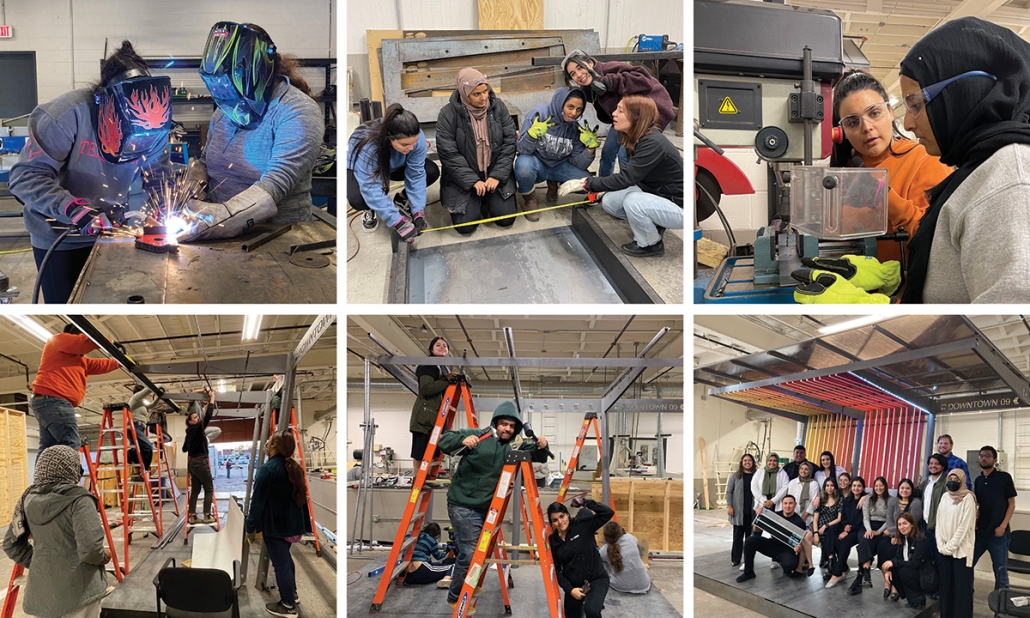
You can also find college fairs that are organized based on different majors and fields of study. For students interested in pursuing architecture or design, there are plenty of options for major-specific college fairs. The Center for Architecture hosts an annual Architecture and Design College Fair with representatives from over 30 schools. Another approach would be to see if a local university is hosting a regional design fair. Several universities host design fairs, including Temple University, Iowa State University, and the University of Minnesota, to name a few.
You could also attend an informational session for a program that you’re already interested in. These sessions usually include a presentation that provides an overview of the program, degree opportunities, available majors, and more.
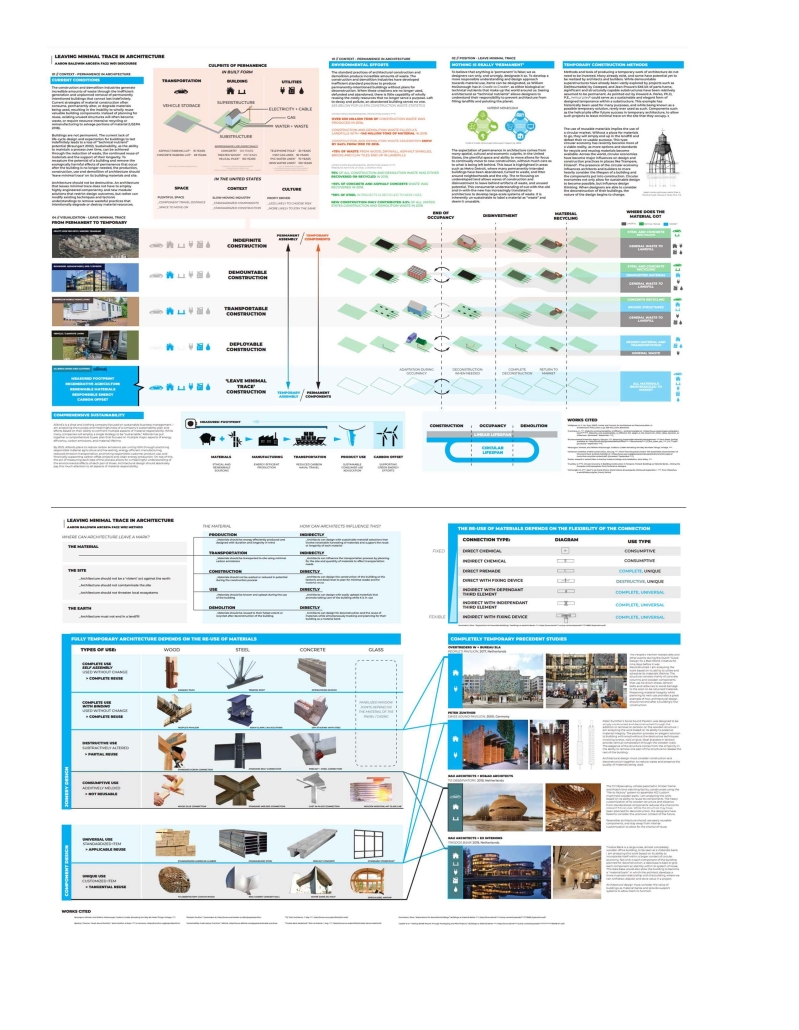
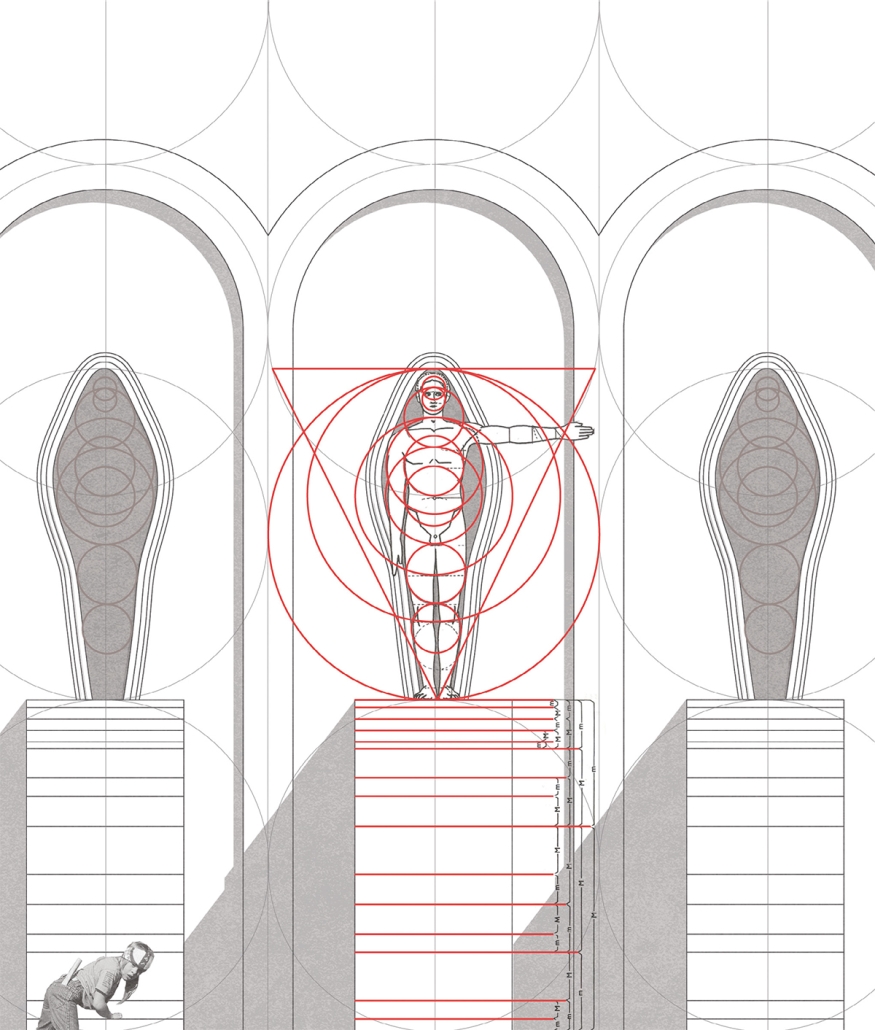
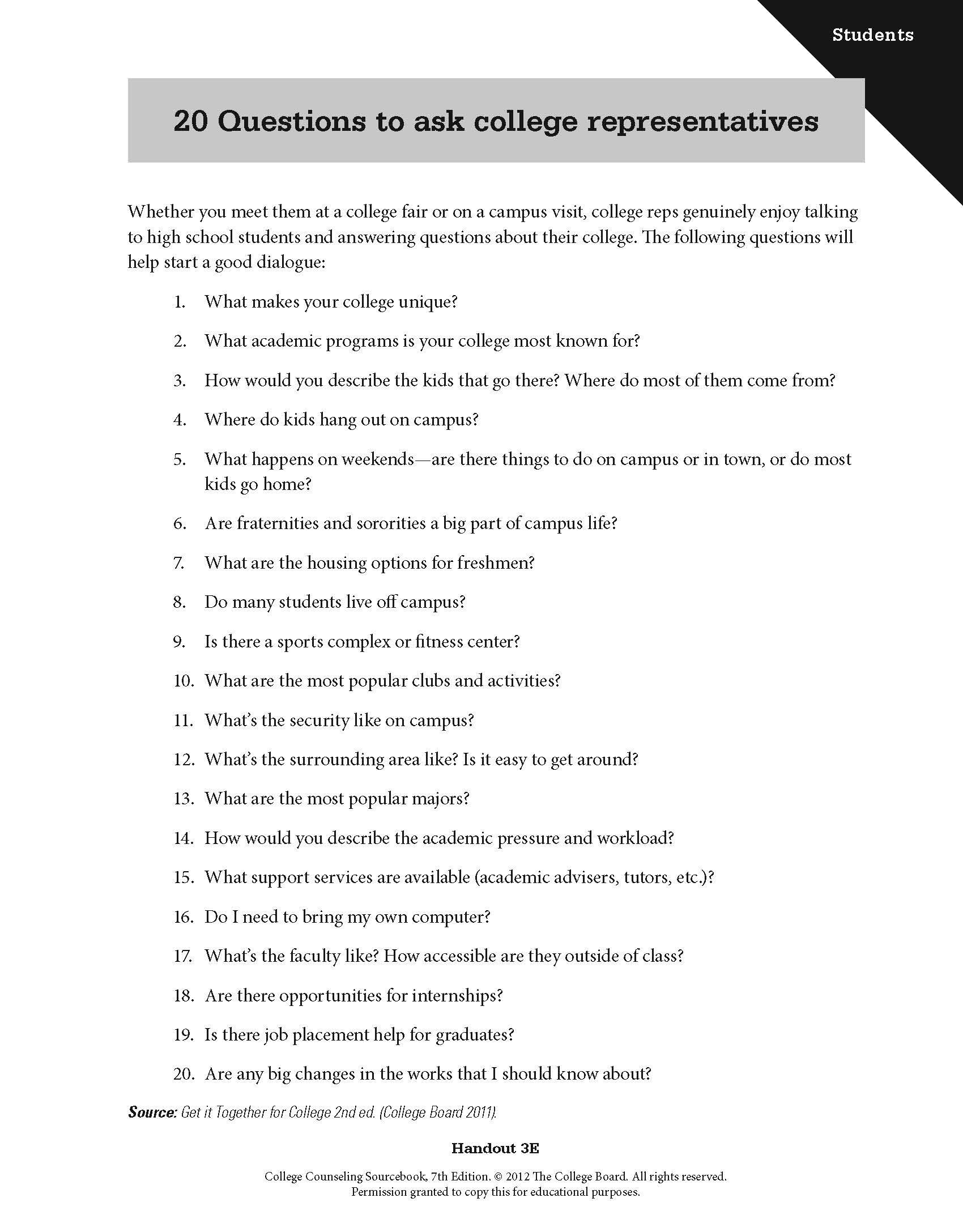
Feeling unprepared? It’s okay to feel nervous when preparing to speak to college officials. We recommend coming ready with a list of schools that you’re interested in learning more about. This will allow you to have an idea of specific questions you’d like to ask that are related to your major and other interests. You can also click here to read the full list of questions from College Board. For students interested in pursuing architecture or design, it is recommended to bring your portfolio to show schools a sample of your work. This may be an opportunity to receive direct feedback before formally submitting artwork in a college application.
Remember, it’s always a good idea to put your best foot forward when meeting with representatives from colleges and universities. Be yourself and take the steps you need to come prepared. If you’re on the lookout for upcoming college fairs, visit Study Architecture’s Events Page to stay tuned on the latest opportunities!