Posts

2025 Study Architecture Student Showcase - Part XIII

Sustainability takes the spotlight in today’s edition of the 2025 Study Architecture Student Showcase. In Part VIII, we take a look at projects that incorporate sustainable practices to combat climate change while supporting local communities. The featured strategies include intentional material selection, environmental analyses, integrating ecological preservation, daylighting, holistic integration, natural ventilation systems, regenerative design principles, and more. 

Scroll down for a closer look and get a glimpse at the future of green design practices!
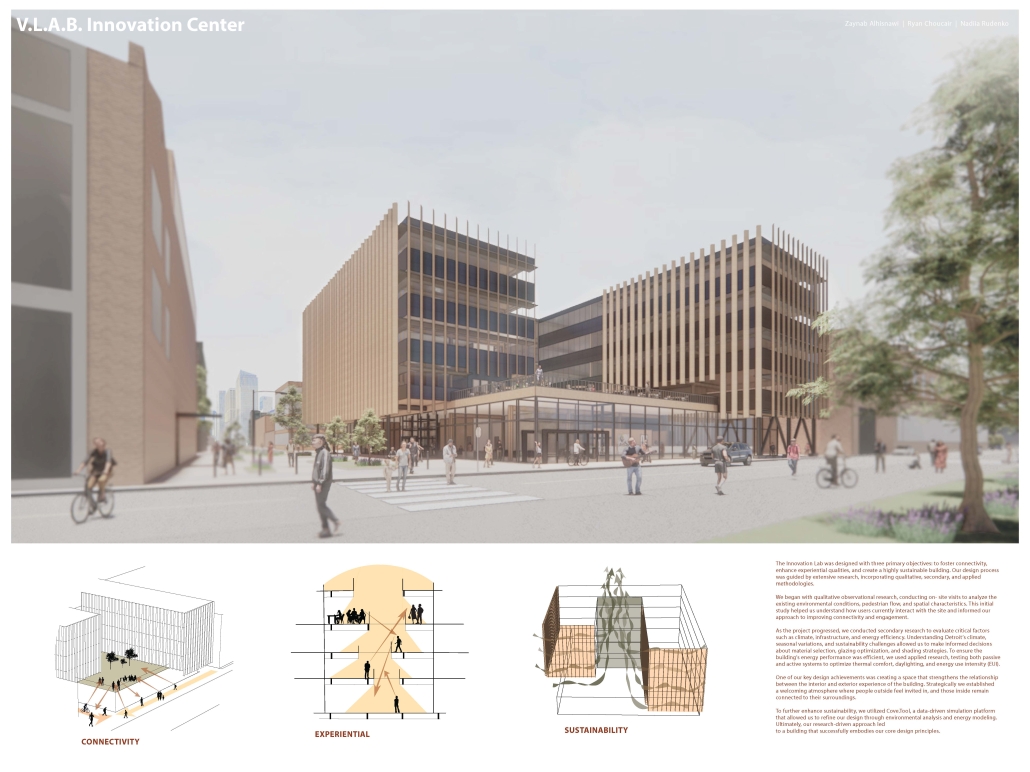
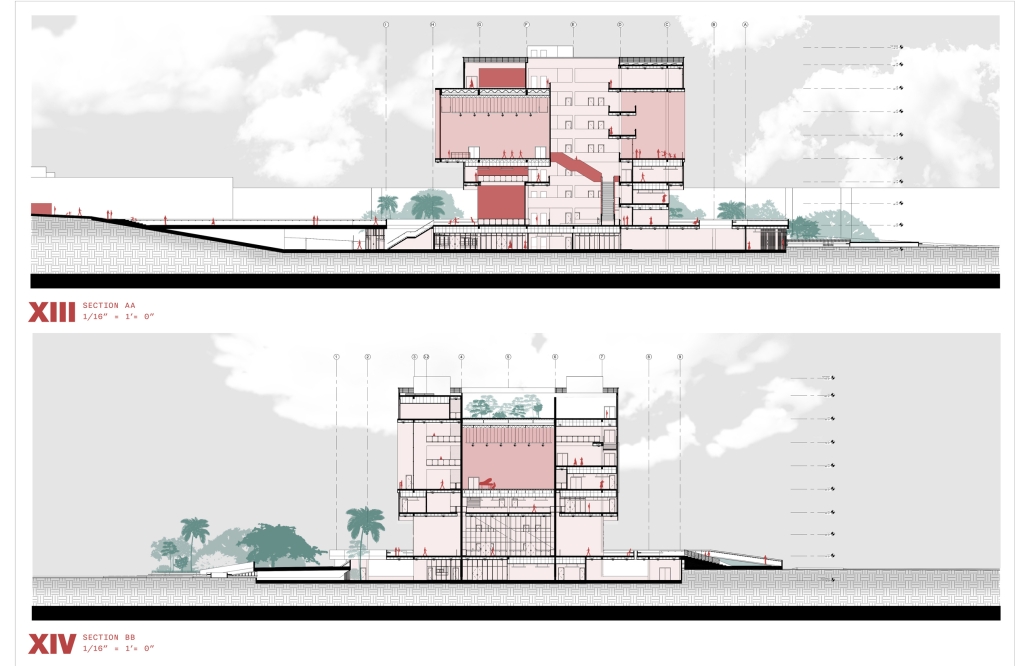
V.L.A.B. Innovation Center by Nadiia Rudenko, Ryan Choucair & Zaynab Alhisnawi, M.Arch ’25
University of Detroit Mercy | Advisors James Leach & Kristin Nelson

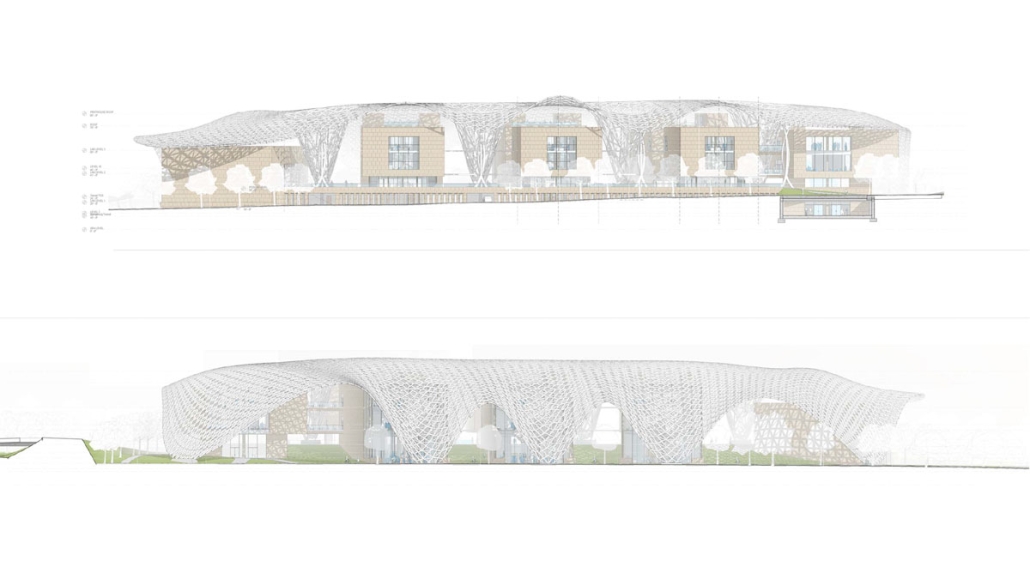
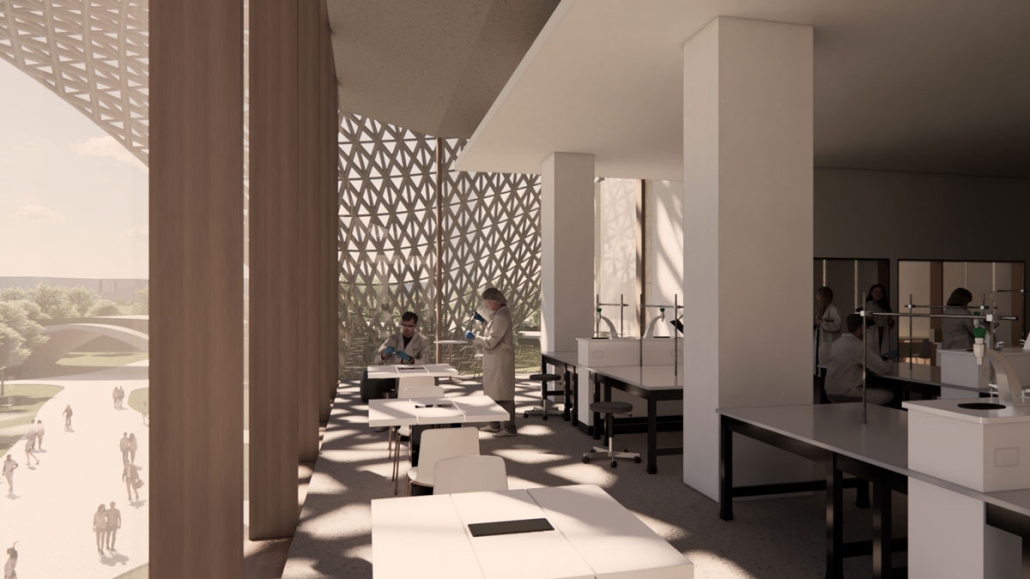
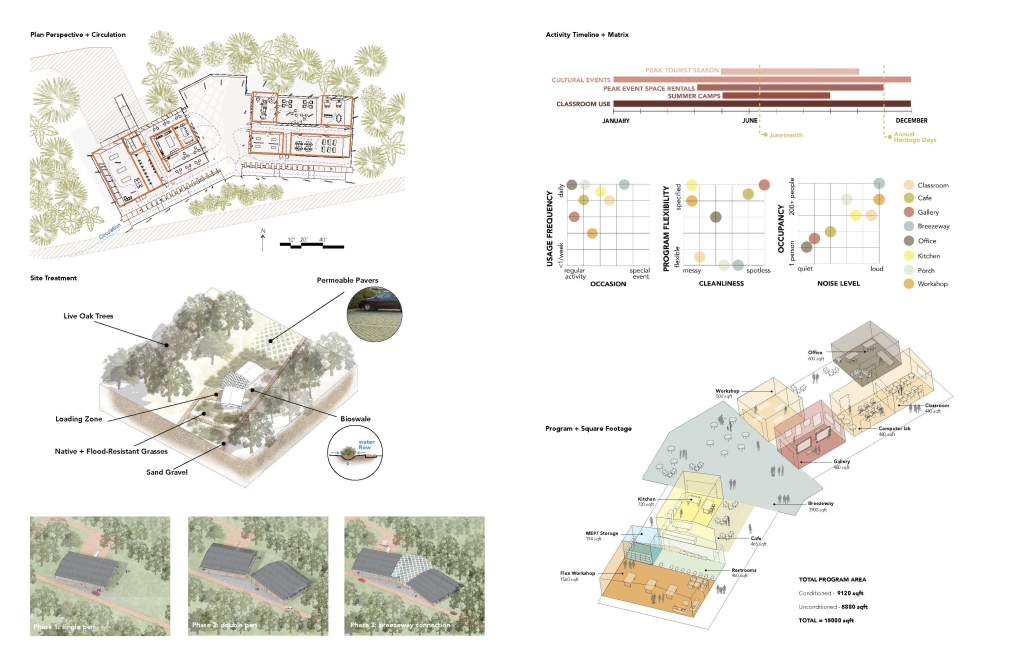
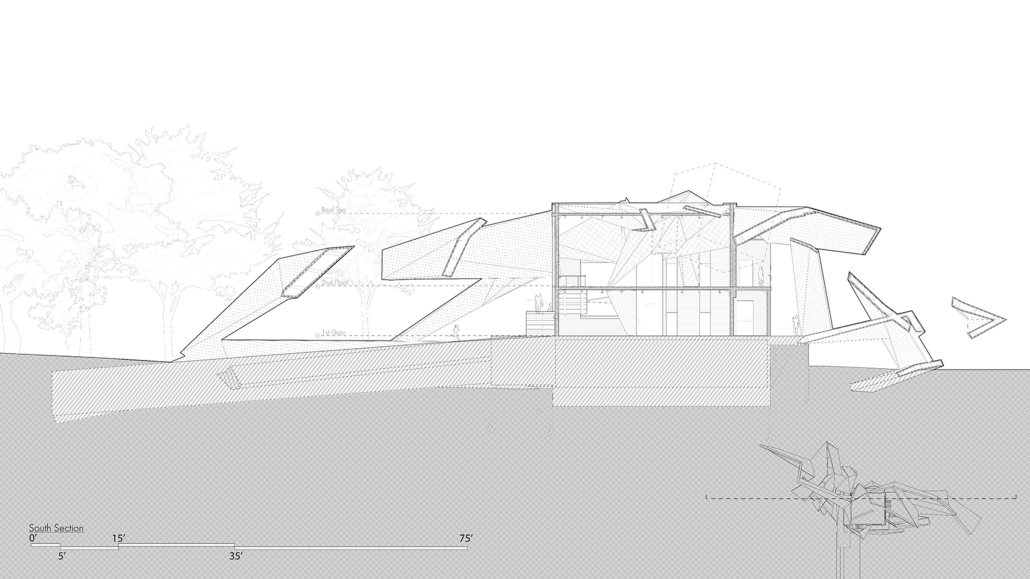
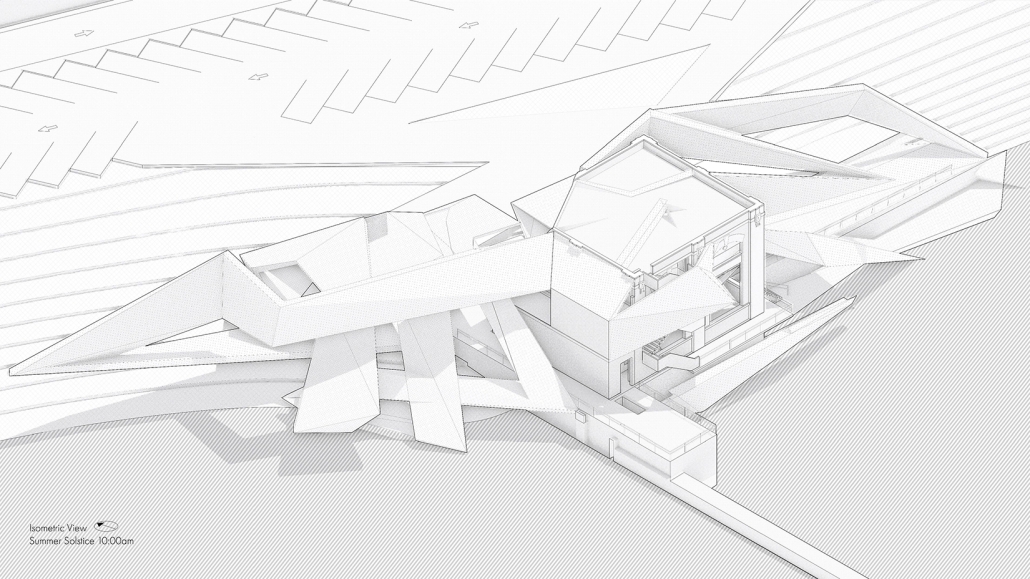
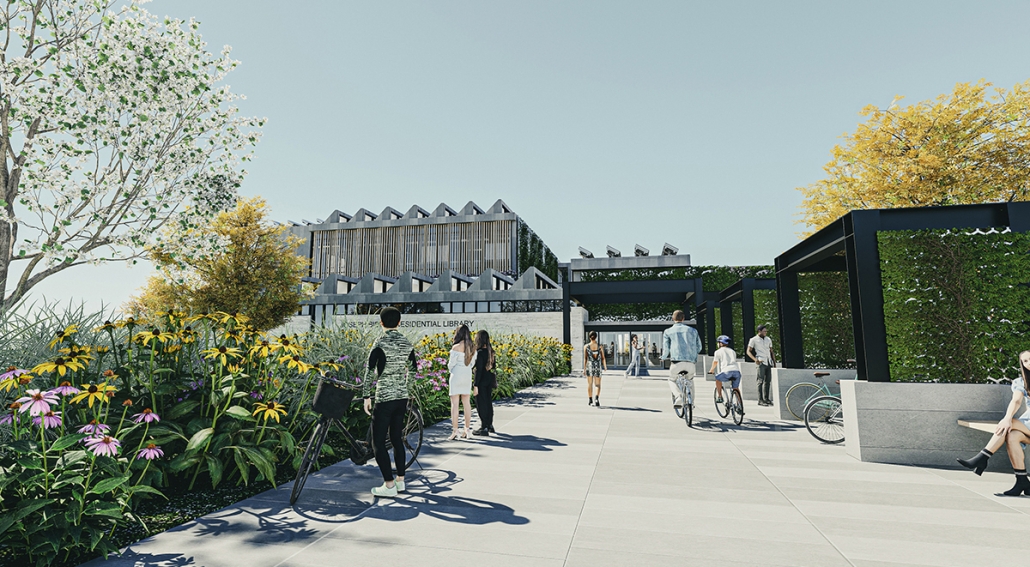
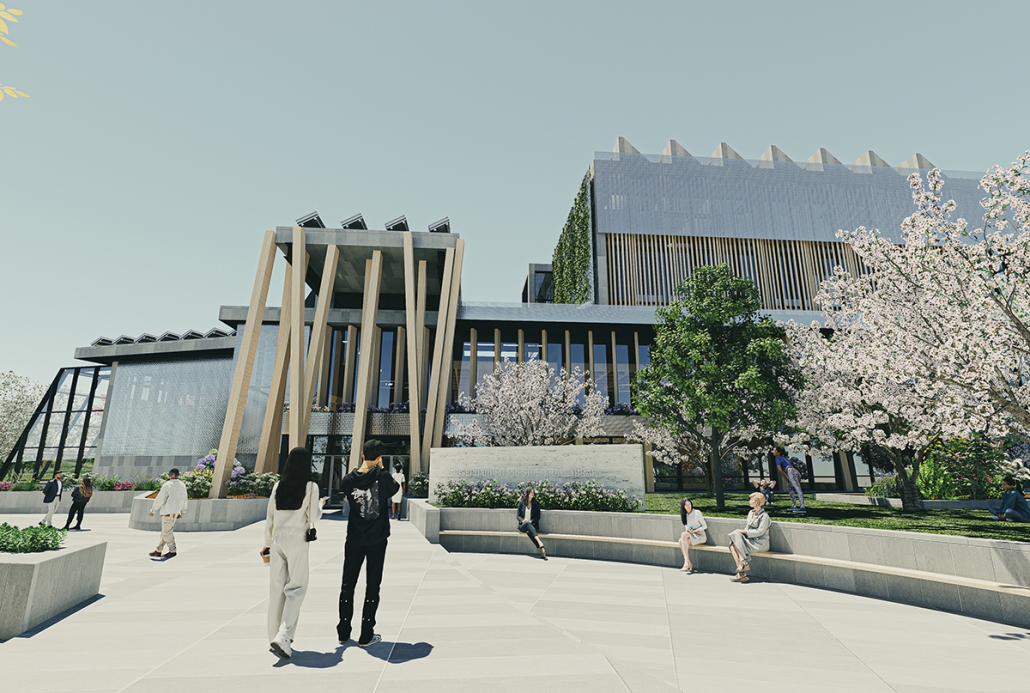
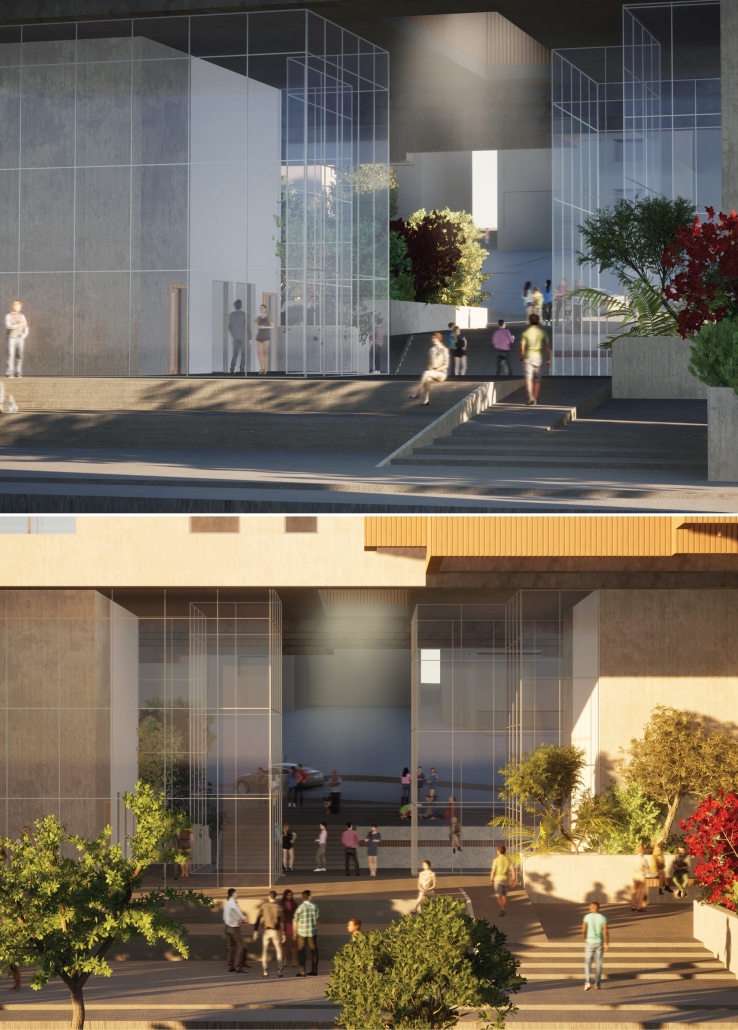
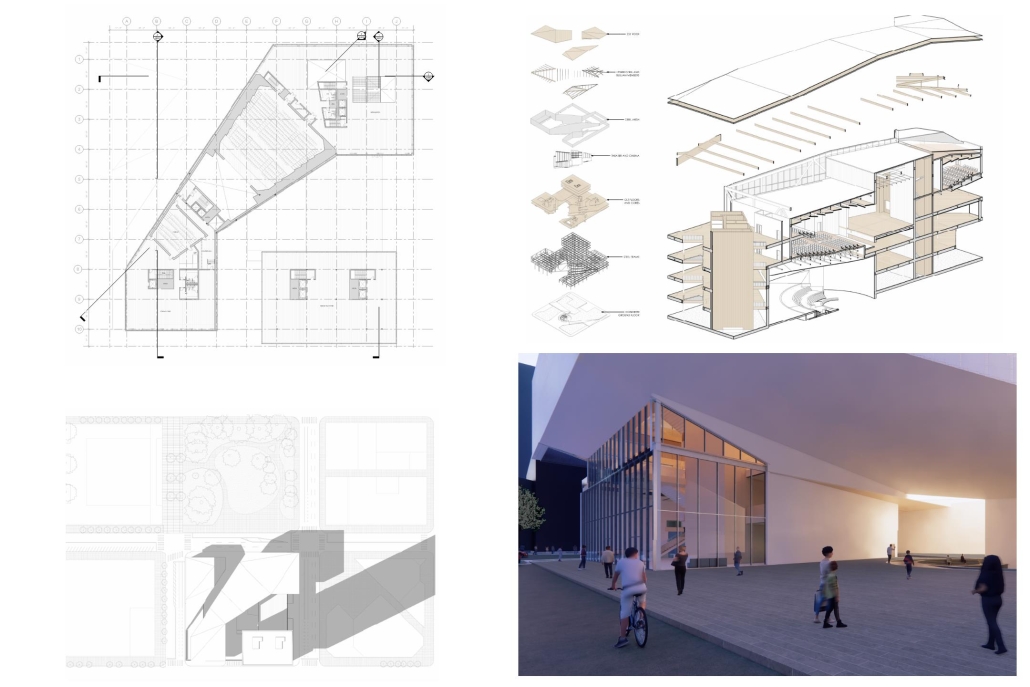
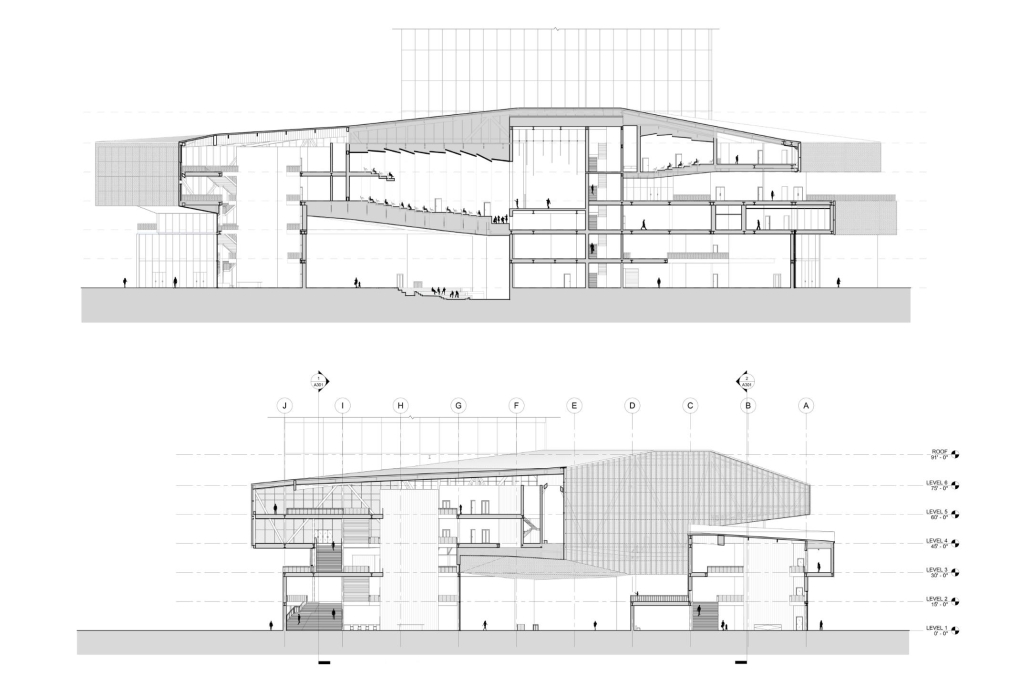
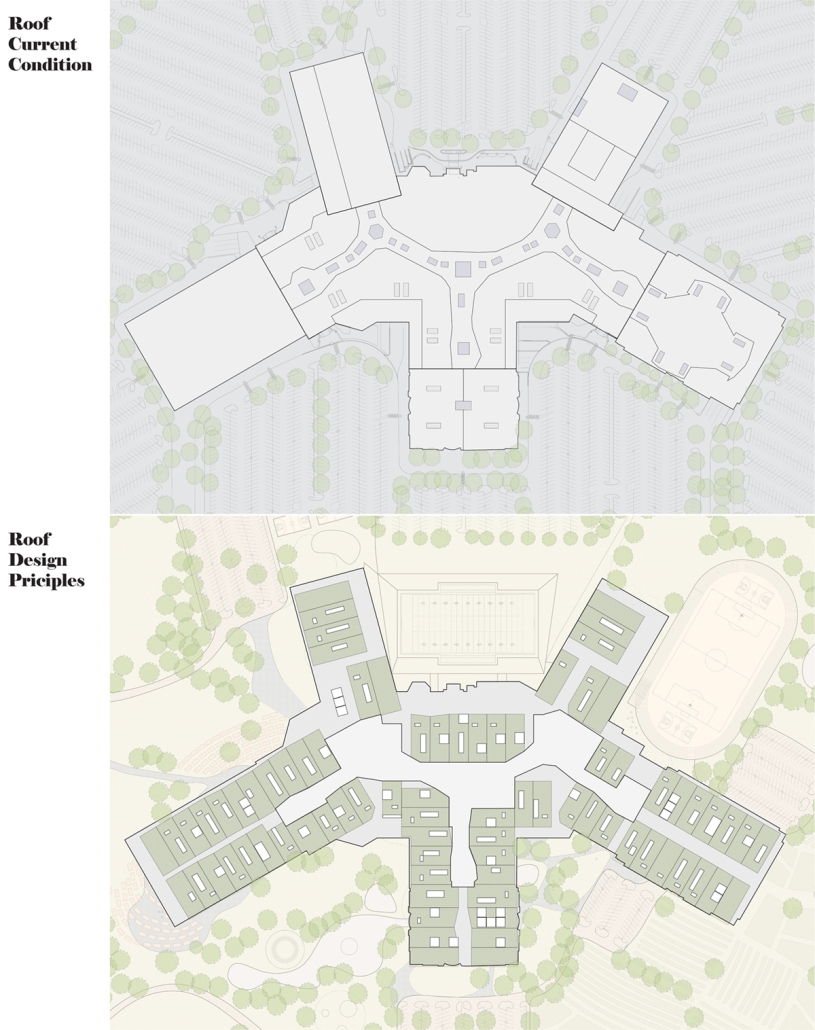
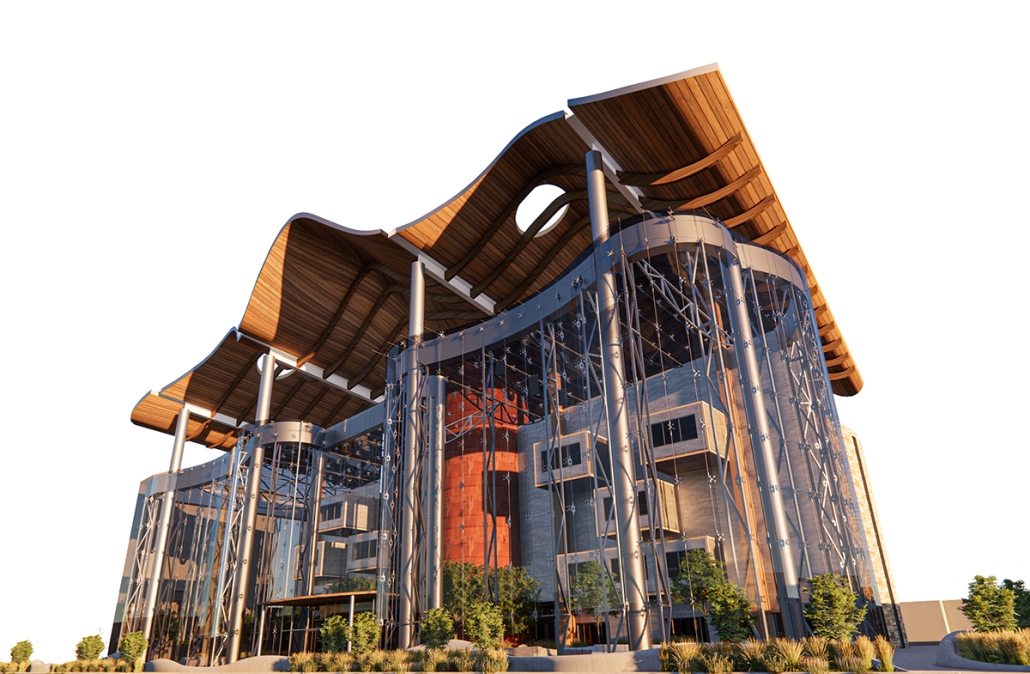
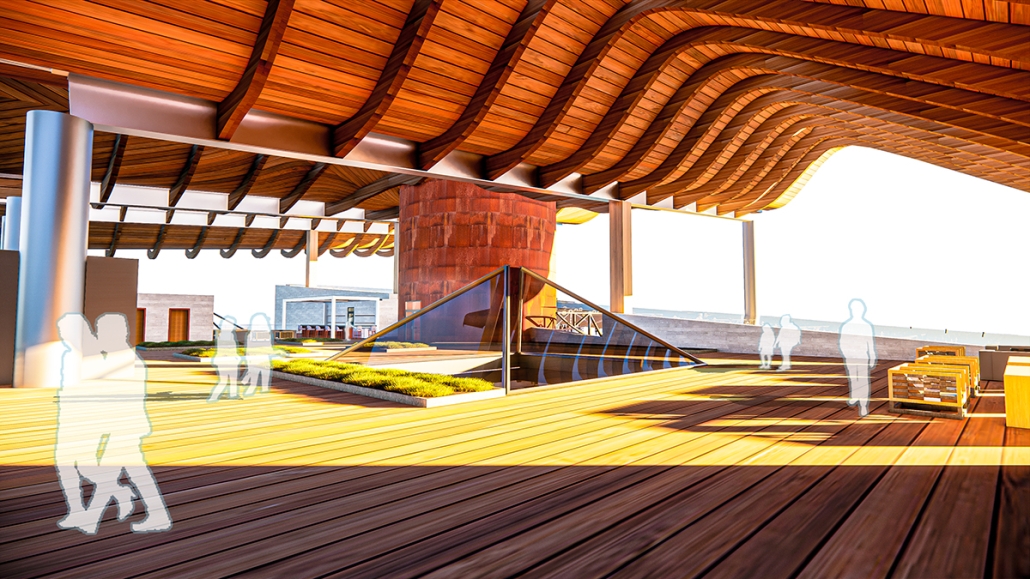
The Innovation Lab was designed with three primary objectives: to foster connectivity, enhance experiential qualities, and create a highly sustainable building. Our design process was guided by extensive research, incorporating qualitative, secondary, and applied methodologies. 

We began with qualitative observational research, conducting on-site visits to analyze the existing environmental conditions, pedestrian flow, and spatial characteristics. This initial study helped us understand how users currently interact with the site and informed our approach to improving connectivity and engagement. 

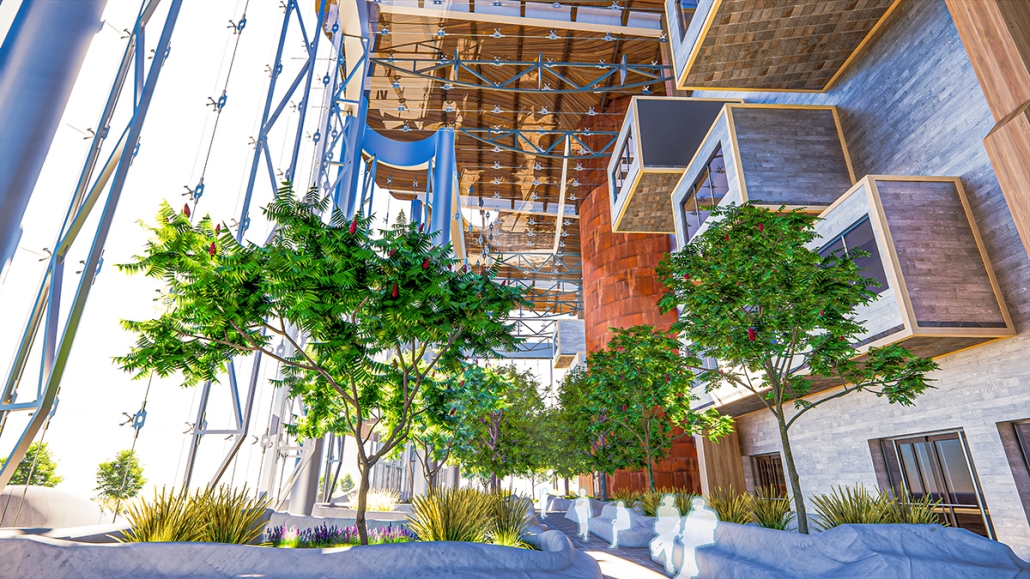
As the project progressed, we conducted secondary research to evaluate critical factors such as climate, infrastructure, and energy efficiency. Understanding Detroit’s climate, seasonal variations, and sustainability challenges allowed us to make informed decisions about material selection, glazing optimization, and shading strategies. To ensure the building’s energy performance was efficient, we used applied research, testing both passive and active systems to optimize thermal comfort, daylighting, and energy use intensity (EUI).

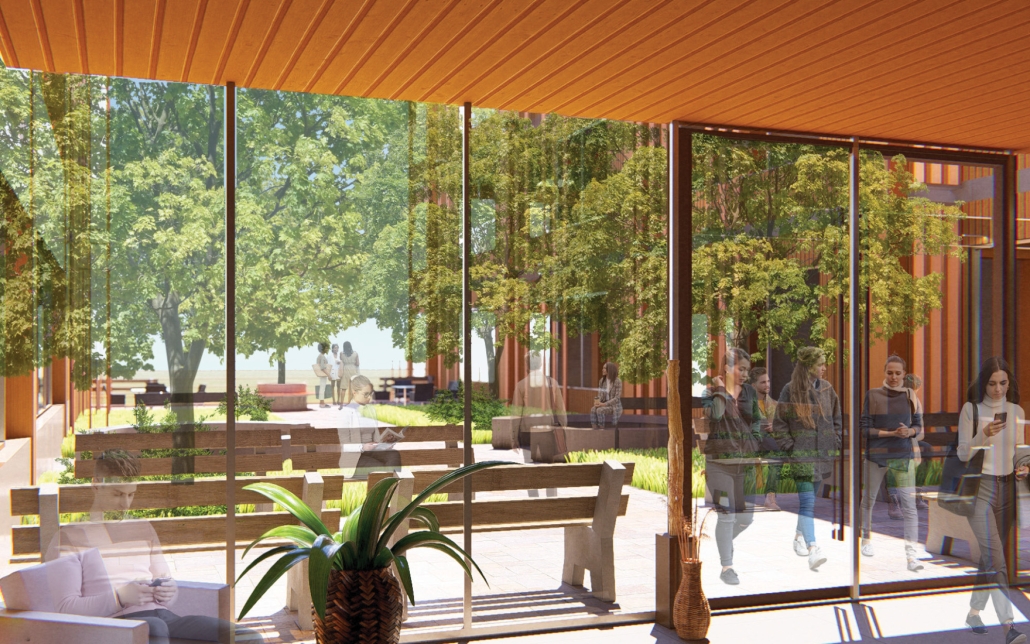
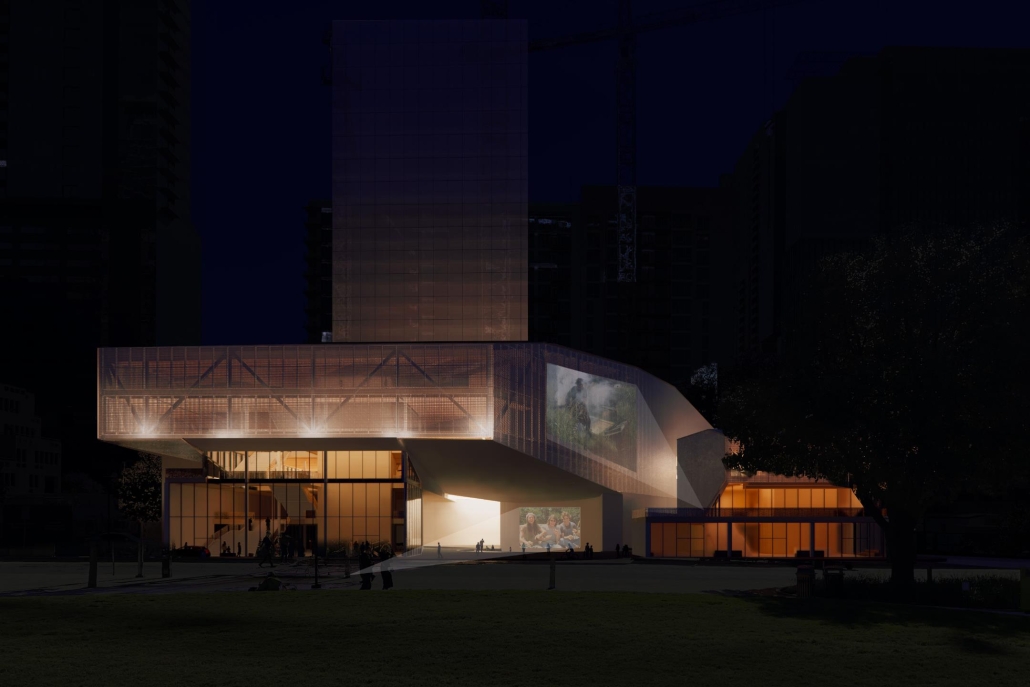
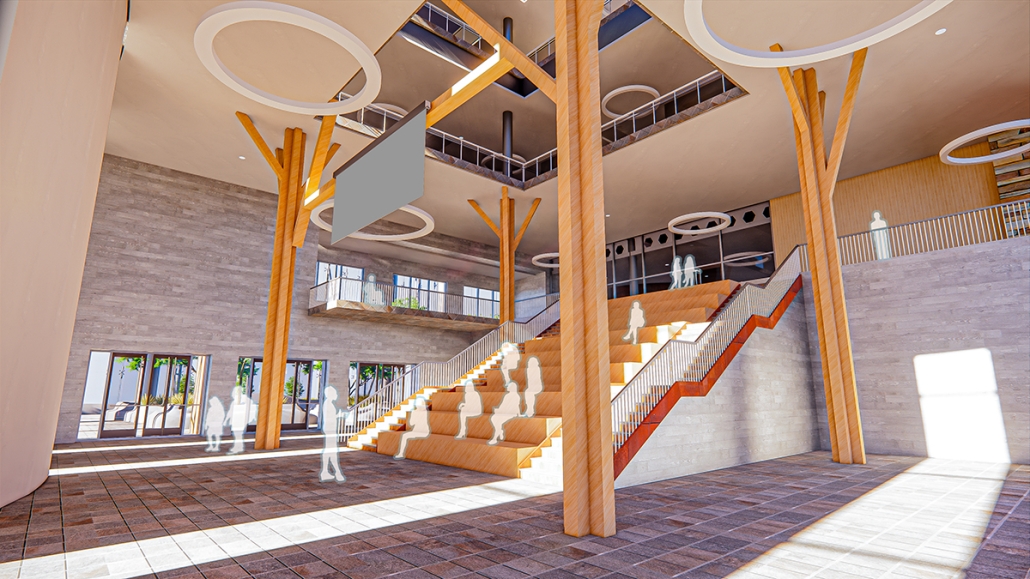
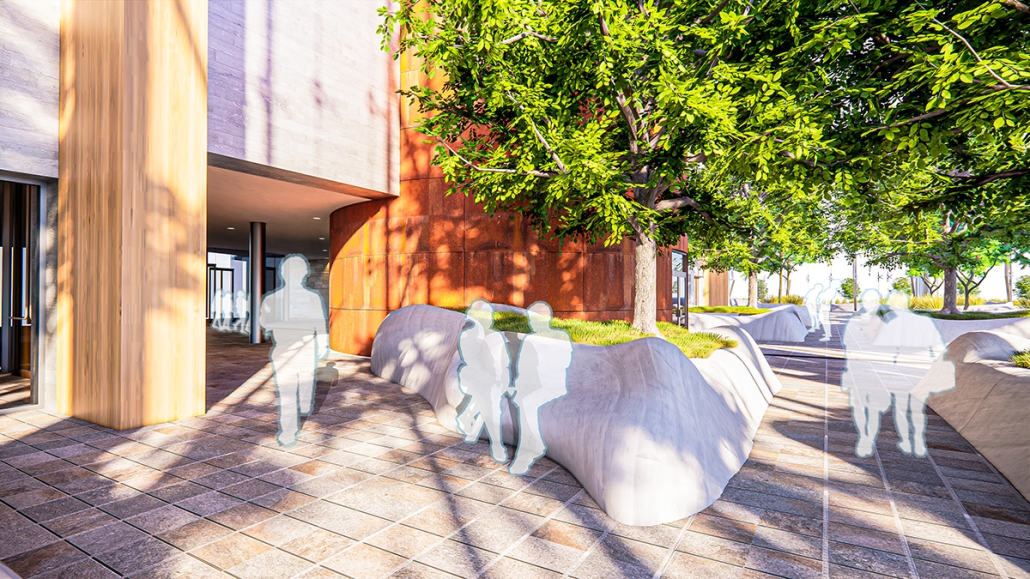
One of our key design achievements was creating a space that strengthens the relationship between the interior and exterior experience of the building. Strategically, we established a welcoming atmosphere where people outside feel invited in, and those inside remain connected to their surroundings. 

We utilized cove.tool, a data-driven simulation platform that allowed us to refine our design through environmental analysis and energy modeling. Ultimately, our research-driven approach led to a building that successfully embodies our core design principles.

Instagram: @zaynab_alhisnawi
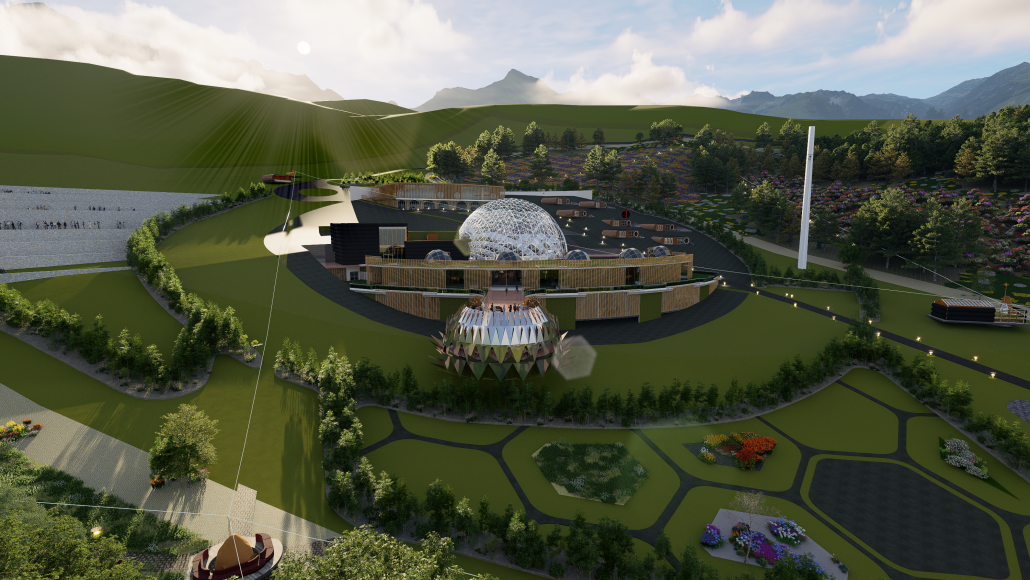
Falling Stars Protocol by Adeniyi Onanuga, B.Arch ‘25
Drexel University | Advisor: Wolfram Arendt

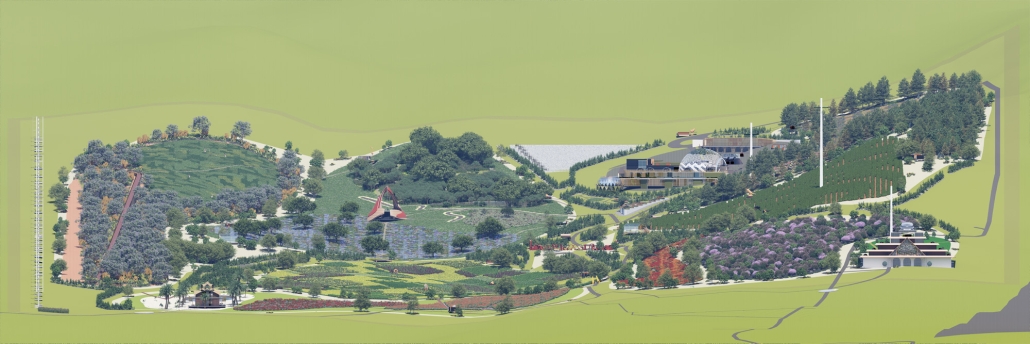
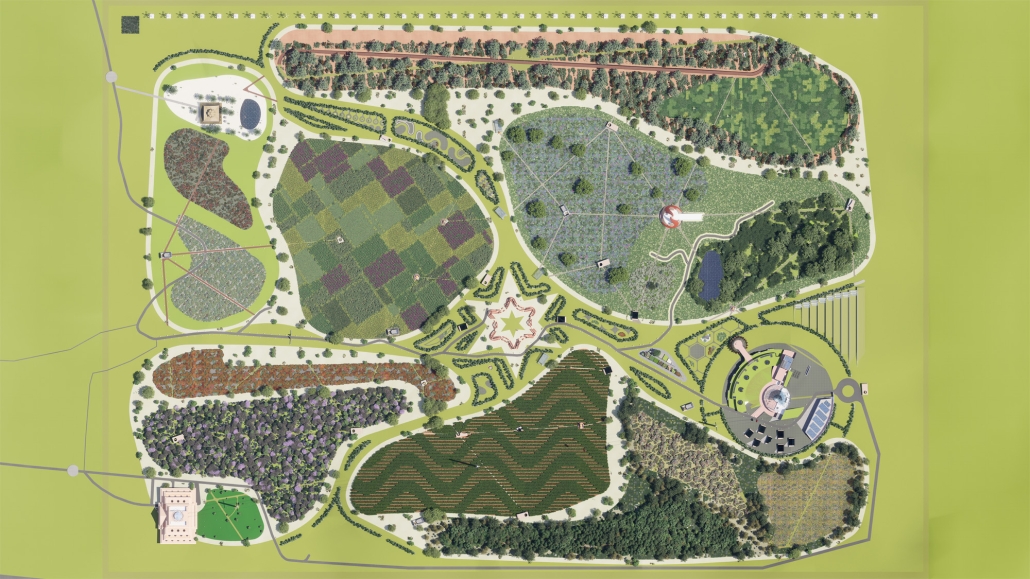
“The Falling Stars Protocol” proposes solutions to climate disasters by using biomimicry and climate science to analyze current weather and environment trends, protect endangered biomes, support community-driven ecological stewardship, and advocate for multilateral climate action legislation.

By leveraging natural systems, representation, and education strategies accessible to all – including local communities, scientists, and tourists – this framework emphasizes active recovery and resilience rather than passive preservation. 

Though the framework does not always call for architectural solutions, this prototypical implementation addresses potential Biodiversity Loss in the Cape Floristic Region of South Africa through a botanical research campus and tourism-centric living collections.

Click here to learn more.

This project was nominated for the Michael Pearson Award.

Instagram: @neonanuga, @drexel.architecture
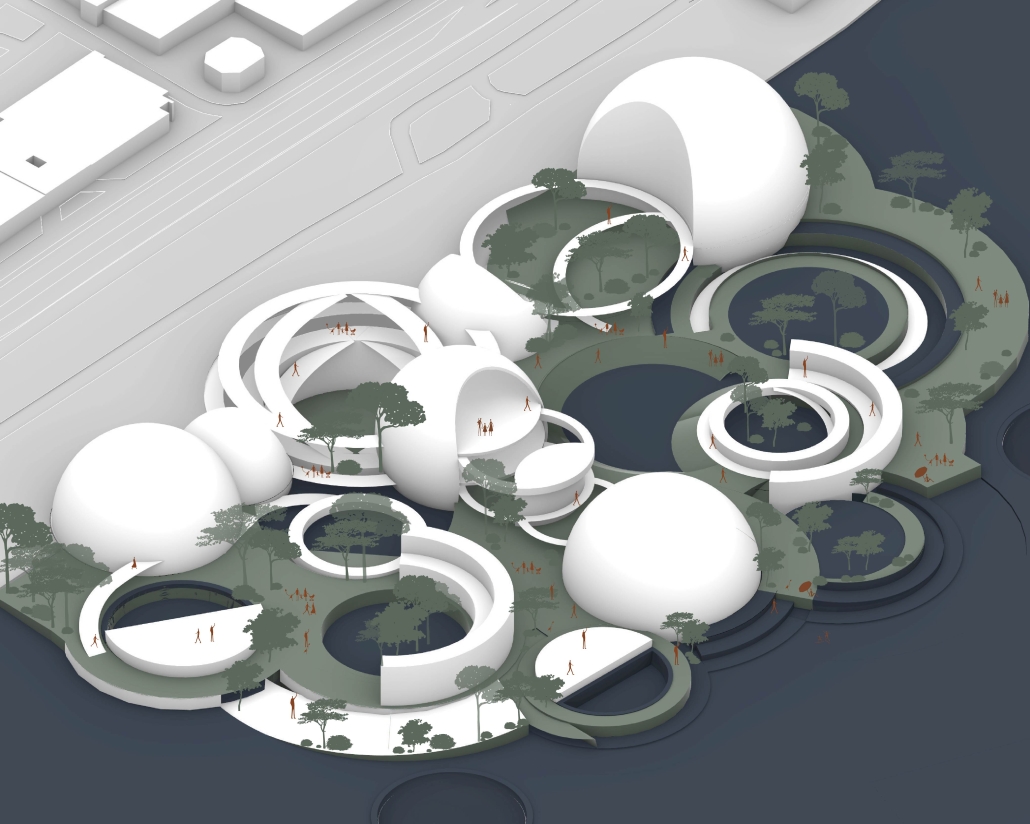
EcoScape: When Nature and Culture Converge by Nadia Bryson & Fairy Patel, M.Arch ’25
New York Institute of Technology | Advisors: Marcella del Signore & Evan Shieh

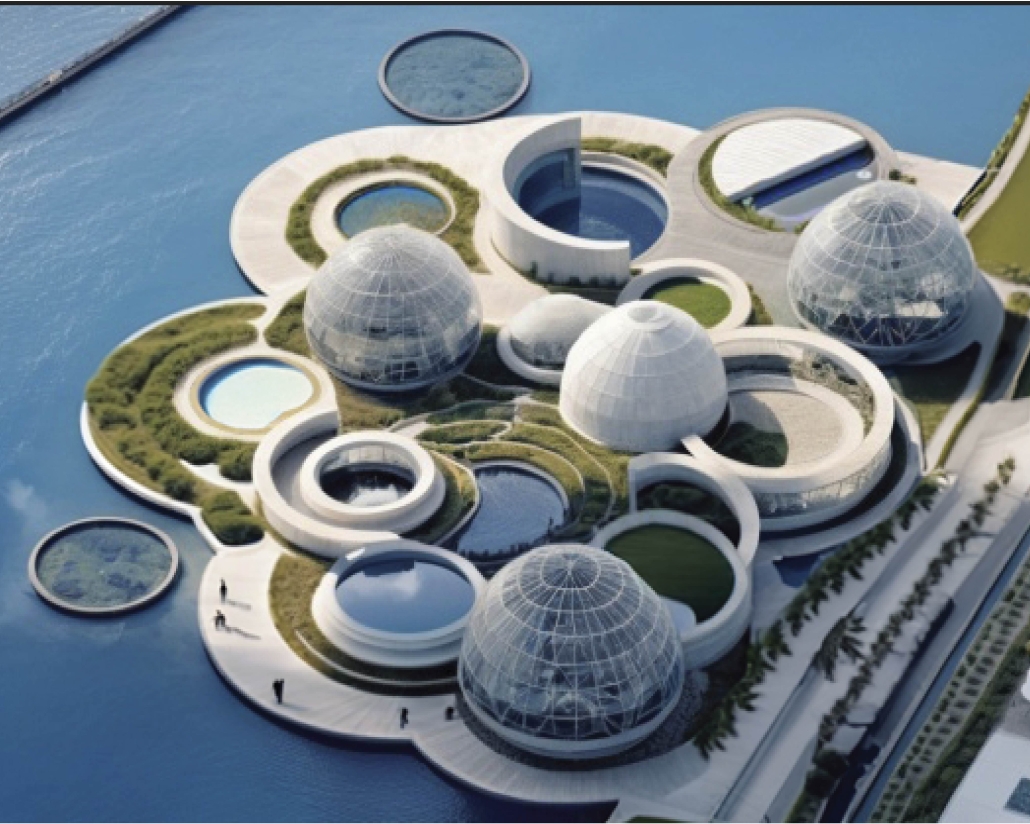
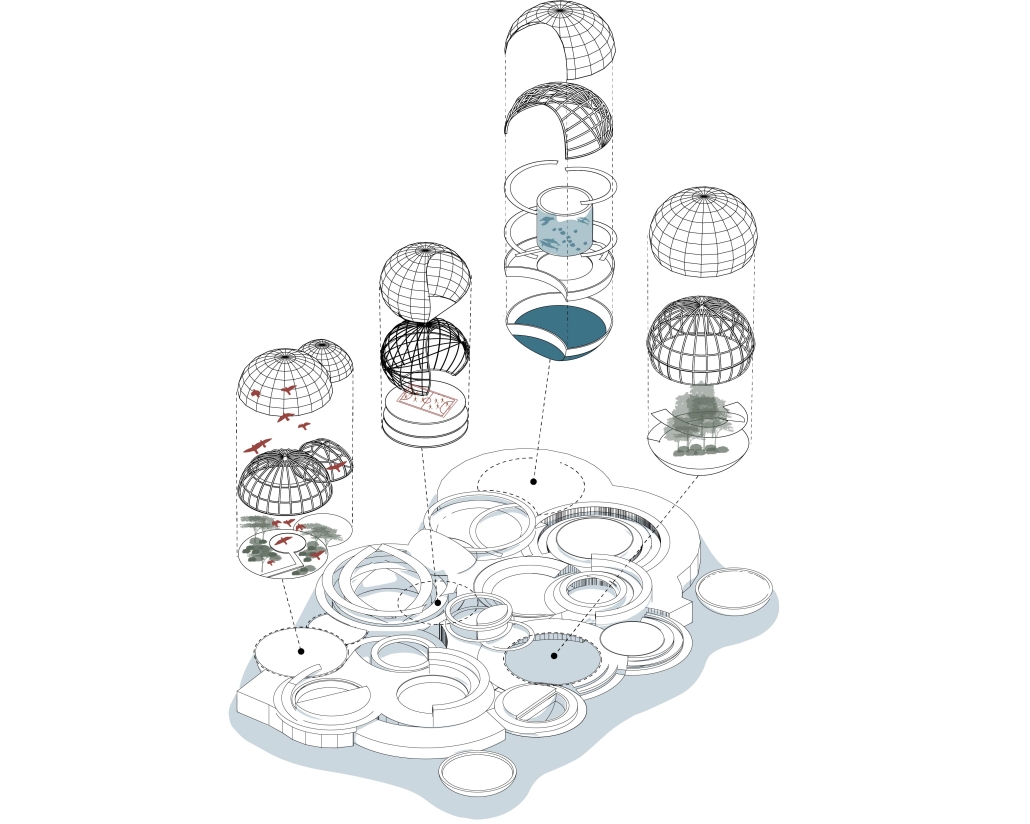
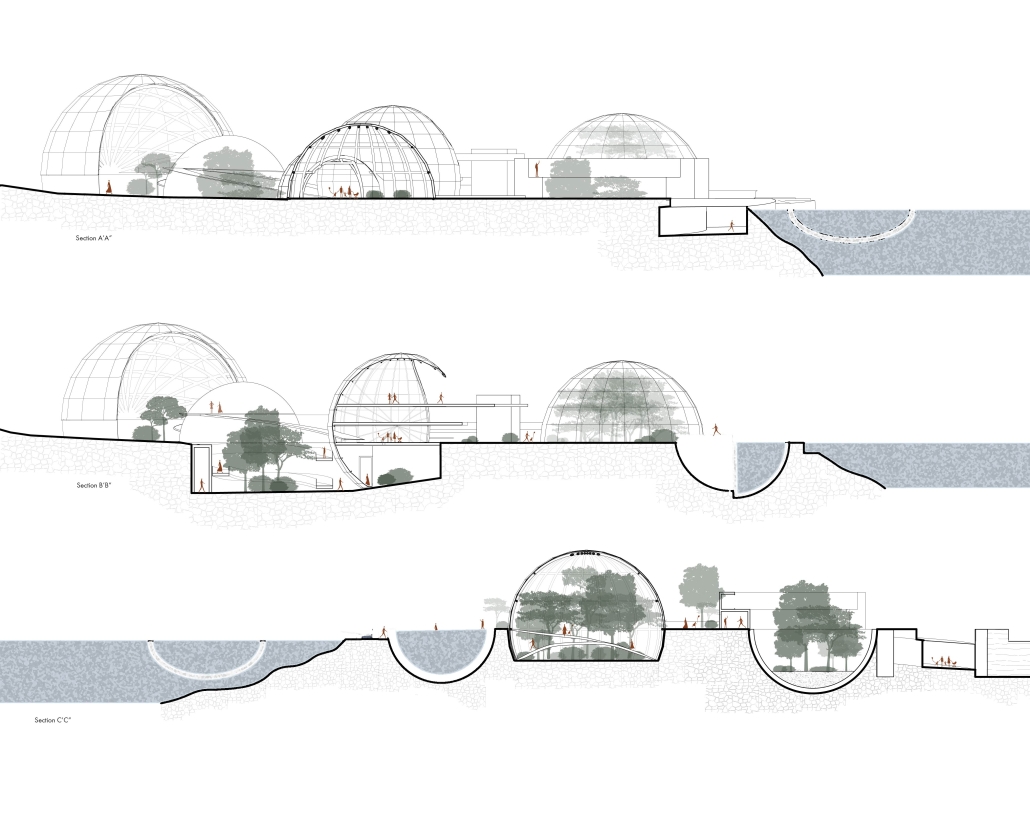
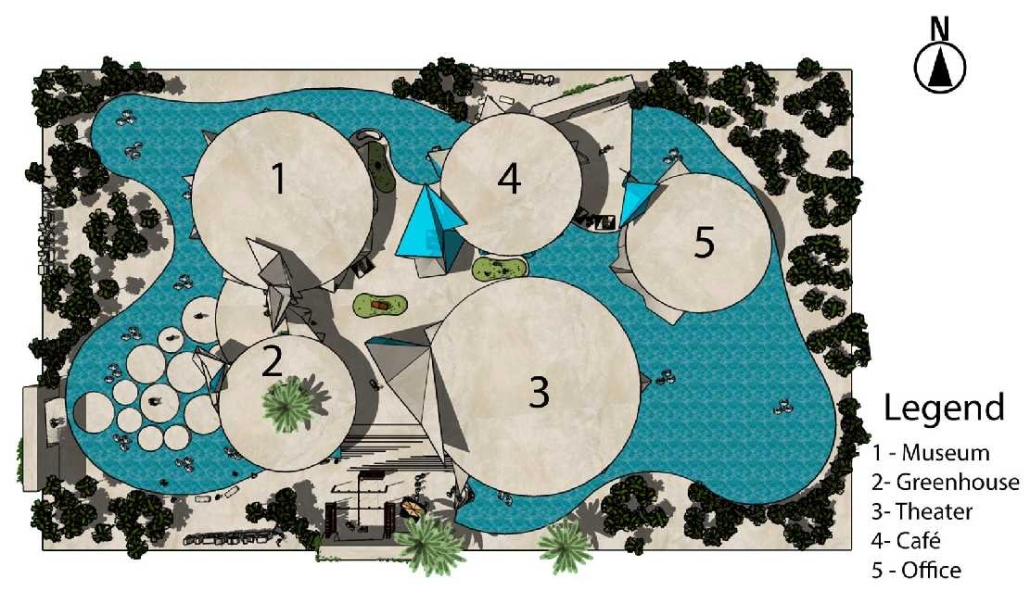
“EcoScape” is a sustainable architectural proposal that reimagines tourism in Rio de Janeiro by integrating ecological preservation, cultural heritage, and urban development. Responding to the environmental degradation caused by mass tourism and industrialization, the project proposes a green infrastructure network that connects natural, cultural, and recreational spaces throughout the city. Inspired by the Eden Project, EcoScape merges immersive biomes—such as rainforest, aquatic environments, butterfly sanctuaries, and wetlands—with educational and public spaces designed to foster environmental awareness and biodiversity conservation.

The proposal is grounded in a historical timeline of Rio’s environmental transformation, from the sustainable practices of Indigenous communities like the Tupi and Guarani, through colonial exploitation and industrial expansion, to the present-day shift toward ecological recovery. Over the centuries, deforestation, resource extraction, and urban sprawl have replaced natural habitats and strained ecosystems. EcoScape responds to this legacy by restoring ecological balance, promoting green corridors, and introducing community-focused tourism that prioritizes education and sustainability.

The spatial design follows a progression from compact cores to open, connected networks. Circulation rings, transitional nodes, and elevated pathways allow for seamless visitor flow while preserving natural terrain. Zones are designated for specific types of tourism—beach, cultural, eco-adventure, festival, and sports—with modular structures like open-air pavilions, courtyards, and arenas accommodating various activities.

Stakeholder engagement is central to the design, involving local communities, governments, researchers, and tourists in the stewardship of Rio’s ecological and cultural assets. The site functions as a hybrid of a public attraction and an environmental research center.

Ultimately, EcoScape envisions a future where nature is not merely a backdrop to tourism, but the primary experience. It transforms Rio into a living landscape where ecological awareness, cultural celebration, and sustainable development converge, inviting visitors to become participants in preservation rather than passive consumers.

Instagram: @blanca_nieves123, @fairy_5828, @ev07, @marcelladelsi
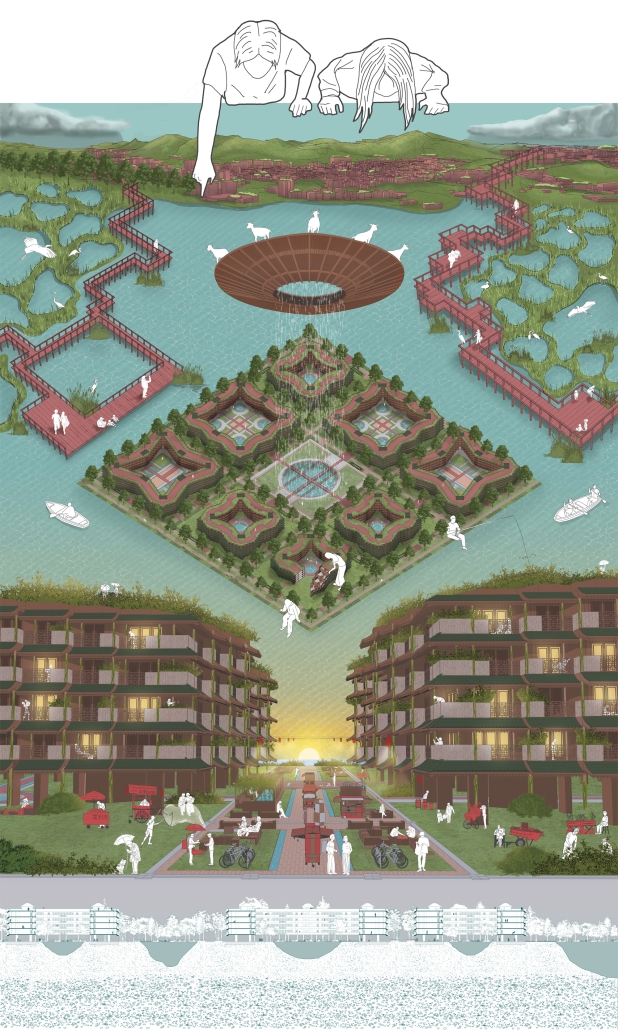
Water Comes First – “Enhancing lifelong cities as culture endures” by Bruno Antonio Remis Estrada, Melina Guajardo Gaytán, Edgar Jhovany Ochoa Ángeles, María Fernanda Felix González & Brenda Lizeth Ortega Villalobos, B.Arch ’25
Tecnológico de Monterrey | Advisors: Juan Carlos López Amador, Roberto García Rosales & Rodolfo Manuel Barragán Delgado

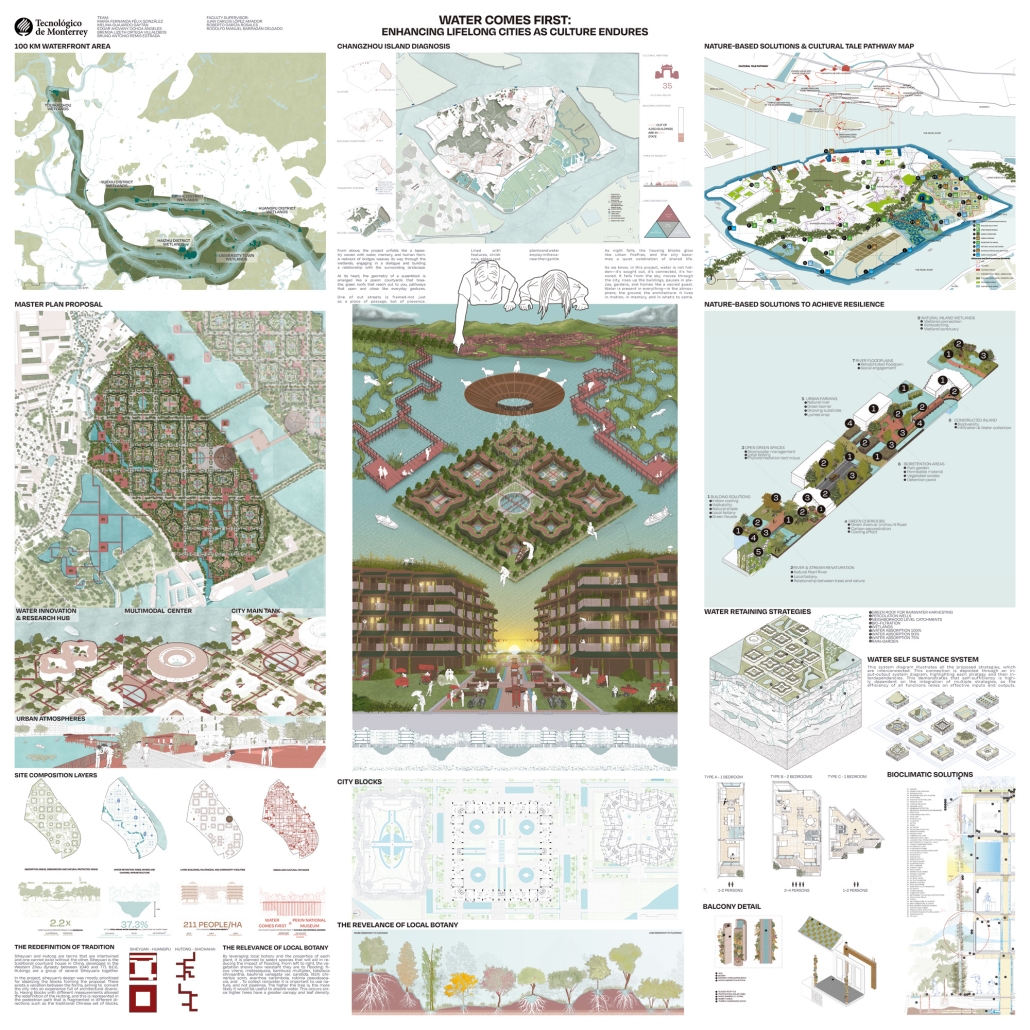
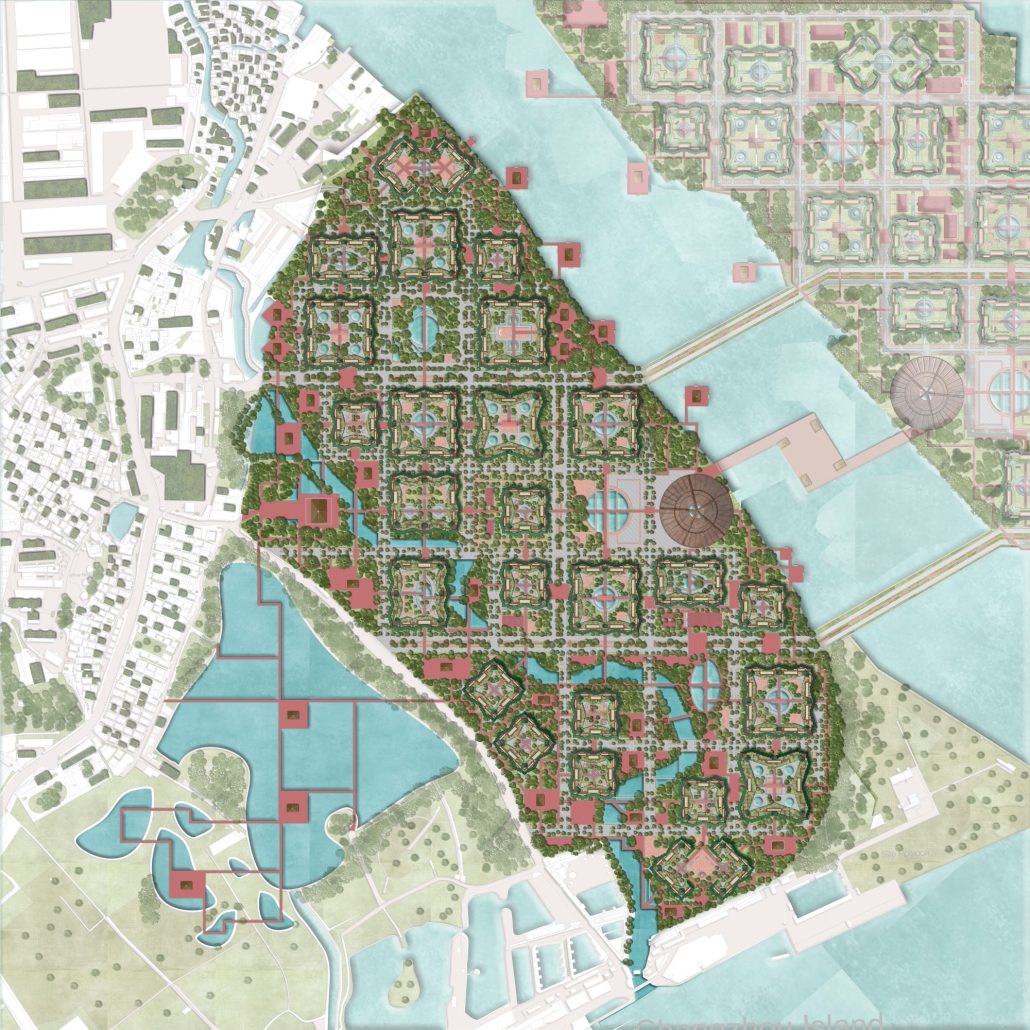
“Water Comes First” addresses the ecological and urban challenges faced by Changzhou Island in Guangzhou, including insufficient infrastructure, frequent flooding, and population decline. As part of the city’s 100 km waterfront development plan, the proposal confronts climate change-induced flooding through a nature-based strategy. Rather than treating water as a threat, it is embraced as a vital, dynamic force. The project envisions urban development as an adaptive system that works with natural water cycles while supporting social, cultural, and infrastructural growth.

At the heart of the proposal is a 250-meter territorial grid overlaying the island, serving as a spatial and strategic guide for interventions in mobility, hydrology, and landscape. Nine tailored Nature-Based Solutions (NBS) are integrated into this framework, including rainwater harvesting, percolation wells, wetlands, bio-filtration zones, and permeable surfaces. These are designed not as isolated fixes, but as interconnected elements of a holistic water management system.

A new multimodal transportation hub is proposed to connect the island to the broader Guangzhou region. This hub supports sustainable mobility—walking, cycling, and public transport—reducing car dependency and improving accessibility. Community spaces, such as a Pearl River research center and public plazas, further reinforce the island’s social and ecological resilience.

“Water Comes First” offers a flexible, replicable model for other flood-prone or low-lying areas. It prioritizes the preservation of natural ecosystems as a key component of resilience, ensuring urban infrastructure works in harmony with hydrological cycles. By maintaining the balance between rainfall and underground aquifers, the project safeguards both the environment and the built environment.

Ultimately, the proposal reframes climate change not as a threat to be resisted, but as a condition to be intelligently addressed. It creates a resilient landscape that connects people, culture, and nature—embracing water as a catalyst for regeneration.

Click here to learn more.

This project was exhibited at Designing Resilience Global, 2025.

Instagram: @bro__remis, @melina_guajardo, @_fernandafelix_, @brendrafts, @jhovany_8a, @eaad.mty, @saarq_itesm, @arqtecdemty
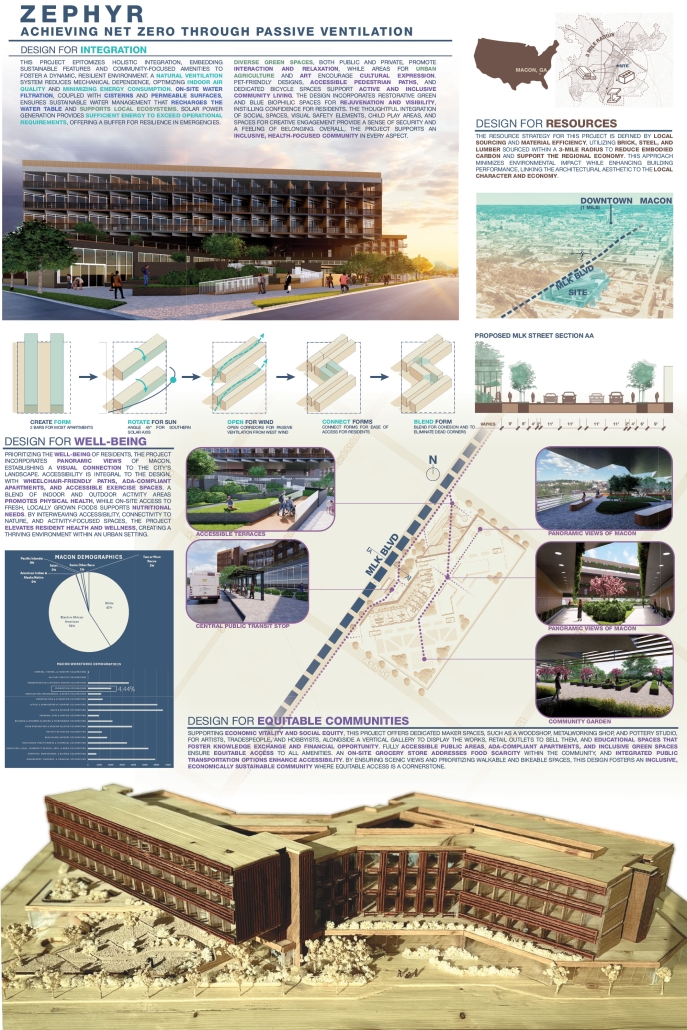
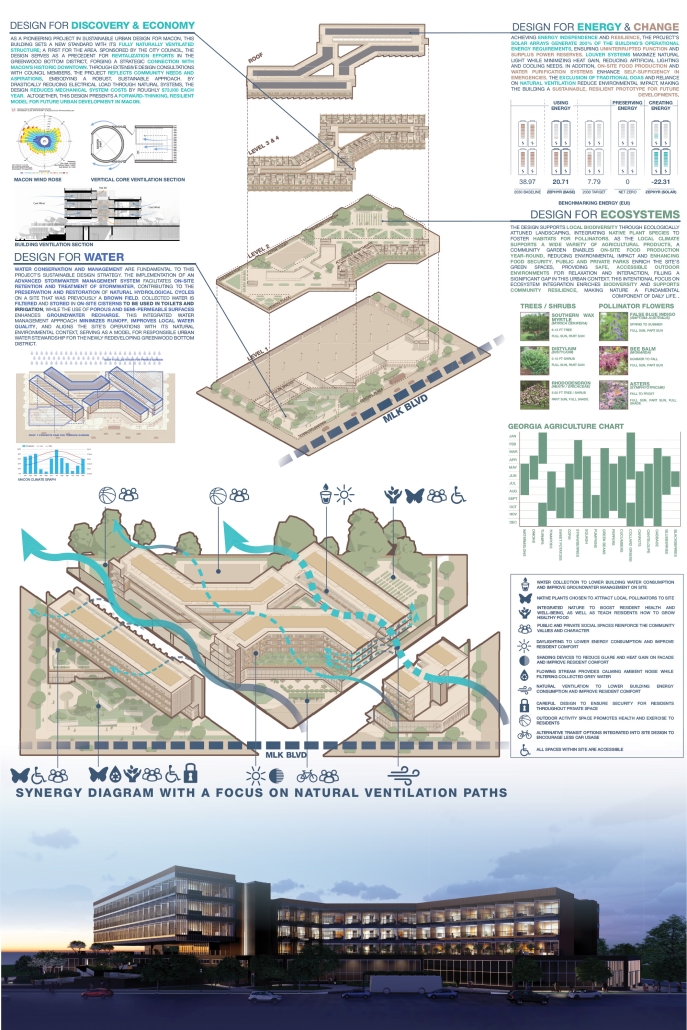
ZEPHYR: ACHIEVING NET ZERO THROUGH PASSIVE VENTILATION by Maya Schiltz & Owen Phillips, B.Arch ’25
Kennesaw State University | Advisor: Robin Puttock

This project epitomizes holistic integration, embedding sustainable features and community-focused amenities to foster a dynamic, resilient environment. A natural ventilation system reduces mechanical dependence, optimizing indoor air quality and minimizing energy consumption. on-site water filtration, coupled with cisterns and permeable surfaces, ensures sustainable water management that recharges the water table and supports local ecosystems. Solar power generation provides sufficient energy to exceed operational requirements, offering a buffer for resilience in emergencies. Diverse green spaces, both public and private, promote interaction and relaxation, while areas for urban agriculture and art encourage cultural expression. Pet-friendly designs, accessible pedestrian paths, and dedicated bicycle spaces support active and inclusive community living. The design incorporates restorative green and blue biophilic spaces for rejuvenation and visibility, instilling confidence for residents. The thoughtful integration of social spaces, visual safety elements, child play areas, and spaces for creative engagement provides a sense of security and a feeling of belonging. Overall, the project supports an inclusive, health-focused community in every aspect.

This project was presented at the 2025 Biophilic Leadership Summit.

Instagram: @owen_p02, @mayaschiltz, @robinzputtock 
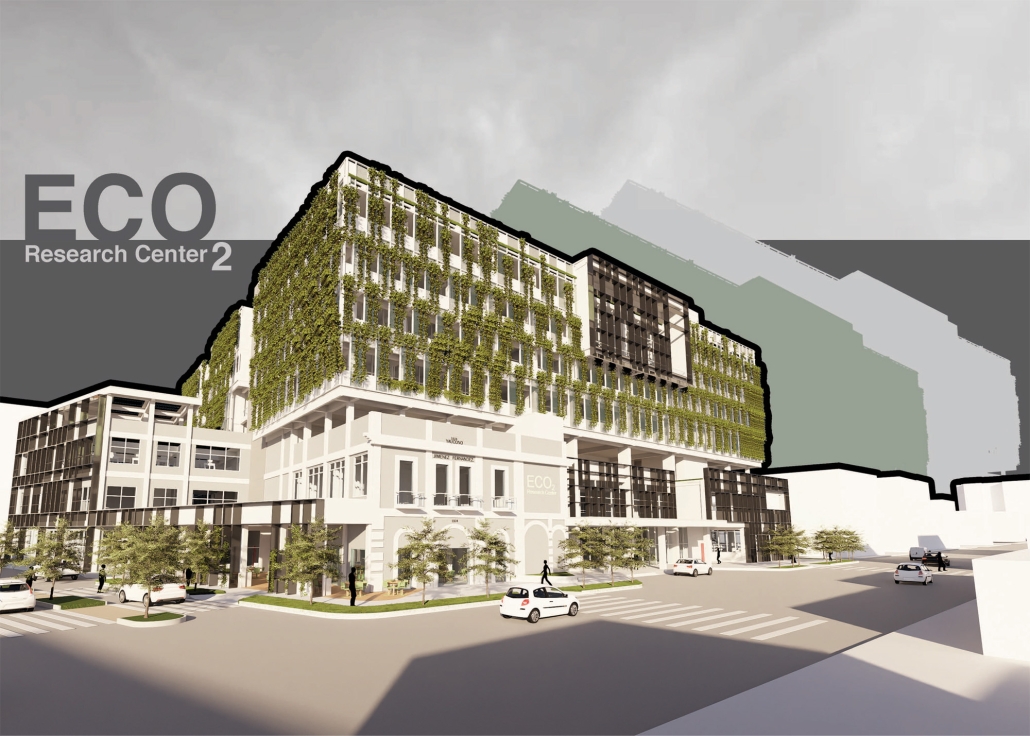
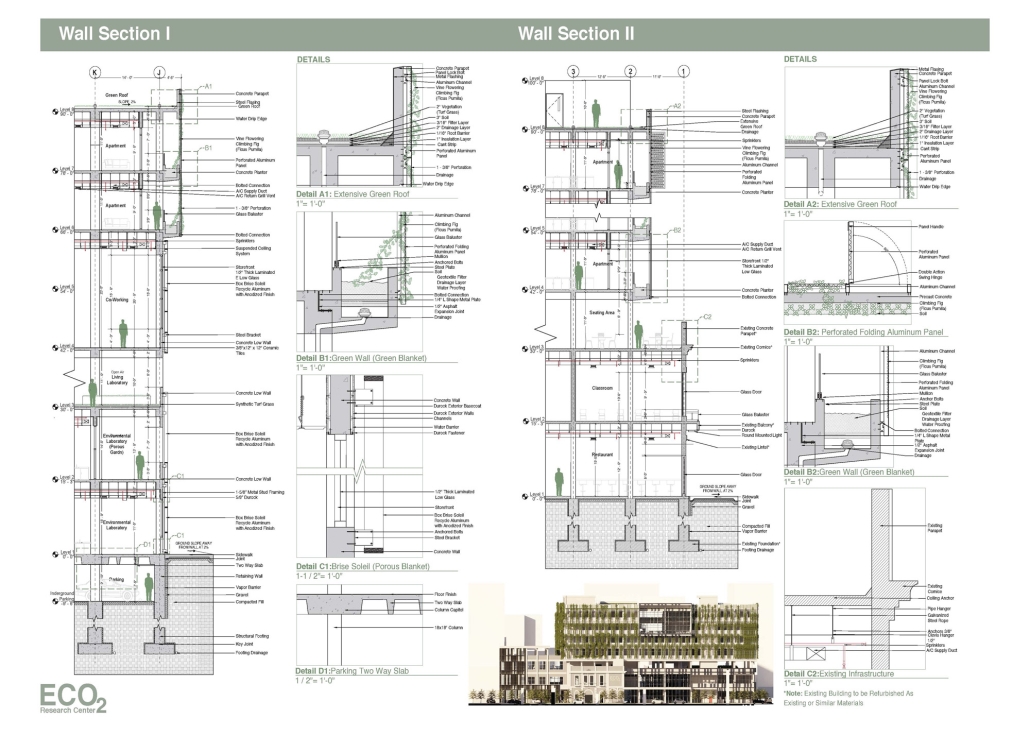
ECO₂ Research Center – Carbon Emissions’ Impact: The Role of Architecture and Technology in Living Environments by Marisela López-Rivera, B.Arch ’25
Pontifical Catholic University of Puerto Rico | Advisors: Jesús O. García-Beauchamp, Pilarín Ferrer-Viscasillas & Pedro A. Rosario-Torres

Climate change is a critical challenge of the XXI century, driven largely by carbon dioxide emissions that create a porous blanket over Earth’s atmosphere, trapping heat and accelerating global warming. “Carbon Emissions’ Impact: The Role of Architecture and Technology in Living Environments” states that a large portion of carbon dioxide emissions originates from building development and operations, while also raising the question: How can architecture and technology adapt to address this issue?

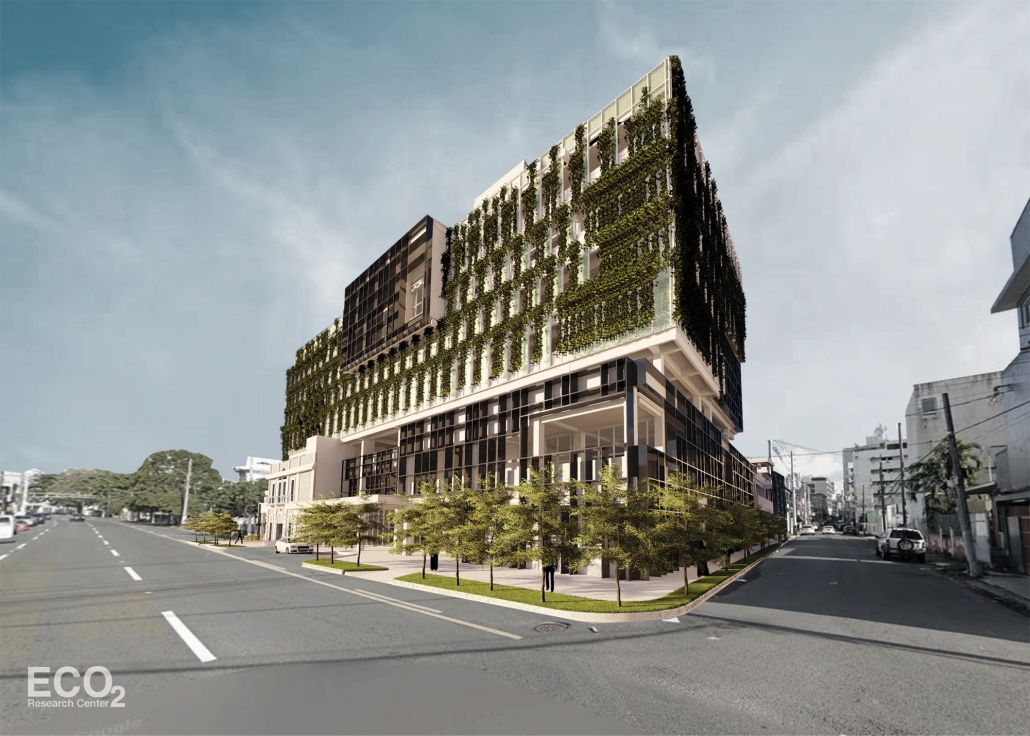
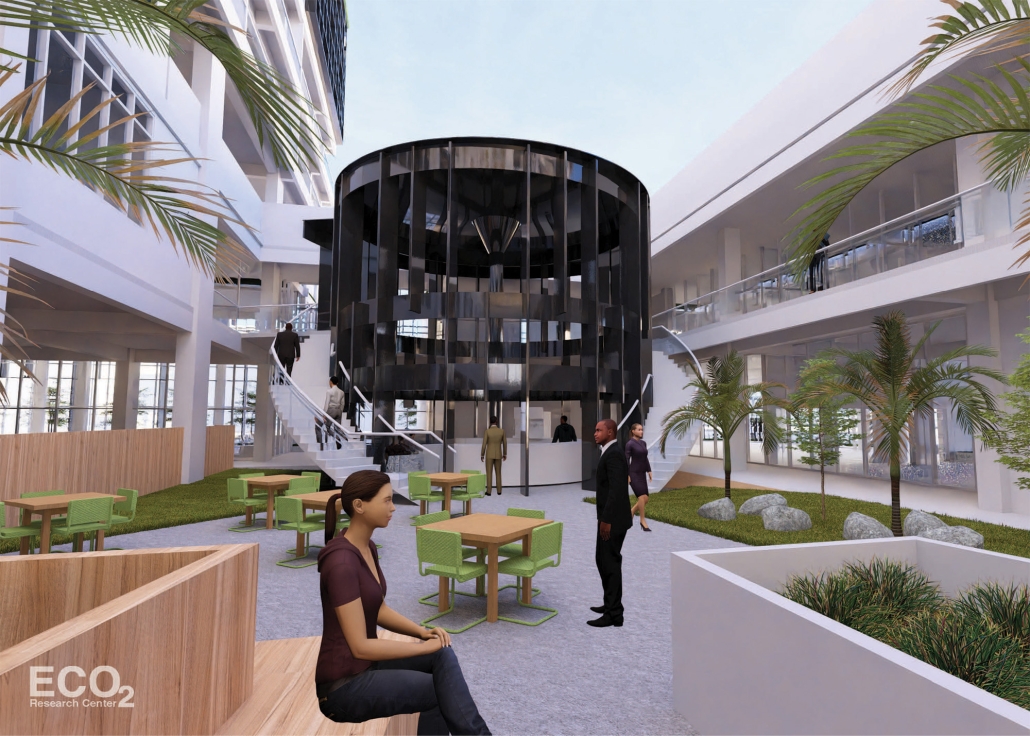
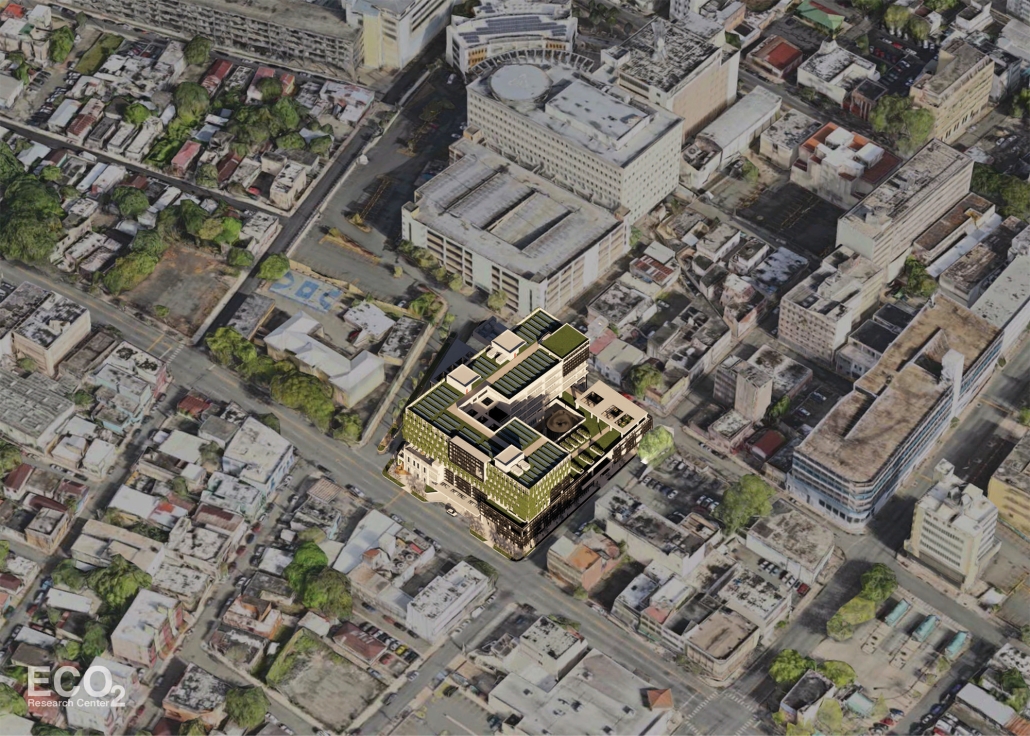
The proposal, titled “ECO₂ Research Center,” envisions a facility that unites climate advocates, including scientists and Generation Z university students, to form an “experimental community” centered on sustainability, education, research, and professional development grounded in the principle of “ecological awareness.” Located in Santurce, a densely populated urban area within the capital of San Juan, Puerto Rico, the site was chosen for its existing infrastructure, including the 1924 “Edificio Yaucono” and two additional structures on the northeast corner. This characteristic reflects on adaptive reuse, aligned with the circular carbon economy, reducing embodied carbon emissions by conserving and restoring existing buildings and creating a dialogue with new additions, such as design articulations that distinguish the original structure and the new residential building sitting on top of the “Edificio Yaucono.” The building’s massing centers around a “green community atrium” that connects local and experimental communities. Through “structural fragmentation,” the design creates sky gardens, terraces, and double-height spaces that break volumetric uniformity. Enhancing environmental performance and emphasizing the interconnectedness between humans, non-humans, and technology, the building employs a design strategy called “green blanket,” featuring green facades and green roofs integrated into the building. Additionally, a black aluminum brise soleil, referred to as the “porous blanket,” provides solar protection and ventilation while symbolizing the enduring presence of carbon dioxide in the atmosphere.

By rejuvenating what is already present, architecture can serve as a restorative force that addresses carbon emissions and climate change while respecting history and place instead of contributing to destruction.

Instagram: @arch.m.chela
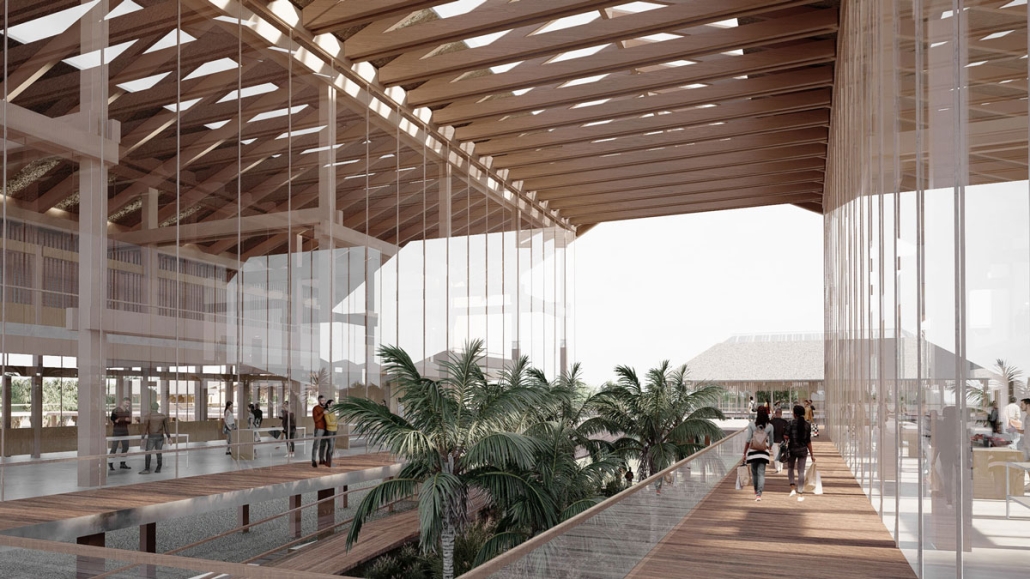
Everglades Market by Stefan Underwood, M.Arch ’25
Academy of Art University | Advisor: Aurgho Jyoti

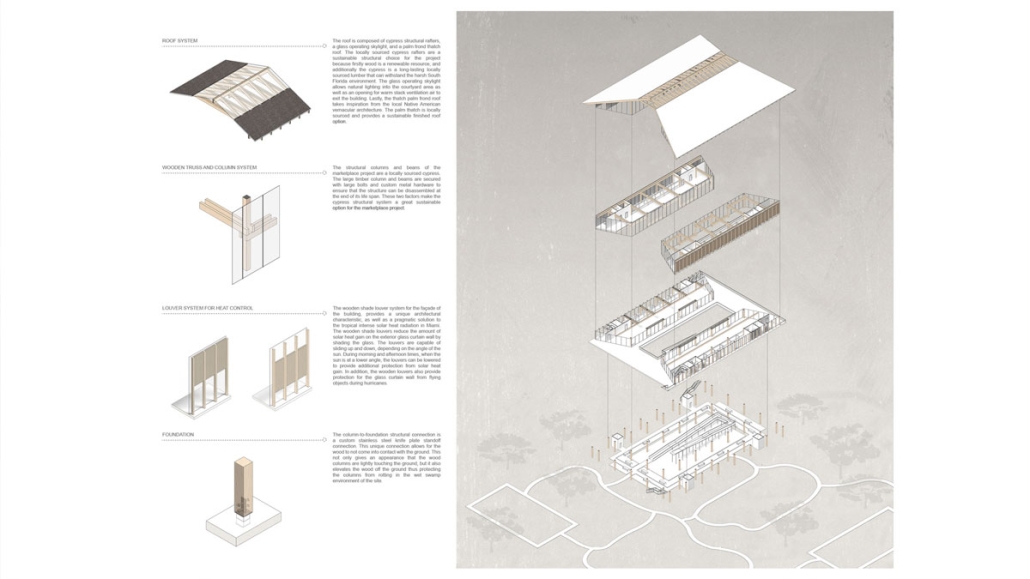
With modern farming practices, humans have created a divide between agriculture, suburban, urban, and protected land. These boundaries have caused numerous challenges that far outweigh the benefits. South Florida and the region’s fragile ecology are a perfect case study that represents the global challenges we face locally. The boundaries created need to be reanalyzed and applied more traditionally, where all regions sustainably coexist. Traditional cultures, such as the South Florida Native Americans, have successfully blended the three regions and blurred the boundaries between agriculture, nature, and urban. By taking inspiration from Native American architecture, the “Everglades Market” creates a model in which all three regions can survive together through agriculture.

Click here to learn more.

This project received the Academy of Art University M.Arch Thesis Award.

Instagram: @aur.architecture
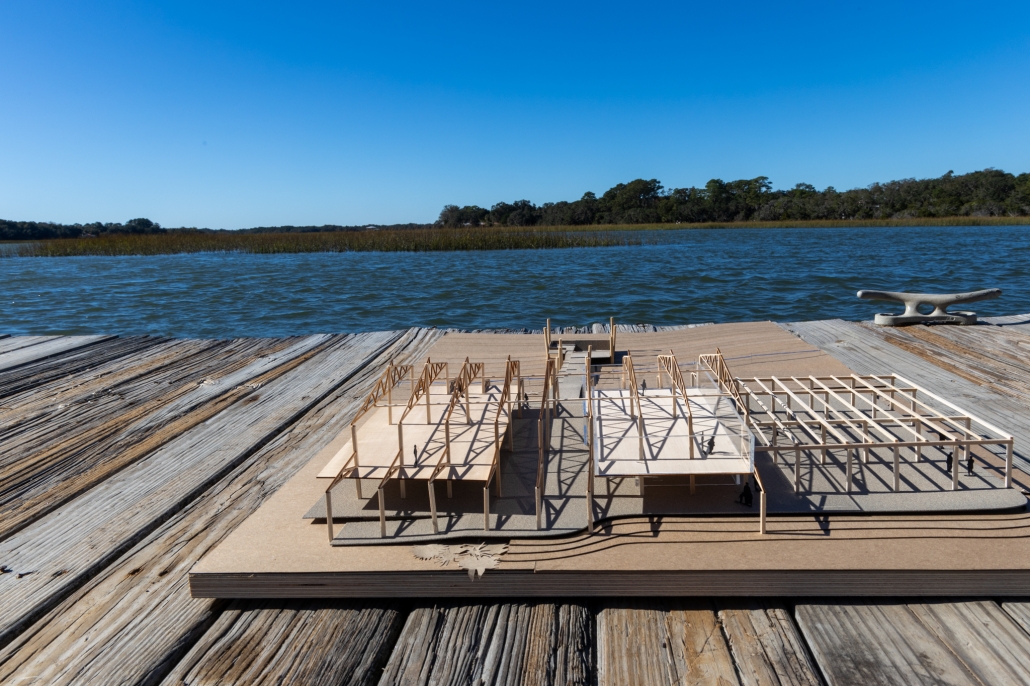
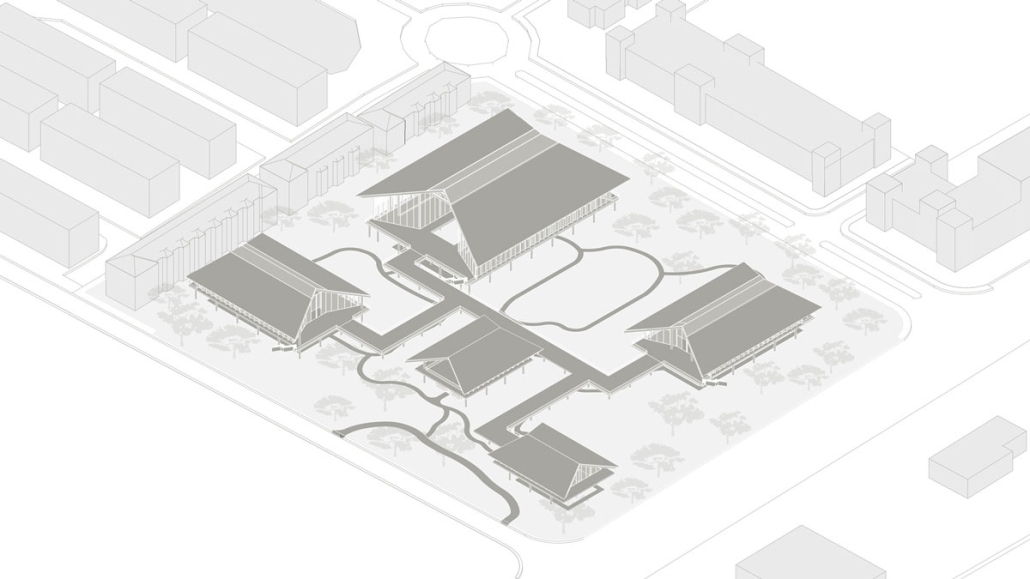
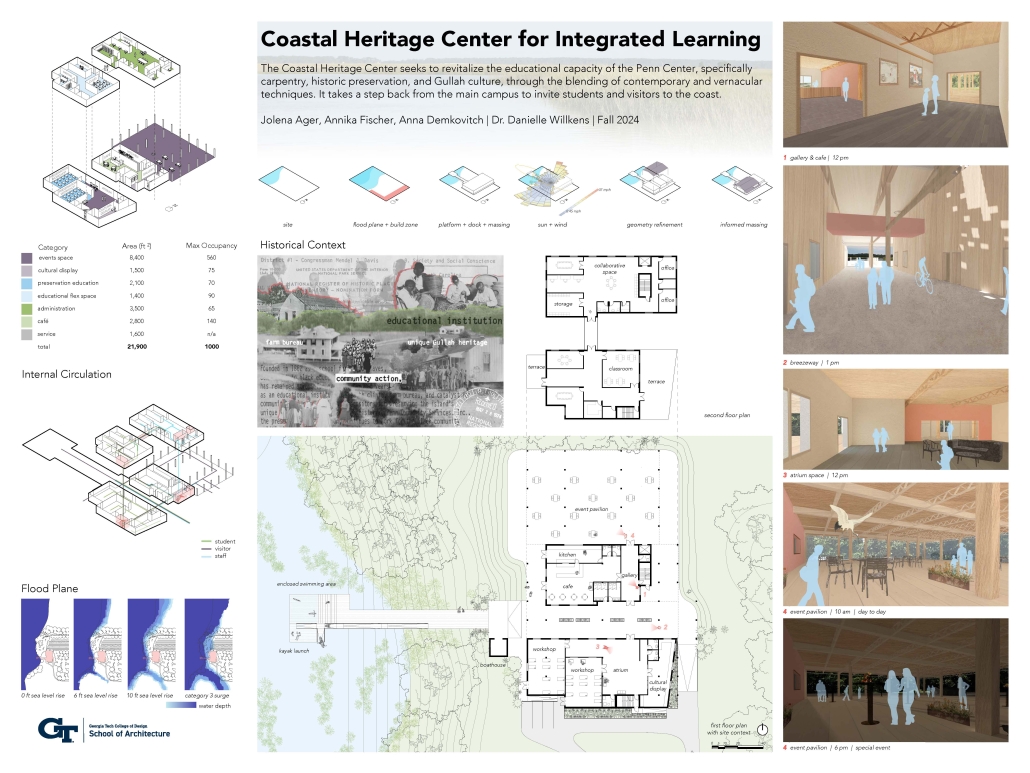
COASTAL HERITAGE CENTER FOR INTEGRATED LEARNING by Jolena Ager, Anna Demkovitch & Annika Fischer, BS in Architecture ’25
Georgia Tech | Advisor: Danielle Willkens

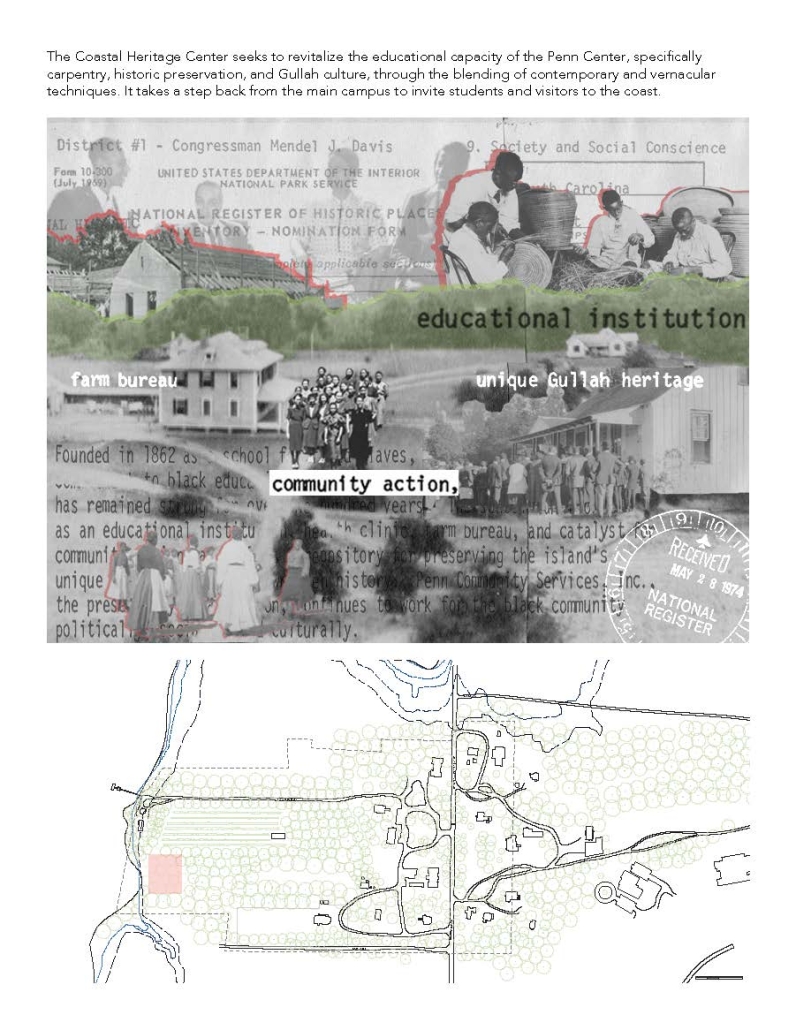
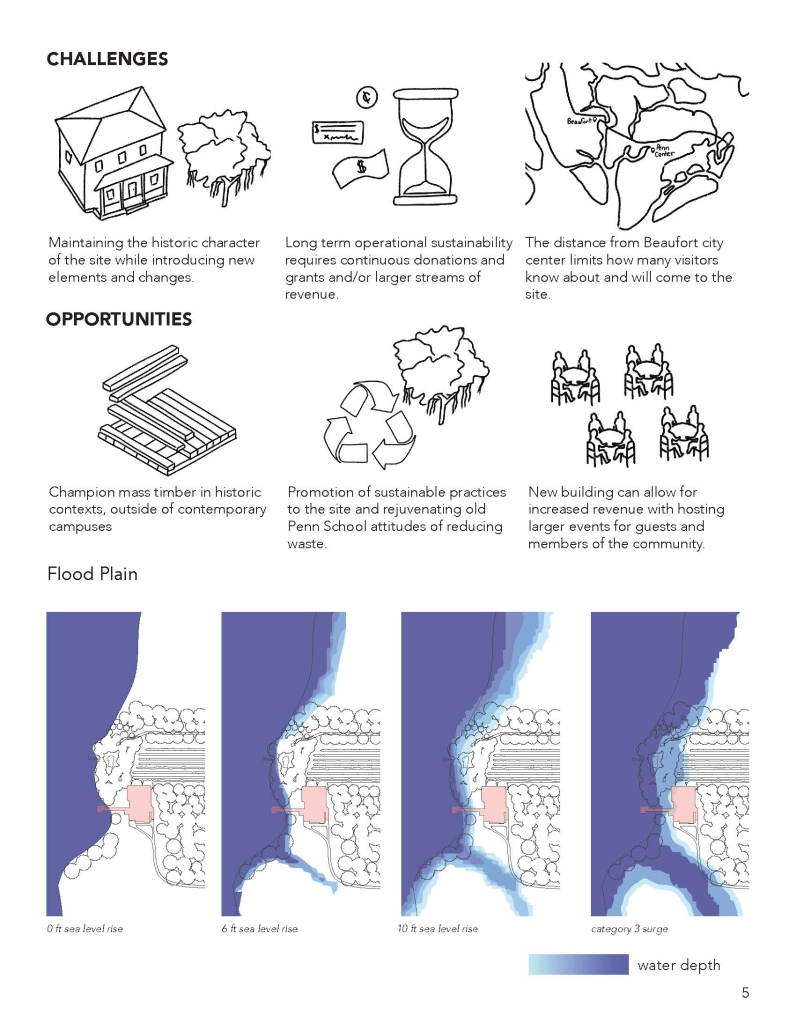
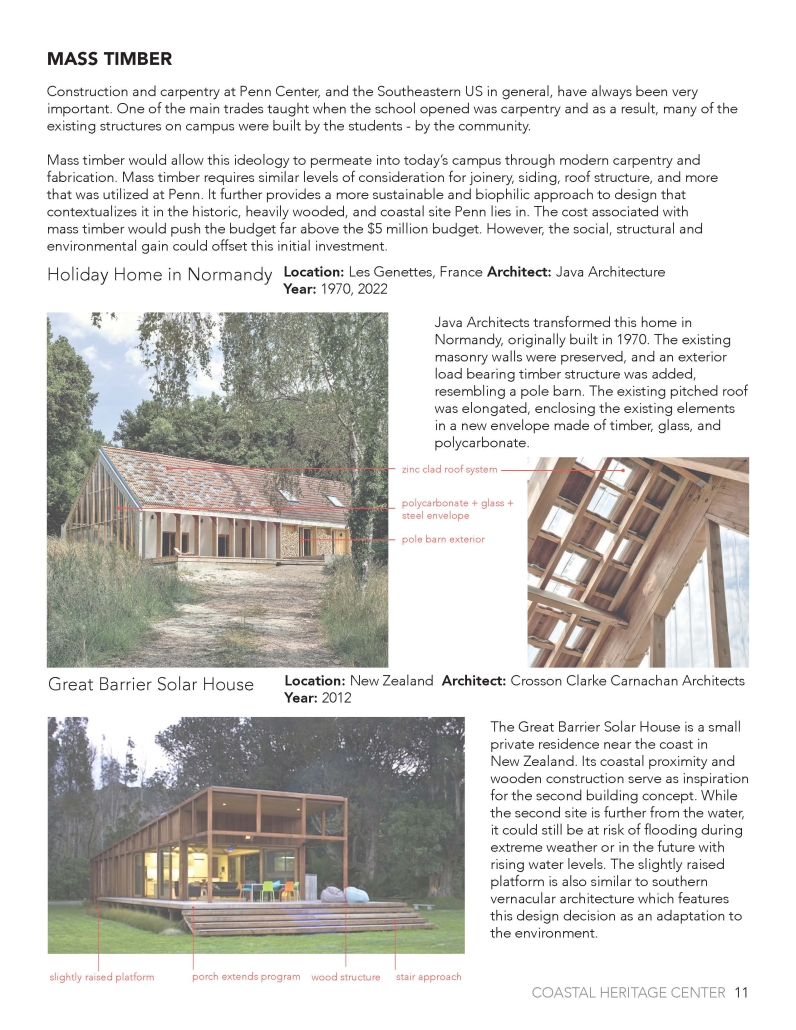
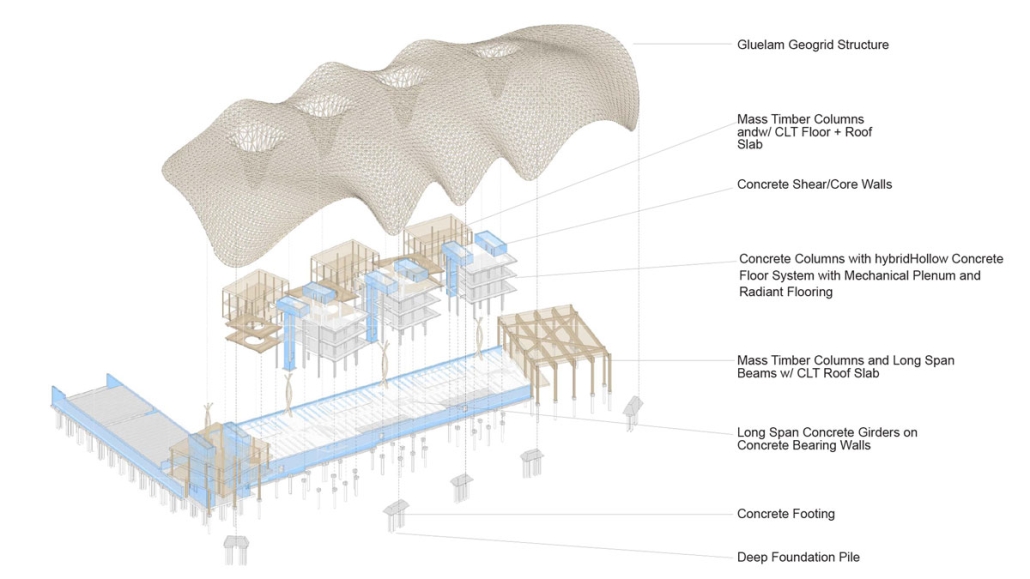
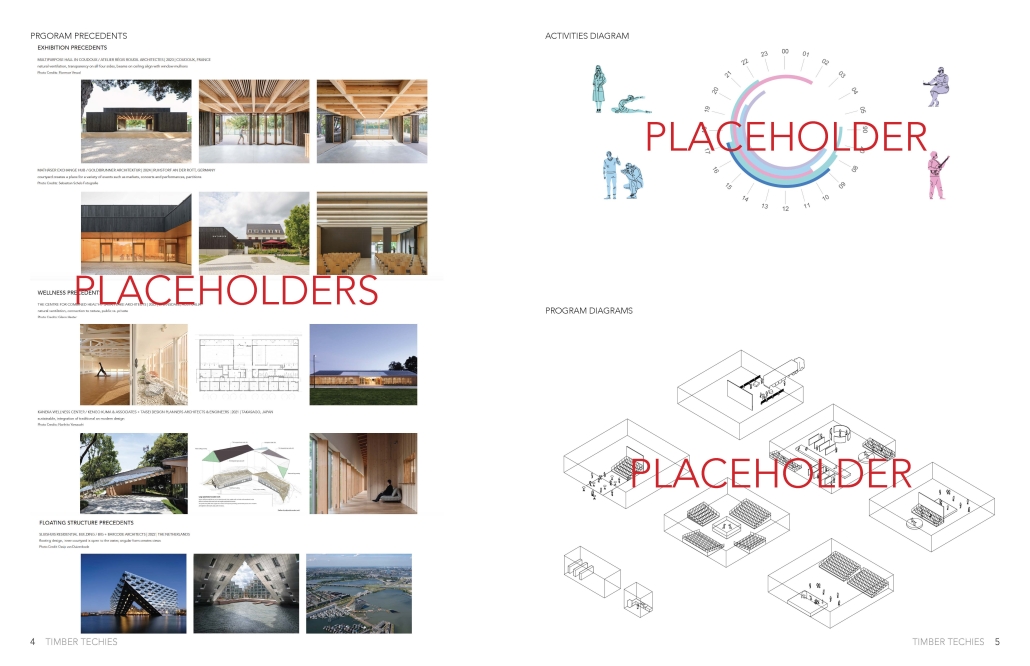
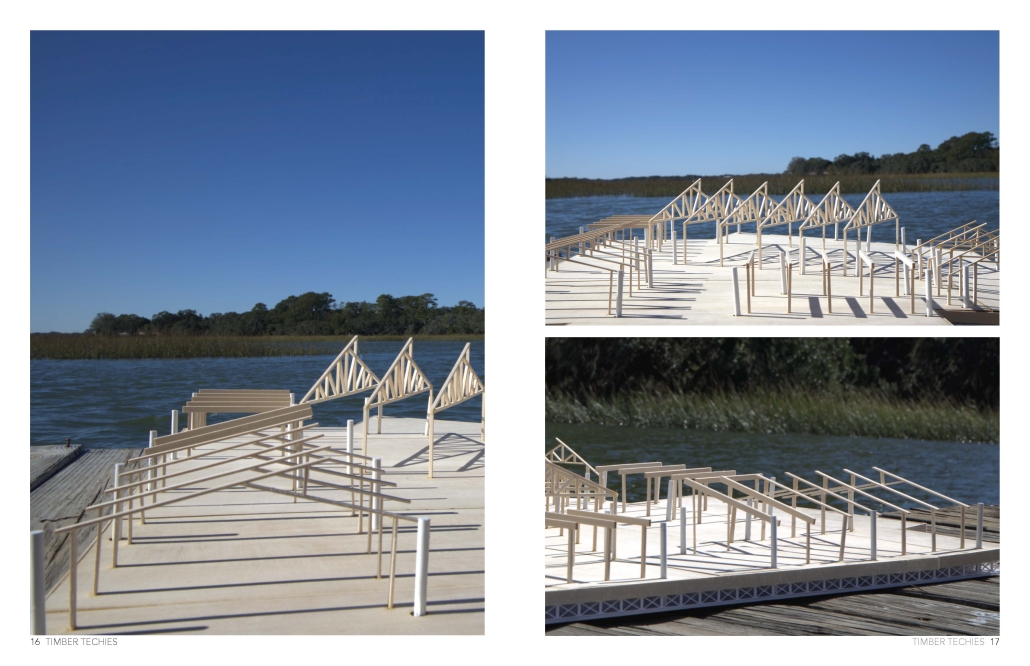
The Coastal Heritage Center seeks to revitalize the educational capacity of the Penn Center, specifically carpentry, historic preservation, and Gullah culture, through the blending of contemporary and vernacular techniques. It takes a step back from the main campus to invite students and visitors to the coast. Construction and carpentry at Penn Center, and the Southeastern U.S. in general, have always been very important. One of the main trades taught when the school opened was carpentry, and as a result, many of the existing structures on campus were built by the students – by the community. Mass timber would allow this ideology to permeate into today’s campus through modern carpentry and fabrication. Mass timber requires similar levels of consideration for joinery, siding, roof structure, and more that was utilized at Penn. It further provides a more sustainable and biophilic approach to design that contextualizes it in the historic, heavily wooded, and coastal site Penn lies in. The cost associated with mass timber would push the budget far above the $5 million budget. However, the social, structural, and environmental gains could offset this initial investment.

At the start of the semester, the Live Oak Studio had the opportunity to visit the Penn Center for a five-day-long field study experience. During that time, our cohort absorbed St. Helena’s flora and fauna as well as the captivating history of Gullah Geechee heritage. Instead of a traditional architectural review, our studio presented our semester’s work to the community of St. Helena and those involved at the Penn Center. Insights from the local residents were particularly generative for conversations about the future needs of the Penn Center, coastal resiliency on St. Helena Island, and the benefits of mass timber construction.

Click here to learn more.

This project won the GT Dagmar Epsten Prize.

Instagram:  @demkovitchdesign, @archDSW, @georgiatech.arch

The Watershed Collective by Jasmin Solaymantash, M.ArchD ’25
Oxford Brookes University | Advisors: Melissa Kinnear & Alex Towler

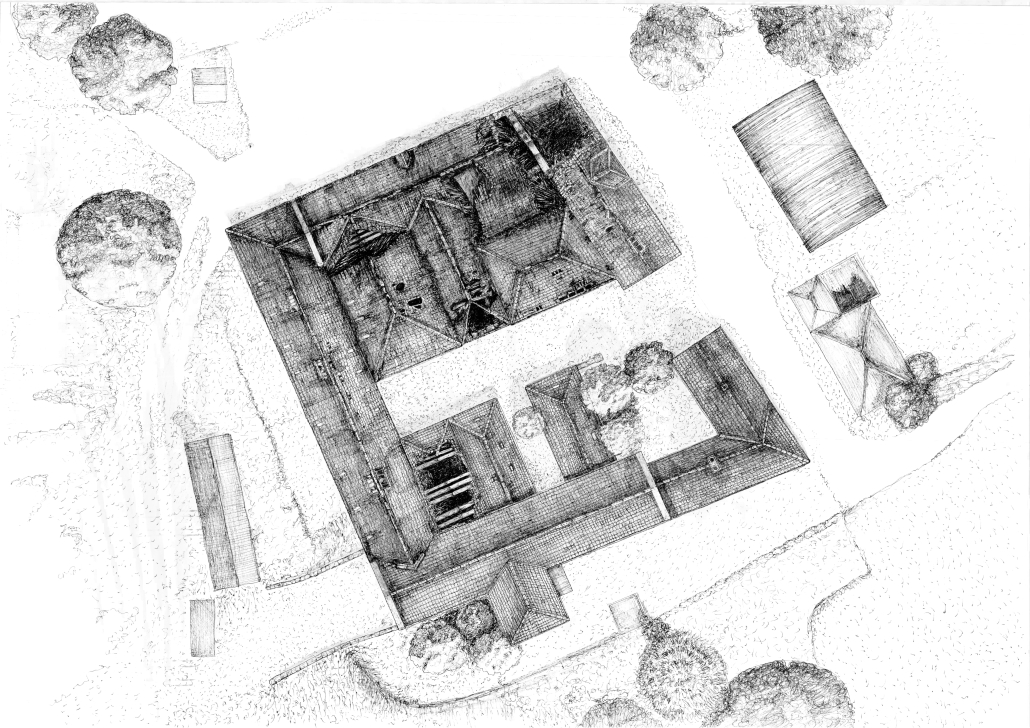
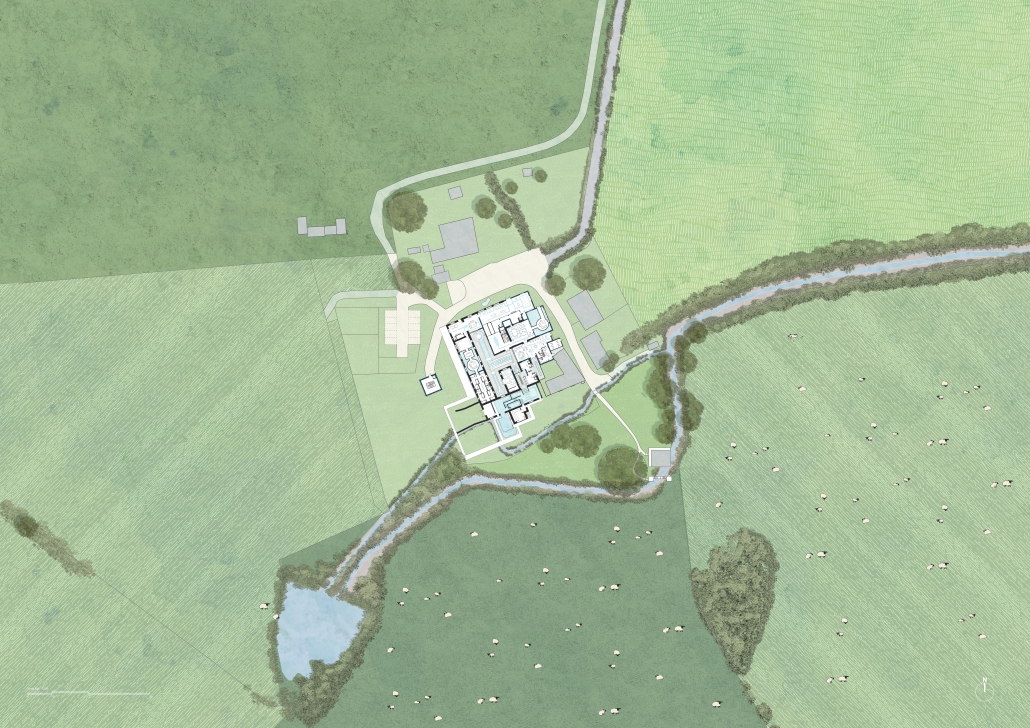
Set at the foot of the Lomond Hills in the historic settlement of Kilgour, Scotland, the Watershed Collective transforms an abandoned farmstead into a multidisciplinary centre for water stewardship. Situated at the headwaters of the River Eden, the site lies within a richly layered ecological and cultural landscape—marked by woodlands, flowing burns, and sweeping views—ideal for reflection, education, and environmental engagement.

The project reimagines Kilgour as a shared platform for learning, collaboration, and care. It offers a constellation of flexible spaces, including collaborative studios for practitioners and researchers, educational environments for schools and communities, and outdoor infrastructure such as interpretive trails and water-monitoring points that promote hands-on interaction with the watershed. A central feature of the programme is a suite of integrated spa and wellness facilities, designed to cultivate a deeper sensory and restorative connection with water and the surrounding landscape.

Architecturally, the design embraces regenerative principles—employing sustainable materials, vernacular forms, and water-sensitive strategies to create a reciprocal relationship with the watershed. Rather than simply benefiting from the site’s ecological richness, the architecture contributes back to it, embodying a model of mutual care between human and landscape systems.

Inclusive and multi-generational, the Watershed Collective serves local landowners, educators, conservationists, policymakers, and eco-tourists alike. Grounded in Falkland Estate’s ethos of stewardship, the centre invites users not only to observe the watershed but to dwell within it, as active participants in its cycles, responsibilities, and potential futures. It stands as both a functional hub and a conceptual anchor for ecological awareness and collective resilience.

This project won the Purcell Prize: Best M.ArchD Year 2 for its contextual response to the brief.

Instagram: @j.s_design_, @oxfordbrookes
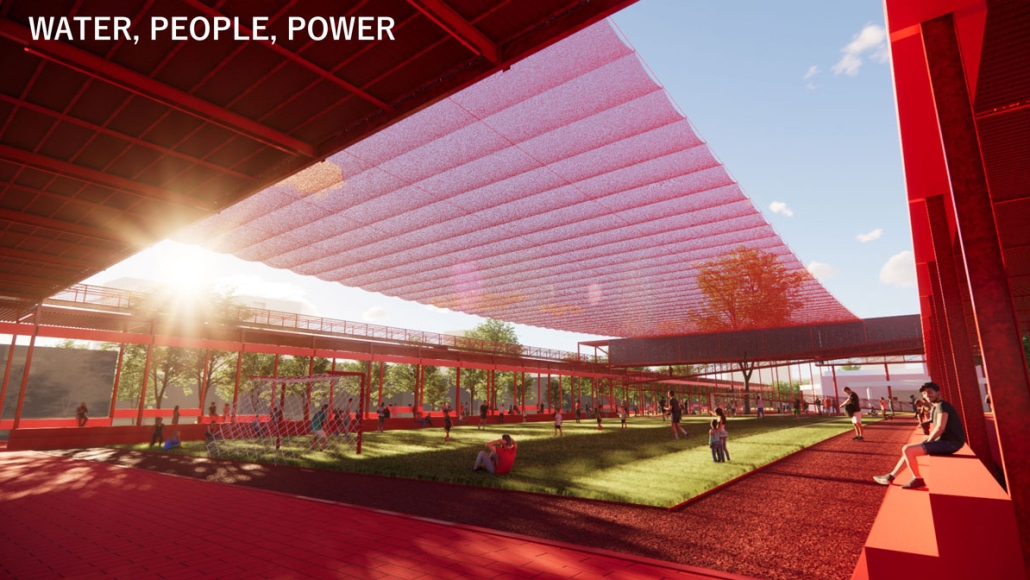
Water, People, Power: Architecture as Infrastructural Socio-Ecology by Daniel Choi, B.Arch ’25
Academy of Art University | Advisor: Diego Romero Evans

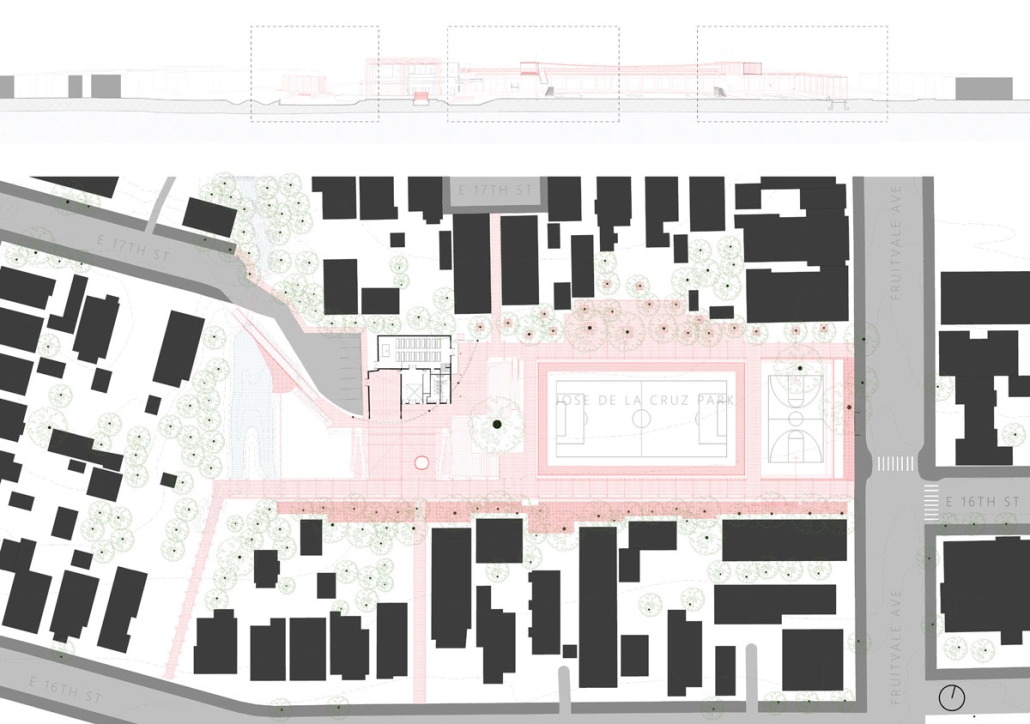
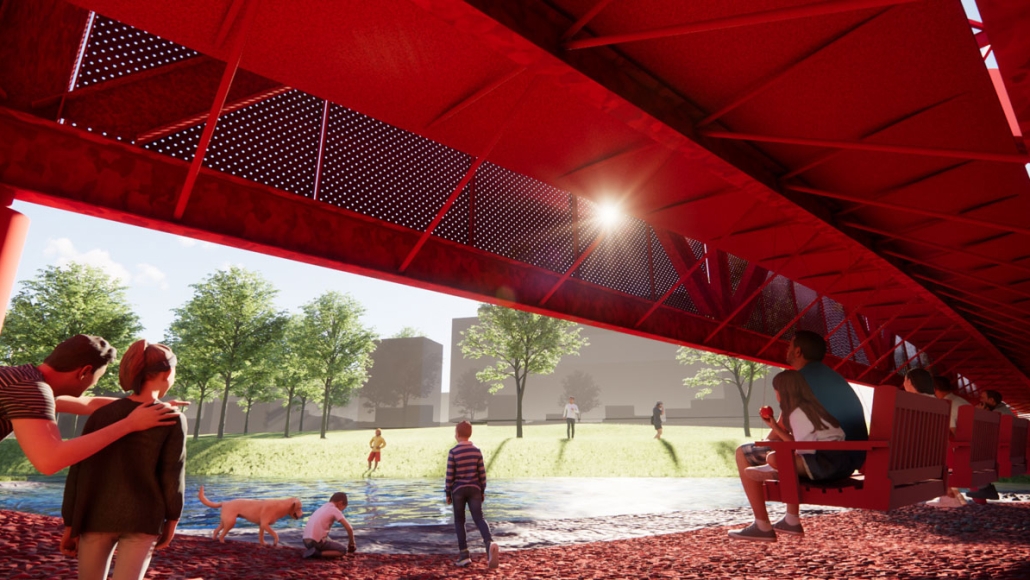
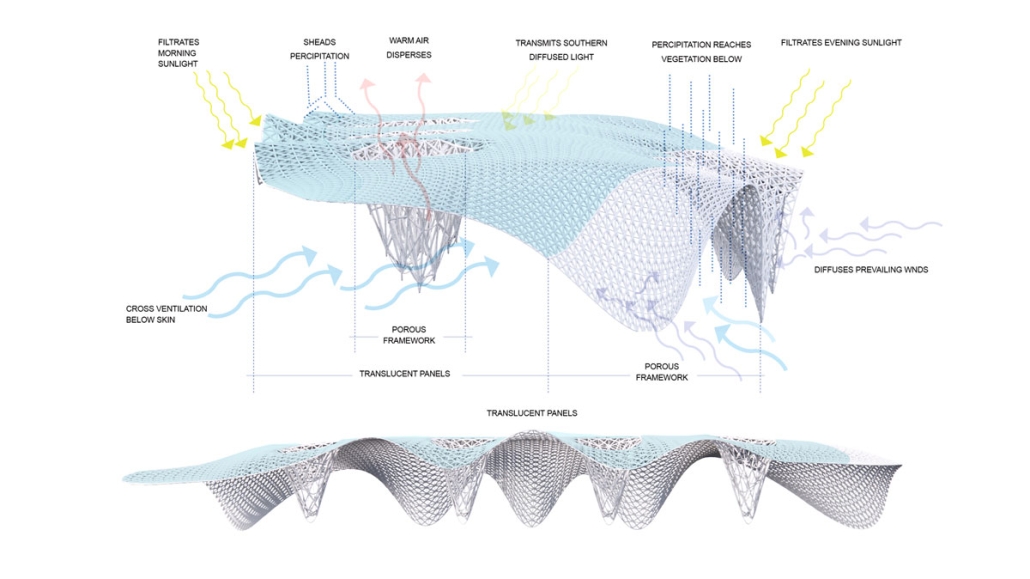
This thesis project envisions architecture as an open system, one that operates within the logics of: watershed ecologies, cultural memory, and collective resilience. Through the daylighting of buried creeks and the integration of flood mitigation, habitat regeneration, and rainwater reuse, the proposal transforms urban infrastructure into a socio-ecological commons.

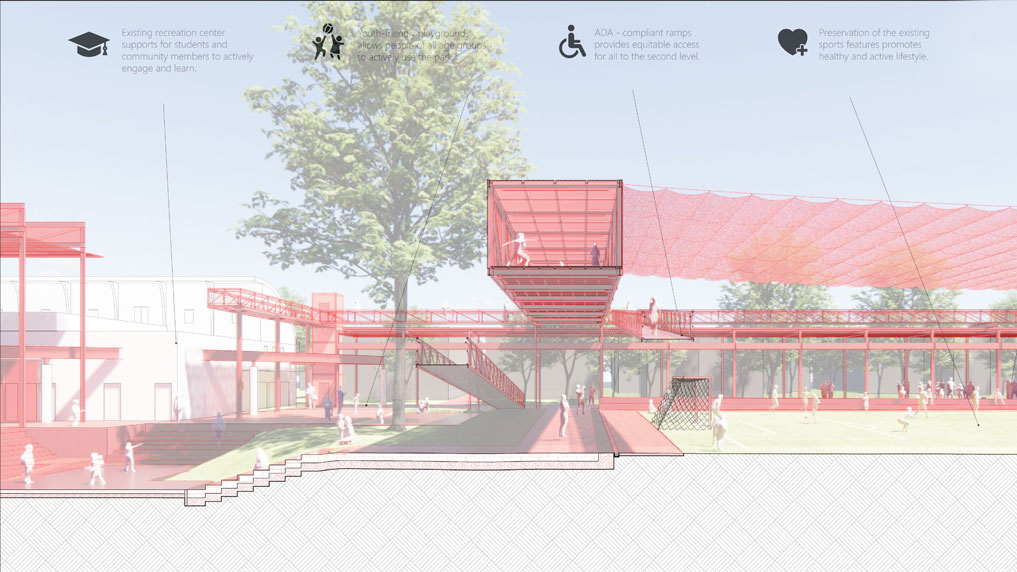
Anchored by the Carmen Flores Recreation Center, the design blurs disciplinary boundaries between building and landscape, infrastructure and ritual. By reclaiming flows of water, people, and meaning, it offers a speculative yet actionable framework for a resilient, place-based urbanism rooted in adaptation, dialectical reciprocity, and care.

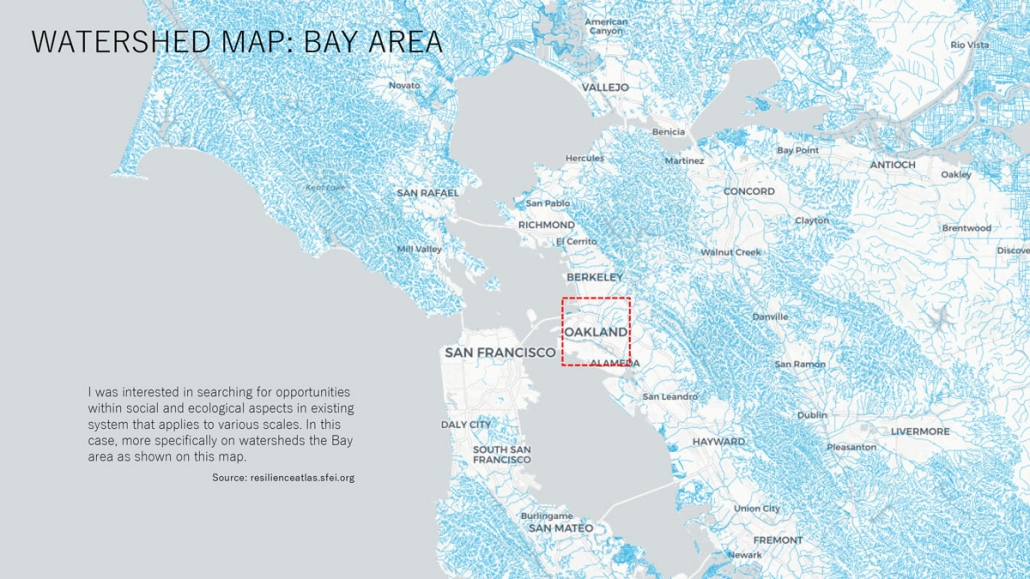
The Sausal Creek watershed begins in the Oakland Hills and emerges into the Oakland Estuary of the San Francisco Bay Area. In the Fruitvale neighborhood of Oakland, the Sausal Creek is buried in an underground culvert near the Carmen Flores Recreation Center in the Jose de la Cruz Park. The objective of this project is to daylight the creek and enhance its connection with the community. 

The Sausal Creek hosts a rich and diverse ecosystem that various plants, animals, and fungi inhabit. Many people use the creek, and a non-profit organization called Friends of Sausal Creek continues to steward the health and safety of the creek.

Click here to learn more.

This project won the B.Arch Thesis Award.  

Instagram: @diegoromeroevans
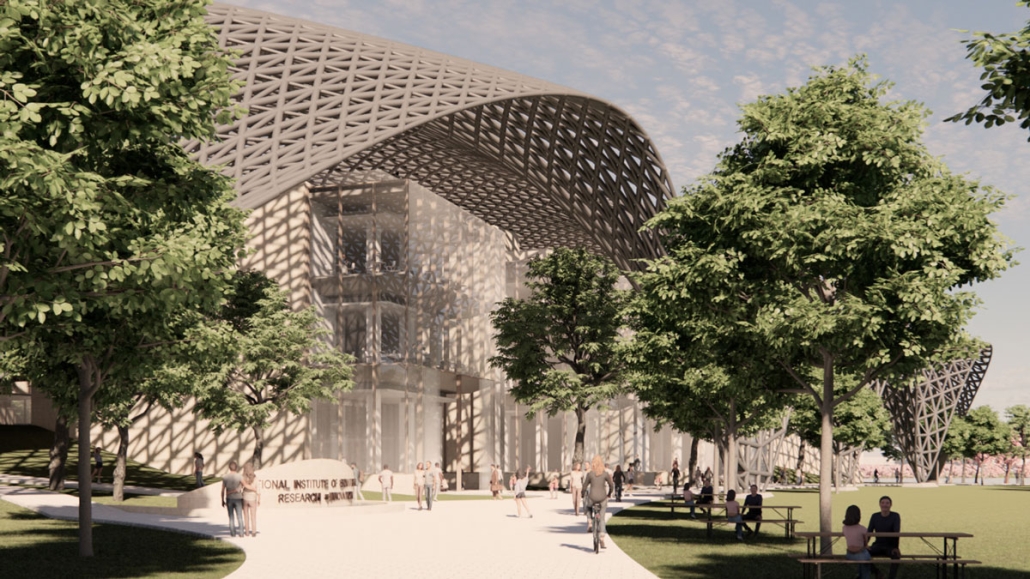
A Gradient of Environments: National Institute of Biomaterial Research and Innovation by Zachary Smith, B.Arch ’25
Academy of Art University | Advisor: Jason Austin

This project explores the concept of gradations of environments inspired by natural systems. It dissolves the boundary between the built and natural environment, reimagining the relationship between architecture and ecology. Rooted in the historical context of the National Mall, where clear delineations between landscape, monument, and building have long been upheld, this project challenges convention by proposing a hybrid structure. Dedicated primarily to advancing research in bio-based materials for the built environment, it responds to the urgency of the climate crisis, symbolizing a transformative vision for sustainable architecture and integrated design.

Click here to learn more. 

Instagram: @aus.mer 

PENN CENTER PLATFORM by Kaylan Pham, Niknaz Tikkavaldyyeva & Kailey Wiliams, BS in Architecture ’25
Georgia Tech | Advisor: Danielle Willkens

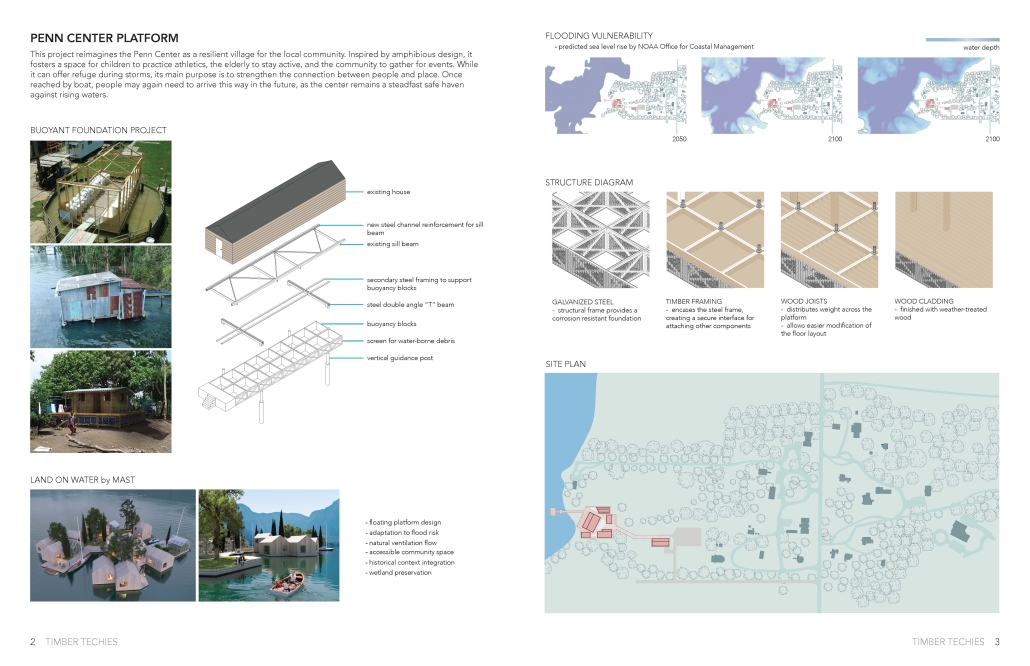
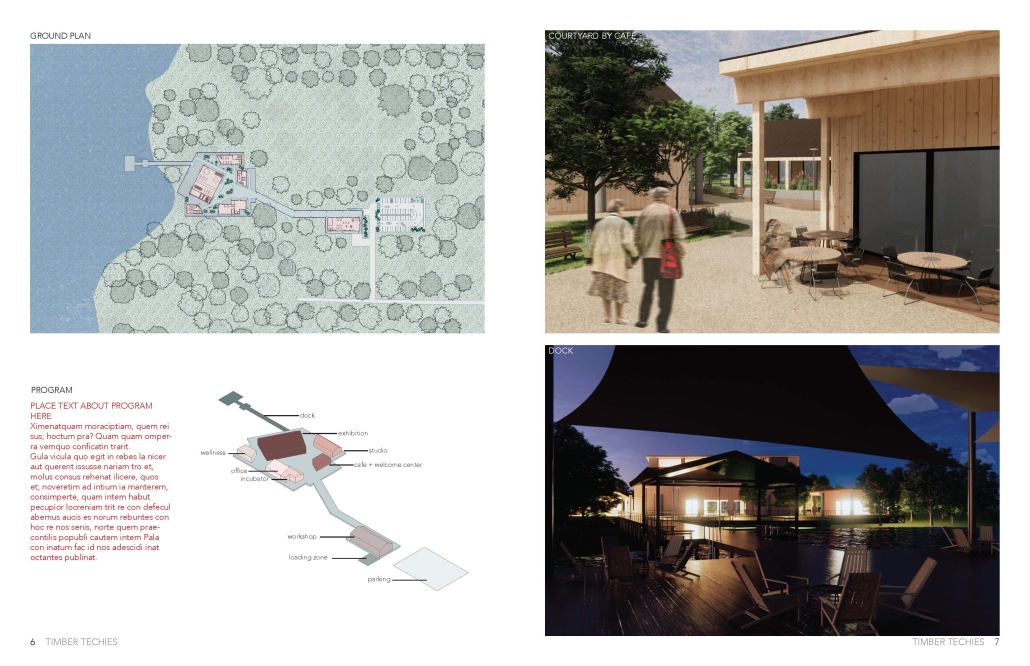
This project reimagines the Penn Center as a resilient village for the local community. Inspired by amphibious design, it fosters a space for children to practice athletics, the elderly to stay active, and the community to gather for events. While it can offer refuge during storms, its main purpose is to strengthen the connection between people and place. Once reached by boat, people may again need to arrive this way in the future, as the center remains a steadfast safe haven against rising waters. 

Click here to learn more. 

Instagram: @georgiatech.arch, @archDSW
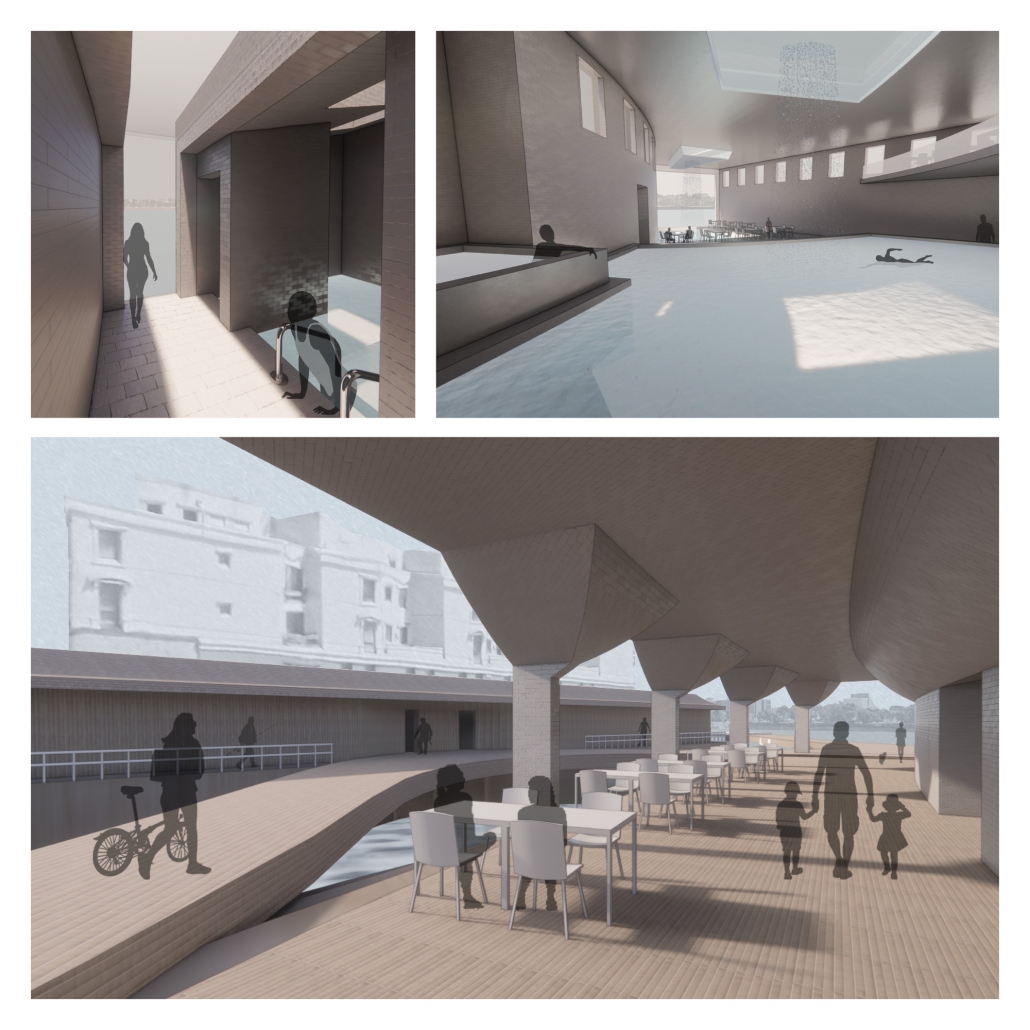
Developing New Methods of Designing the Water’s Edge by Elizabeth Stoganenko, B.Arch ’25
New Jersey Institute of Technology | Advisor: Thomas Ogorzalek

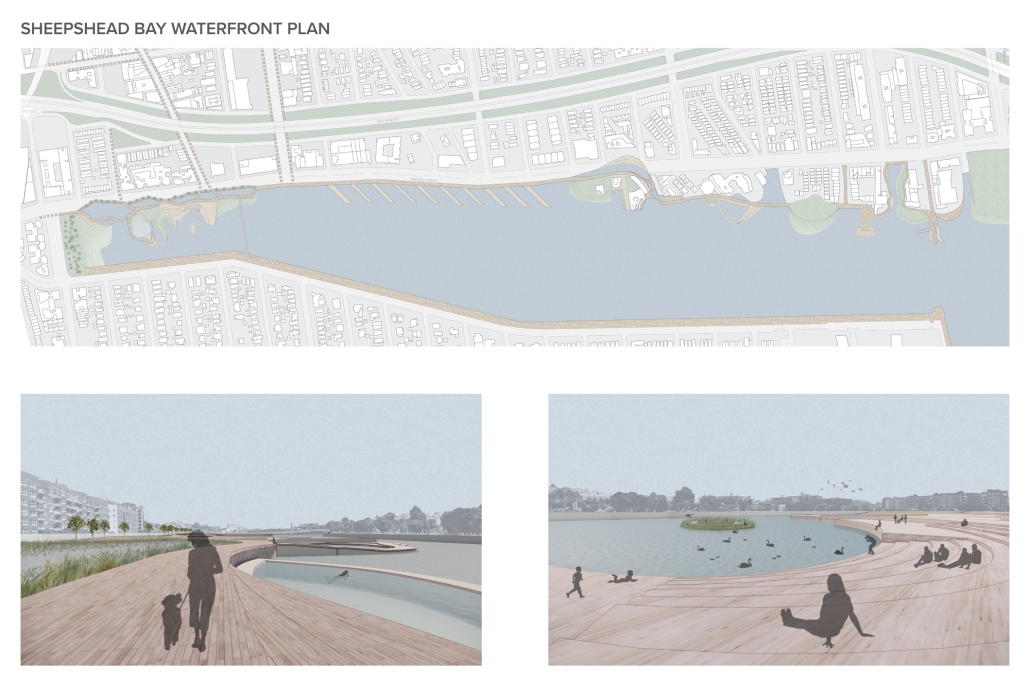
This thesis focuses on re-examining our relationship to waterfront conditions. In doing so, the work seeks to provide new methods of analyzing and designing at the water’s edge that will restore and revitalize our relationships with underutilized waterfronts while responding to climate change challenges.

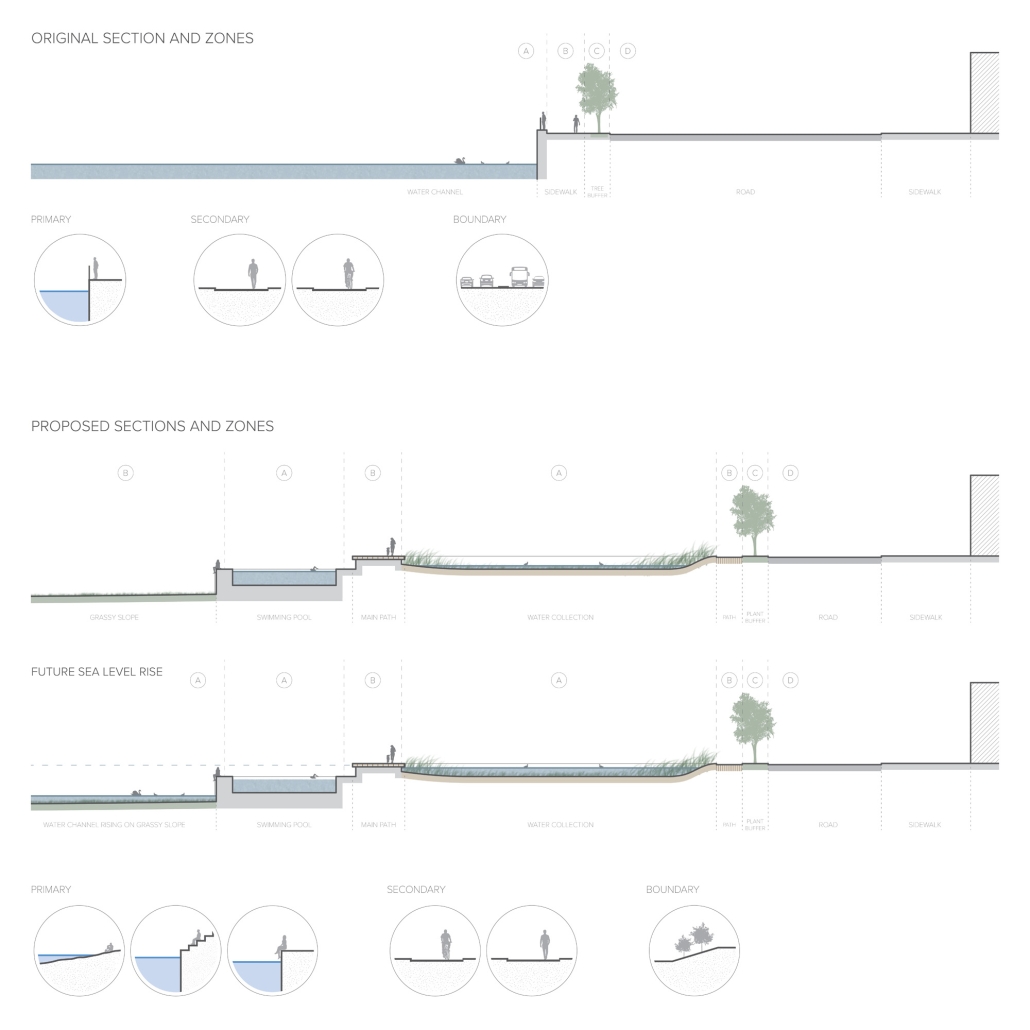
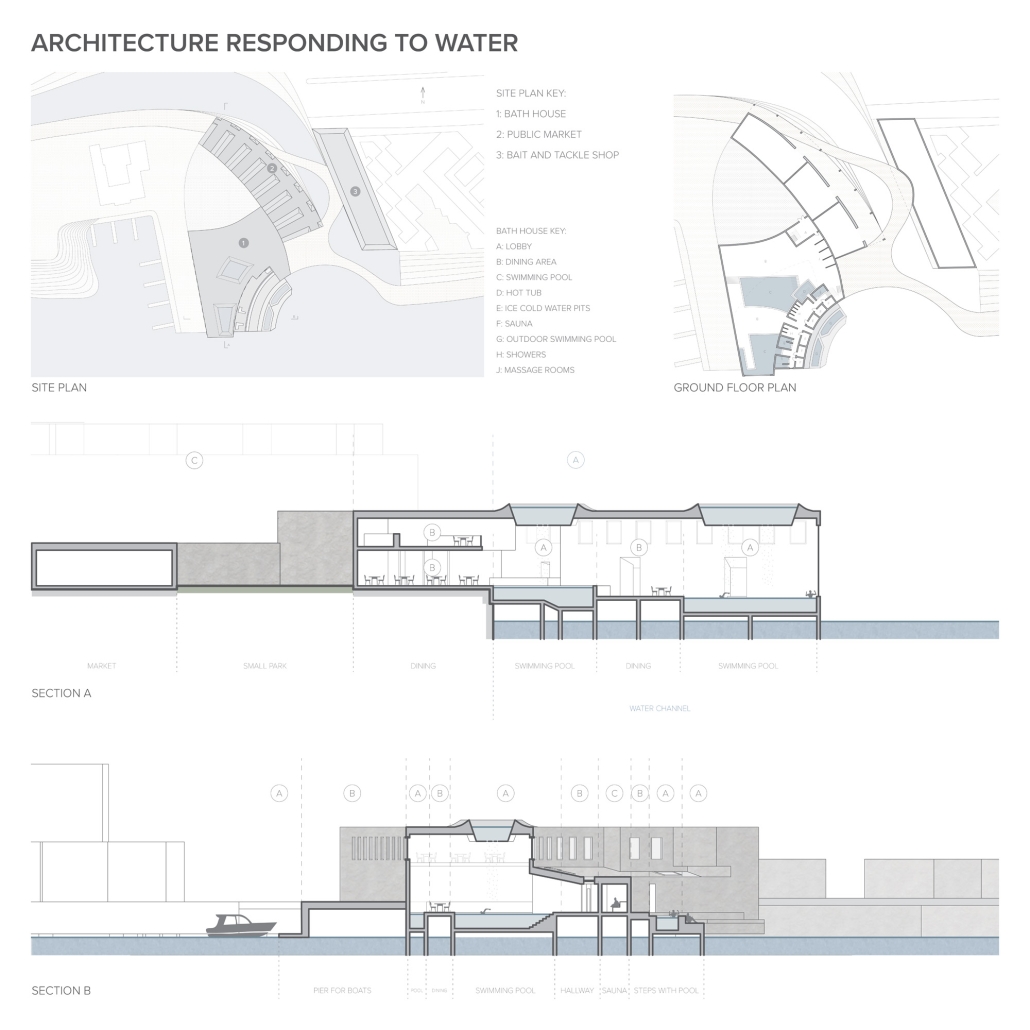
The project focuses on the Sheepshead Bay waterfront neighborhood in Brooklyn, New York. Once a thriving fishing village and tourist destination, it now struggles to provide activities that bring the public to the neighborhood and [the] water’s edge. It was hugely impacted by Hurricane Sandy in 2012 due to its lack of flood resilience design. Sheepshead Bay is representative of the challenges facing many other coastal communities and provides an opportunity to serve as a prototype of how we may go about rethinking the water’s edge. By utilizing research from my Independent Study, new waterfront conditions have emerged through the act of design that have created new relationships with the water for all stakeholders, humans, and the environment. This design rethinks the waterfront plan along Emmons Avenue and focuses on a particular area to see if architecture can interact with the water in new ways as well. The building is placed on both sides of a proposed canal, providing space for a market to appeal to the public, a bait and tackle shop for the local fishermen, and a bathhouse. Both markets point towards the canal and create areas for visitors to walk and sit along the water. The bathhouse stretches past the original waterfront edge and is built over the Sheepshead Bay channel. The water from the channel is pumped up and filtered to use in the bathhouse, creating an additional way for people to utilize the natural water source.

This project won the Thesis Prize.

Instagram: @stoganenko.architecture, @njit_hillier

Breaking Barriers: BRIDGING THE DIVIDE BETWEEN SUSTAINABILITY, AFFORDABILITY, AND INNOVATION IN HOUSING by Kamryn J. Brown, M.Arch ’25
Florida A&M University | Advisor: George Epolito, Mahsan Mohsenin & Ronald B. Lumpkin

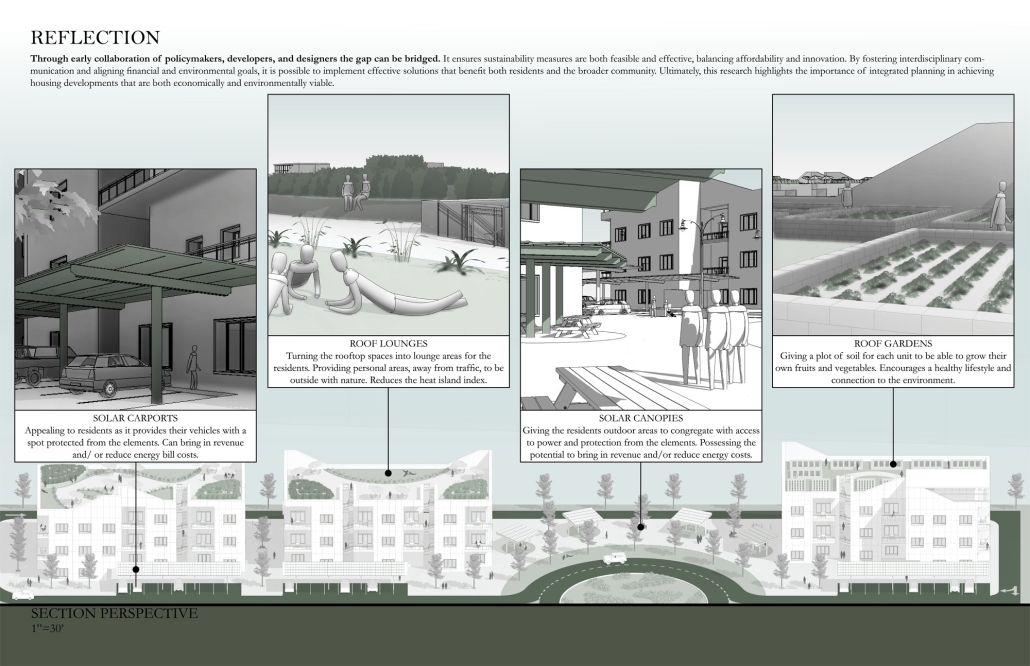
“Breaking Barriers: Bridging the Divide Between Sustainability, Affordability, and Innovation in Housing” explores a critical issue in contemporary architectural practice—the challenge of designing sustainable housing that is both affordable and innovative. Set in the context of Tallahassee, Florida, this thesis identifies a persistent disconnect among policymakers, developers, and designers, which often results in housing that sacrifices long-term environmental and social benefits for short-term cost savings.

This research proposes that sustainable and affordable housing are not mutually exclusive goals, but rather objectives that, when guided by collaboration and innovative thinking, can reinforce one another. While existing governmental policies support green building practices, a significant roadblock remains: the perception that sustainable materials and technologies are inherently too costly for affordable housing projects.

To address this, the study employs a research-based design methodology that integrates case study analysis, sustainable design principles, and financial feasibility assessments. The resulting proposal is not just a theoretical exploration but a practical design solution—an affordable housing prototype that emphasizes energy efficiency, community well-being, and architectural distinction. It demonstrates that strategic planning and creative design can produce developments that are environmentally responsible, economically viable, and culturally relevant.

This thesis contributes to a growing body of knowledge advocating for interdisciplinary cooperation in addressing housing crises. By presenting a replicable framework rooted in innovation and equity, it offers a blueprint for municipalities like Tallahassee—and beyond—to rethink how we build the homes of tomorrow.

Instagram: @famusaet, @famu_masterofarch

Rainier Beach Community Kitchen by Eleanor Lewis, M.Arch ’25
University of Washington | Advisor: Patreese Martin

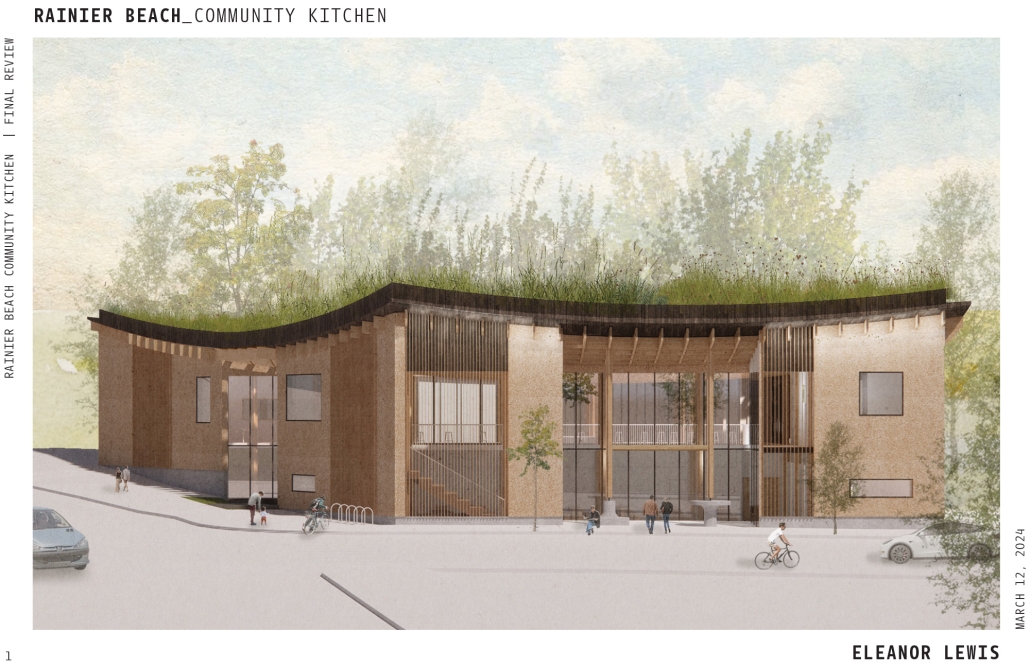
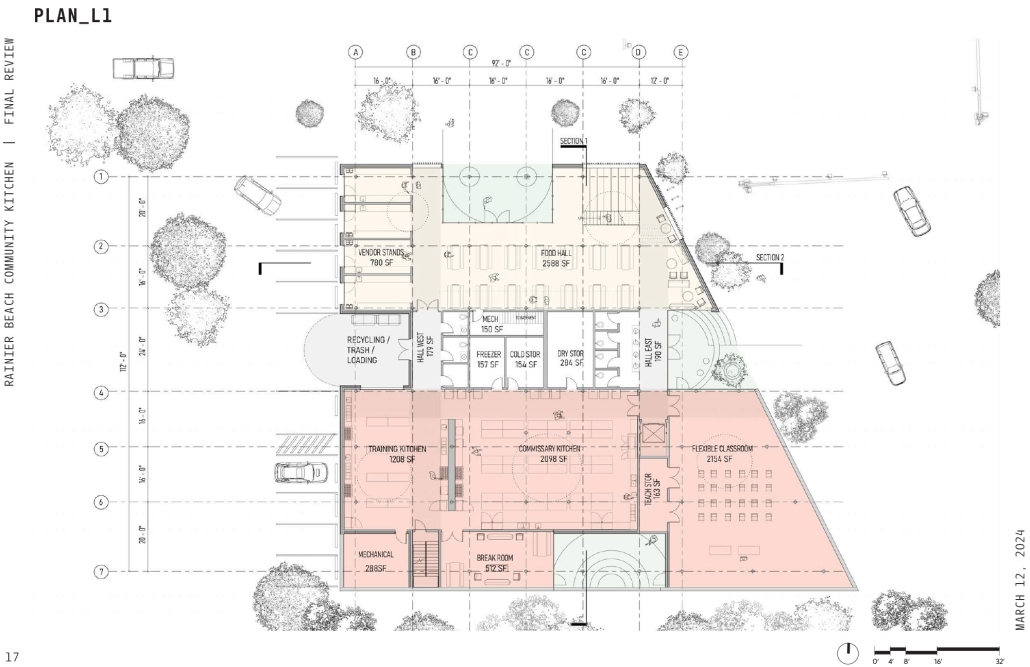
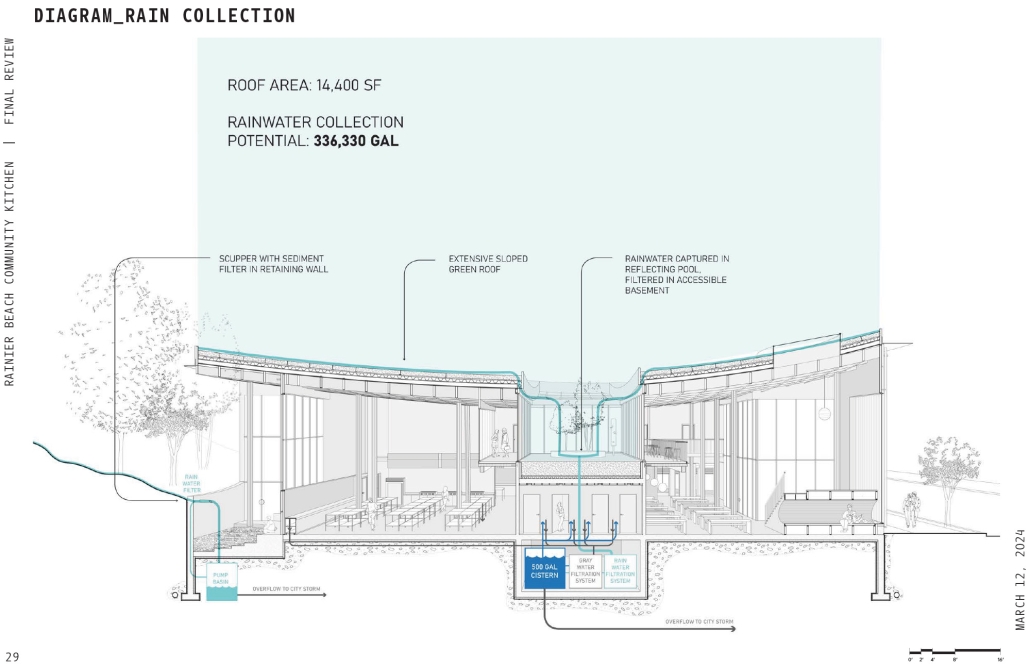
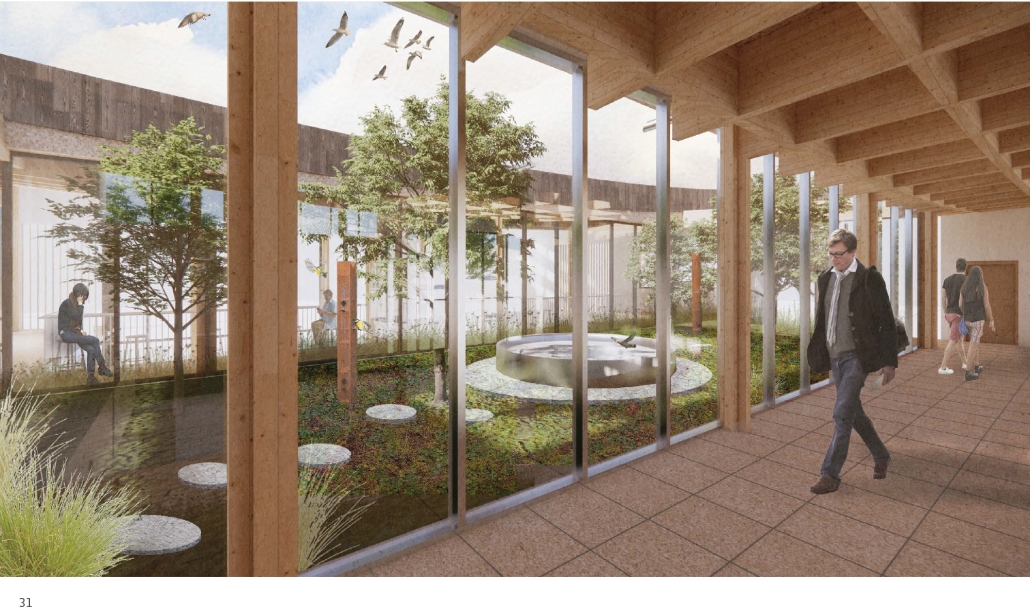
The required Architecture 504 design studio is focused on building systems integration with a particular focus on sustainability and community. The assigned program for 2024 was a commissary kitchen in Seattle’s Rainier Beach neighborhood, in close proximity to the regional light rail station. This proposal strives to provide workers and visitors a moment of respite from the urban environment. It employs a host of high-performance building strategies and a limited palette of natural materials to educate and soothe its inhabitants. In so doing, it employs the following strategies:

WATER

  • Return the site to before-development levels of rainwater catchment
  • Filter water through a rooftop garden
  • Capture excess rainwater in underground cisterns
  • Filter graywater and reuse for toilet flushing
  • Express water catchment where possible

ENERGY

  • Daylighting through translucent skylights and use of reflective materials
  • All-electric building
  • VRF heat sharing system
  • Thick cork insulation to reduce conditioning loads
  • Provide backing for future PV arrays
  • Relatively low window-to-wall ratios

RESOURCES

  • Use sustainable and durable cork siding, which also acts as continuous insulation
  • Minimal concrete in the foundation only
  • Light wood frame construction to minimize steel use
  • Natural, non-toxic materials
  • Use two-in-one materials where possible (cork, plywood)
  • Use stainless steel in moderation for durable, easy-to-clean surfaces

ECOSYSTEMS

  • Design a building that gives back more than it takes away
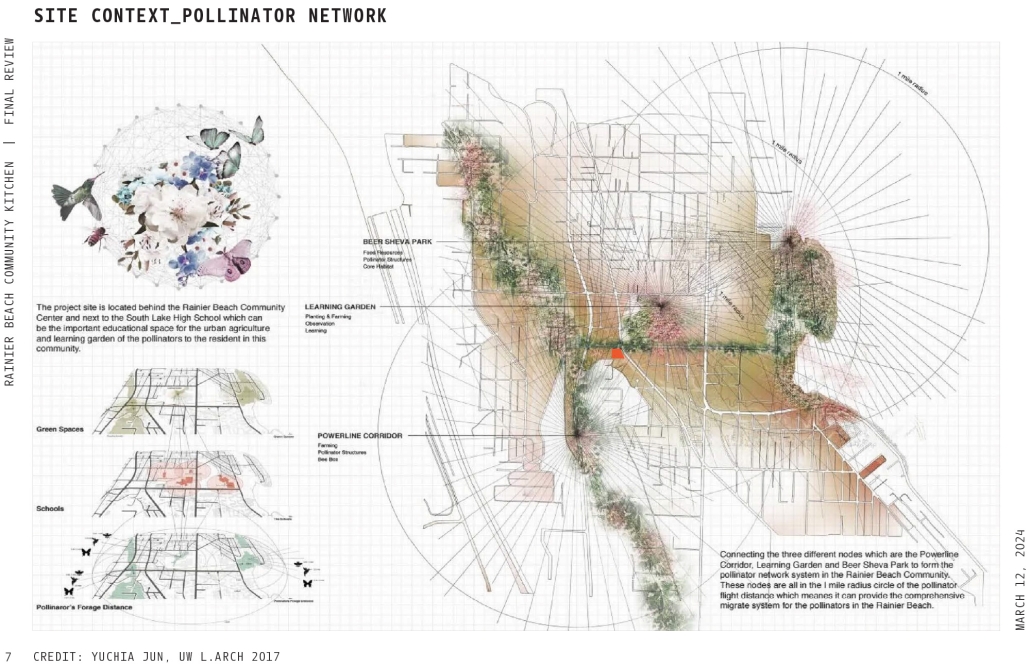
  • Provide habitat for animals, including pollinator garden, bird housing, and bee hives
  • Fritted windows to protect birds
  • Filter site water and reuse or return to the natural ecosystem
  • Consider material sourcing to foster the best manufacturing practices

This project received commends for the studio. 

Instagram:  @l.n.r, @nitramxyz

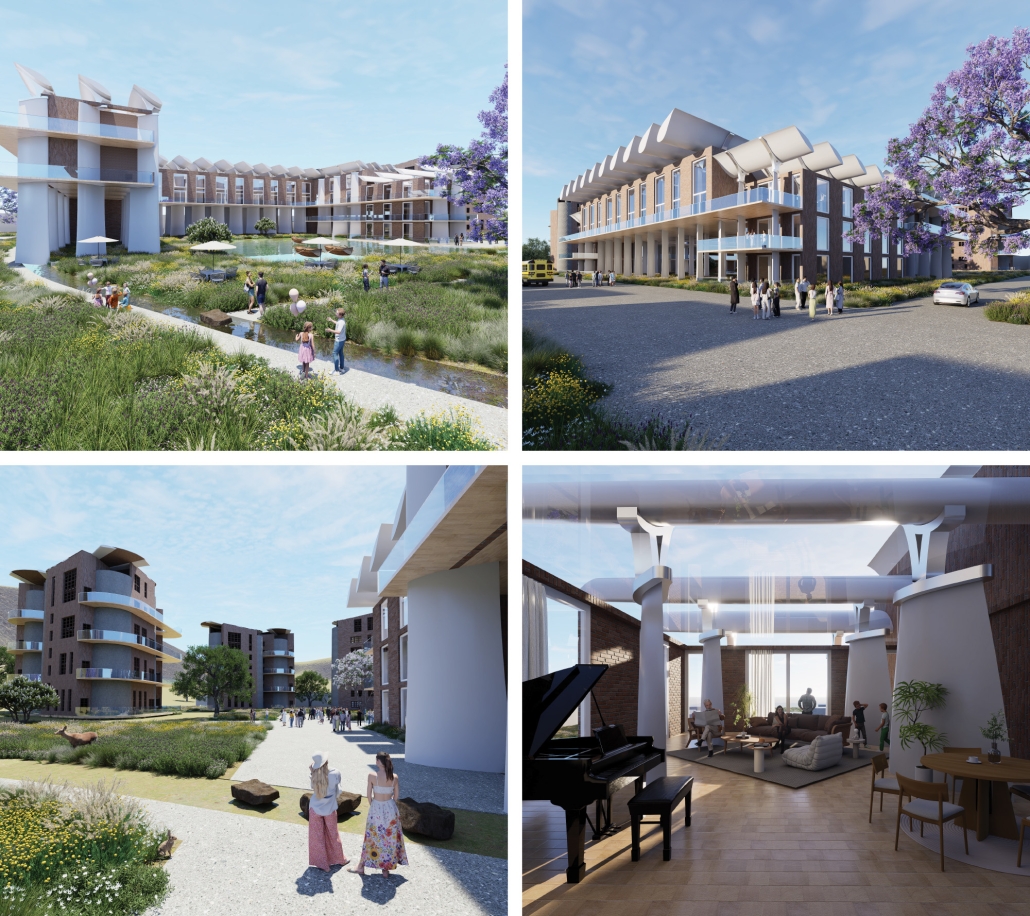
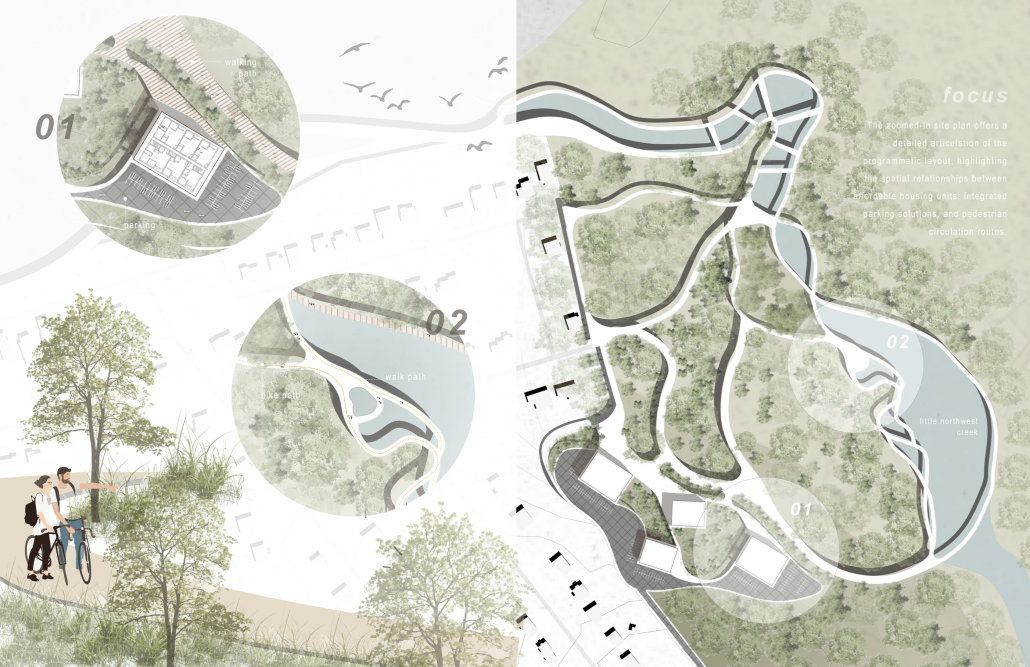
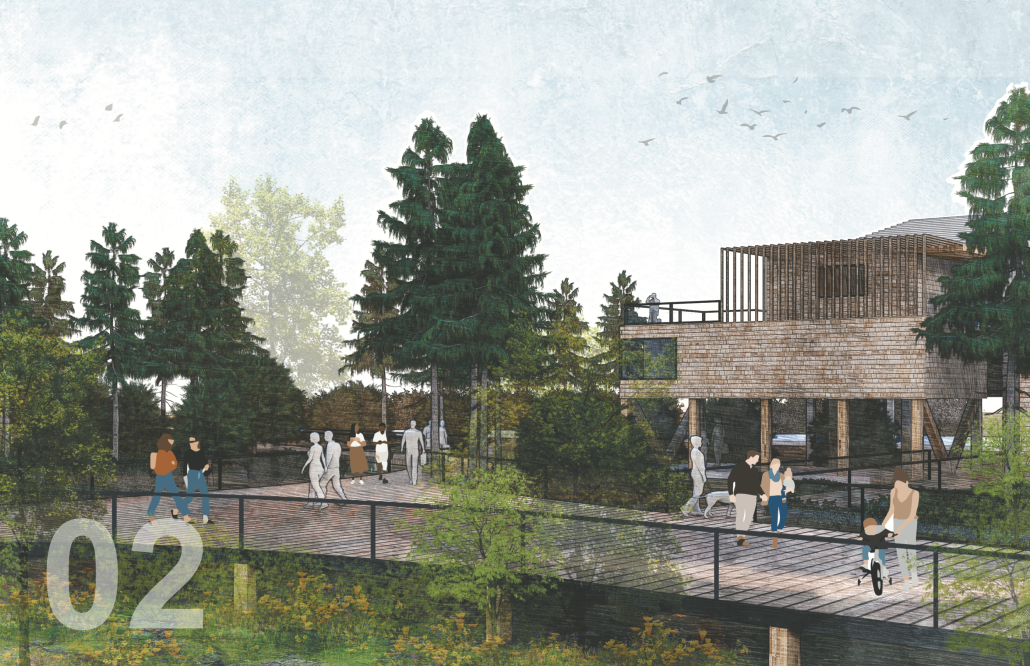
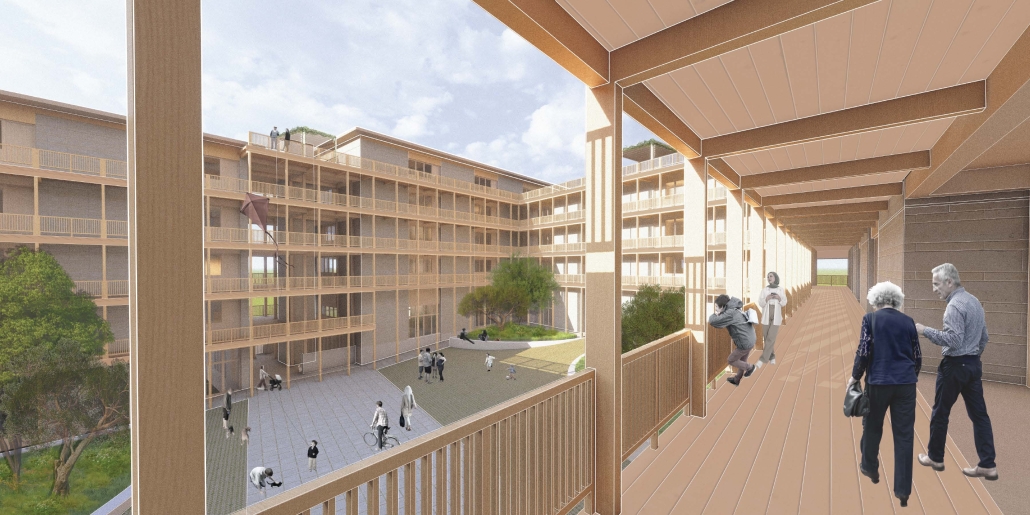
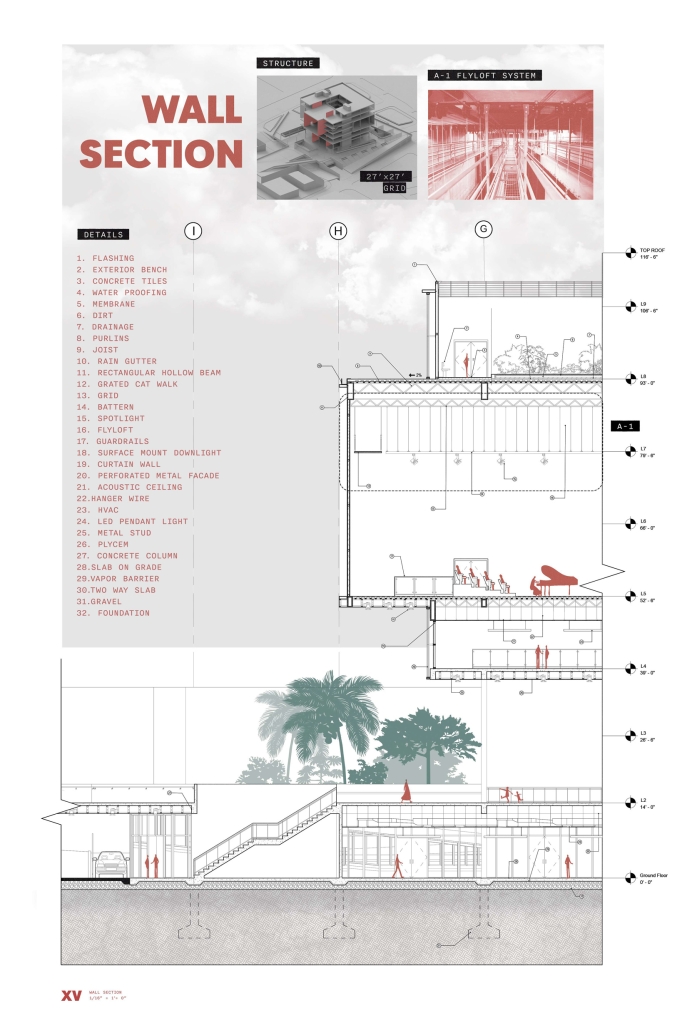
V-Lab Innovation Center by Allie Kotsopoulos, Emily Neufeld & Charles Stockton, B.Arch ’25
University of Detroit Mercy | Advisors: James Leach & Kristin Nelson

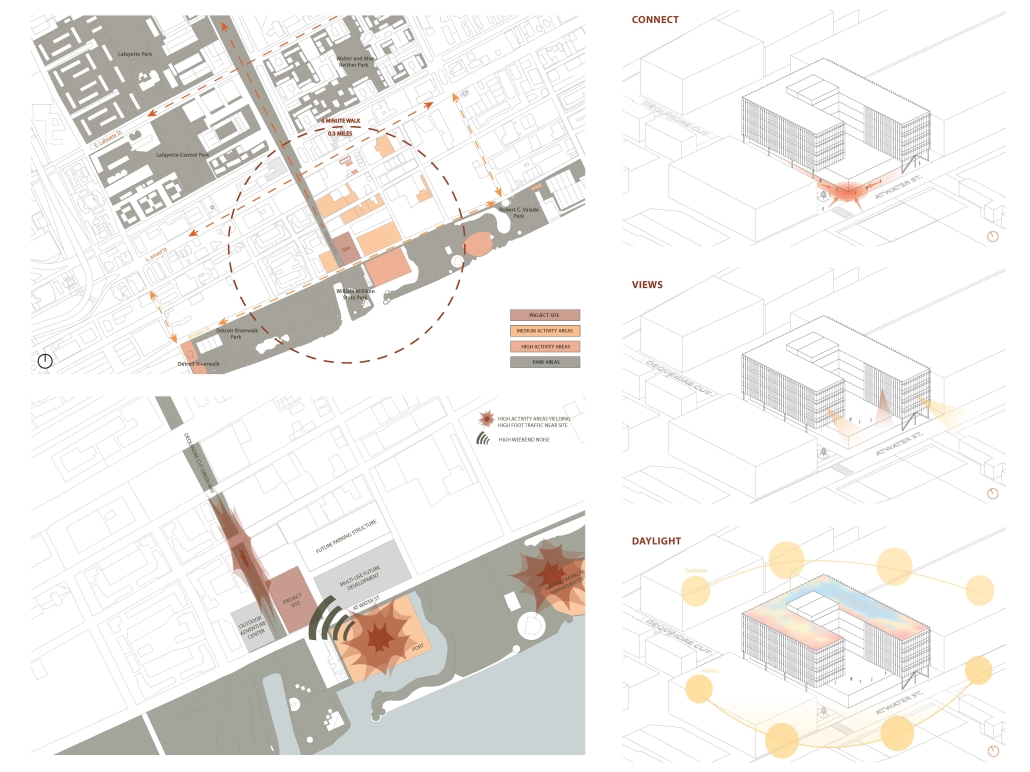
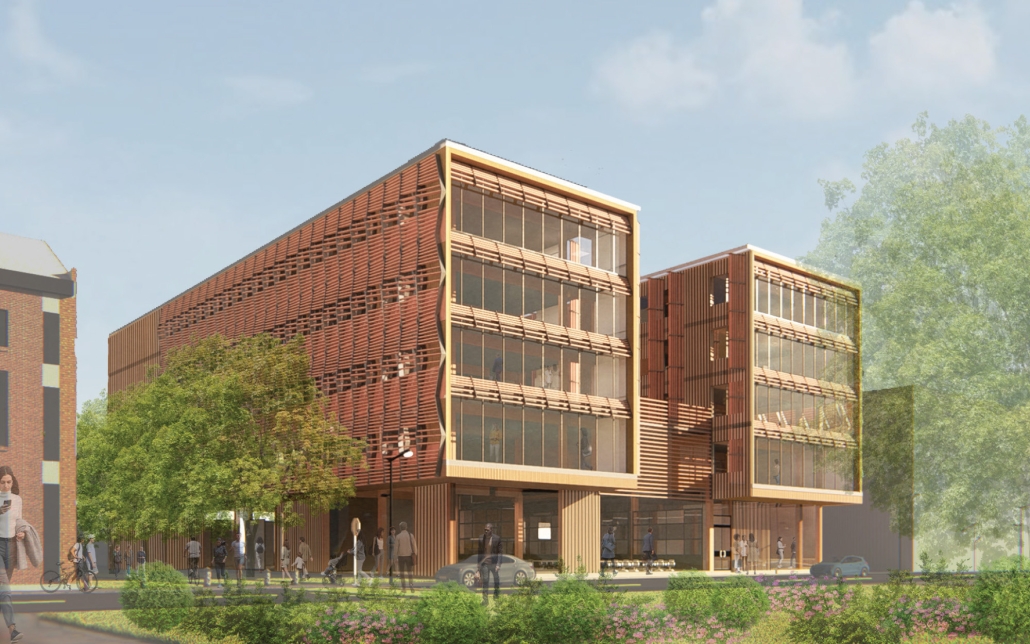
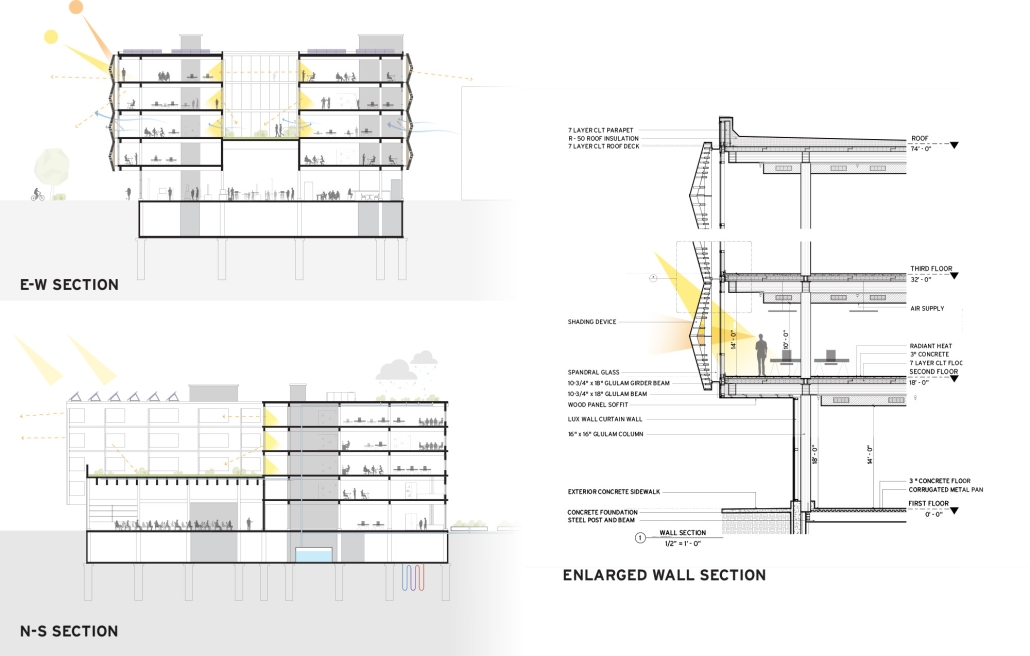
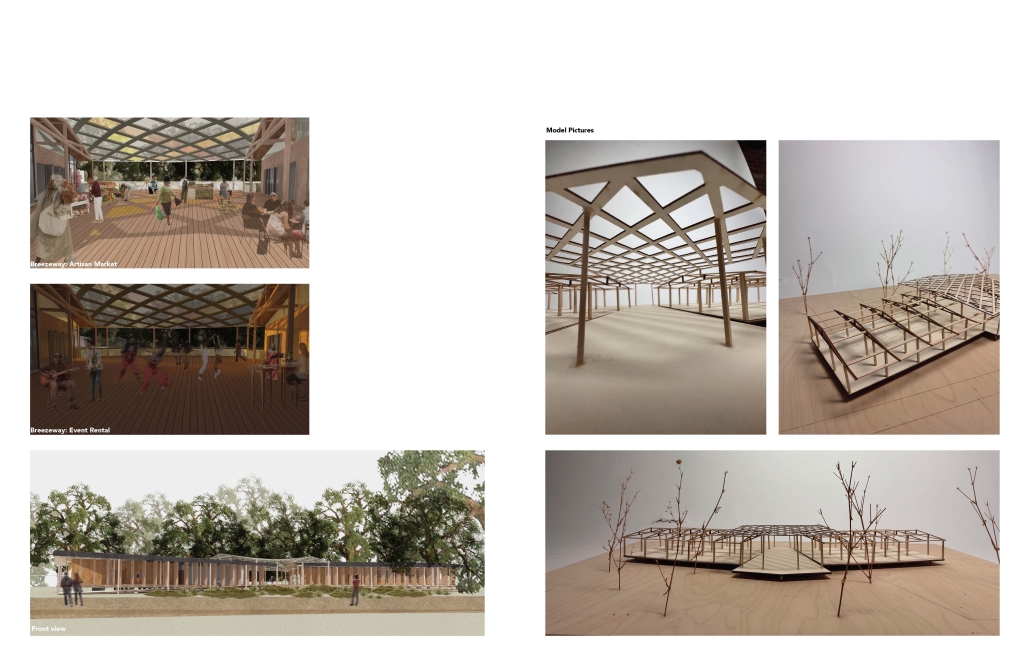
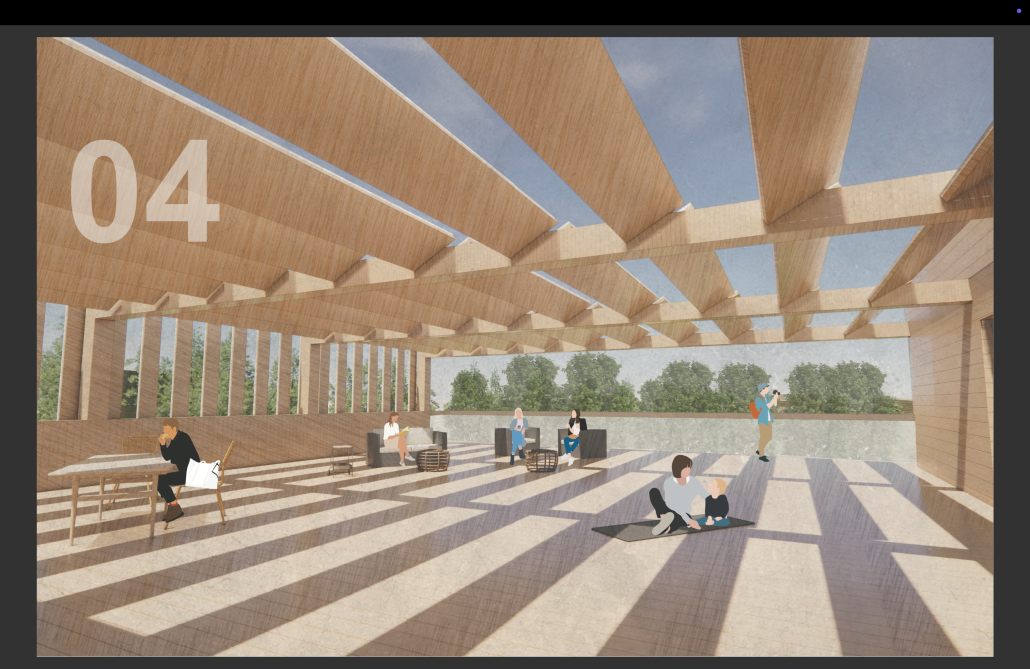
The project is focused on three goals: to optimize occupant experience, to minimize energy waste and to connect to the Dequindre Cut Greenway. Our early research on the Detroit East Riverfront and analysis of the existing site conditions, pedestrian pathways, and environmental conditions led us to the idea of improving the connection between people and urban and natural spaces. We also took a structured approach to sustainability, considering how materiality and technology could improve the environment of and positively impact the occupants of a building. Specifically, we worked on energy-use, shading/daylighting strategies, and understanding our design’s carbon footprint. 

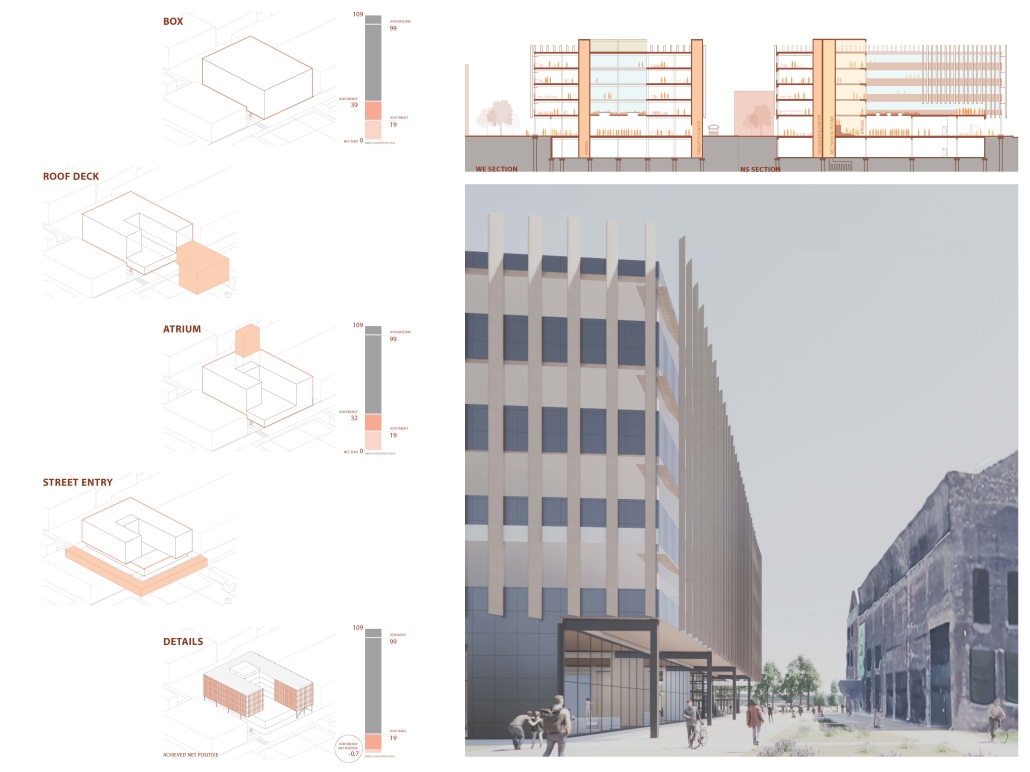
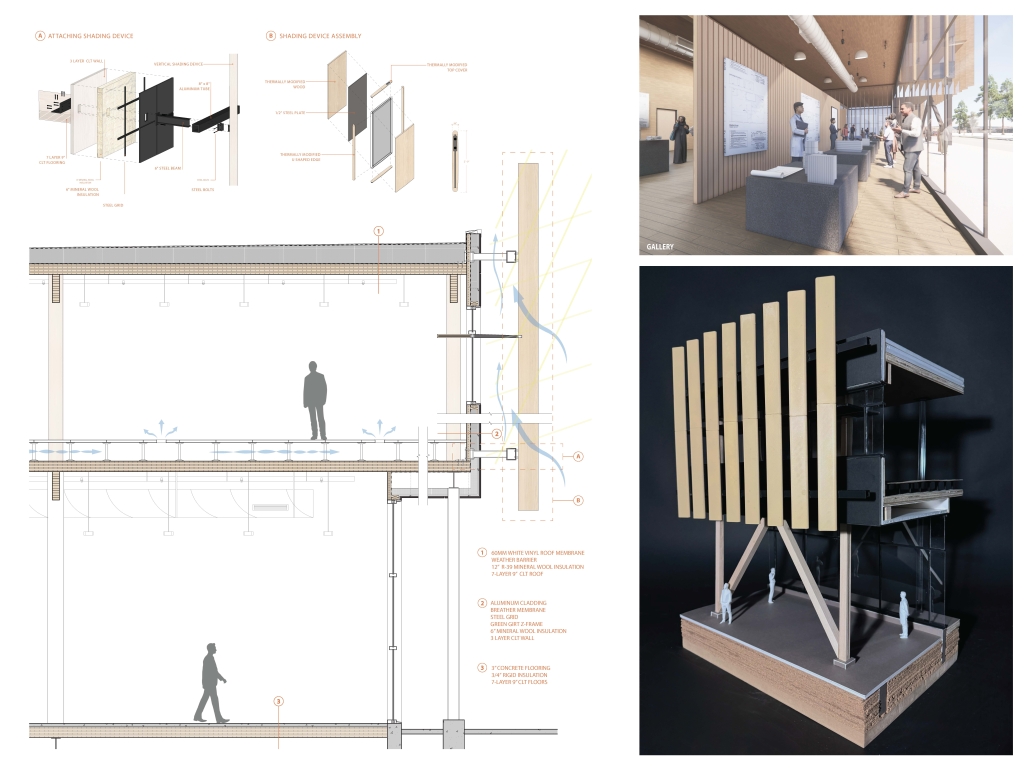
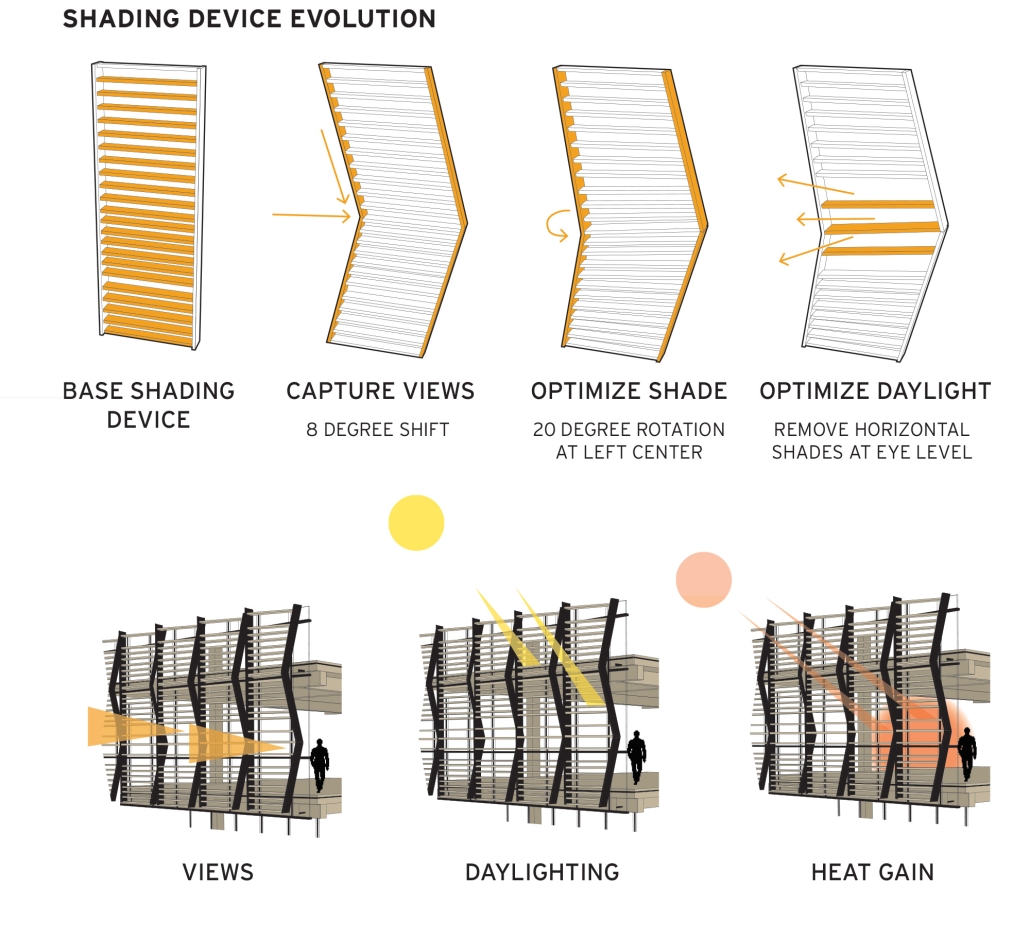
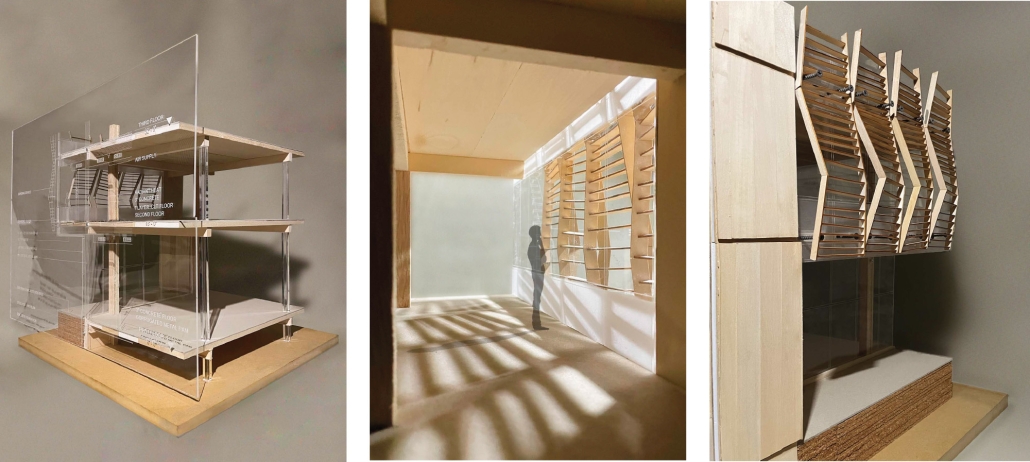
Our design is informed by Detroit’s current climate with its changing seasons and anticipates increasing volatility due to climate change. We conducted multiple rounds of experimental research using the Cove tool to model and refine our active and passive systems. To ensure our goal of a sustainable building, we optimized daylighting and shading, energy use of building systems, and rainwater management. We spent extensive time researching shading devices and geometries to admit a large amount of natural daylight with minimal glare while providing shading when necessary. Along with sustainability came designing for occupant needs. We conducted research on office buildings and design strategies to create a welcoming, comfortable space that encouraged people to connect with one another and their surroundings. Our approach was driven by collaboration and flexibility in the work environment. Our programming prioritizes team collaboration and occupant comfort. The final design concept creates a connection point, linking the Dequindre Cut and East Riverfront as well as passing pedestrians and building occupants.

Instagram: @alliekotsopoulos, @emilyyneufeld, @stocktondevelopment

Hosted! The ReFrame Residency by Jahnavi Jayashankar, M.ArchD ’25
Oxford Brookes University | Advisors: Melissa Kinnear & Alex Towler

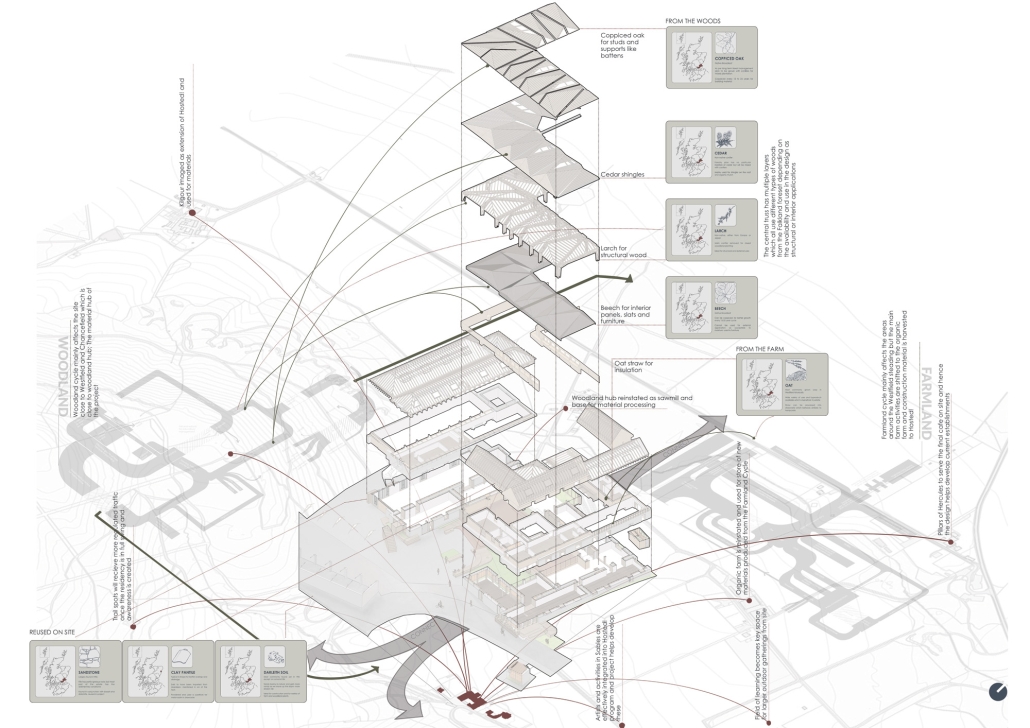
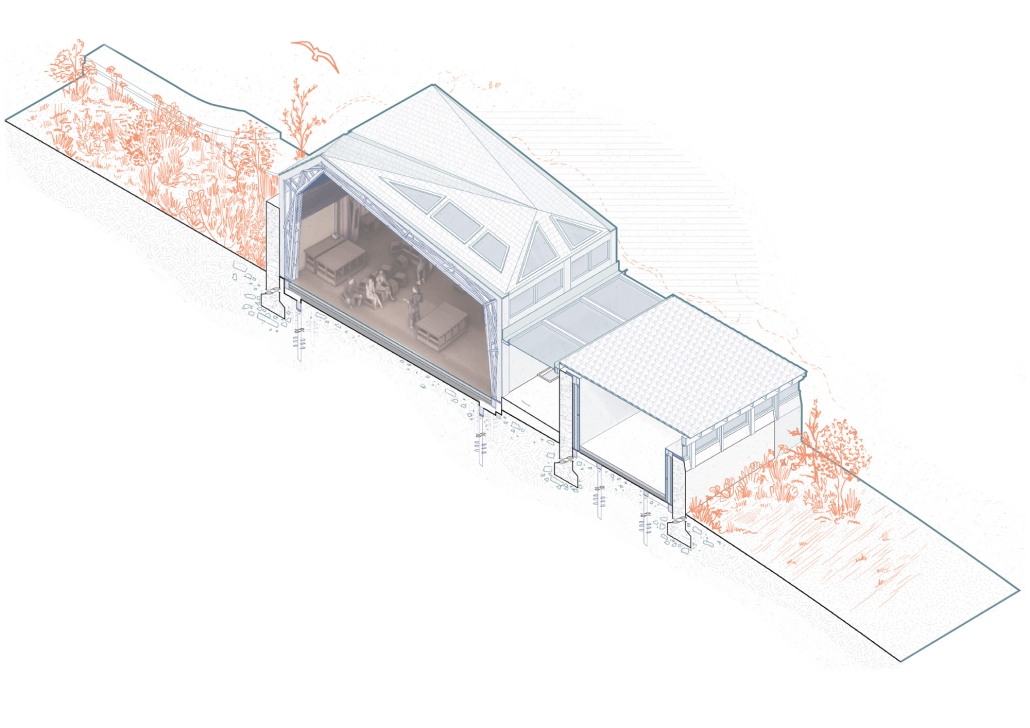
“Hosted!” is a regenerative retrofit project located in Falkland Estate, Fife, Scotland, which transforms a derelict farm steading into a vibrant, multifunctional residency. Rooted in regenerative design principles, the project positions architecture as a systems actualizer—an active agent working across ecological, cultural, and socio-economic systems to unlock the full potential of place.

Rather than responding solely to the client’s immediate needs, Hosted! emerges from a deep understanding of the land, its histories, and the relationships that shape it. The proposal integrates three core components: residential spaces, a gallery, and a series of workshops. These are not merely functional zones but mechanisms for participation, exchange, and knowledge generation. The residency invites multidisciplinary professionals to engage with the site over a term, after which their work is exhibited. The community then collectively selects one project to be developed further in a live workshop the following term. This cyclical process fosters collaborative learning and continuity.

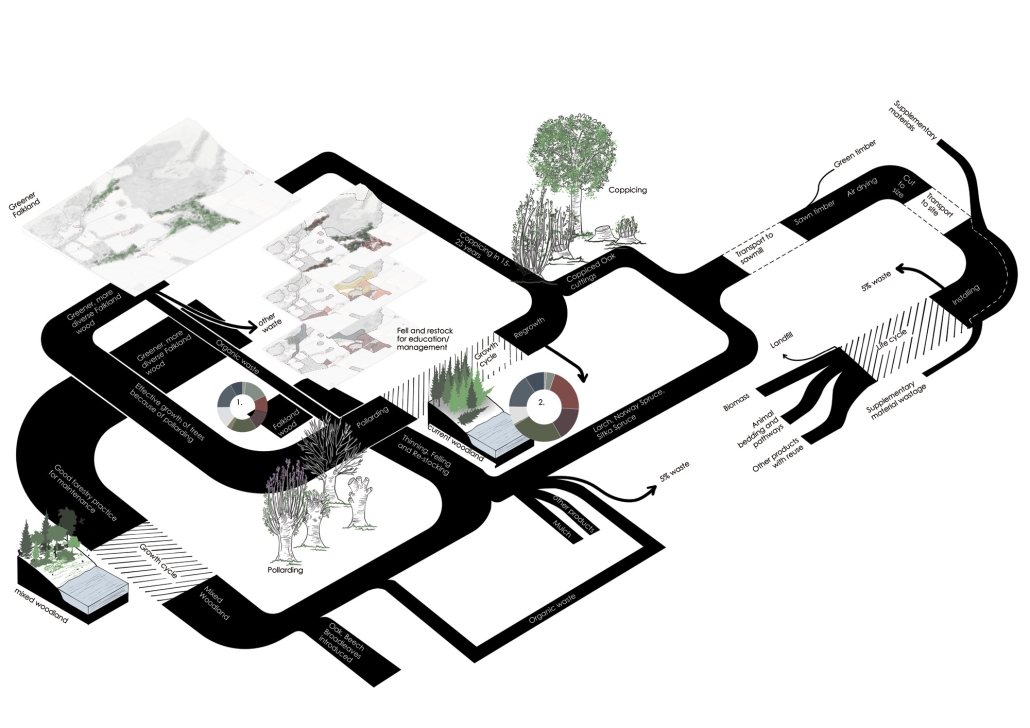
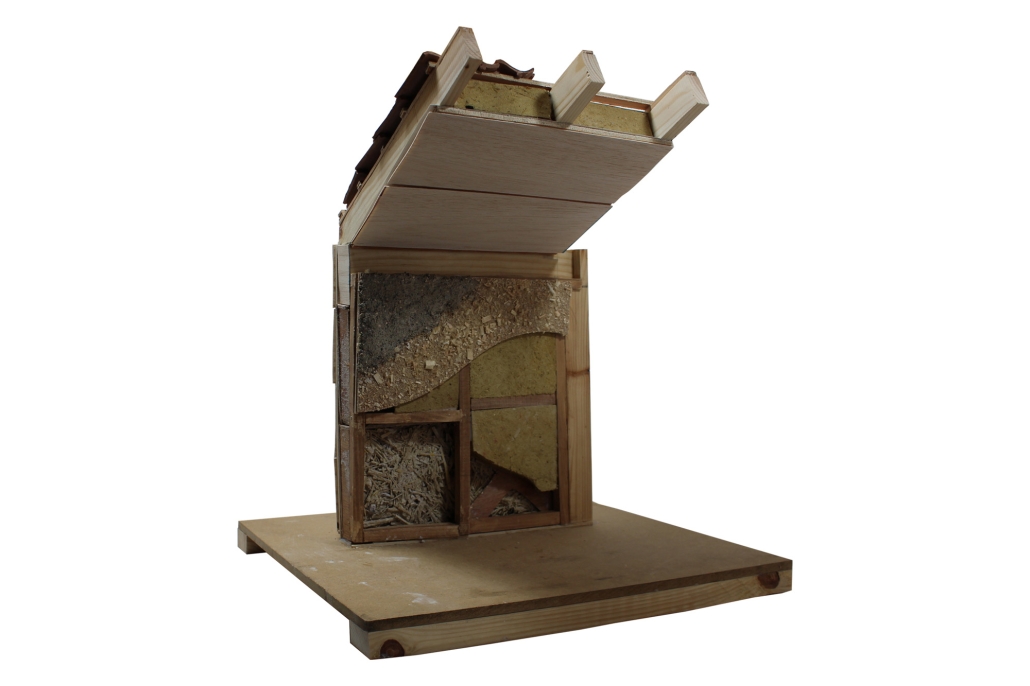
The inaugural residency, ReFrame, explores regenerative material construction using locally sourced materials such as timber from the estate and straw from nearby fields. This phase functions as both material inquiry and community engagement, inviting local residents to co-create the space. By blurring the line between users and makers, Hosted! nurtures a sense of ownership and shared stewardship.

At its core, the project challenges traditional separations between design, construction, and occupation. It views architecture as a dynamic process—growing through iterative feedback, stakeholder reciprocity, and contextual responsiveness. Guided by regenerative frameworks, Hosted! values multi-capital exchanges and organizes resources holistically to catalyze systemic transformation.

Importantly, the project resists reductive sustainability metrics. It seeks not just net-neutrality but net-positive outcomes—restoring ecosystems, strengthening communities, and reactivating place-based identities. By mapping contextual systems, leveraging underused assets, and enabling circular practices, Hosted! demonstrates how design can act as a catalyst for healing and renewal.

In essence, Hosted! is more than a building retrofit—it is a regenerative strategy rooted in place. It reimagines architecture as a facilitator of co-evolution between people and environment, offering a model for how the built environment can transition from sustainability toward true regeneration.

Click here to learn more. 

This project won the MAKE Architects Award for Excellence in a M.ArchD Course. 

Instagram: @impulsive._.art, @melissa.kinnear.9, @ds3_obu

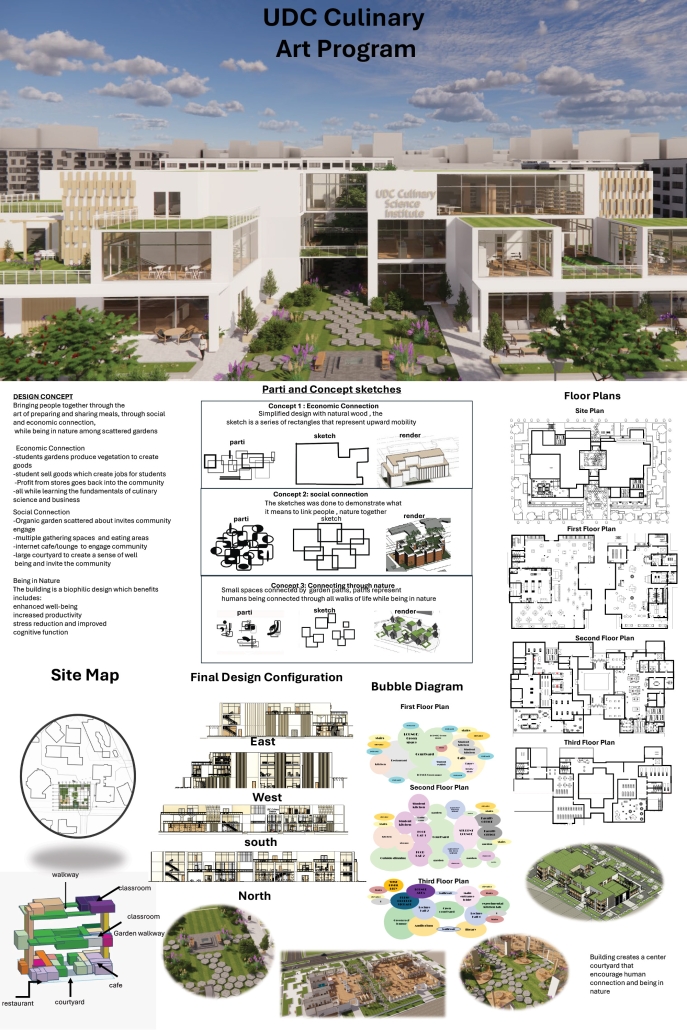
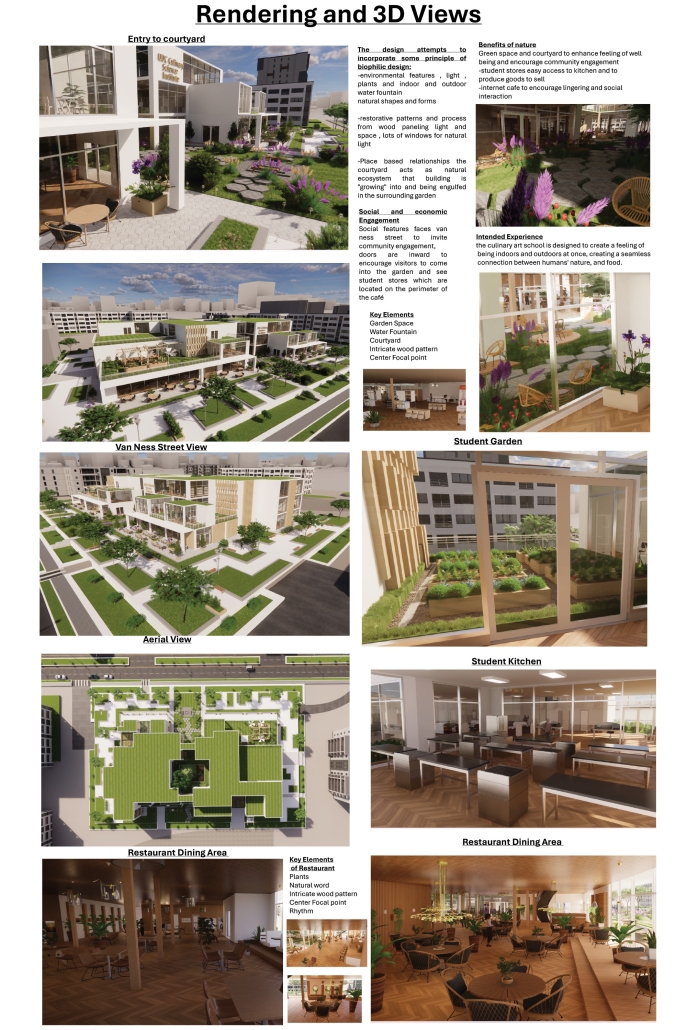
UDC Culinary Science Building by Teneisha Brown, B.S. in Architecture ’25
University of the District of Columbia | Advisor: Dr. Golnar Ahmadi

As part of UDC’s strategic plan to revitalize its city campus and expand career-focused programming, the university has launched an innovative new Culinary Science program. Students were challenged to design a sustainable building on the Campus.

Instagram: @Golnarahmadi

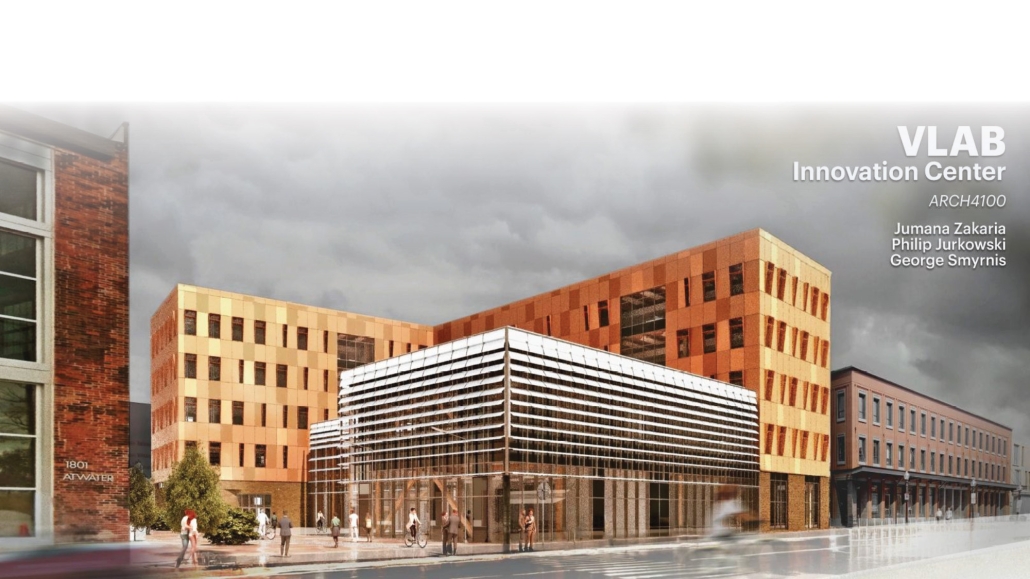
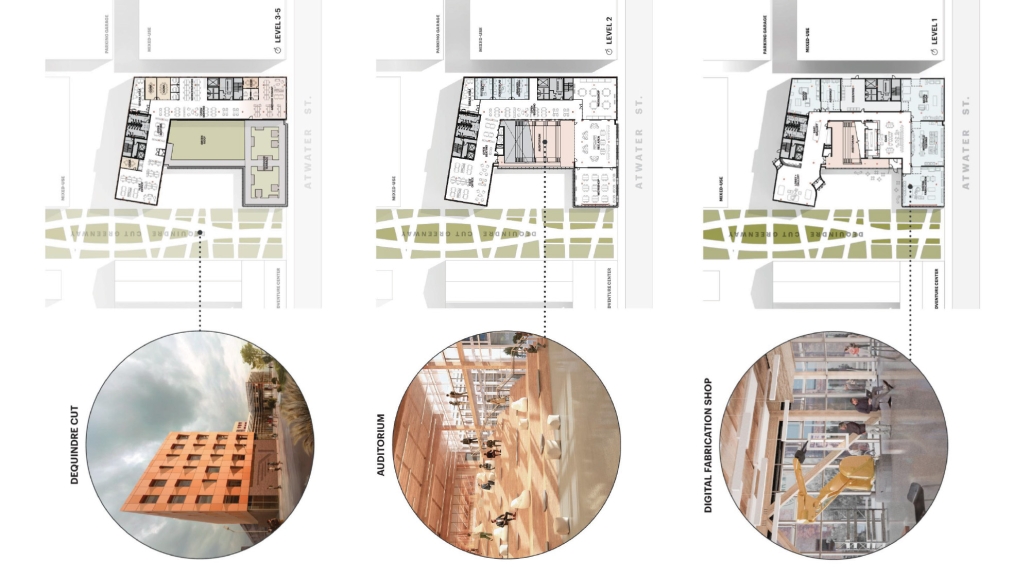
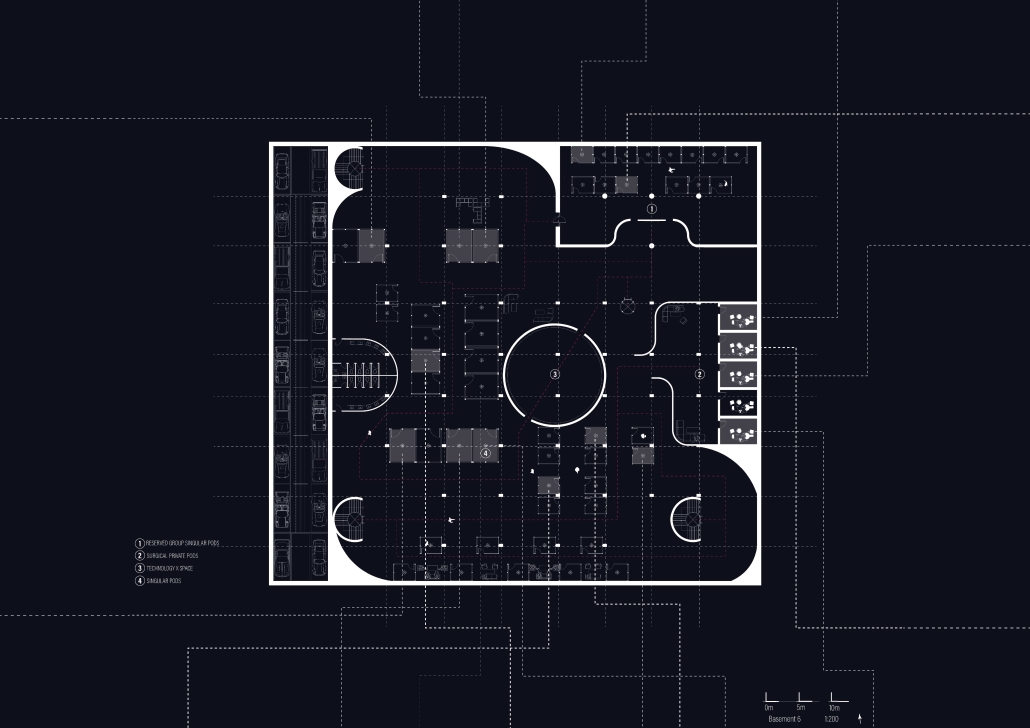
VLAB Detroit – Sustainable Business Incubator by Jumana Zakaria, Philip Jurkowski & George Smyrnis, M.Arch ’25
University of Detroit Mercy | Advisors: James Leach & Kristin Nelson

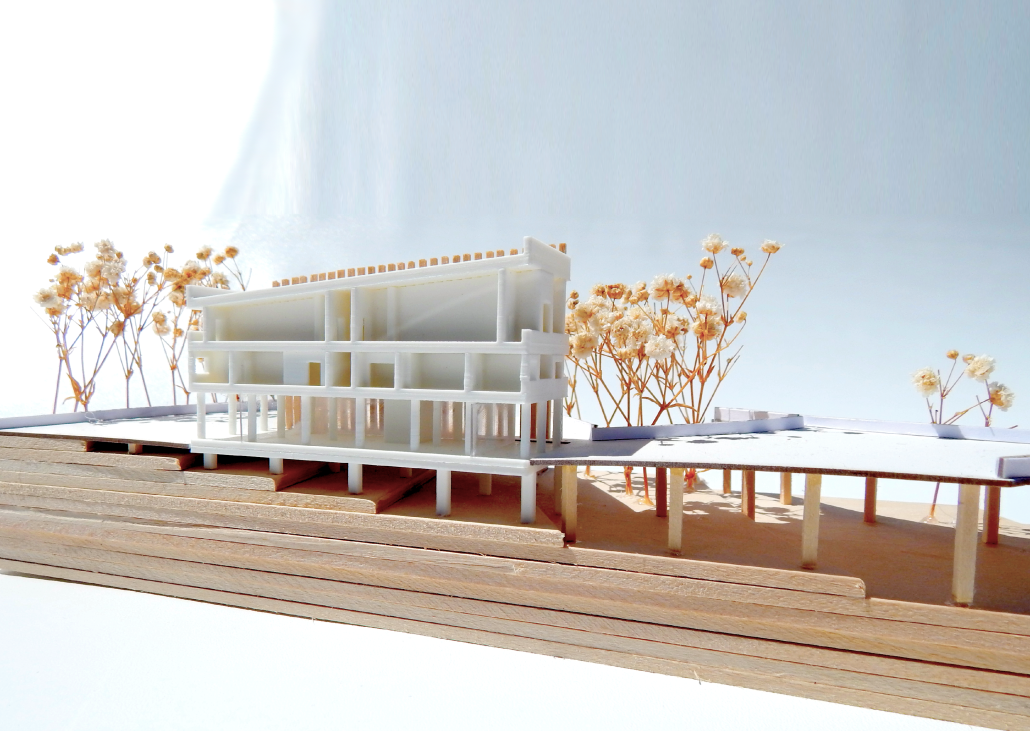
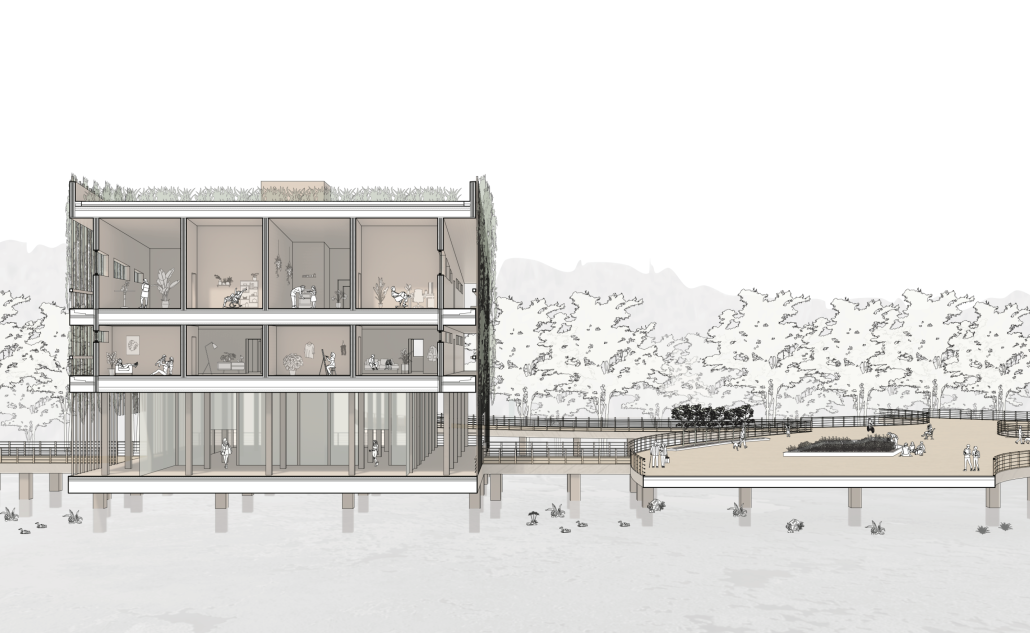
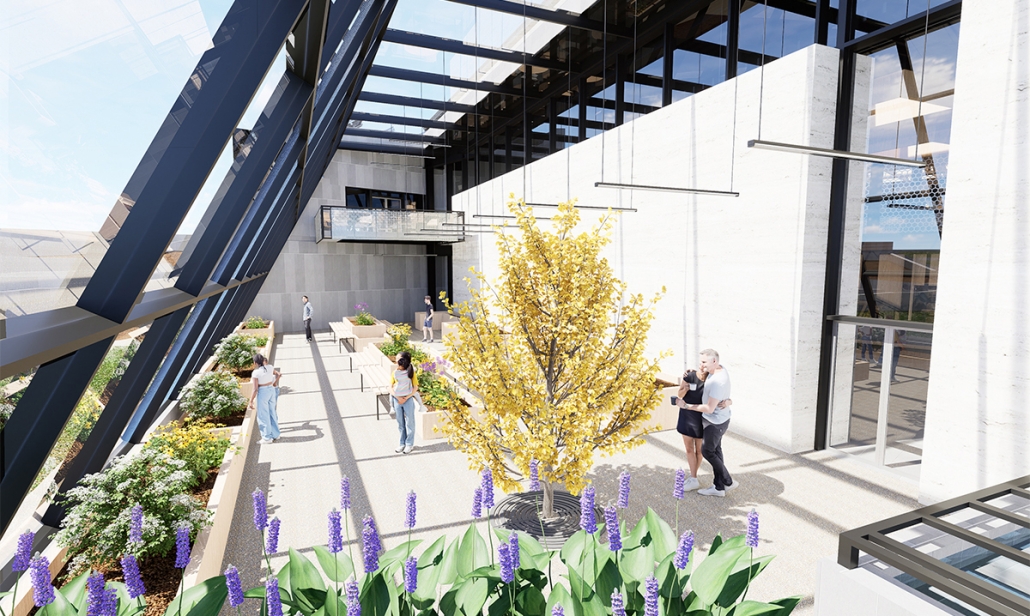
This new business incubator in the Rivertown neighbourhood is focused on propelling innovation in sustainable building. As a center of knowledge and development aiming to progress building systems into a low-carbon, net-zero era, the design of the building supports this philosophy. On the corner of Atwater Street and the Dequindre Cut greenway, the building is to be a productive space for tenants and a positive landmark in a vibrant community.

Adjacent to the Detroit Riverfront and Dequindre Cut is a valuable asset in creating a sense of connectivity and community within the building. The form opens to the southwest, allowing for daylighting, engagement with the two neighbouring paths, and good views to the connected public spaces, trails, and parks of the Detroit Riverfront. The form erodes inward on the west side, inviting entry from the Dequindre Cut, connecting to the riverfront and creating a central urban pocket.

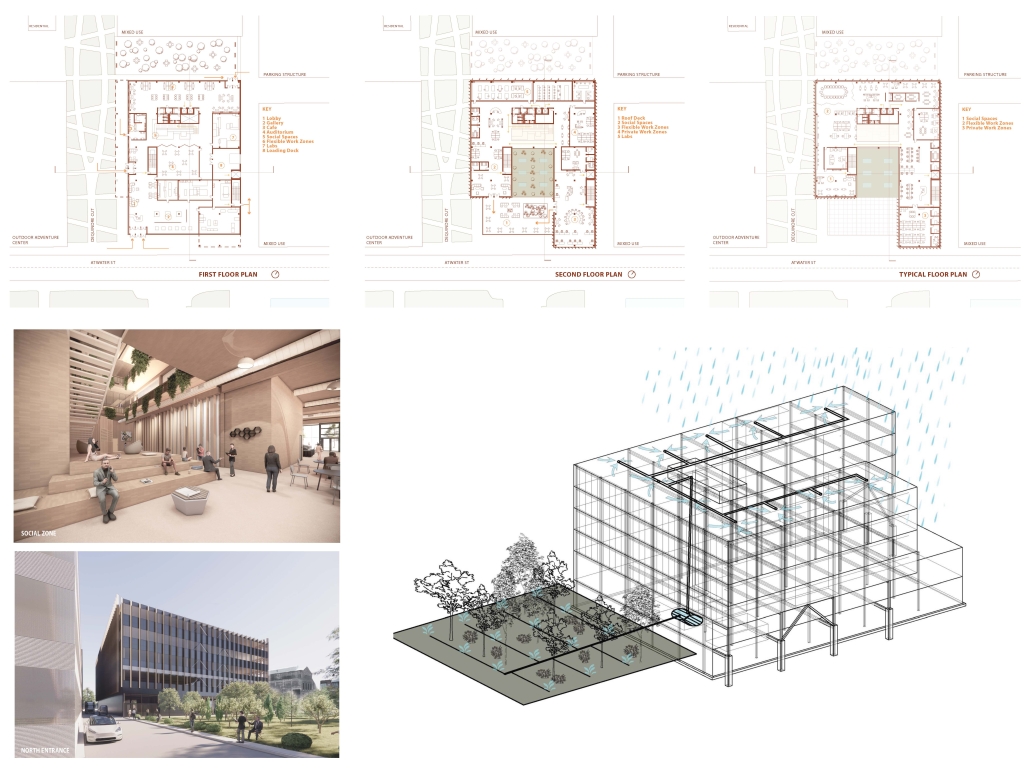
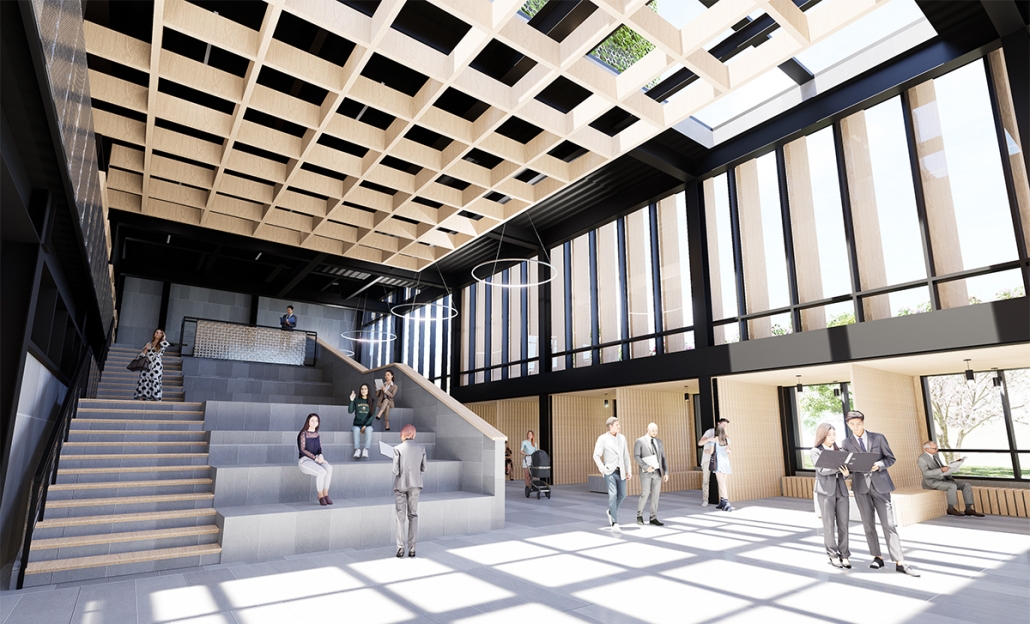
Just as important as the community response is the need to address the well-being of visitors and tenants. A public entry gallery and auditorium [occupy] the ground floor while the open, flexible, daylit floor plates above ensure a high level of well-being and productivity for occupants. A gradient of adjustable social and working spaces, such as drop-in and permanent workstations and meeting rooms, breakout rooms, and lounges ensure that occupants have a comfortable and collaborative workplace. A combination of passive and active building systems, including hydronic heating and cooling, and geothermal heat pumps create a comfortable interior climate.

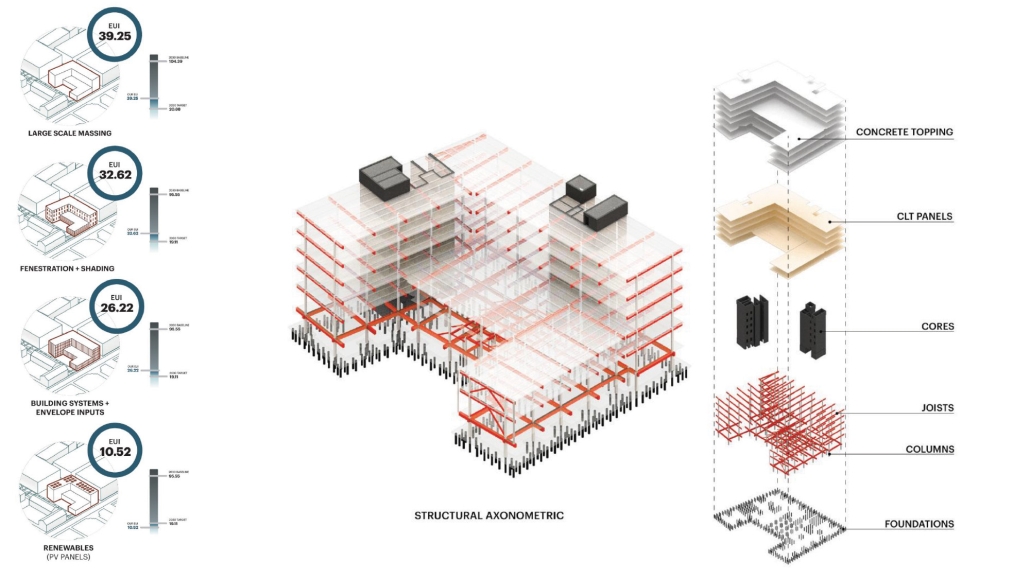
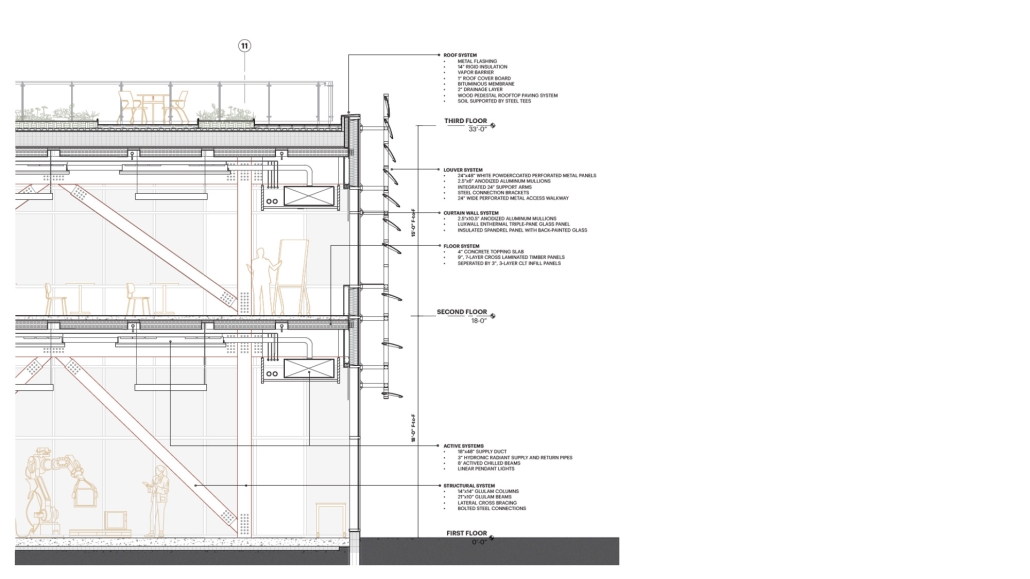
The priority of sustainability quietly underlines all design choices. As a model of progressive, environmentally-conscious design and construction, the building utilises a composite timber structure, deliberate building envelope design, renewable energy sources, and intelligent stormwater management. A green roof and outdoor terrace line the roof adjacent to the third-floor office spaces, functioning as part of the stormwater management system, an additional collaboration space, and a transitional view between the offices and the Detroit Riverfront. Integrating these strategies ensures a low embodied and operational carbon footprint while creating a beneficial interior environment.

Instagram: @george.smyrnis

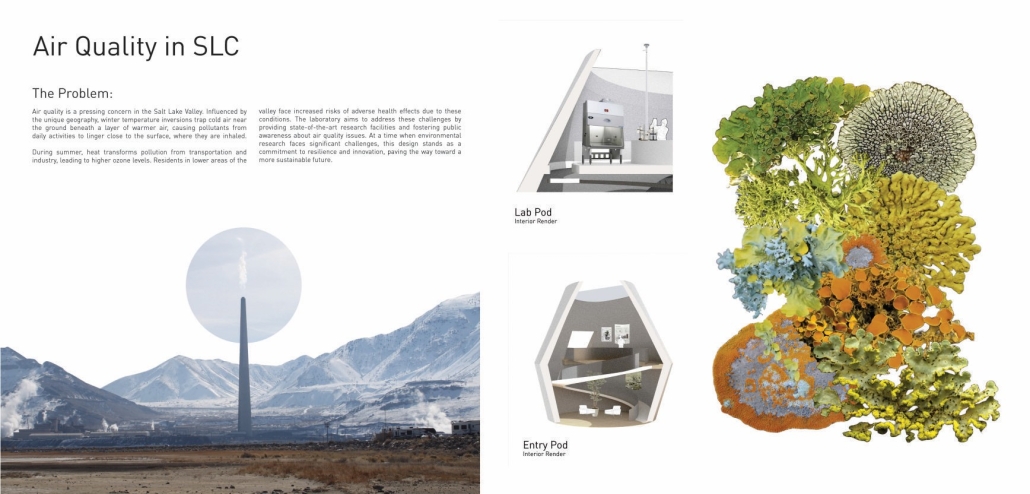
Lichen Air Lab by Olivia Etz, B.S. in Architectural Studies (BSAS) ’25
University of Utah | Advisor: Kateryna Malaia

Embedded within the historic Judge Building in downtown Salt Lake City, the Lichen Air Lab research center serves as one node in a statewide network of air quality monitoring facilities. The facilities in this system operate at varying scales, from a central headquarters to smaller satellite pods designed for fieldwork, with each representing a different stage of the lichen’s growth. Lichen, a resilient symbiotic organism formed by fungi and algae, thrives in diverse climates and is found throughout the Salt Lake Valley. The fungus provides structural support, while the algae produce energy through photosynthesis, a partnership that mirrors the lab’s relationship with the host building. The Judge Building provides support while the research lab cleans the air, benefiting both.

Instagram: @olivia_etz, @katemalaia

Living Lattice: In Between The Living and Social Environment by Abigail Rose Boussios, M.Arch ’25
Kean University | Advisors: Stephanie Sang Delgado & Sarah Ruel-Bergeron

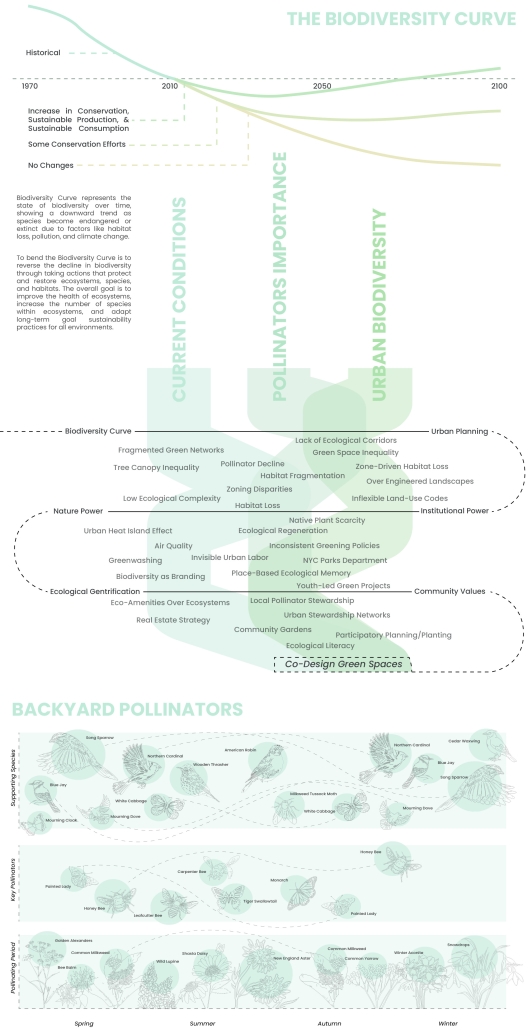
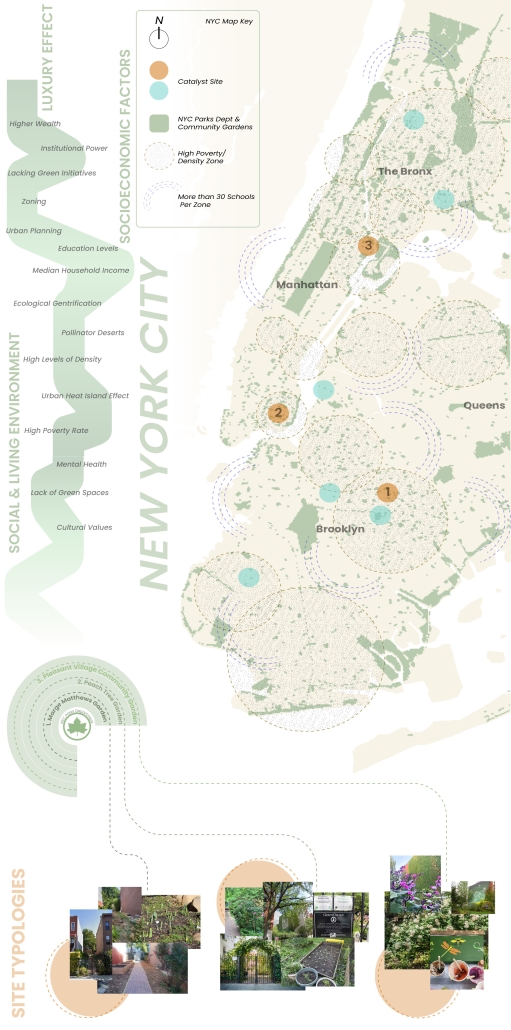
[This] thesis research investigates how the living and the Social Environment in our urban fabric interact alongside issues such as the Biodiversity Curve, Luxury Effect, and a lack of access to green spaces in high-density/low-income areas.

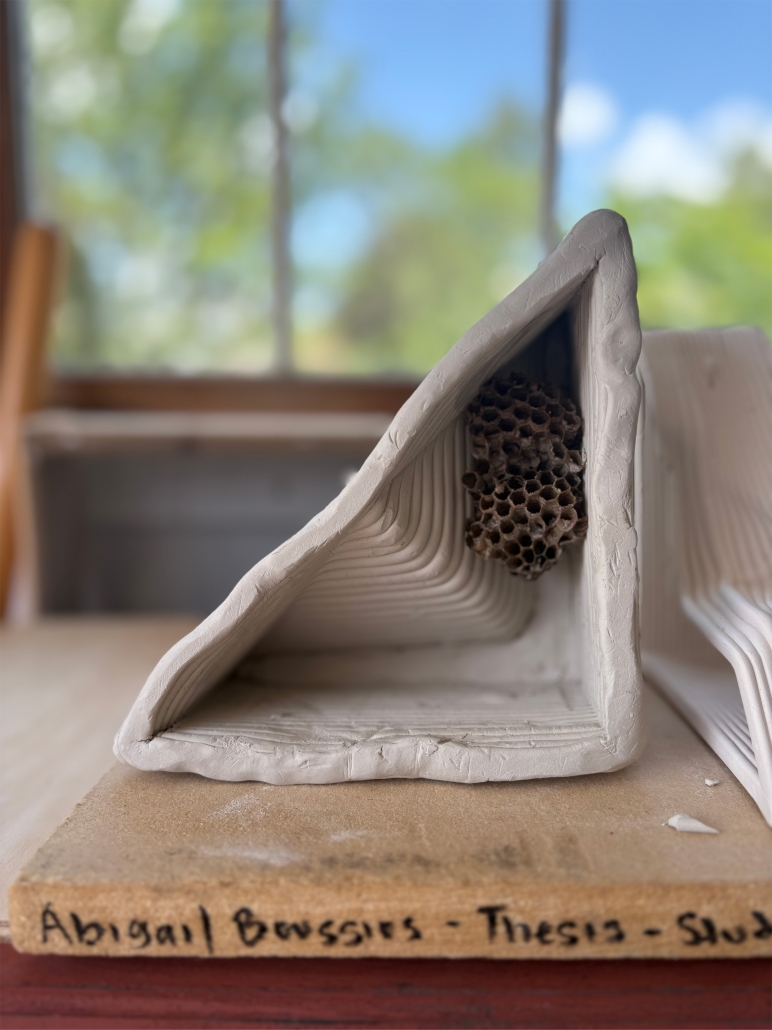
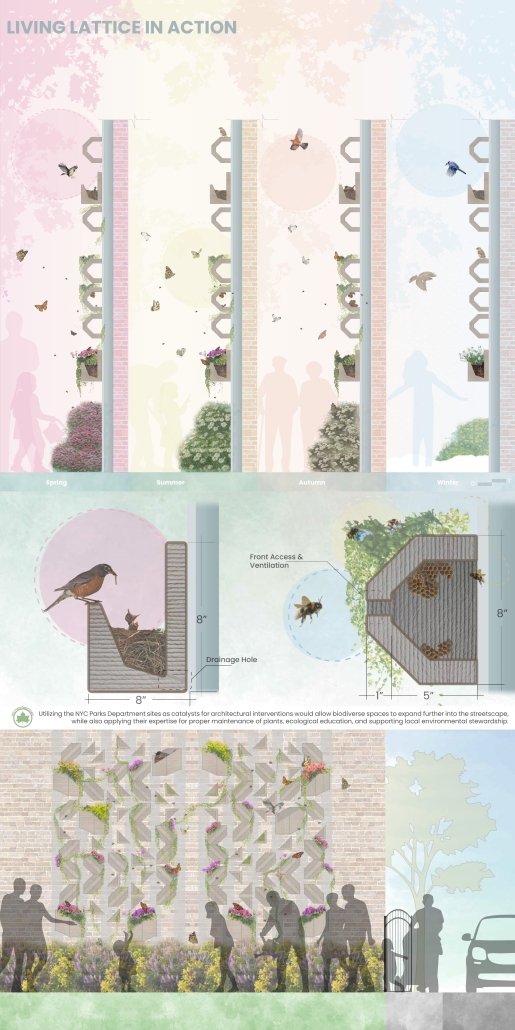
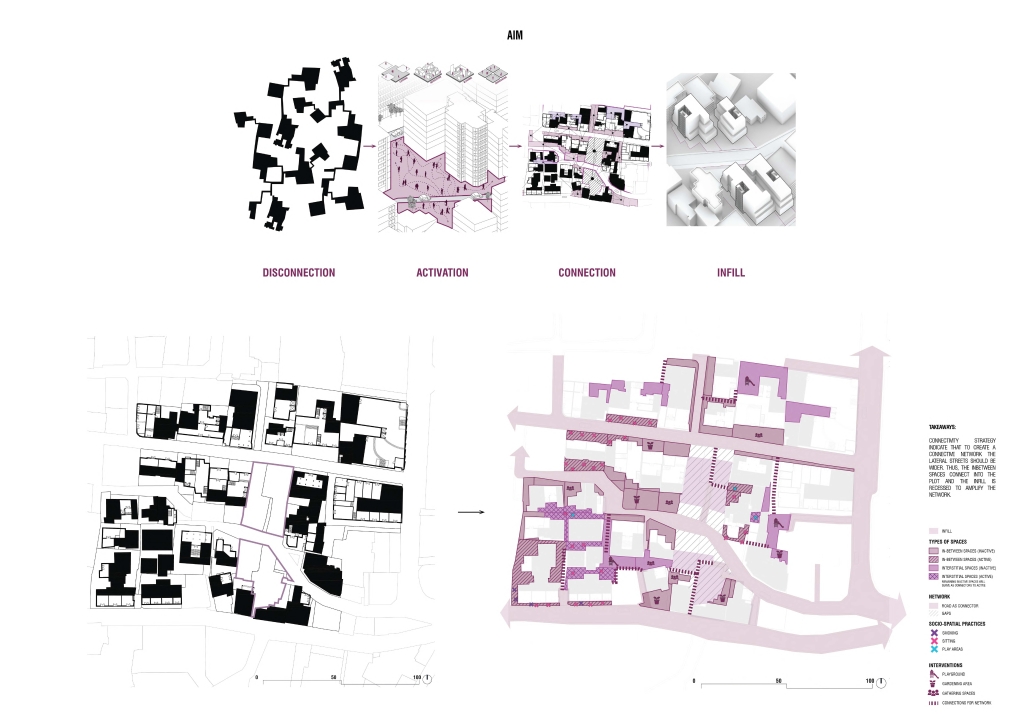
My design proposal is to install a 3D printed clay modular facade system that would create a new habitat for pollinators within “In Between” spaces (areas that are pockets of space between buildings) owned by the NYC Parks Department. There are several “in between” community gardens that flourish in these spaces and revitalize the areas through both community and ecological stewardship. Collaborating alongside the NYC Parks Department Parks/Community Gardens as catalysts for architectural interventions would not only allow biodiverse spaces to expand from the in-between buildings to further into the streetscape, but also apply their expertise for proper maintenance of plants, ecological education, and supporting local environmental stewardship.

[Using] 3D printing clay as the facade material not only is eco-friendly, reusable, and long-lasting, but also allows for modularity and community participation in their Living Lattice installation. Shaped by the input and creativity of the surrounding community, this flexibility not only encourages participation, but also ensures that each installation reflects the unique identity and needs of its neighborhood. 

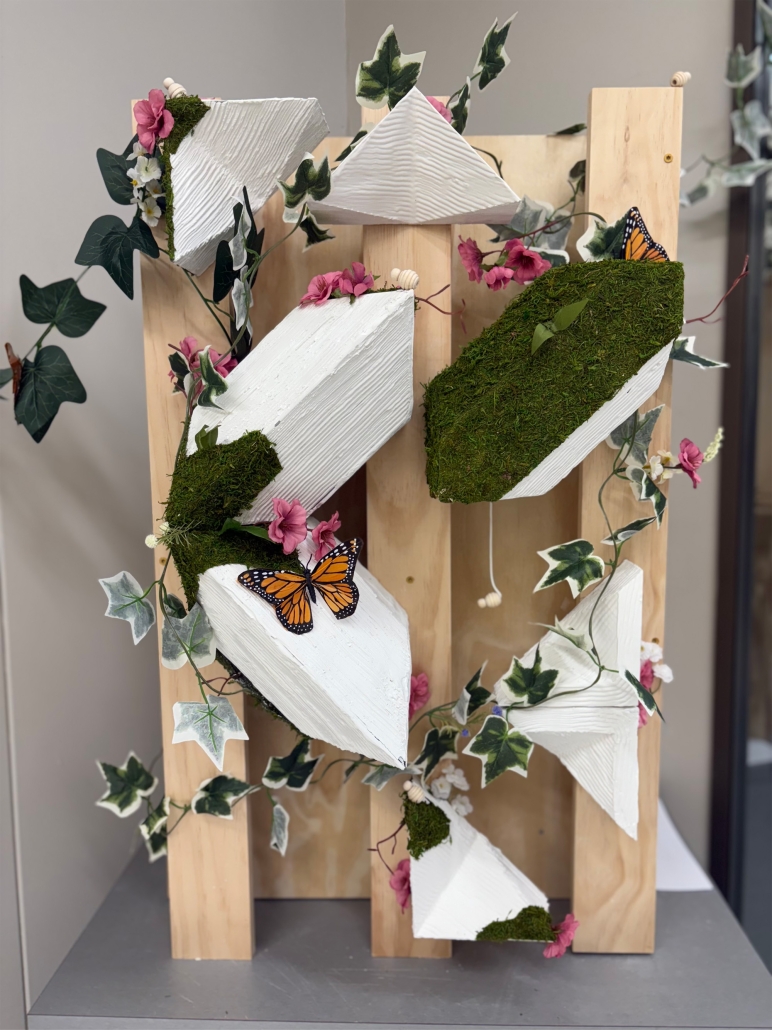
NYIT’s Fabrication Lab granted me access to use their Kuka Bot Clay Extruder to produce 1:1 successful proof of concept fragment modules. I also fabricated a 1:1 2’x3’ mock-up of the installation on a wall to show the expected interactions of nature with the facade intervention.

“Living Lattice” is more than a facade intervention—it’s a call to action. It reclaims these in-between urban spaces and revitalizes them as active participants in the ecological and social healing of our cities. By bridging the Living and the Social, we not only nurture biodiversity but also develop a deeper sense of belonging, care, and responsibility among urban communities. Through modular design, collaboration, and stewardship, we have the power to reshape the city from the ground up—one fragment, one bird, one seed at a time — real change begins in the spaces in between.

This project received the Michael Graves College School of Public Architecture Masters of Architecture Thesis Award

Instagram: @abigail_b.10, @abigail.b.designs, @keanarch, @stepholope

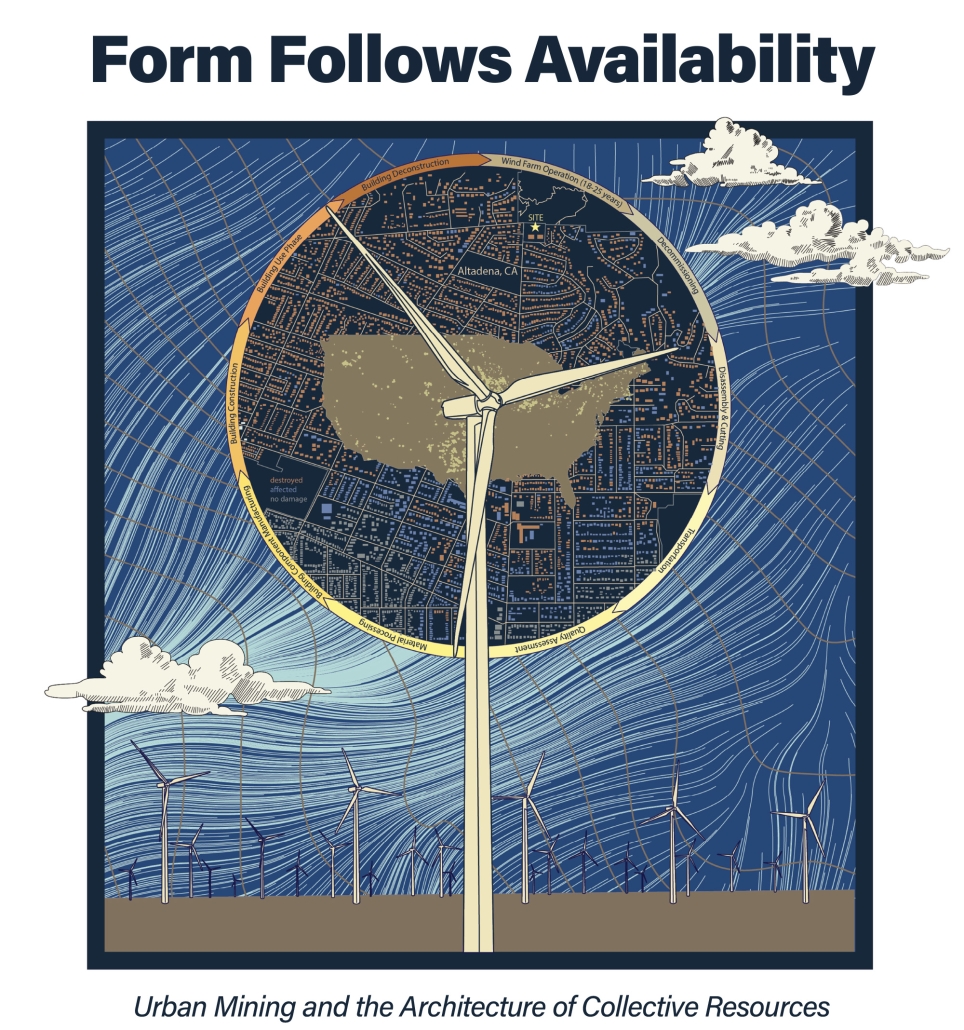
Form Follows Availability – Urban Mining and the Architecture of Collective Resources by Anna Simpson, M.Arch ’25
University of Southern California | Advisor: Sascha Delz

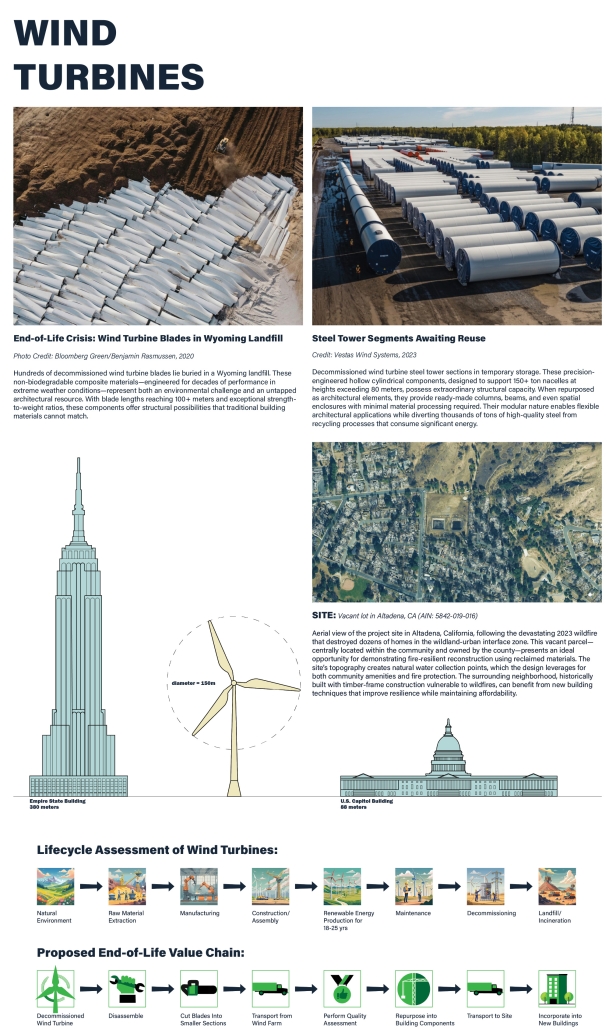
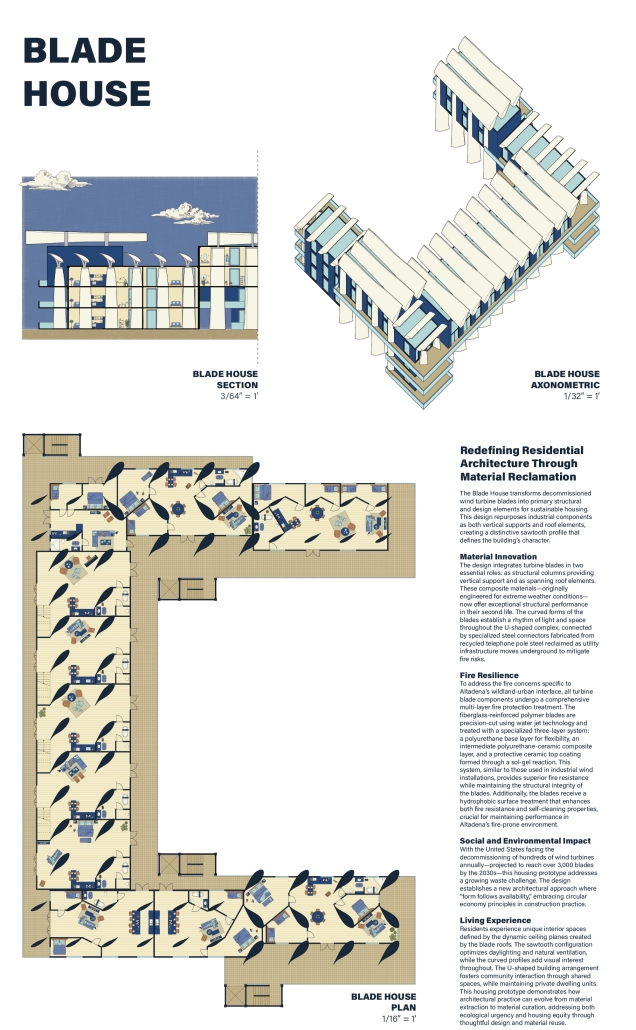
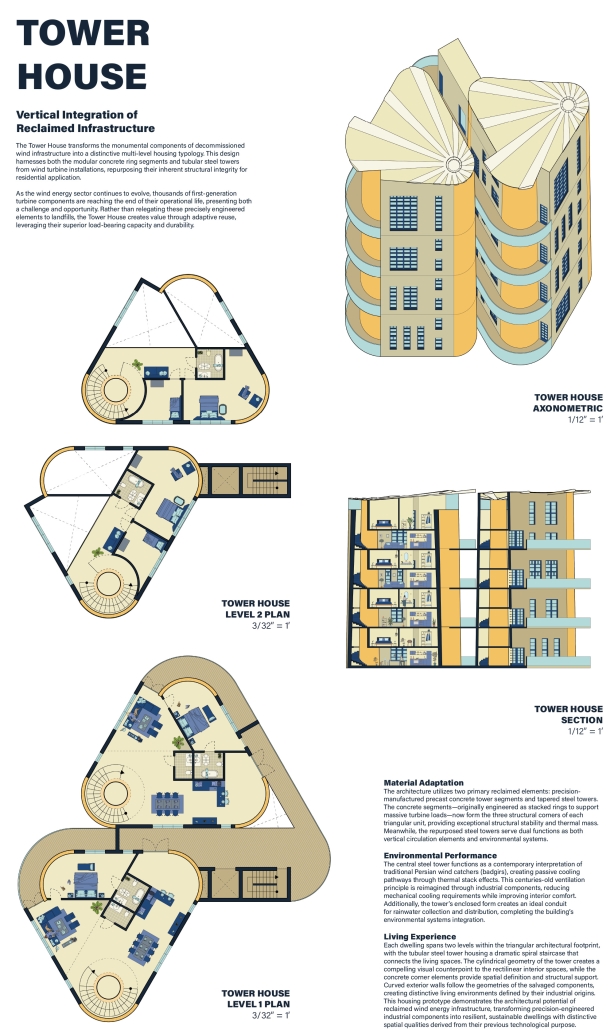
Since humans first built shelters, architectural form has been dictated by material availability—a fundamental principle that modern construction practices have abandoned through unsustainable extraction cycles. This thesis reclaims and reframes this logic for contemporary practice through a comprehensive urban mining framework that reconceptualizes industrial waste as collective architectural resources. Using decommissioned wind turbines as a primary case study, it demonstrates how systematic material recovery can address both environmental sustainability and housing affordability while responding to immediate climate-related disasters. With 70,800 wind turbines currently operating in the United States, and projections showing over 3,000 blades reaching end-of-life annually by the 2030s—potentially generating 2 million tons of waste in the U.S. alone by 2050—this framework establishes a scalable system for material recovery and redistribution. 

Drawing on Elinor Ostrom’s understanding of common-pool resource management, the approach creates a collectively managed material bank where recovered industrial components become accessible building materials for affordable housing developments on city-owned land. Situated on a vacant lot in Altadena, California—a neighborhood devastated by recent wildfires—this proposal directly addresses the urgent need for recovery and reconstruction. The site plan follows the natural topographic water flow to prevent mudslide damage, directing water into an existing abandoned reservoir. By reintegrating engineered composites into residential architecture, the framework reduces construction costs while advancing material-driven design methodologies where form again follows availability. This shift from extraction to curation fundamentally transforms architectural practice, reconnecting it with its historical roots while addressing contemporary challenges of sustainability, waste management, housing accessibility, and climate resilience in urban environments.

Instagram: @coop_urbanism

Fleetwave: A Ride to the Future by Meena Afshar, B.Arch ’25
Woodbury University | Advisor: Gerard Smulevich

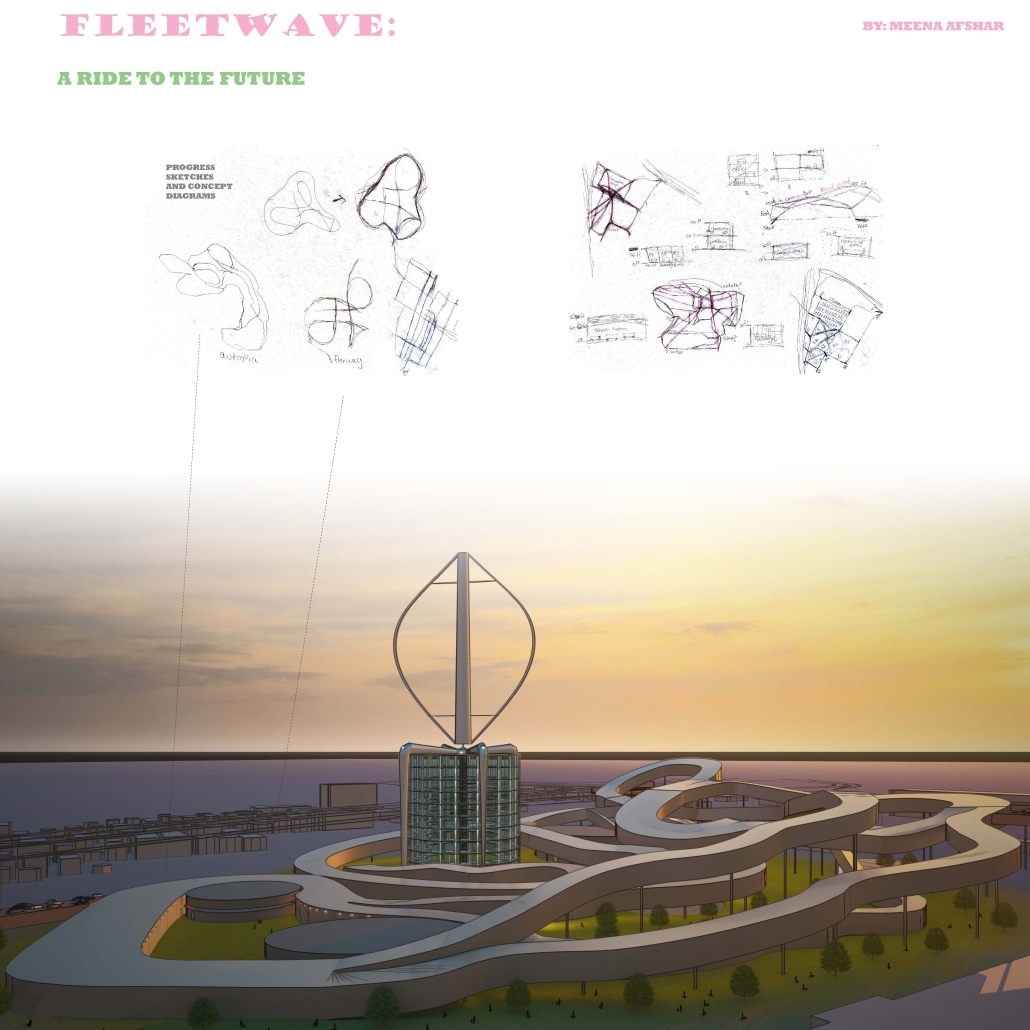
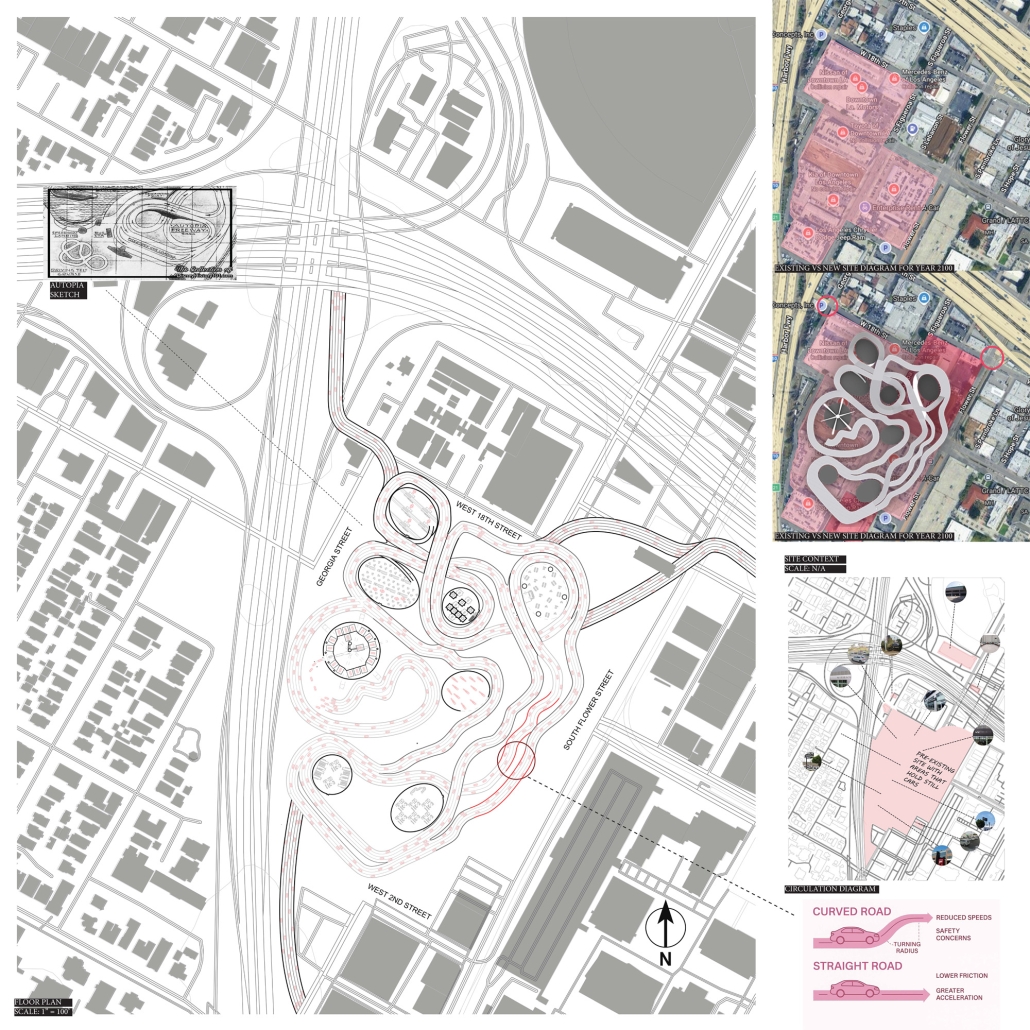
Imagine a city where streets breathe again, free from traffic, noise, and smog. “FleetWave” is that vision brought to life: a subscription-based network of self-driving, all-electric vehicles designed to replace personal car ownership in Los Angeles. At the heart of this proposal is a simple idea: mobility as a shared resource, not a private burden. Traditional cars sit idle most of the time, eating up space and polluting the air. FleetWave reimagines transportation as clean, efficient, and community-oriented.  Powered by renewable energy and charged wirelessly, including from embedded roadways and vertical wind turbines, Wave cars operate 24/7. Riders book them by subscription, choosing from four tiers based on needs like range or comfort. Inside, they’re more than cars, mobile workspaces, social pods, or quiet retreats. Outside, they reduce traffic, reclaim land from parking lots, and restore green space to the city. AI synchronization prevents congestion and improves safety. FleetWave turns urban mobility into an experience of collective progress. It’s not just about getting from point A to B; it’s about creating a city that moves with you, not against you. Los Angeles is just the beginning. The future doesn’t just arrive; it rolls in, quietly and fully charged. 

Instagram: @meanuuhh, @g_smulevich

INTERLACE – Penn Center Community Hub by Spandana Grandhi, Analia Gonzales & Ella Baker, BS in Architecture ’25
Georgia Tech | Advisor: Danielle Willkens

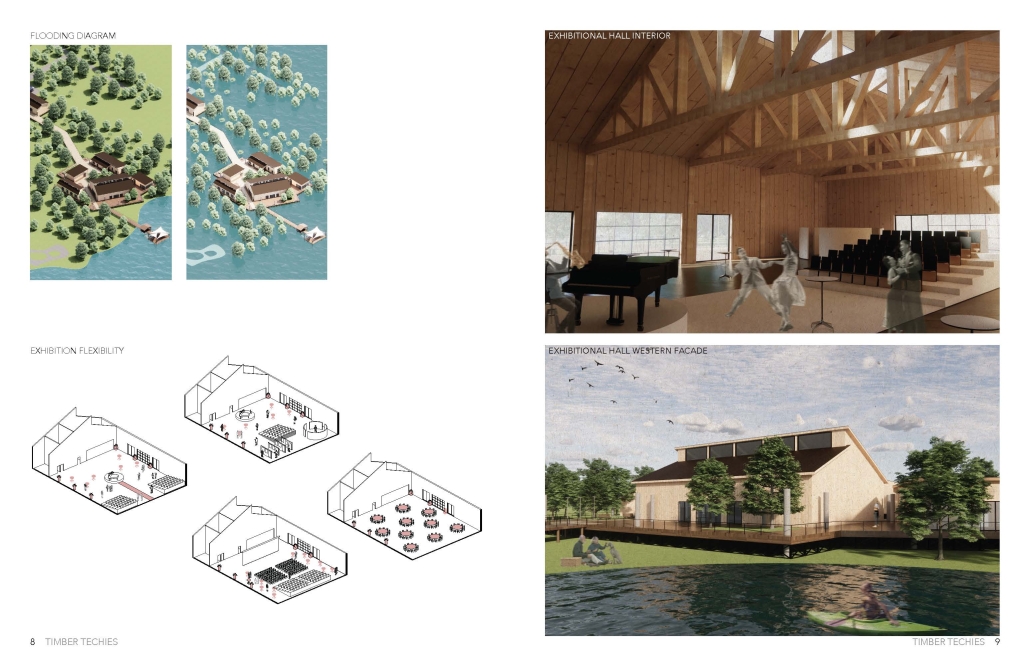
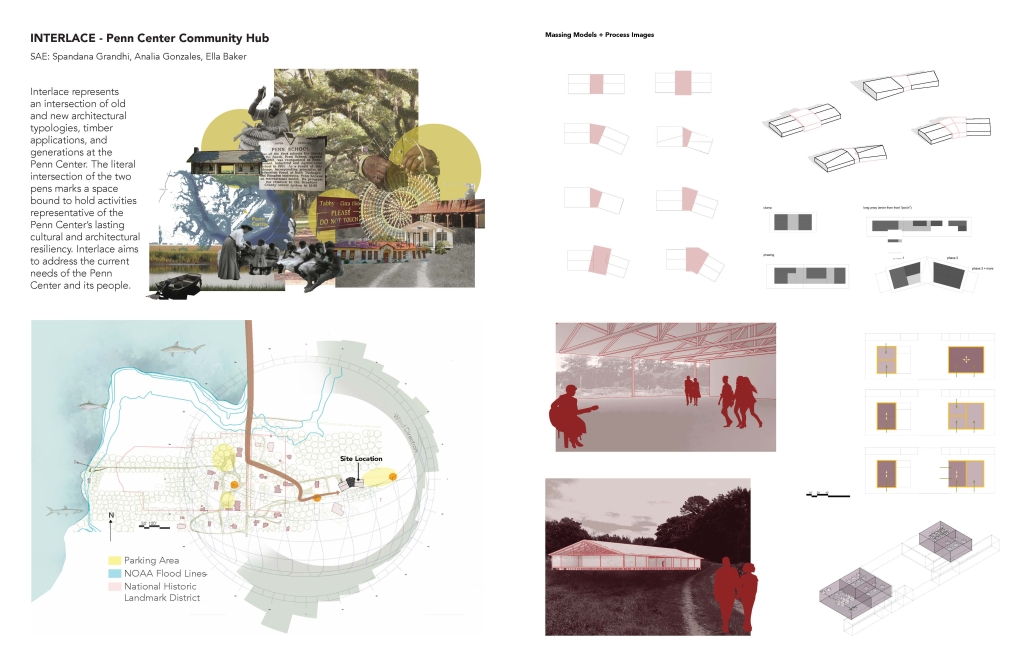
“Interlace” represents an intersection of old and new architectural typologies, timber applications, and generations at the Penn Center. The literal intersection of the two pens marks a space bound to hold activities representative of the Penn Center’s lasting

cultural and architectural resiliency. Interlace aims to address the current needs of the Penn Center and its people.

Click here to learn more. 

Instagram: @georgiatech.arch, @archDSW
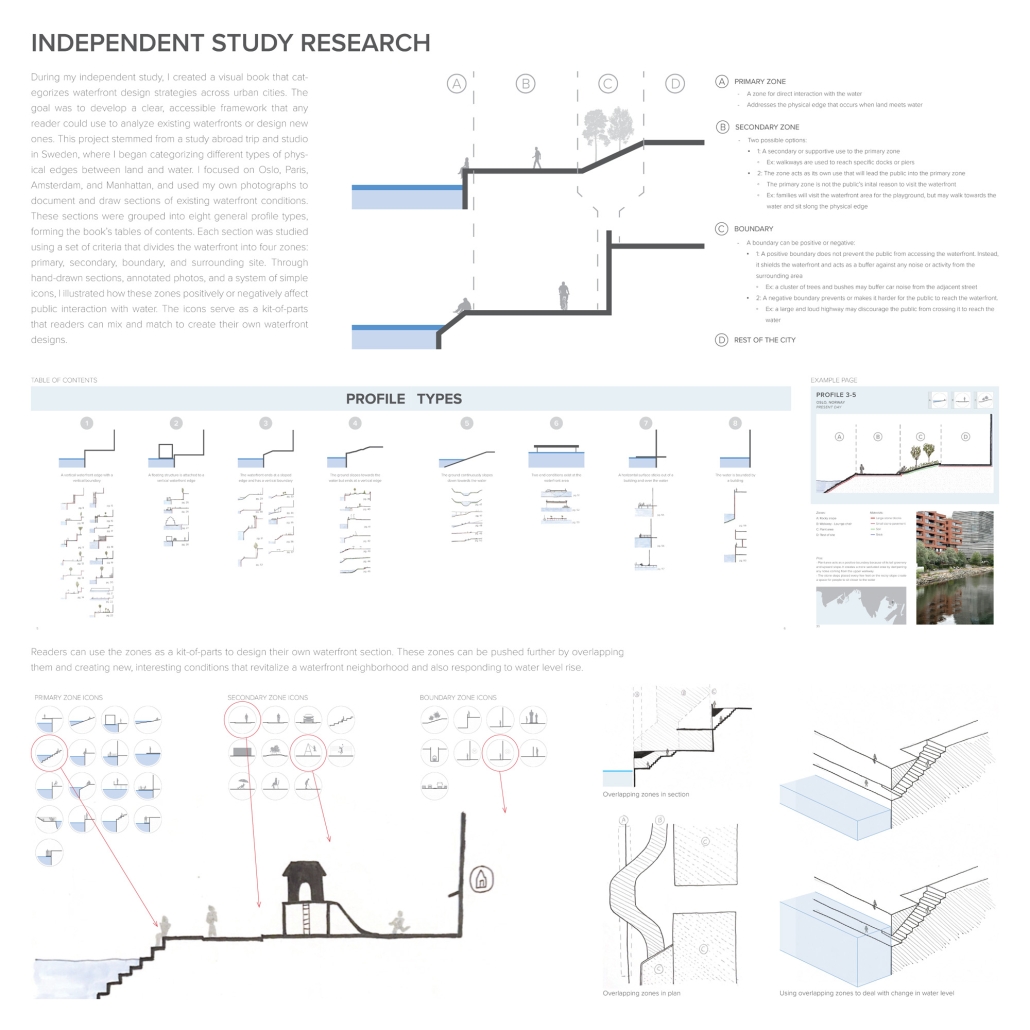
Harboring Sustainability: Designing a Resilient Future for Sag Harbor by Kyra Duke & Melina Tsinoglou, B.Arch ’25
New York Institute of Technology | Advisor: Dongsei Kim

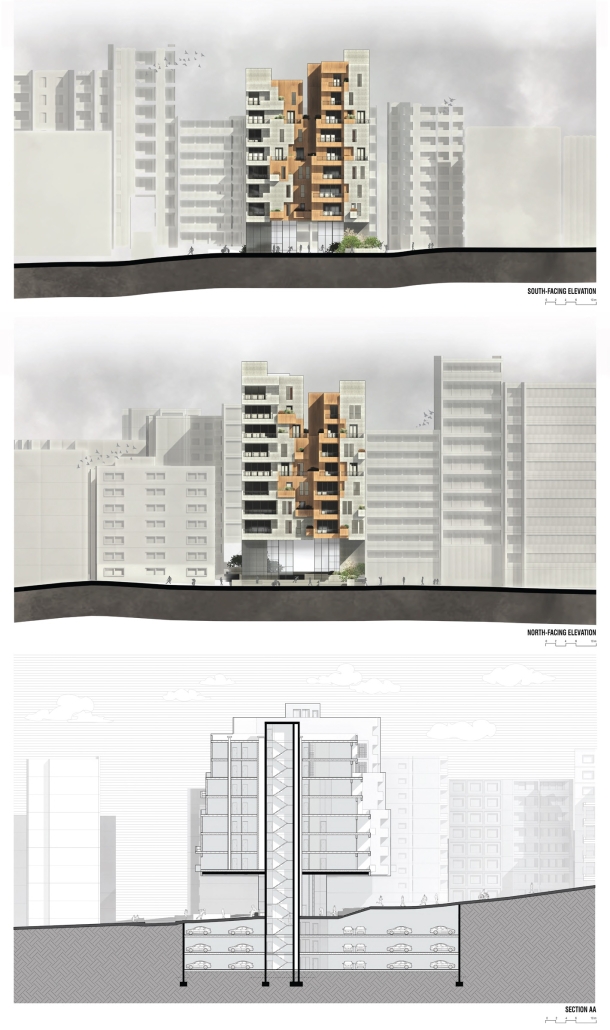
Adding affordable housing in Sag Harbor would give younger generations the opportunity to live and work in the community where they grew up or work, thereby fostering a more diverse, year-round population rather than a seasonal, retirement-focused town.

Rising housing costs are displacing young professionals, artists, and essential workers, including much-needed teachers. Therefore, an expanded affordable housing initiative could enable this population to establish their careers, which would additionally support local businesses and contribute to Sag Harbor’s cultural and economic vitality.

Additionally, this project demonstrates how well-planned dense housing combined with performative infrastructure in high flood-risk areas can offer wetland restoration, elevated pathways, and flood-resistant public spaces. These features help protect the coastline by functioning as a natural barrier against rising sea levels and storm surges.

Instead of resisting unavoidable environmental changes, adopting adaptive design strategies could slow erosion, enhance water absorption, and create functional public spaces that enable Sag Harbor to grow sustainably over the next 80 years, thereby becoming a model of responsible and sustainable coastal living.

Instagram: @dongsei.kim

Stay tuned for Part XIV!
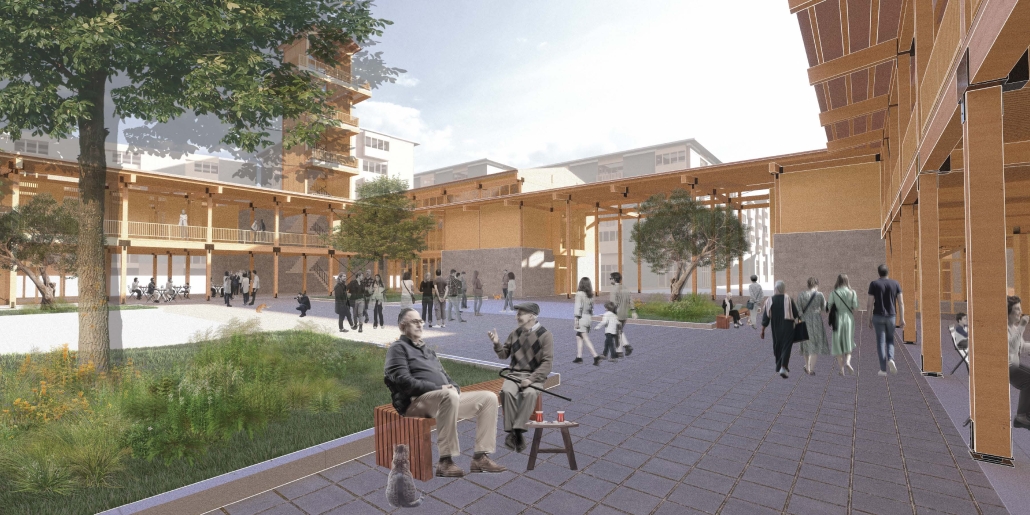
2024 Study Architecture Student Showcase - Part XIV

Architecture plays a large role in the restoration and preservation of buildings. The projects featured in Part XIV of the 2024 Study Architecture Student Showcase focus on revitalizing spaces. 

Today, we look at various sites, including areas impacted by natural disasters, former industrial zones, federal buildings, and more. Each project blends old and new, demonstrating the ability to recover and reclaim using architecture and design.

Reclaiming Antakya: Post Disaster Community Recovery for Resilient Futures by Zeynep Dila Demircan, M. Arch ‘24
University of Maryland | Advisor: Ken Filler

The earthquakes that struck Southwestern Turkey and Northern Syria in February 2023 caused extensive damage, ranking among Turkey’s worst disasters in its history. The city of Antakya, especially, suffered severe destruction in its center, resulting in significant losses of lives, culture, and history.

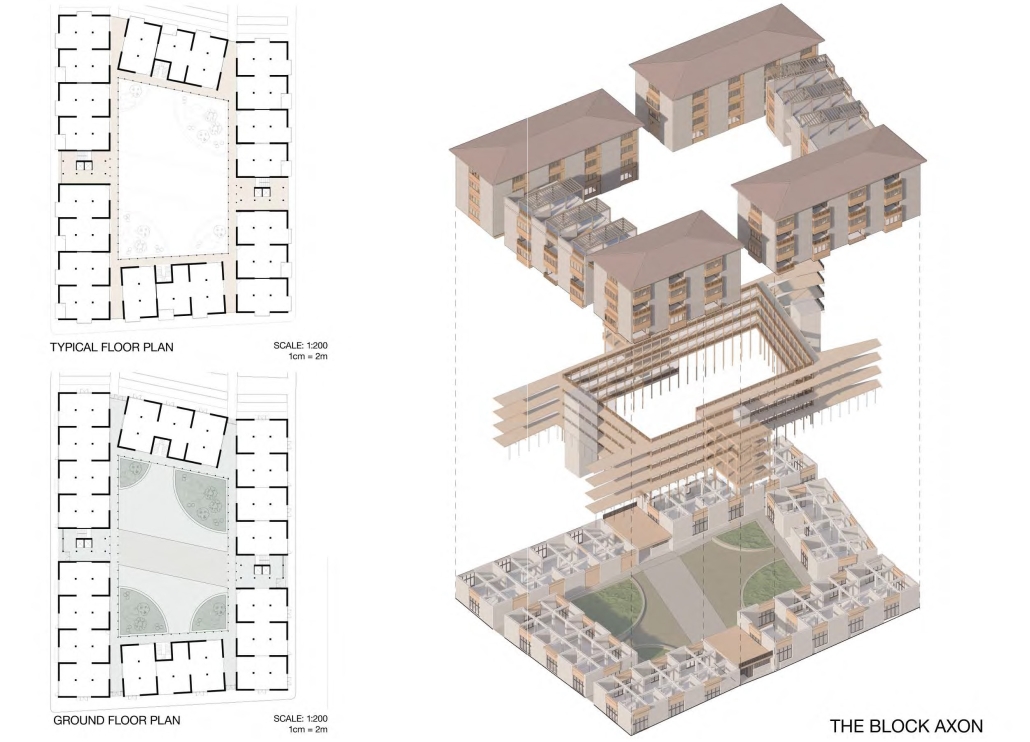
This thesis presents a comprehensive plan to recover and reclaim Antakya’s center, enhancing community resilience through proactive design strategies. It focuses on a specific urban block, a key commercial, residential, and administrative hub across the Asi River and the historical district. The proposal outlines a multi-phased approach to transform this urban block, starting from the post-disaster period and concluding with its complete redevelopment. The phases include recovery, reclamation, reconstruction, and reconnection.

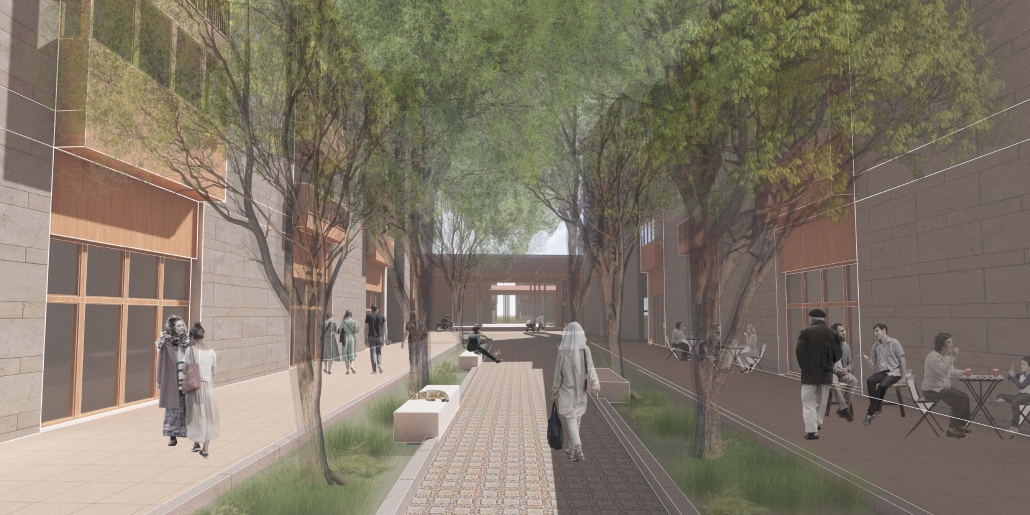
For the recovery phase, temporary shelter and gathering spaces are provided for residents within the grove area existing on the site, while efforts to engage stakeholders in the recovery process begin. Reclamation involves reforming the cleared area based on existing and new street systems, integrating new public streets and courtyards that make up the green infrastructure. Reconstruction involves rebuilding the site in smaller blocks, starting from the middle section and expanding to the upper and lower sections. The reconnection phase focuses on finalizing building blocks and reintegrating them into the larger context. 

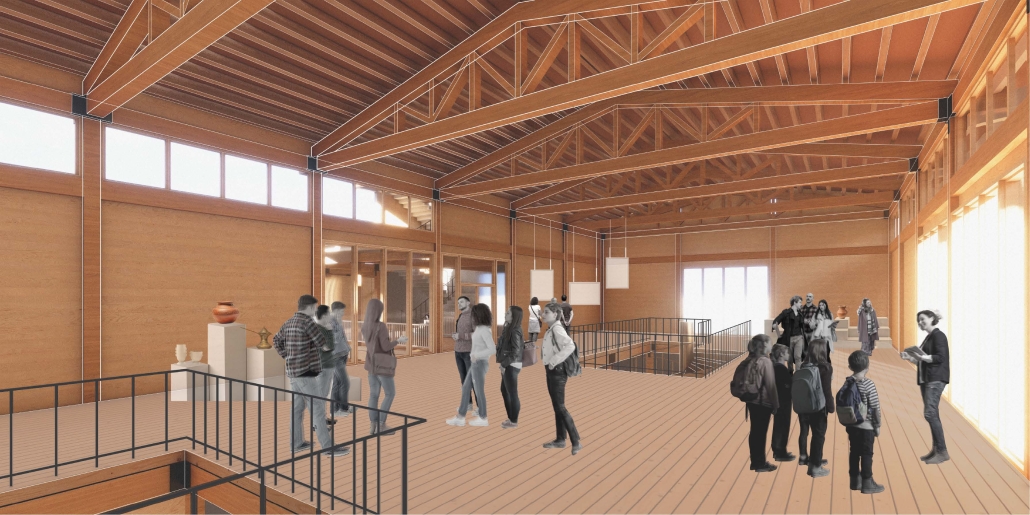
This includes the creation of a new urban plaza and the introduction of programs aimed at fostering cultural and social resilience, as well as commemorating the earthquake through a memorial space within a community center. The proposal introduces two main building types: The Block, a mixed-use structure with a courtyard for residents, and The Hub, a community center featuring public spaces, a museum, gathering areas, and studios for local crafts practices.

In essence, this thesis aims to not only reconstruct Antakya’s physical infrastructure but also to cultivate resilient communities through place-making strategies. It endeavors to revitalize cultural and social life while fostering trust and collaboration, ultimately laying the groundwork for a robust and resilient future.

This project won the UMD Architecture Thesis – Director’s Award and the ARCC 2023-2024 King Student Medal for Excellence in Architectural + Environmental Design Research.

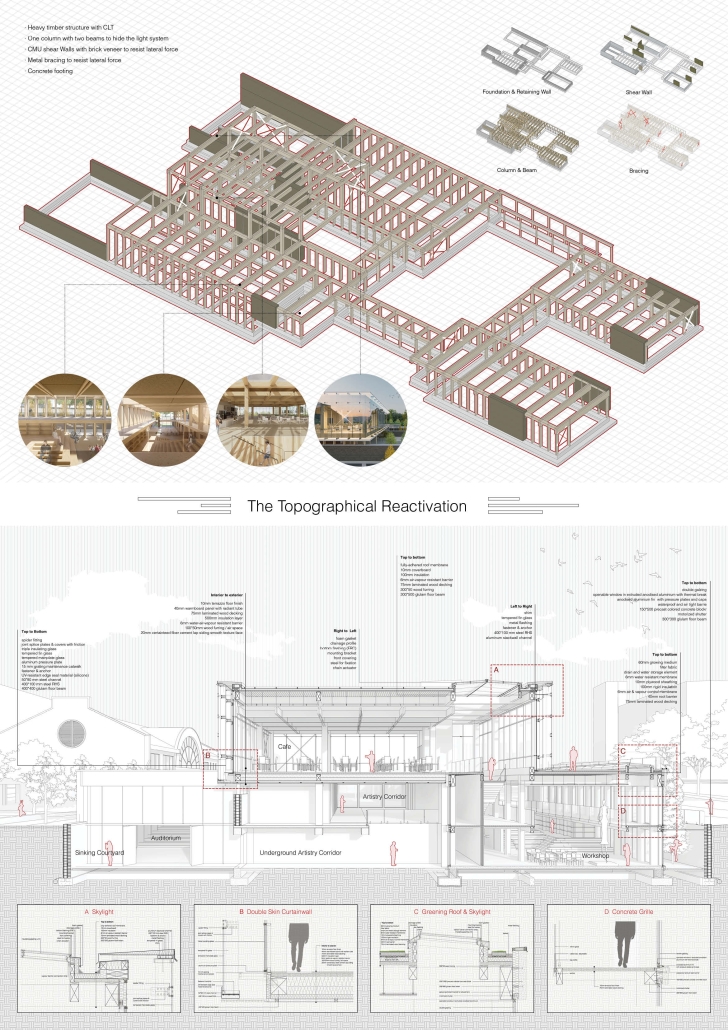
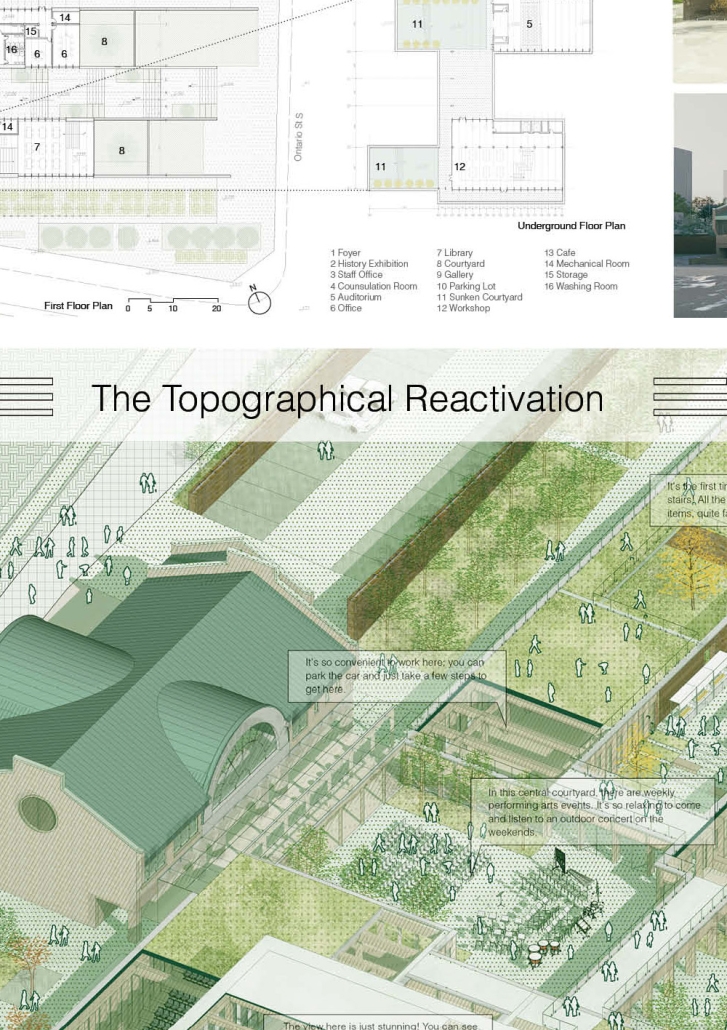
The Topographical Reactivation by Yanbo Zhu, M. Arch ’24
University of Waterloo | Advisors: Mohamad Araji & Shiyu Wei

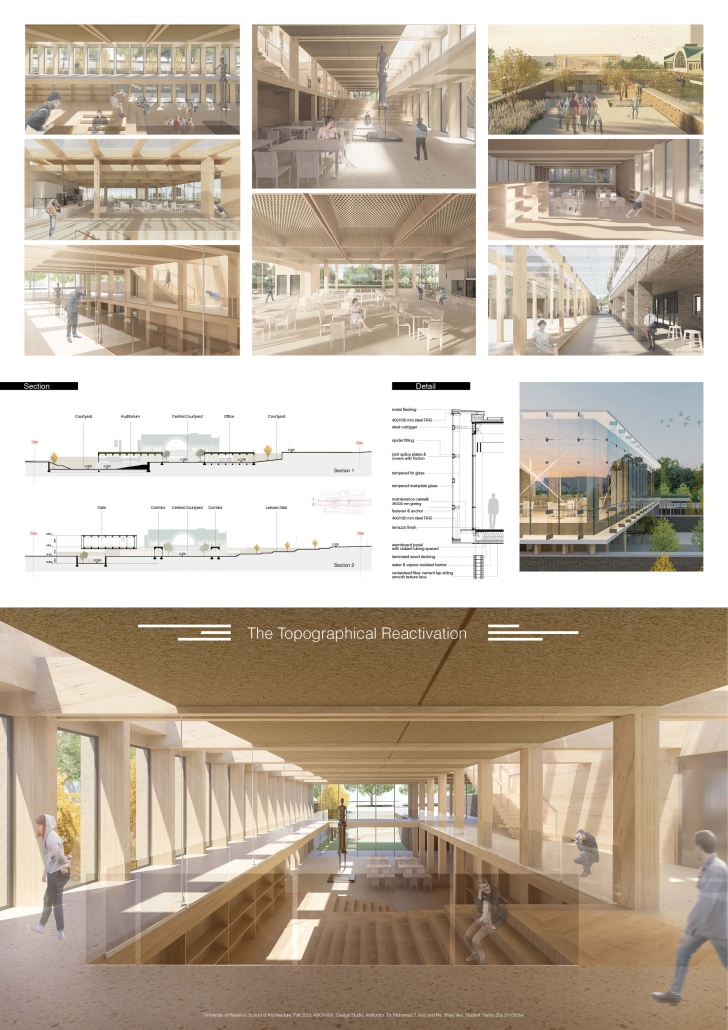
Community Center Design at Kitchener

This design features three keywords: nature, history, and topography.

  1. NATURE: The site is located in the center of Kitchener, with the expansive Victoria Park to the south. However, due to roadways and parking areas interrupting the flow, it’s challenging for this landscape to permeate the site effectively. Simultaneously, with a site area of 15,000 square meters and a required building area of only 1,500 square meters according to the project brief, the strategy involves integrating small-scale structures with the landscape to address the issue of the site’s excessive scale.
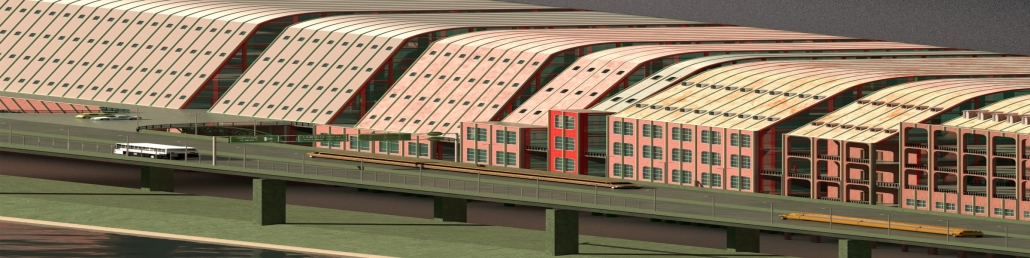
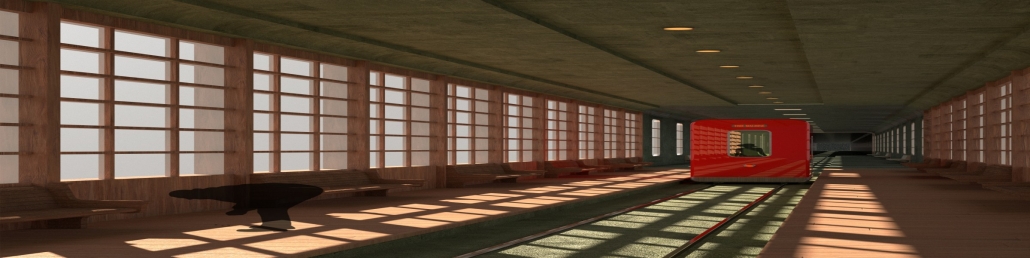
  2. HISTORY: Within the site, there is an abandoned Charles bus terminal, with its main hall building well-preserved, but the historical elements of its platforms, bus lanes, and connecting corridors are poorly maintained. In the design, preserving the original waiting hall while removing other elements yet continuing its multi-linear spatial configuration is a critical historical stance.
  3. TOPOGRAPHY: On the eastern side of the site, there is an elevation difference of nearly four meters. In the design, a planted roof is utilized to seamlessly connect, allowing individuals to enter the building from the roof. Simultaneously, the height difference is employed to create outdoor stepped activity areas or sloped gardens. Additionally, to respect historical architecture, a partial sunken approach is employed in spaces like the art gallery and lecture hall, forming various topographical experiences.

This project won the Edward Allen BTES Award and the Second Prize SOPREMA Award. 

Instagram: @yanbo_zhu

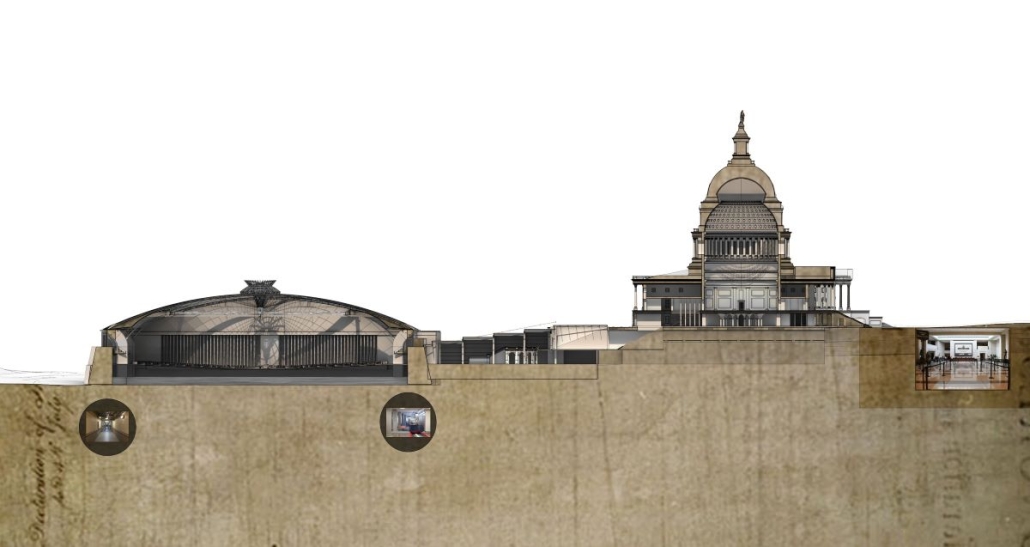
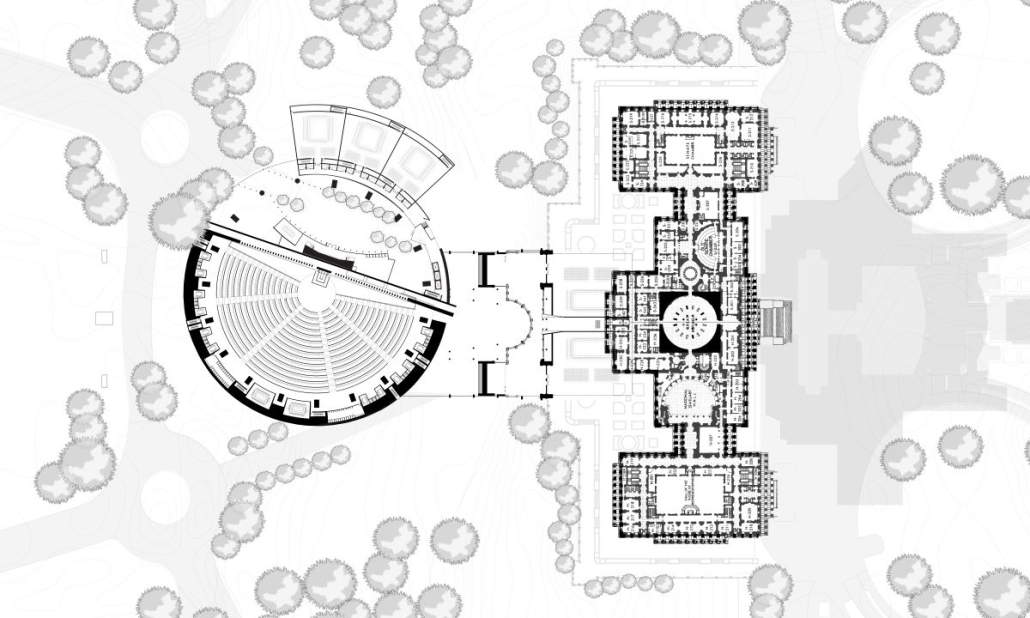
Amending the Capitol by Garrett Krueger, M. Arch ‘24
Virginia Tech | Advisors: Susan Piedmont-Palladino, Paul Emmons & Scott Archer

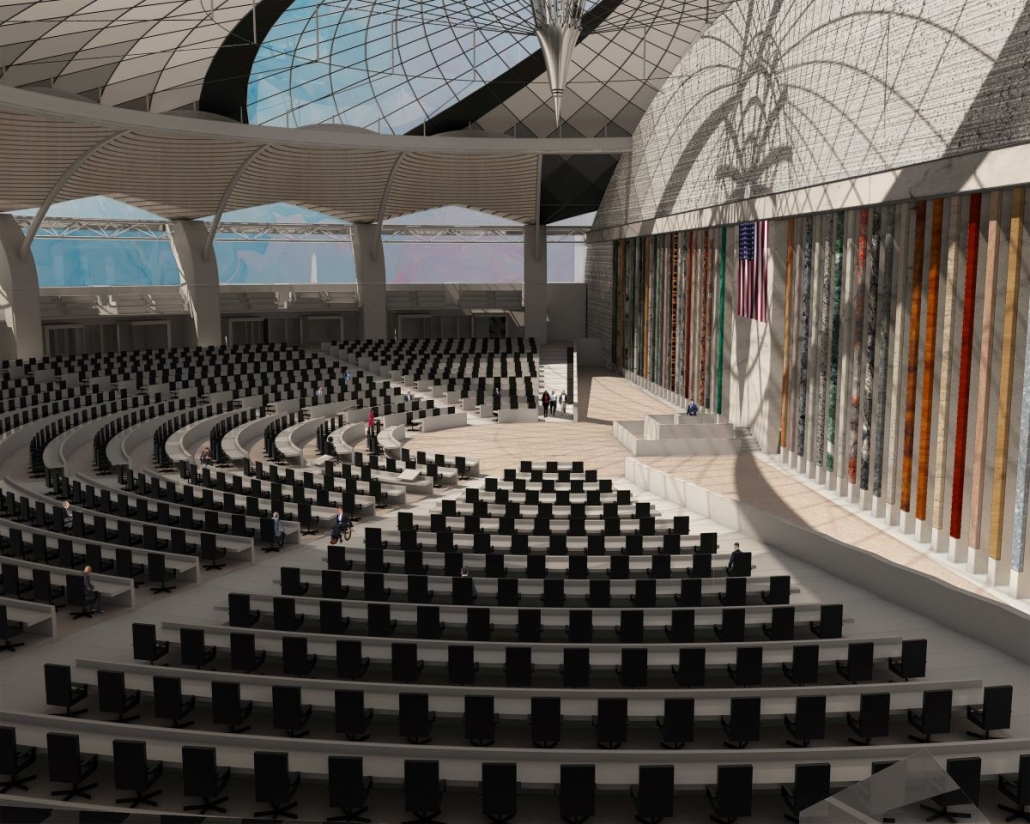
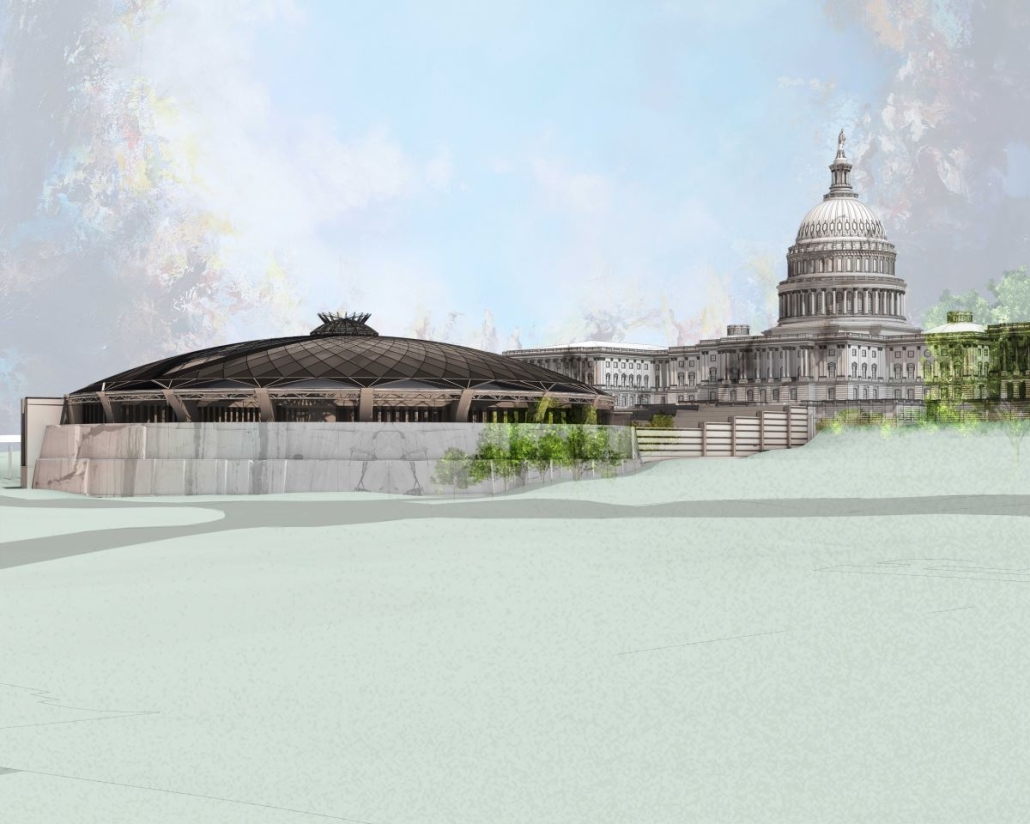
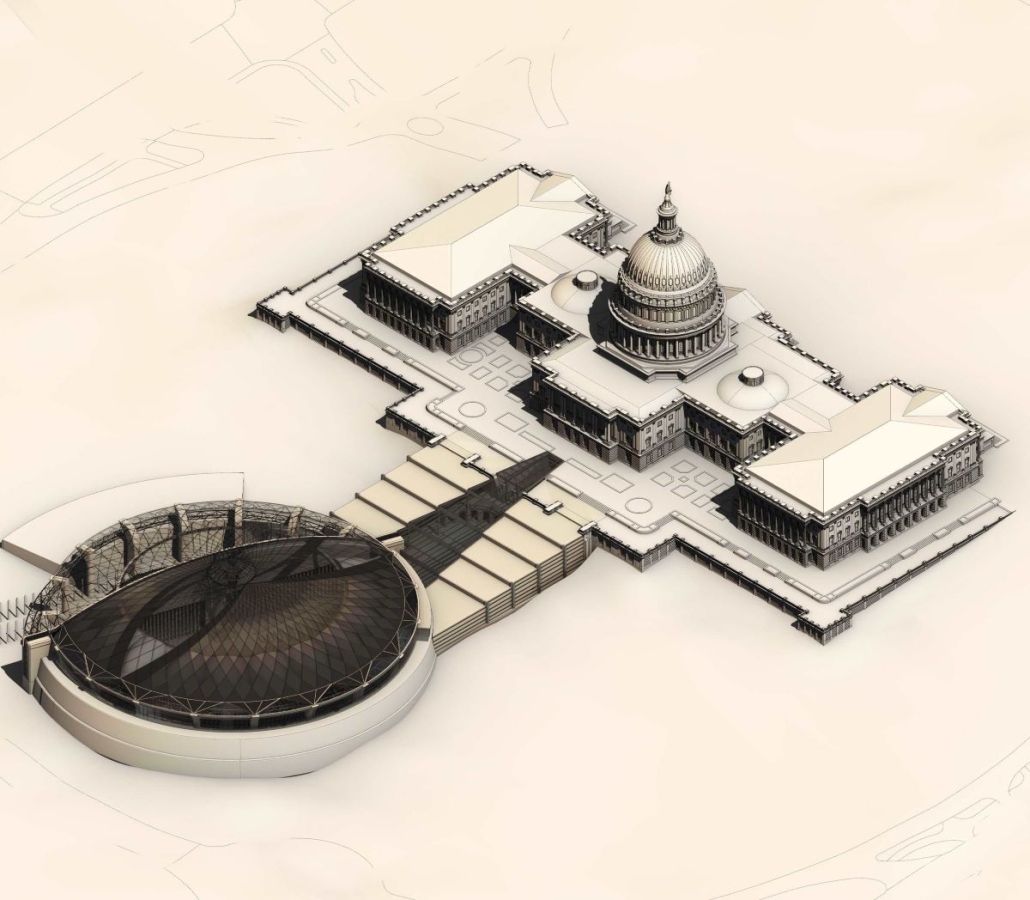
The United States Capitol Building has long been an iconic symbol of the American government and democracy worldwide. Despite this, the United States has had many major events since 1892, and the Capitol has not had any representation of those events.

One example of stalled symbols of change is the number of representatives in the House. Since 1913, the House of Representatives in Congress has had 435 representatives, despite the population more than tripling since then. Many have had the idea to increase this number and expand the House. This idea gives an opportunity to design a new, larger chamber for the House to meet in. This thesis proposes a new chamber to redefine the architecture of the Capitol Building and symbolize the century of history that has yet to be represented in the Capitol.

The idea of making a new expansion to the iconic Capitol Building comes with challenges. This thesis was done amid historic turmoil and record lows in productivity in the House. This thesis also begs the question of whether the building that Congress meets in can be part of the solution. The House Chamber, when completed, had no electric lighting, let alone C-SPAN cameras and smartphones in every lawmaker’s pocket. This new extension aims to provide Congress with a workplace designed to address the difficulties it faces in keeping itself in order. As a whole, this thesis is about the idea of representing change. The nature of a democratic government is one of changing ideas and laws, and this project seeks to have the Capitol Building embody that aspect. Thomas Jefferson himself is known for saying rejecting change is like “requiring a man to wear still the coat which fitted him when he was a boy.” Congress needs a new coat. 

This project won the WAAC Crystal Award. 

Instagram: @vt_waac

Life, Death, and the Eternal Recurrence of Architecture by Geri Roa Kim & Kelvin Hu, B. Arch ’24
Pratt Institute | Advisors: Adam Elstein, Frank Gesualdi & Ashley Simone

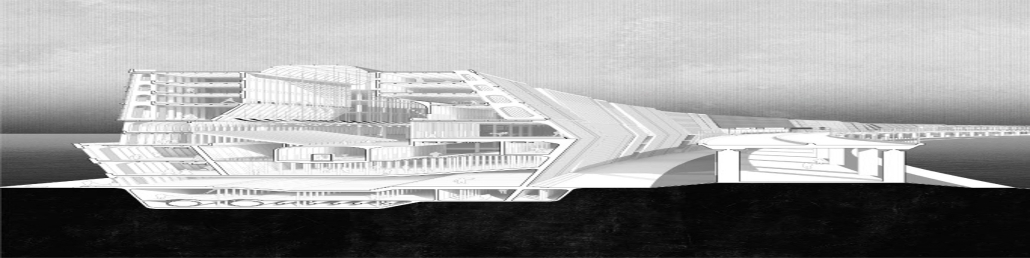
Life, Death, and the Eternal Recurrence of Architecture proposes building anew as a form of preservation. Situated along the Arakawa River Island in Tokyo, this project is a story of a building that has grown over time since 1946. The building undergoes successive replication and revision every few years, each edition is built next to its predecessor, eventually becoming an endless, linear, horizontal skyscraper that constantly reinvents itself through time. 

This architectural approach, rooted in preservation, provides a tangible way to experience changes that normally unfold over centuries. Architecture, then, becomes a device to register time.

This project won the Best Degree Project of 2023/2024.

Instagram: @g.eroaii, @kelv.hu

Unbound Beirut: Reimagining Boundaries & Transforming Realities by Sima Fayad, B. Arch ’24
American University of Beirut | Advisor: Makram Al Kadi

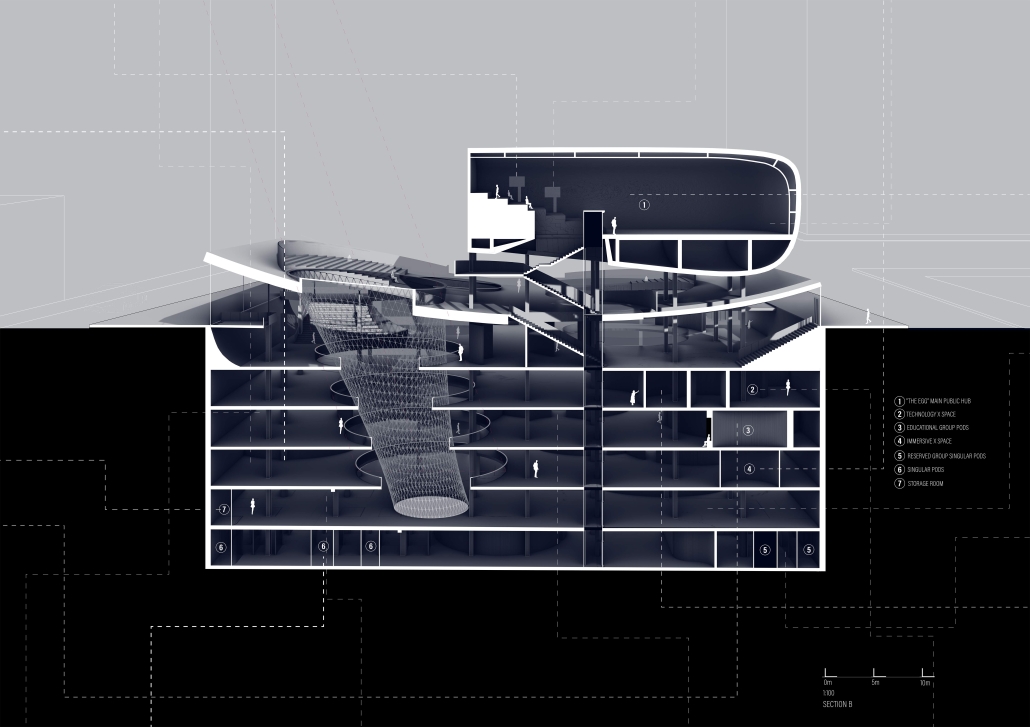
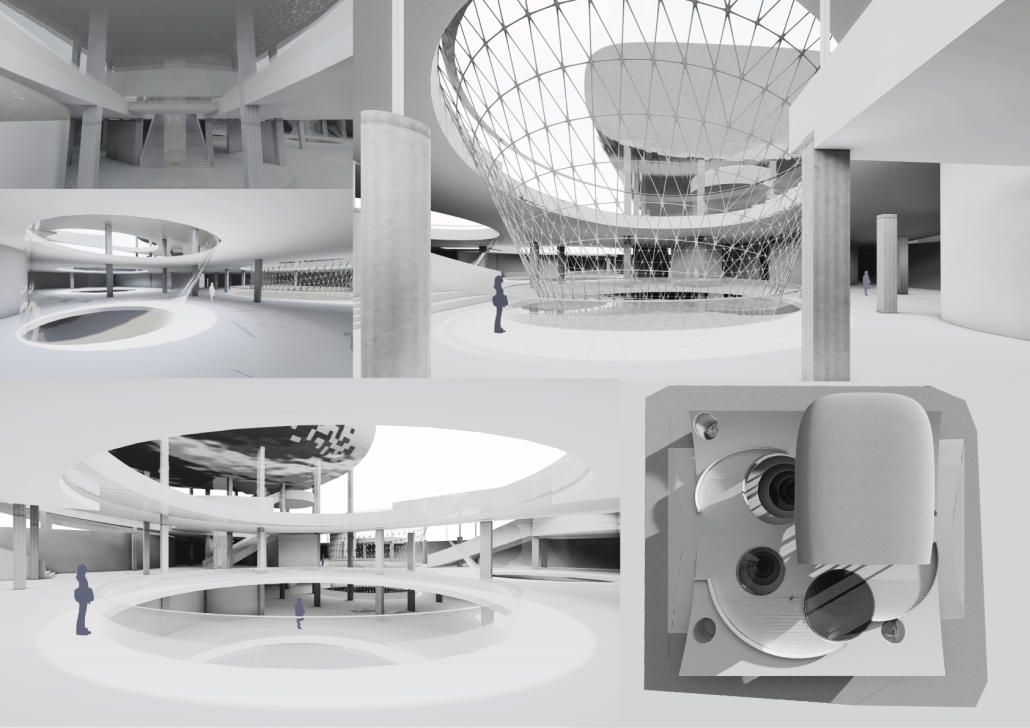
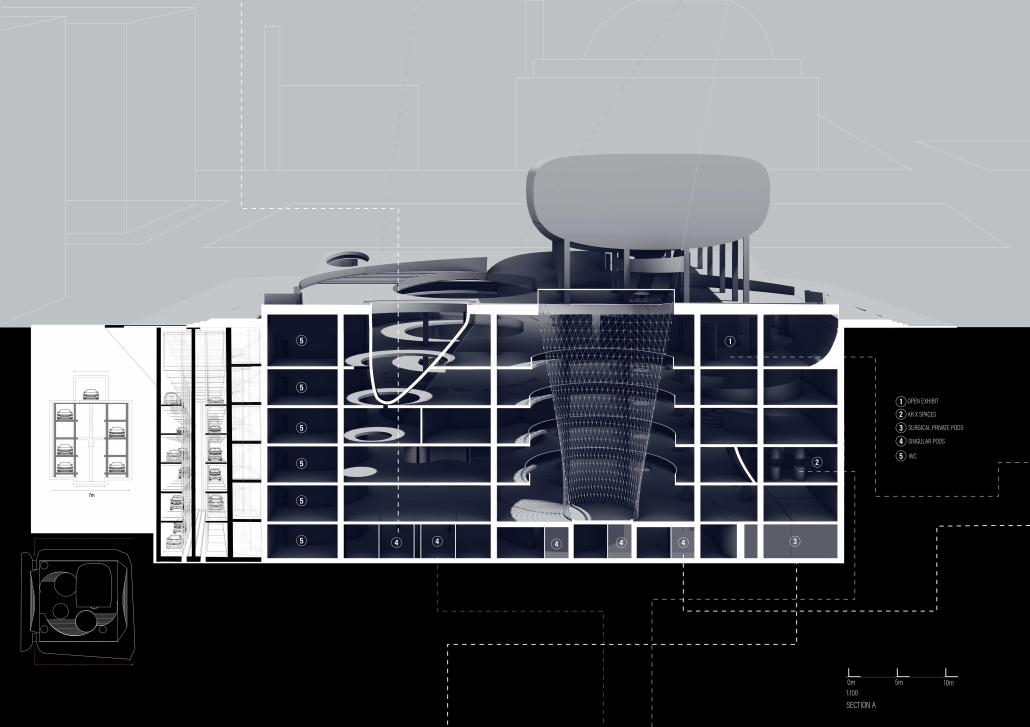
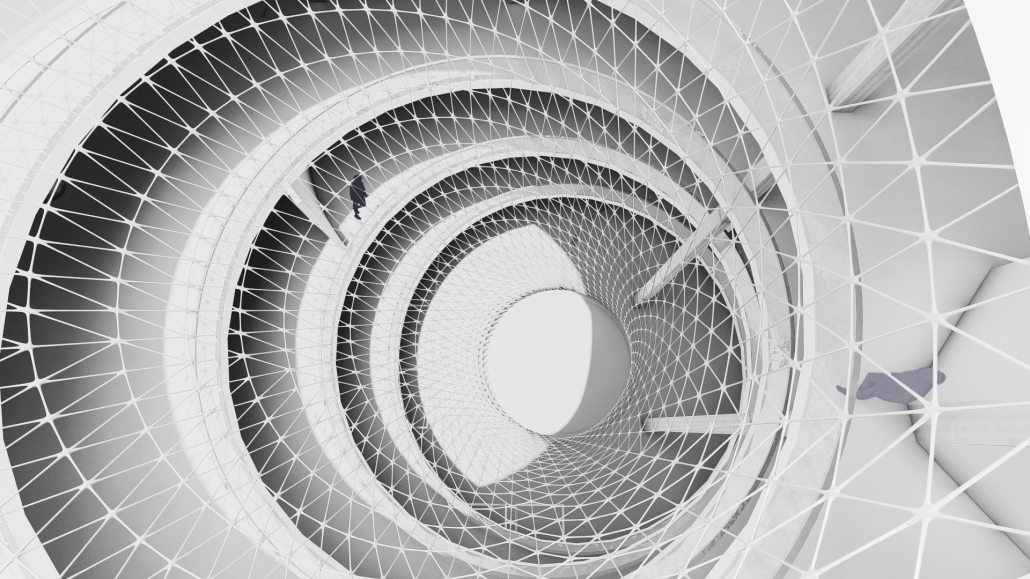
This architectural thesis culminates in transforming Beirut’s iconic dome, The Egg, located in Solidere, into a multifaceted public space. It seamlessly integrates medical, educational, and cultural uses through a harmonious fusion of virtual and physical elements. This design transcends Solidere’s boundaries, fostering interaction among diverse user groups within a dynamic environment. Symbolizing Beirut’s resilience and revival, The Egg blends history with a vibrant future, redefining spatial inhabitation by bridging physical and virtual realms.

At its core, this thesis explores the intersection of physical and virtual spaces, emphasizing the enduring significance of tangible structures while delving into the growing realm of digital environments. It investigates how architects can utilize digital technology to craft emotionally and socially resonant spaces that transcend traditional boundaries. Envisioning a future where architecture integrates seamlessly with digital elements, the study challenges architects to reimagine spatial design.

The introduction lays the foundation by recognizing the pivotal role of physical spaces in our spatial understanding, positioning the thesis at the confluence of the tangible and intangible. As digital technologies increasingly influence our physical reality, this thesis calls on architects to incorporate digital elements such as virtual reality and internet connectivity into their designs. It highlights how these once futuristic concepts are now essential tools for creating visually striking, functional, and socially impactful architectural spaces. 

The thesis examines the redevelopment of Beirut’s downtown area, specifically focusing on The Egg, a striking dome in the Solidere district. This site symbolizes Beirut’s resilience and revival post-war, embodying the city’s enduring spirit while highlighting the economic barriers that modern urban landscapes can create. The Egg stands as a testament to Beirut’s cultural heritage, illustrating how architecture can blend the past with a vibrant future, bridging physical and virtual realms to redefine our concept of inhabiting space.

Instagram: @ard_aub

PENINSULAR PAPER CO. by Chase Dietrich, B.S. Arch ’24
Lawrence Technological University | Advisor: Masataka Yoshikawa

The project, PENINSULAR PAPER CO., began with an in-depth site analysis. The design was initially inspired by the natural gathering spots surrounding the existing building. This project aims to renovate and expand the existing structure, guided by the logic of these natural gathering points and the acute angles they form. The contemporary vision for the building’s renovation leverages these convergent points, ensuring the new design seamlessly integrates with the environment while enhancing functionality and aesthetic appeal. By focusing on these natural elements, the project promises a harmonious blend of old and new, creating a revitalized space that respects its historical context and serves modern needs.

This project won the Lawrence Technological University Chair’s Award.

Instagram: @chase.a.dietrich, @masataka.yoshikawa

Steamtown Revival by Mason Ramsey, James Gentilesco & Dalton Metzger, B. Arch ’24
Marywood University | Advisors: Jodi La Coe & James Eckler

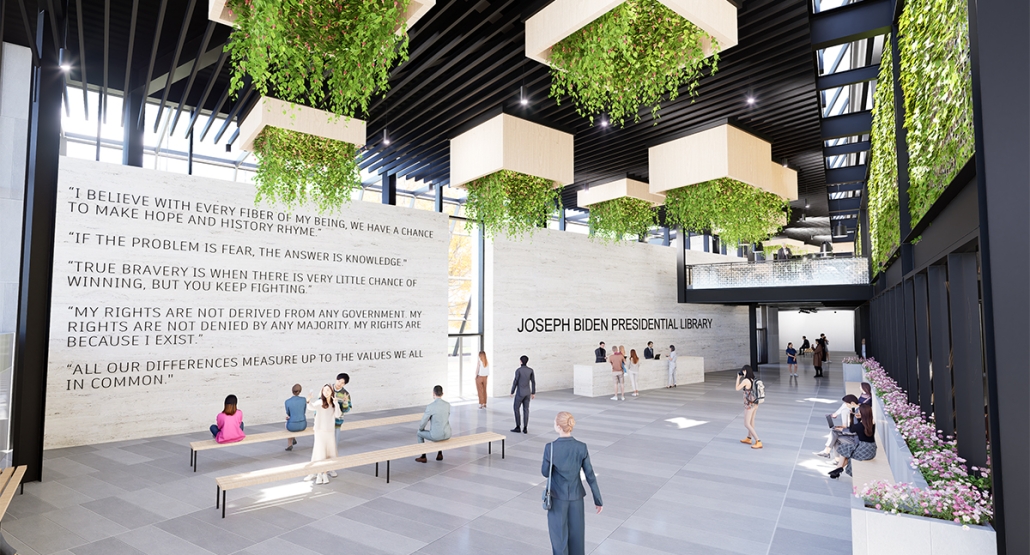
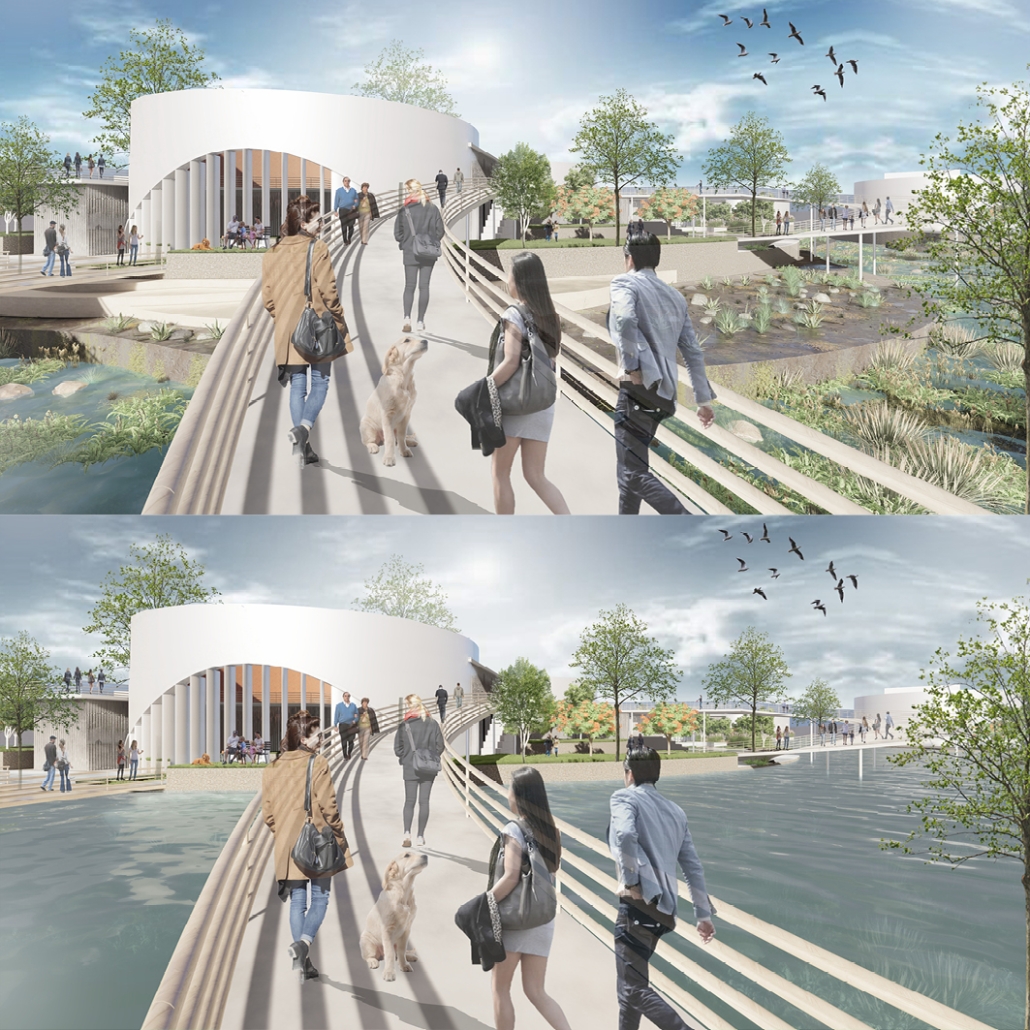
The Joseph Biden Presidential Library uses various design concepts to best represent our president’s values. Green walls, aquaponics, water reuse, and bioswales all work together to visually demonstrate President Biden’s environmental priorities. These are new concepts for the proposed site in Scranton, Pennsylvania, currently occupied by the Steamtown Mall, a development that only hurt the economy and environment of the city, as Jane Jacobs argued. The entire site is to be replaced with biking and walking trails to best integrate the cityscape with nature. Inside this presidential library, one may visit Biden’s museum collection, browse through his personal selection of books, and even request access to presidential archives in this new landmark in a regrowing city.

Instagram: @ramsey_architecture, @gentilesco_architecture, @jodilacoe

“Navigating Uncertainty” in Lebanon by Karly Abou Dib, B. Arch ’24
American University of Beirut | Advisors: Trevor Ryan Patt & Rana Haddad

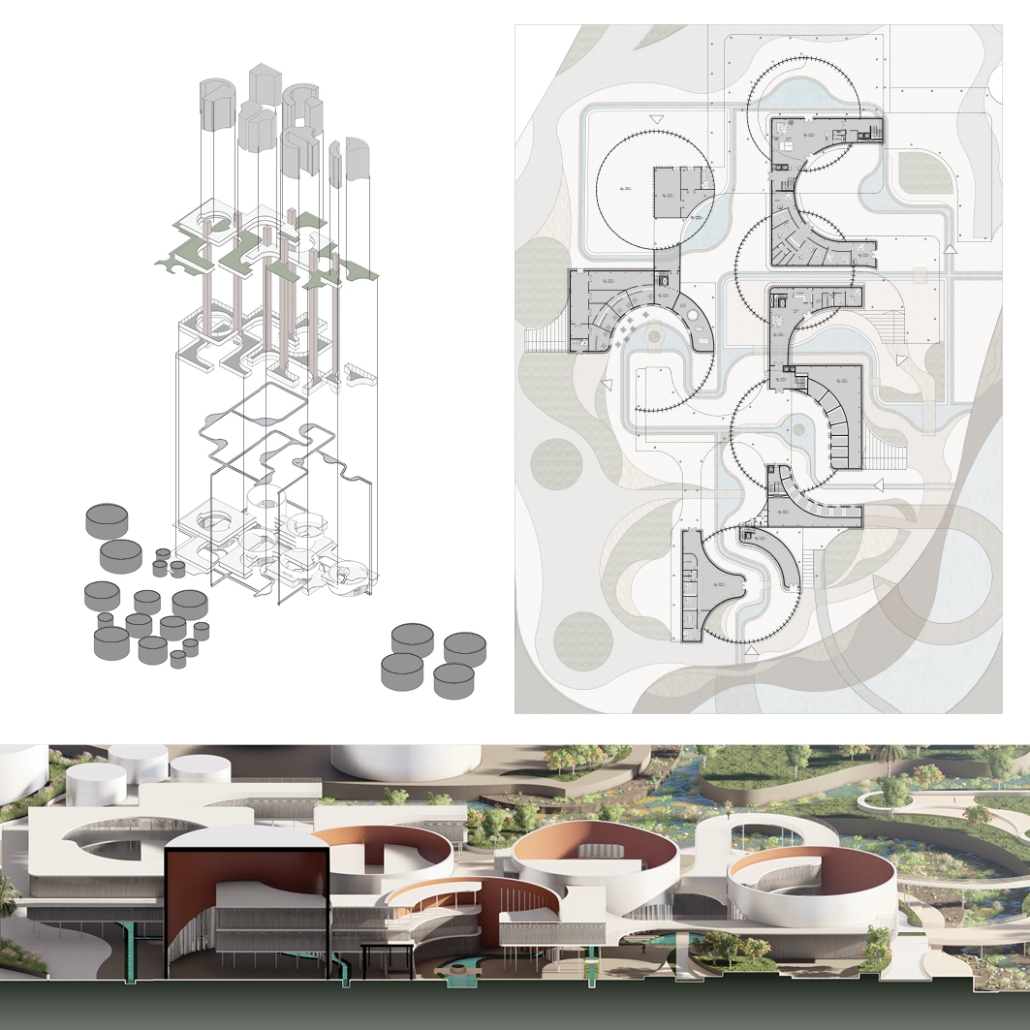
“Navigating Uncertainty” embarks on a detailed exploration of oil terminals, delving into their structural intricacies and temporal dimensions. By examining the historical significance, contemporary functionalities, and future uncertainties of these terminals, the study unfolds a narrative that seeks to craft a transformative blueprint for their decommissioning and sustainable future.

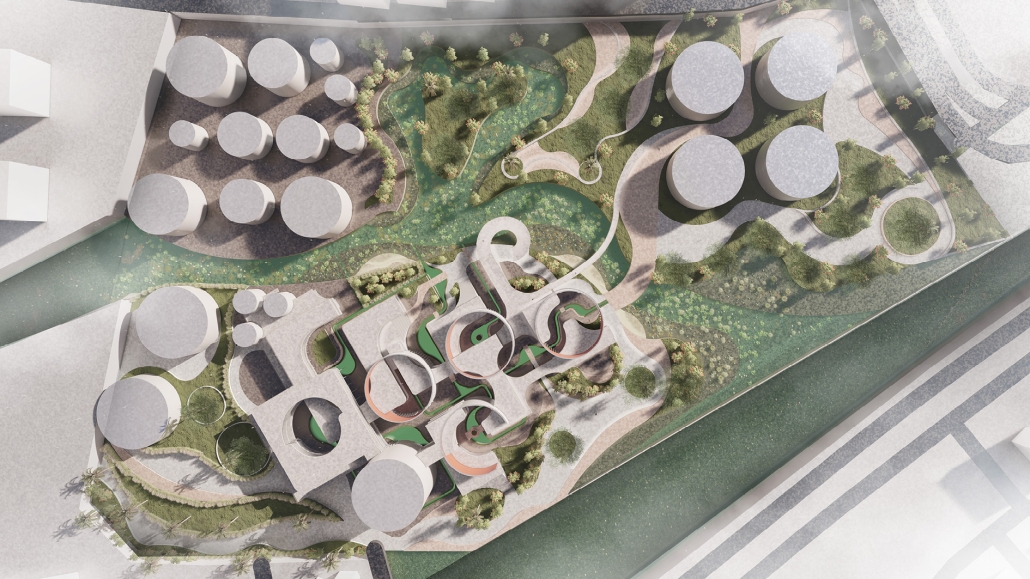
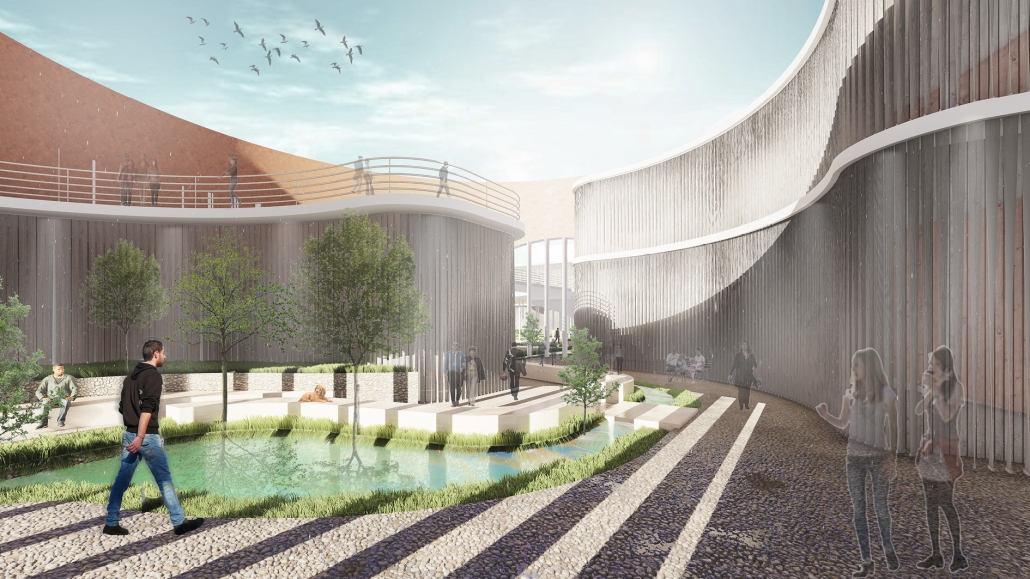
At the heart of this exploration is the concept of transforming challenges into opportunities for innovation through human collaboration. The uncertainty surrounding oil terminals is reimagined as a productive force, driving the evolution of a resilient and environmentally conscious infrastructure. The study proposes a shift from impermeable industrial containers to porous courtyards or “voids” that invite nature to reclaim and transform these spaces. This transformation symbolizes a transition from industrial to ecological, where past structures are enveloped by greenery and become communal spaces that foster biodiversity and community interaction.

Strategically designed “solids” are introduced within these voids, serving as eco-friendly program holders that benefit the environment. These solids house activities such as labs and workshops, green markets, and human energy-powered gyms, directly engage with and enhance their natural surroundings. The design and proportion of these solids vary based on their environmental impact, with programs that have a significant positive effect on nature occupying more prominent spaces.

The interface between the new solids and the voids is filled with community engagement opportunities and pathways that foster educational and cultural experiences. Visitors navigate through these transformed spaces, engaging with layers of information and activity that promote a deeper understanding of sustainability and its impact. This dynamic environment educates and inspires, cultivating a greener mindset among its visitors.

The project transforms an industrial site into a vibrant green space through the development of a porous wetland. This wetland enhances social well-being, supports biodiversity, and aids in natural water treatment and flood mitigation. It serves as an educational hub promoting environmental sustainability and highlights the role of wetlands in urban ecosystems. By integrating water into the site, the wetland mitigates flood risks and improves urban microclimates, showcasing how industrial areas can be reclaimed by nature

Instagram: @ard_aub

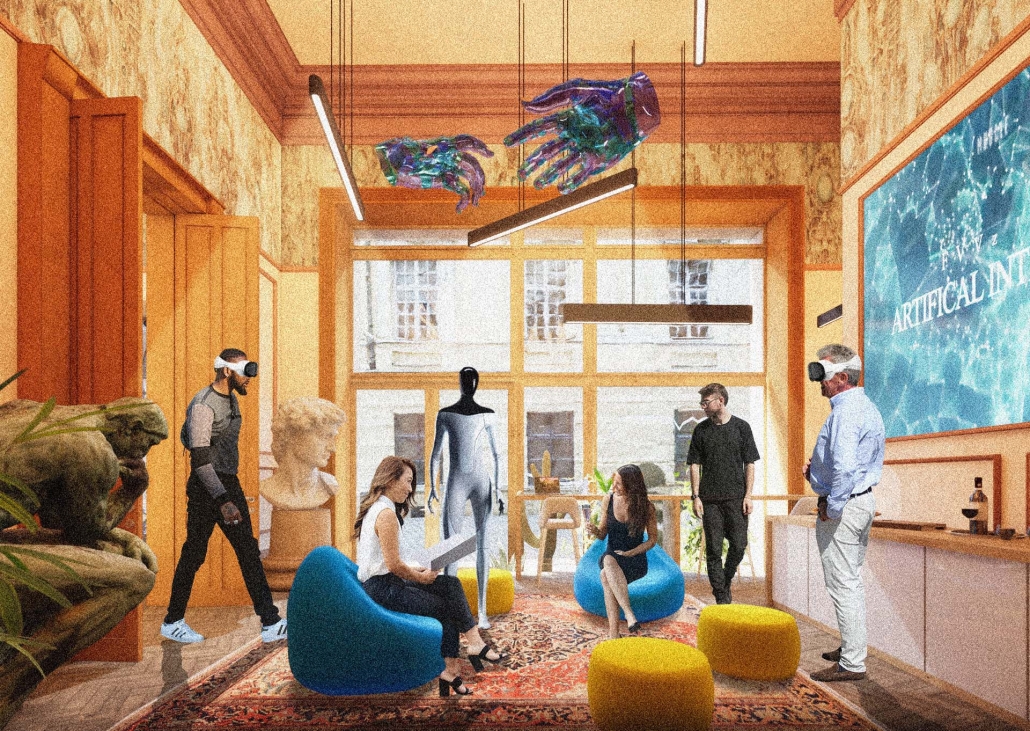
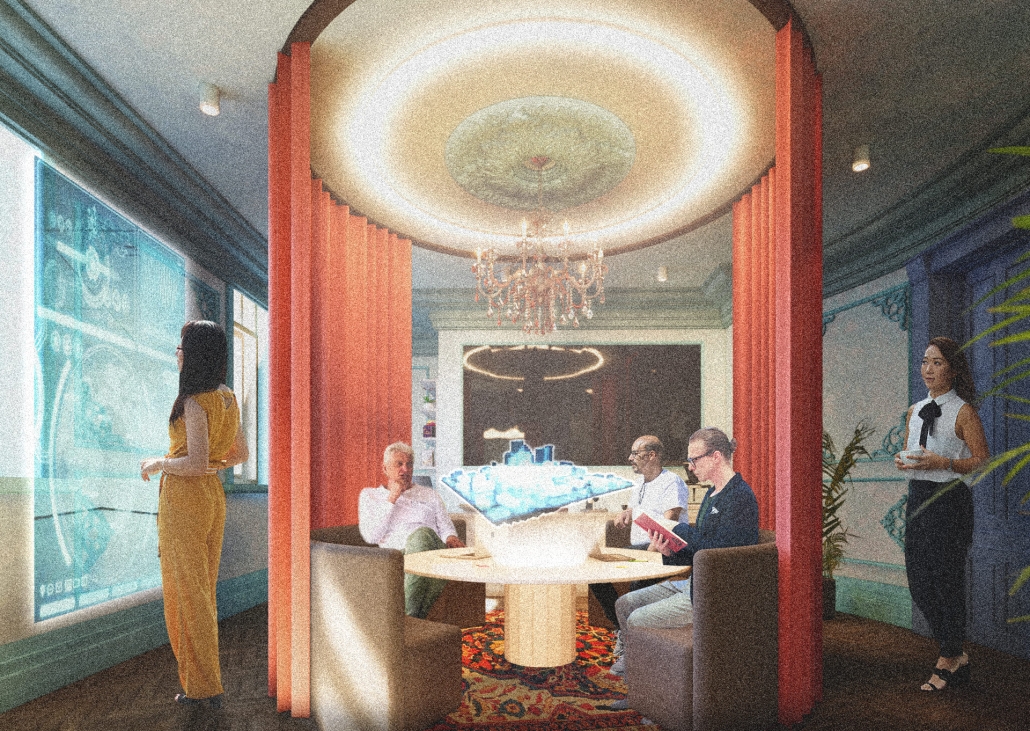
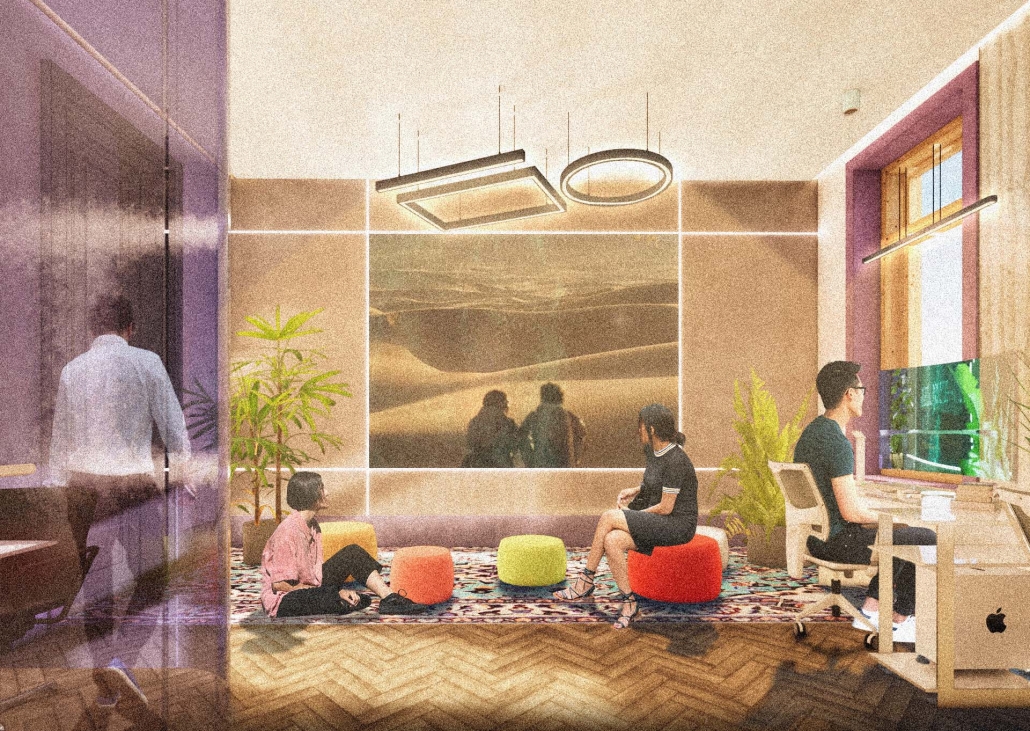
Global Educational Center for IT Specialists and Migrants in Istanbul by Anatolii Savoskin, Diploma in Strategic Interior Design / Private Master Degree ’24
IE University | Advisor: Elvira Munoz

For my graduate project, I tackled the challenges faced by skilled migrants, drawing from my own experience and that of friends worldwide. Using design tools, I aimed to provide solutions by identifying a real client in crisis and repurposing an underused building. Researching the client’s needs and challenges was pivotal in shaping our design strategy. We chose a historic building in central European Istanbul, strategically located near public amenities and transportation hubs to cater to our target audience: migrants with IT backgrounds. Detailed user mapping helped to understand their expectations and needs. My design concept focused on four key elements: an Al educational center, a rebranding campaign for Blackberry, integration of multicultural design elements reflecting migrants’ cultures, and a transition from classical to modern styles throughout the building’s floors.
Instagram: @iearchdesign, @anatolii_savoskin

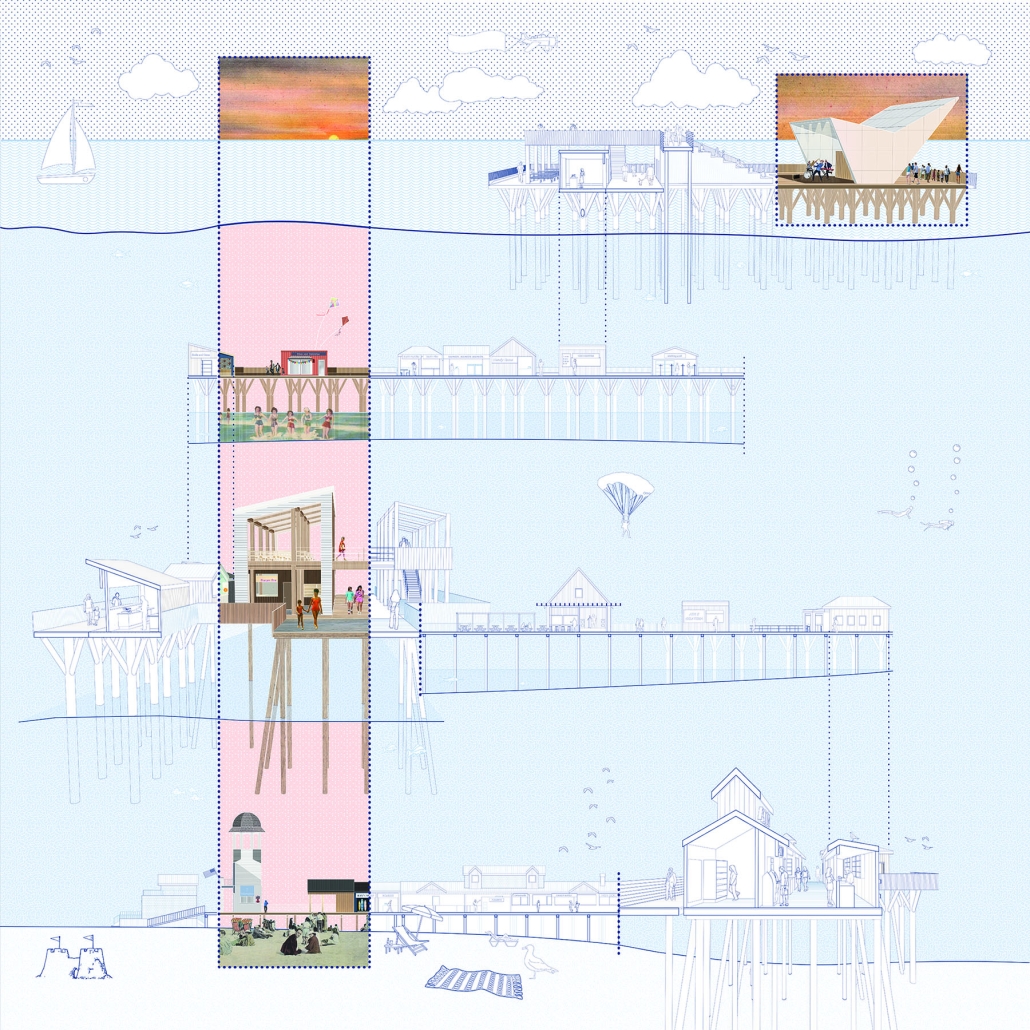
Extending The Patchwork | The Pier by Jillian Sproul & Olivia Nunn, M. Arch ’24
Toronto Metropolitan University | Advisors: Joey Giaimo & Julia Jamrozik

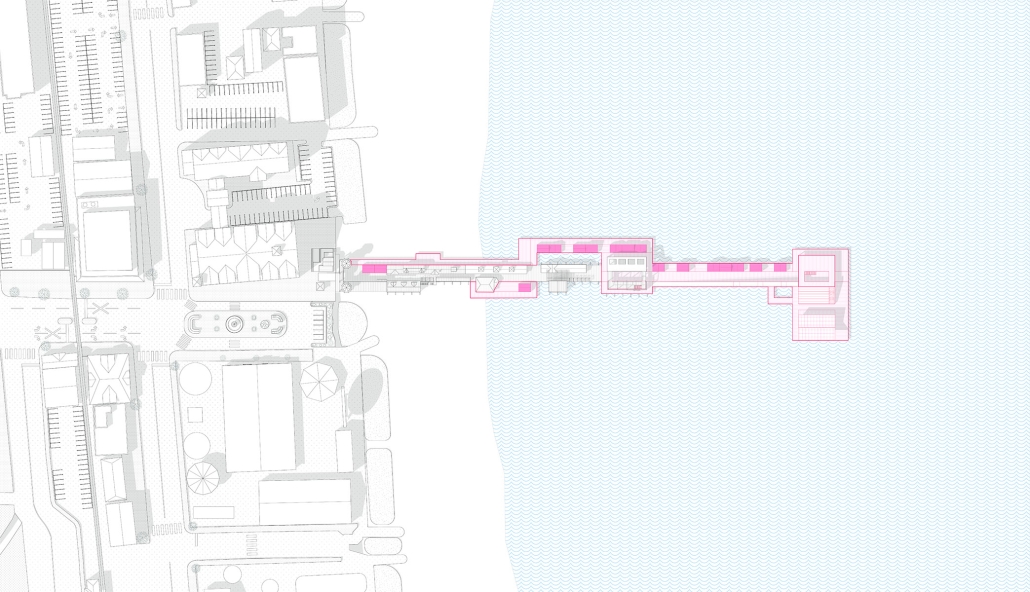
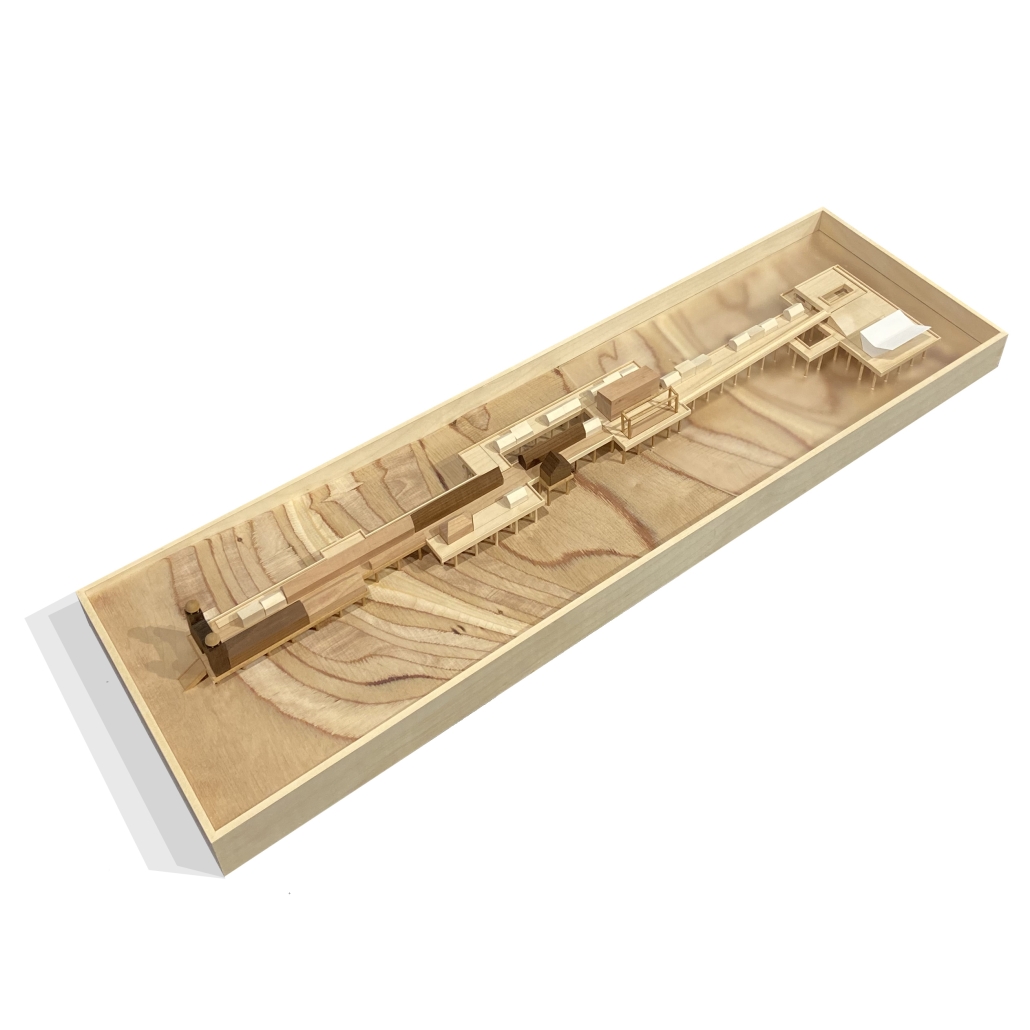
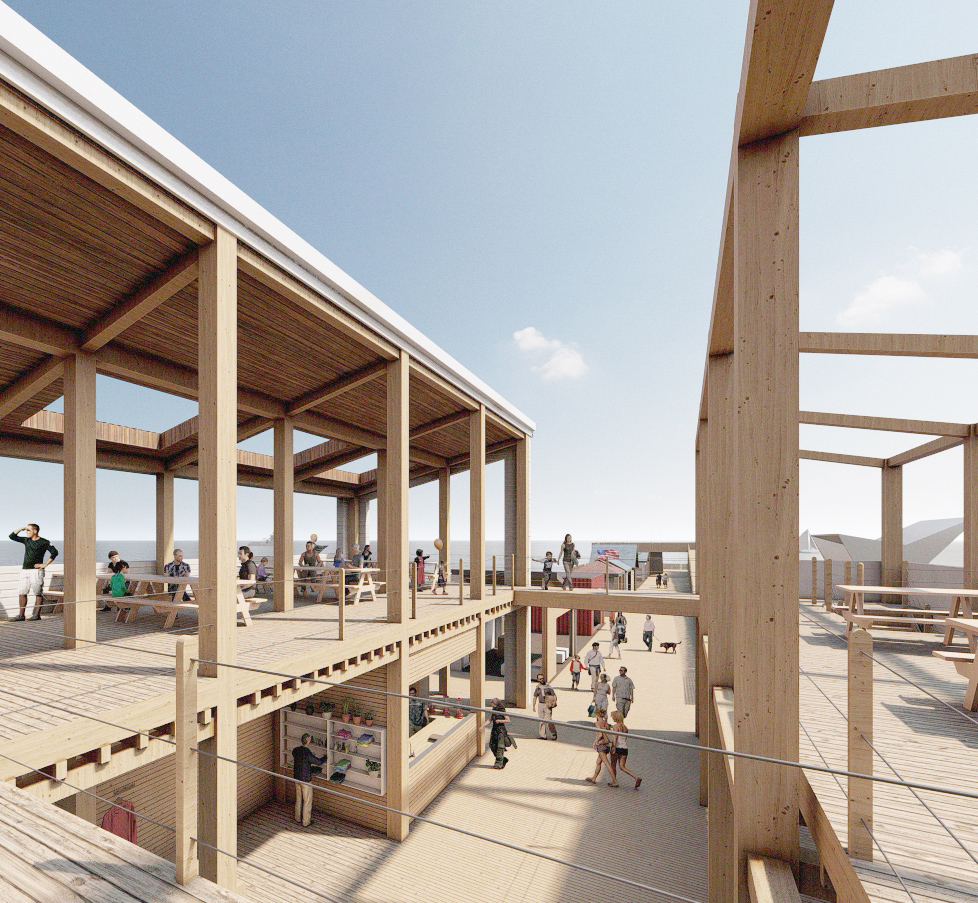
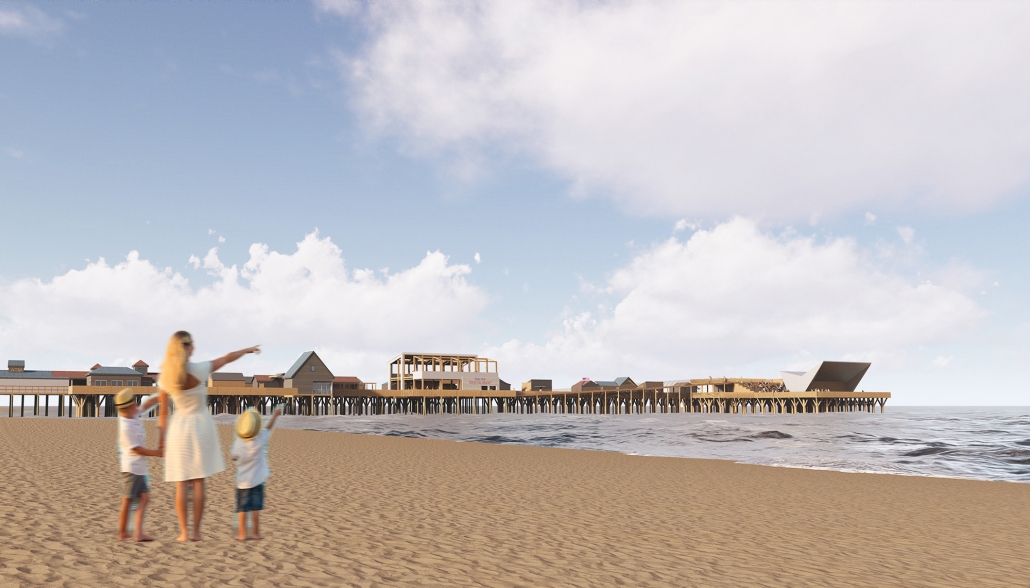
Located in Old Orchard Beach, Maine, a tourist beach town, the project proposes an extension of the current pier providing opportunities for vendor expansion. The new pier proposal is achieved through the implementation of subtractive and additive heritage strategies. It provides locals with the agency to expand their business onto the structural modules that will aggregate as needed based on future growth, extending the existing vendor and architectural patchwork. The existing main pavilion has been opened up as a midpoint for resting and [eating]. The newly designed end pavilion embraces the past entertainment values of the site, showcasing live performances and expansive views out to the water. The form of the performance structure is shifted to align with the main street of the town, inviting visitors to adventure through the entirety of the pier, especially during sunset, when sun rays reflect off of the metallic panels. The two-storey performance pavilion is accessible with the feature ramp leading tourists on a journey separated from the busy vendor stalls. The total pier addition allows the current architectural and vendor patchwork to be valued as a key component to the pier’s long-standing success since 1899.

The physical model utilizes three types of wood to visualize the architectural patchwork of the current pier and the proposed extension. The burnt maple represents existing components of the pier, while the cherry represents existing components that have undergone renovations. This is contrasted with the basswood that represents the proposed patchwork extension.

Instagram: @jilliansproul, @olivianunn14

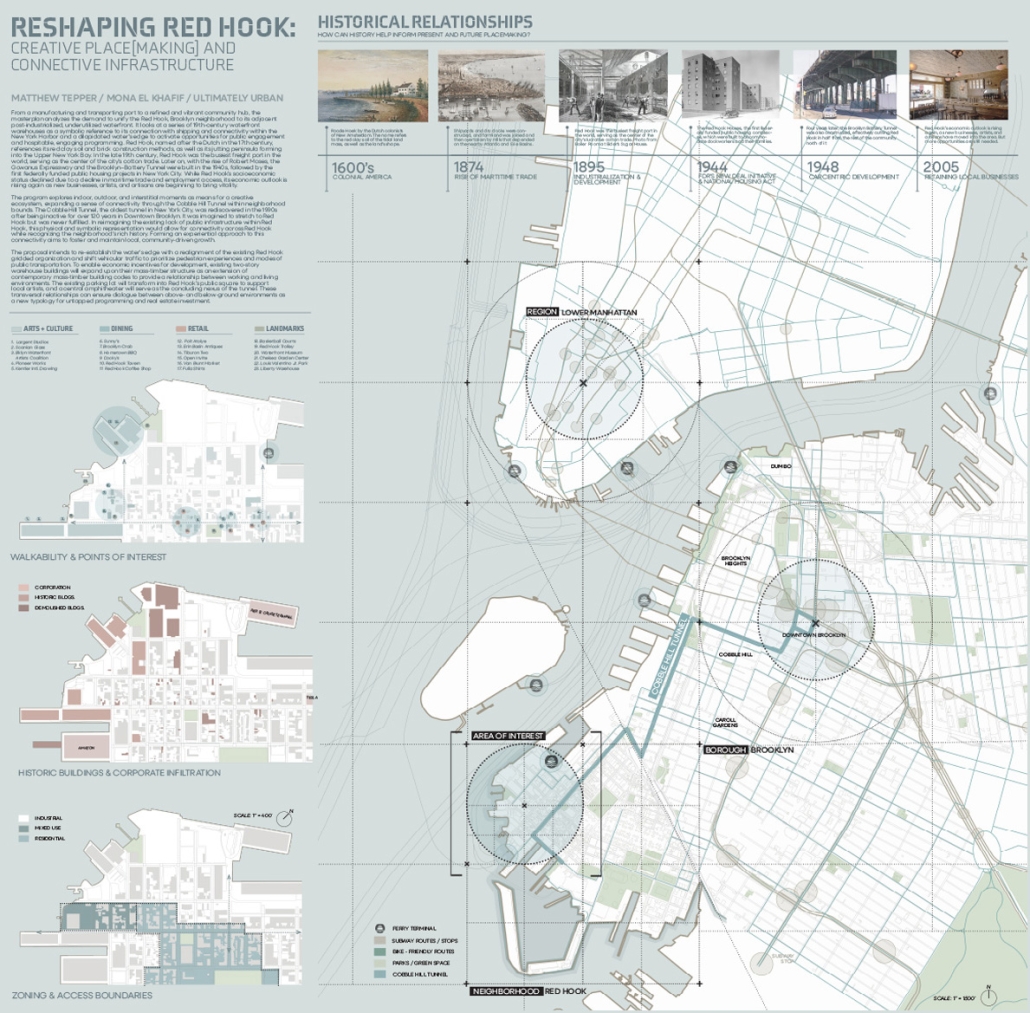
Reshaping Red Hook: Creative Placemaking and Connective Infrastructure. by Matthew Tepper, B.S. Architecture ’24
University of Virginia | Advisor: Mona El Khafif

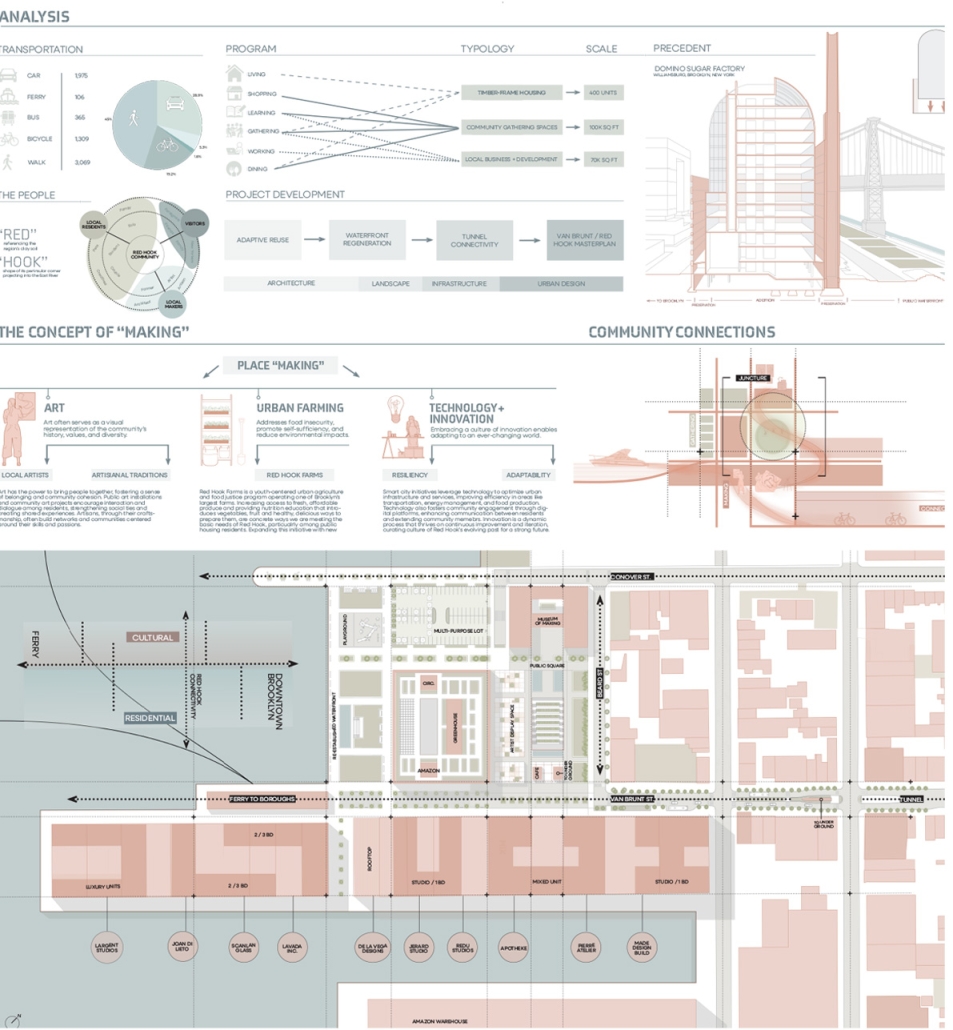
From a manufacturing and transporting port to a refined and vibrant community hub, the masterplan analyzes the demand to unify the Red Hook, Brooklyn neighborhood to its adjacent post-industrialized, underutilized waterfront. It looks at a series of 19th-century waterfront warehouses as a symbolic reference to its connection with shipping and connectivity within the New York Harbor and a dilapidated water’s edge to activate opportunities for public engagement and hospitable, engaging programming. 

Red Hook, named by the Dutch in the 17th century, references its red clay soil and brick construction methods, as well as its jutting peninsula forming into the Upper New York Bay. In the late 19th century, Red Hook was the busiest freight port in the world, serving as the center of the city’s cotton trade. Later on, with the rise of Robert Moses, the Gowanus Expressway and the Brooklyn–Battery Tunnel were built in the 1940s, followed by the first federally funded public housing projects in New York City. While Red Hook’s socioeconomic status declined due to a decline in maritime trade and employment access, its economic outlook is rising again as new businesses, artists, and artisans are beginning to bring vitality.

The program explores indoor, outdoor, and interstitial moments as means for a creative ecosystem, expanding a sense of connectivity through the Cobble Hill Tunnel within neighborhood bounds. The Cobble Hill Tunnel, the oldest tunnel in New York City, was rediscovered in the 1990s after being inactive for over 120 years in Downtown Brooklyn. It was imagined to stretch to Red Hook but was never fulfilled. In reimagining the existing lack of public infrastructure within Red Hook, this physical and symbolic representation would allow for connectivity across Red Hook while recognizing the neighborhood’s rich history. 

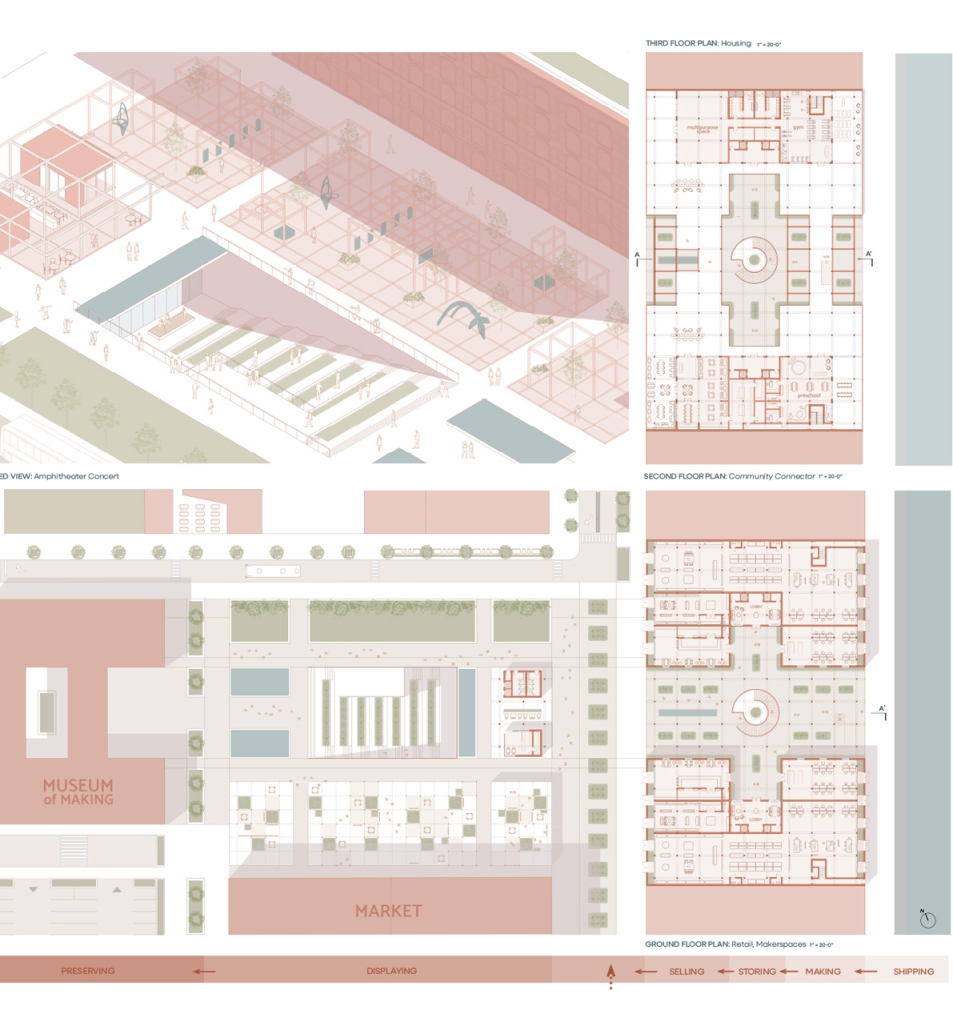
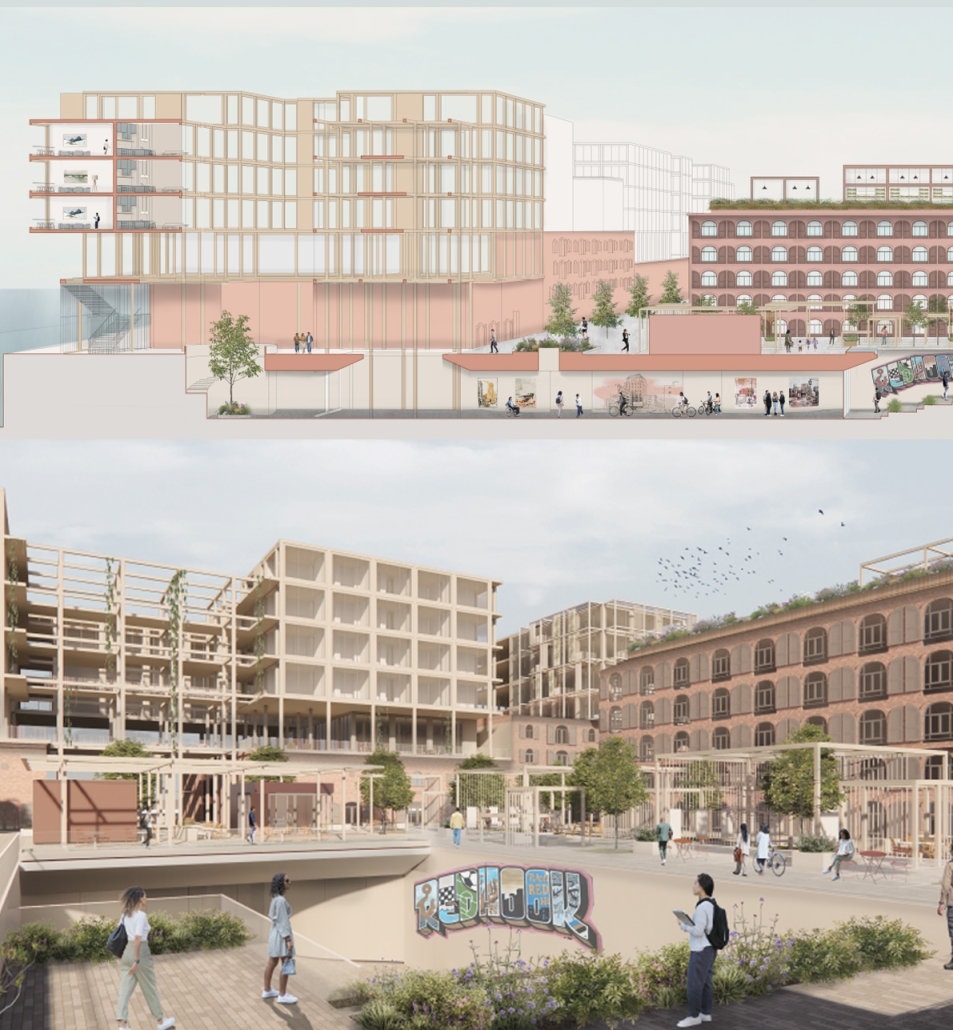
Forming an experiential approach to this connectivity aims to foster and maintain local, community-driven growth. The proposal intends to re-establish the water’s edge with a realignment of the existing Red Hook gridded organization and shift vehicular traffic to prioritize pedestrian experiences and modes of public transportation. To enable economic incentives for development, existing two-story warehouse buildings will expand upon their mass-timber structure as an extension of contemporary mass-timber building codes to provide a relationship between working and living environments. The existing parking lot will transform into Red Hook’s public square to support local artists, and a central amphitheater will serve as the concluding nexus of the tunnel. These transversal relationships can ensure dialogue between above- and below-ground environments as a new typology for untapped programming and real estate investment.

Instagram: @mattportfolio, @aschool_uva

Fluid Landscape: A Speculation on Edge by Marla Stephens, M. Arch ’24
University of Florida | Advisors: Charlie Hailey & Jeff Carney

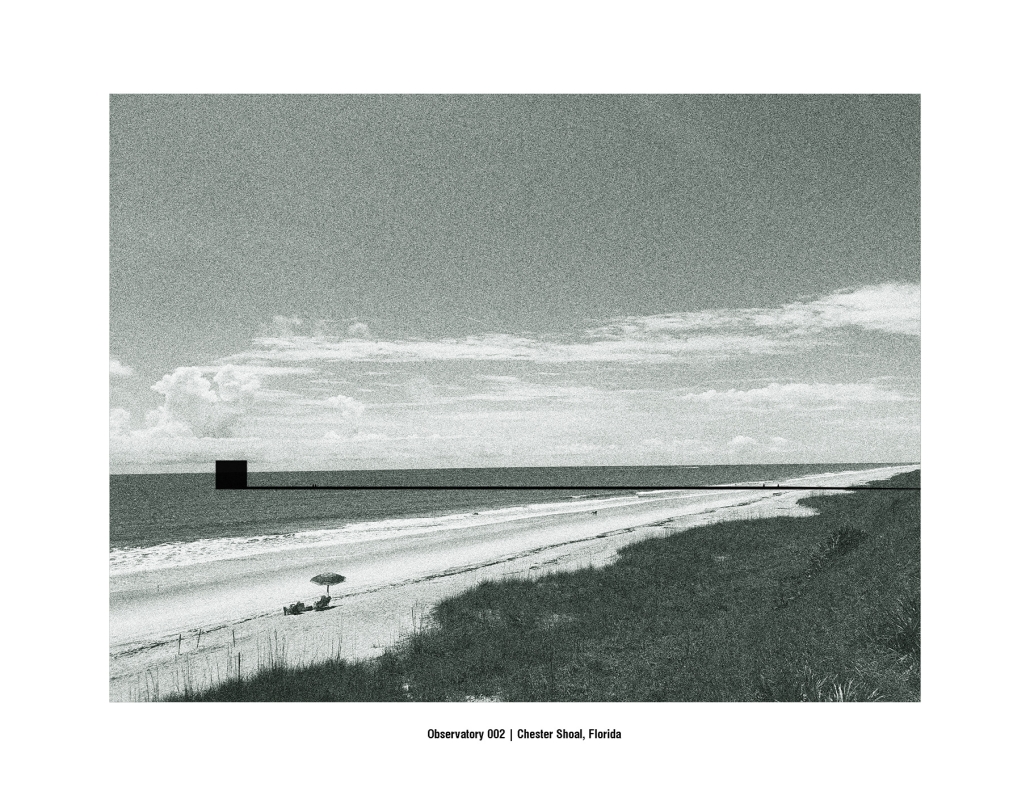
Architecture for a Fluid Landscape: A Speculation on Edge, addresses the ephemeral nature of dwelling on Florida’s coastal edge. This project aims to unearth Florida’s fluid strata to resurface a forgotten timeline of architectural ruins and stories lost at sea and to reinterpret future coastal habitation for an accreting landscape. Using Wilbur-by-the-Sea and Cape Canaveral, Florida as stations for witnessing and recording the evolution of an edge, this project will begin to negotiate the nature of impermanence and symbiosis of architecture along the shore. 

As time passes, layers of stories, artifacts, ecologies, and technologies are embedded within the anthropogenic landscape. Is time as fluid as the littoral edge? Is there a way to work between the layers, to establish a permanent marker of change, to record the unfolding of time on an uncertain edge? Time moves quicker and shorter here, each day is a different coast. On the edge, change is felt at a more alarming rate. Here we bear witness to the ecological impact we have made; impacts which are felt slowly, suddenly, or all at once. Can architecture make us notice more? Notice the imprint of a seashell along the shore, and the fluttering of the saturated sand made by a sand flea hiding beneath the surface; to the detrimental effects of toxic runoff which tarnishes the shore with a nauseating green film, and the infrastructural damage inflicted by hurricanes and rising tides. We must notice more, to slow down time once again and decelerate our current path towards exponential degradation, to restore Mother Nature’s natural procession.

This project will collect and unearth objects and stories found along the fluid landscape while using the Florida Houses of Refuge as a generative part for testing markers on the coast. The Houses of Refuge were ten stations along the east coast of Florida constructed for the sole purpose of saving the lives of shipwrecked persons, yet they evolved into much more. This project uses the forgotten coast of Chester Shoal as a proving ground for ever-evolving iterations of stations that witness the transformations of an ephemeral landscape.

Instagram: @charlie.hailey, @marla.stephens

Conservatory of Theater: A Spot Light in the User by John M. Campis-Bobe, B. Arch ’24
Pontifical Catholic University of Puerto Rico | Advisor: Pedro A. Rosario-Torres

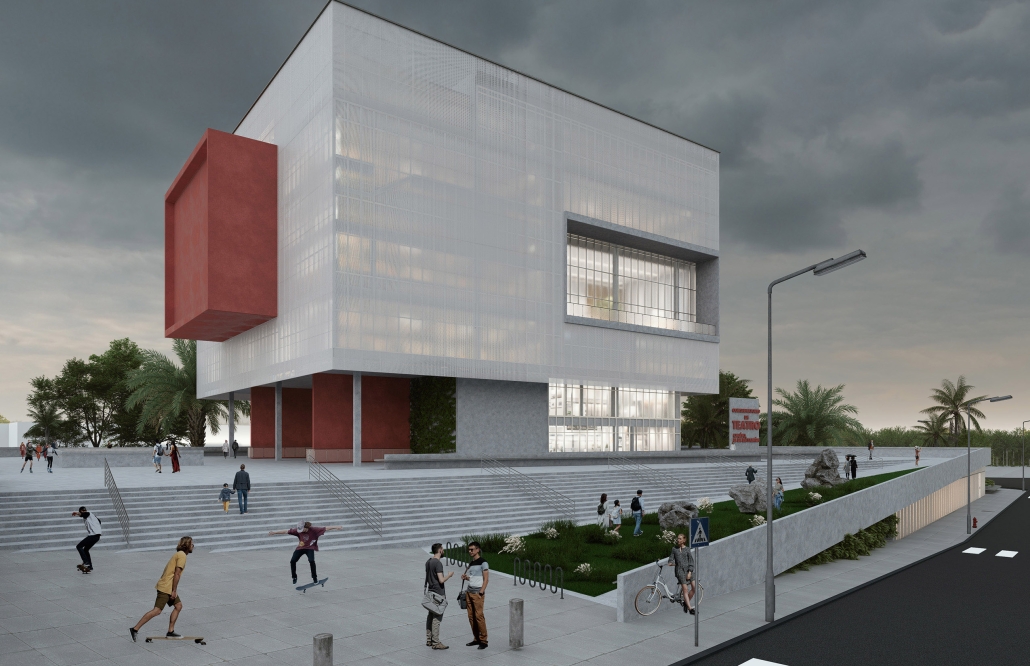
The decline of performing arts in contemporary culture can be attributed to a lack of cultural identity. Historically, theater served as a platform for societal reflection and discussion of political and sociocultural issues. Today, this art form has lost its prominence in many countries, necessitating a revival to inspire a new generation. To address this, the project employs the concept of a perfect prism to contrast its surroundings, highlighting the performance space as a vital expression of cultural identity.

Located in Bayamón, Puerto Rico, near the urban train’s last station, the project identifies existing entities and highlights those proposed for improvement. By linking the urban core, it establishes a new theatrical district with an axis running from the town hall through Marti Street to the Theater Conservatory. The conservatory’s design incorporates six strategies from modern theater culture, seamlessly integrated into the urban context, emphasizing both external and internal engagement. Its purpose is to create a series of encounters between performances and spectators, inviting exploration and contemplation throughout the city. For example, urban niches carve fenestration within each façade, showcasing rehearsal rooms, foyers, and terraces to residents and visitors passing by. The black box theater is cantilevered from the building façade, marking the culmination of the theatrical district axis. Inside, there are adaptable spaces for various scenarios that aren’t restricted by a fixed arrangement. This expands on the versatility to reconfigure to the constant changes in our contemporary culture. To improve the user experience and accessibility, an elevated urban plaza is created, bridging the conservatory with the surrounding urban fabric and inviting community interaction. Due to the tropical climate, sustainable features include natural ventilation on all floors, permeable pavement, solar panels, and an underground cistern for water storage.

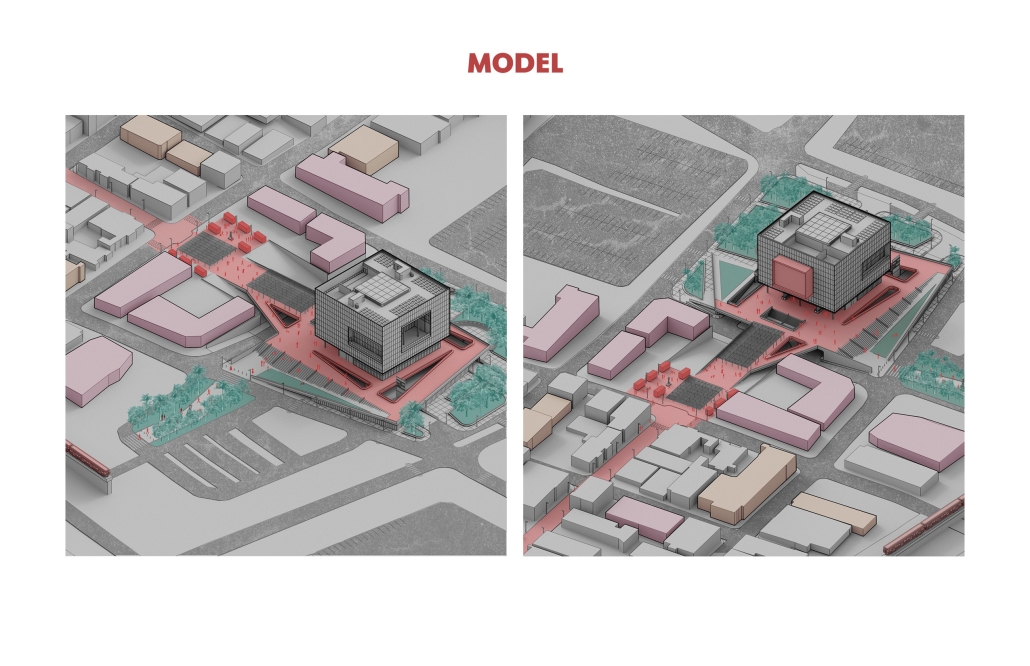
The final model reveals the axis that unifies the new theatrical district and an alternative route from the train station, designed to enhance pedestrian access. By integrating urban connectivity, cultural engagement, and sustainable design elements, the conservatory sets a new standard for functionality and environmental stewardship, marking a transformative icon for new cultural expression. 


Instagram: @johncampiss

Archi-eulogy: Negotiating Ruination in the Urban Void by Glory Nasr, B. Arch ’24
American University of Beirut | Advisor: Sinan Hassan

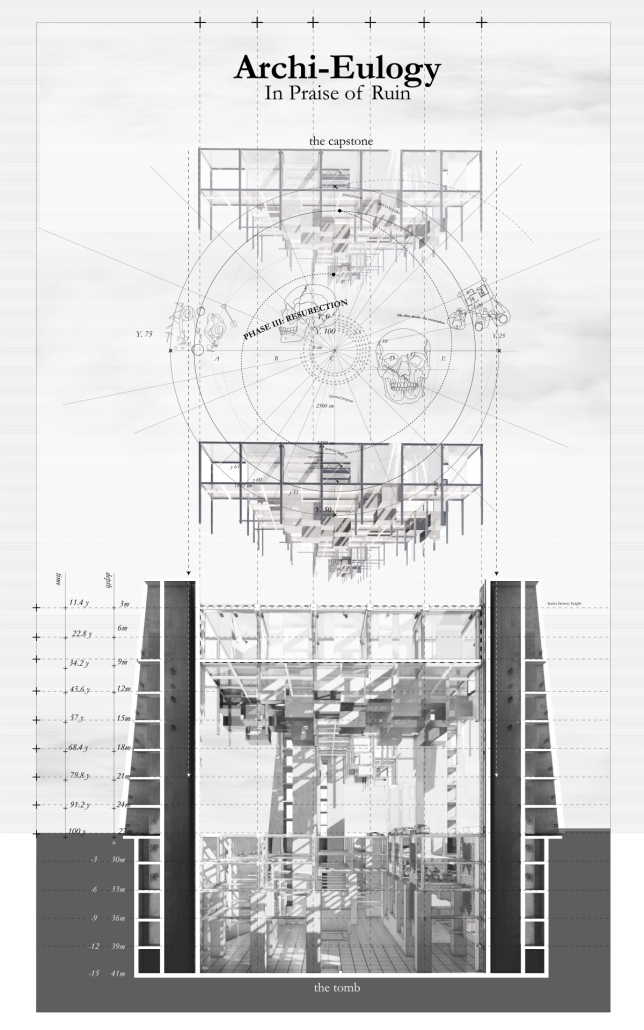
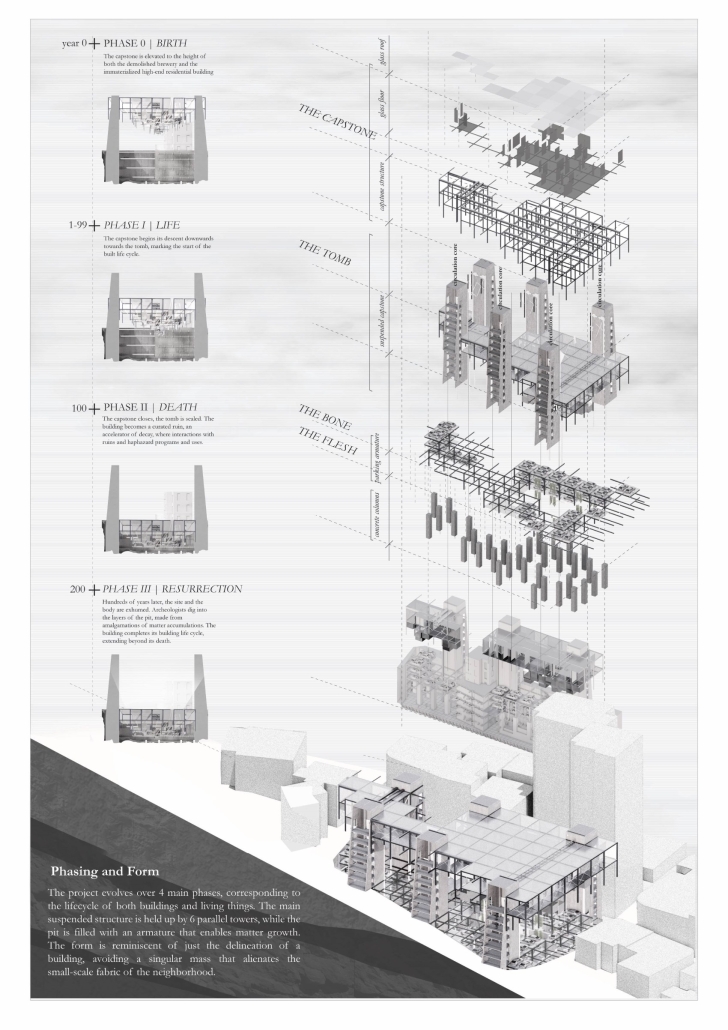
In a dense alleyway of a residential suburb of Beirut, Lebanon, lies a neighbourhood-sized construction site, halted at the excavation stage. Where once stood the Laziza Factory, the first brewery in the Levant that was demolished in 2017, remains a 20-meter-deep manufactured chasm, vestiges of the unfinished construction of a high-end, Starchitect-made residential project. The chasm resembles a tomb with no capstone, a tomb for the demolished brewery and the immaterialized lofts, but more importantly for the notion of architecture as a practice above the human realms of economic crisis. The result is an absurd condition caught between architecture, geology, and ruin. 

With this urban condition as the site of the project, Archi-eulogy stands as a manifesto 

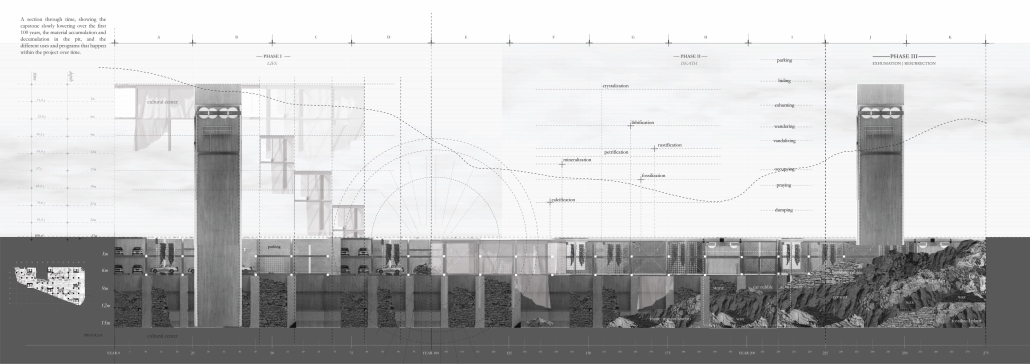
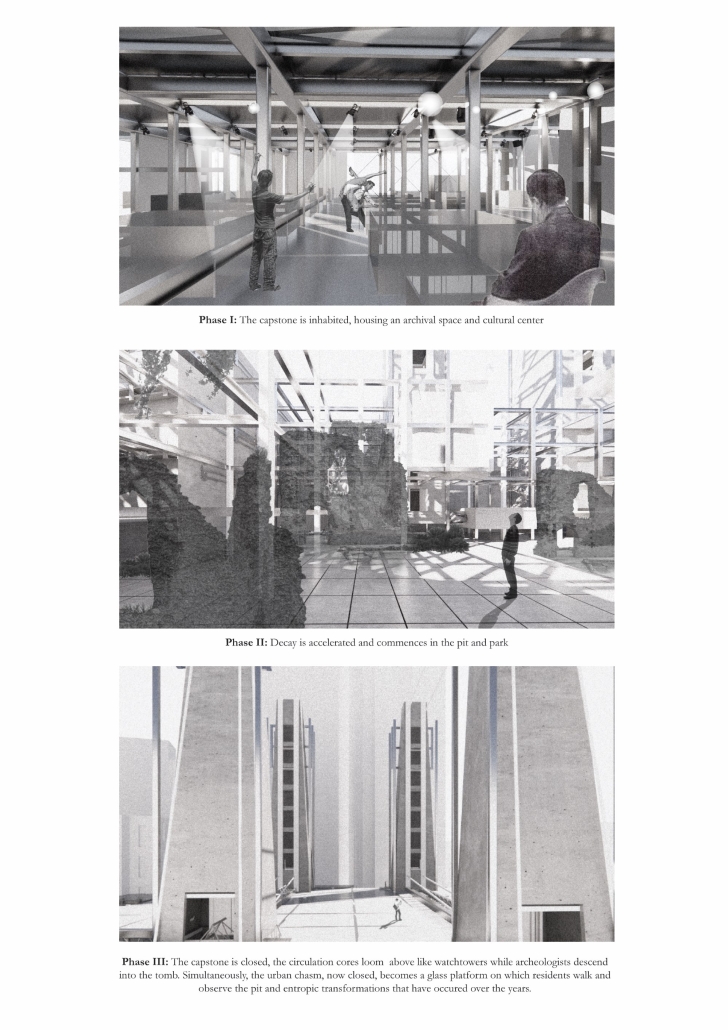
critiquing the method with which we build, developing an architecture that is inherently one of nonarchitecture. Building on the image of the site as an urban tomb, Archi-Eulogy proposes the acceptance of death through a lowering of a literal and metaphorical capstone onto the construction site over a 100-year cycle, corresponding to the average lifespan of a building. The capstone houses an art gallery and archival space, preserving the memory of the original brewery. Each height above the street level corresponds to a year, creating a geological stratification of the building height. As the capstone descends 0.5 cm a week 

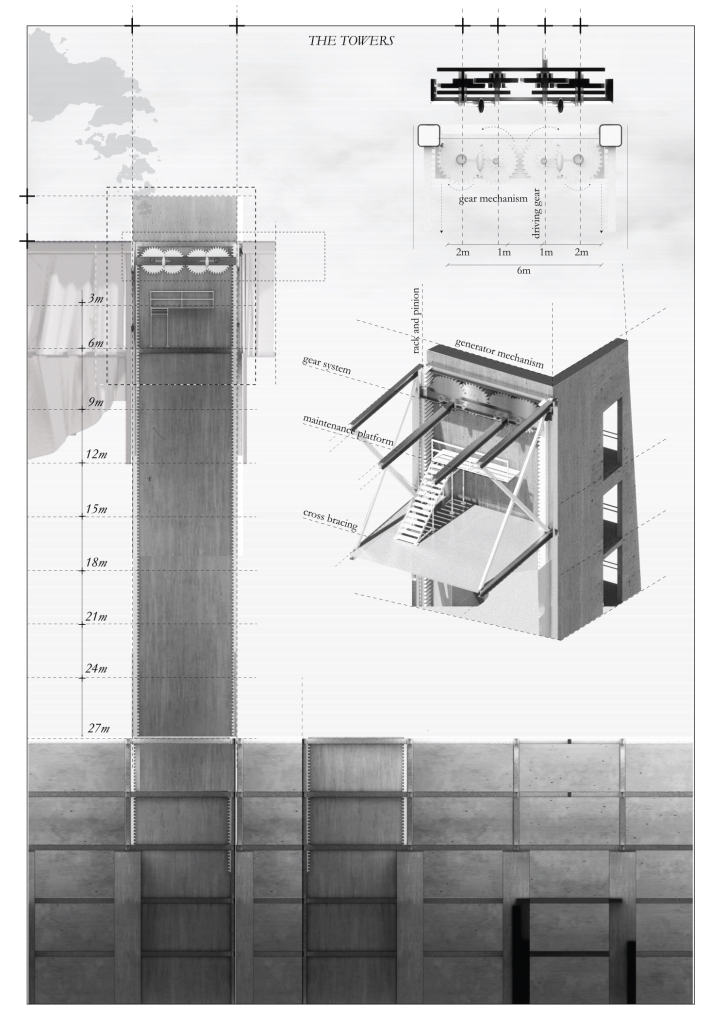
for a century, matter accumulates and decumulates in the pit. The pit houses a parking space on the upper two floors, while the bottom three floors are left as public space for the residents of the neighbourhood. Once the capstone closes and the excavation is remediated, the project enters its second phase, becoming a curated ruin-scape, allowing for informal uses of the public park. Finally, hundreds of years into the future, archaeologists descend into the pit through its towers, exhuming the archaeological body buried in the tomb. By literally and metaphorically closing the urban tomb, the project aims to remediate the violence the unfinished construction inflicted on the neighborhood. 

This project was the 2nd Prize Winner of the Areen Projects Award for Excellence in Architecture and won the Dean’s Award for Creative Achievement.

Instagram: @ard_aub

Stay tuned for Part XV!
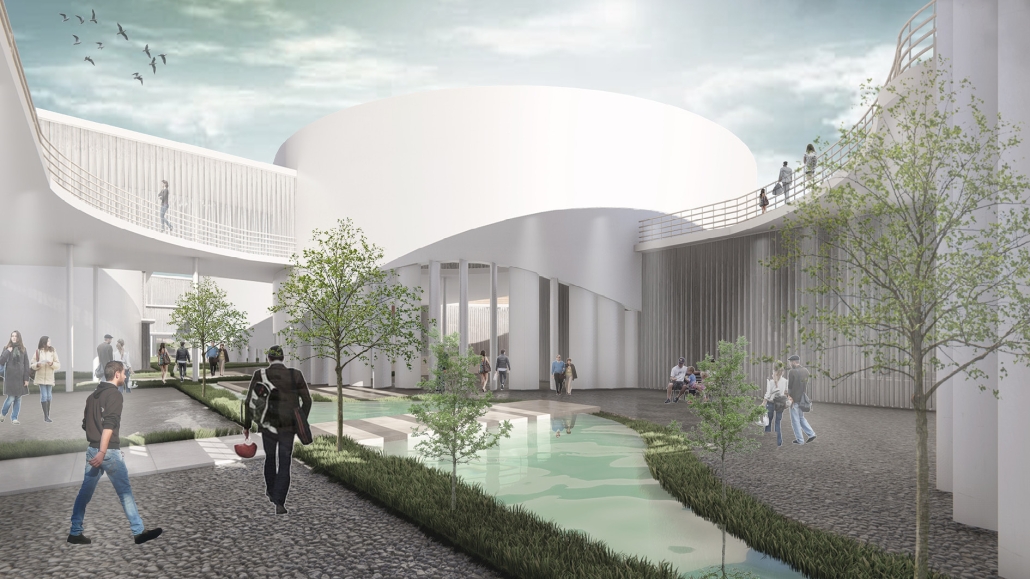
2024 Study Architecture Student Showcase - Part XIII

Public spaces take the spotlight in Part XIII of the 2024 Study Architecture Student Showcase. The featured projects include recreation centers, parks, memorials, performance spaces, multi-faith facilities, city centers, and more!
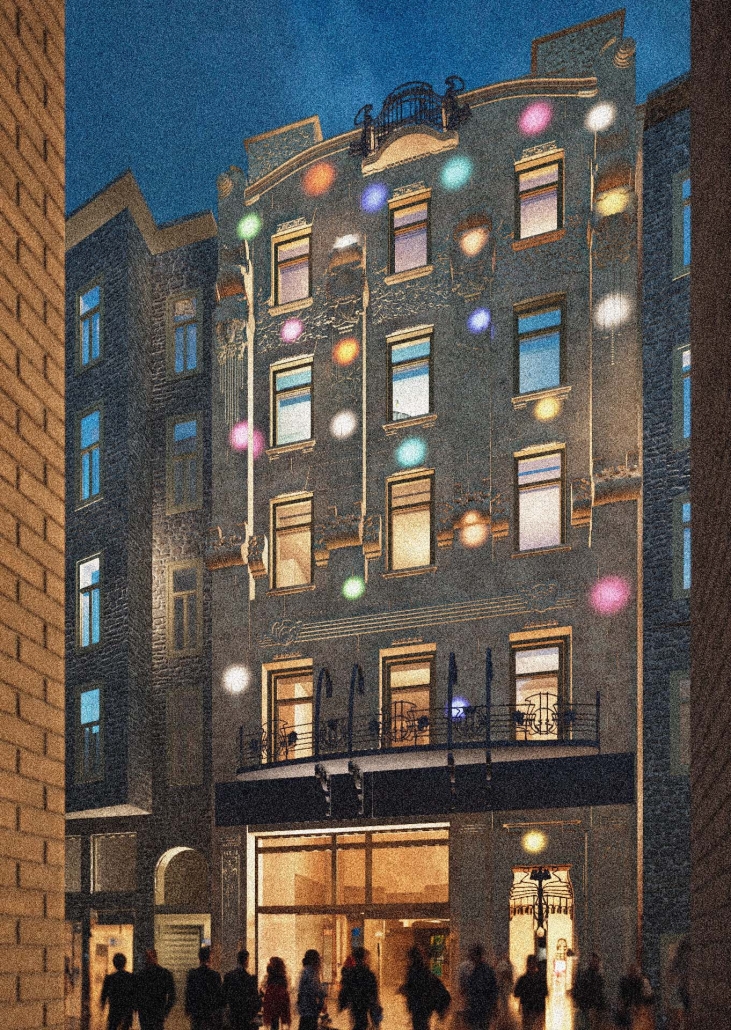
Each student’s design was crafted with community needs at the top of mind. They utilize strategies ranging from reducing height in response to residential locations and combatting hostile architecture. They are also intentional about the use of materials with mediums such as wood, steel, and glass playing a role in curating the visitor experience. Each project aims to promote equity, education, belonging, socialization, and connectedness within their communities.

Scroll down to view these inclusive, accessible, and vibrant public spaces!
Tarboro Road Recreation Education Center by Lucas Stott, B. Arch ‘24
North Carolina State University | Advisor: Marshall Purnell

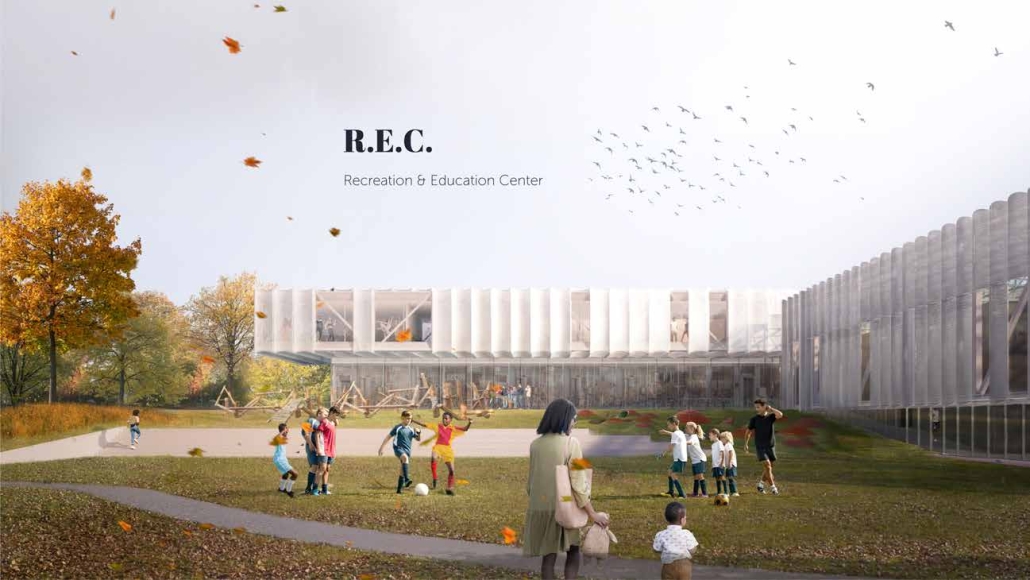
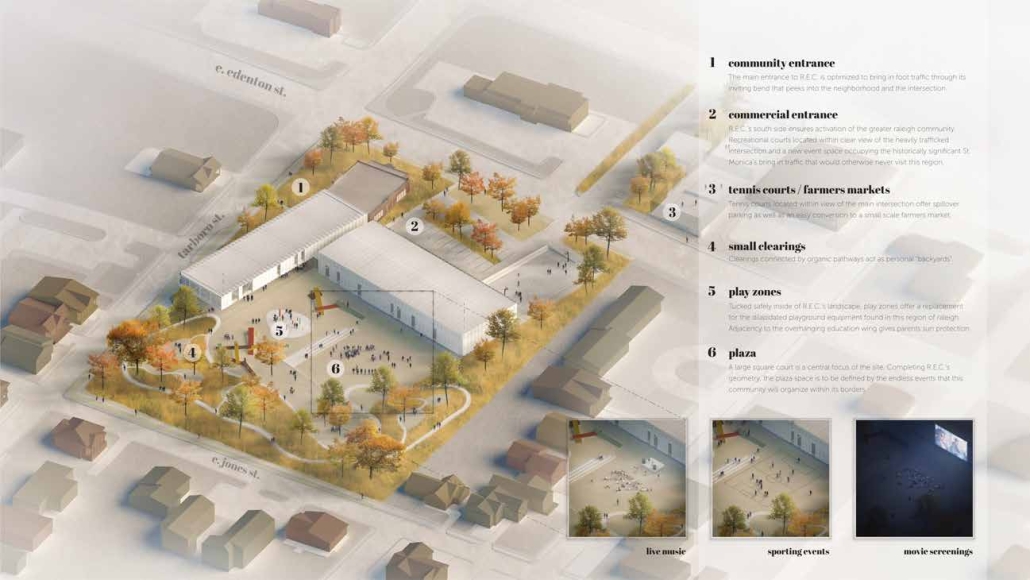
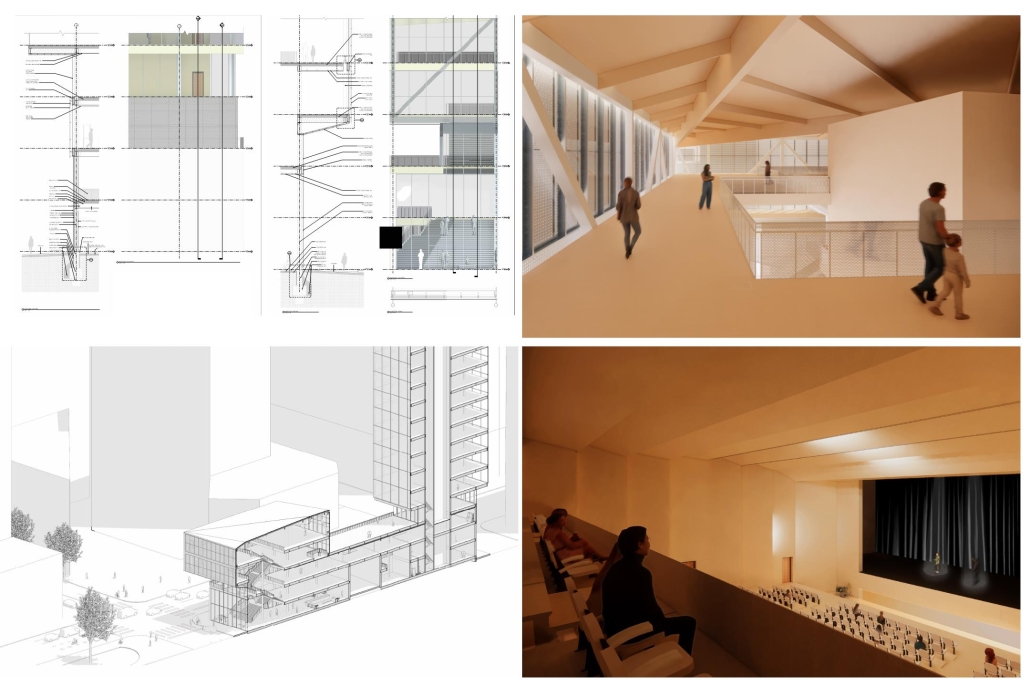
Compelled to provide vital community forums, recreation, and green spaces to East Raleigh, the 30,000-square-foot Recreation Education Center (R.E.C.) has created a gathering location for residents while linking local neighborhoods to Raleigh on a broader scale.

E. Edenton St. and New Bern Avenue have become defining features of East Raleigh, bringing in a surge of traffic from Downtown Raleigh. This results in a corridor of commercial properties and roadways that divide low-income neighborhoods. R.E.C. uses its visibility of these high-traffic roads to revitalize the region.

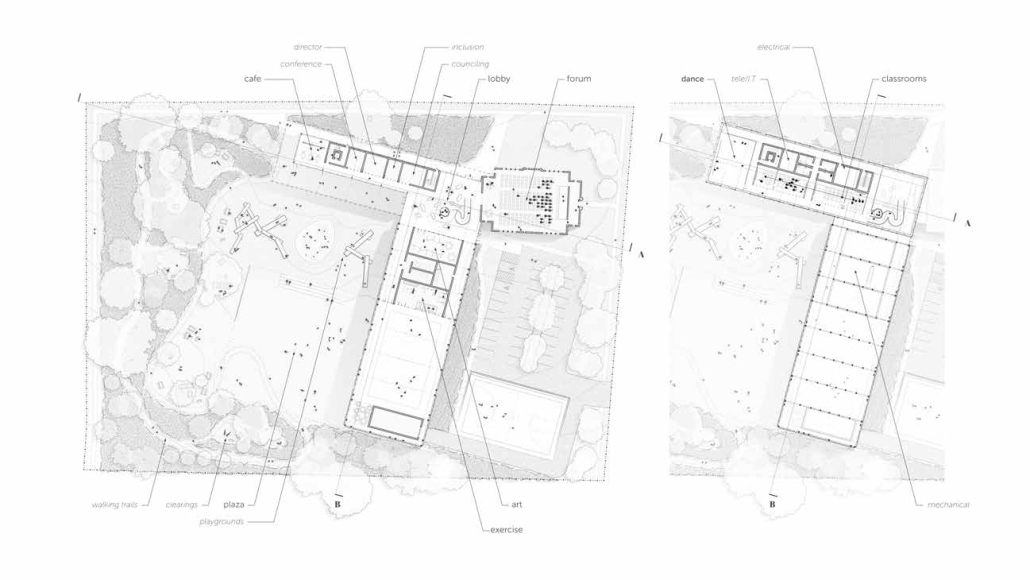
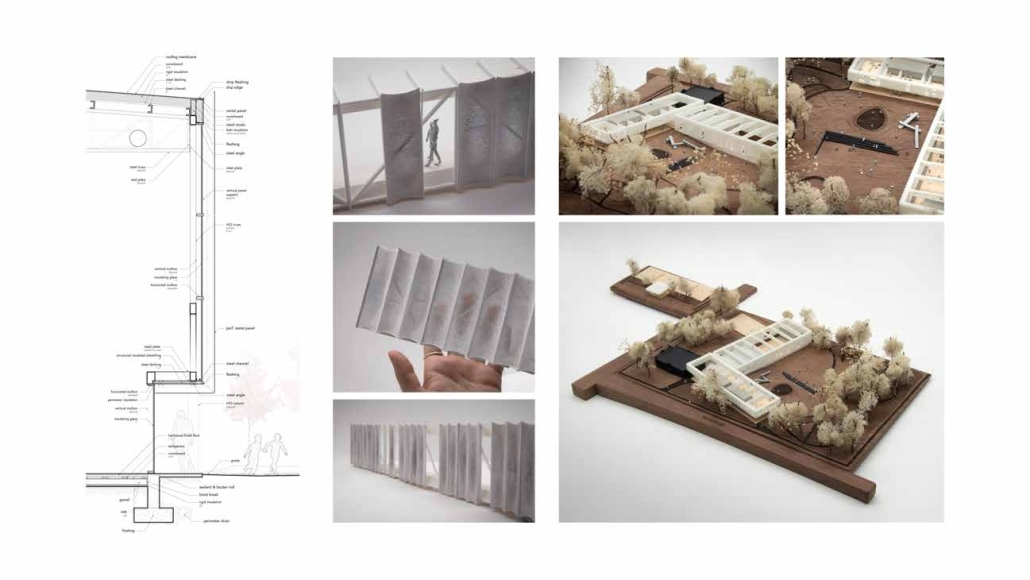
R.E.C.’s L-shape shields the neighborhood, opening towards the local community and protecting it from the intruding larger-scale city. Two diaphanous frames visible from the intersection attract new visitors intriguing fresh faces that would otherwise never visit the region. The existing historical educational building, converted into a 200-seat event hall, encourages public forums and community-building, breaking down barriers that traditionally separated East Raleigh from the rest of the city. 

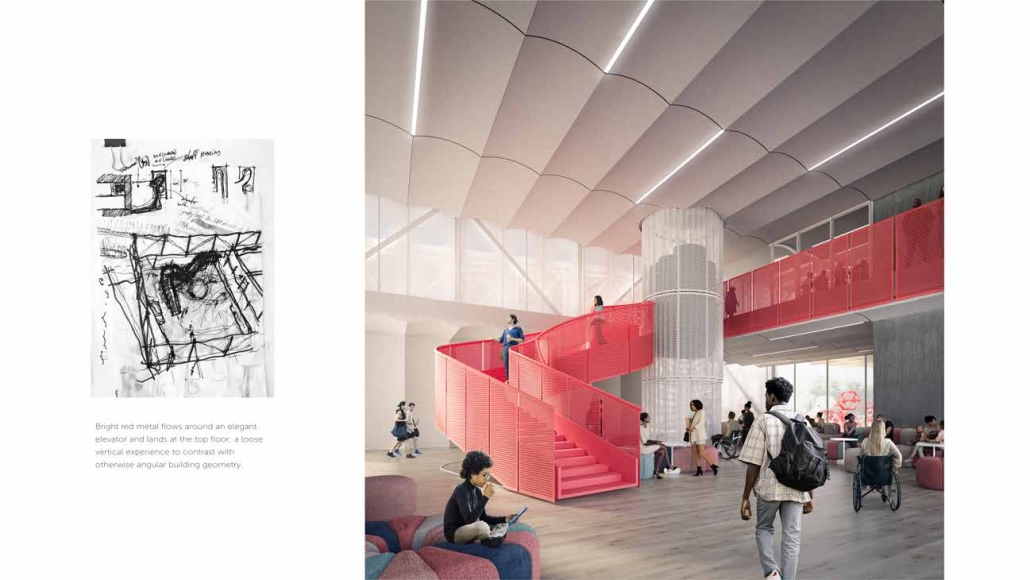
Commercial spaces and community resources are organized separately into two elevated frames, with an atrium acting as the convergence point and entry. The first frame, a 24-foot deep truss, suspends across the landscape, revealing the commercial gymnasium and activity spaces it protects. Ramps down to the gym address difficult topography to reduce the R.E.C.’s height in response to its residential context. The second frame floating over the atrium provides vital educational resources to the underprivileged community, fostering skill development to improve employment chances in a rapidly transforming economic landscape. Curved aluminum panels coating the floating frames are perforated with a pattern that interacts with light and shadow, creating a unique experience. 

The north end of the site is grafted into the neighborhood’s skin. The form tilts open to reveal an outdoor space optimized to bring in local pedestrian traffic, encouraging residents to treat it as their backyard. Enclosed between the building and forested paths on the north side, a large open court becomes an important anchor on the site, freely defined by community-organized events and activities.

This project won a 2024 AIA Triangle Student Design Award.

A Hostile City, Inequitable Privatization of Public Spaces by Bailey Berdan, M. Arch ’24
Lawrence Technological University | Advisor: Scott Shall

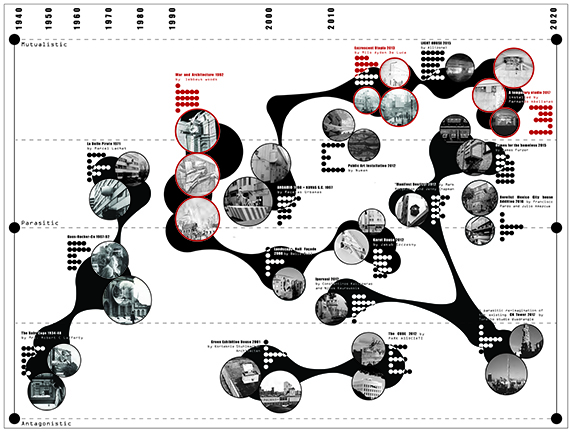
Hostile architecture is a term used to describe design strategies that are intended to deter certain groups of people or behaviors in public spaces. While bench dividers and ground spikes are widely recognized examples of hostile architecture, their impact goes beyond these small-scale designs. Hostile architecture is pervasive in areas such as policy, law, and privatization, and it can have serious negative consequences on a community’s economy, walkability, and overall environment. 

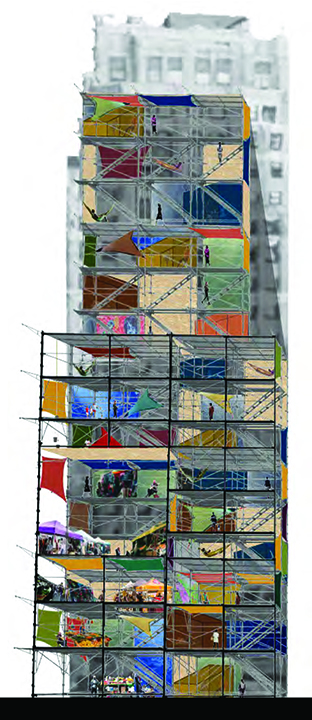
To address this issue, one potential solution is parasitic architecture, which is a practice that is not commonly used but is often employed as a response to dysfunctional conditions. Parasitic architecture involves the creation of structures that are attached to or embedded within existing buildings or infrastructure, utilizing underutilized or overlooked spaces. This approach has the potential to combat hostile architecture and empower communities to reclaim their right to public spaces. 

By repurposing underused spaces, parasitic architecture has the potential to increase the availability of public spaces, reduce the costs of new construction, and foster a sense of community ownership and engagement. Additionally, these structures can be designed to be flexible and adaptable, allowing them to evolve and respond to changing community needs over time. Overall, parasitic architecture represents a promising approach to combat hostile architecture and create more inclusive, accessible, and vibrant public spaces. By empowering communities to collaborate and take ownership of their public spaces, parasitic architecture has the potential to create more livable, sustainable, and equitable cities.

This project was a finalist for the ARCC King Student Medal Award.

Instagram: @__b.berdan__, @scott_shall

Counter [con]text by Zeina Medlej, B. Arch ‘24
American University of Beirut | Advisors: Rana Haddad & Dr. Howayda Al-Harithy

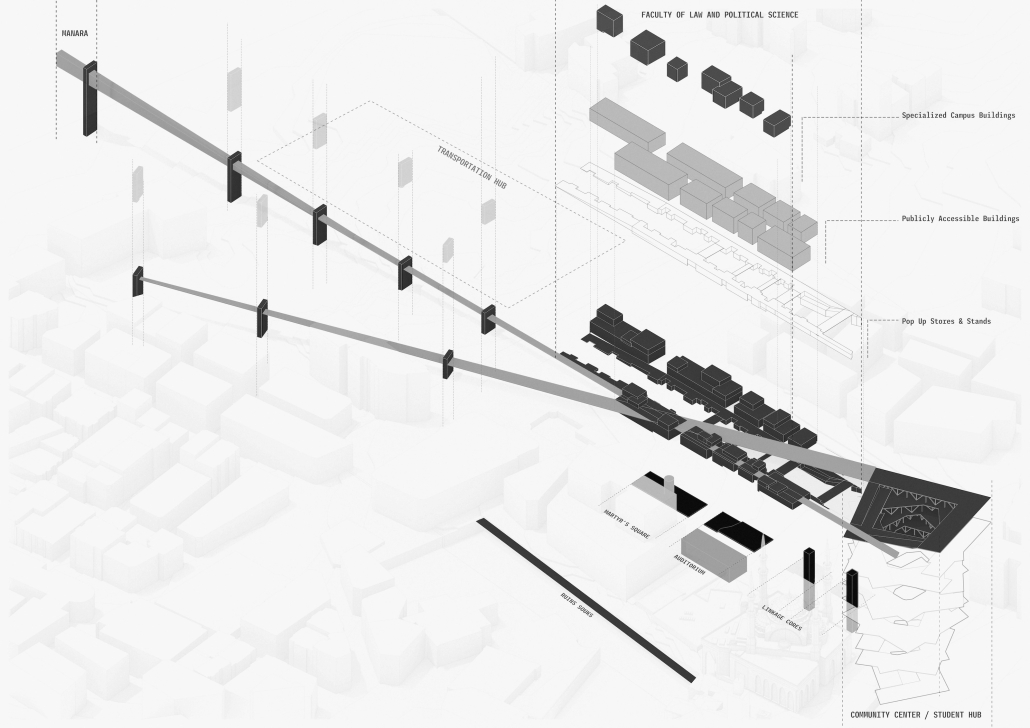
This thesis investigates how tactical public space interventions within Beirut’s neoliberal landscape can create heterotopic spaces that counteract dominant urban narratives. The study is grounded in the theoretical frameworks of Michel de Certeau, David Harvey, Henri Lefebvre, and Michel Foucault, focusing on how architectural constructs can reflect and engage with diverse social narratives beyond the homogenized, capitalist-driven designs.

The central question guiding this research is: How can tactical public space interventions within Beirut’s neoliberal landscape create heterotopic spaces that counteract dominant urban narratives?

The research is structured into two phases:

Phase 1: Initial disruption through punctual tactics. This phase involves programmatic interventions at 18 strategically chosen sites around Beirut. Each site is selected to reflect and challenge various neoliberal rationalities, aiming to create a series of small-scale disruptions that collectively unsettle the status quo and open up possibilities for transformation.

Phase 2: Tactical integration for large-scale disruption. This phase focuses on a single, impactful site—Martyrs’ Square—to implement a significant tactical intervention. The intervention transforms Martyrs’ Square into a multifunctional, dynamic urban space that serves as a cultural hub and community center. By integrating historical, cultural, and social elements, this transformation challenges and redefines the socio-spatial narratives of Beirut. The thesis proposes a heterotopic constellation of spaces that operate outside conventional time-space frameworks, fostering inclusivity, resilience, and public engagement. By opposing the dominant urban narrative, these tactical interventions aim to contribute to the creation of a more diverse and inclusive urban environment in Beirut.

Through this research, the thesis aims to demonstrate how tactical interventions can serve as powerful tools for social critique and urban transformation, ultimately fostering spaces that are not only physically distinctive but also socially transformative.

Instagram: @ard_aub

Urban Legacy –  Preserving Cultural Continuity in Land Scarce Singapore by Denzyl Zhang, M. Arch ’24
Savannah College of Art and Design (SCAD) | Advisors: Andrea Bertassi, Aaron Wilner & David Gobel

This thesis looks at how memorial spaces might be integrated into urban parks, with an emphasis on the Sanctuary of Passage, a prototype for ecological and culturally sensitive memorial architecture in Singapore’s Ang Mo Kio-Bishan Park. The design tackles the issues of urban congestion and the displacement of customary burial grounds caused by the urgent requirement for living space in increasingly urbanizing regions. The thesis suggests a paradigm in which memorial spaces coexist alongside recreational places while also improving the ecological and social fabric of urban surroundings. The Sanctuary of Passage is based on the idea of a journey through sorrow, expressed by a series of ascending spaces that represent the phases of bereavement. 

Each level of the construction provides a unique experience with nature and architecture, allowing for a gradual shift from grieving to recollection and healing. The proposal draws on the natural dichotomies of visibility and obscurity, enclosure and exposure, and nature and architecture to create a dynamic place that respects and reacts to Singapore’s unique cultural traditions around death. 

The thesis concludes with a design that reimagines the function of memorial spaces in urban environments, arguing that they may be effortlessly incorporated into the city’s landscape, acting as crucial public places that provide consolation and connectedness. By doing so, it establishes a precedent for future developments across the globe, implying that combining urban growth with memorialization techniques may produce places that commemorate the past while also benefitting the present and future.

This project won the AIA Savannah Thesis Honor Award.

Instagram: @denzyl.zhang, @andre_bertassi

The Intragames: Shaping the Olympics for Local Publics by Weilin Berkey & Valentine Batteur, B. Arch ’24
Pratt Institute | Advisors: Evan Tribus, Cathryn Dwyre & Alex-Pierre de Looz

The nonprofit known as the International Olympic Committee can influence real-world social conditions through its corporate and financial power, thus making the [Olympic] Games a potential catalyst for new participatory publics. However, historically, the Olympic Games have struggled to benefit the host city beyond economics. Based on our research of previous Olympic Villages in recent years, they fail to acknowledge and engage with local programs and architecture, which we identify as the vernacular of the host city. 

Ironically, the goal of the Olympic Games is to embrace different cultures and to promote collectivity. Our research shows that, in fact, it produces negative effects on the host city by standardizing the way it deploys new venues and temporary housing. World-scale events like the Olympics often ignore local communities for profit. How might distributed hybrid vernacular venues amend the relationship between corporate goals and local needs to create new participatory publics within resident neighborhoods?

The Intragames hypothesizes that the use of vernacular typologies in combination with public spaces, will encourage locals to participate in collectivity sponsored by the Olympics. Currently, the upcoming Los Angeles 2028 Olympic plan focuses on improving existing infrastructure but neglects the potential connectivity among/between distributed venues. Layered with the existing competitive events, we want to incorporate new recreational and leisure Olympic events that the local fans can participate in along the LA River. Experimenting with combinations of vernacular typologies and Olympic programs is critical to our distributed venues’ longevity and future use. Additionally, having a deep understanding of the vernacular landscape will allow us to revitalize the forgotten concrete banks of the LA River and its connection to the city. 

This formula for designing new public venues will allow local spaces to be integral to urban-scale events. These additional programs will surpass the short timeframe of the Olympics, leaving new integrated publics along the river and changing the lasting impact of the games.

This project won The Best Degree Project of 2024, Undergraduate Architecture at Pratt Institute. 

Instagram: @wberkarch, @v.b._design, @pressg5, @pneumacat, @delicatemunch

The Spaces In-Between: The Making of an Urban Network by Dana Kanaan, B. Arch ’24
American University of Beirut | Advisor: Dr. Howayda Al Harithy

In Beirut’s urban environment, the absence of and the treatment of public spaces has led to the weakening of community ties, fragmentation of communities, and urban isolation. This is exacerbated by rigid boundaries that separate districts and hinder social interaction, as public spaces are crucial for community cohesion. Moreover, there is an abundance of interstitial and in-between spaces that are underutilized and leftover. The rigid boundaries that separate districts and neighborhoods, whether physical or mental, combined with the neglect of these leftover spaces contribute to the fragmentation of urban communities and hinder social interaction. This is because social interaction occurs in the public realm. Thus, this fragmentation in the public sphere exacerbates the weakening of community ties and urban isolation.

Interstitial spaces in between buildings, especially those that act as ruptures in the urban fabric, can be activated and used as an opportunity for a network of connectivity. These interstitial areas can be activated through methods such as layering, dissolution, dissociation, and blurring. The objective of creating a blurred space is to foster social interaction, which emerges during periods of liminality and ambiguity. Therefore, a network of private spaces is created in the absence of public spaces utilizing interstitial and in-between spaces. 

This project was nominated for the Areen Projects Award for Excellence in Architecture

Instagram: @ard_aub

Urban Projections by Tessa Laplante & Julia Nahley, M. Arch ’24
The University of Texas at Austin | Advisor: Matt Fajkus

“Urban Projections” addresses the notion of a cultural landmark in the context of an evolving city. With the massive amount of development happening at such a rapid pace in Austin, it raises the question of how the city will maintain and continue to define its own cultural identity. In order to maintain it, [this] design includes a film museum, while live performance spaces continue to define the city’s culture. A key intention for the site is to encourage circulation through the urban block towards nearby greenspaces including Republic Park and Shoal Creek. The heart of the block is defined by an elevated and rotated performance space, which sculpts the public plaza beneath. A film museum wraps around the block at the third level, serving as a plinth that begins and ends at Republic Park. Liminal spaces are emphasized in the project, with vertical circulation and intermission spaces celebrated and shared between programs.

The notion of projection is repeated at all scales of the project, reflected in the projection of the building’s structure onto the exterior facades. A steel mesh acts as a surface for the projection, as well as a thermal barrier to filter light and movement between interior and exterior spaces. A steel frame with CLT cores and floors is utilized as a replacement for concrete in conjunction with steel trusses that support the cantilevered theater spaces and wrap the upper levels. As visitors process from the main lobby into the more private spaces, they experience a sequence of atmospheres generated by different relationships between wood and steel. Specifically, in spaces where the program is flexible, the relationship between materials is clear, with transparent glass exposing the building’s primary steel members and CLT floors. In contrast, the interiors of the theaters are entirely wood to encourage concentration for the experience. 

This gradient of privacy through materiality reflects the project’s overarching intention to blur the boundaries between programs without compromising the essence and needs of the programs themselves. In an effort to establish a cultural landmark, liminal spaces are celebrated to encourage new relationships within the site, rendering them just as important as the more defined programs. These shared moments exist as a stage for the city to maintain and continue to define its cultural identity.

Instagram: @tessamarie108, @julia_nahley, @mf.architecture

Expo 2025 by Trever Bellew, B.Sc in Architecture ’24
University of District of Columbia | Advisor: Golnar Ahmadi

For the spring semester of 2023, students were required to design a pavilion for the 2025 World Expo that will take place in Osaka, Japan. The World Expo is a global event that showcases the best in technology, sustainability, and architectural design. With the theme “Designing Future Society for Our Lives,” the Expo aims to present innovative solutions and ideas that positively impact human lives. It focuses on sub-themes such as saving lives, connecting lives, and empowering lives, highlighting the Expo’s commitment to addressing global challenges and creating a better future.

Being originally from Brazil, I challenged myself to create the Brazilian pavilion. [This design drew] inspiration from Burle Marx, a plastic artist, and architect who designed the most iconic boardwalk located in Copacabana, Rio de Janeiro, Brazil. I crafted an organic shell that encompasses the entire pavilion program. The project’s aim was to create an immersive experience that transports visitors to a jungle-like setting while educating them on various topics related to mental and physical health through the exhibit rooms. 

Instagram: @Golnarahmadi

Shopping Shells to City Cells by Ruyue Qi, B. Arch ’24
Rhode Island School of Design | Advisors: Junko Yamamoto & Leeland McPhail

Shopping malls, spanning an area equivalent to 33+ Manhattans, are key symbols of consumerism. Built for short-term savings, these malls often become abandoned due to high maintenance costs and the rise of e-commerce. In the United States, out of an estimated 1,150 malls, it is forecasted that only about 150 may remain operational by 2032. Despite numerous closures, new mall construction continues as developers aim to attract shoppers with the Next Big Thing. Abandoned shopping malls (large size, connected layout, huge parking, enclosed structure, and strategic positioning) have the potential to be transformed into compact cities to nurture a future that is both eco-efficient and interconnected. 

Large abandoned shopping malls are large enough to become diverse and mixed-used neighborhoods. They can provide housing units with fixed infrastructure cores and flexible layouts, depending on the climate and needs. Additionally, abandoned malls could evolve into walkable neighborhoods connected by escalators and platforms. Existing escalators can create a unique urban environment where residents can easily navigate between different areas. Transforming vast parking lots into parks, gardens, and farms could enhance connectivity to nature and mitigate the urban heat island effect. Enclosed shopping malls depend solely on mechanical systems to provide a controlled climate inside, introducing natural ventilation could significantly lower their carbon footprint. By strategically repurposing abandoned shopping malls, we can revitalize neighboring areas by enhancing community involvement, boosting the local economy, and creating new communal spaces and facilities.

This project was a Thesis Award Nominee. 

Instagram: @julyqi_, @junkoyamamoto_

Beating Heart: A Joe Biden Presidential Center by Nick Biser, Aidan Knupsky & Kaiden Estep, B. Arch ’24
Marywood University | Advisors: Jodi La Coe & James Eckler

Located in the heart of Scranton, Pennsylvania, Beating Heart is a Presidential Center for Joe Biden housing his presidential archives, a museum, and a new gathering space for the community. Taking a symbolic approach to the design, the building is split between a massive tension cable glass facade and a tall stone building. These two different approaches are brought together by an all-encompassing canopy. This symbolic design follows President Biden’s aim to unite individuals, no matter how different they may seem on the outside. The organic shape of both the canopy and facade represents the changing nature of the American spirit and people. Instead of a traditional Presidential Library, Beating Heart conveys more of Biden’s wishes and beliefs. 

At the center of the building is a massive cylindrical Heart of America – a brilliant spiral stair clad in Cor-ten steel that stands in contrast to the rest of the building. The Heart extends over 120’ high, going past the roof for all of Scranton to see. The entirety of the first floor diverts from the typical museum program of a Presidential Library. The front half is surrounded by seemingly endlessly tall glass that surrounds the occupant in an indoor/outdoor space. This winter garden preserves native vegetation and reclaims what was once a desolate parking lot into a reborn green space. The glass facade supported by thin tension cables creates a visually seamless transition between the reworked streetscape and the interior. 

In coordination with the winter garden is a Living Learning Lab serving as a space for the Scranton Community to learn more about the vegetation in the winter garden as well as ecological conservation techniques. Lastly, the first floor hosts a large, double-height Community Room, which features a large learning stair for the community to gather and discuss current events and issues. The museum section occupies the upper stories having the occupant flow in and out of the central Heart. The exhibits rotate around two symmetrical interior atriums allowing clear visibility and transparency throughout the museum. The active rooftop provides a space to fully view the Electric City of Scranton. 

This project won a 2024 MUSOA Studio Award.

Instagram: @nick_biser, @biser_architecture_and_designs, @aidanknup07, @kaiden_estep, @jodilacoe

Regarding the Commons: Addressing the current social and economic power dynamics as they manifest in the public realm by Magdaline Kuhns, M. Arch ’24
Lawrence Technological University | Advisor: Scott Shall

In the United States, “the Commons” has historically been a contested issue. The definition of the Commons began in Medieval Europe regarding areas of unrestricted resources of food and materials; in modern times, this definition has expanded to include digital commons, urban space, health access, and the ability to practice culture (IASC, 2023). Before the birth of the Nation, Native peoples viewed the land as a common resource, unable to be owned. European ideals introduced the idea of ownership and commodification to this hemisphere of the globe, and with it, a limiting bounding of space.

There are many factors at war with each other when determining what “public” actually means. Is safety more important than freedom, and when regarding safety, whose safety is being addressed? What role do capital and ownership have in the creation of boundaries between public and private? What “buy-in” should be required for an individual to take part in the public realm? As Li et al. describe in their work about publicness, “Space can gain its publicness through…’ purposeful occupation’.” (“Defining the ideal public space…”) The rights of all individuals to use public spaces for these purposes have been long-contested, making it a crucial conversation to be considered in the modern production of architecture and urban areas.

This work aims to fill a void many have observed in the modern manifestation of public space. People’s lived experiences in the city do not always reflect the supposed publicness of the space, but through intentional acts of occupation, a new version of the Commons might be fully realized. The architectural solution to this issue will include the physical and digital utilities commonly required by nomadic people groups – the group that needs the Commons most – available without restriction.

Instagram: @ace_kuhns, @scott_shall

Manus Mouvere by Dillon Alexander Brown, M. Arch ’24
Pennsylvania State University | Advisor: DK Osseo-Asare

This project seeks to explore ineffable ideas in a physical space: designing a multi-faith facility in a multi-faith society. Based in Central Park, New York City, this building facilitates five distinct religions: Christianity, Judaism, Islam, Buddhism, and Hinduism. These five were selected from the census data of New York City. 

In preparation for the design, interviews were conducted at a temple with a religious leader for each religion, coinciding with a tour. Additional interviews with fellow students occurred to gain a more rounded understanding of each faith, their temple needs, and what could possibly lie for the future of the religion. With this information, five temples were designed within a single building and connected by a neutral secular space. 

Additionally, to explore the form of space the use of watercolor and pigment theory was used to see how different colors blended, or didn’t blend. This was done to explore how the culture of one faith may physically reside with another faith. The intuition gained from this exercise granted knowledge of how an idea may become overwhelmed and how much contrast is physically needed to keep a faith true to its own idea.

The exterior of the temples are angled to face their respective religious customary directions, but also act as geometry that encourages visitors to sit and face each other, a gesture to encourage dialogue. The building is designed to cross-pollinate understanding and promote tolerance between its visitors. It is representative of the existing religious landscape of New York City, and America as a whole.

This project won the ​​2024 Jawaid Haider Award.

Stay tuned for Part XIV!