2021 Study Architecture Part VI
We are so excited to present another part of the 2021 Study Architecture Student Showcase. This year, we doubled the amount of submissions and will be able to feature over 40 students in this series. Stay tuned for two more posts coming soon. This week, we feature work from Savannah College of Art and Design, University of Tennessee at Knoxville, The University of Texas at Austin, and University of Illinois, Urbana-Champaign. These students’ work explores the intersection of architecture and memory, feminism, technology, and ecology. Check out Part I, Part II, Part III, Part IV, and Part V.
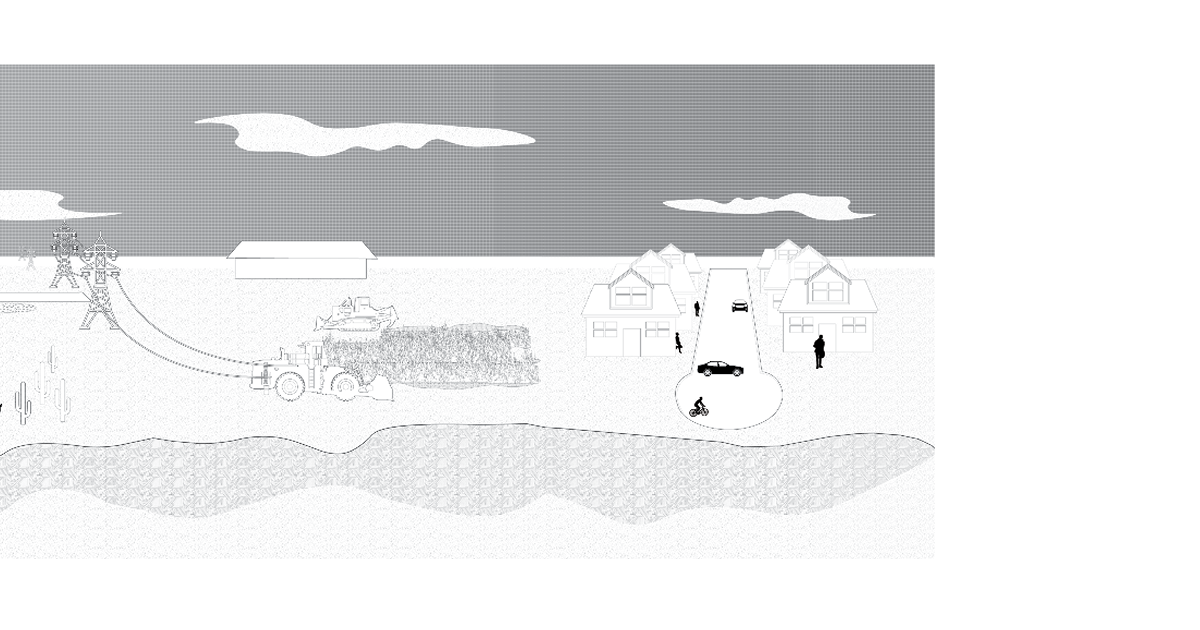
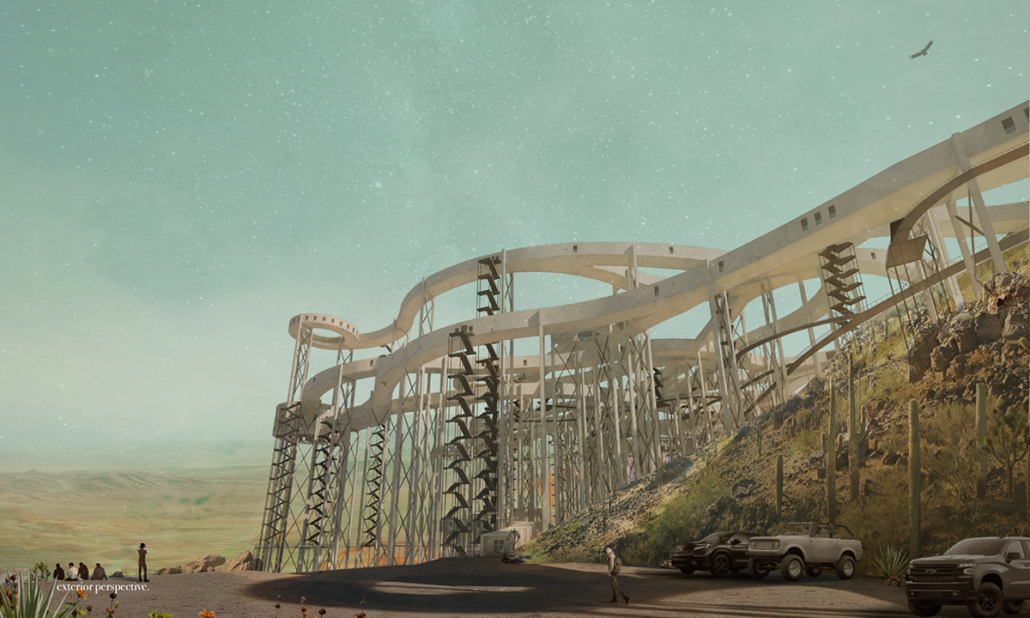
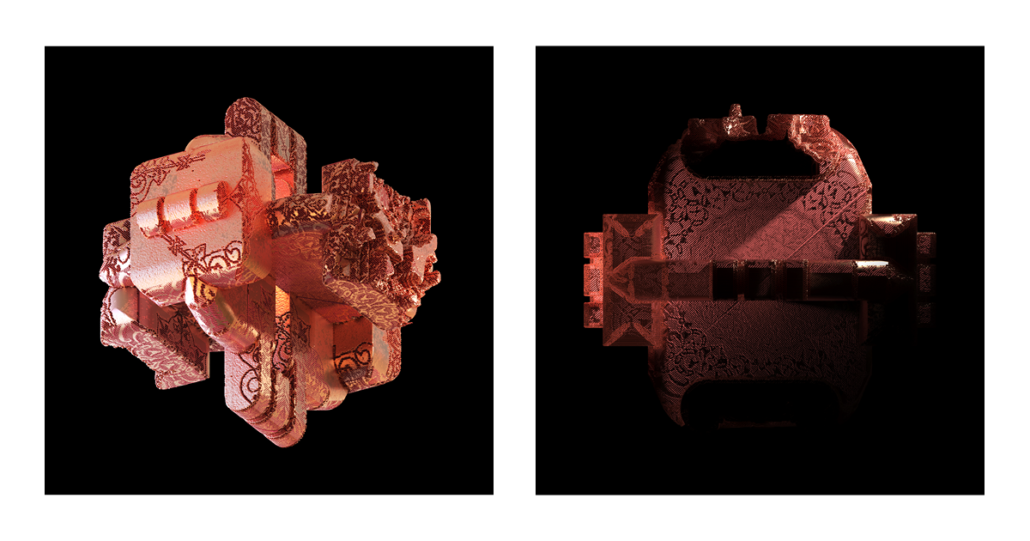
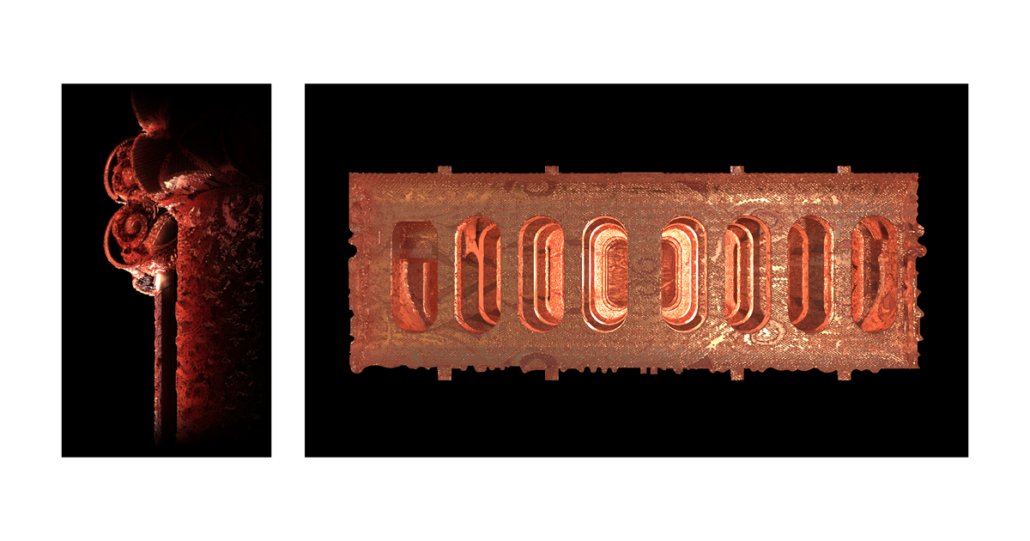
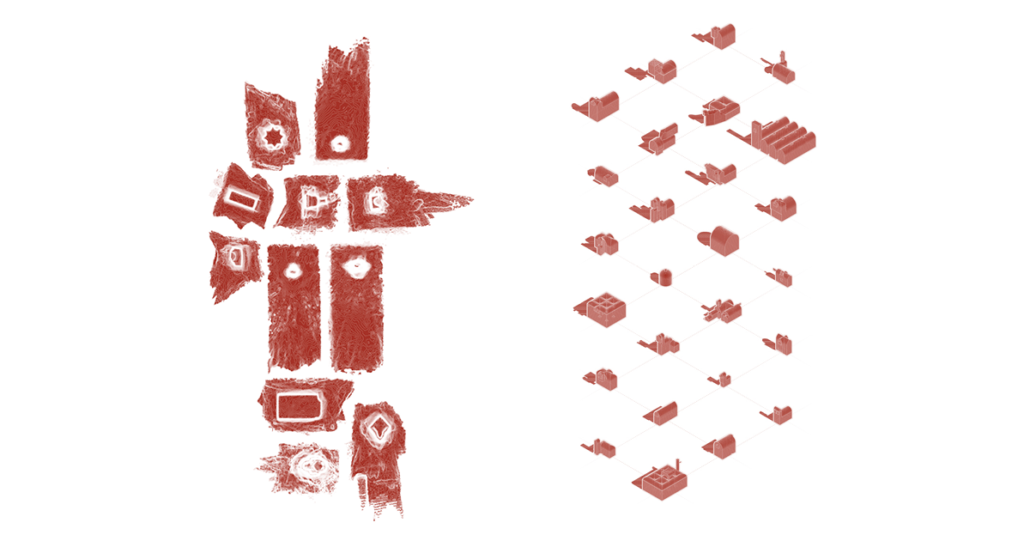
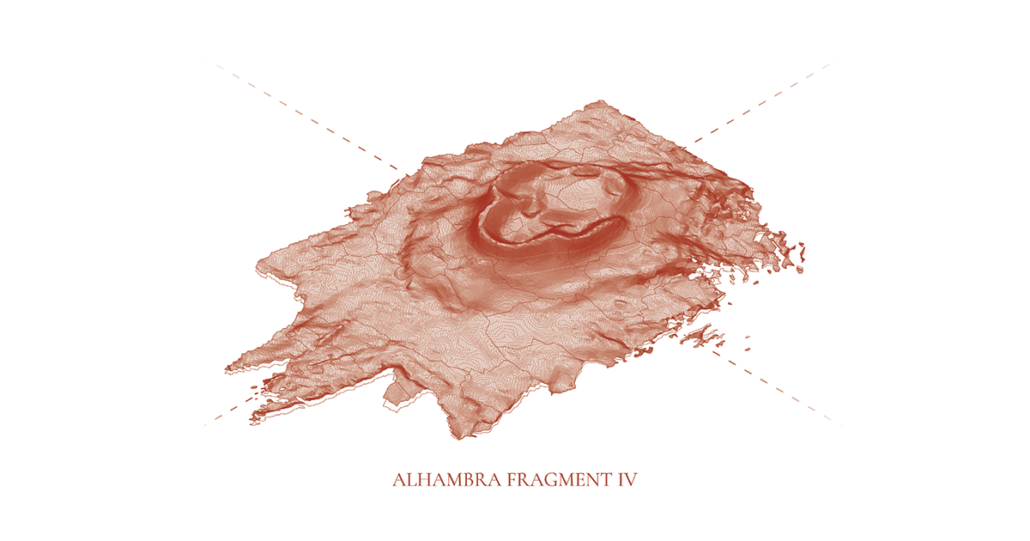
Antechamber: The Last Nuclear Bomb Memorial by Haili Brown
Savannah College of Art and Design | Advisor: Huy Ngo
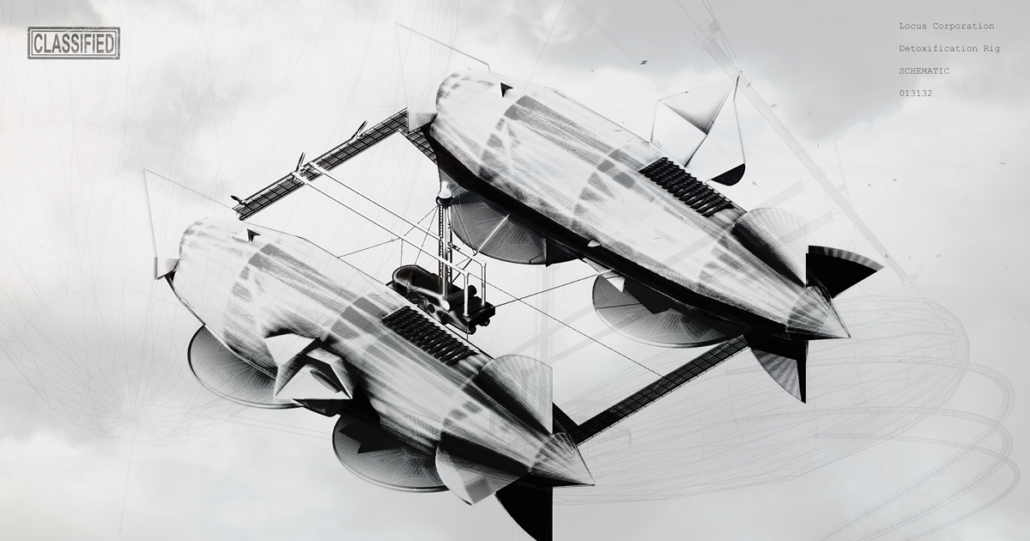
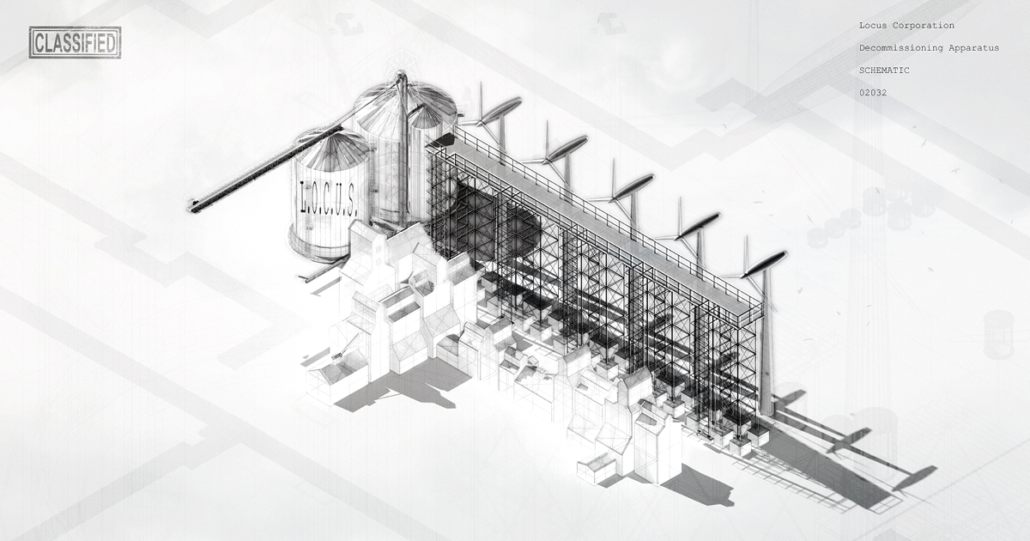
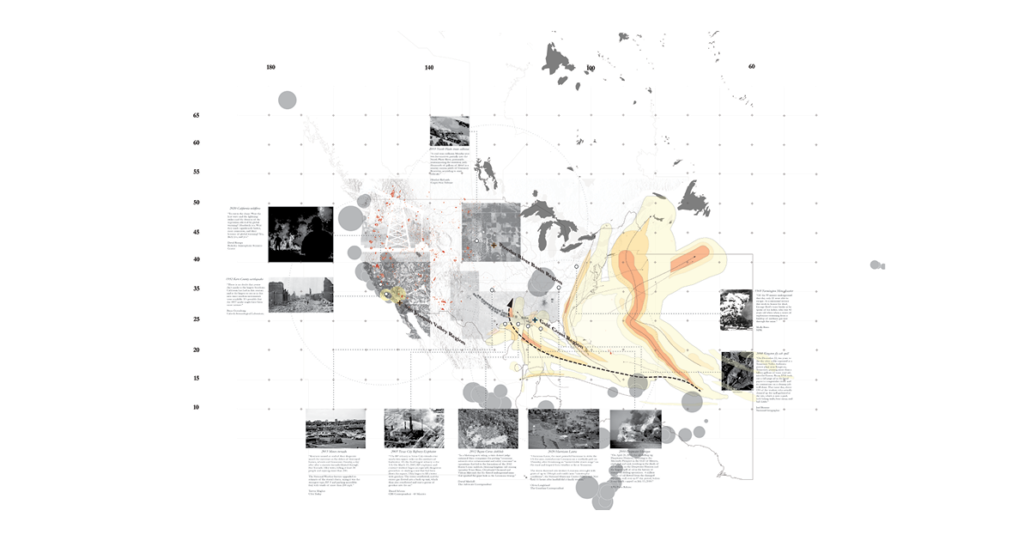
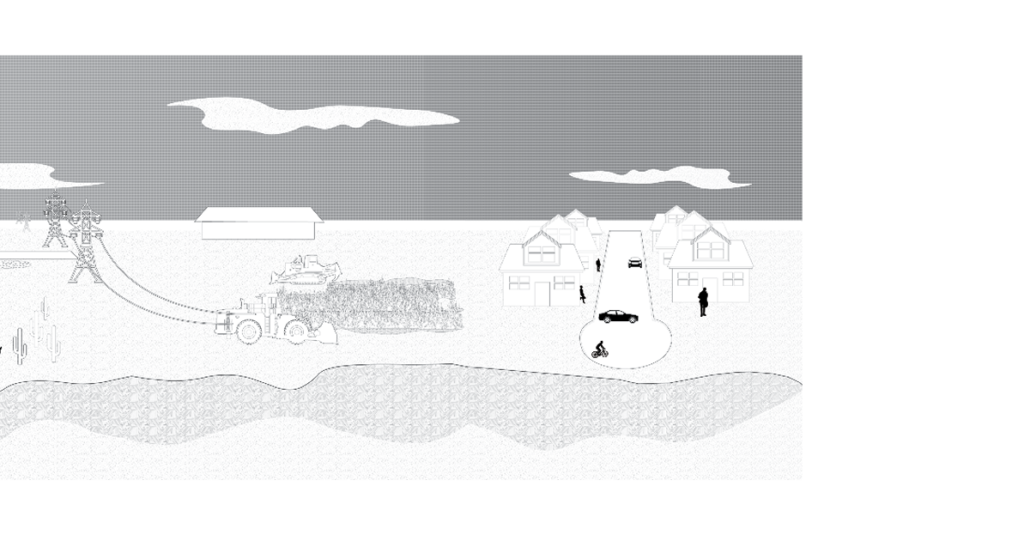
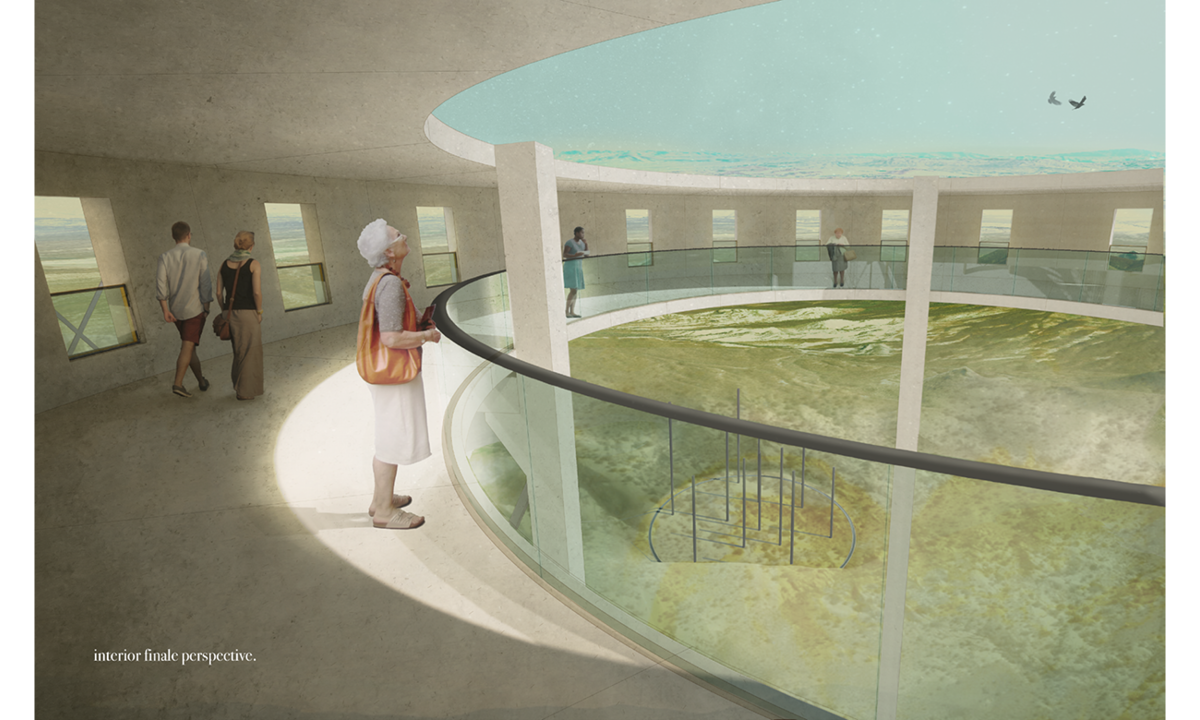
In 1945, the United States detonated the world’s first nuclear weapon. It was considered a success, a marvel, and an advancement. It was said to be for the betterment of society. The more they tested, the more they scarred the earth, and the more they scarred the community. The wind blew the scars east. Then, the United States bombed Nagasaki and Hiroshima. The scars stretched further. One hundred thousand people now gone, the whole world watching, and no one moved an inch.
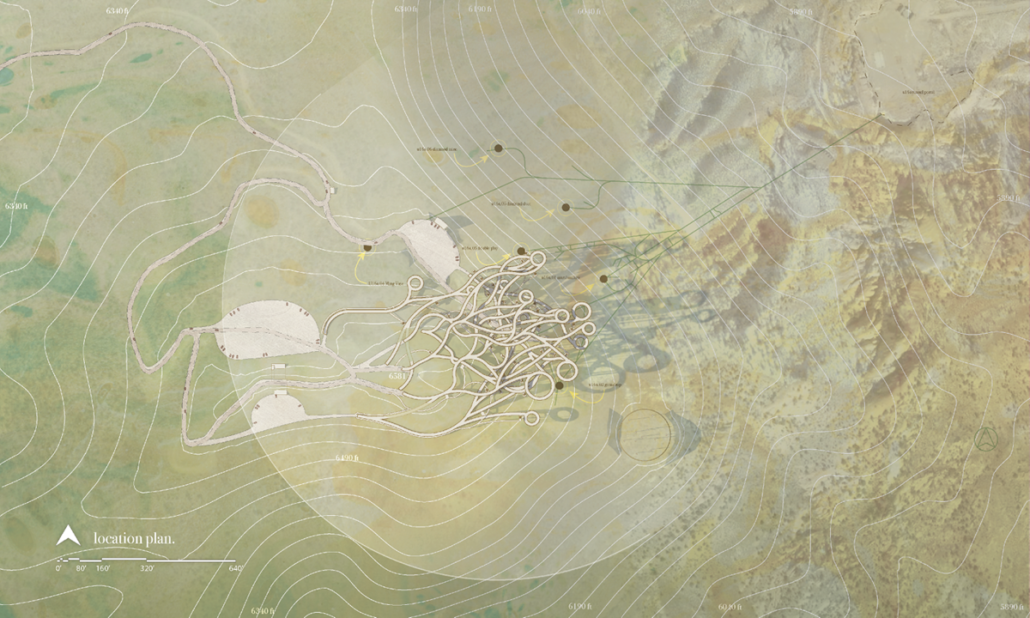
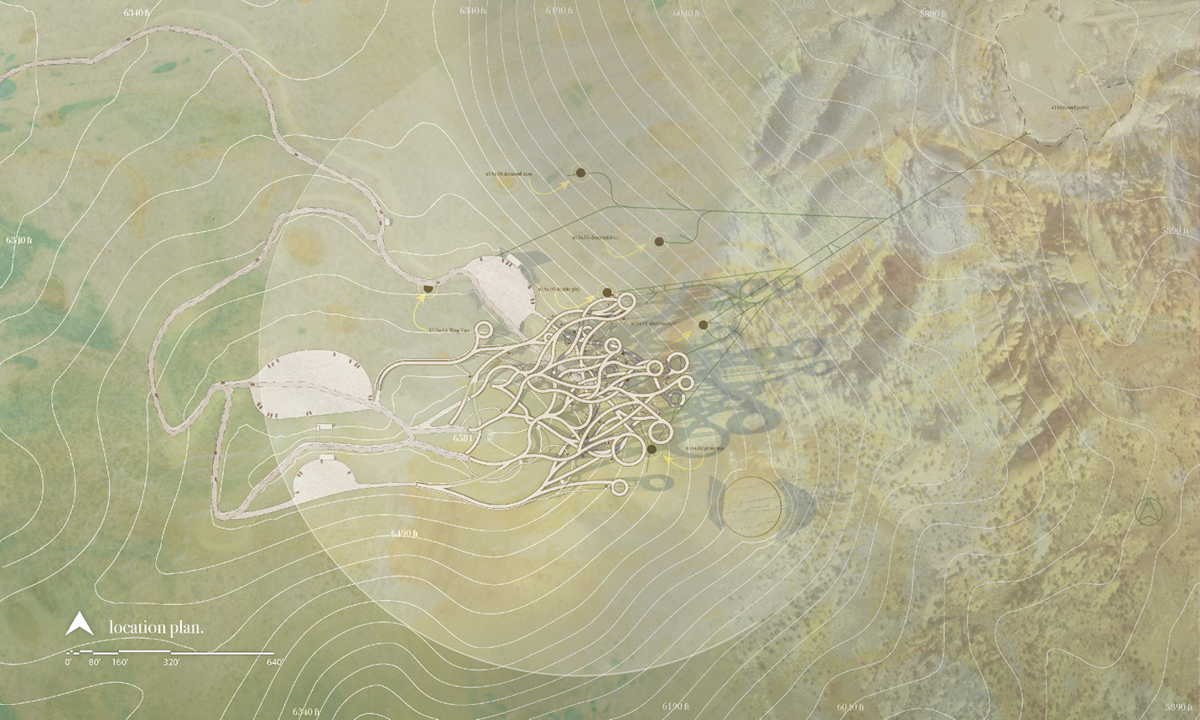
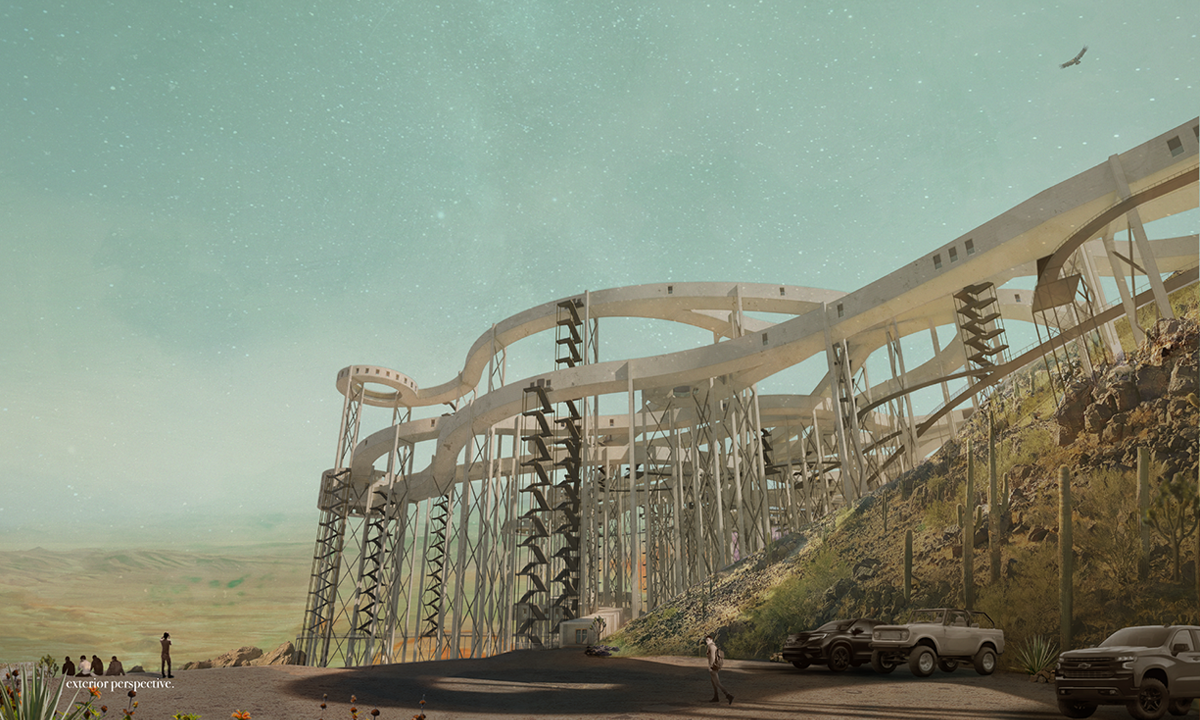
The site that I selected for this memorial was Tippipah Point, Nevada, which falls in Area 16 of the Nevada National Security Site. It is a mountainous peak that rests atop six underground detonations that originally belonged to the Shoshone People but was stolen under the guise that the land would be used for good. This, of course, was a lie. It became a site of mass destruction where military crews would be subjected to nuclear exposure only one mile from ground zero. Many of these troops would report feelings of overwhelming uncertainty and a realization of the malicious power of the bombs. Nevertheless, they remained complicit.
I have designed an experience that will implore the users to reflect on their responsibility, both in life and in architecture, by emphasizing their decisions as they make their way to the finale. This will result in a greater awareness of their actions and the effect they have on themselves and those around them. This is a start toward a more empathetic and socially proactive future. The three ways I planned on doing this were transience, choice, and finality. Transience would urge quick decision-making due to a one-hour time limit on the site, the choice would give the users control over their outcome, and finality would exemplify the permanence of our decisions by allowing users to only enter and exit once.
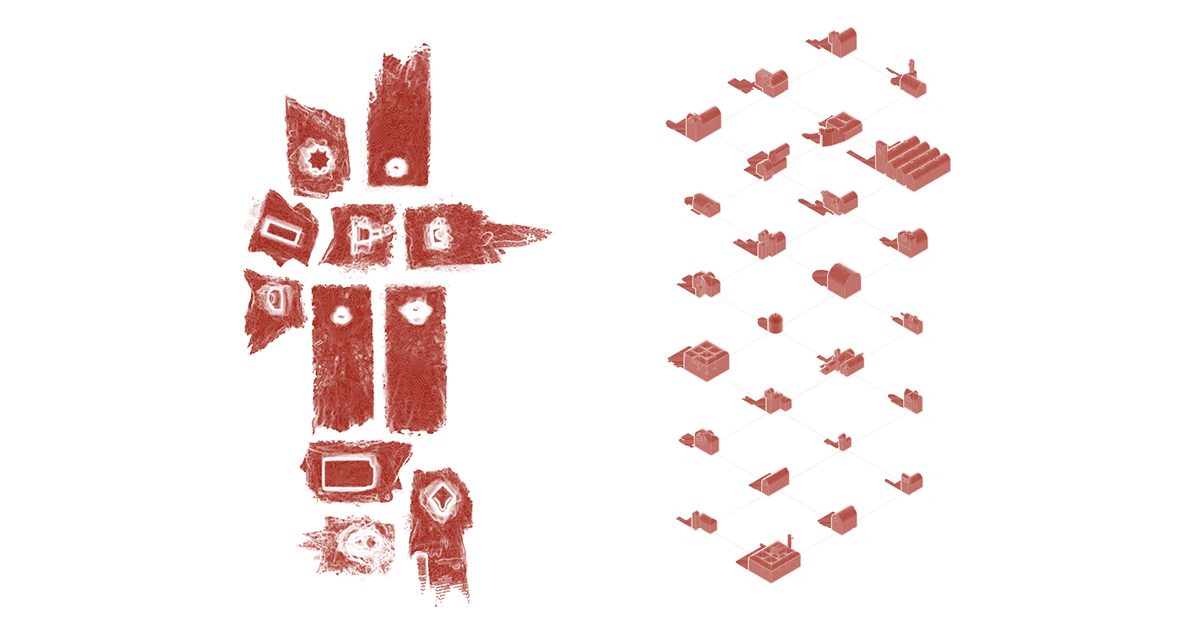
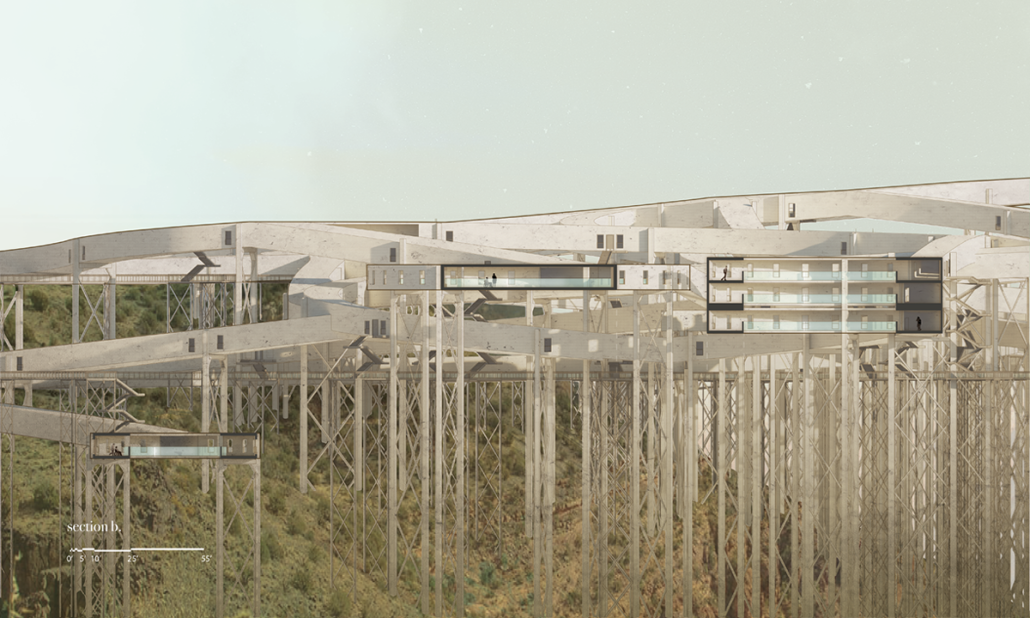
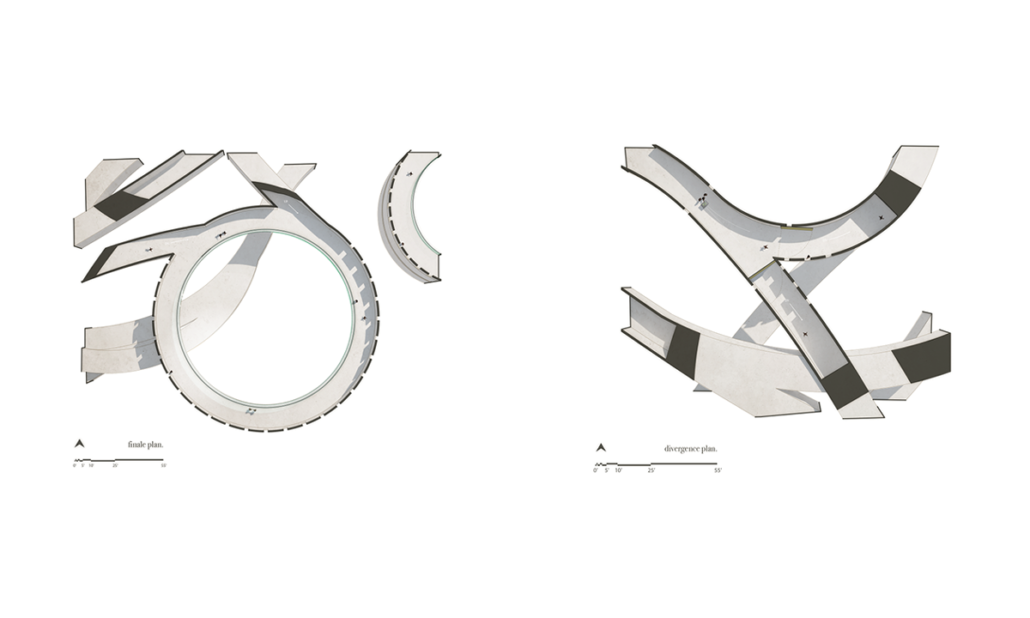
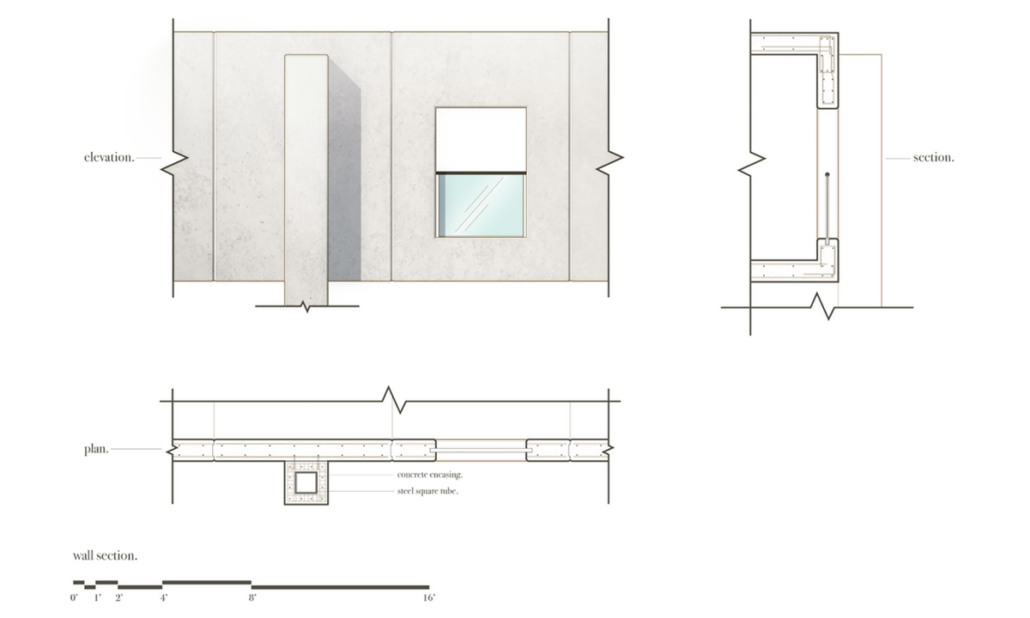
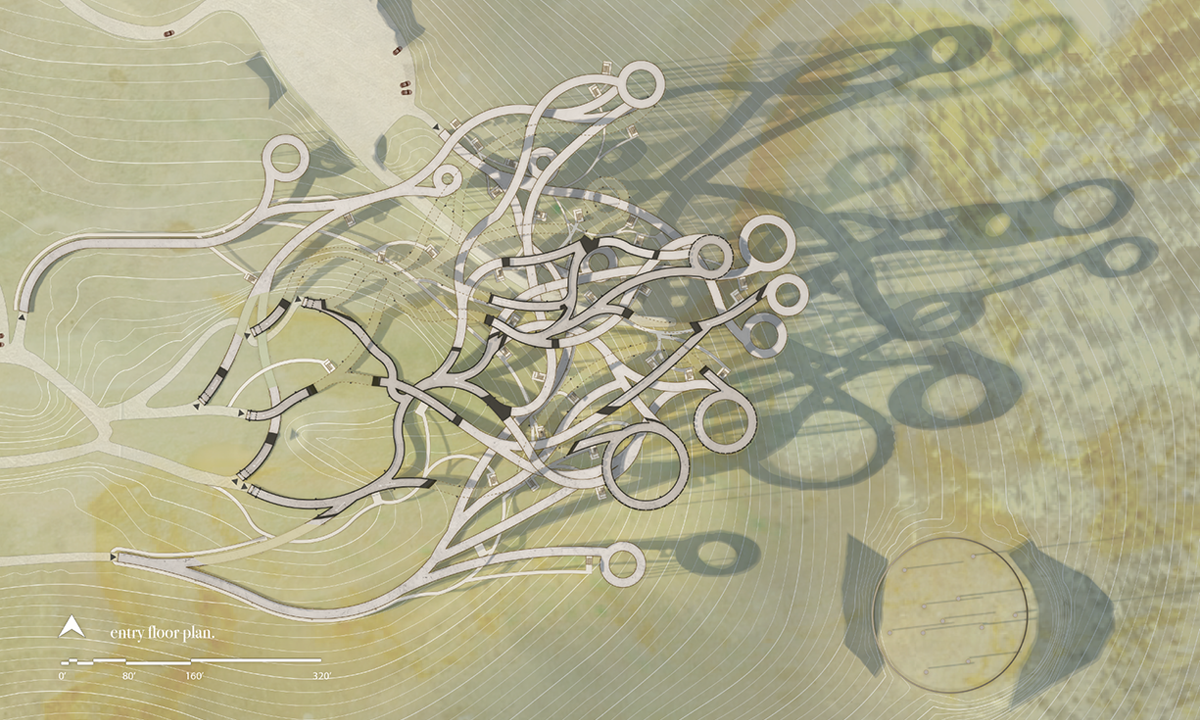
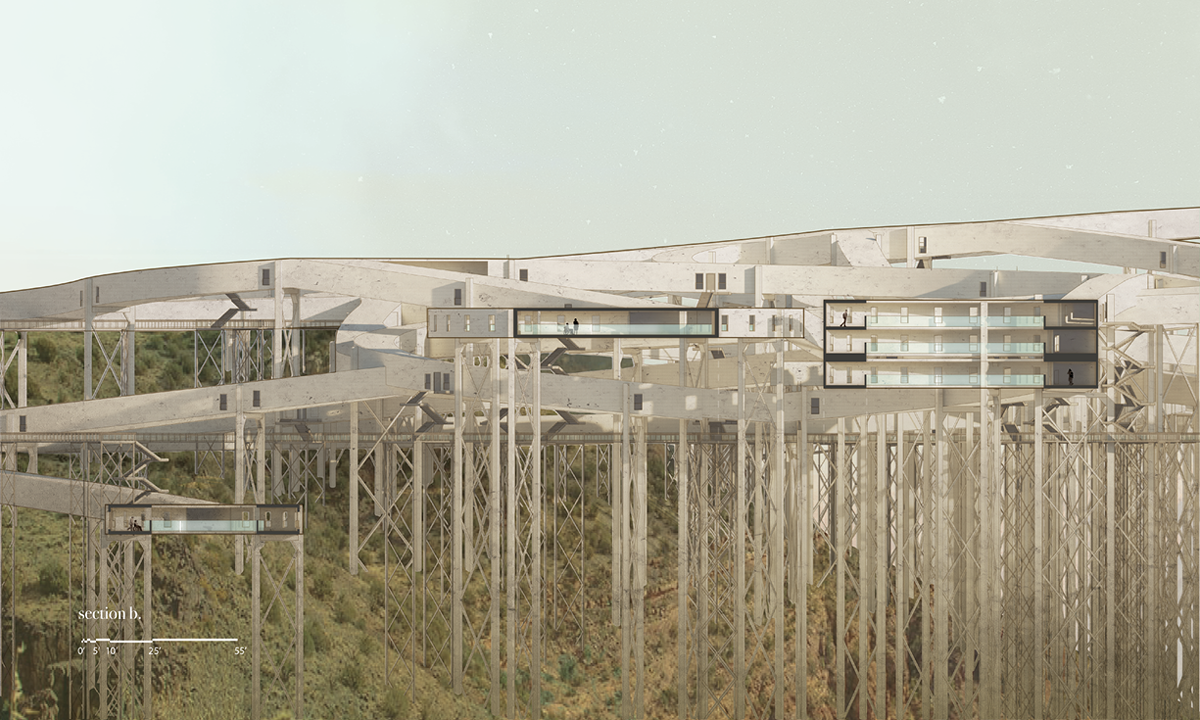
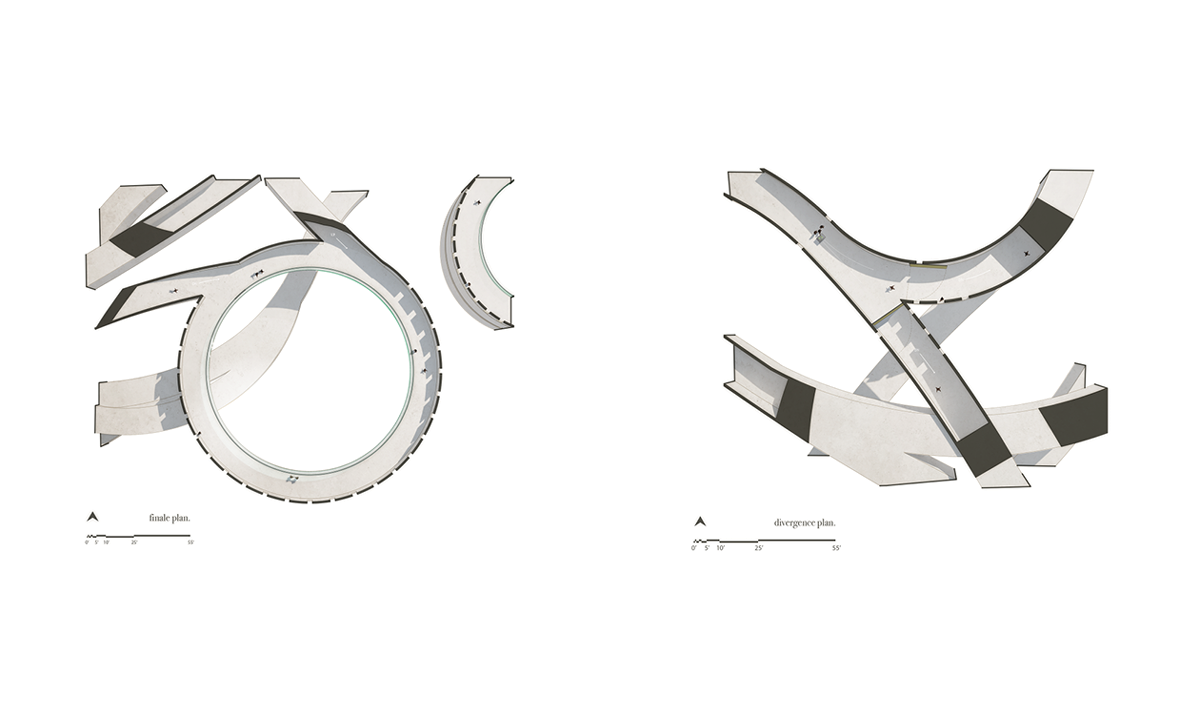
In the creation of my form, I took an approach of free will; we all start off at different points and we all end at different points based on the reality that we create. This translated into a free-flowing and unpredictable mass, resulting in a series of corridors that would pass through, above, and below each other. All parking plateaus do not lead to all final points, which begin this journey of free will upon entry to the site. In areas where the corridors intersect, users are given a chance to either pull a lever to open one door and close another, or to proceed through the one already open. This makes their decisions deliberate and pointed.
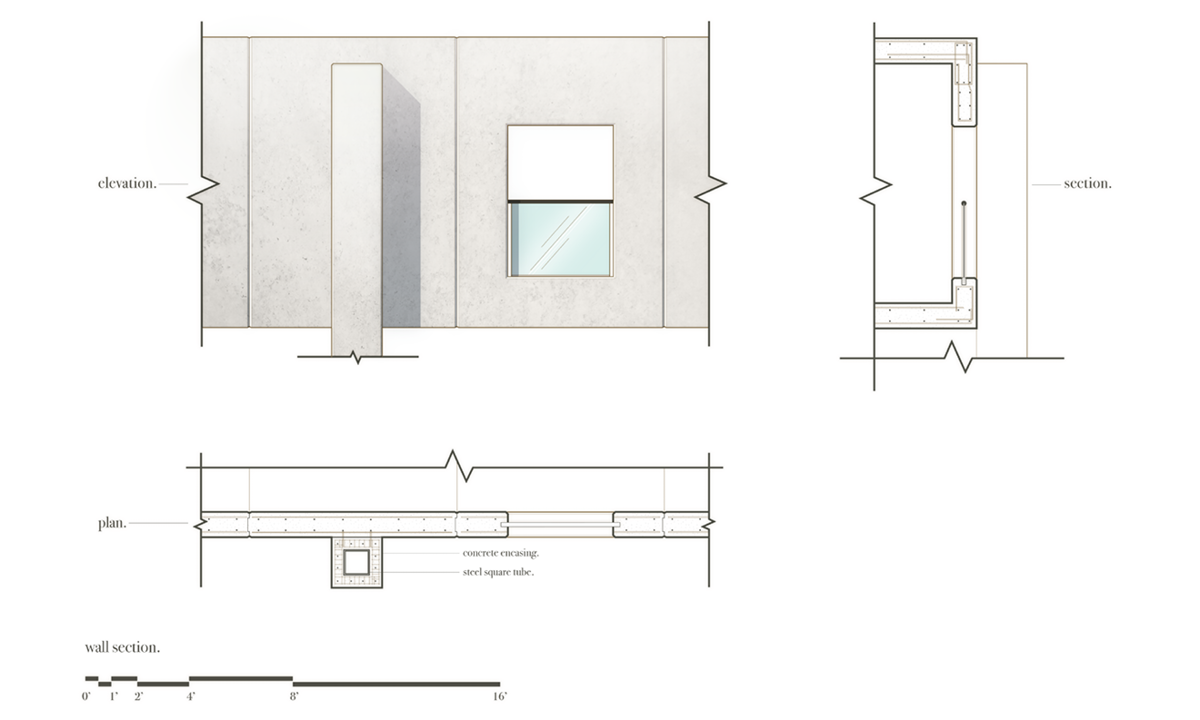
At the end of the corridors rest finale points. There are twelve possible finales that the users may experience. Only some of them have a view of the memorial sculpture below. The outer perimeter houses 3-foot-wide openings that offer the users a personal experience when choosing which view they want to take in, while the inner ring remains open to forge a more collective experience. The decision of which one to ruminate within is left up to the user.

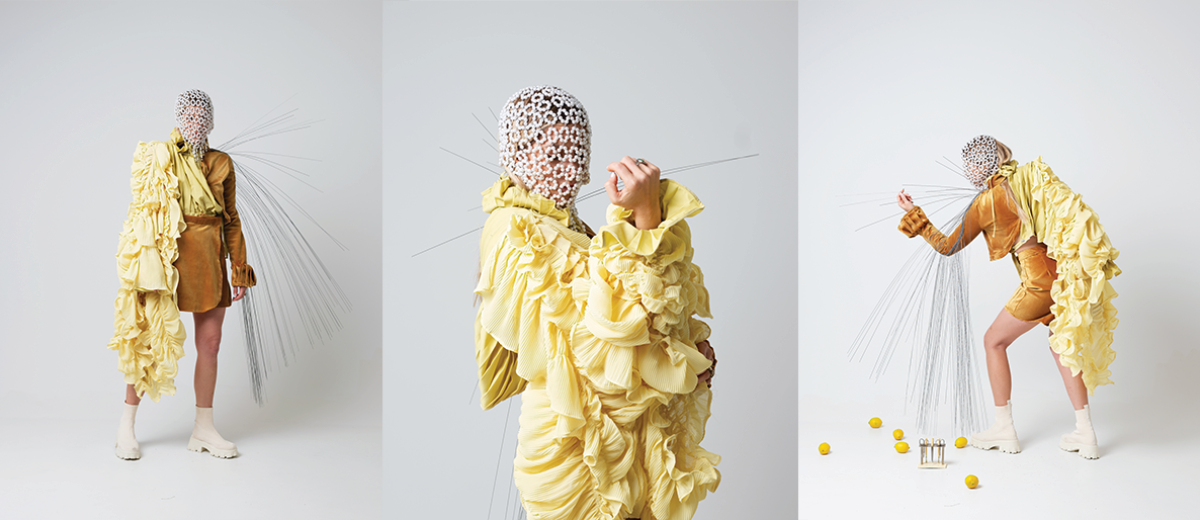
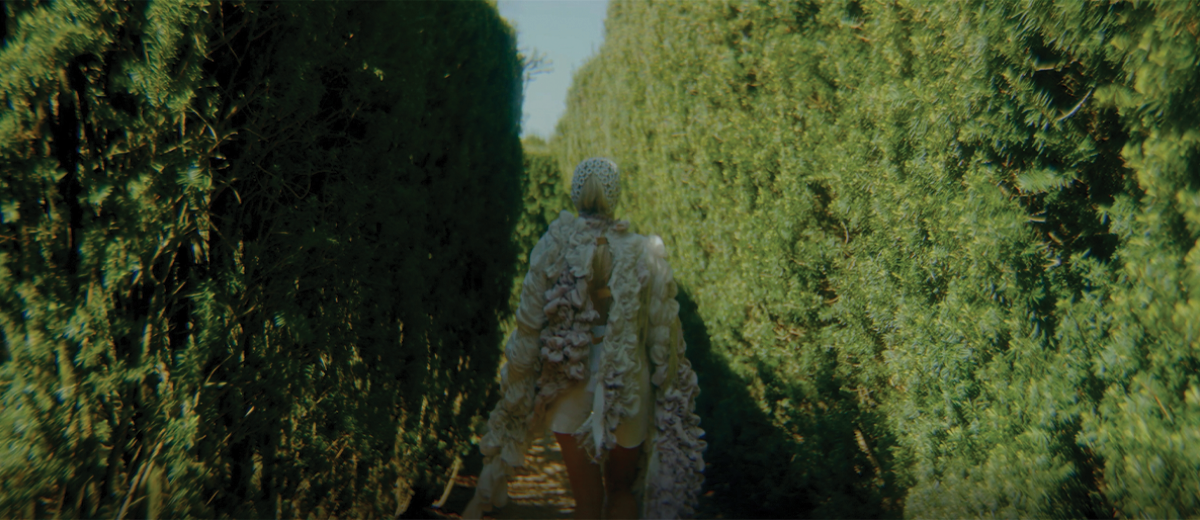
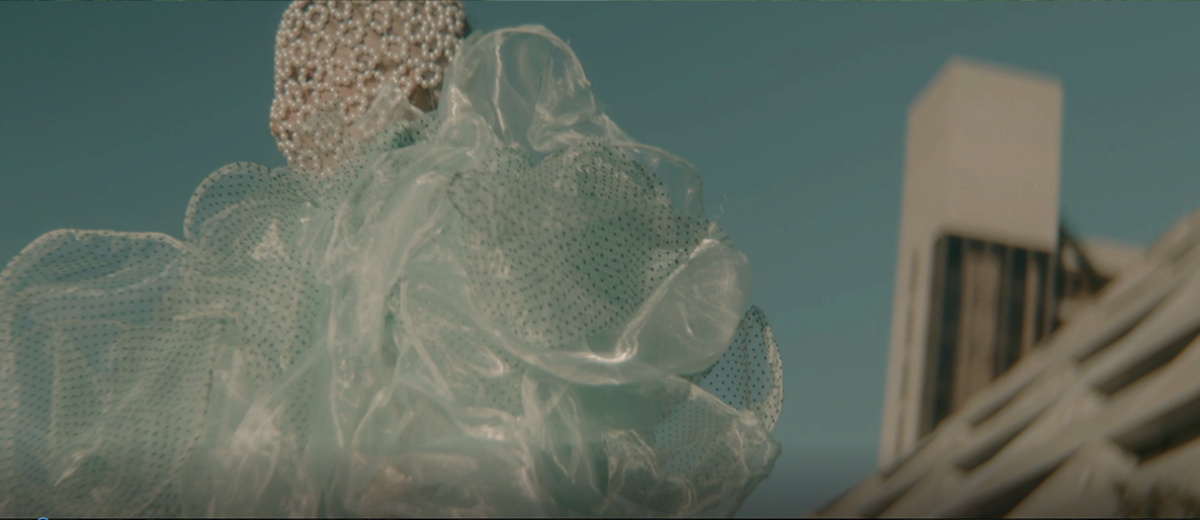
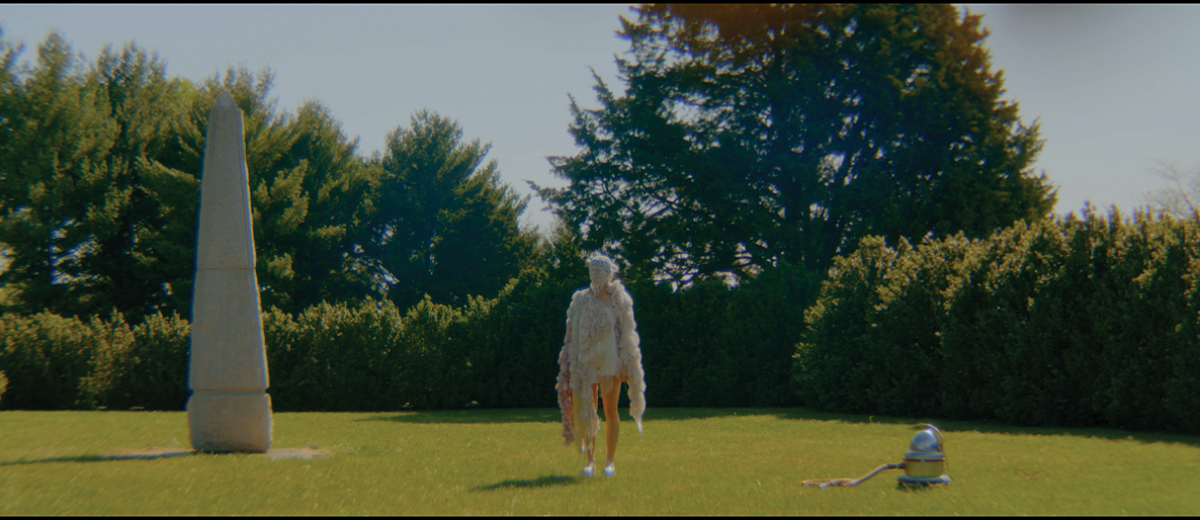
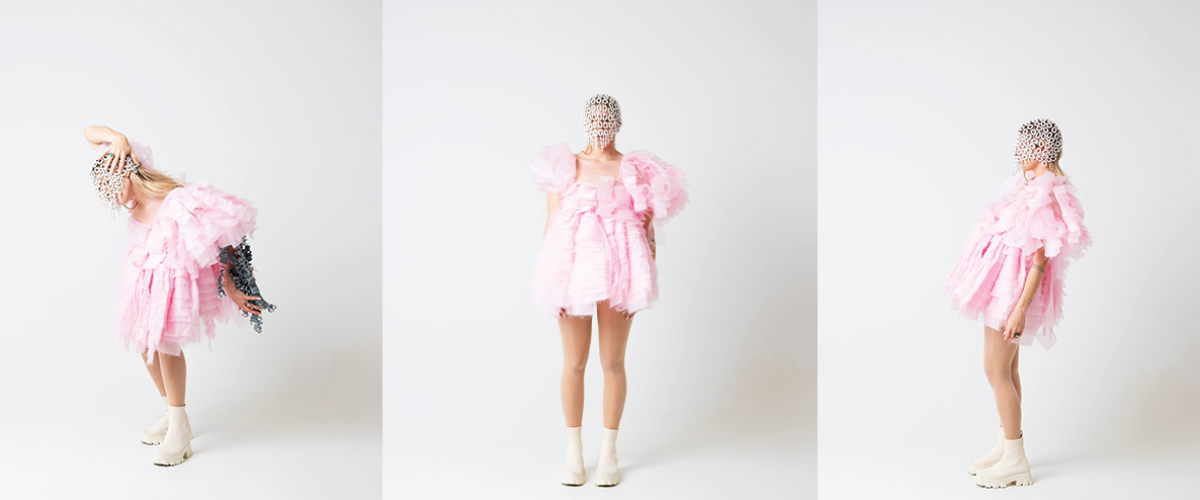
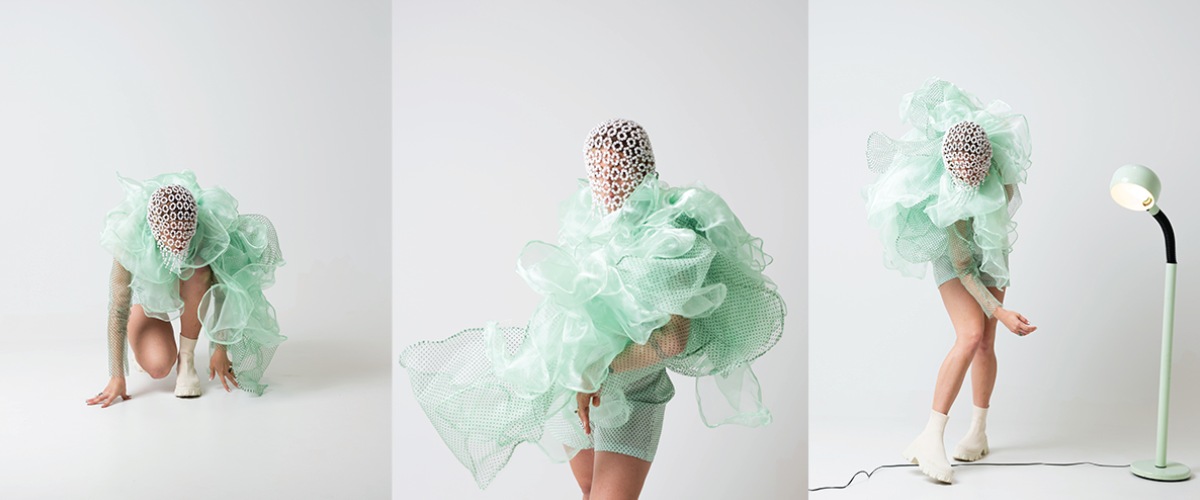
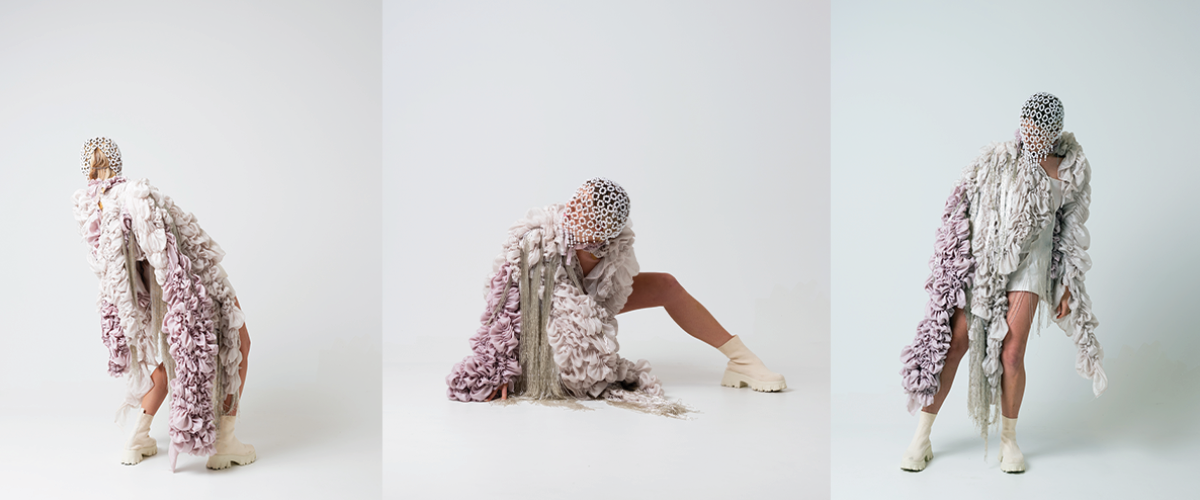
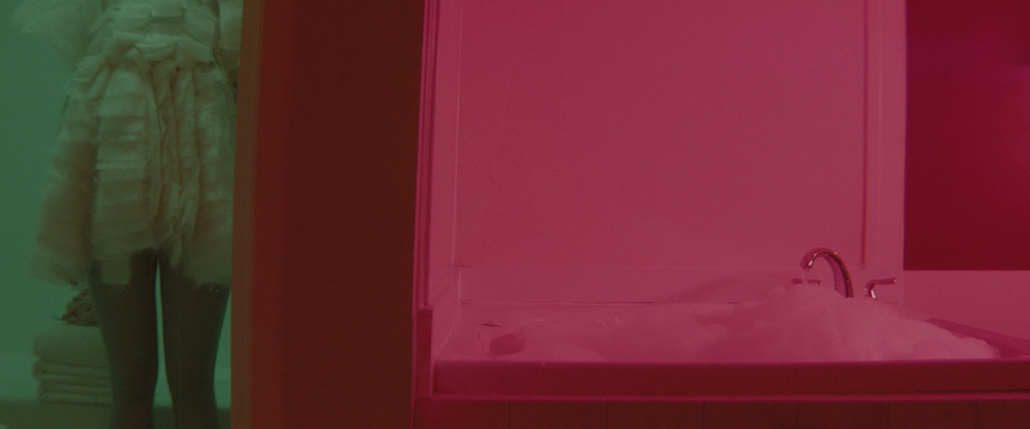
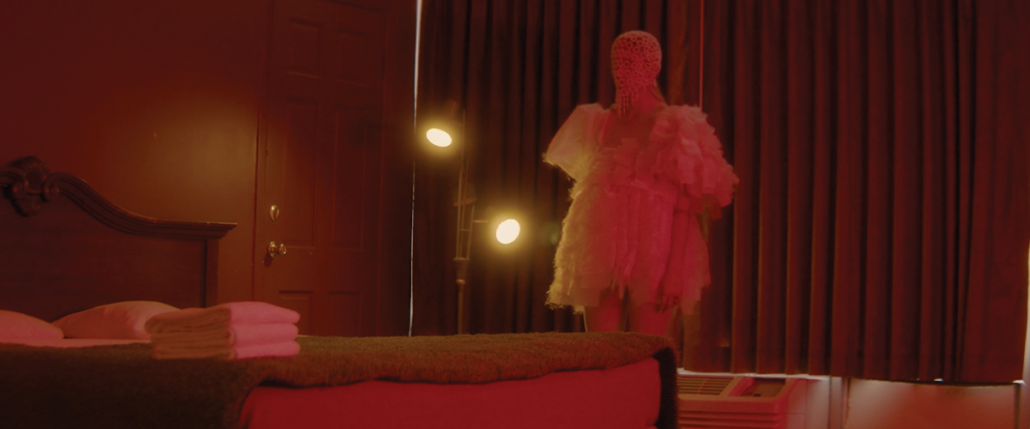
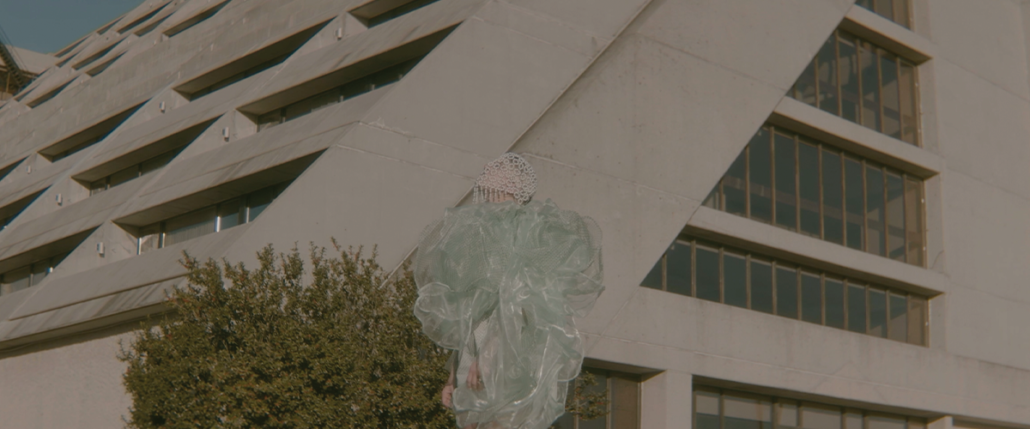
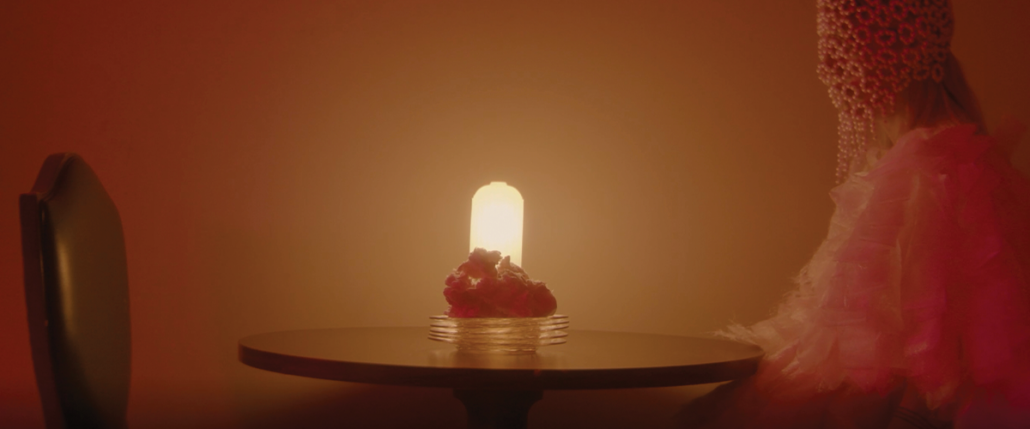
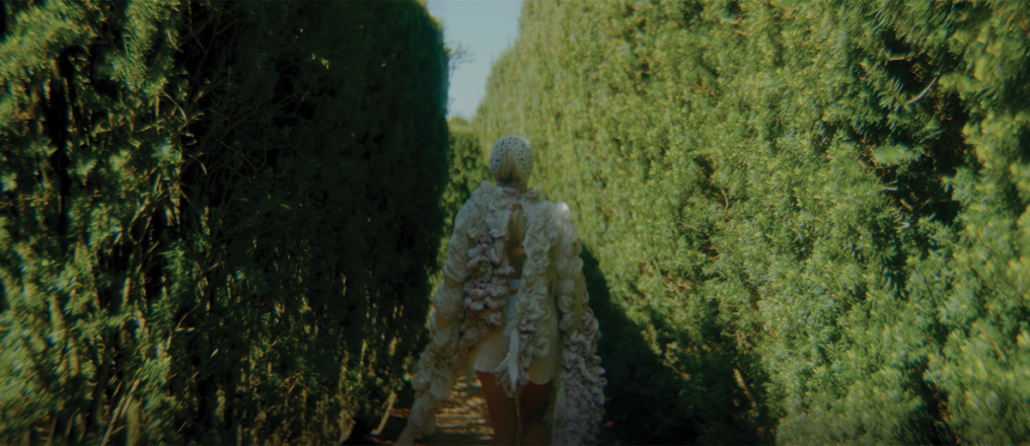
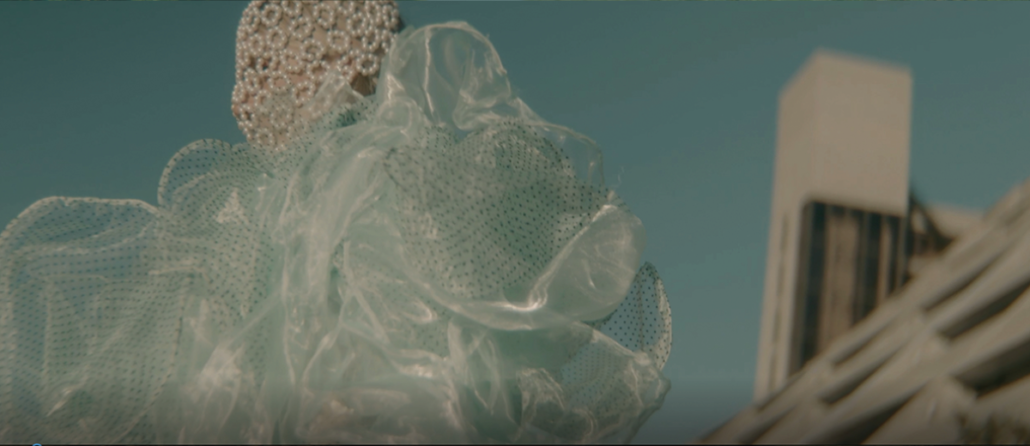
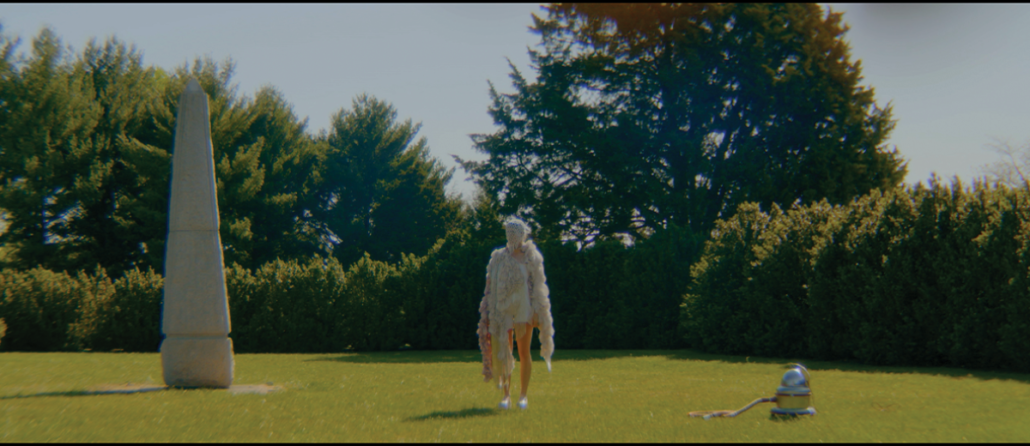
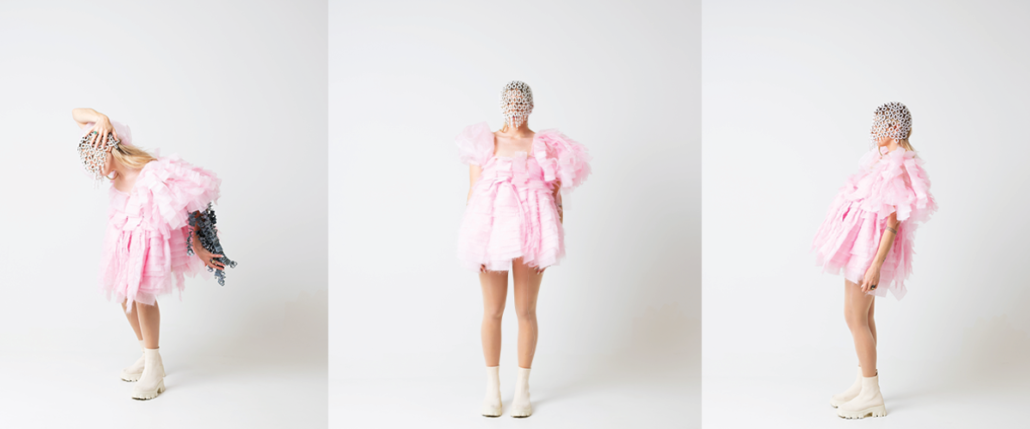
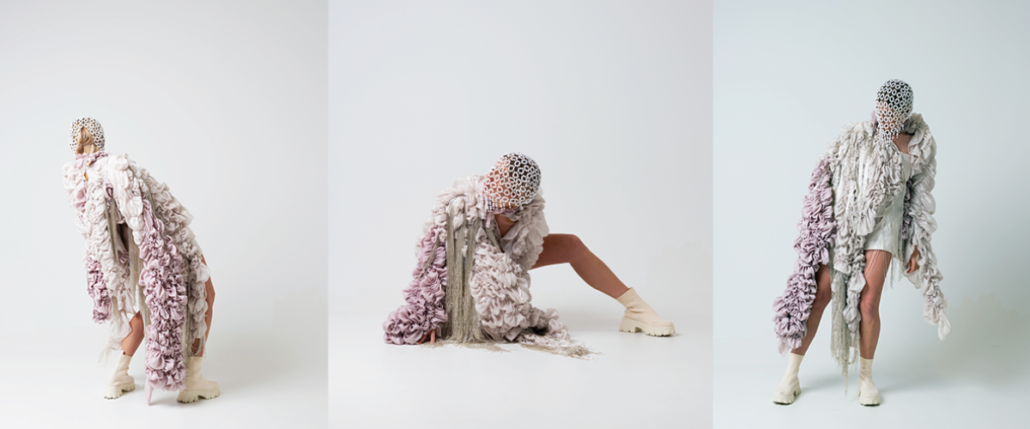
On Beauty and Power: A Female “Cyborg-ienne” Phenomenon by Cayce J. Anthony, M.Arch ‘21
University of Tennessee at Knoxville | Advisors: Mark Stanley, Jeremy Magner, Jennifer Akerman
Awarded the 2021 Faculty Thesis Award
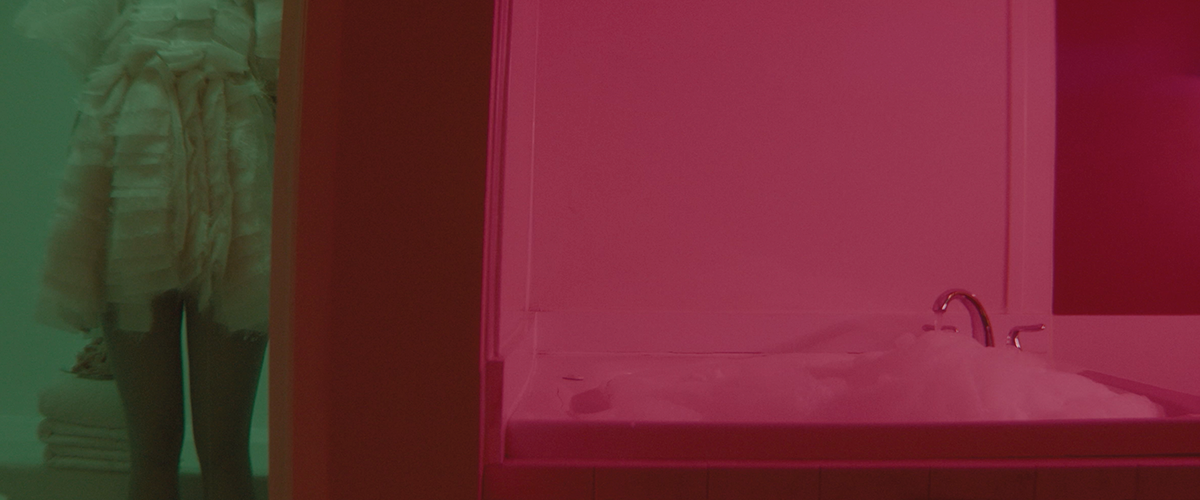
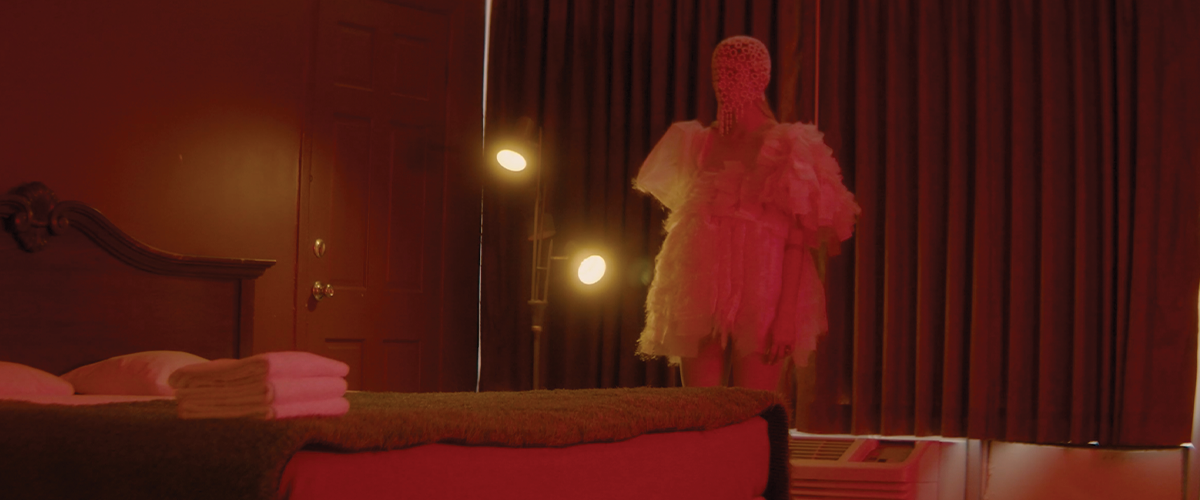
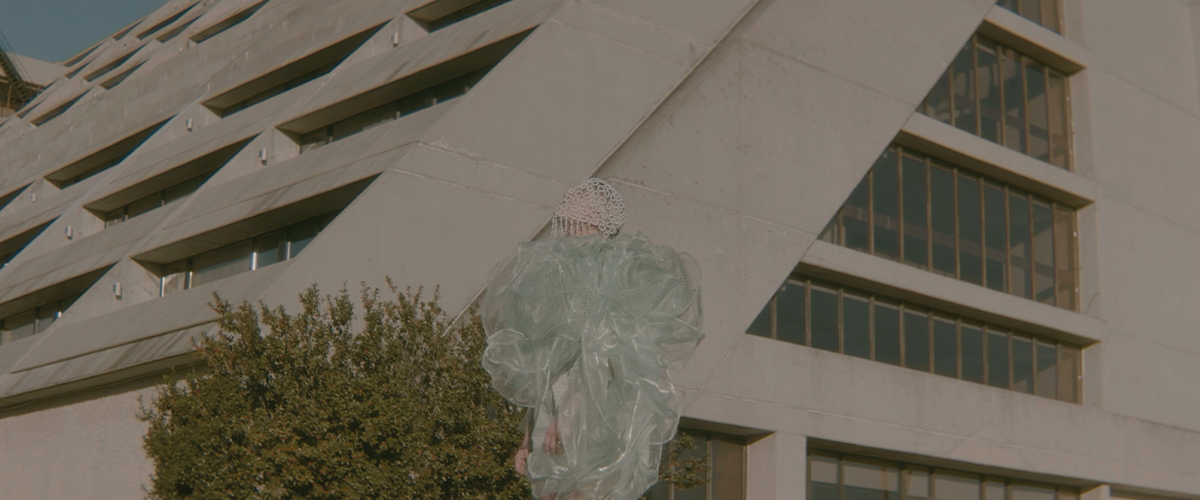
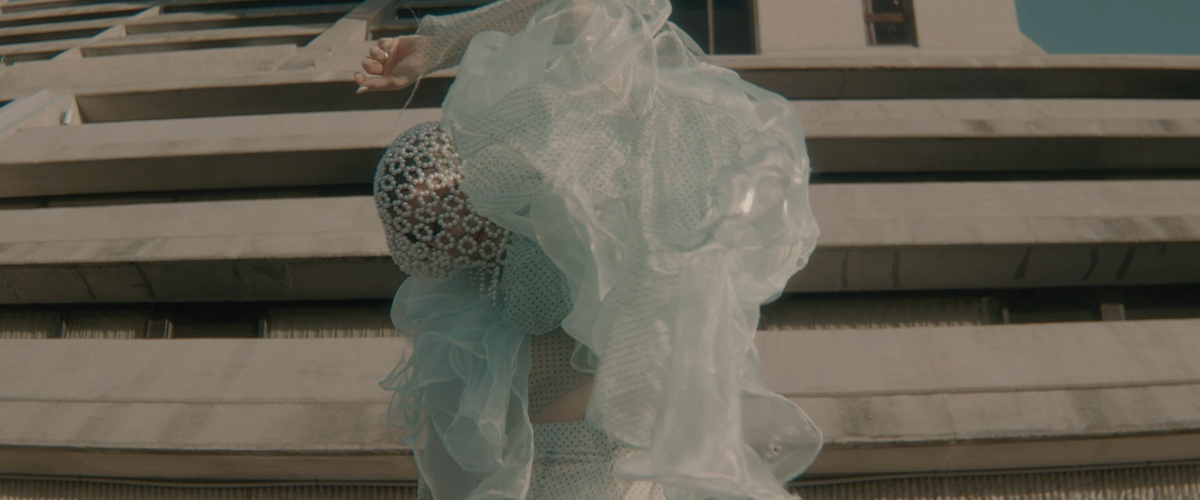
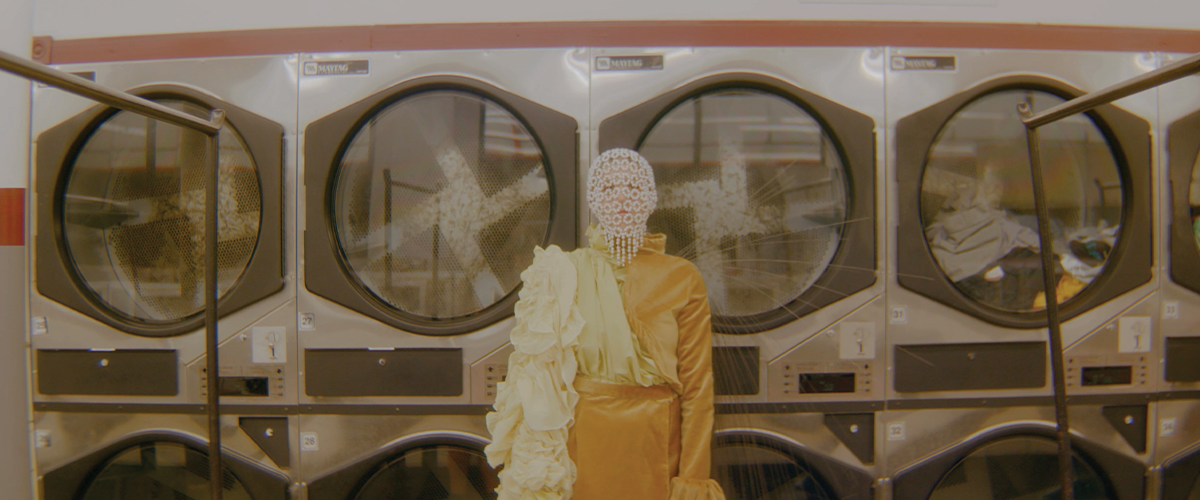
Power camouflages itself with beauty and grafts itself into our societies through covert cultural and political operations that influence individual perceptions and behaviors—what we pay attention to, follow, purchase, believe—until we, humankind, adapt, conform, or become socially “othered.”
Few spatial realities embody the tension between these immaterialities as the female form.
Power leverages beauty to reinforce the existing social strata—one that relies on a western-American beauty tradition that is aggressively, and often maliciously, thin, white, and youthful.
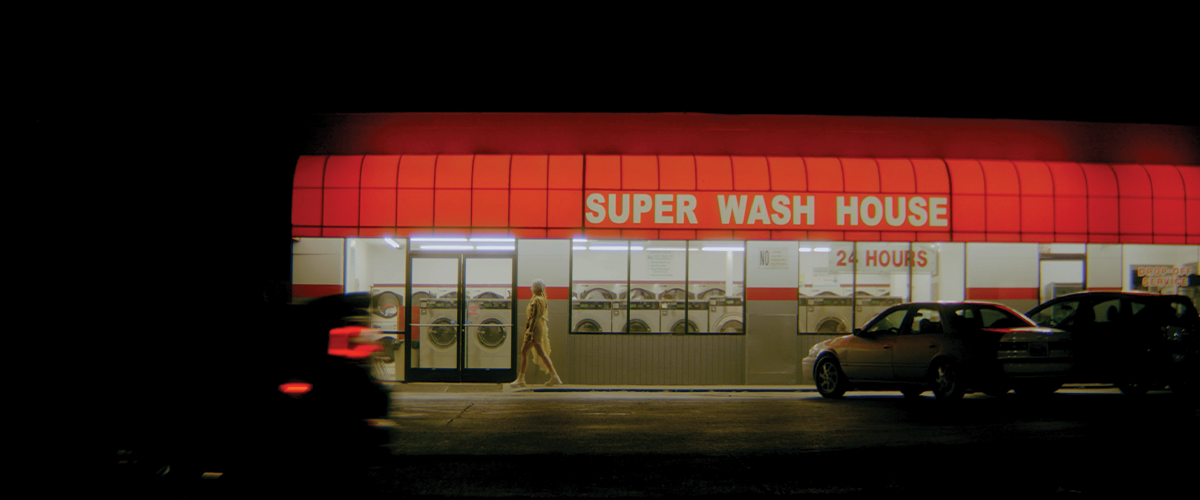
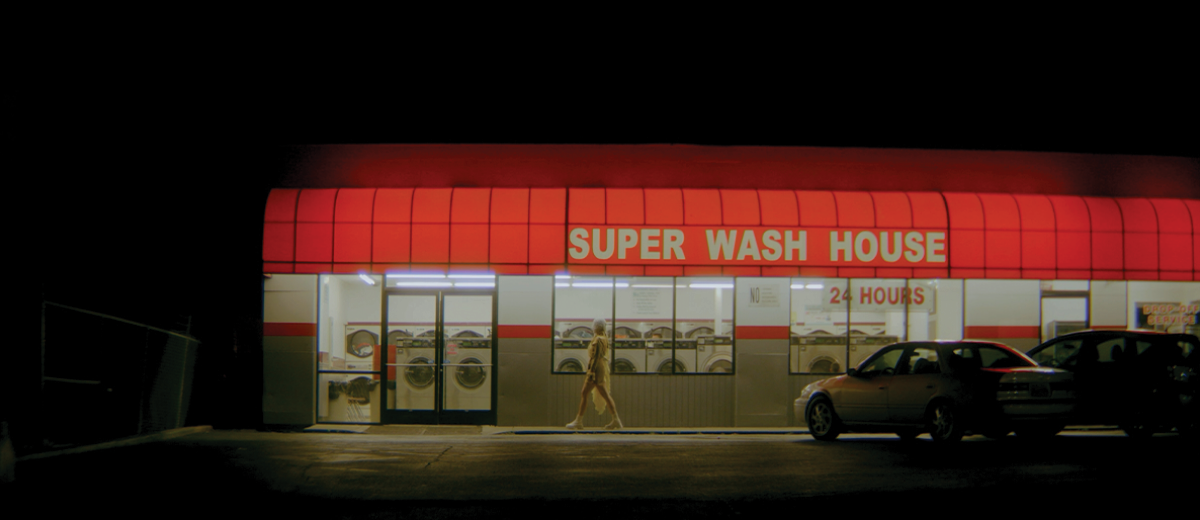
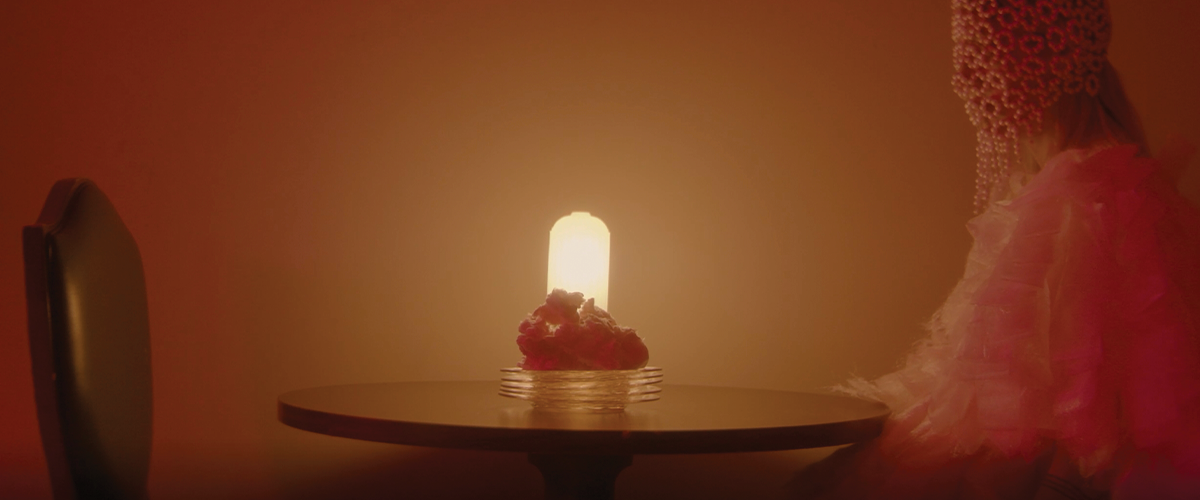
This project fabricates environments, objects, and ultimately subjects that complicate and push back into the established social strata and beget a more autonomous, hybridized, “cyborg-ienne” female phenomenon, to speculate how beauty and power might be reprogrammed in future social mutations and to question our contemporary moment.
Follow Cayce on Instagram: @cayce.anthony
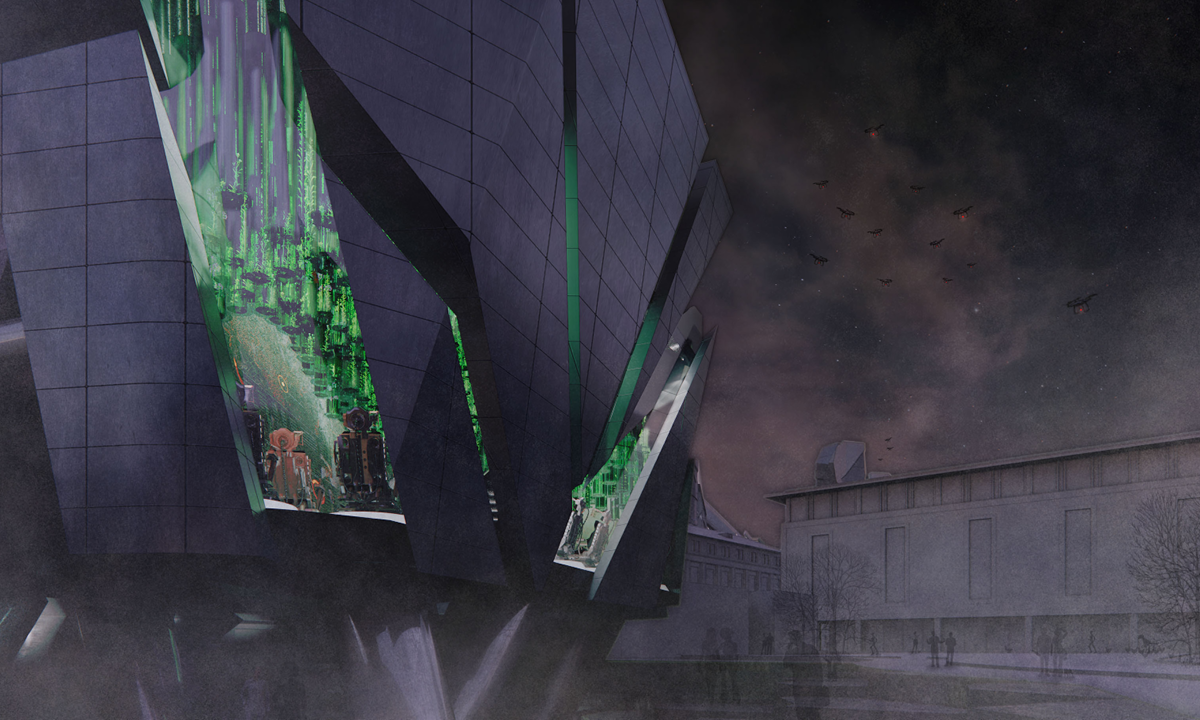
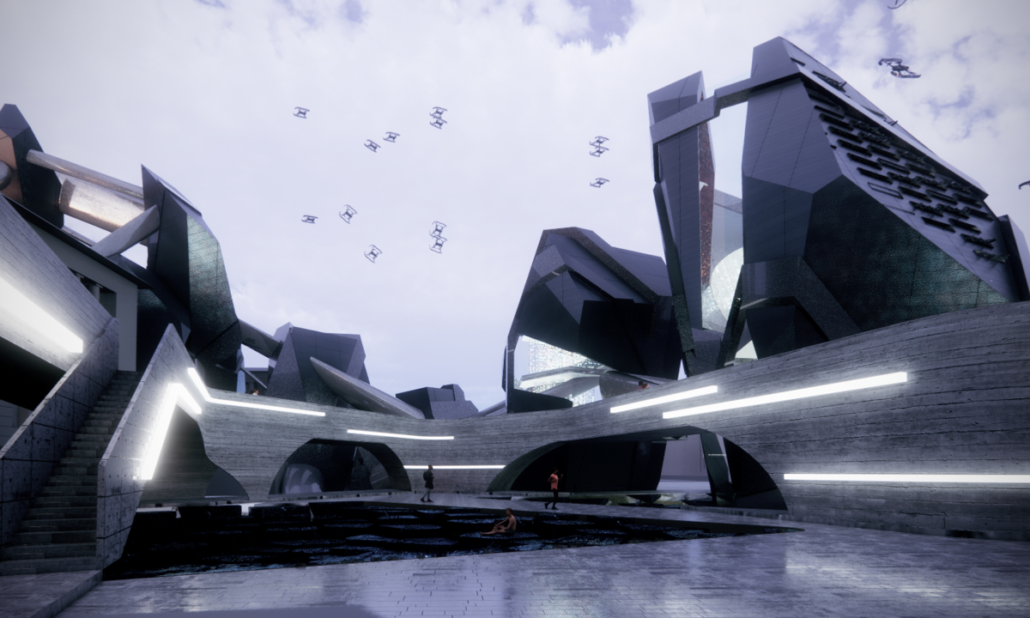
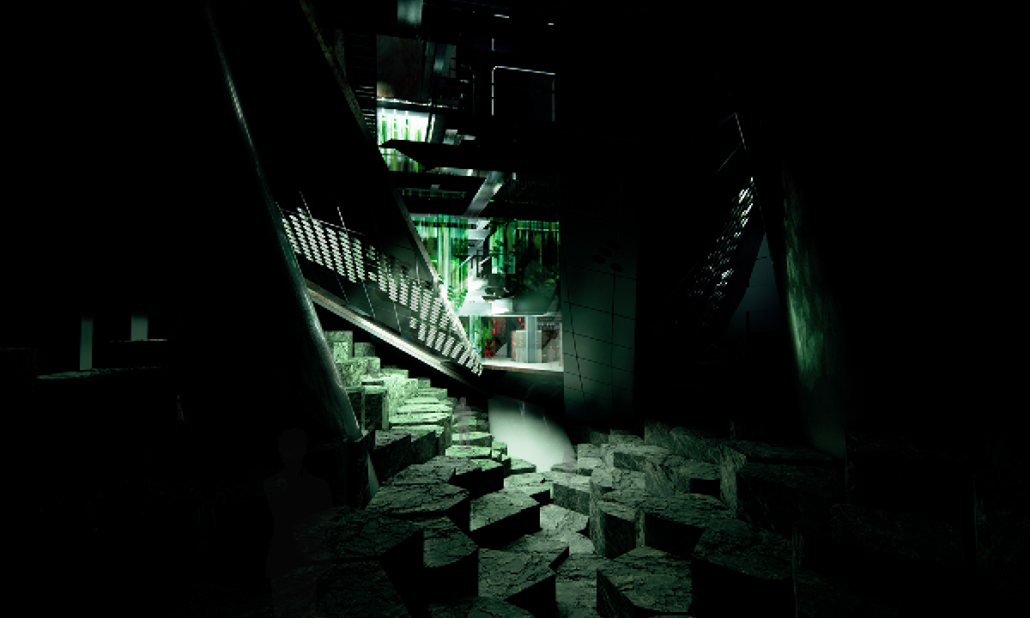
Foreign + Familiar by Bella Chou, Coleman Brink, and William Hachtman
The University of Texas at Austin | Advisor: Kory Bieg
2020-21 Design Excellence Award Winner: https://soa.utexas.edu/life-work/student-affairs/student-awards/design-excellence/2020-2021-design-excellence-winners (Internal UTSOA award)
Pending upcoming feature in Tribeza, a local magazine in Austin
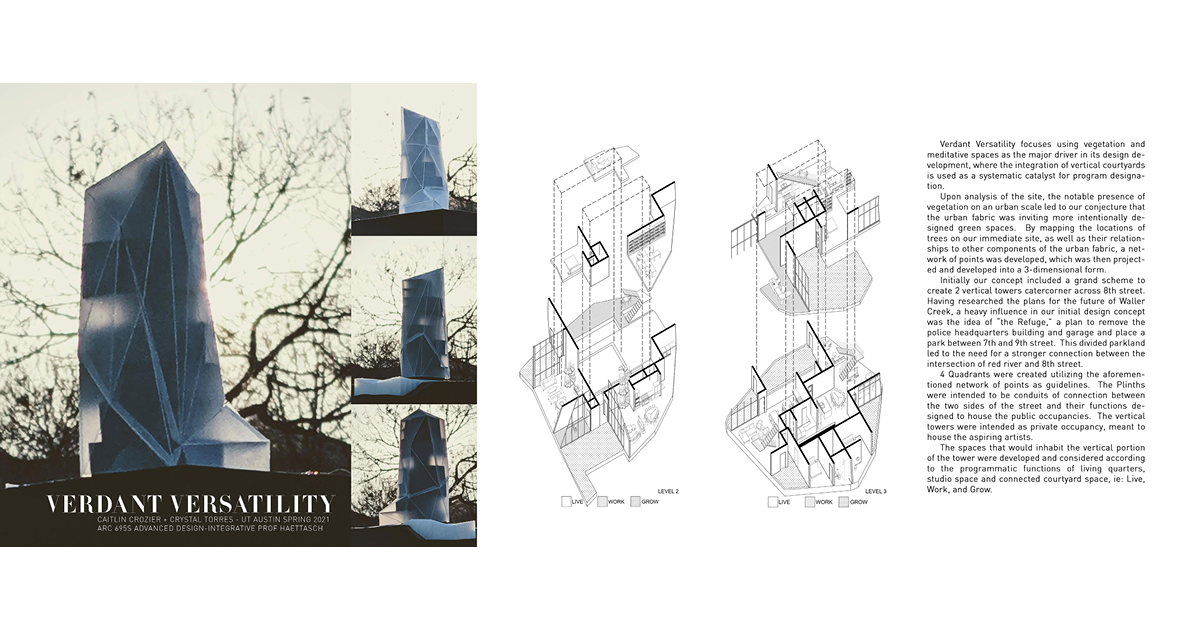
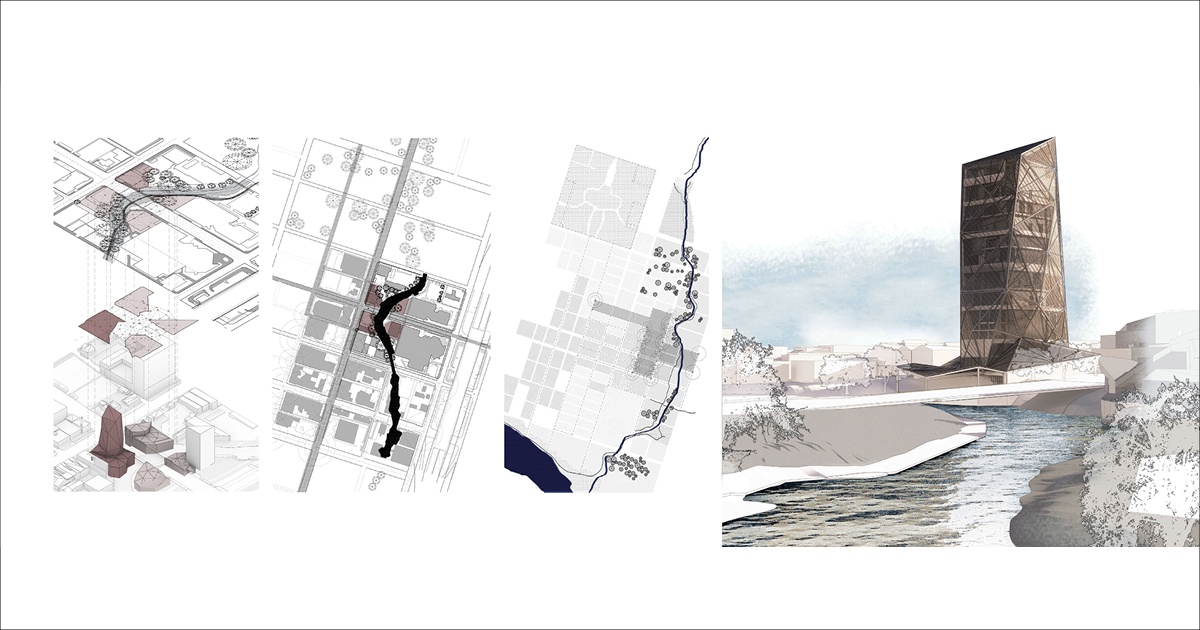
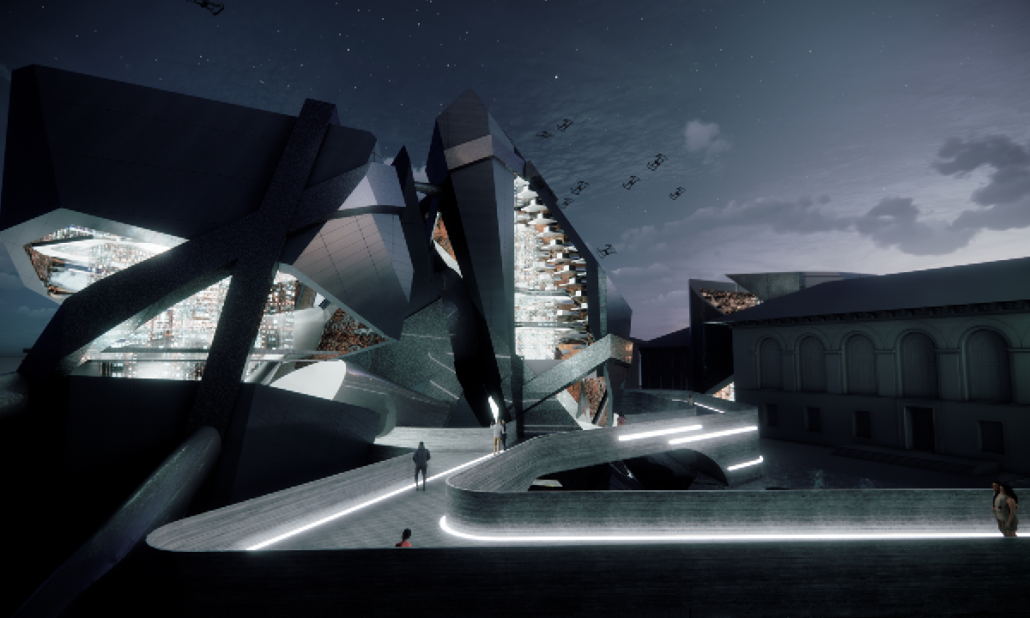
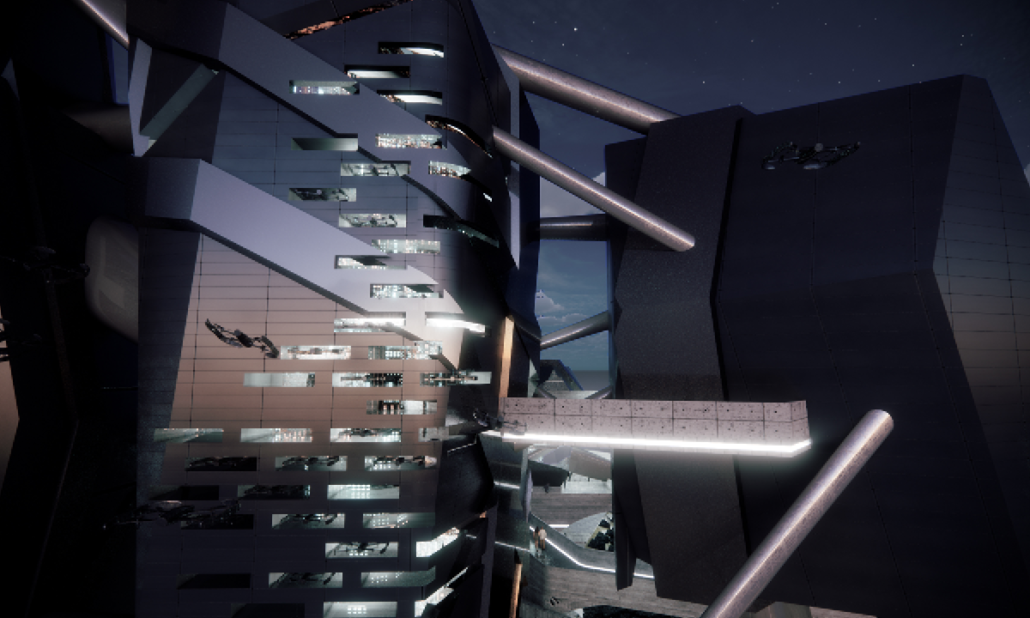
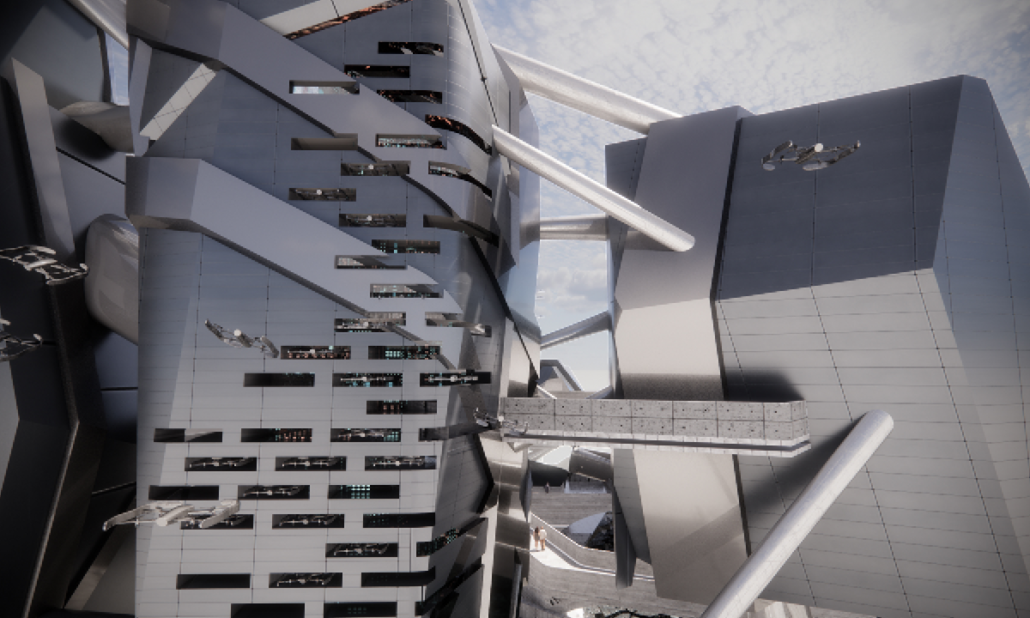
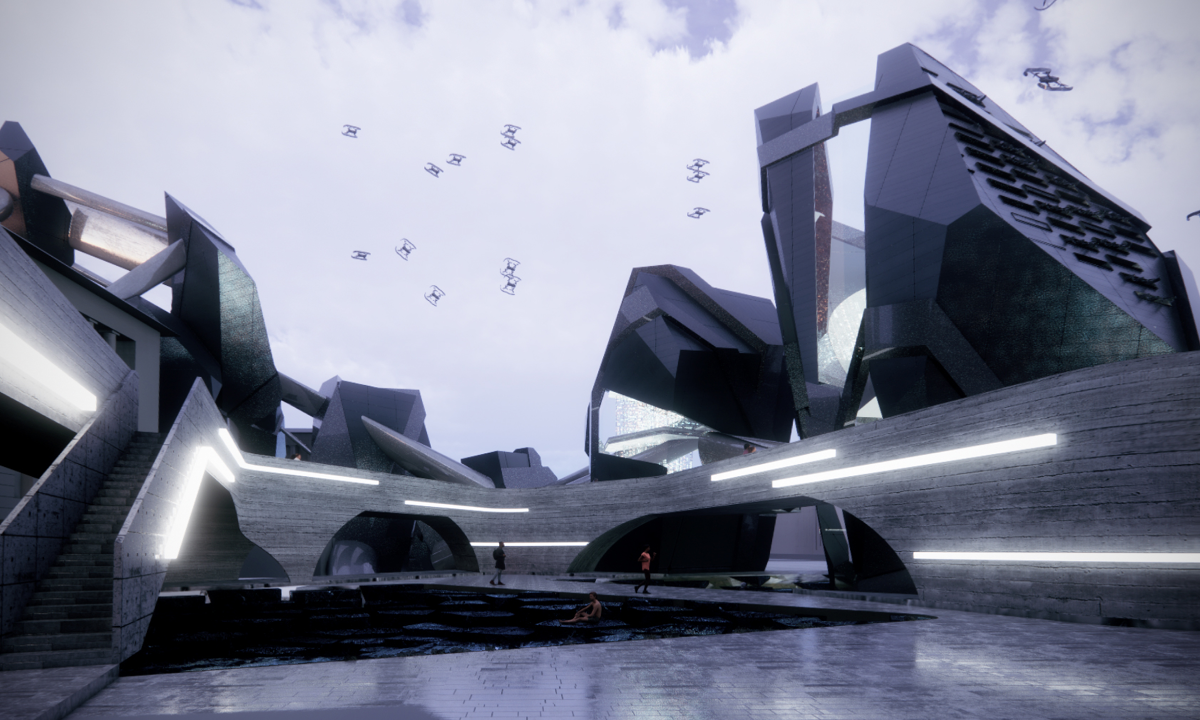
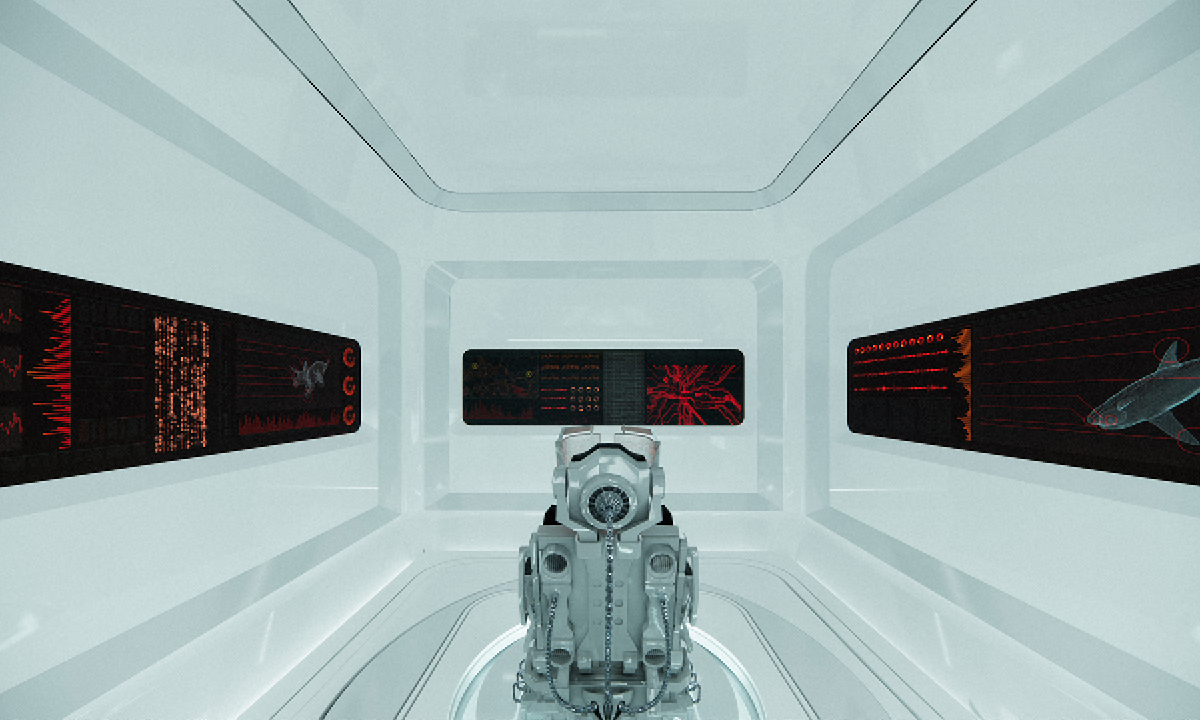
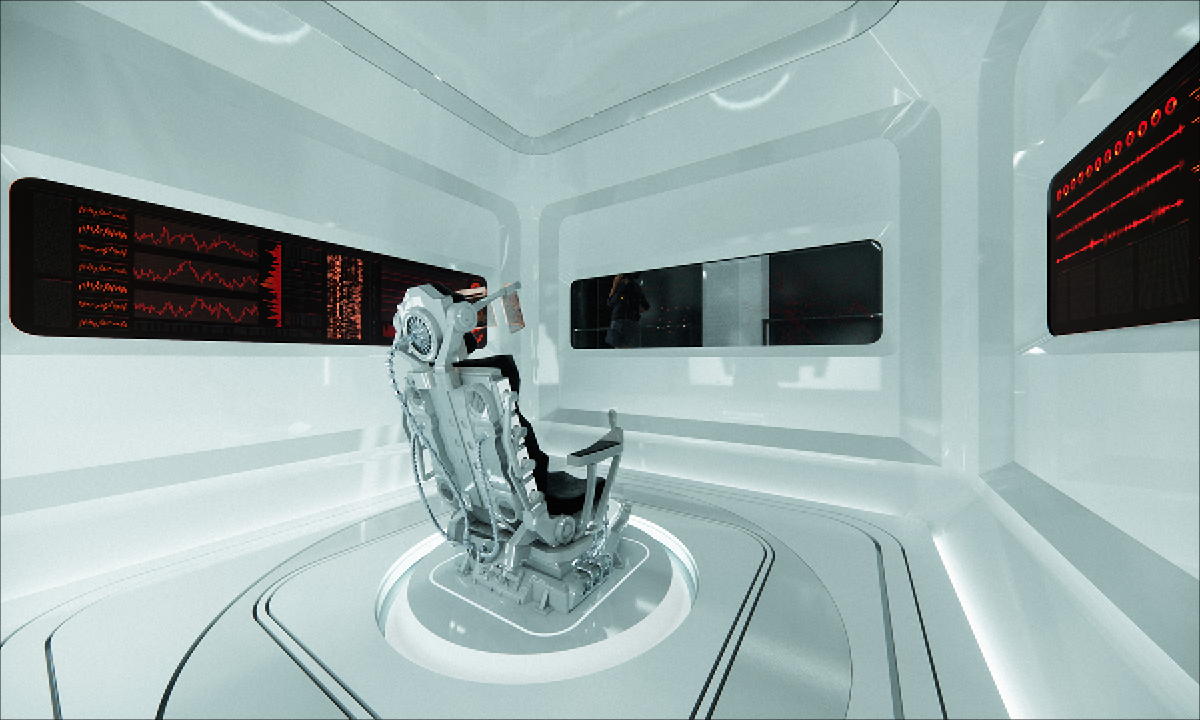
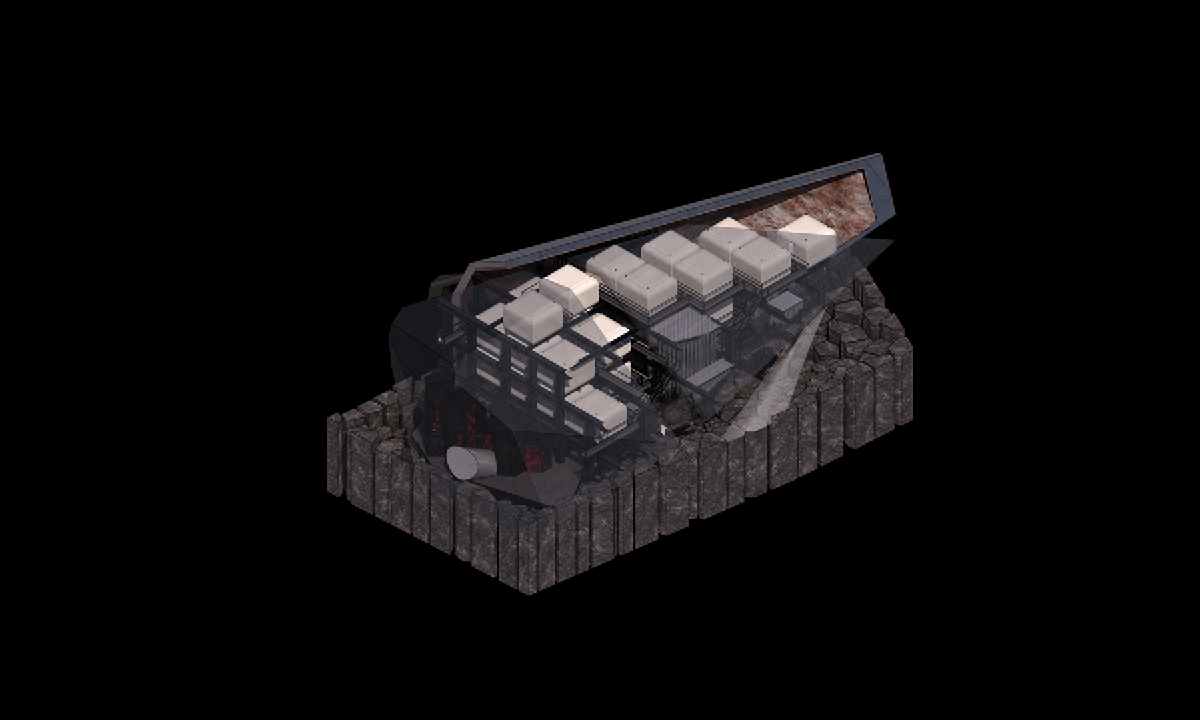
Technology is ubiquitous. Our relationship with electronics, both hidden and overt, has become integral to our everyday lives and has reformed how we interact with and perceive the world around us. In the perpetual pursuit of utopia, futuristic machines constantly propose a new and improved way of living. Some prospective technologies speculated to become part of our contemporary lives include flying cars, nanobots, and 3-D printed food. While many of these proposals seem to be more applicable to temporally distant societies, our rapidly changing environment and needs suggest these future technologies could be implemented in the near, rather than distant, future. Despite the vision of a seamless integration of these technologies, a question of the spatial requirements to house these technologies arises.
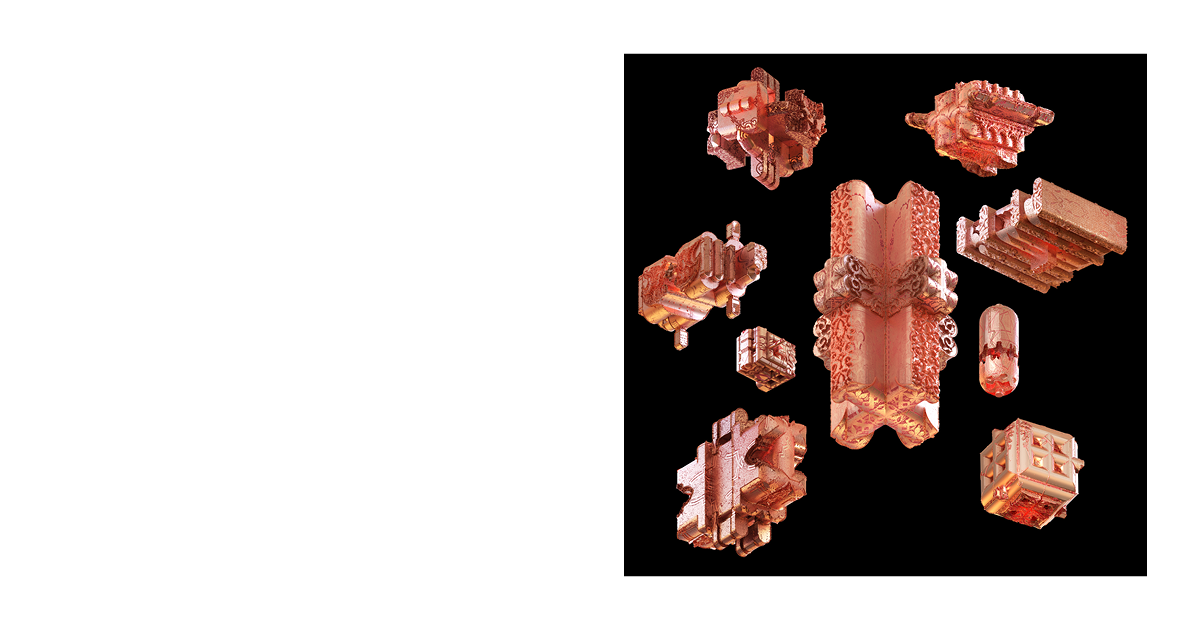
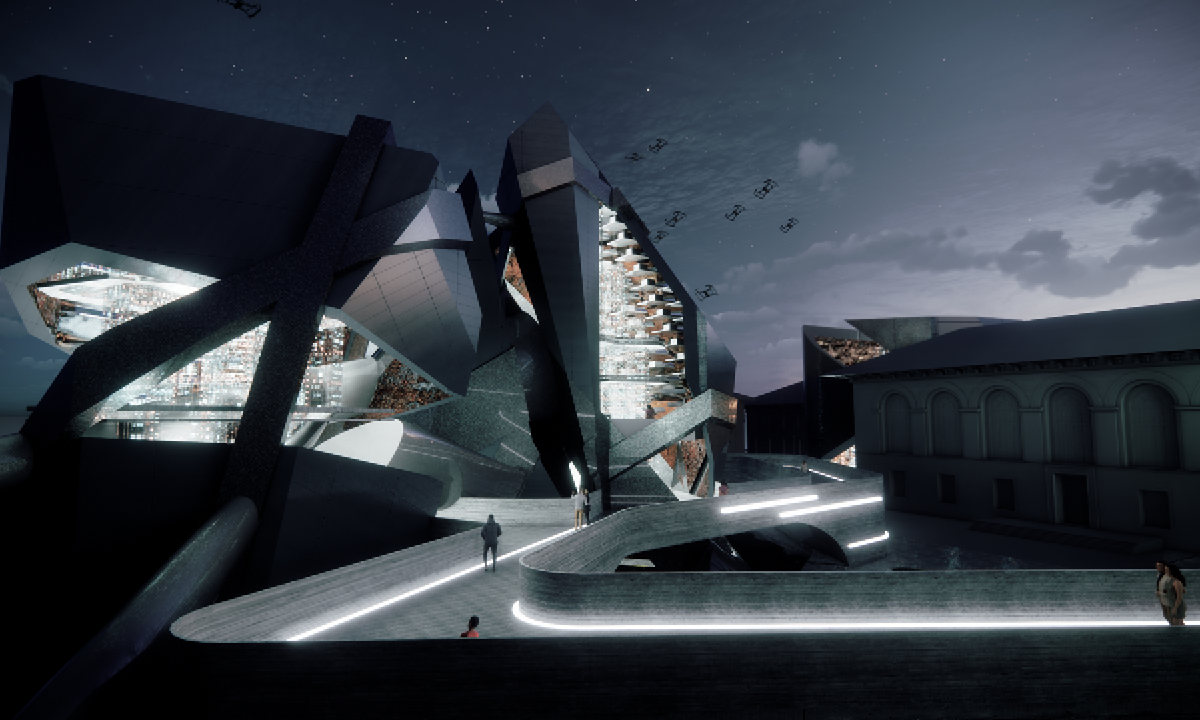
Technology is a tool to change how we live, but contrary to our reliance on it to complete even the most mundane of tasks, technology is often tucked away in the periphery of our buildings and minds. Our project explores ideas of human viewership and interaction with the digital. Set in a near, speculative future, we wanted to confront our complacency of existence—what are the implications of space-making with a non-human centered focus? Architecture as a discipline has become constrained. In our constantly changing world, architecture is stable. Our explorations play with destabilizing the status quo. Programmatically, our project is a spectrum of human occupation, with technology taking precedence while humans become the periphery. Our projects are highly speculative, but rooted in our observations of human interactions with technology. This is just one of many potential futures.
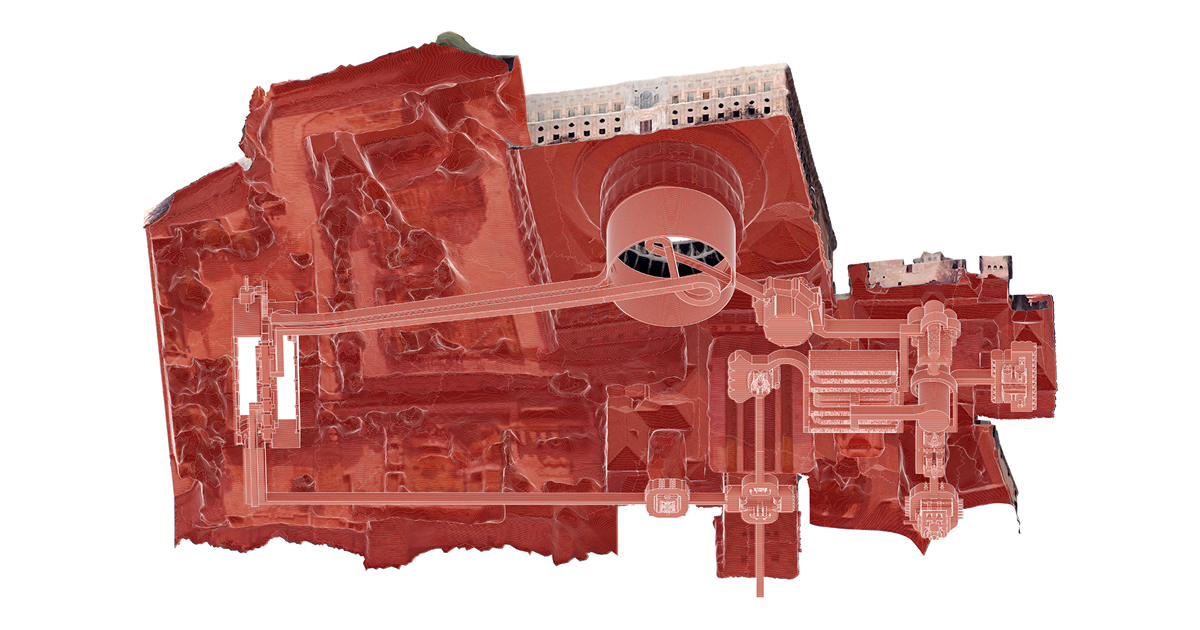
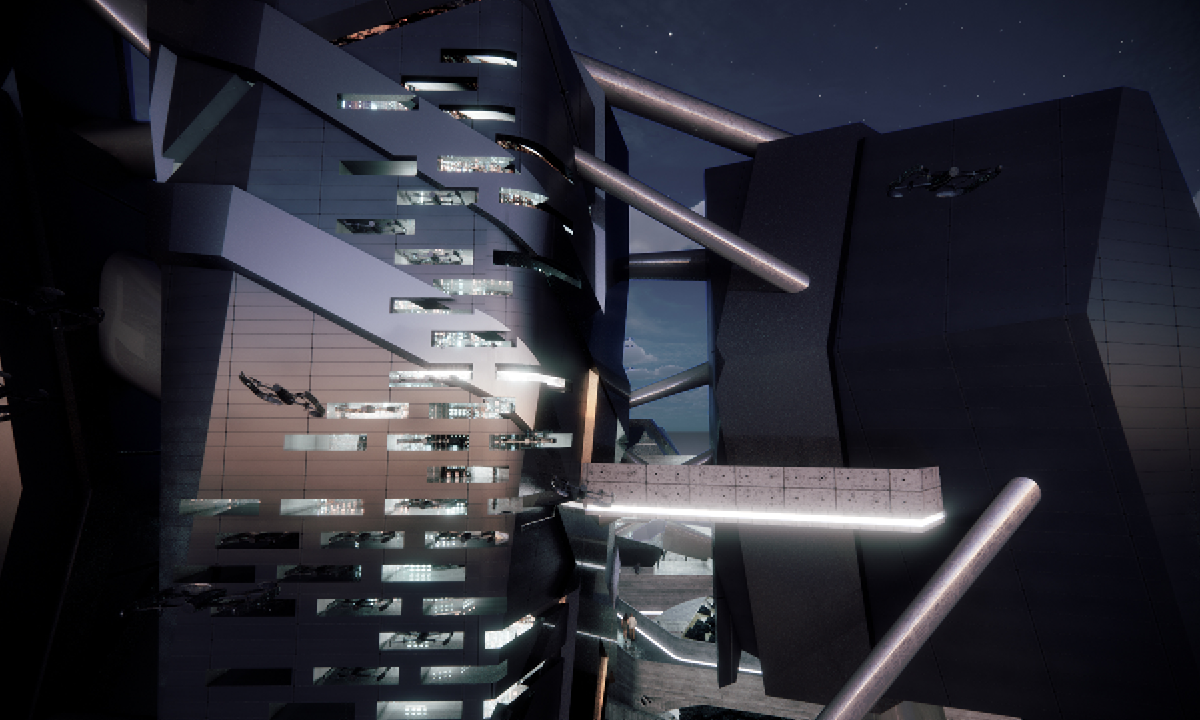
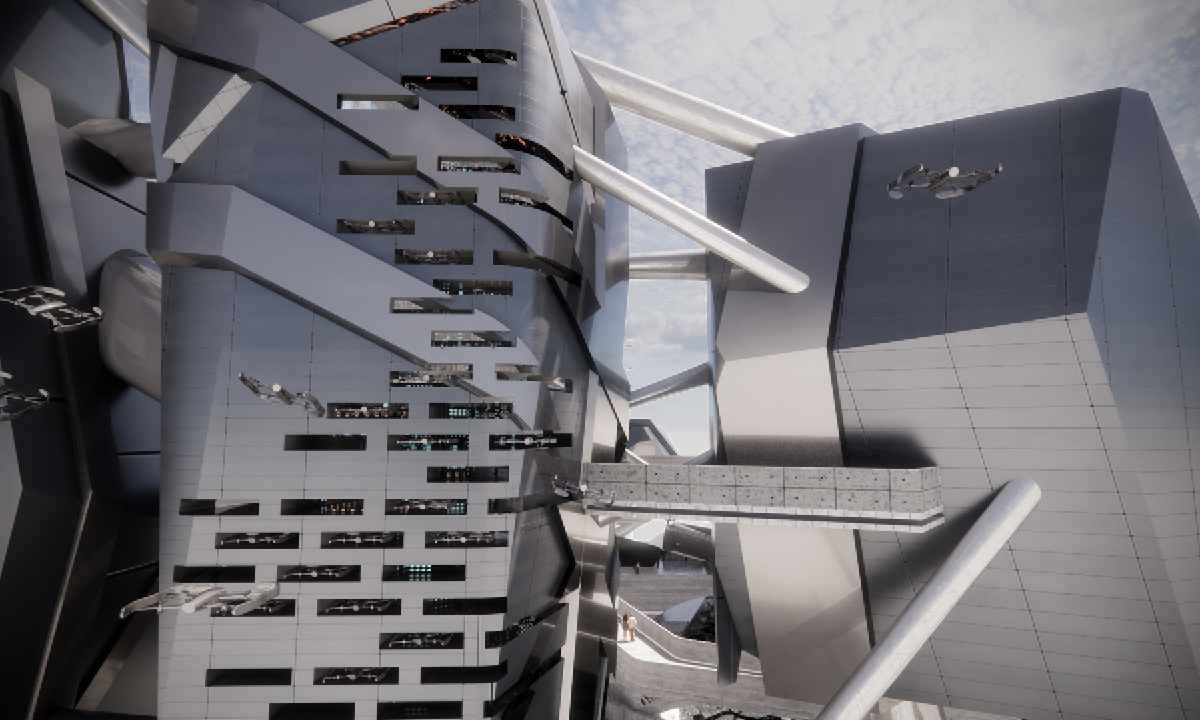
This studio was broken into two parts. The first being entirely group-focused where the overall formal and site developments were made. In accordance with the studio’s vision, all this was done using Grasshopper, machine learning, and scripting. Therefore, all the exterior and formal elements seen were developed using this process.
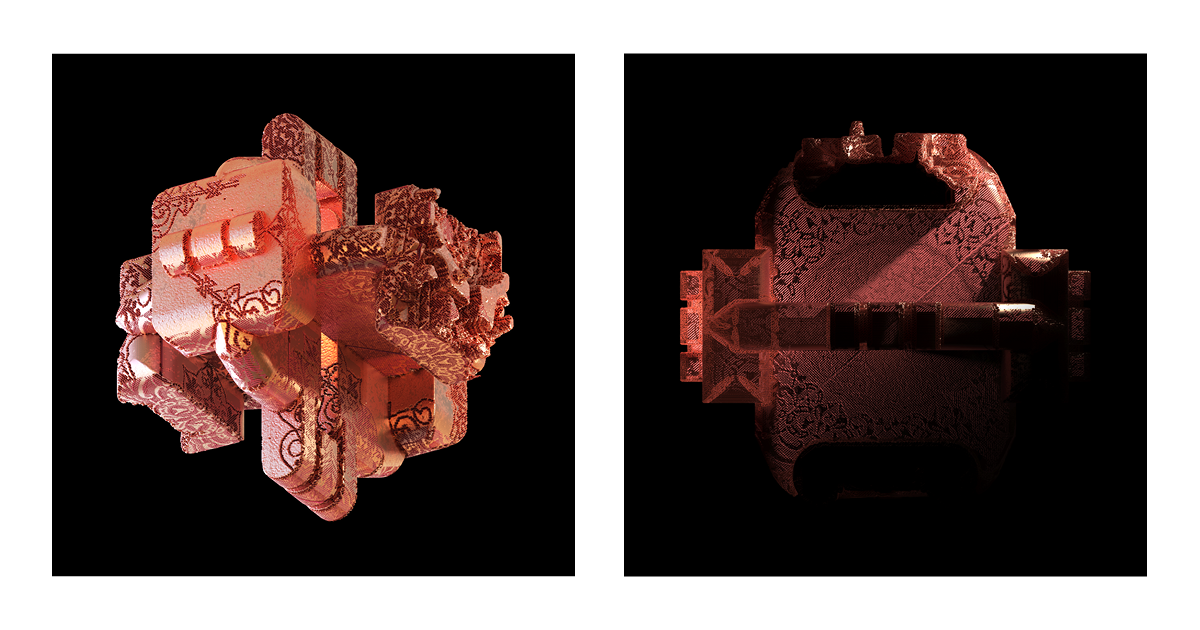
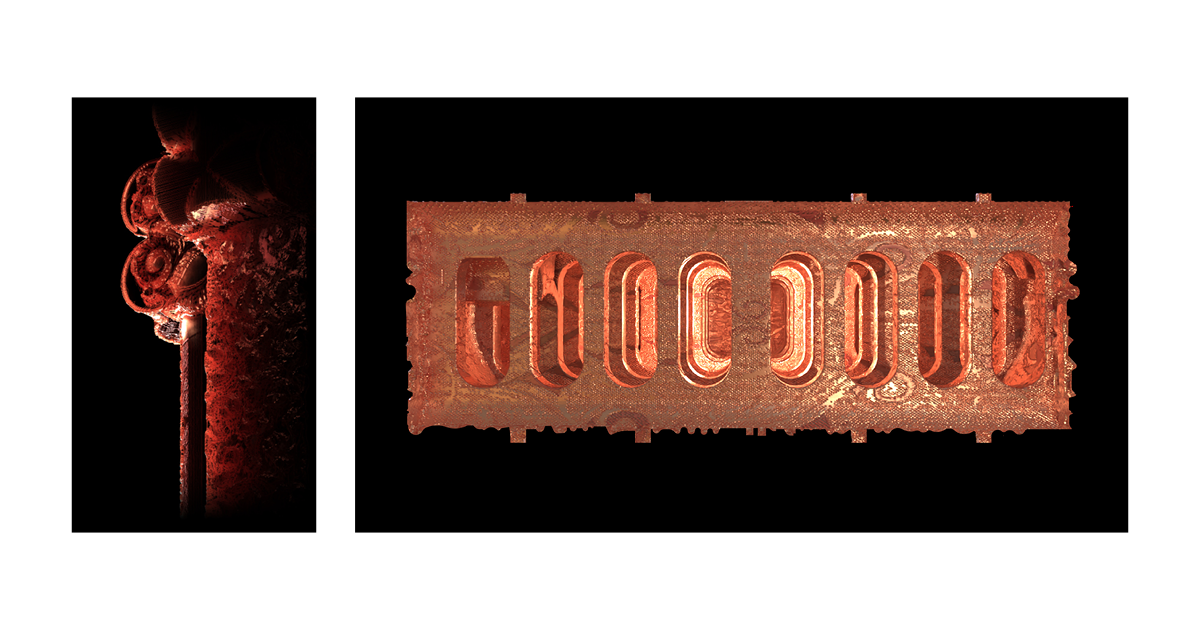
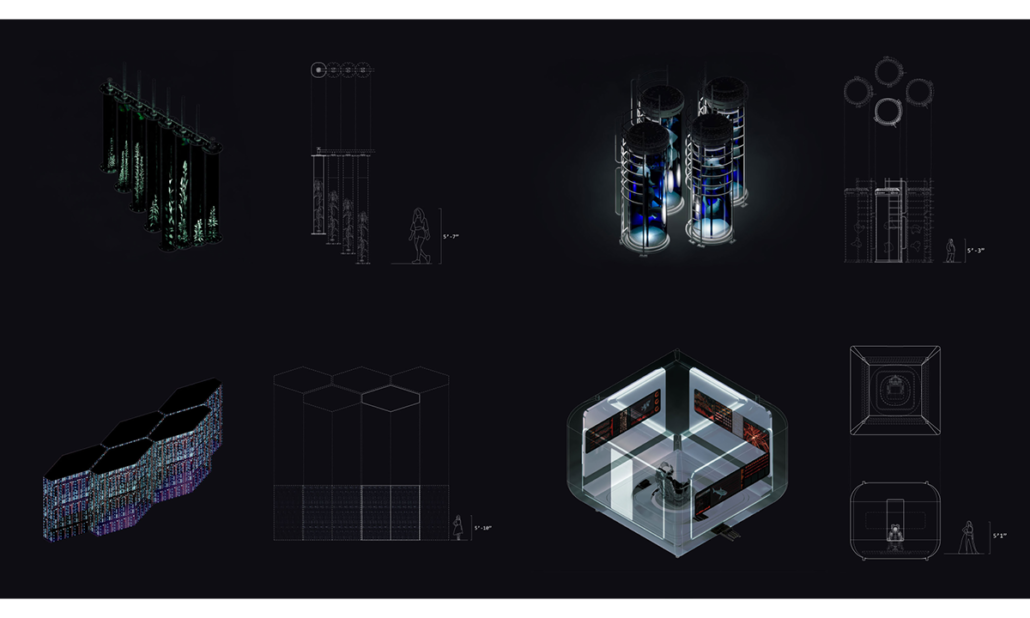
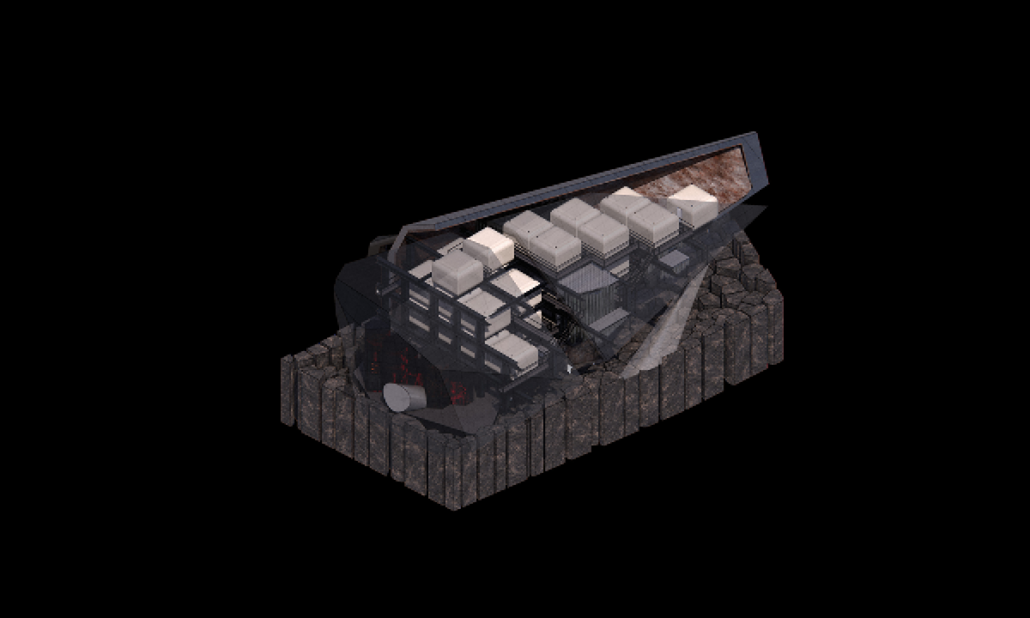
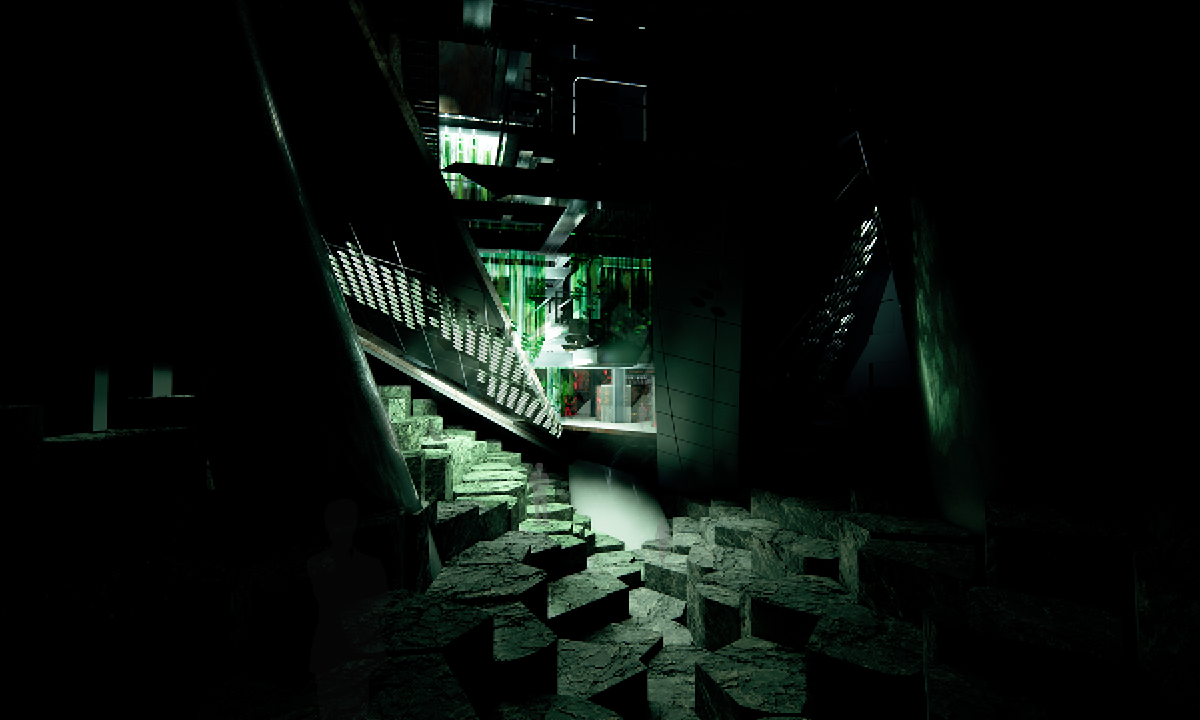
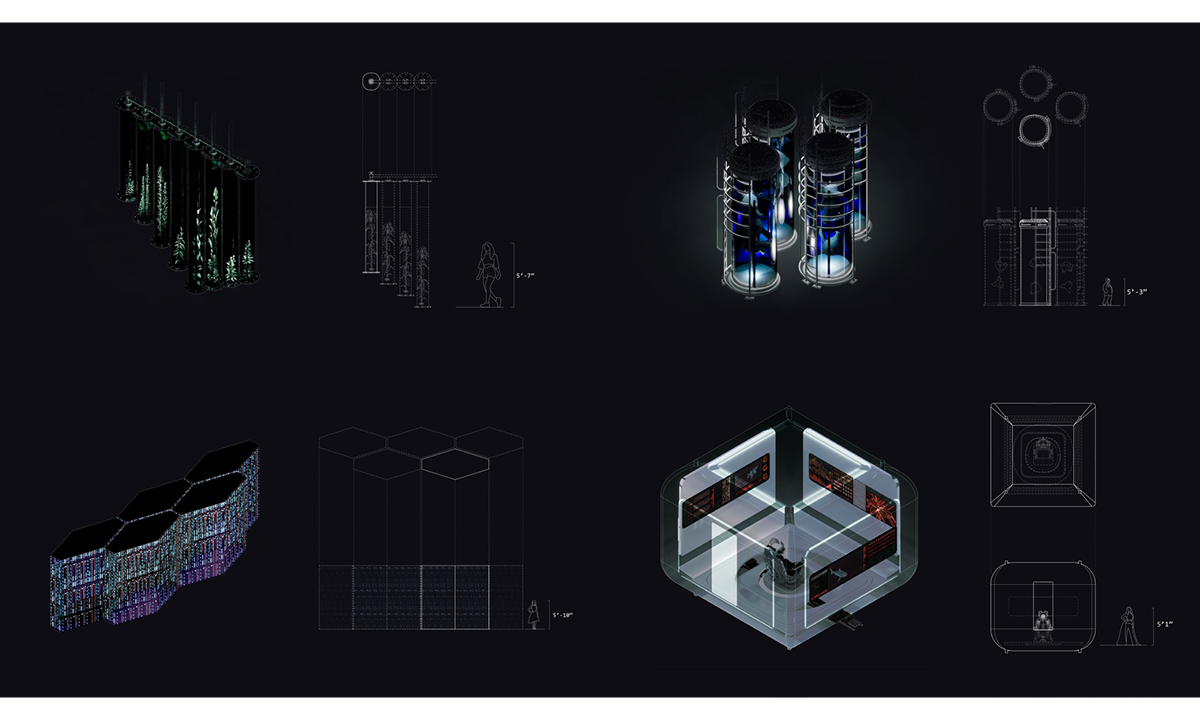
The second half of the course was focused on individual projects and developments within the larger context and narrative of the site. For this, each group member focused on an object scale applying to the overarching narrative, and then designed this object to their selected building’s program. These programs were applied to various buildings across the site ranging in size and complexity.
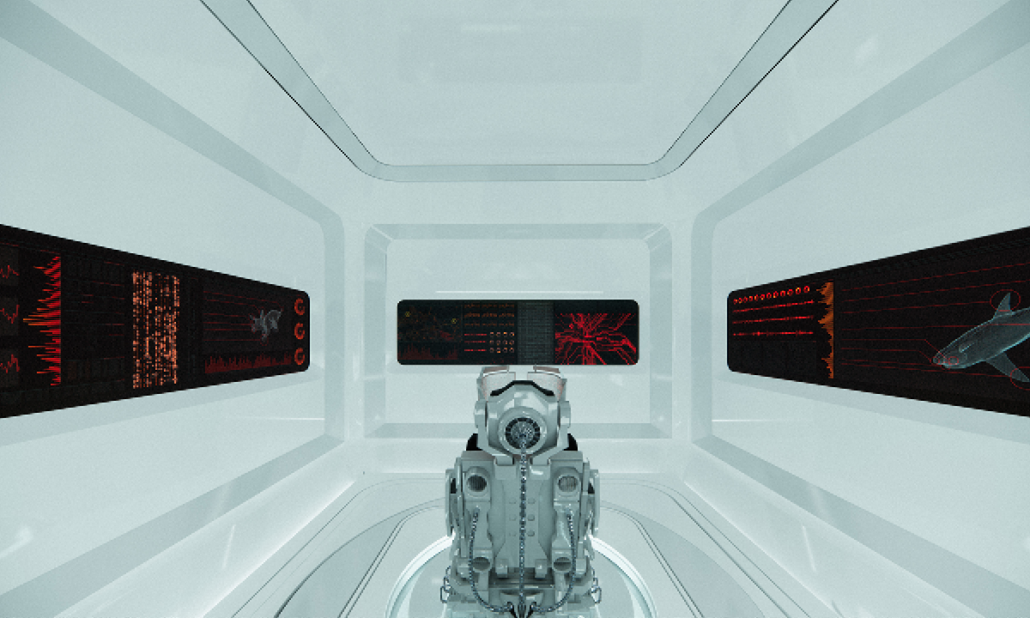
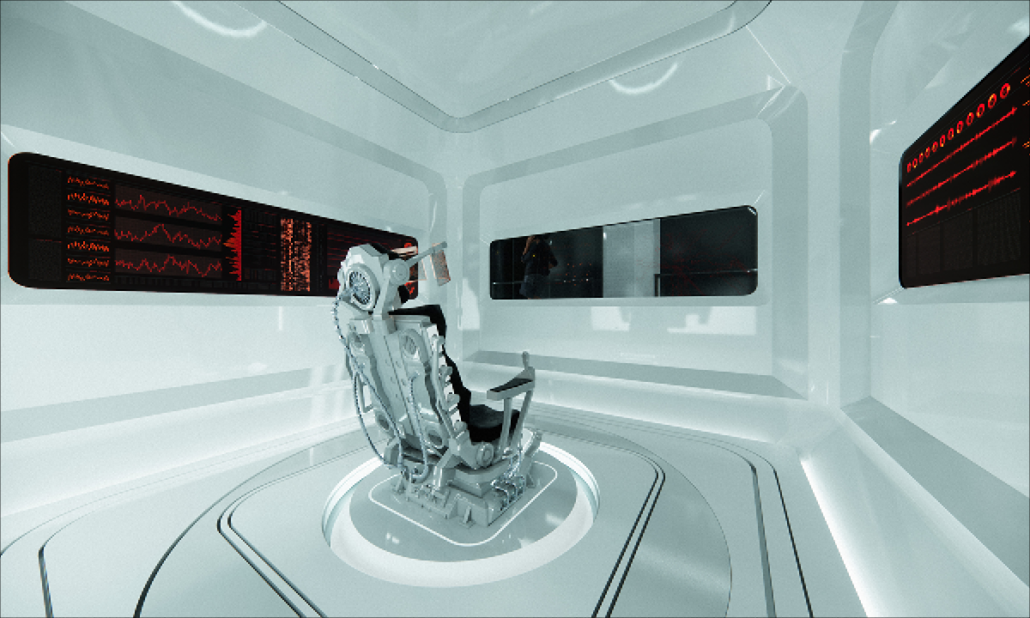
All portions of the projects were targeted and designed for a virtual reality experience, as required by the studio. With that in mind, each individual project was designed with immense detail and immersion, allowing for a user to be consumed by their future world. Every interior and render is meant to be experienced with this perspective.
Generating a project with this methodology required a strong sense of vision and communication. Our narrative was the centerpiece in developing a cohesive project, while allowing each team member to explore a “future” technology that they thought would influence architecture and the project statement. This is the future that we envision to be familiar, but greatly foreign.
Follow them on Instagram: @colemanbrink, @ciaobellabellachou, @will_hachtman
Water! Please: Remember, Reveal, Reconnect by Maria Pozo & Adele Isyanamanova
University of Illinois, Urbana-Champaign | Advisor: Professor Bartumeus
First Place (tie) for Graduate Studio Award
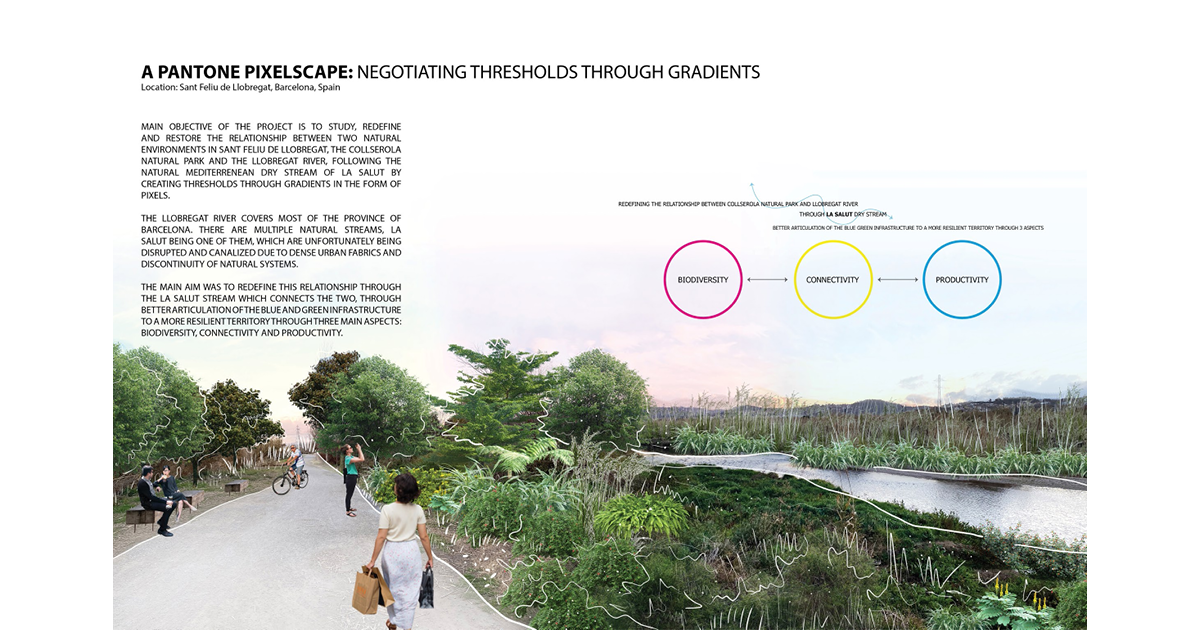
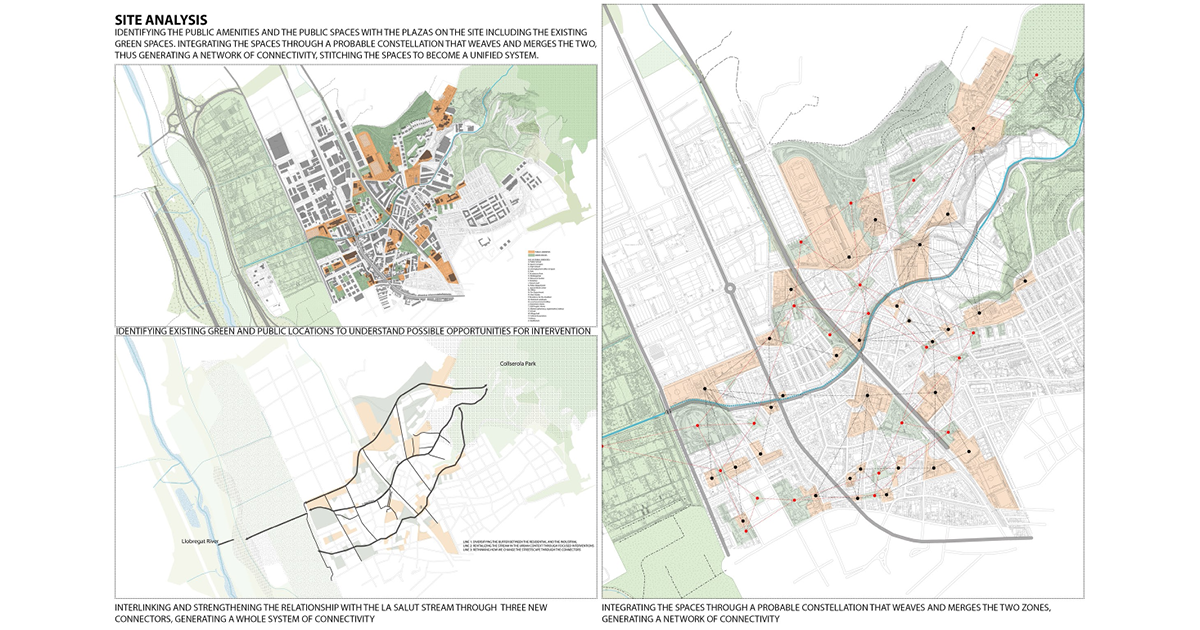
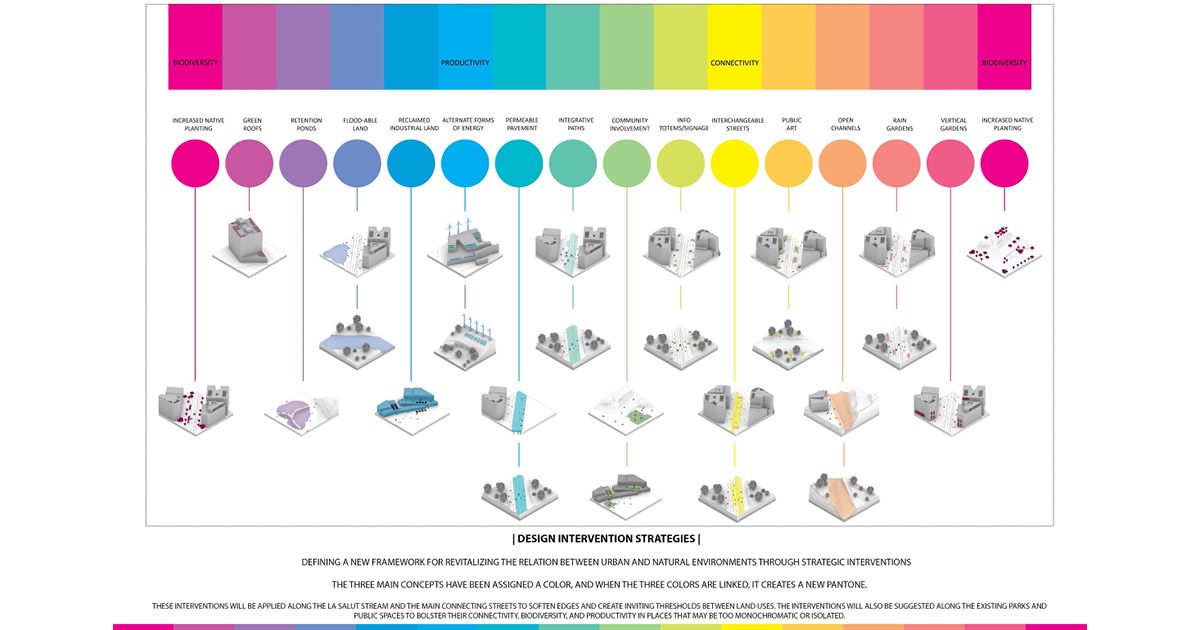
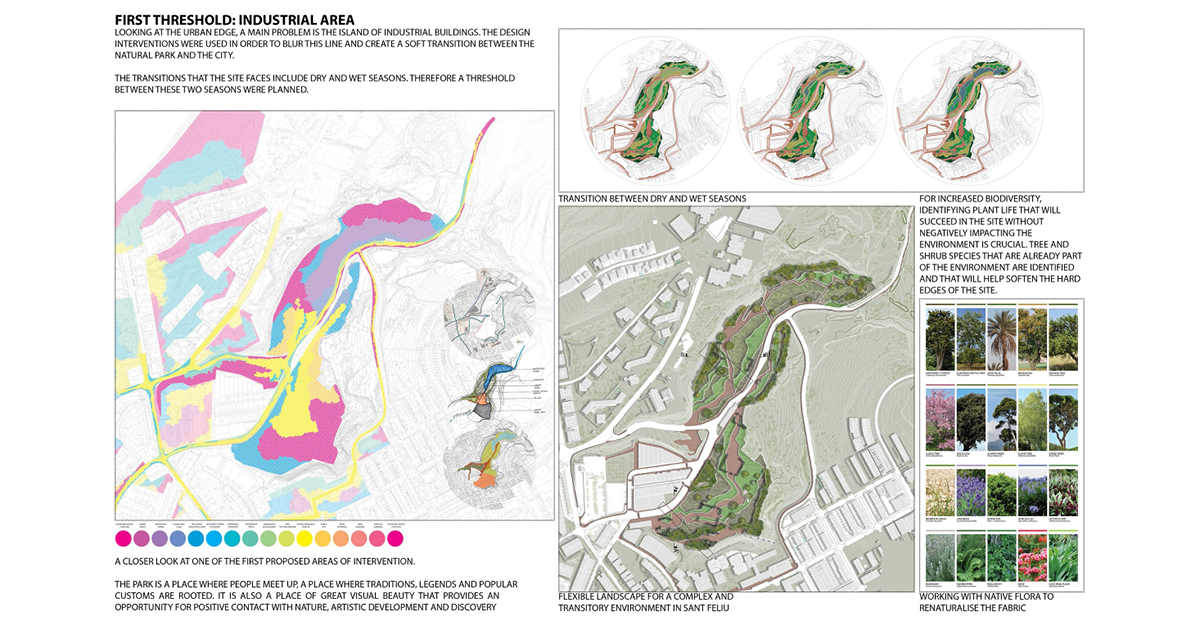
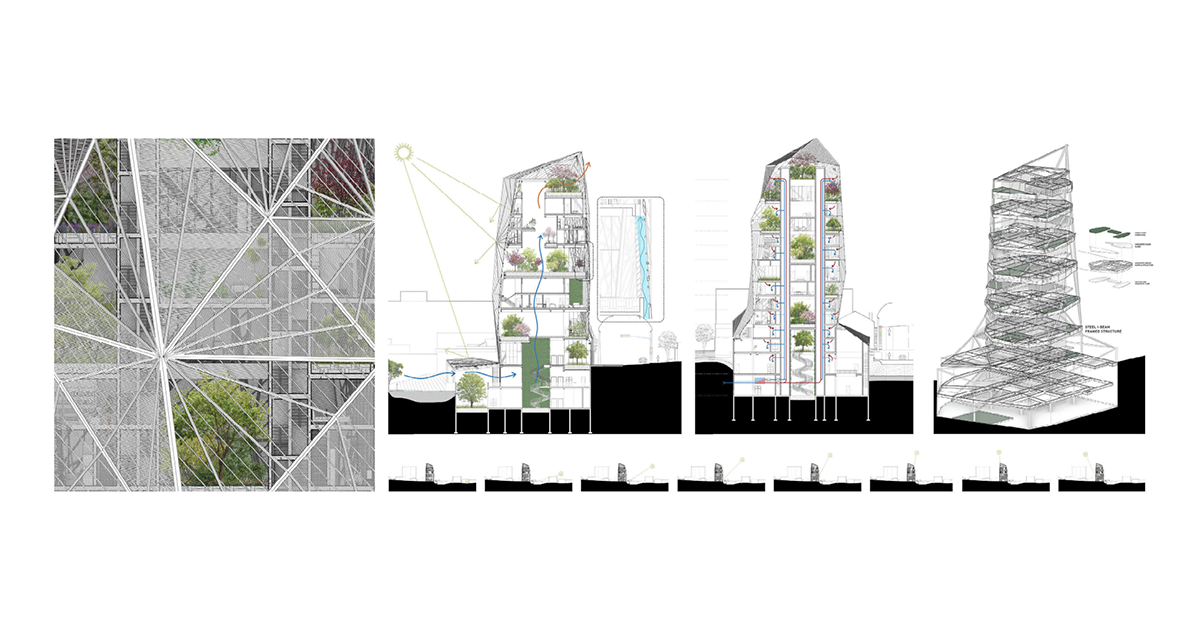
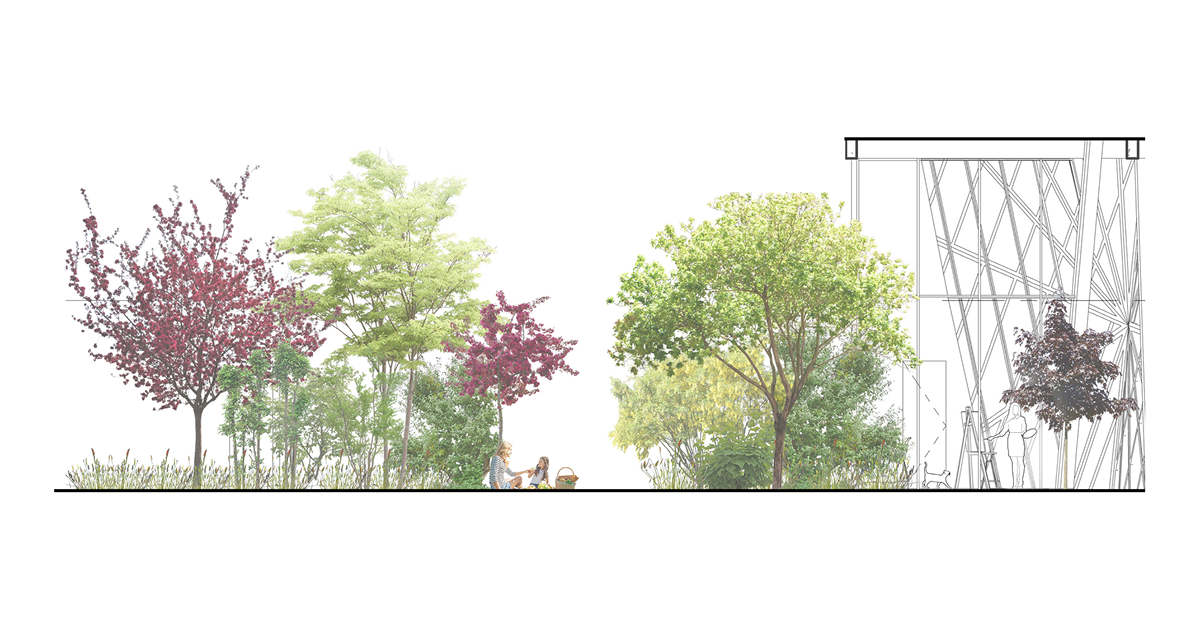
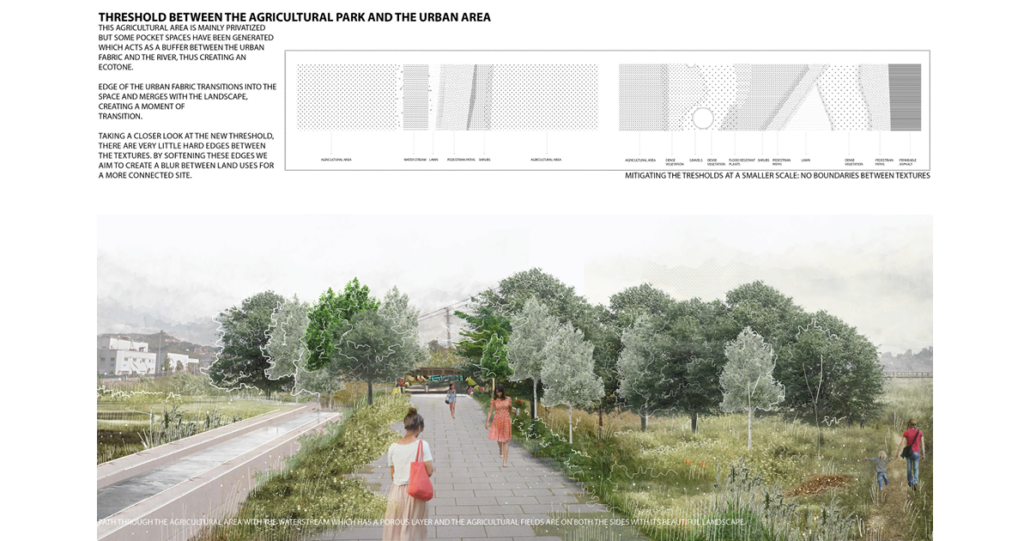
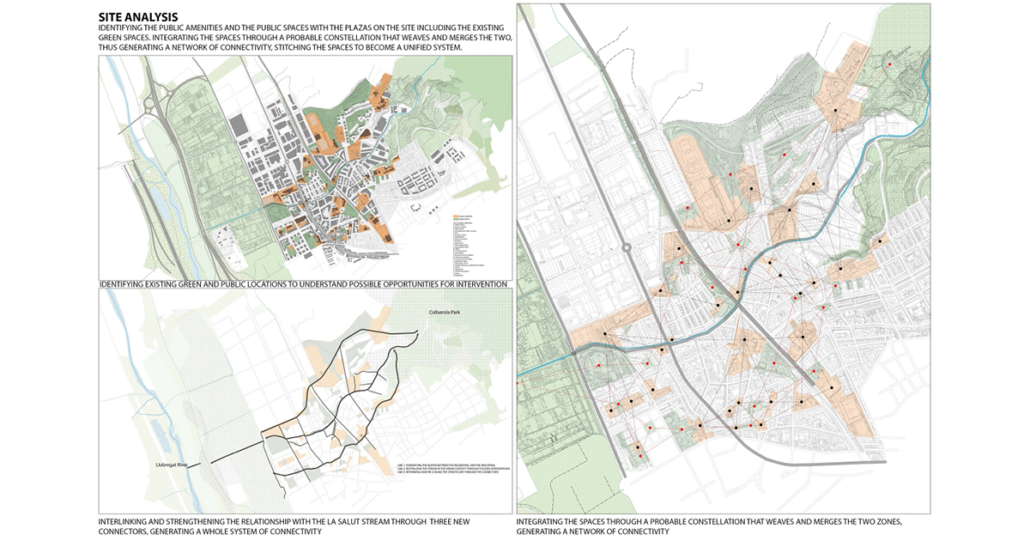
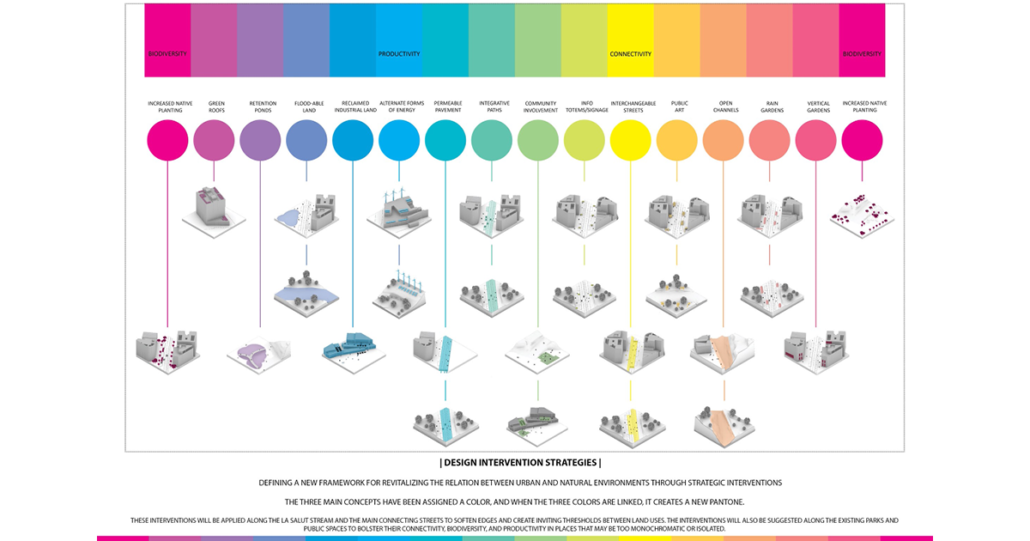
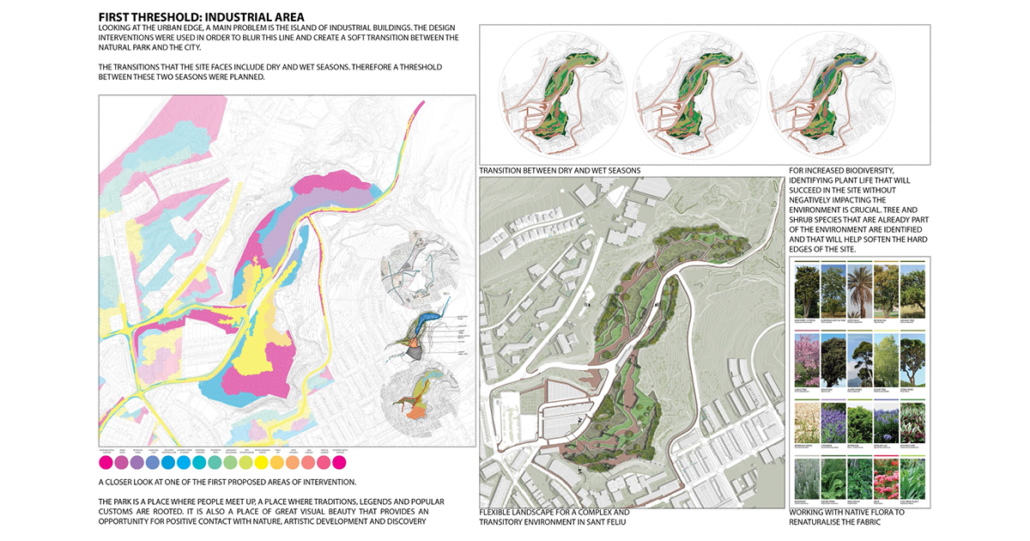
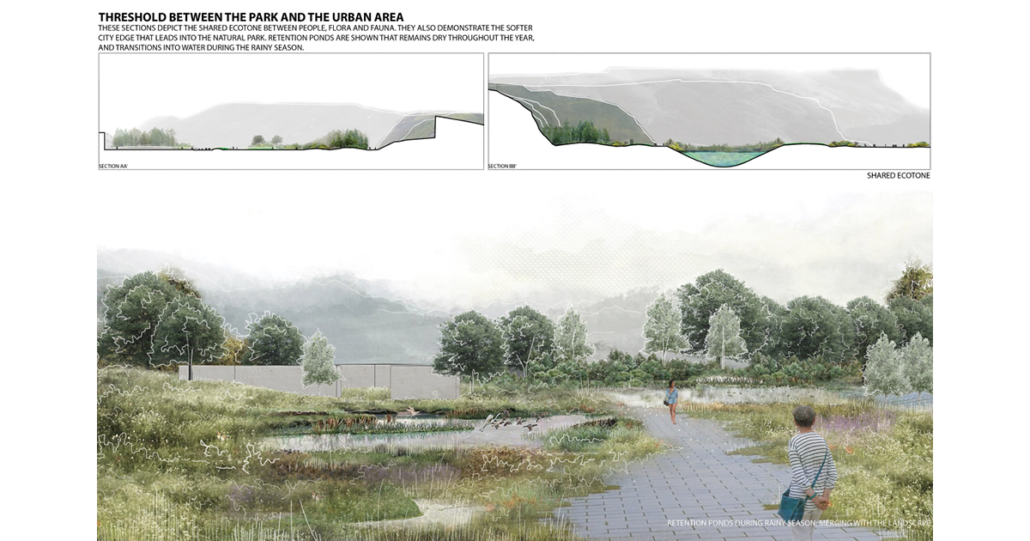
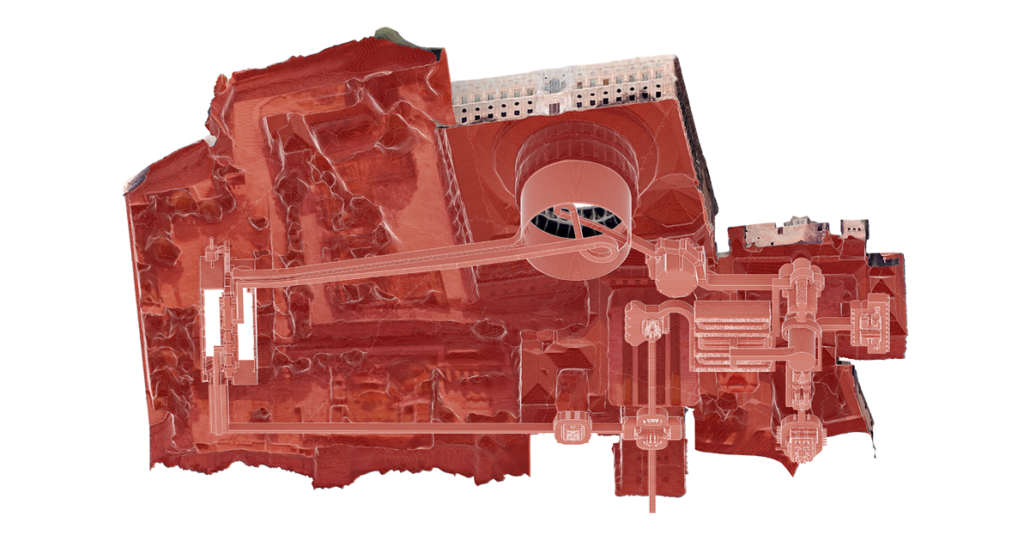
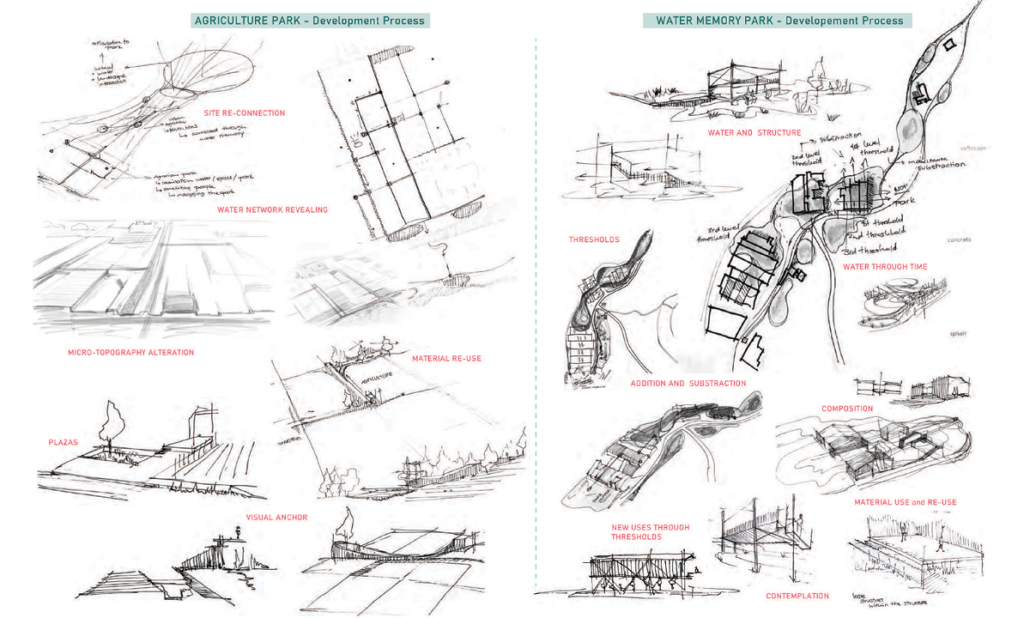
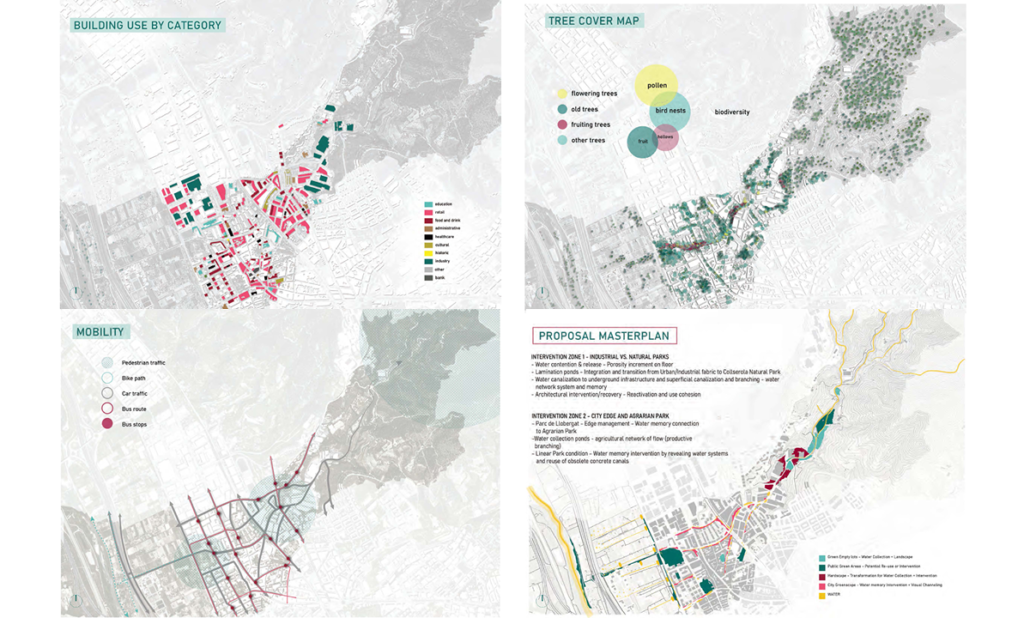
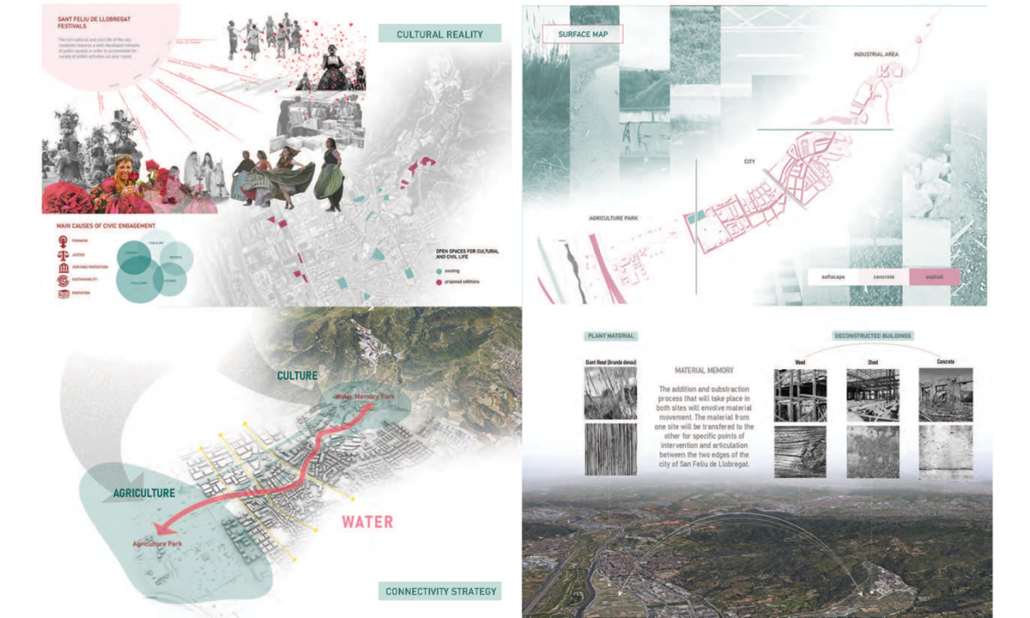
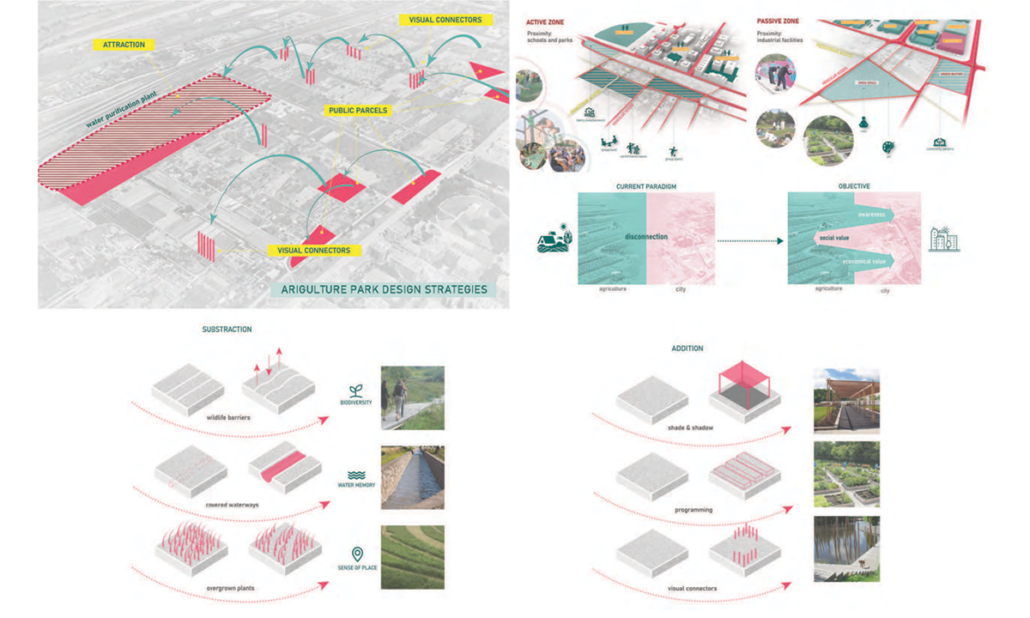
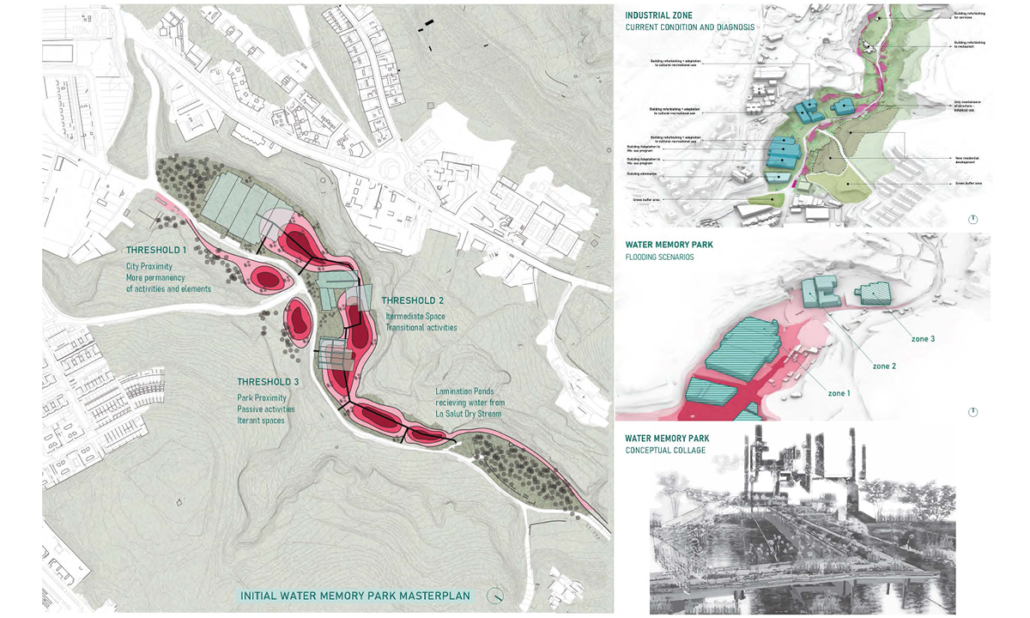
Sant Feliu de Llobregat, an industrial and agrarian city in Catalonia, Spain, is historically familiar with the destructive and dangerous consequences of seasonal flooding, but it also experiences a lack of water most of the year. Smart water management is necessary for the region, but the municipality cannot afford expensive infrastructure that would solve the problem quickly. How do we manage water with as little intervention as possible? How do we activate water memory and connect people to the essence of the place? How do we use water to promote biodiversity and ensure sustained ecosystem health?
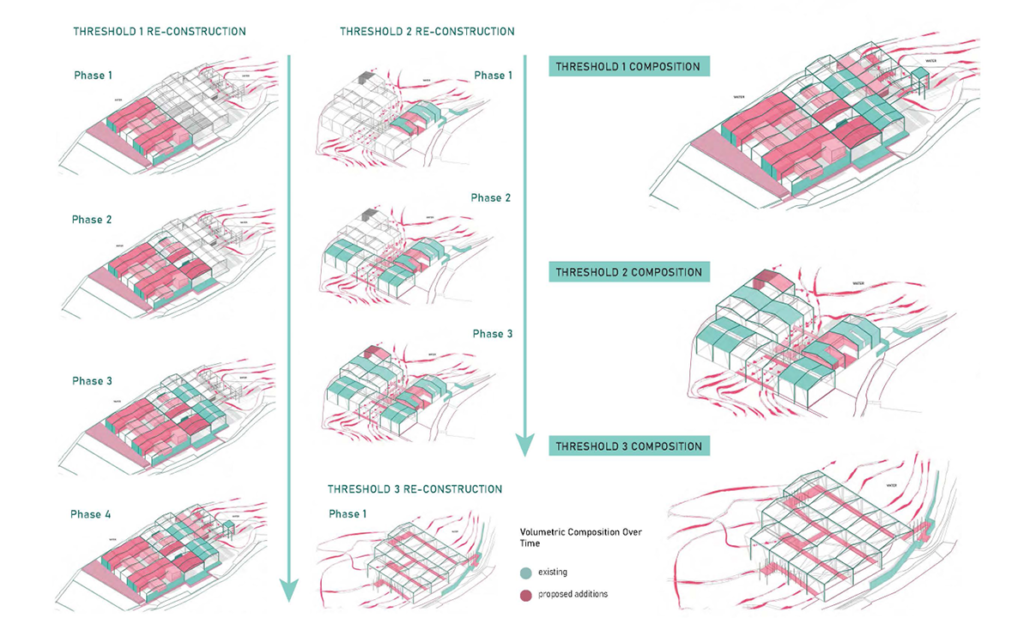
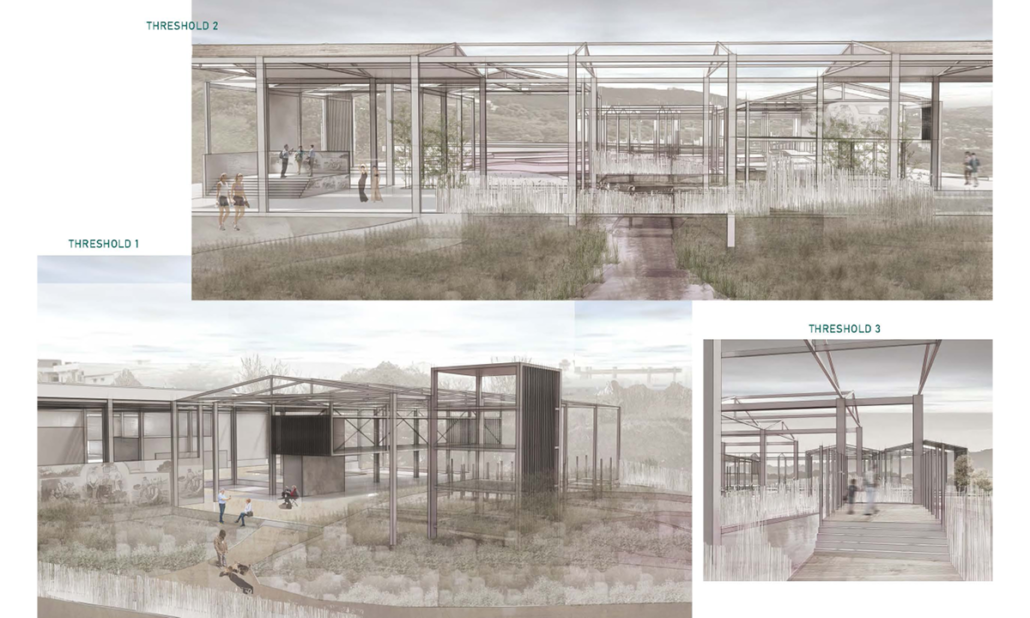
This design proposal achieves three interconnected objectives: remembering the industrial and ecological history of Sant Feliu de Llobregat, revealing the previously hidden life of water in the city and beyond, and reconnecting human and non-human ecosystems through water.
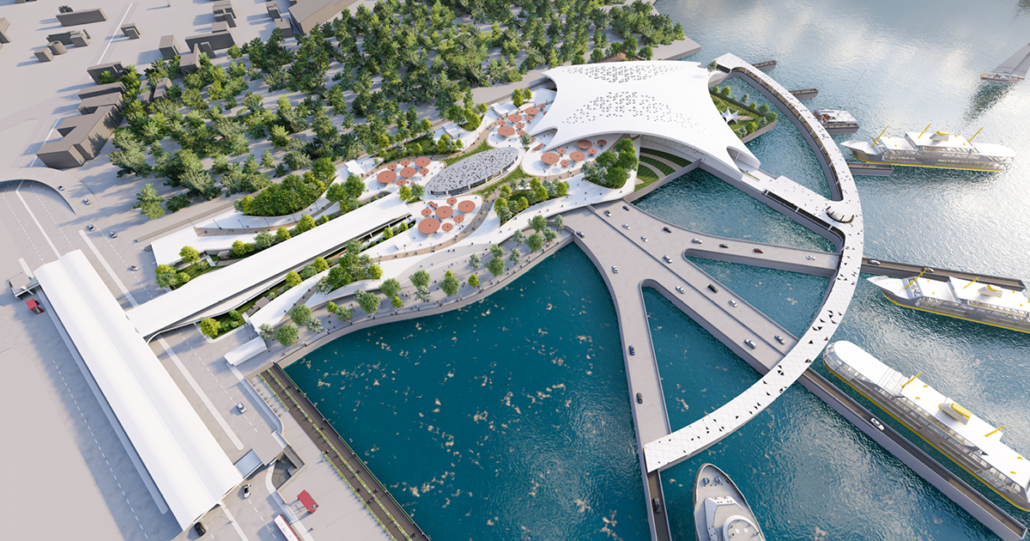
BOUAZIZI OPPORTUNITY CENTER: A Global Icon and a Local Resource by Bryan Samuel & Francisco Hernandez, M.Arch ‘21
University of Illinois, Urbana-Champaign | Advisor: Professor Murray
First Place (tie) for Graduate Studio Award
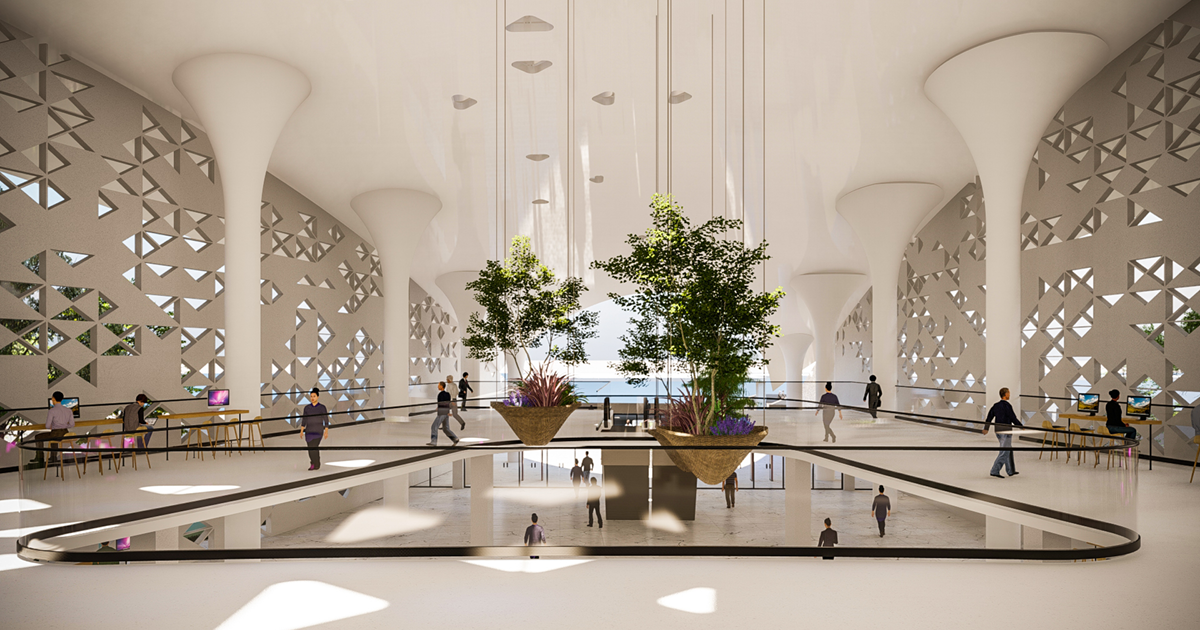
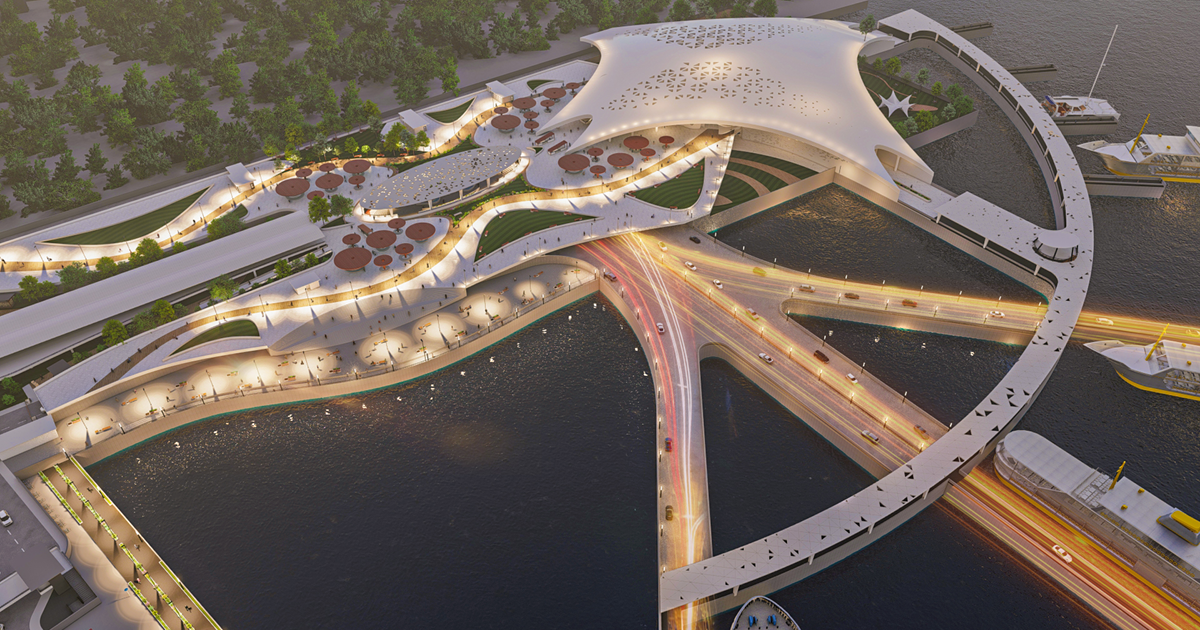
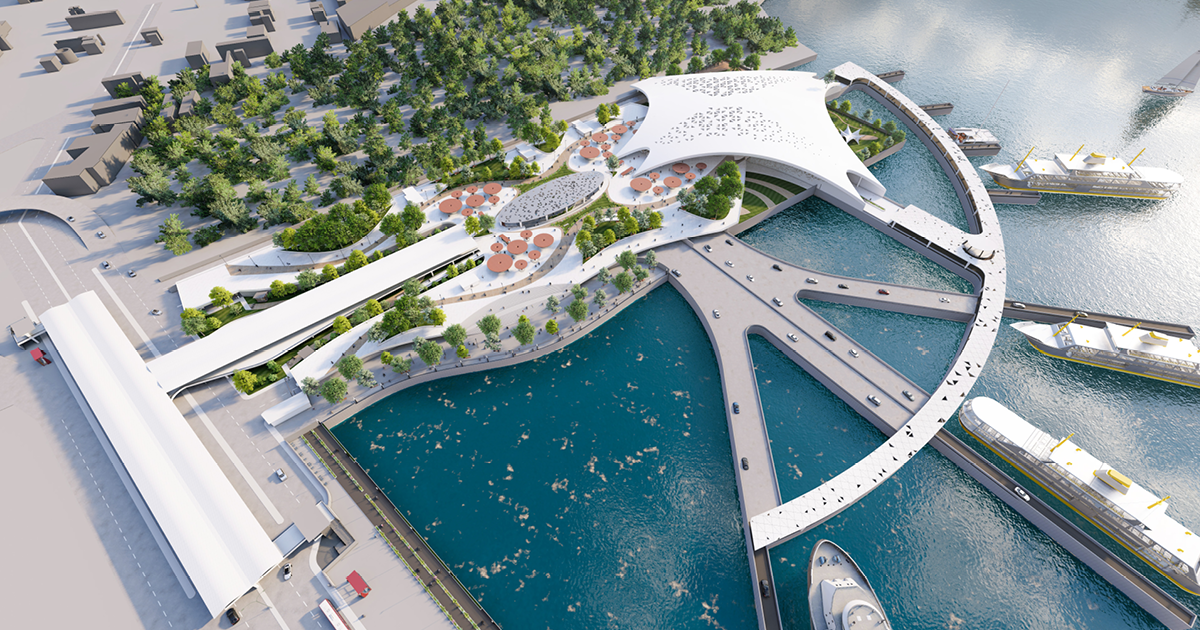
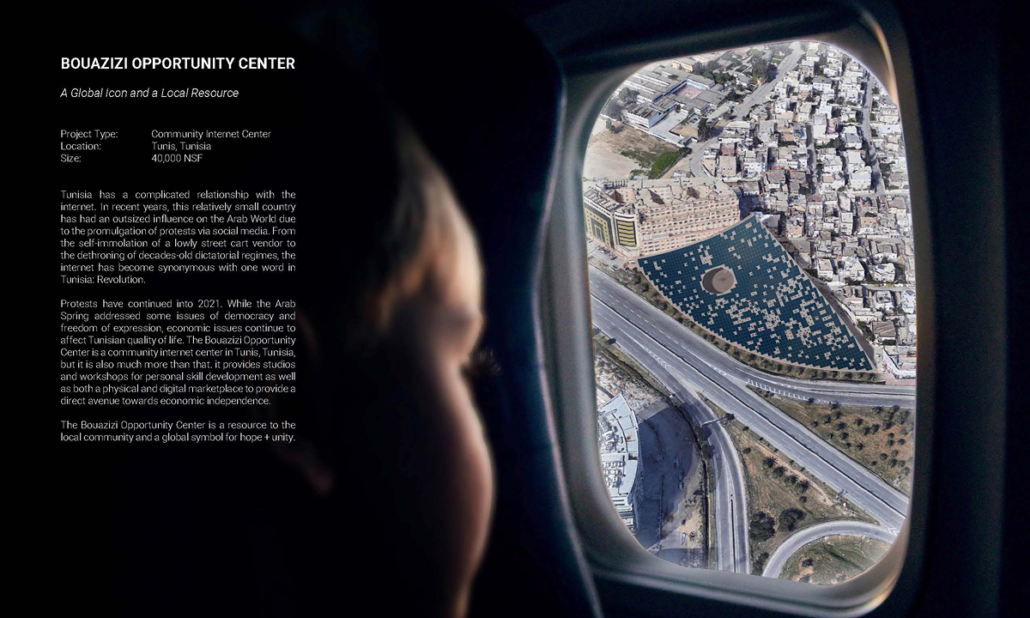
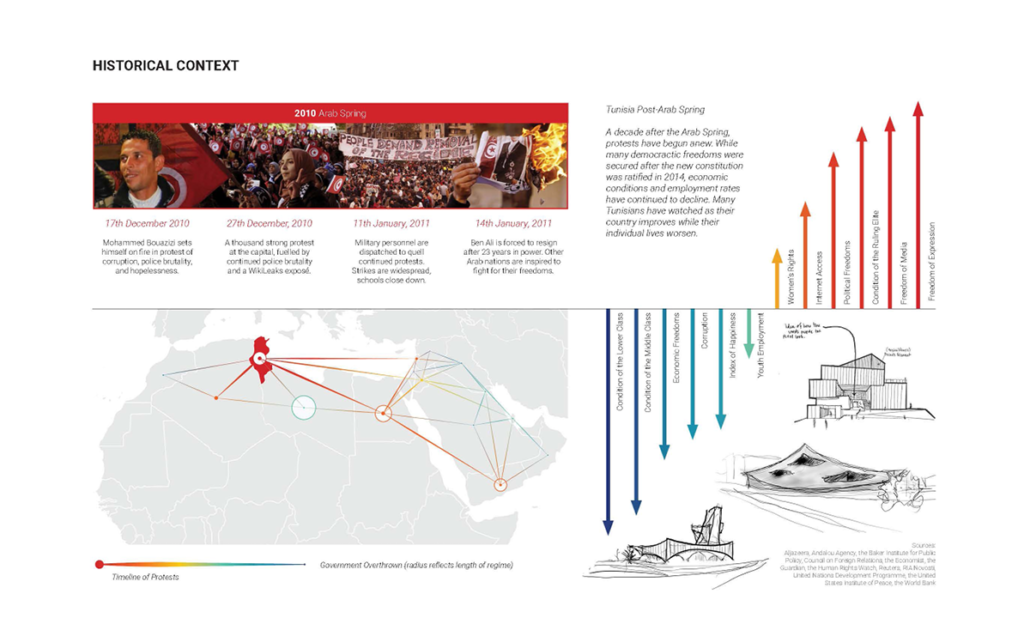
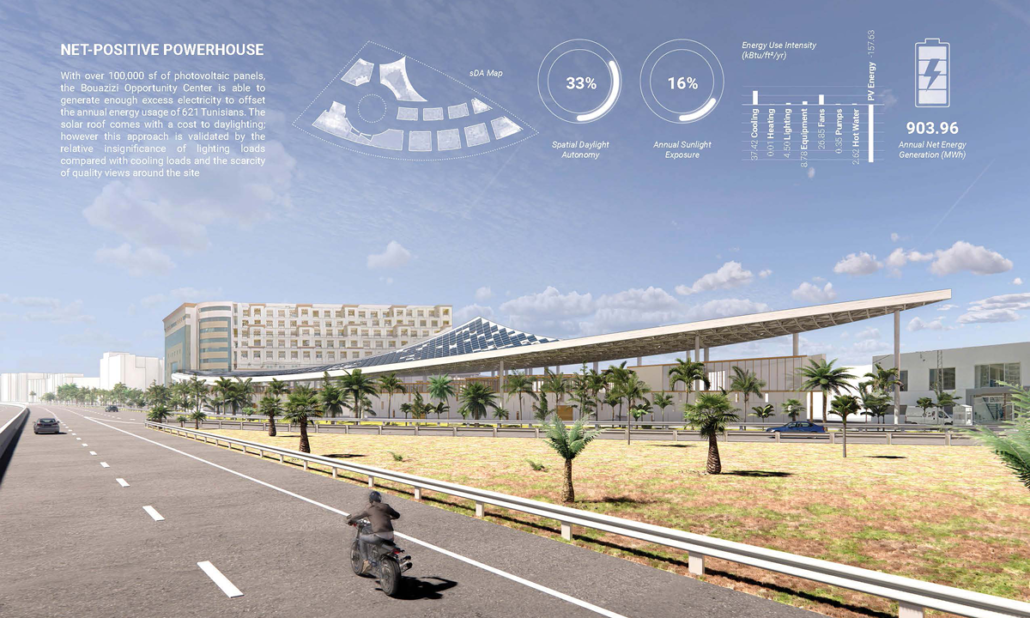
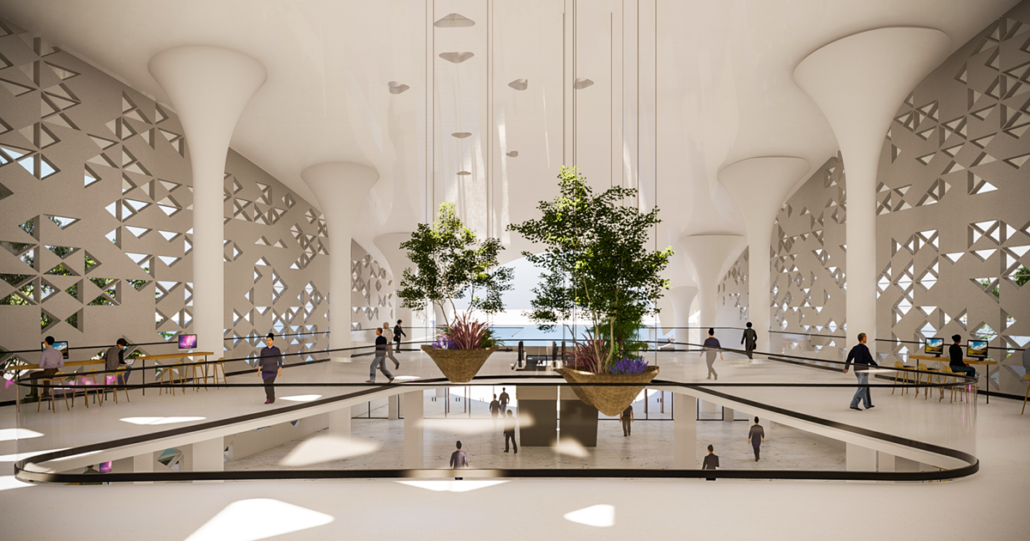
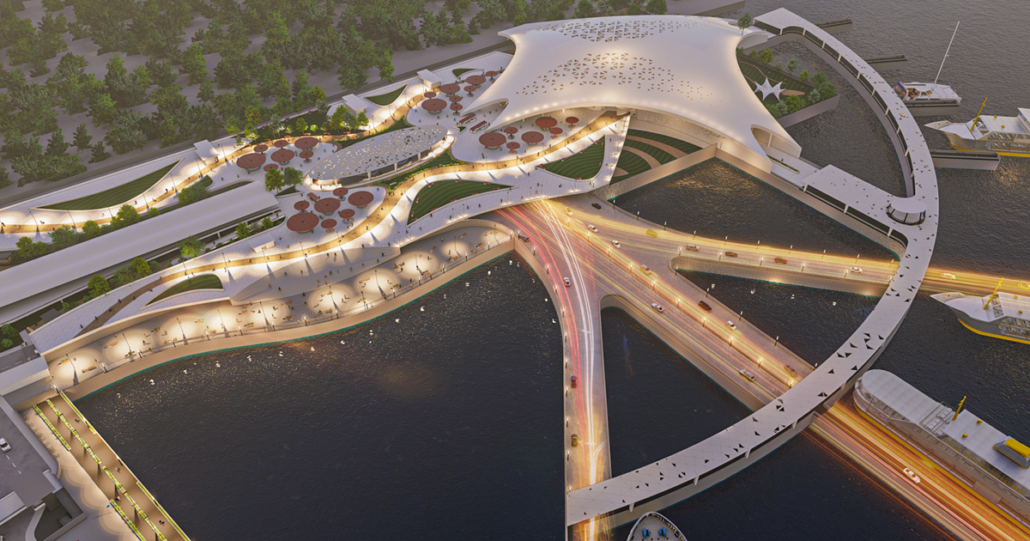
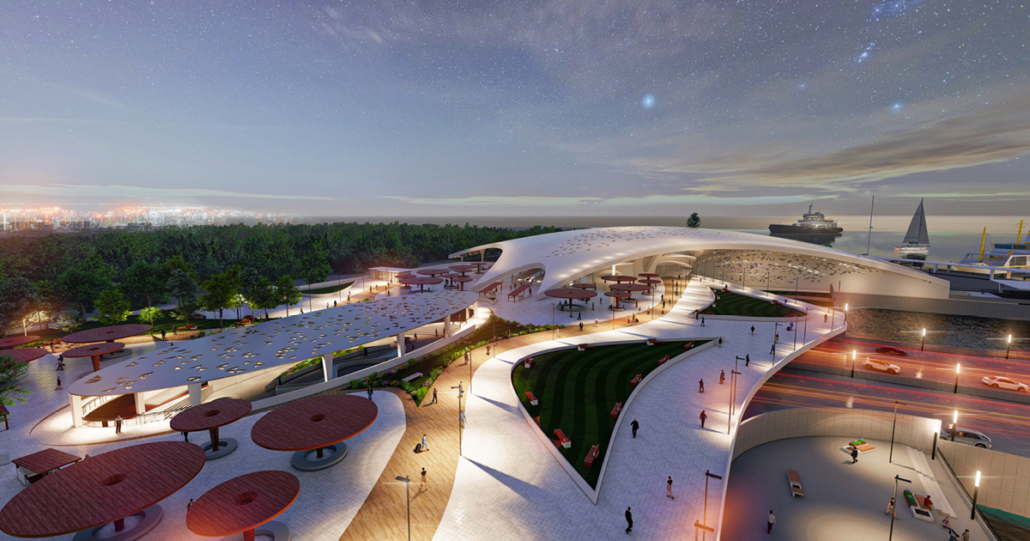
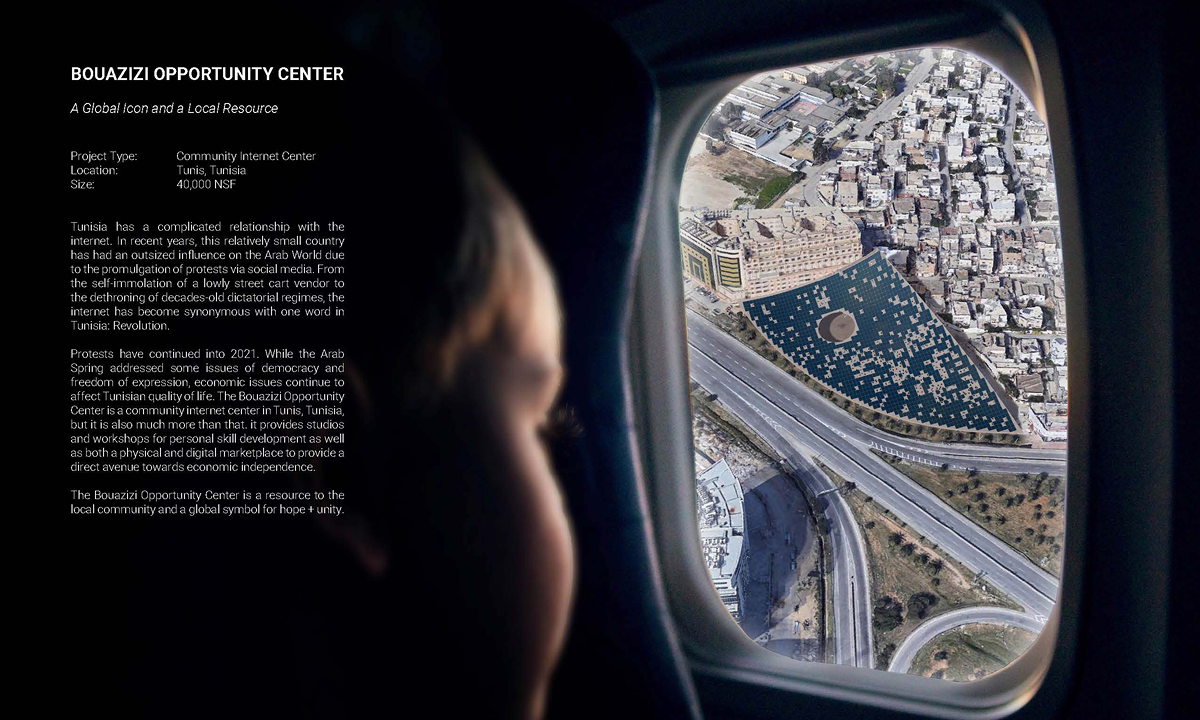
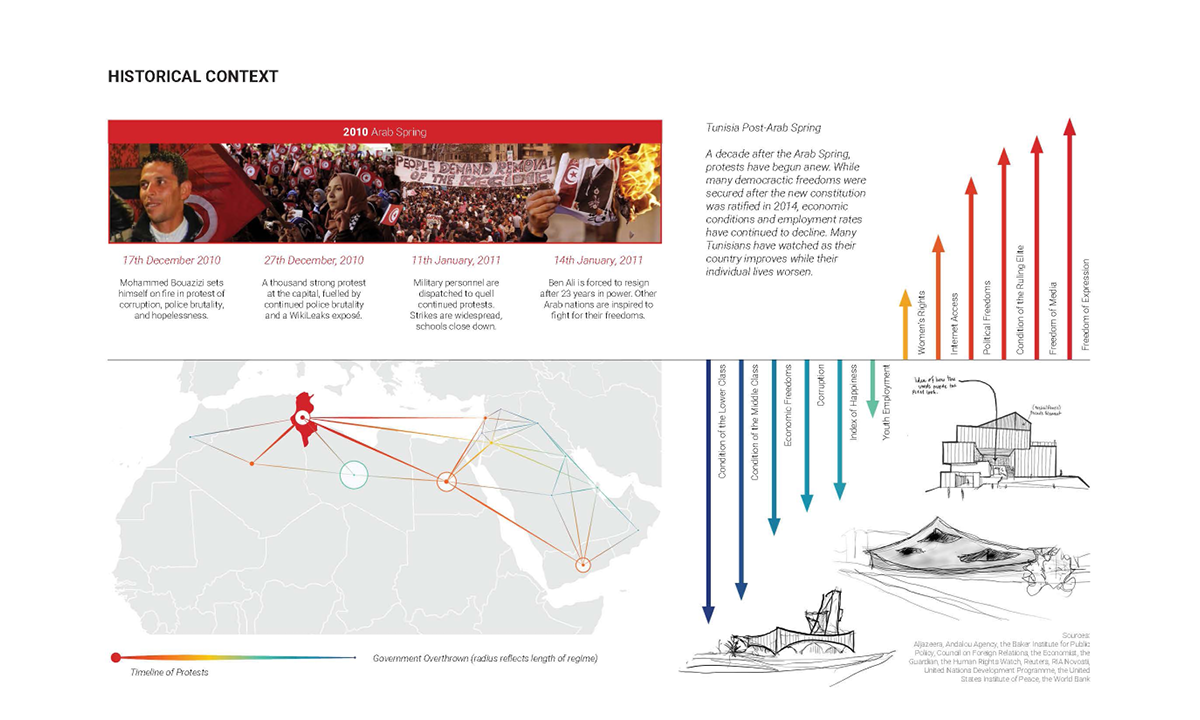
In recent years, a relatively small country has had an outsized influence on the Arab world due to the promulgation of protests via social media. From the self-immolation of a lowly street cart vendor to the dethroning of decades-old dictatorial regimes, the internet has become synonymous with one word in Tunisia: revolution.
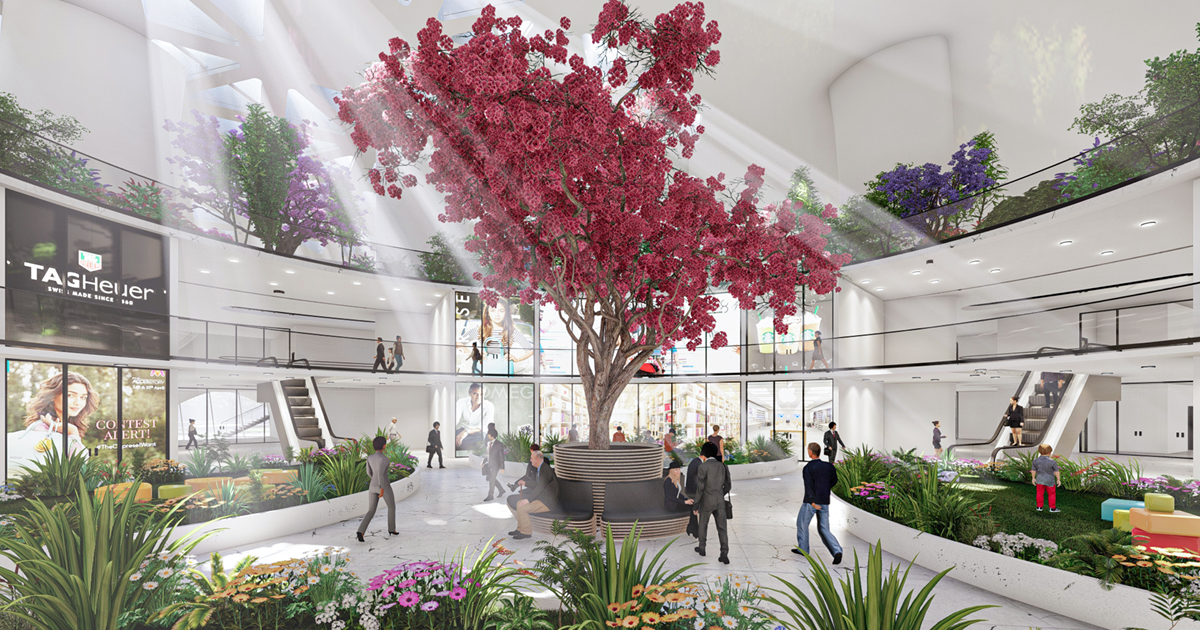
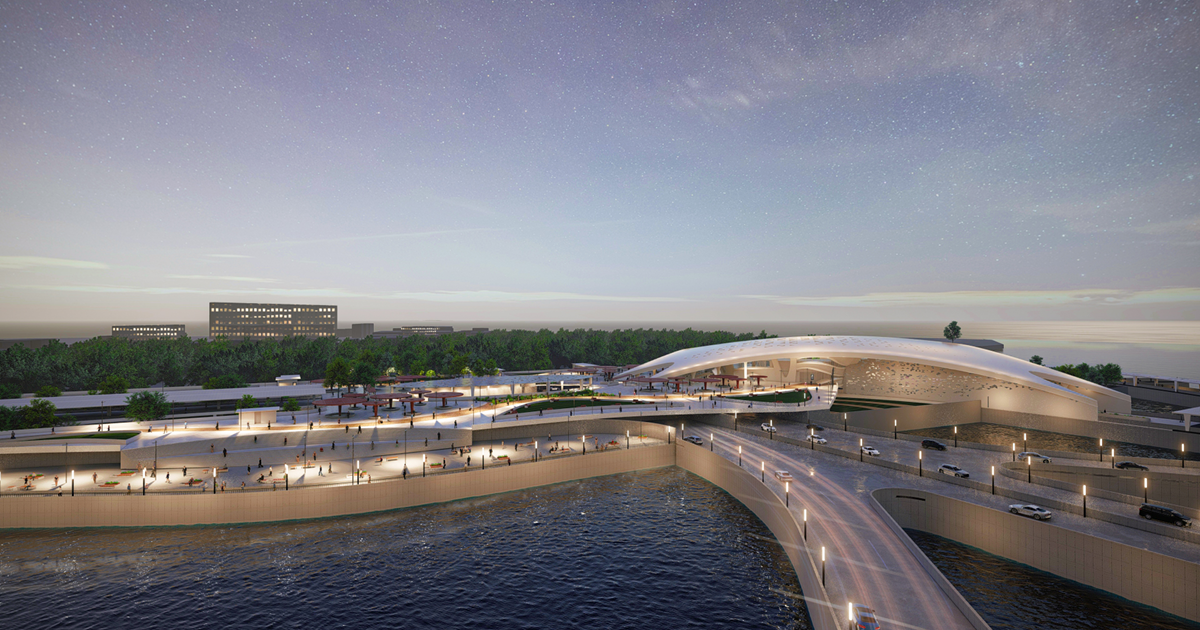
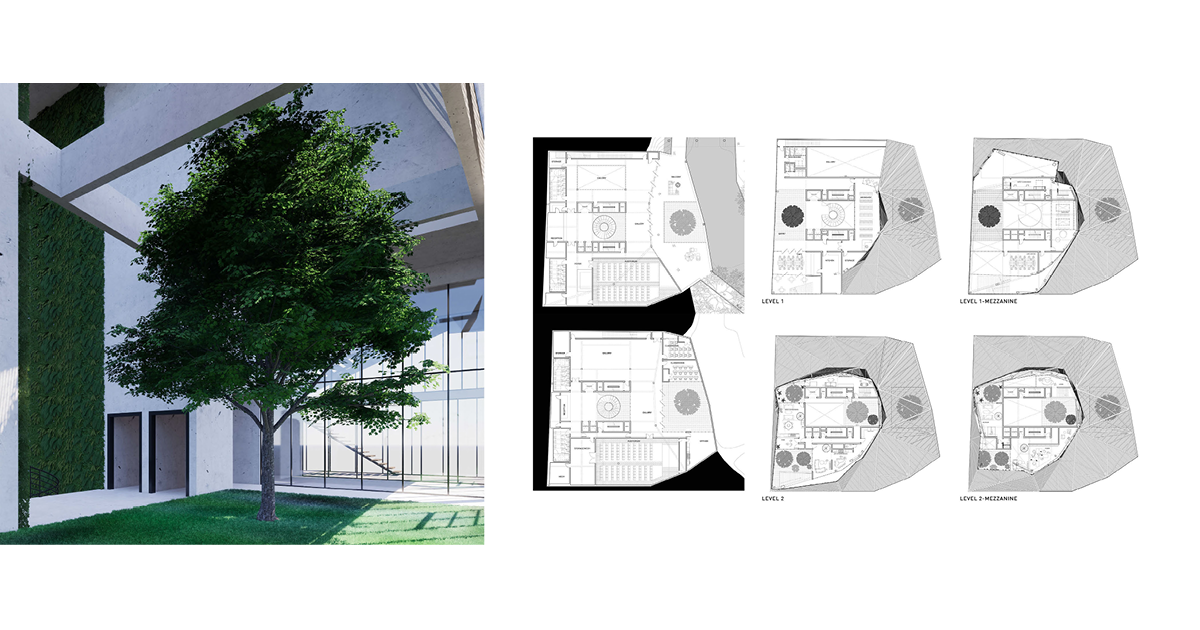
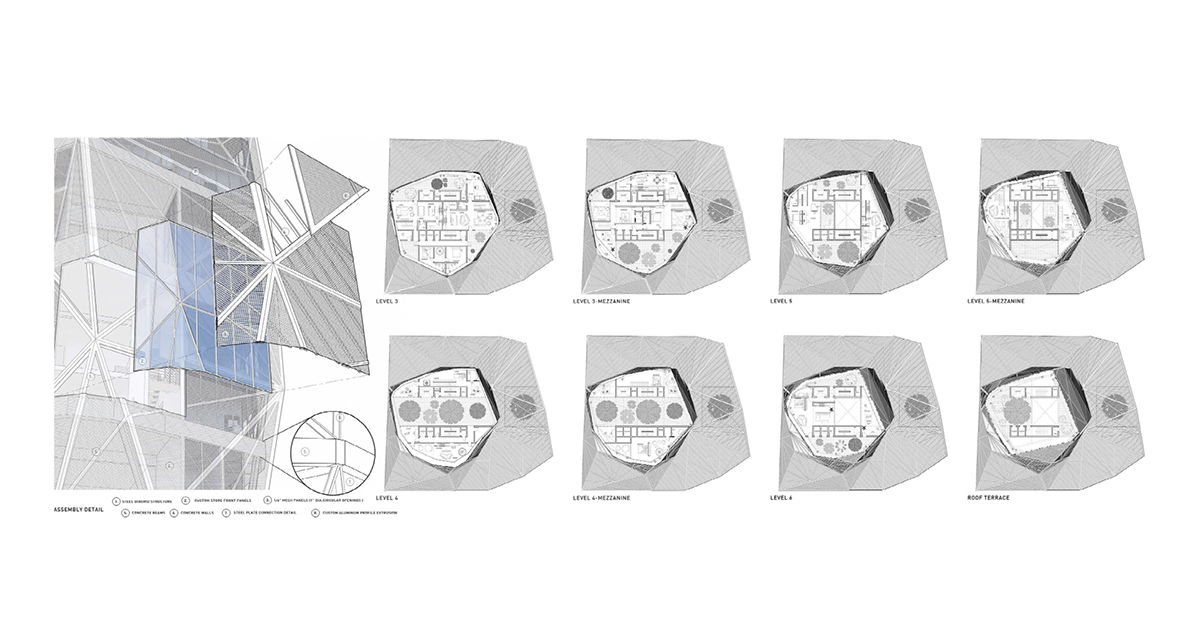
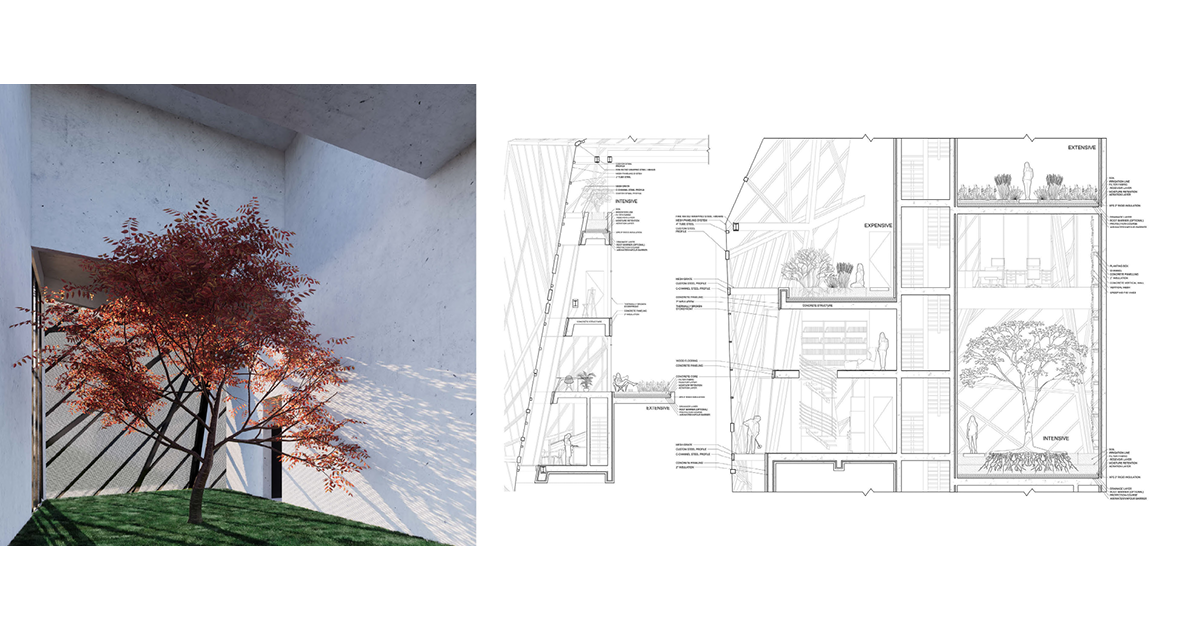
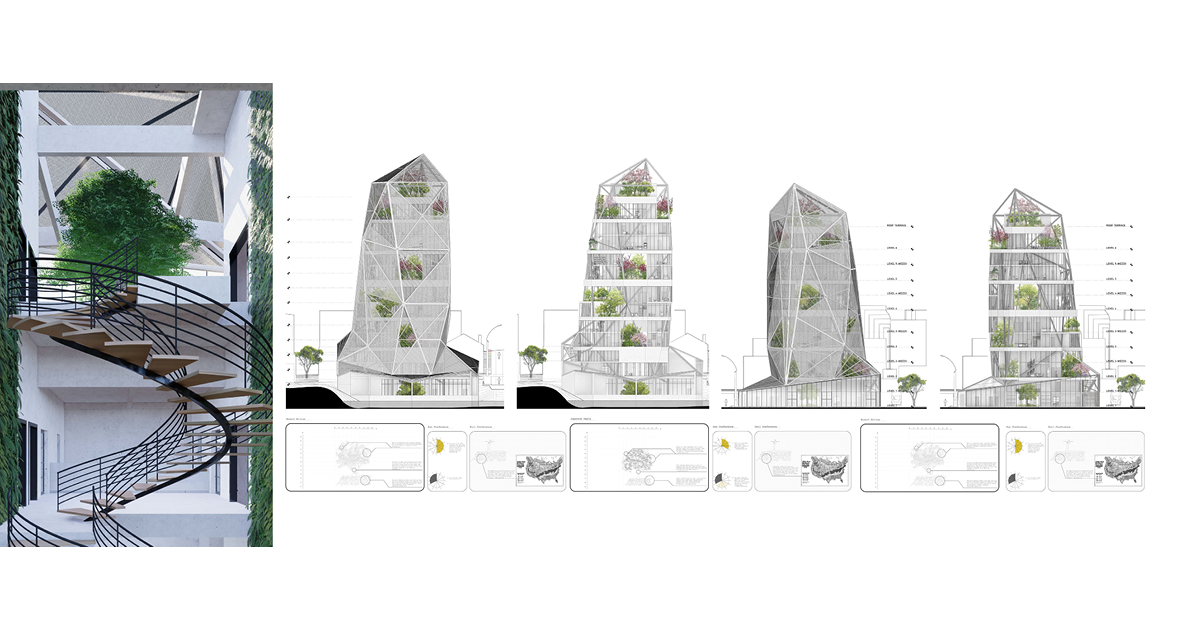
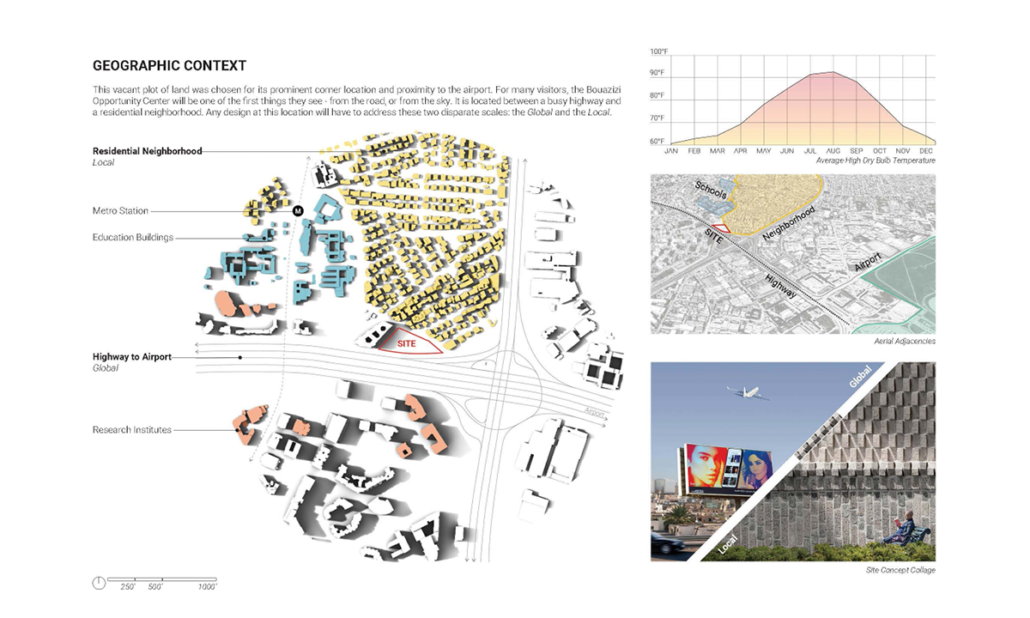
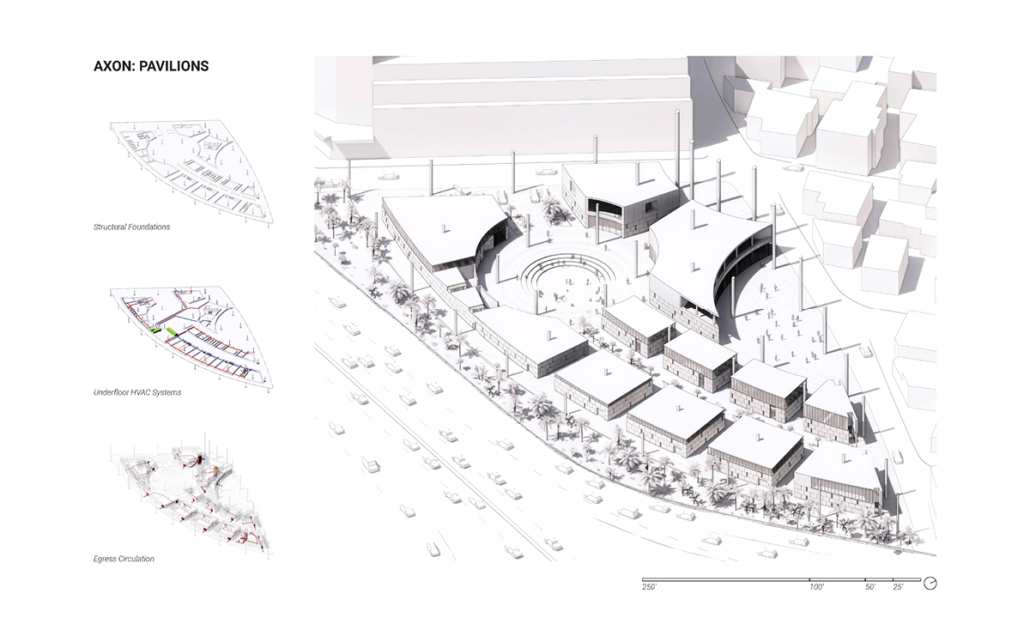
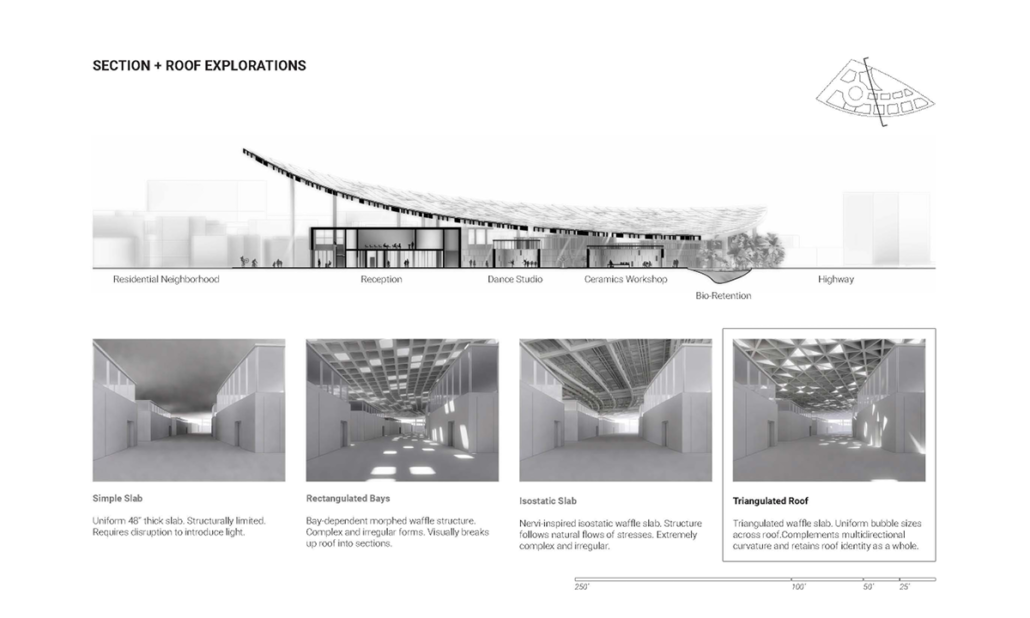
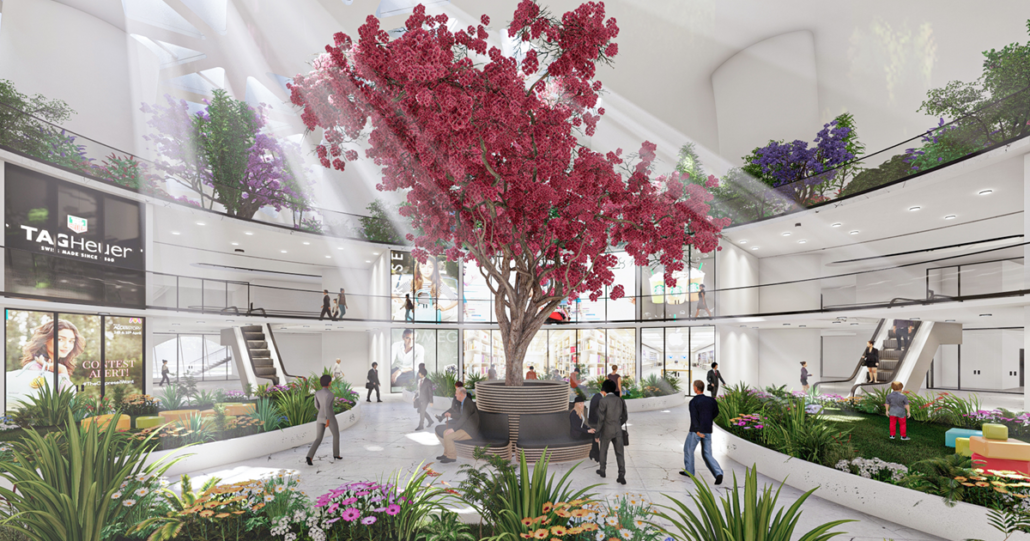
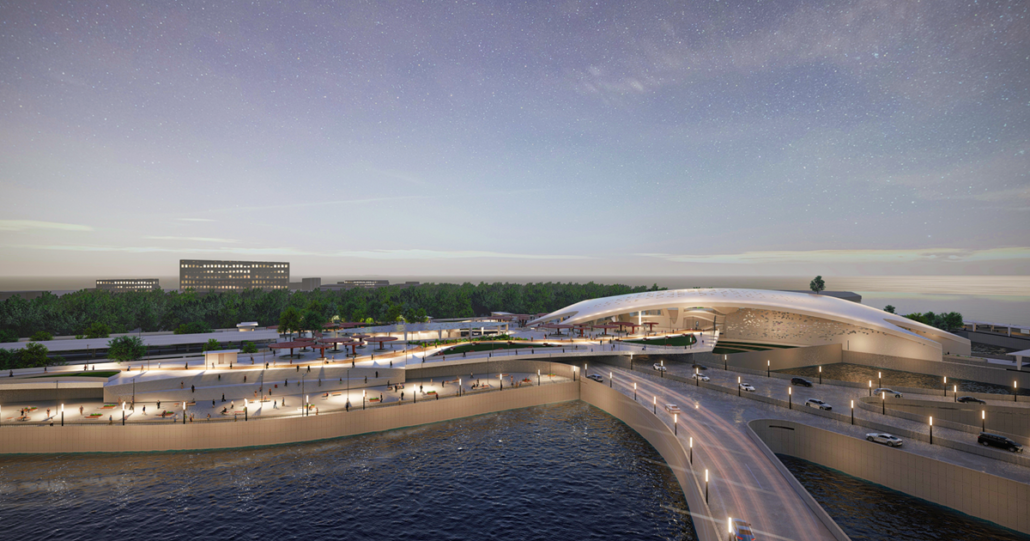
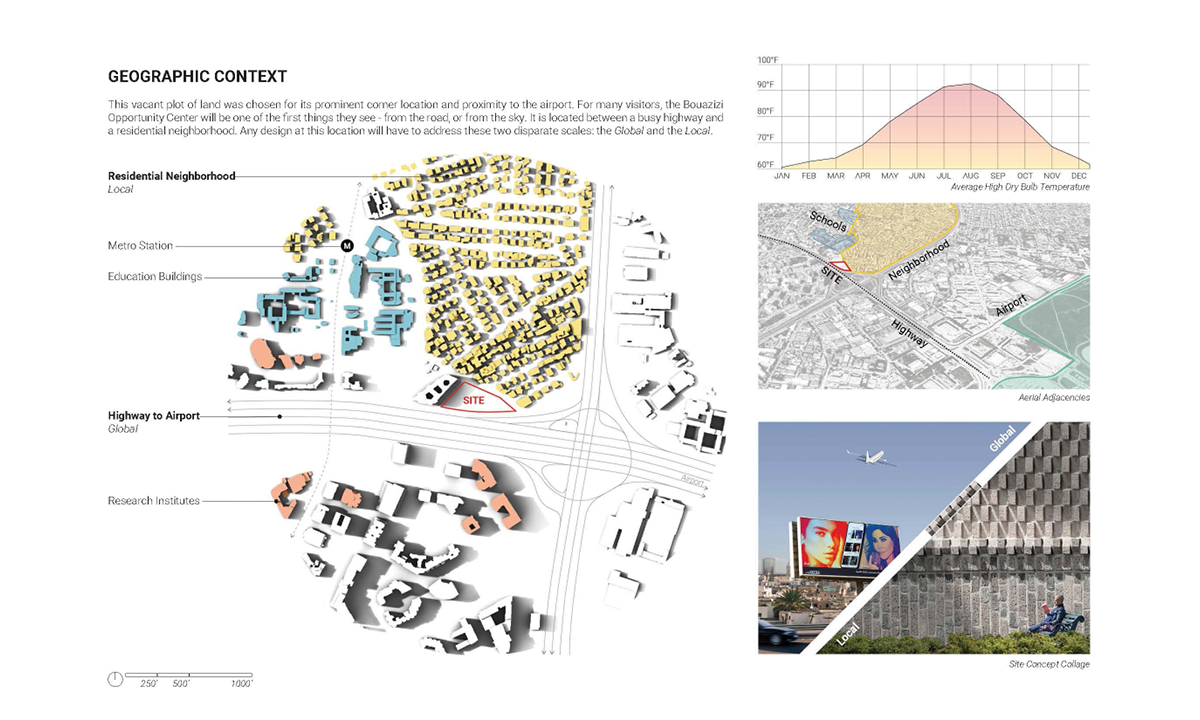
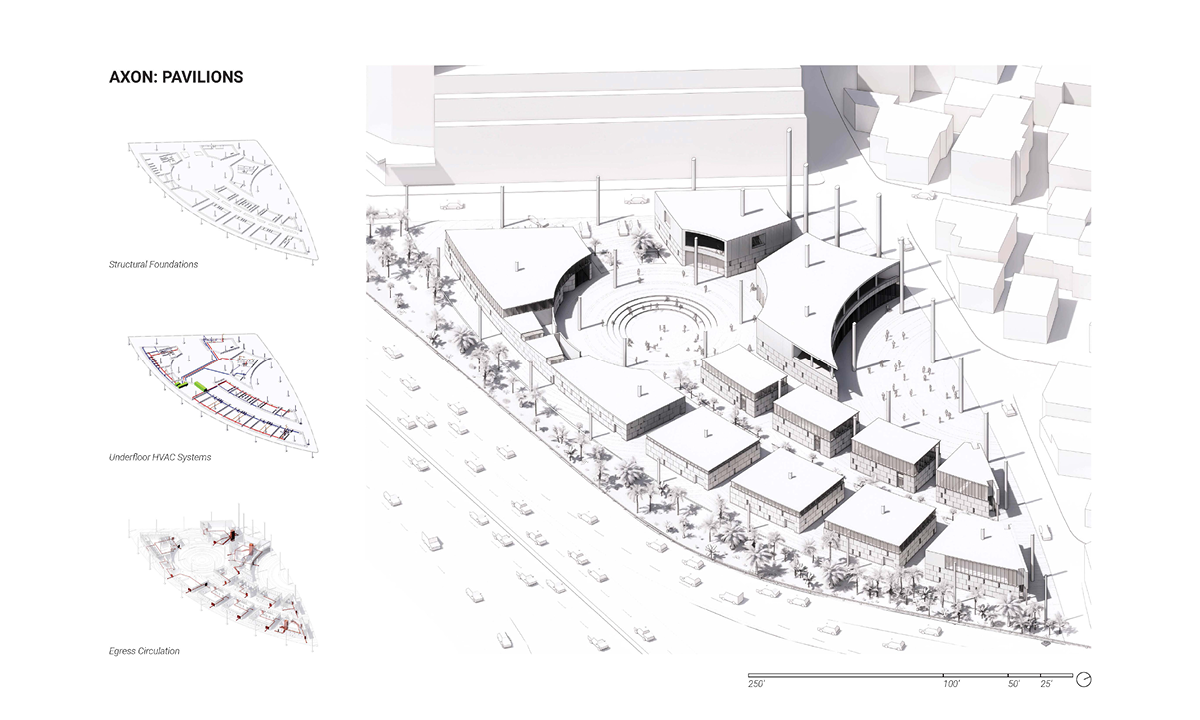
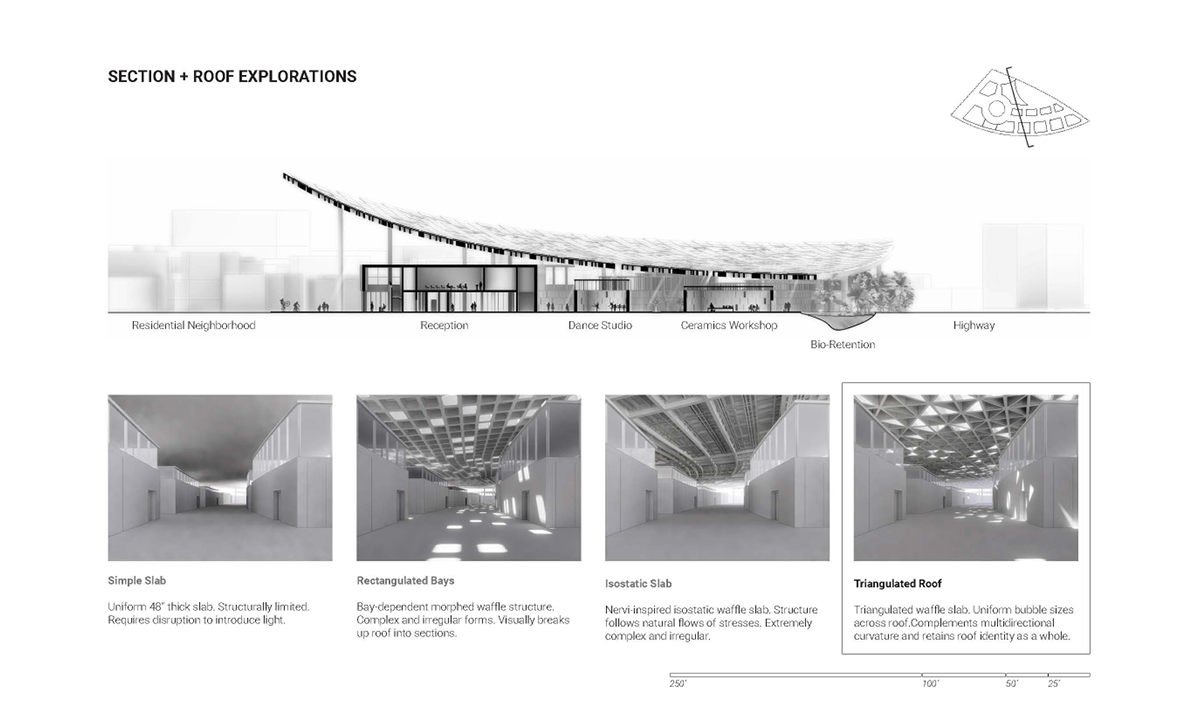
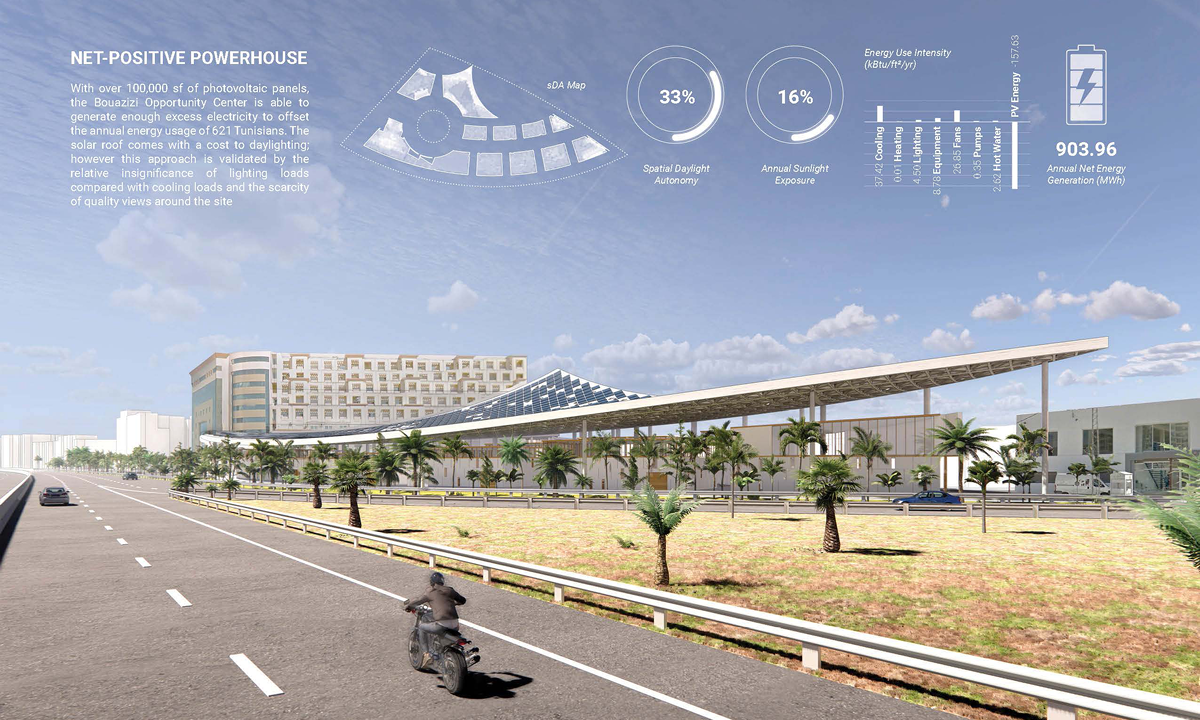
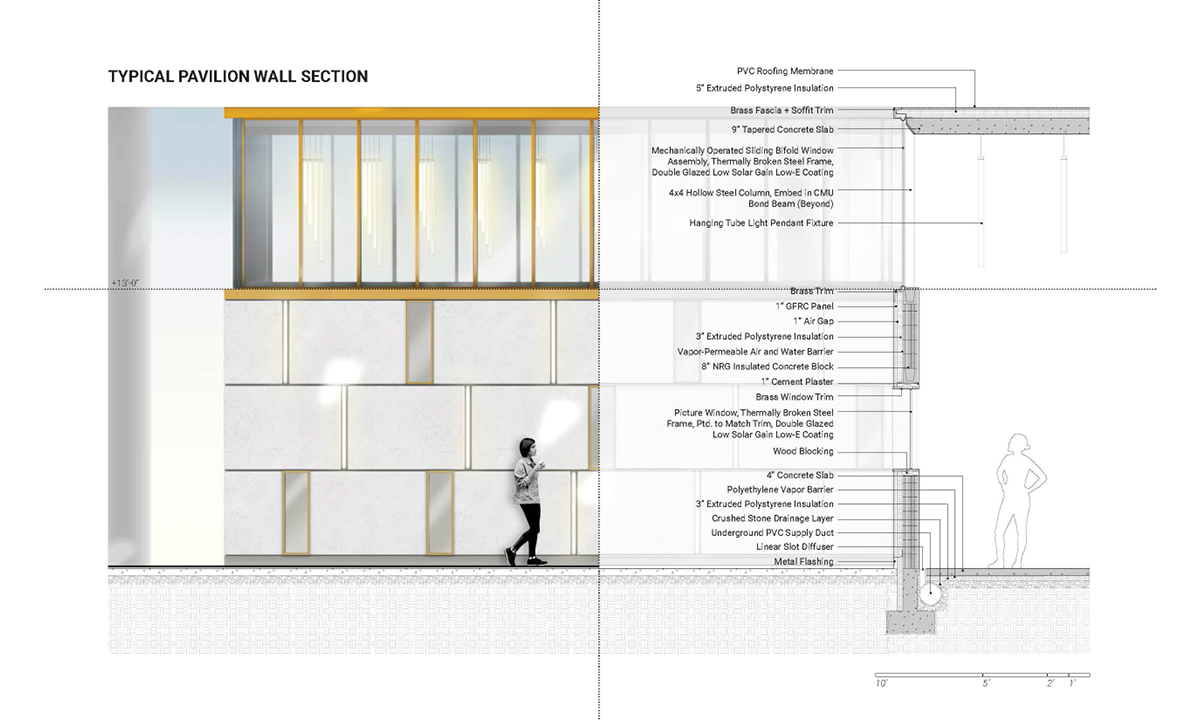
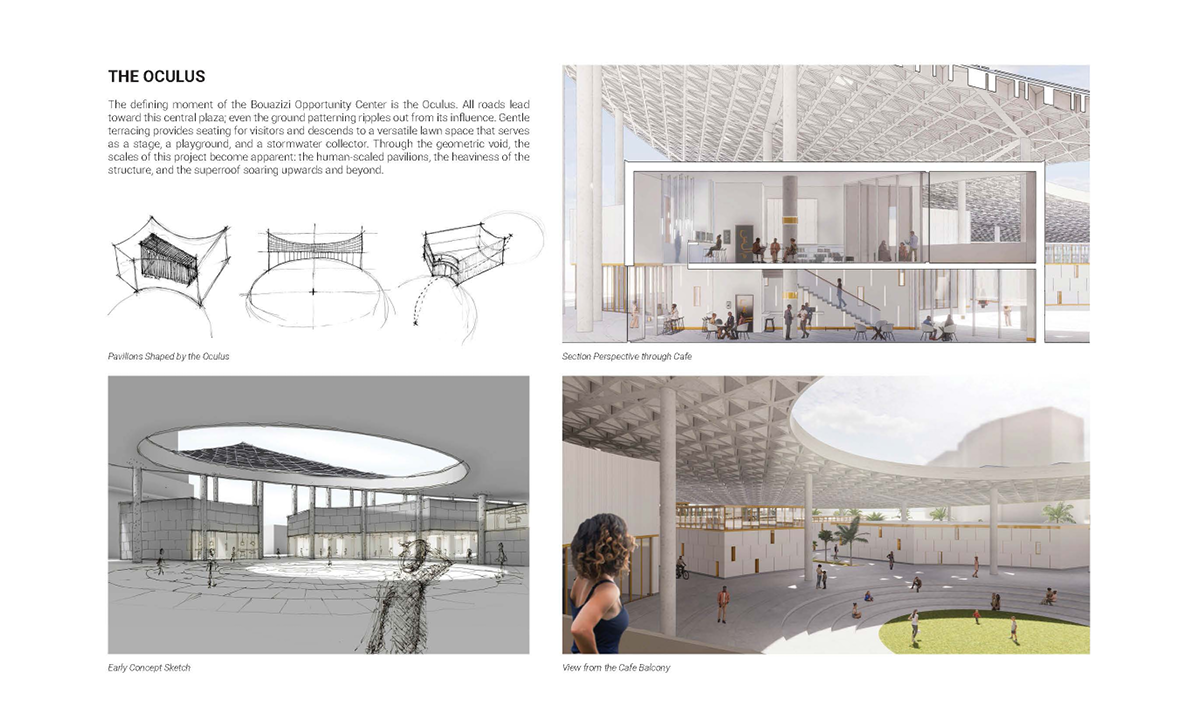
Protests have continued into 2021. While the Arab Spring addressed some issues of democracy and freedom of expression, economic issues continue to affect Tunisian quality of life. The Bouazizi Opportunity Center is a community internet center in Tunis, Tunisia, but it is also much more than that. It provides studios and workshops for personal skill development as well as a physical and digital marketplace to provide a direct avenue toward economic independence. The Bouazizi Opportunity Center is a resource to the local community and a global symbol for hope and unity.
For more student projects, check out Part I, Part II, Part III, Part IV, and Part V.