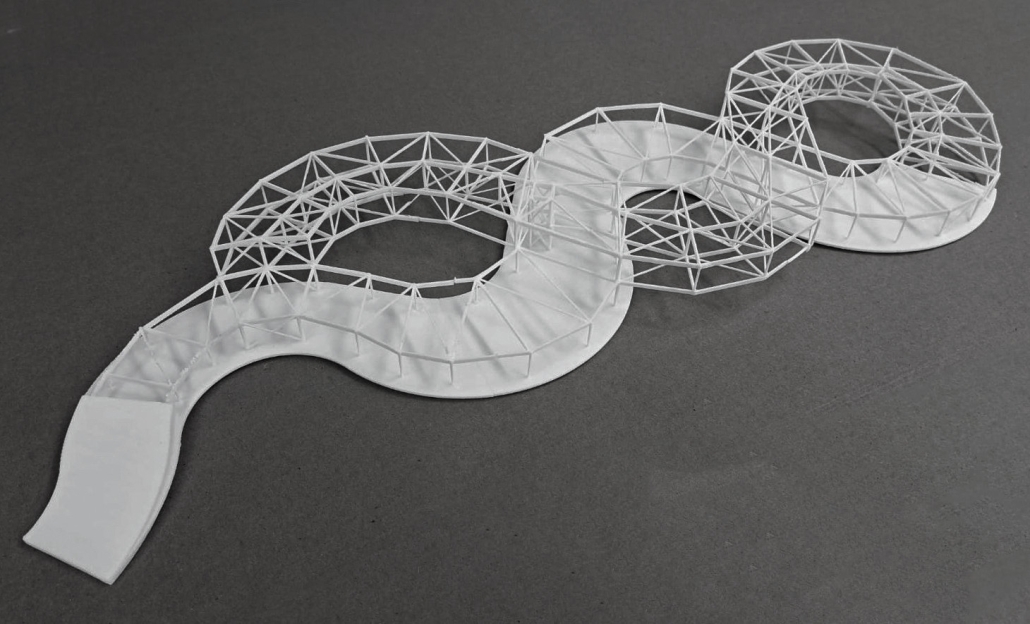
Posts

2025 Study Architecture Student Showcase - Part XI

Architecture has the power to transform a space. In Part XI of the 2025 Study Architecture Student Showcase, we put a spotlight on revitalized spaces. These projects take their pre-existing sites and create new spaces that promote sustainability, community connection, accessibility, and resiliency. The transformed sites include naval bases, power plants, industrial sites, local landmarks, abandoned city centers, underserved neighborhoods, and more. Each project incorporates design, construction, policy, and infrastructure to reimagine new spaces that serve their communities. 

Take a closer look below!

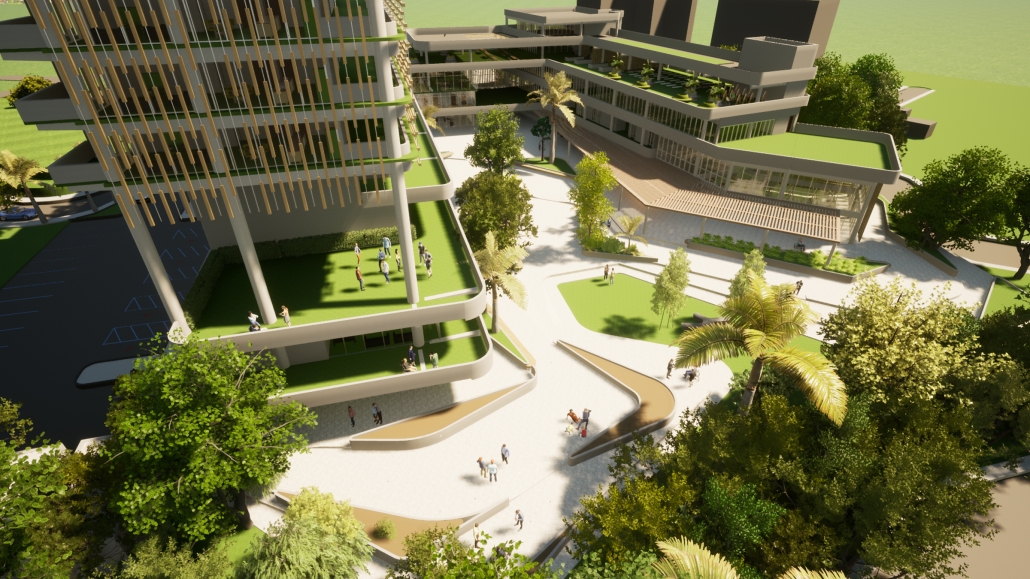
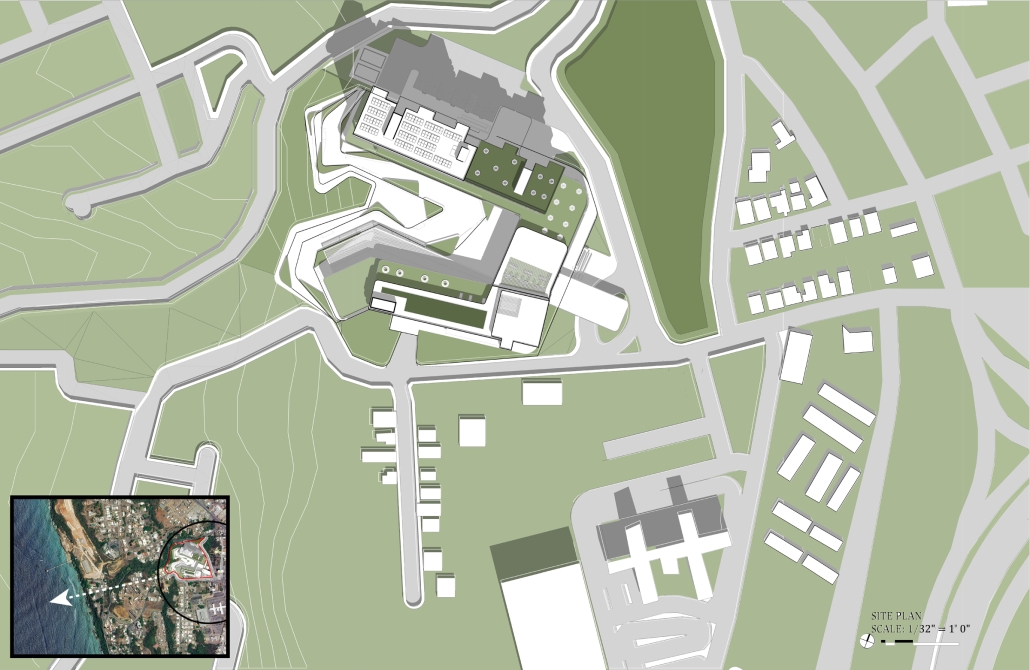
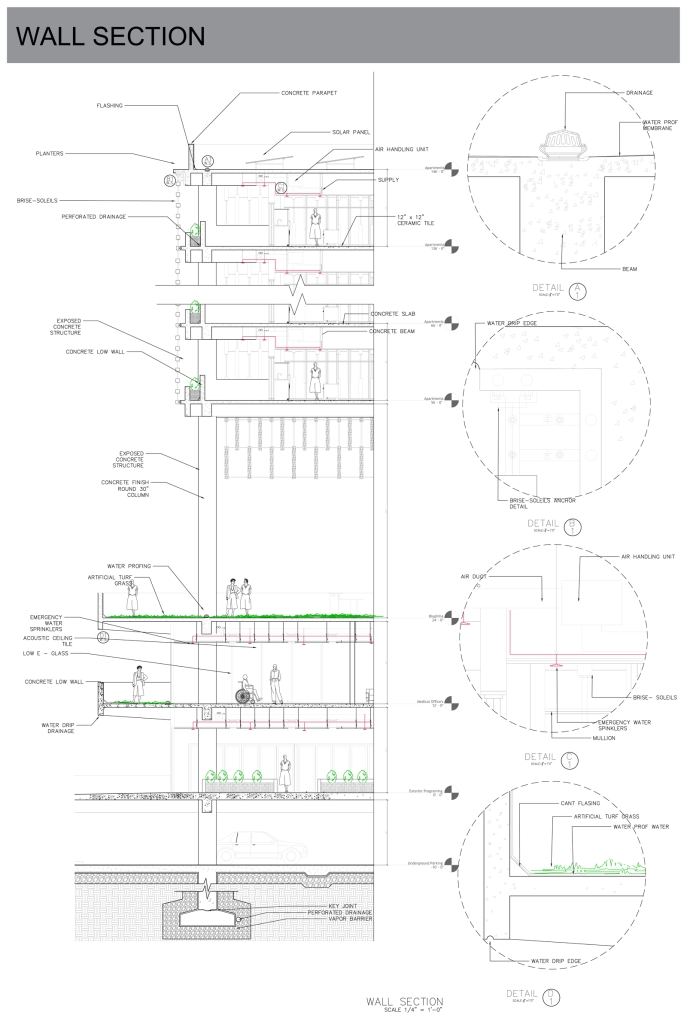
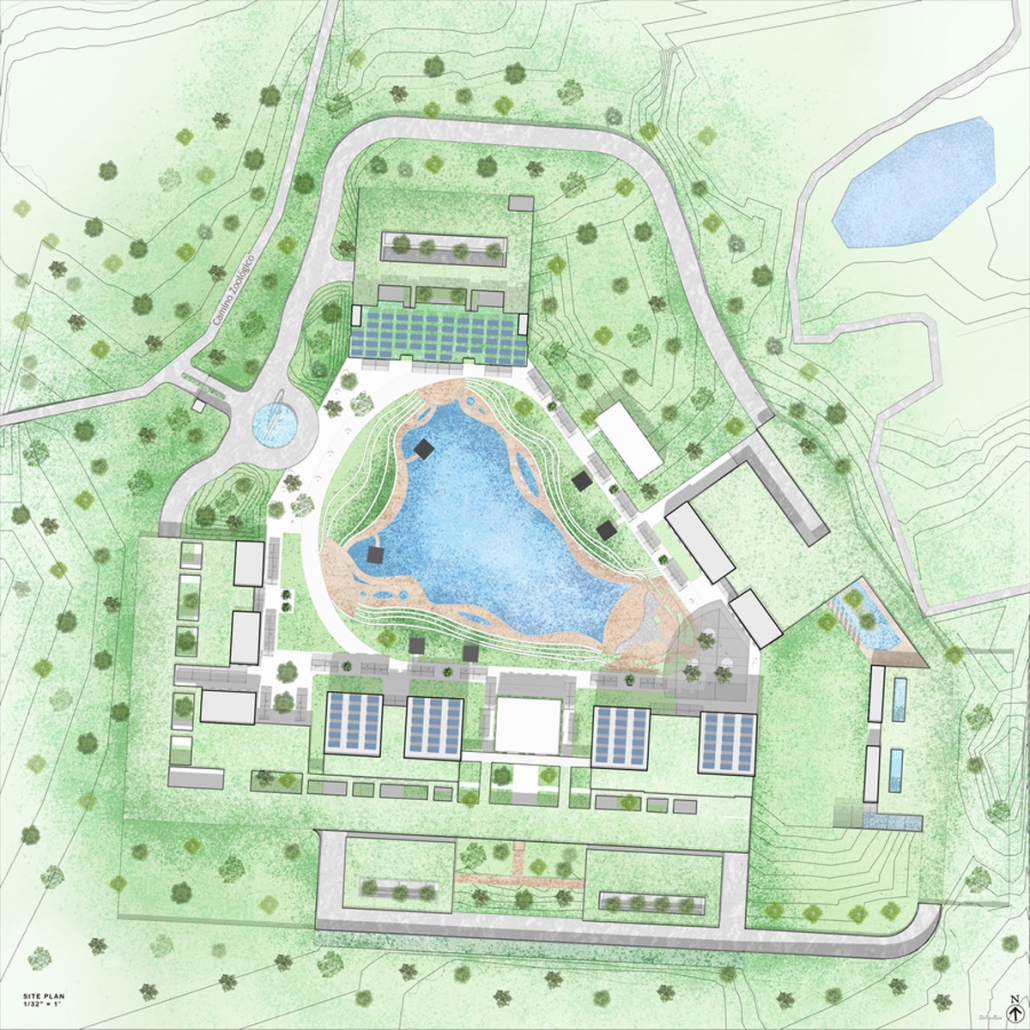
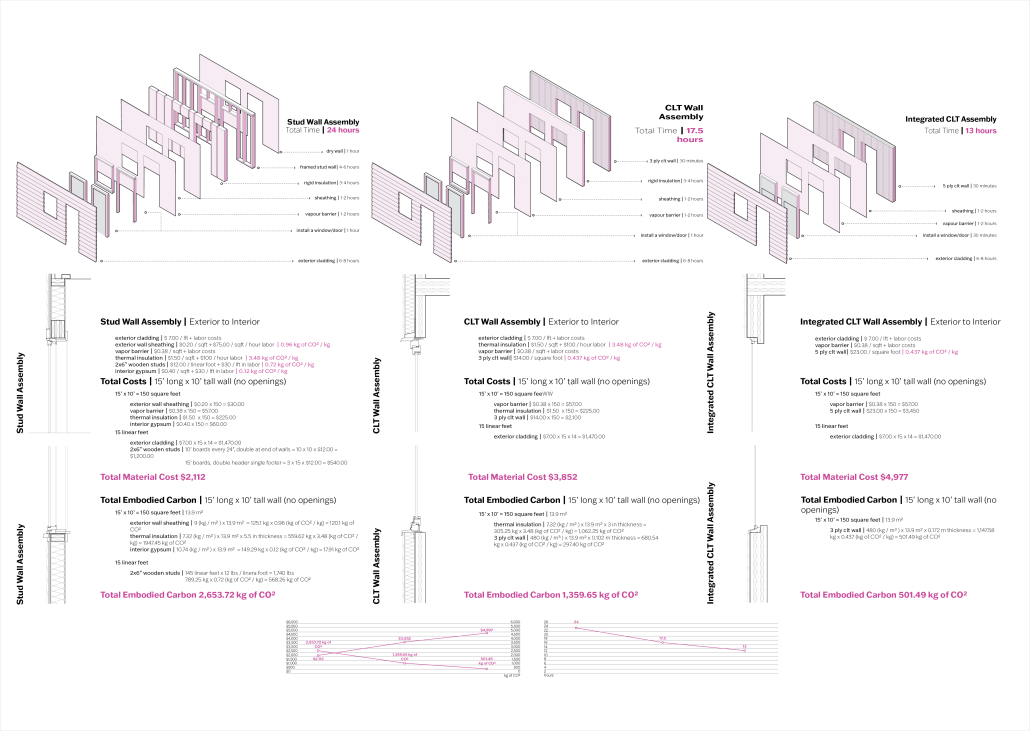
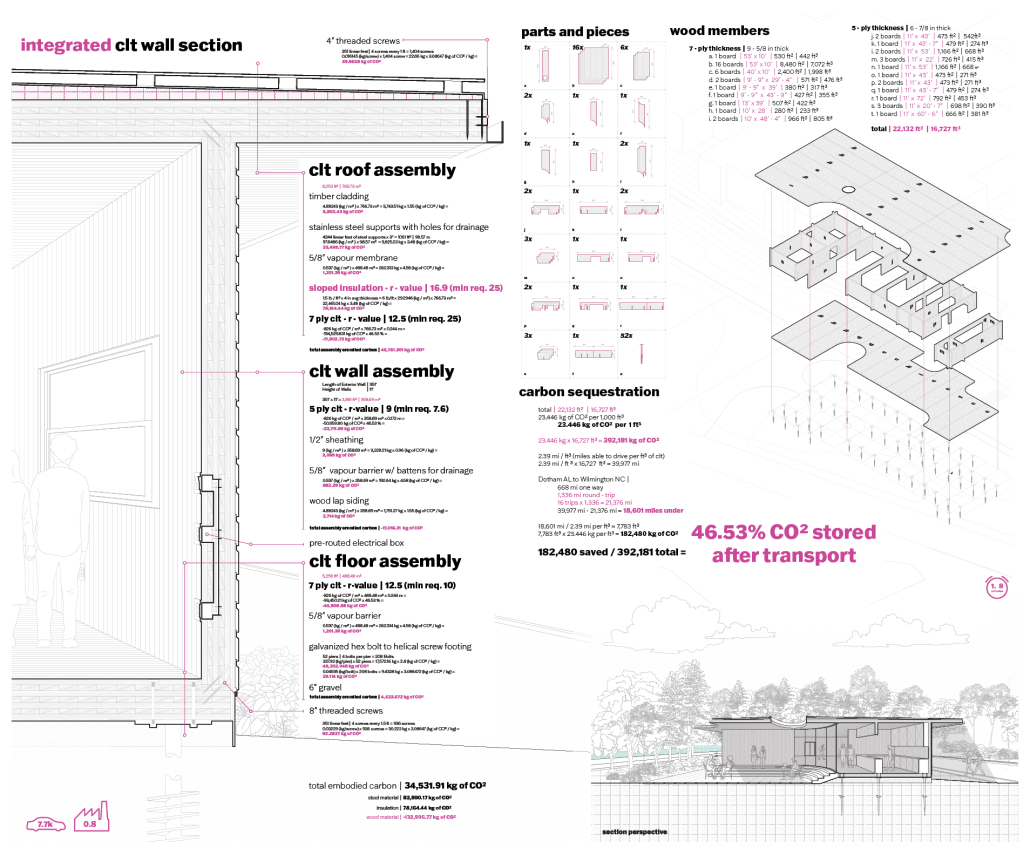
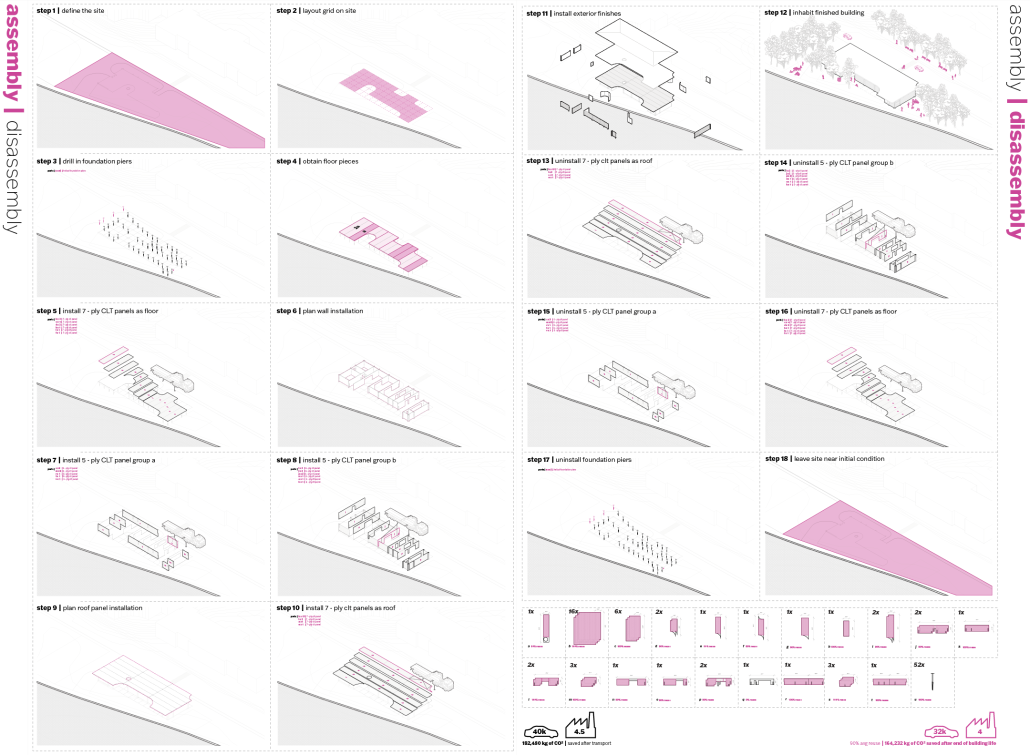
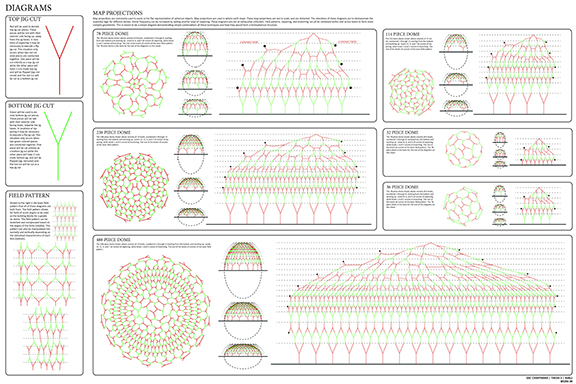
The Greenest Building, The One That is Already Built by Audrey Barnhart, M.Arch ’25
Roger Williams University | Advisor: Rubén Alcolea

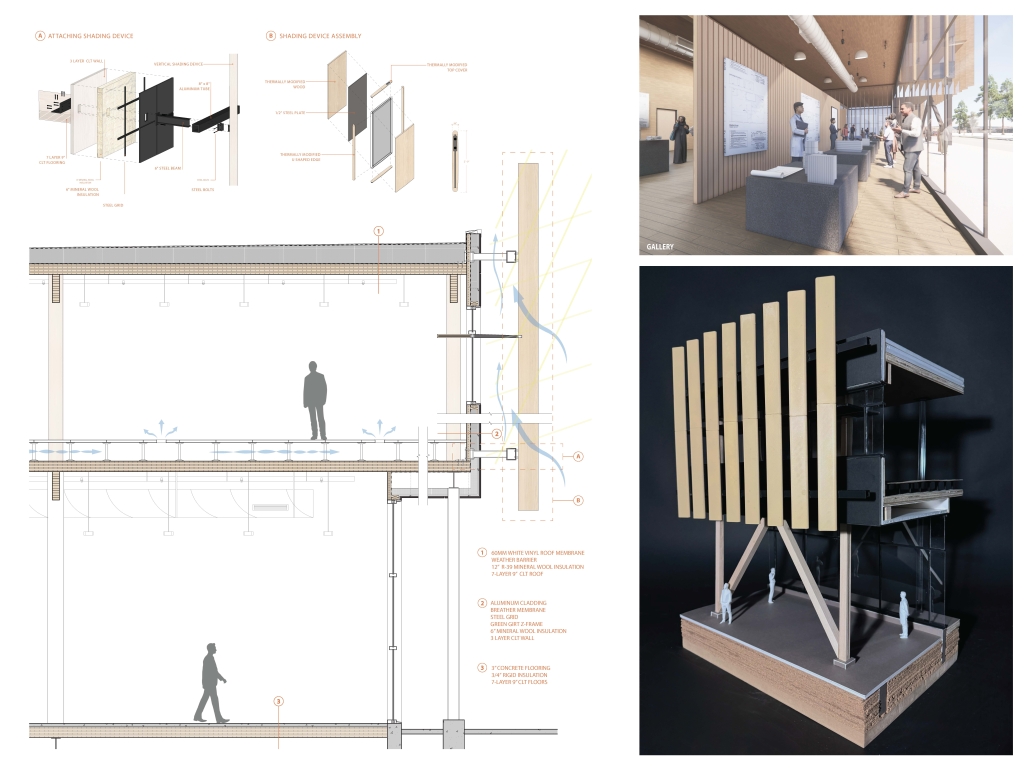
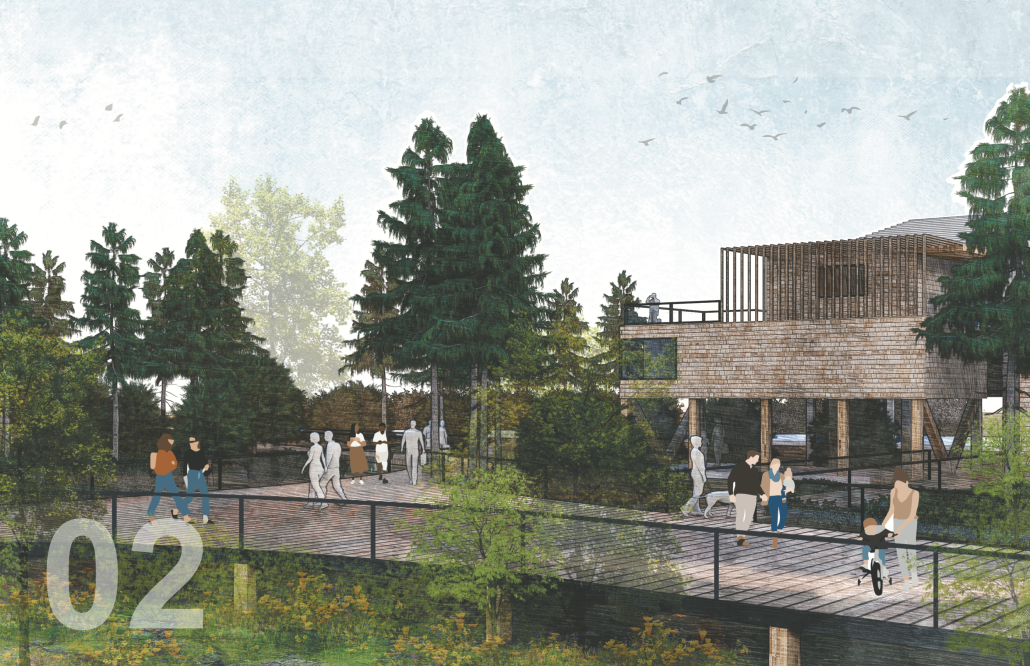
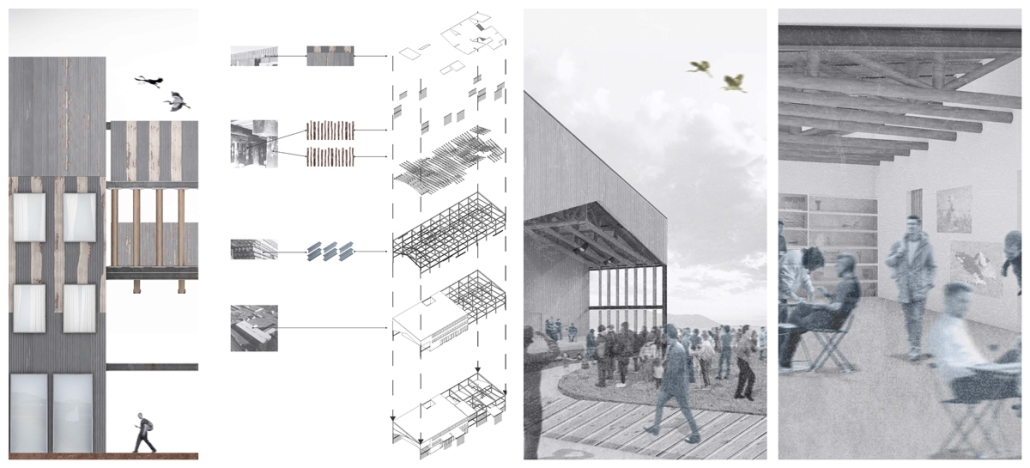
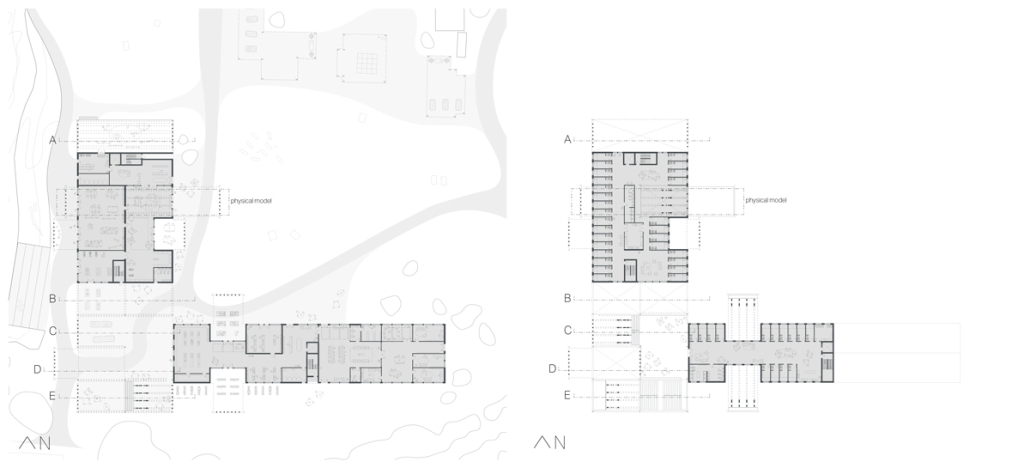
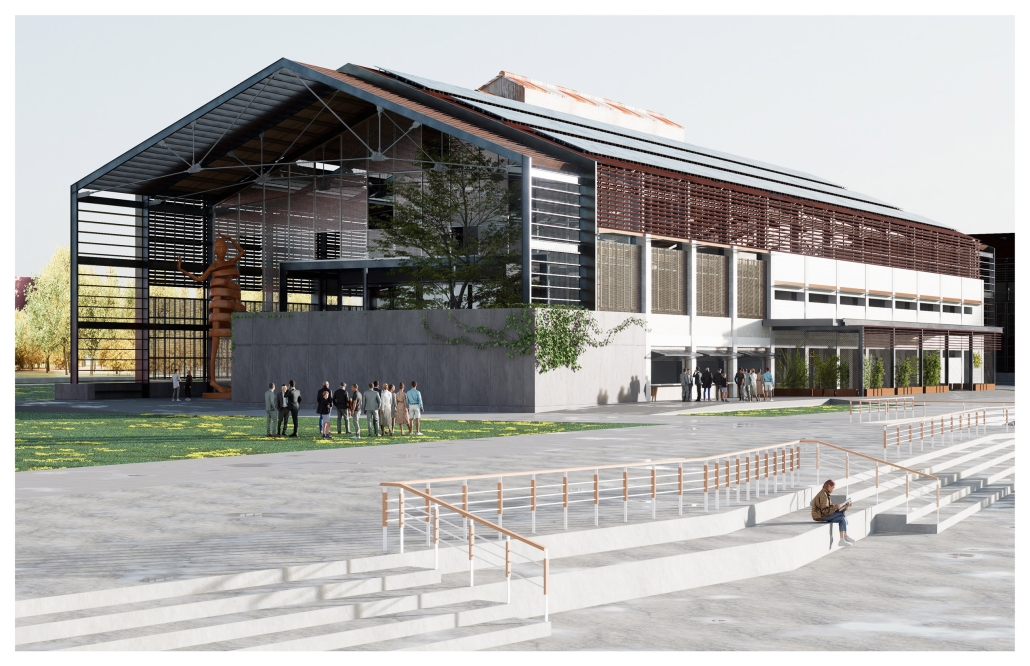
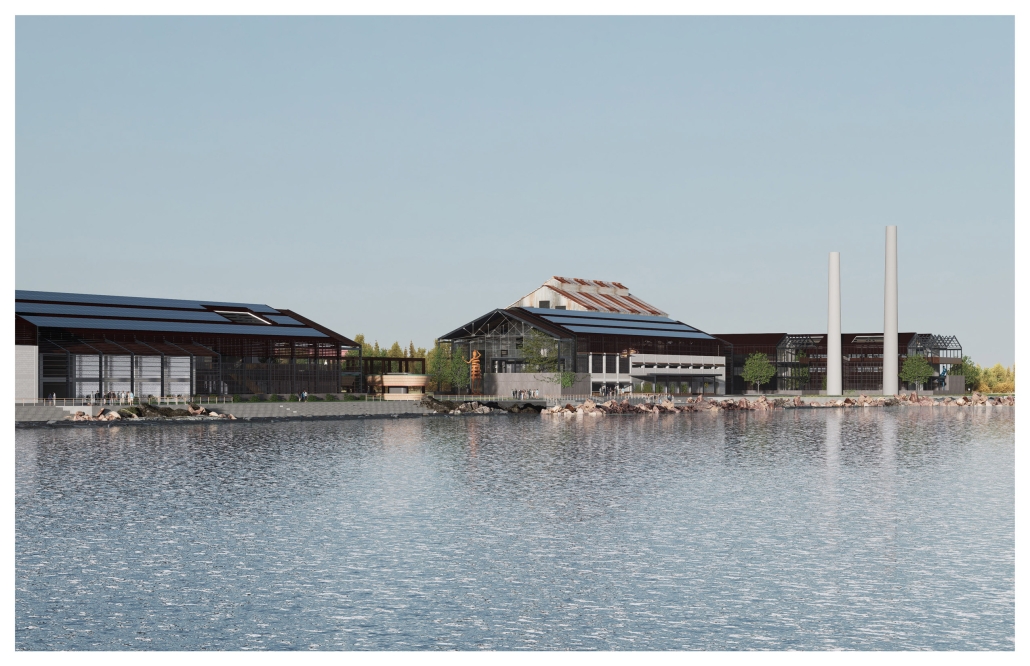
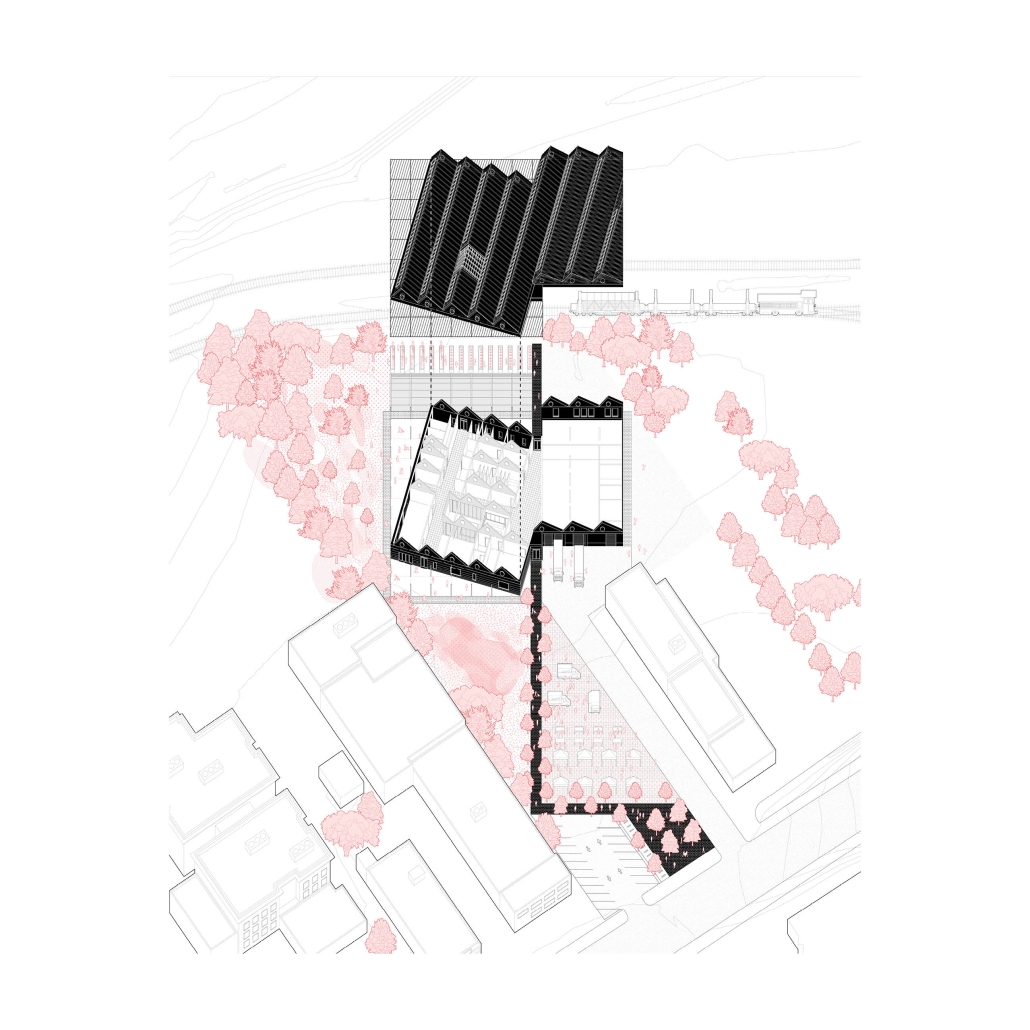
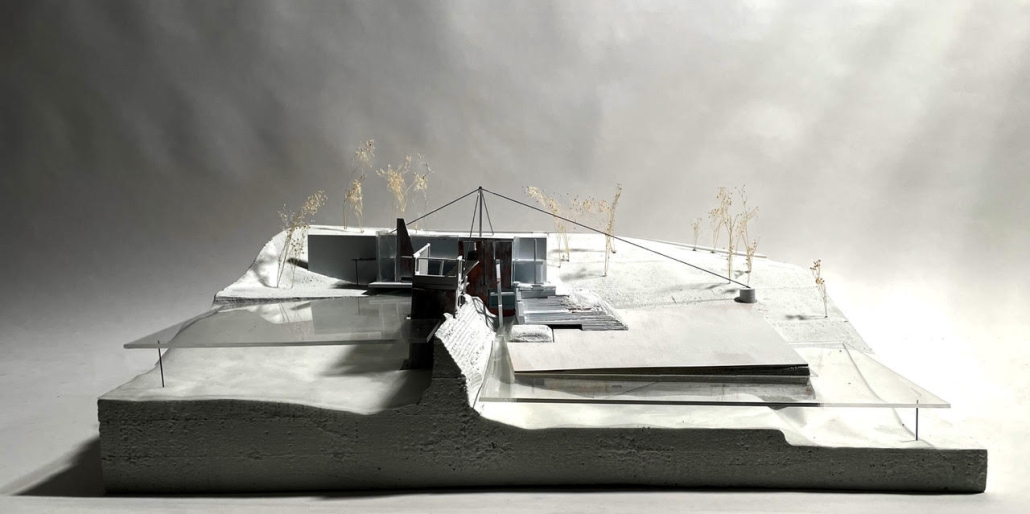
This thesis explores adaptive reuse and sustainability by transforming a retired coal-fired power plant into a conservation center. With over 300 decommissioned coal plants across the U.S., the project asks: Should these monumental industrial relics be demolished, or reimagined to serve communities once again? The selected site is located on Mare Island, California, a former naval base now undergoing revitalization. Positioned near polluted waters and existing conservation efforts, the site becomes a strategic place for ecological restoration.

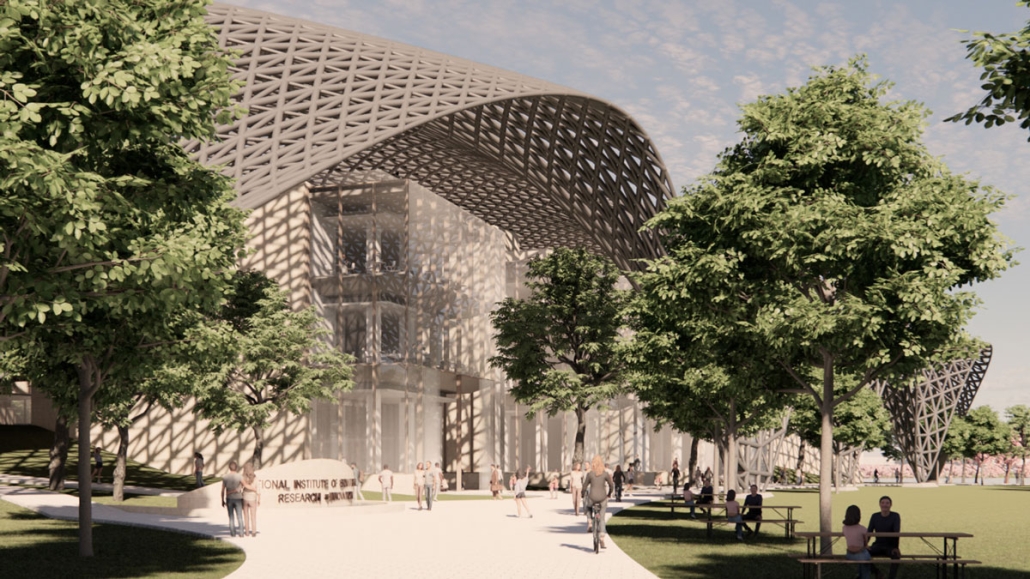
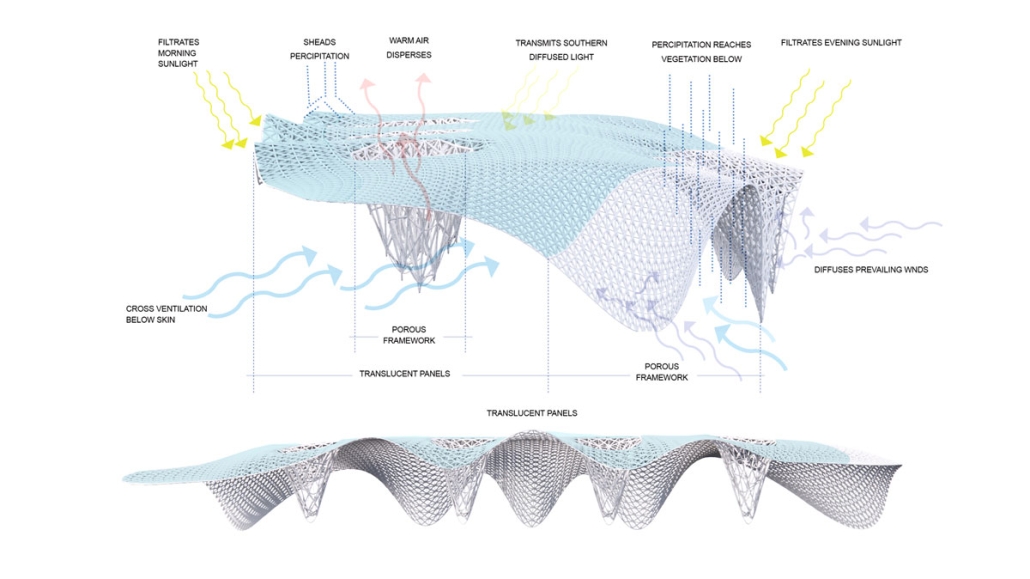
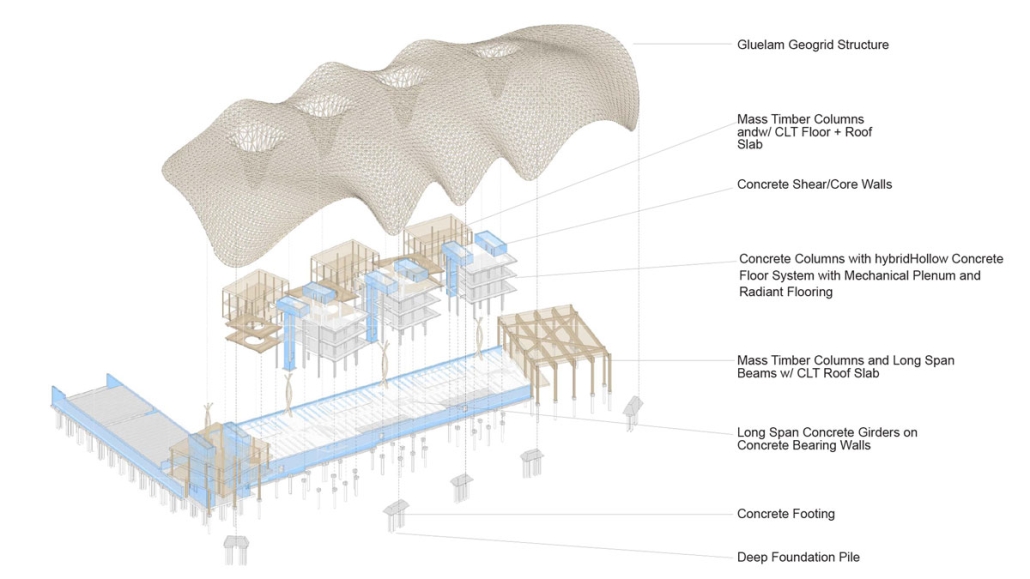
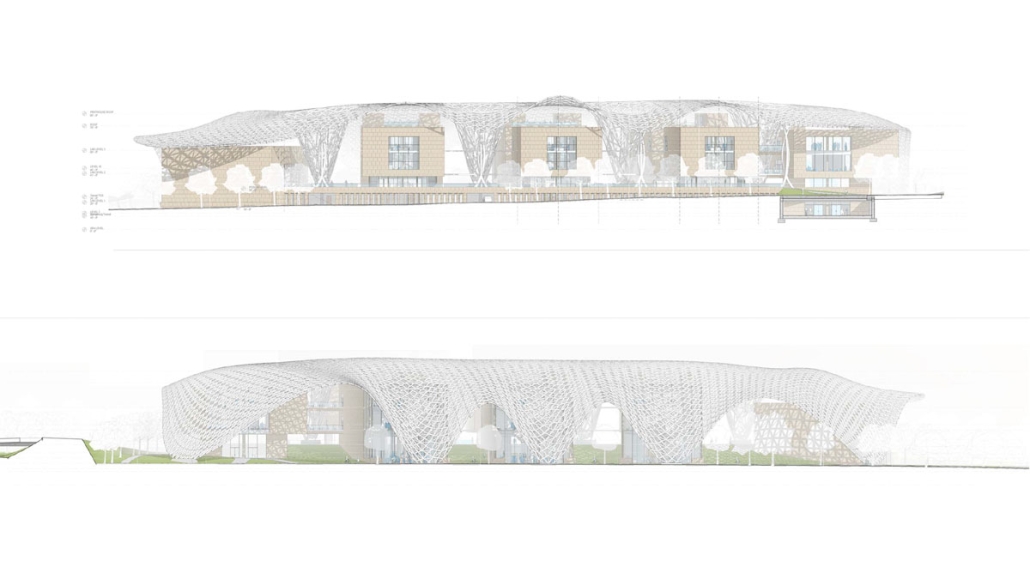
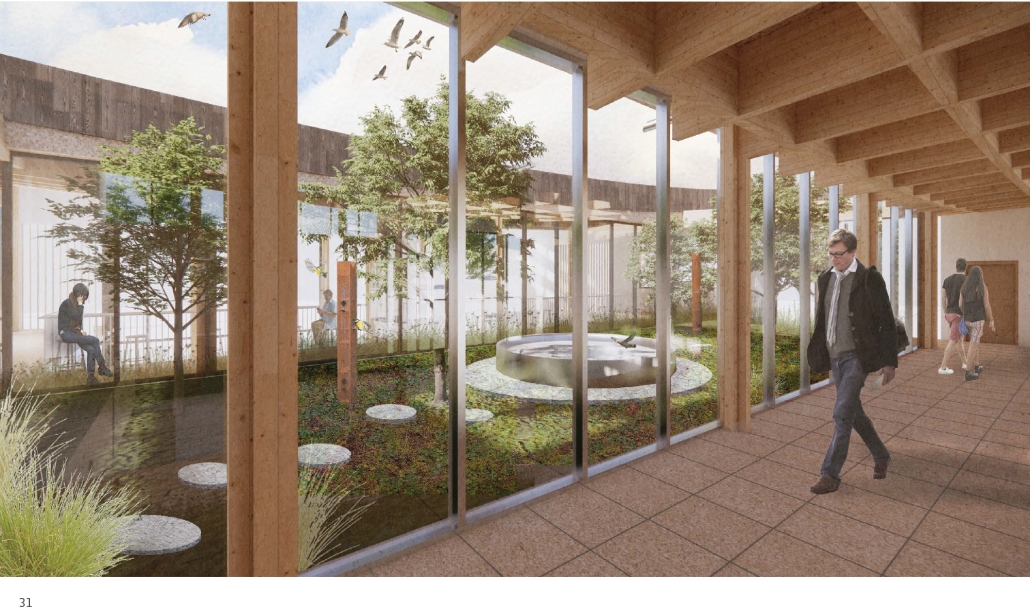
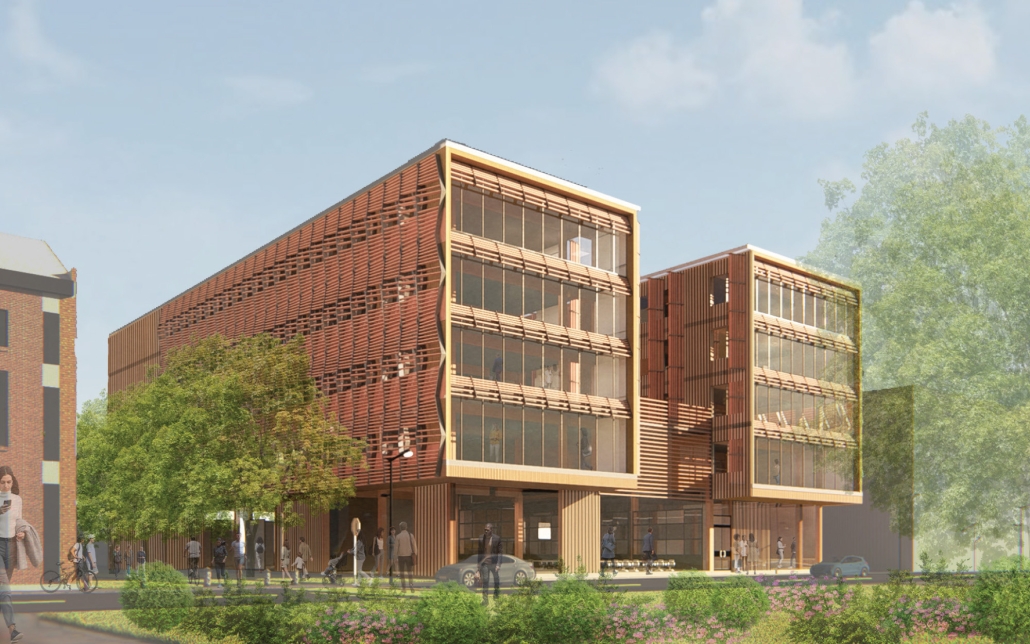
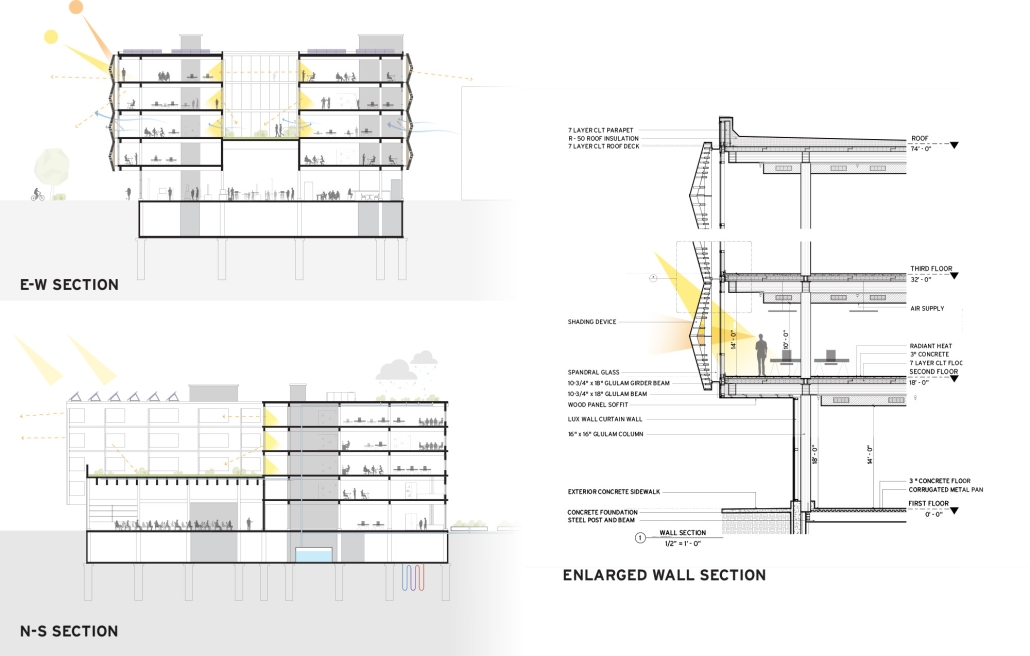
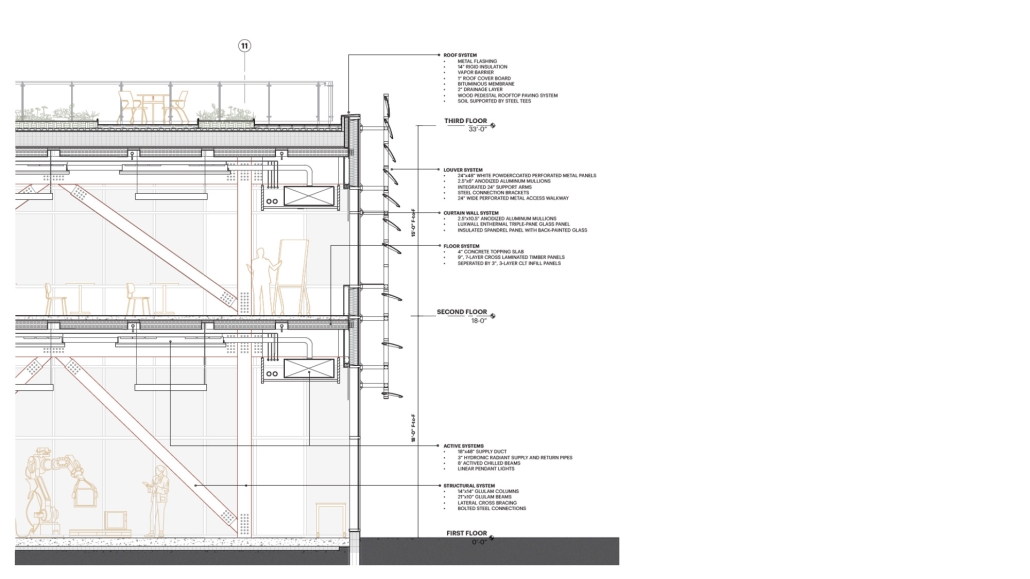
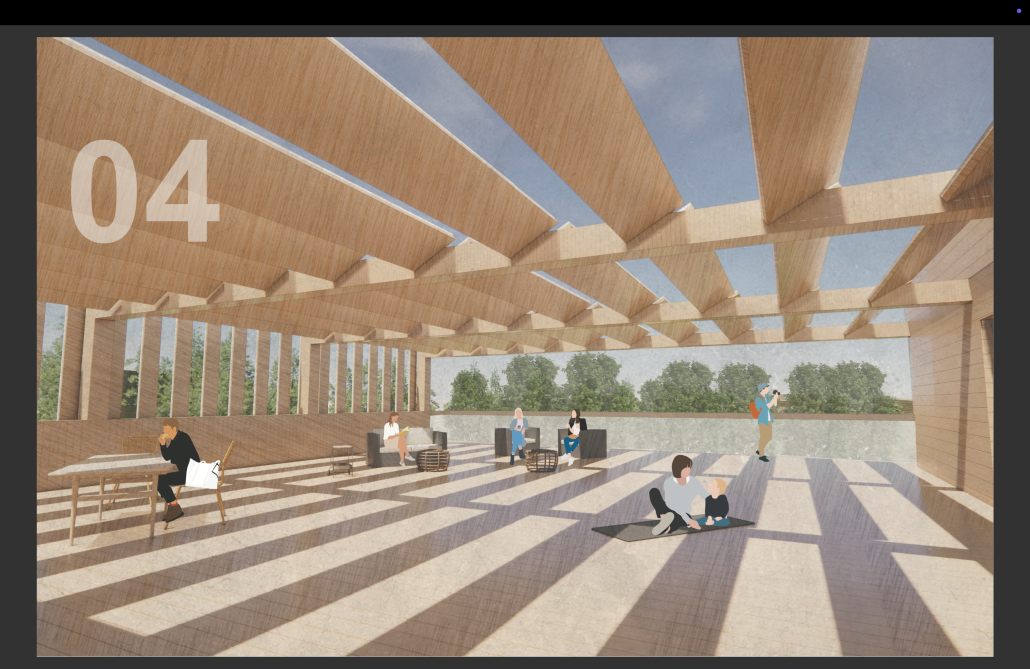
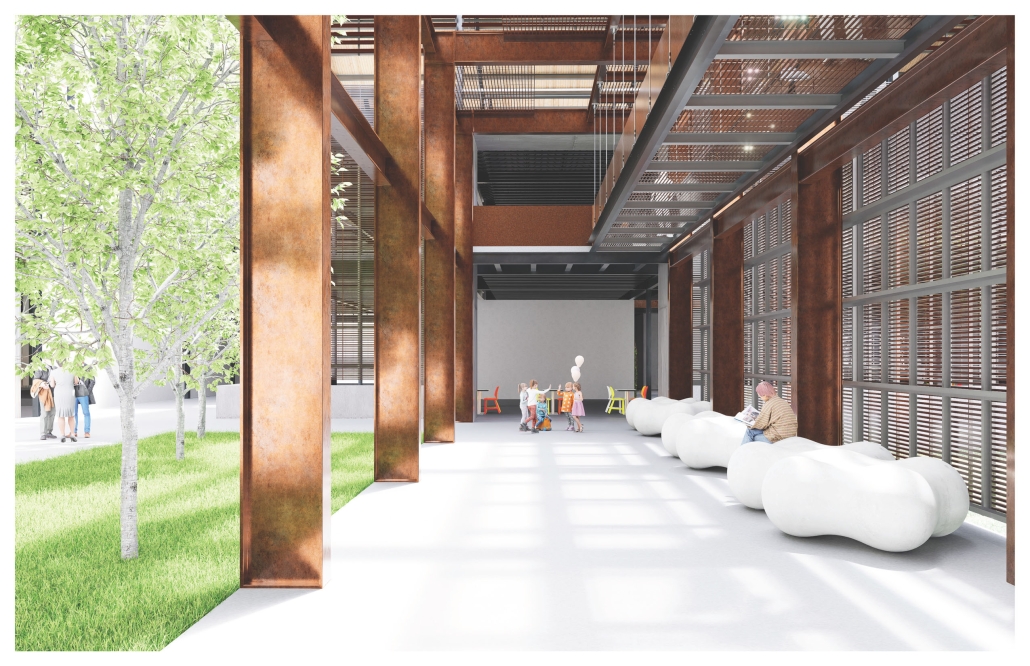
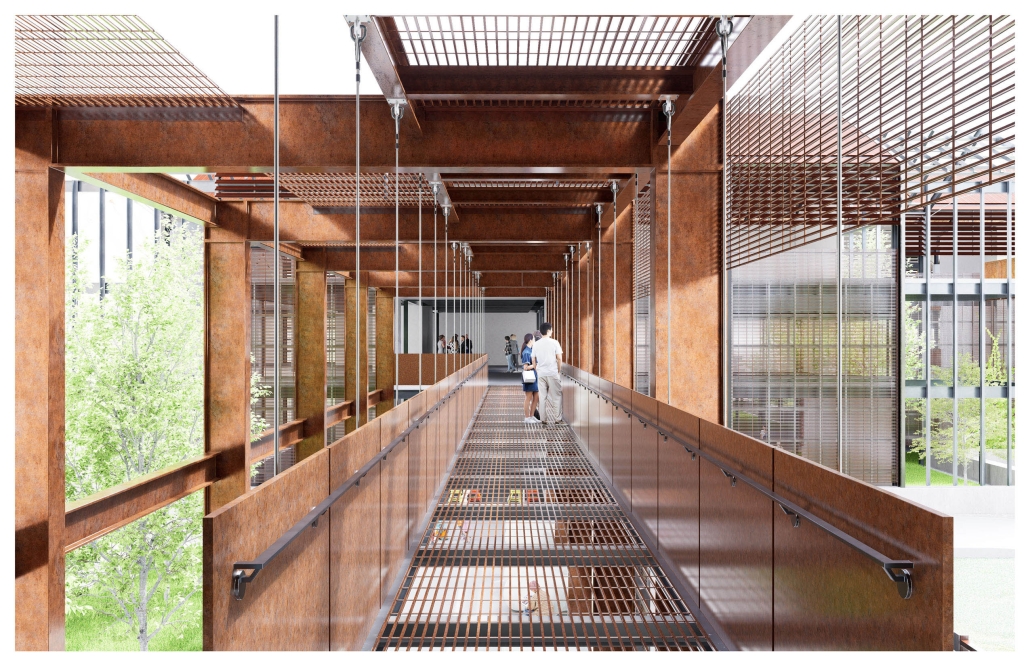
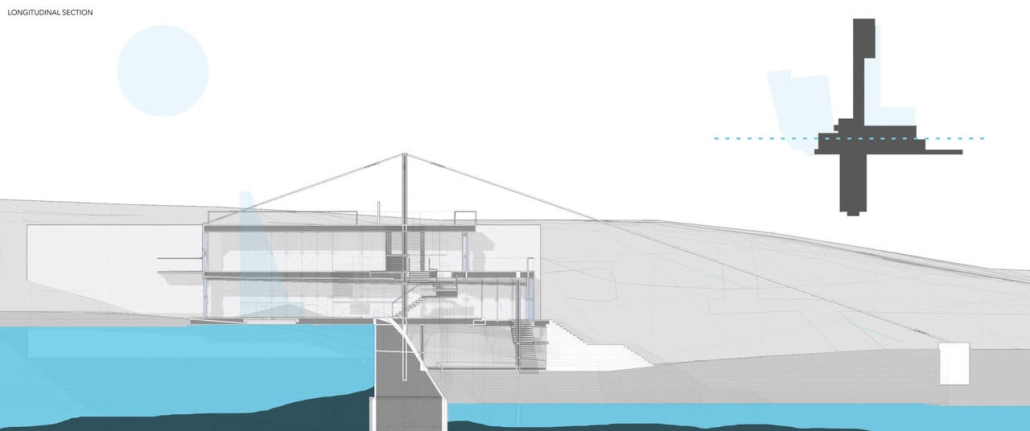
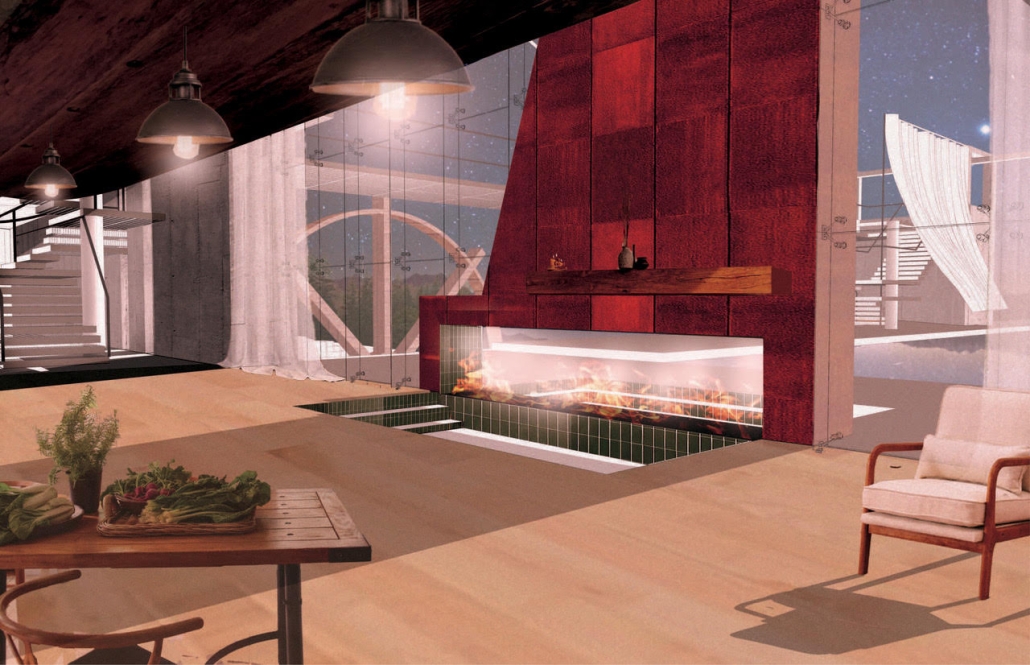
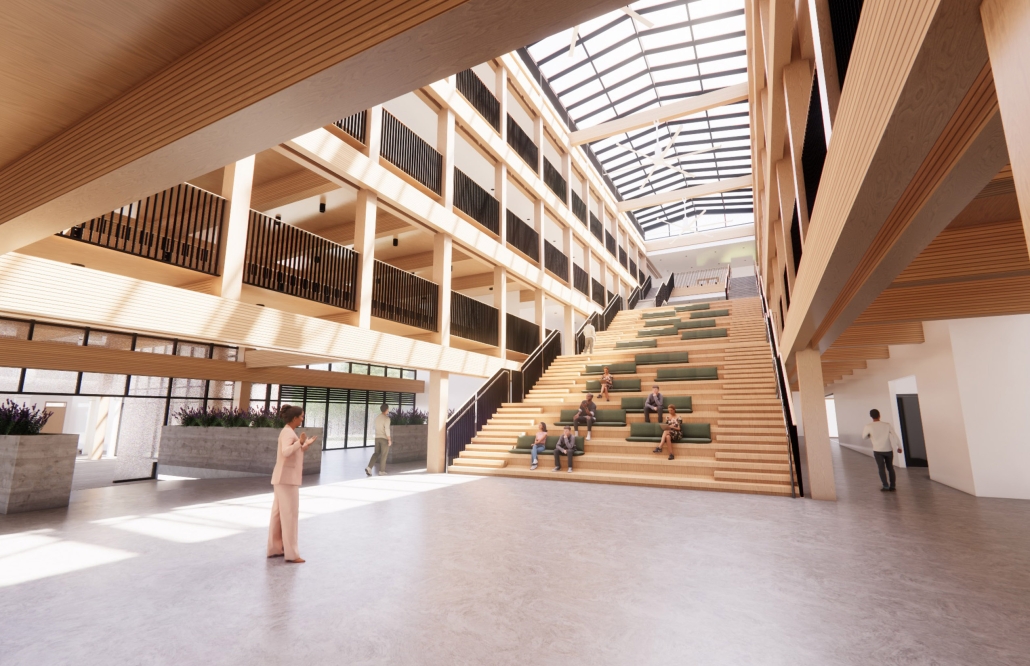
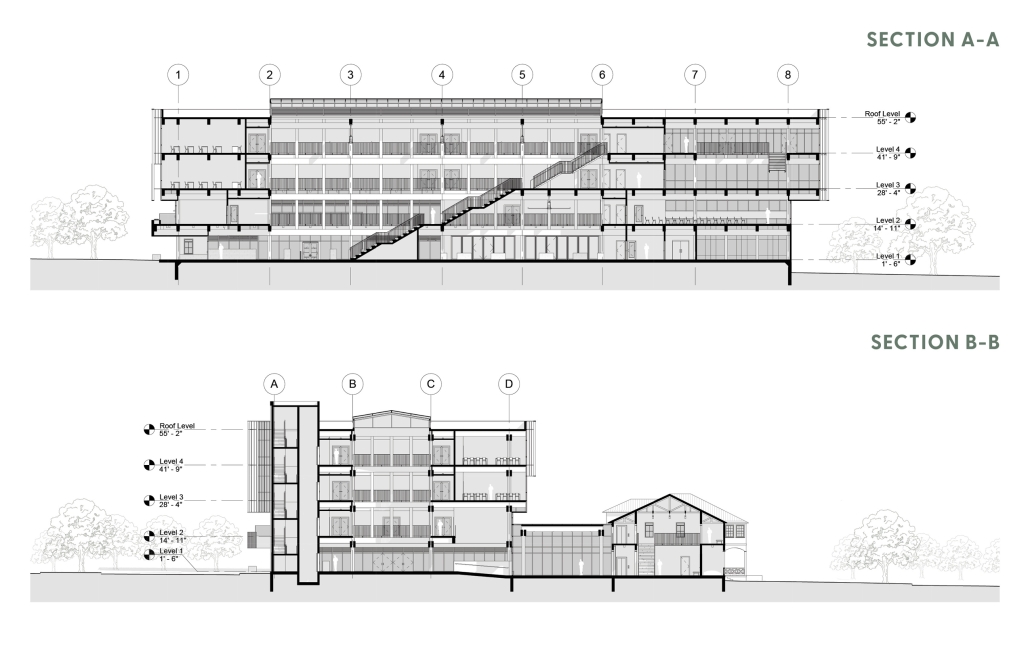
The design preserves the historic brick and concrete shell of the power plant, inserting a self-supporting mass timber structure within. This new framework uses sustainably sourced CLT panels and glulam beams, forming a light-filled, naturally ventilated interior that supports vegetation between the old and new structures. Only at vertical circulation points do the two structures physically meet, symbolizing a transition between past and future.

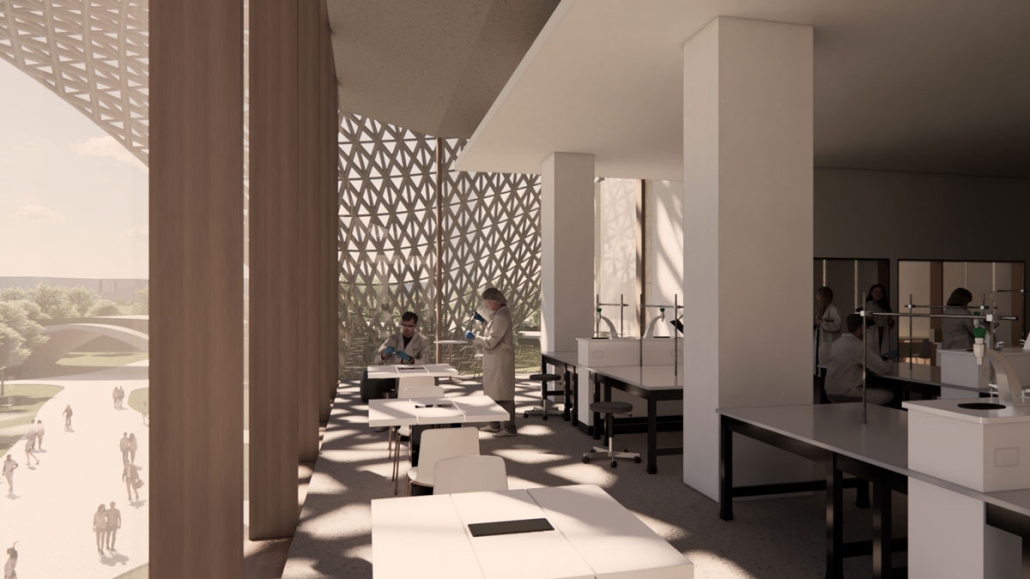
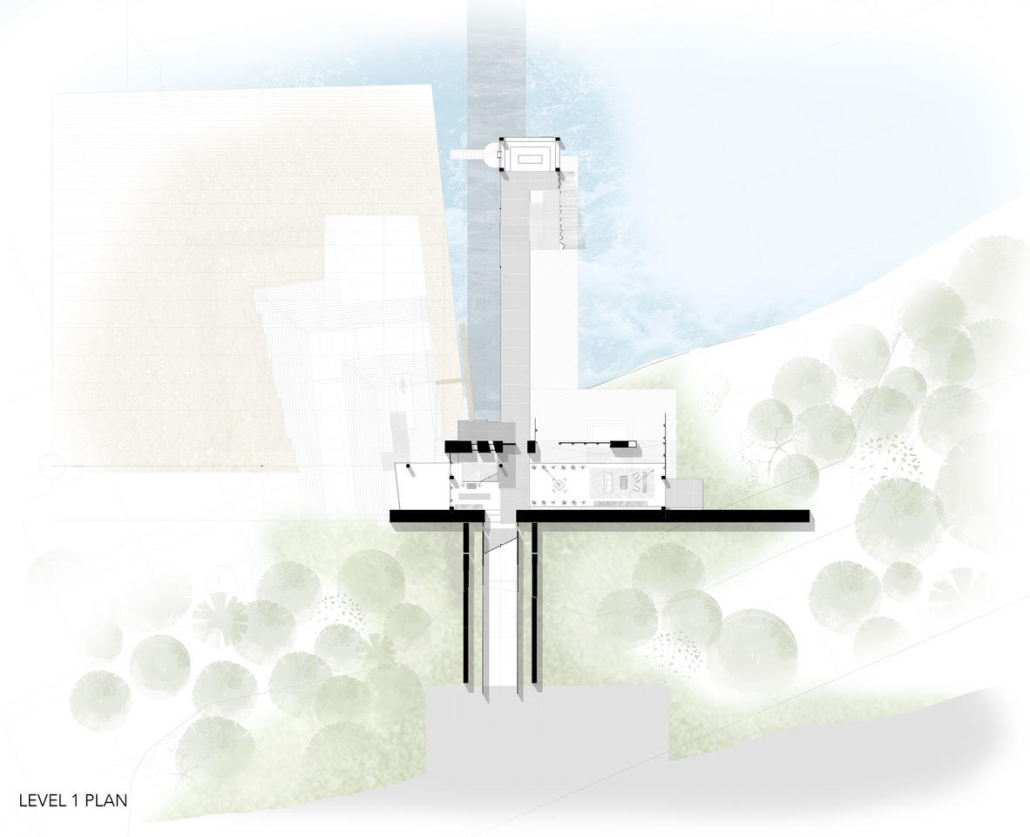
Programmatically, the conservation center includes public education spaces, research labs, and residential units. A rewilded landscape replaces paved surfaces, reducing the urban heat island effect and encouraging biodiversity. A narrow water channel brings Bay water into the site for ecological engagement, while a nearby storage hangar is converted into a ferry terminal to enhance sustainable transportation.

Passive design strategies guide the intervention, with large open-air windows providing daylight and ventilation. Prefabricated timber elements reduce site impact. Overall, the project demonstrates how industrial heritage can support ecological recovery, creating a dialogue between decay and renewal, nature and structure, and the old and the new.

This project won the Thesis Honor Award.

Instagram: @rwu_cummingsarch, @alcoleatarrago

Turning Tides: Holistic Remediation by Hannah Moore, B.Arch ‘25
Academy of Art University | Advisors: Simon McKenzie, Philip Ra & Ricardo Solar

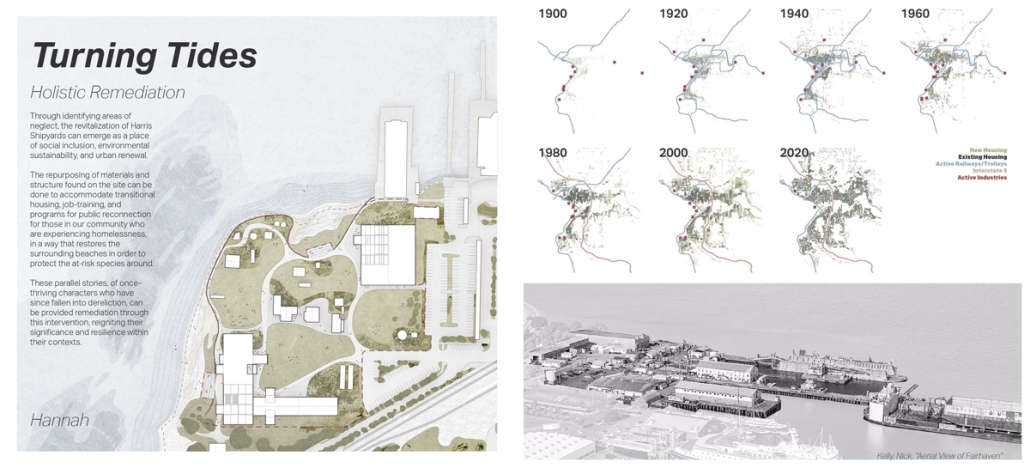
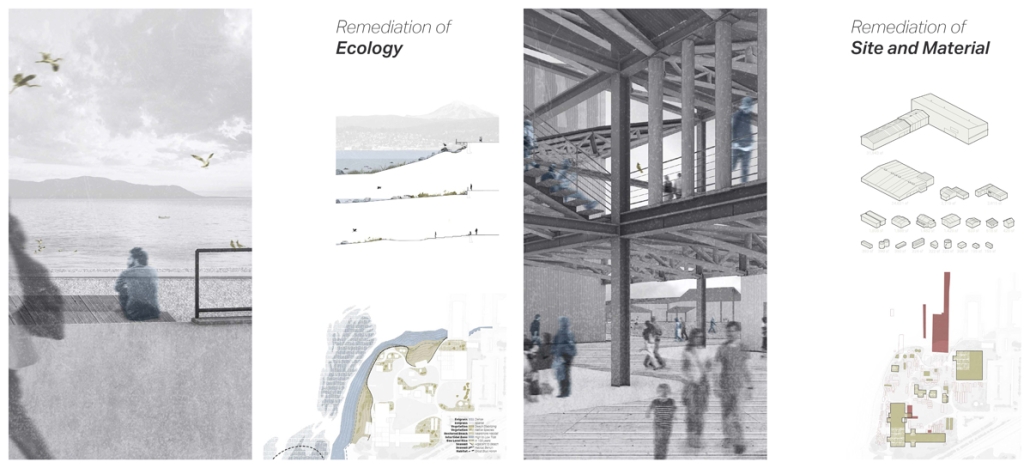
Through identifying areas of neglect, the revitalization of Harris Shipyards can emerge as a place of social inclusion, environmental sustainability, and urban renewal.

The repurposing of materials and structure found on the site accommodates transitional housing, job-training, and programs for public reconnection for those in our community who are experiencing homelessness. In addition, the project restores the surrounding beaches in order to protect at-risk species.

These parallel stories, of once-thriving characters who have since fallen into dereliction, can be provided remediation through this intervention, reigniting their significance and resilience within their contexts.

This project won the B.Arch Thesis Award. 

Click here to learn more.

Instagram: @hannah.3, @smckenzie23, @ricardo_solar_architecture

Rebuild From Decay: An Industrial Solution for A Post-Industrial Age by Kyle Sylvester, M.Arch ’25
Wentworth Institute of Technology | Advisors: Lauren McQuistion & Tom Chung

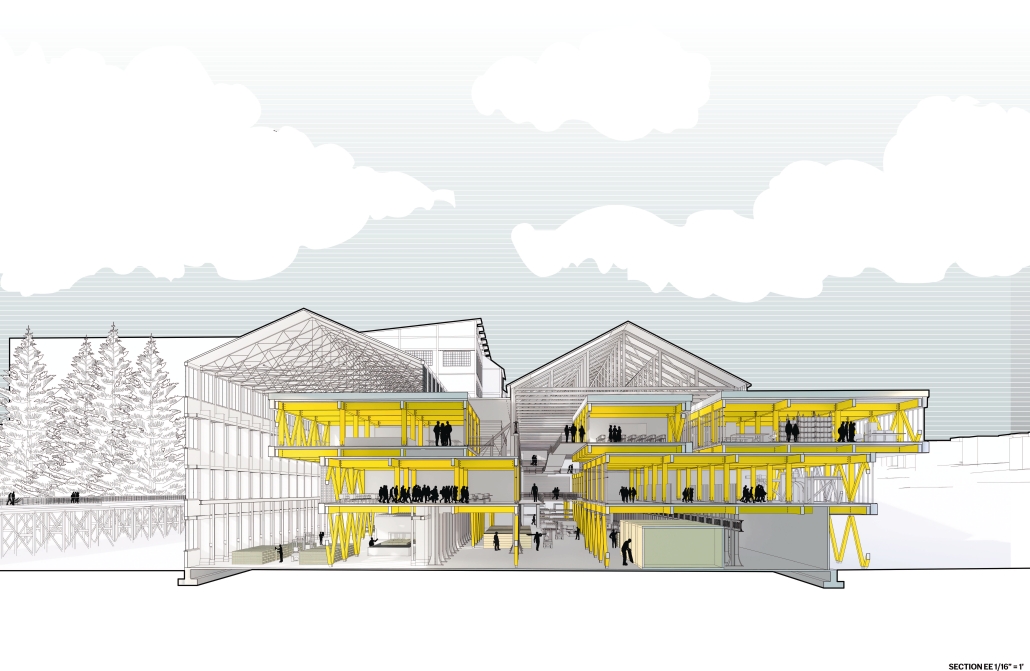
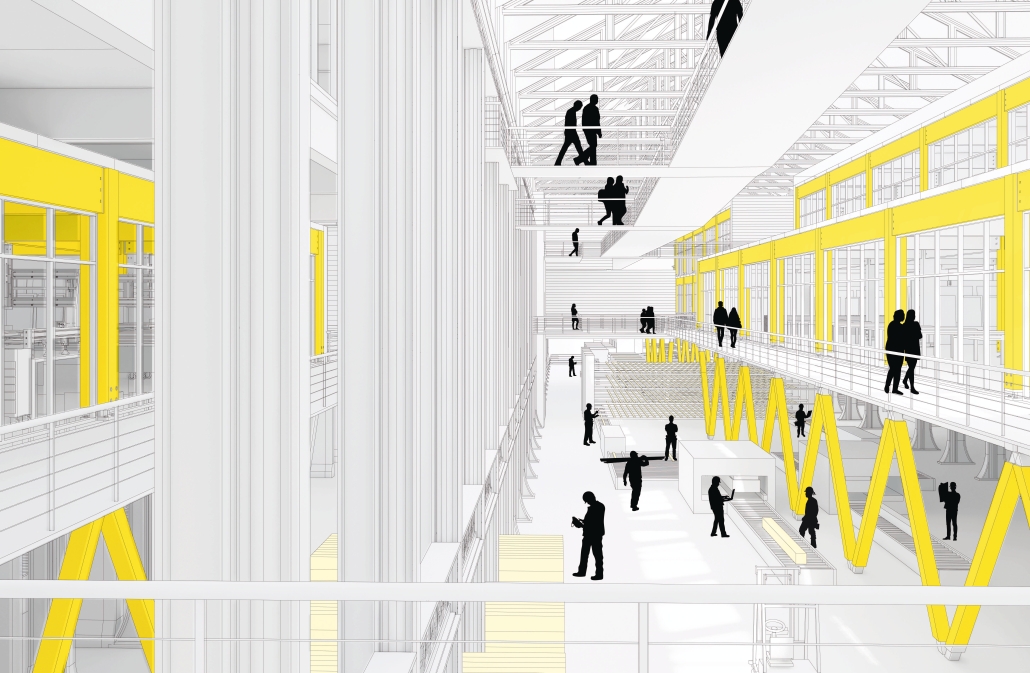
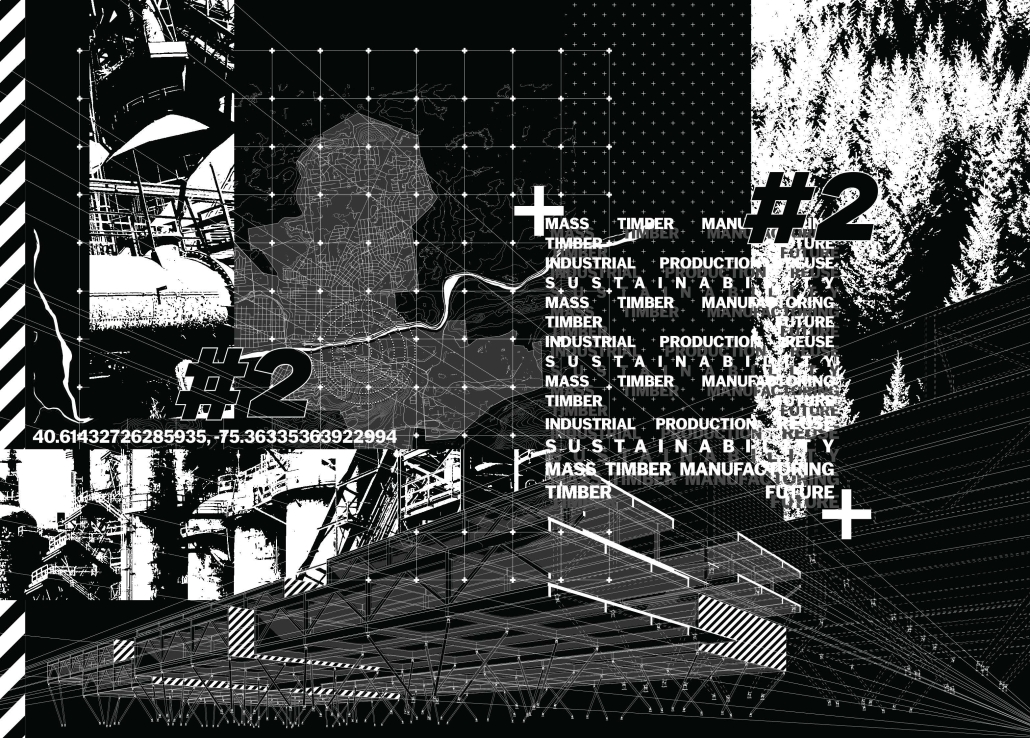
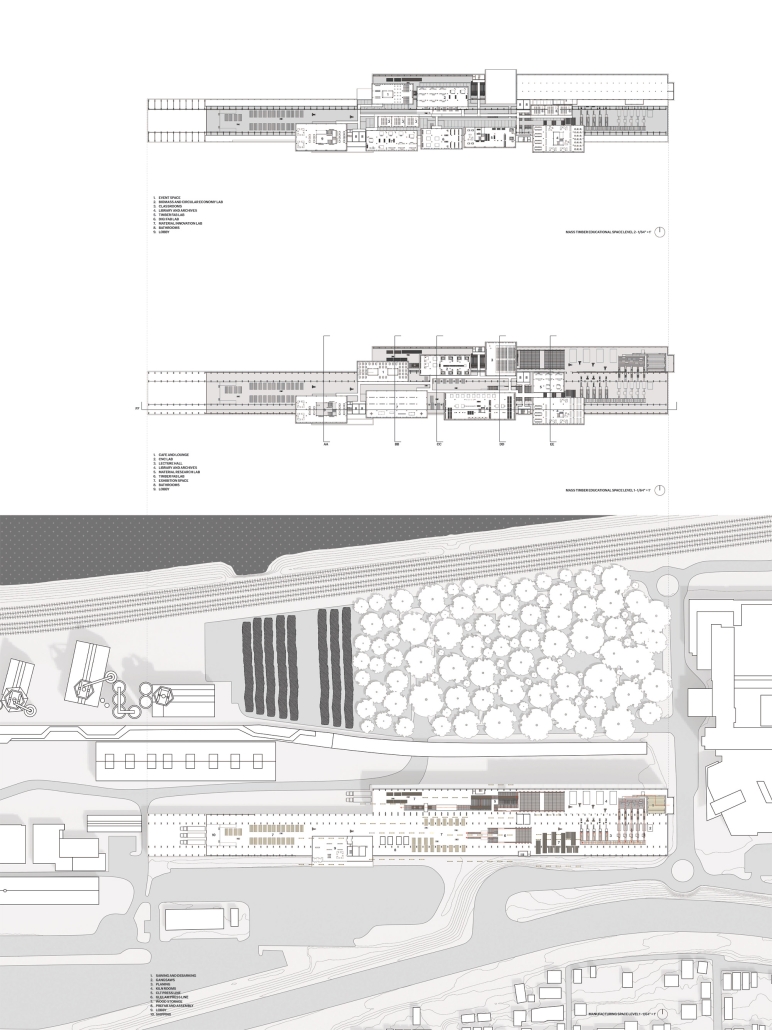
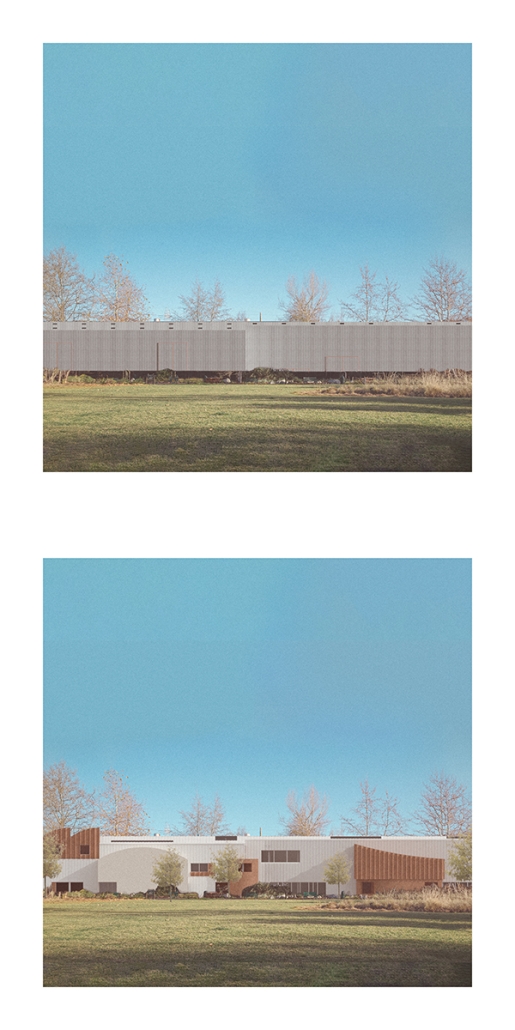
Mass timber presents an opportunity to redefine the future of abandoned industrial sites through the introduction of a new industry. While many of these sites have been repurposed as cultural and landscape parks, this approach often reduces their industrial identity to just a facade for new programs, disconnecting them from their manufacturing past. By integrating mass timber manufacturing and education within the fabric of an industrial wasteland, this model preserves the site’s historical significance while also creating a hub for sustainable industry, ensuring its continued use in the 21st century. 

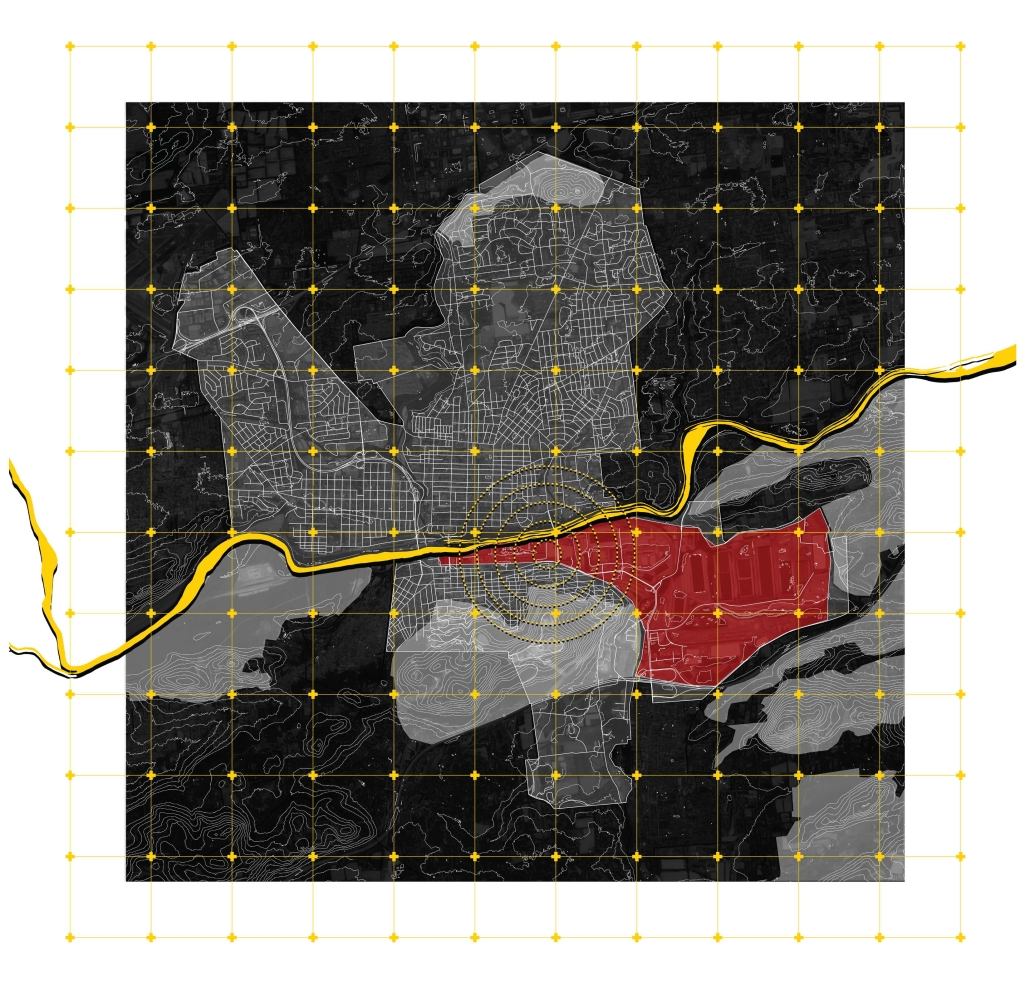
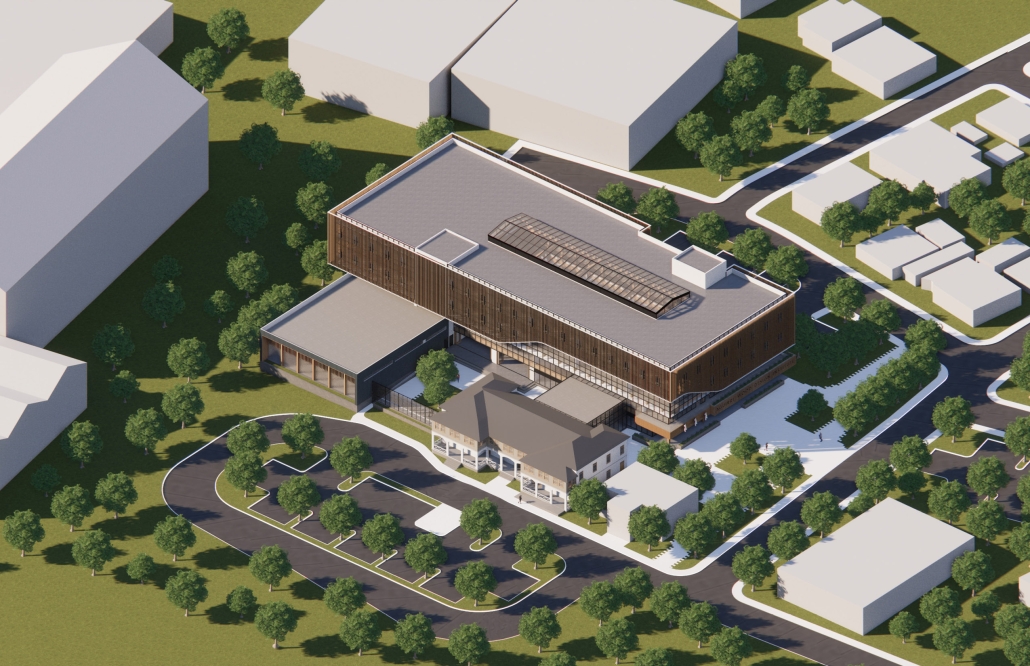
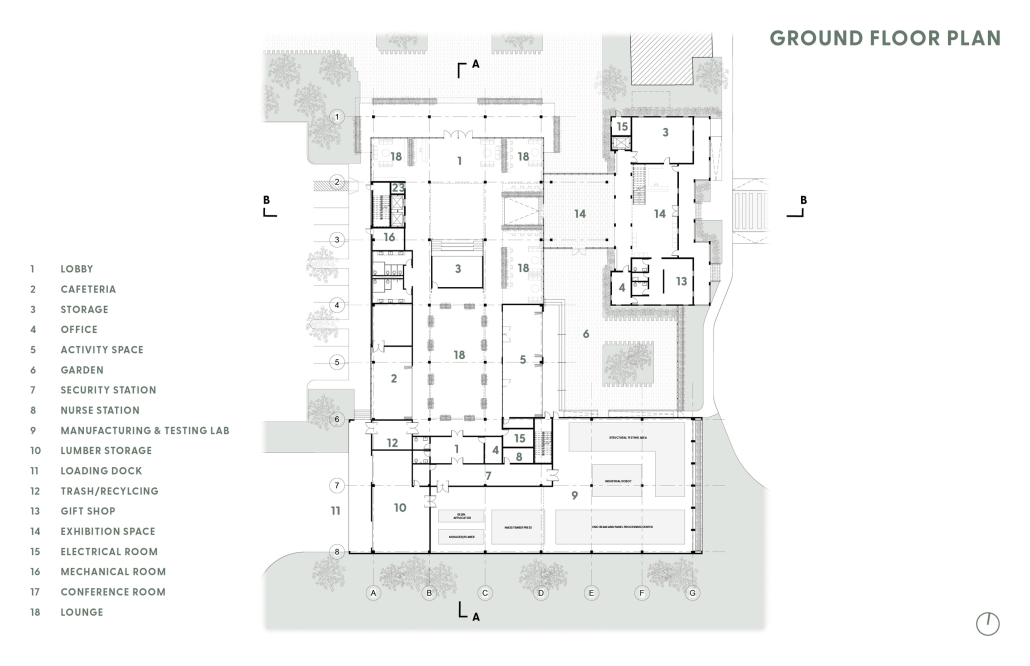
This thesis revitalizes Machine Shop No. 2 at Bethlehem Steel Mill by maintaining and reinterpreting its industrial legacy. Typically, industrial wastelands are repurposed as landscape parks or cultural centers, stripping away the site’s industrial memory and using its infrastructure as a facade. By integrating sustainable mass timber construction, this proposal offers a forward-thinking approach to revitalizing post-industrial spaces through the use of mass timber construction. The existing machine shop has been transformed into a mass timber manufacturing facility and educational center for renewable materials, blending production and education through layered programming. This approach preserves the site’s identity while addressing the need for sustainable construction practices.

This project won the Wentworth School of Architecture and Design: Design Excellence Award. 

Instagram: @ksly5, @mc.quistion

From Wrecks to Wonders: Reclaiming Shorelines, Enriching Communities by Karunia Ayu, Hongxiang Wang & Tianqi Zhao (Enoch), MSAUD (Master of Science in Architecture and Urban Design) ’25
Columbia University | Advisors: Kate Orff, Geeta Mehta, Emanuel Admassu, Sebastian Delpino, Gabriel Vergara, Lucas Coelho Netto & Shrey Patel

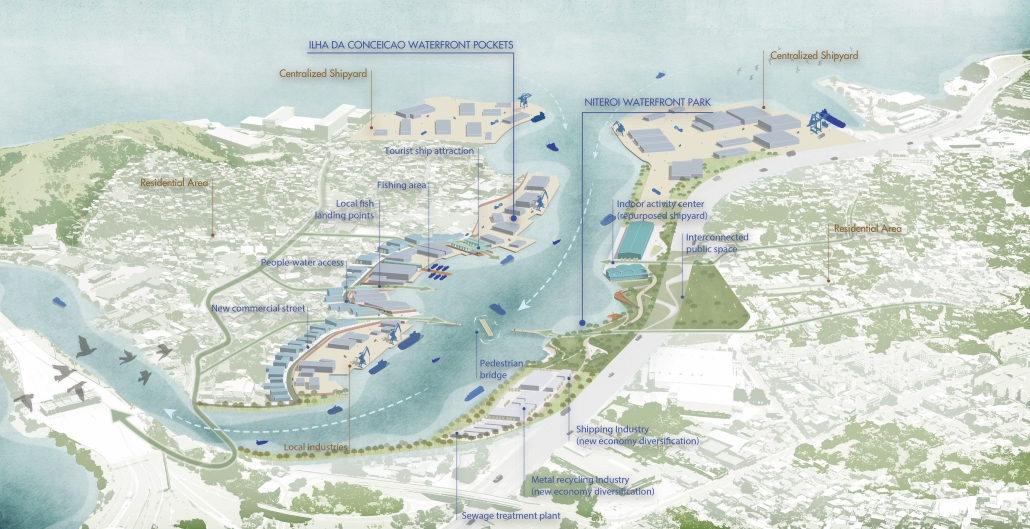
WHAT IF THE WATERWAY IS REOPENED, BROUGHT COMMUNITY ACTIVITIES TO ITS SHORES, AND REIMAGINED THE ECONOMY AND INDUSTRY ALONG THE BANKS?

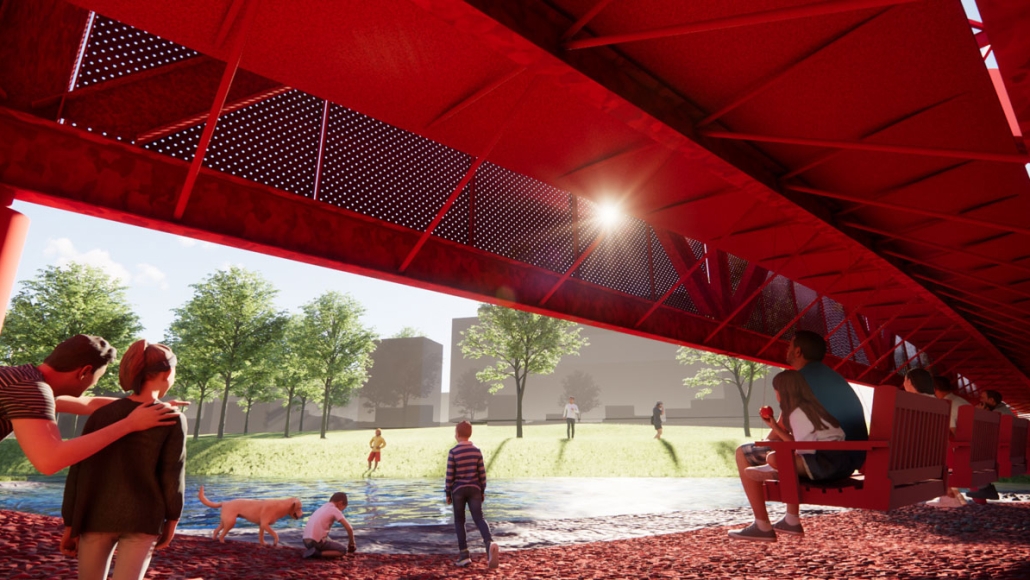
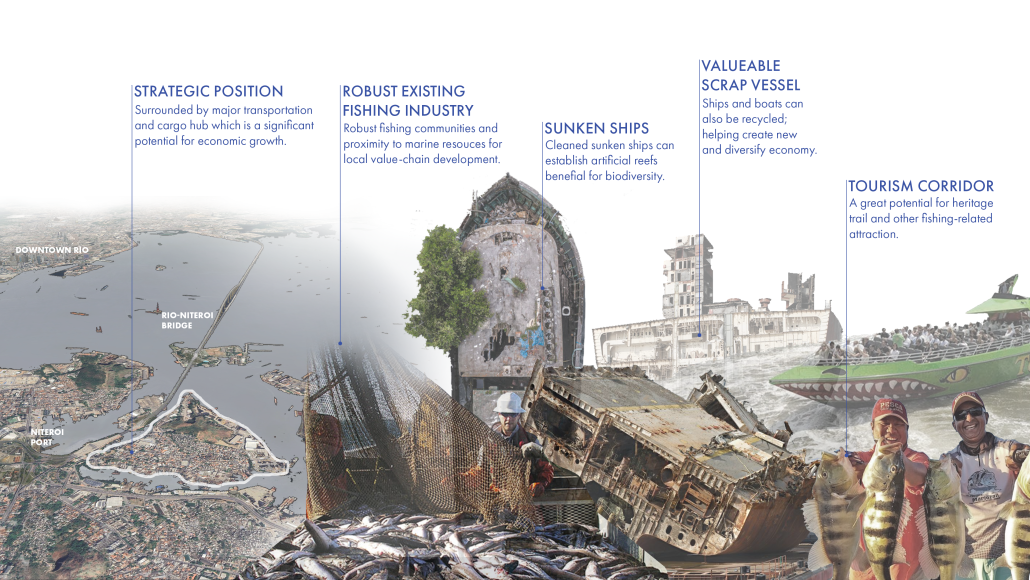
In the past, the island of Ilha da Conceição was composed of three separate islets located within Guanabara Bay. The construction of Niterói’s port and the later Rio–Niterói Bridge, which was driven by the expanding oil industry, filled in the channels that separated the two islands. This effectively annexes the islands to the city while also obstructing the natural flow of water. In addition to the accumulation of derelict ships, this land reclamation has resulted in the accumulation of wastewater and industrial runoff, which has resulted in the transformation of once-clean currents into polluted pools that are stagnant.

The shoreline is now dominated by industrial activity, which has cut off communities from the water and undermined both the quality of the catch and traditional ways of making a living. Local fishermen used to thrive in this area previously.

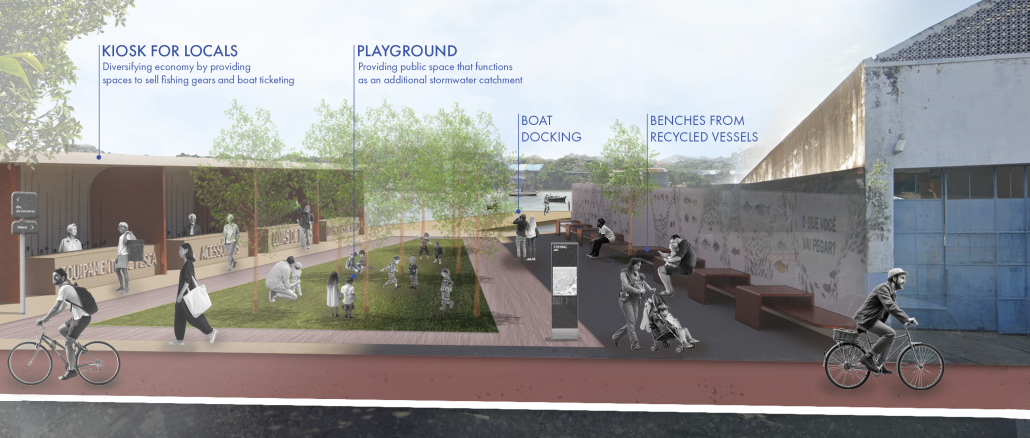
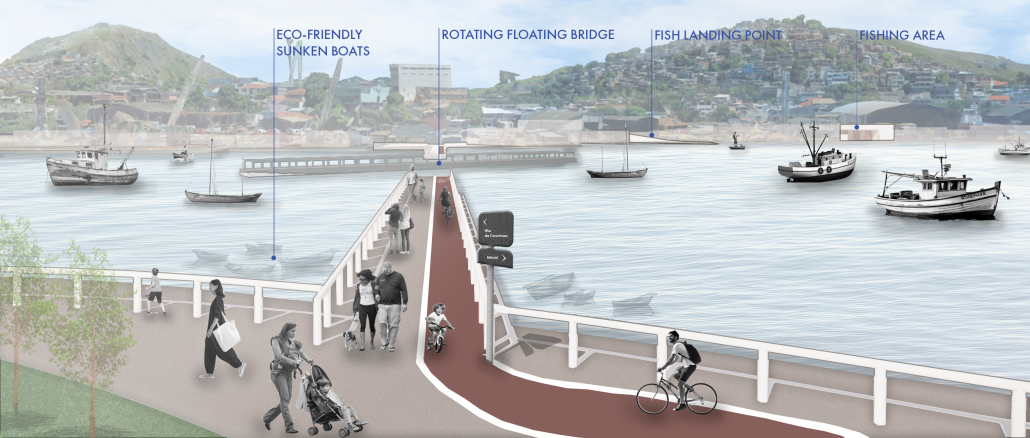
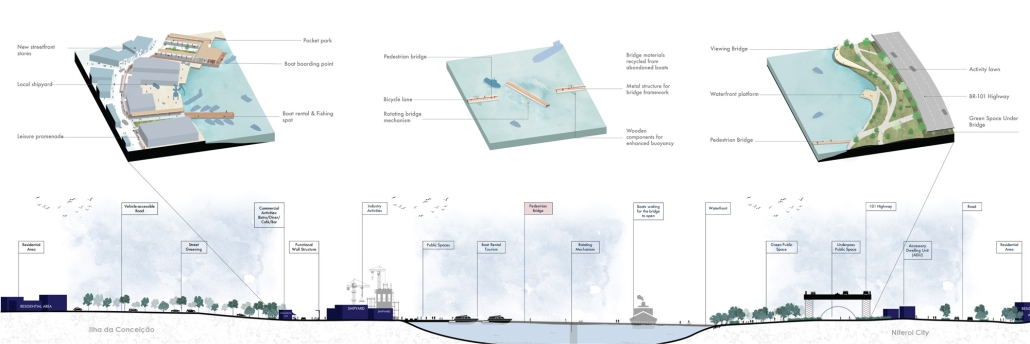
The ‘what if’ scenario that we have envisioned involves reestablishing water circulation without displacing any industry. By relocating factories to nearby locations and innovatively repurposing vessels that have been abandoned, we could bring back a canal that is cleaner and flows more freely. Residents of Ilha da Conceição and Niterói would be brought together through the creation of new public spaces along its banks. These spaces would serve as natural filtration zones and social connectors.

What is the end result? improved water quality, revitalized community fishing, and parks along the water’s edge that are very inviting. The demonstration that industry, ecology, and community can coexist in harmony would be [highlighted] by the fact that improved access to the bay would stimulate the creation of jobs, broaden access to goods and services, and ignite local economic growth.

Click here to learn more. 

Instagram: @runikarunia, @enoxizi, @mehtageeta999 @eadmassu, @sdelpino_arq, @gabrielvergarag, @lucascoelhonetto, @cauecapille, @shrey_patel1999

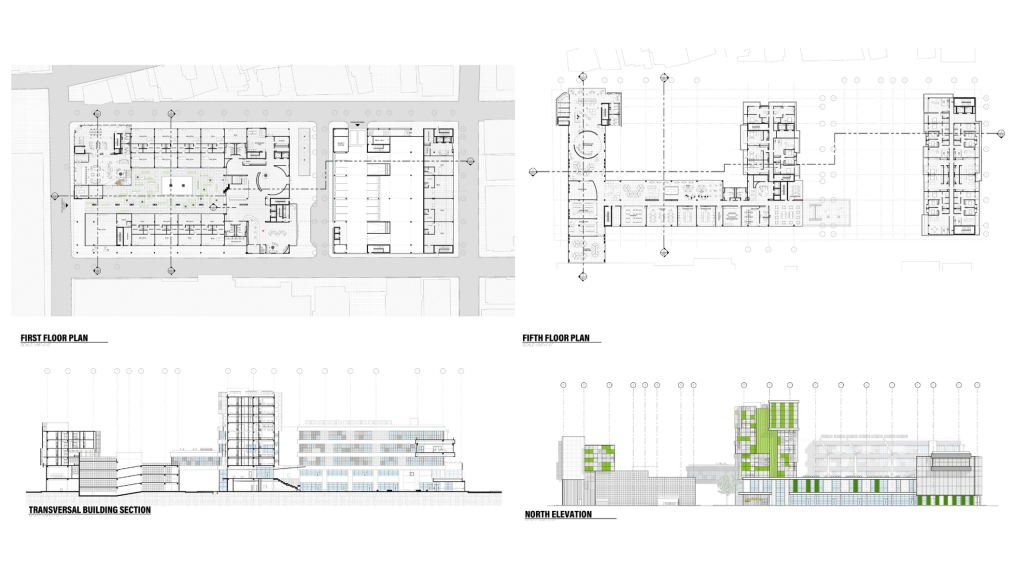
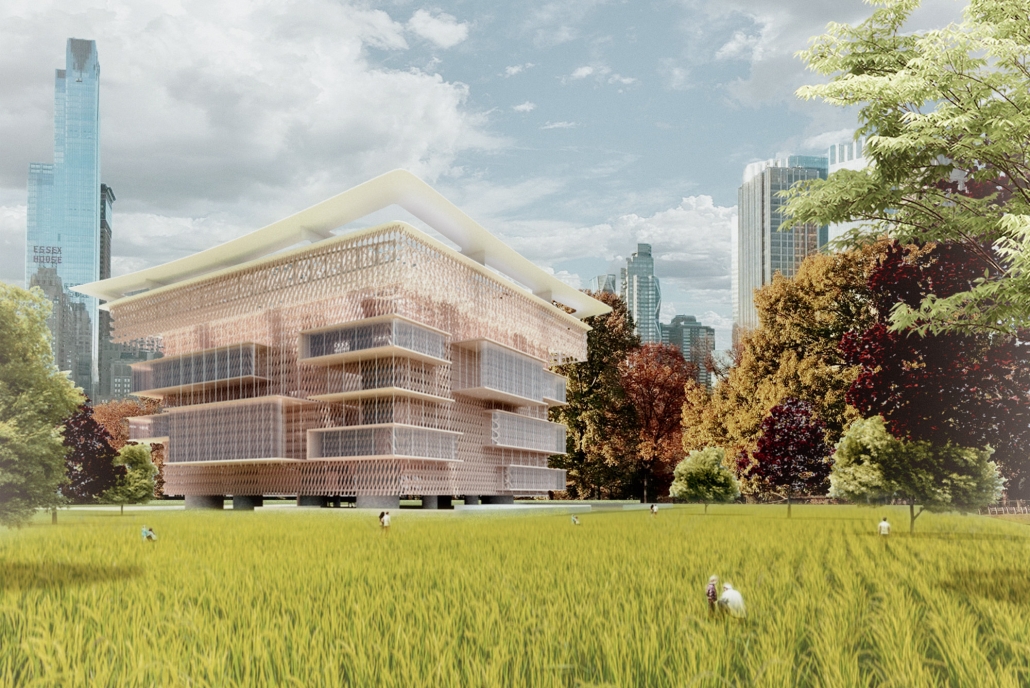
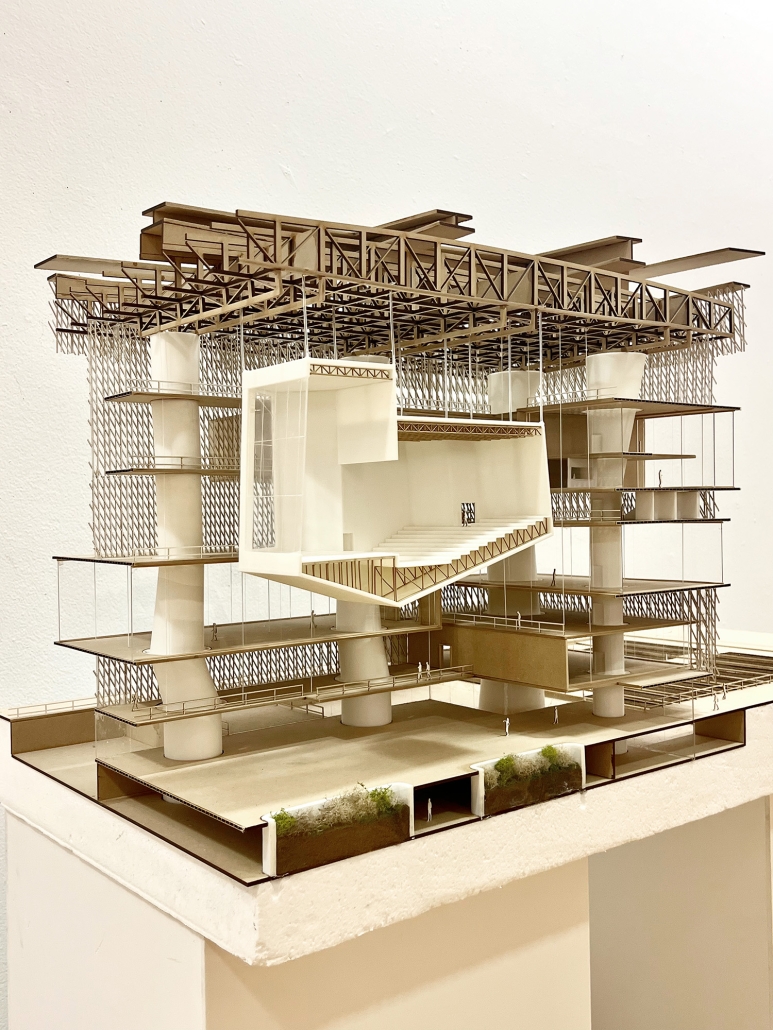
City Within a Shell, Reclaiming underutilized buildings for living learning and belonging. by Kush Choganwala, M.Arch ’25
Boston Architectural College | Advisors: Ralph Jackson &  Ian F. Taberner

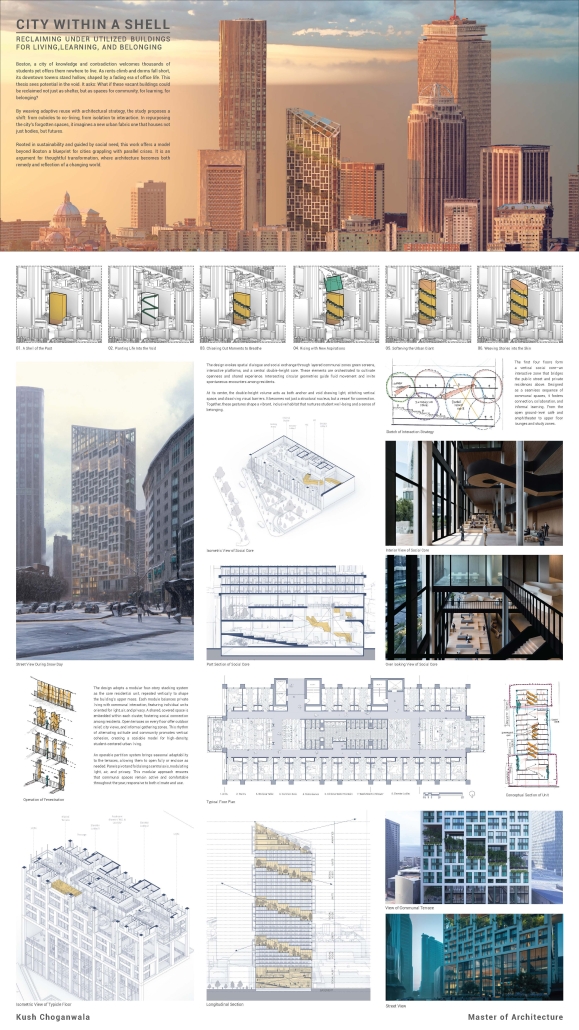
In a city defined by knowledge and ambition, where students arrive with dreams larger than their square footage, a quieter truth rises between the lines of the skyline: vacancy. Beneath the towers of Back Bay, amid the noise of commerce and culture, stand buildings built for another time empty, waiting, still. “City Within a Shell” is a thesis rooted in this urban contradiction. It asks: What if the city’s forgotten rooms could be reimagined for those still finding their place within it? What if architecture, instead of beginning with demolition, began with listening to the structures that remain, and the lives that need them?

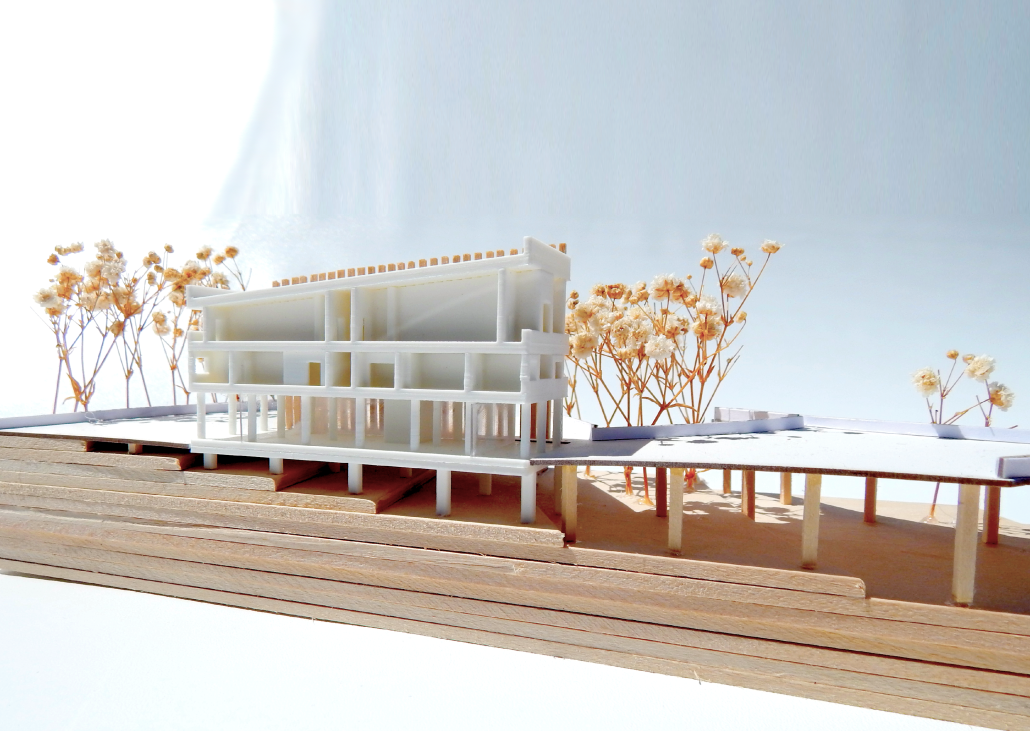
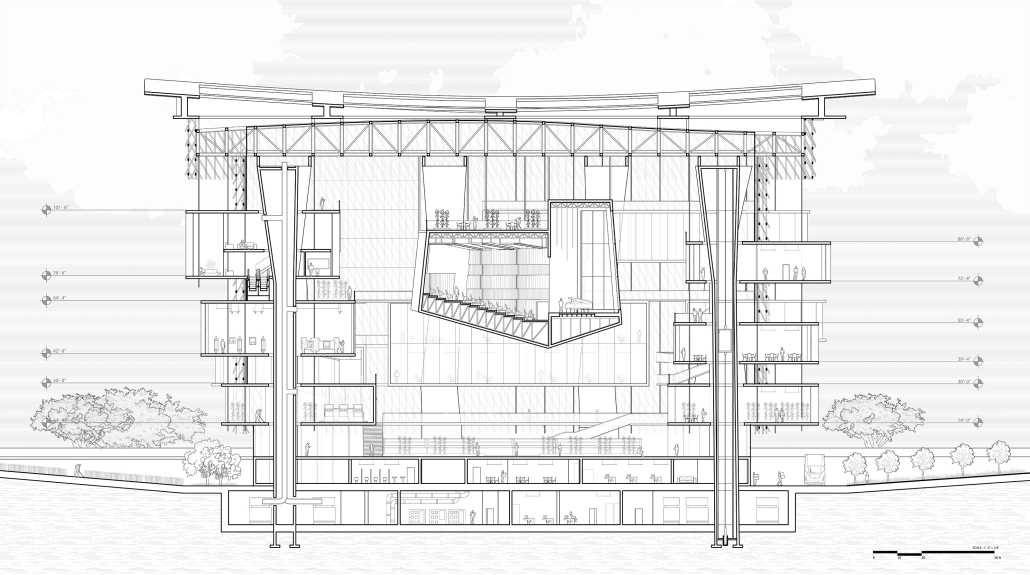
This project proposes the adaptive reuse of the Sheraton Boston Hotel’s South Wing, transforming a vacated hospitality structure into a vertical co-living environment for students. Located in the academic epicenter of Boston, surrounded by institutions like Northeastern, Berklee, and the Boston Architectural College, the site holds the potential to serve the very population it has long overlooked. 

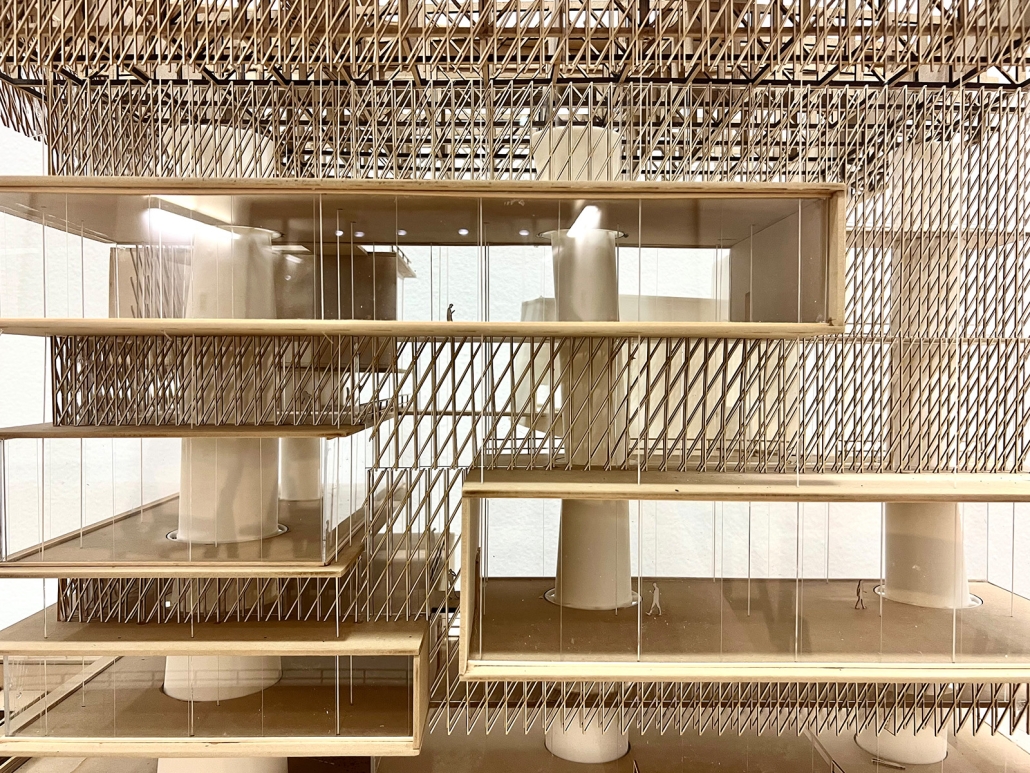
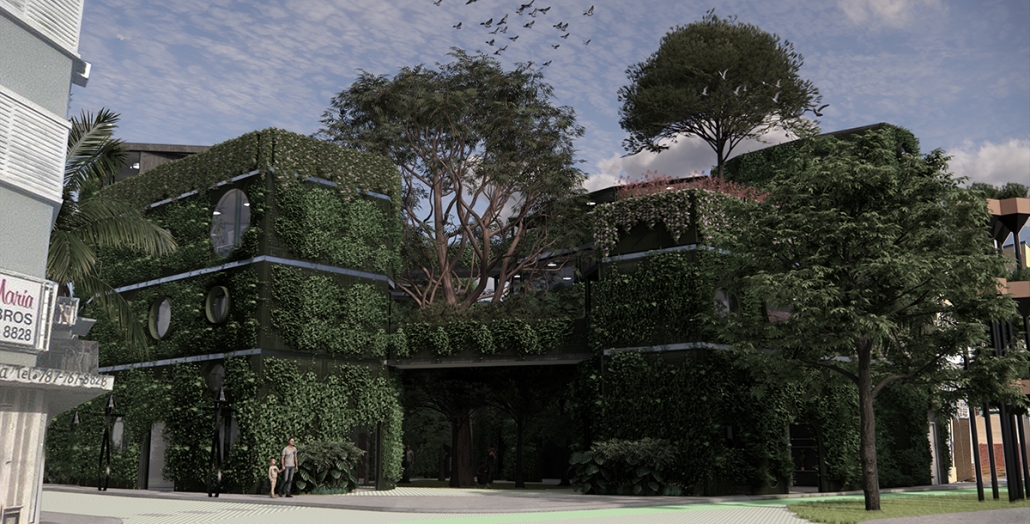
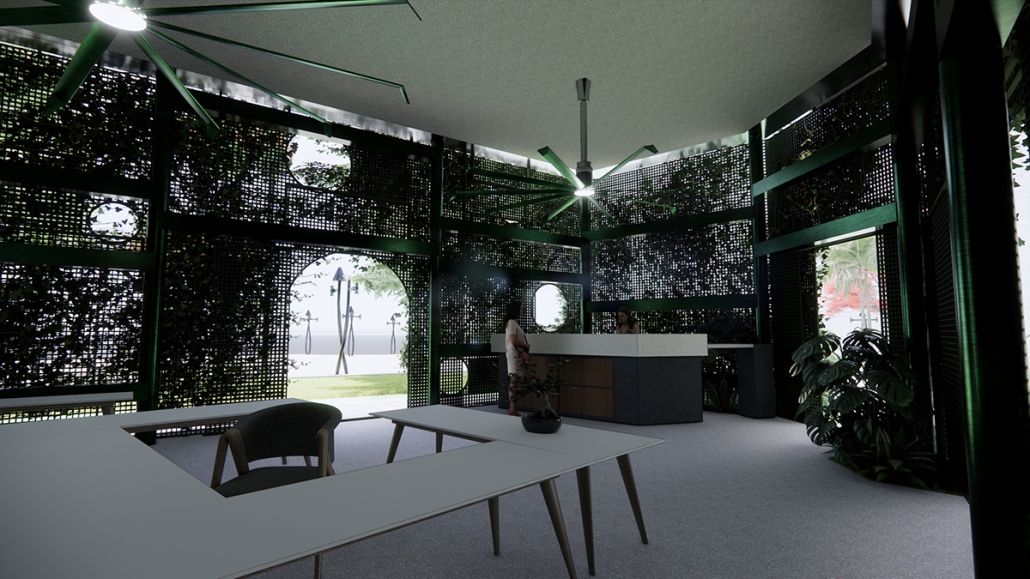
The design strategy centers on a modular four-story stacking system that integrates living units with shared kitchens, study lounges, wellness pods, and green terraces. These clusters spiral around a central spine, a vertical social core that weaves moments of interaction into the daily rhythm of living. The new facade becomes a living skin: softened with balconies, filtered with light, wrapped in green, inviting the city to witness a transformation not just of form, but of purpose. Methodologically, the thesis draws from precedent case studies in New York, Philadelphia, and Berlin, where adaptive reuse and cooperative housing models have reshaped the residential landscape. Site analysis, zoning and policy review, economic feasibility studies, and environmental performance simulations ground the proposal in practical viability while guiding its architectural expression. But beyond numbers and plans, this work is a meditation on belonging. It acknowledges that housing is not just a commodity, but a condition for well-being. It positions design as a tool not only for efficiency, but for empathy. And it offers a replicable framework—both spatial and strategic for cities grappling with similar imbalances between abundance and need.

City Within a Shell challenges the idea that buildings expire when their original function fades. Instead, it proposes that architecture can evolve layered, resilient, and generous. It suggests that within the walls we inherit, there is room to imagine something better: a city where vacancy is not a failure, but a beginning. Through this thesis, architecture becomes an act of reclamation of space, of purpose, and of the right to belong.

This project won the Edwin T. Steffian Award, Best of M.Arch Thesis. 

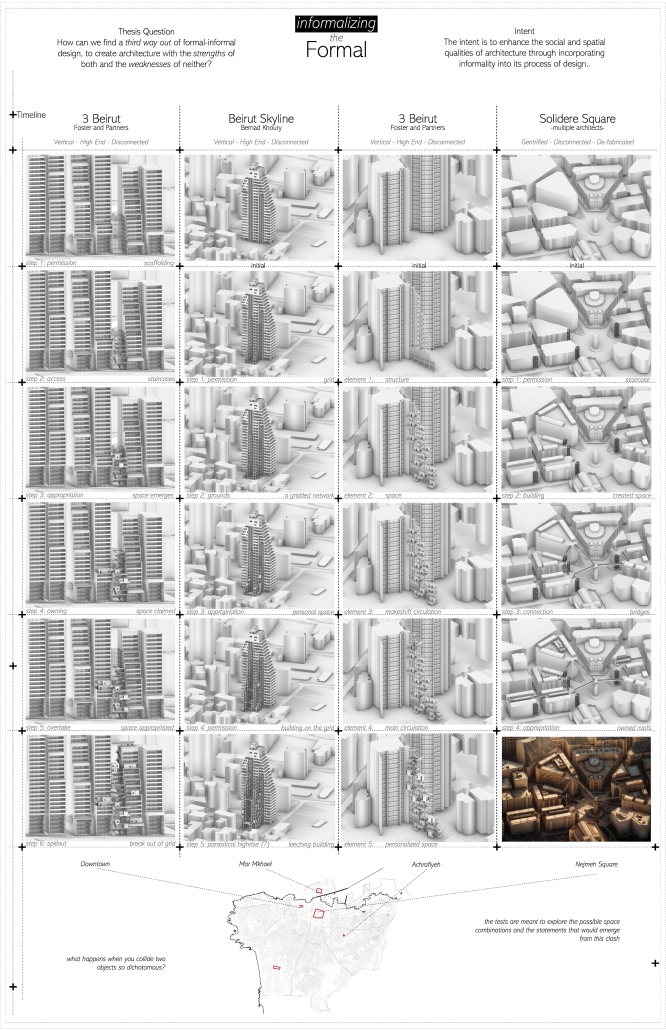
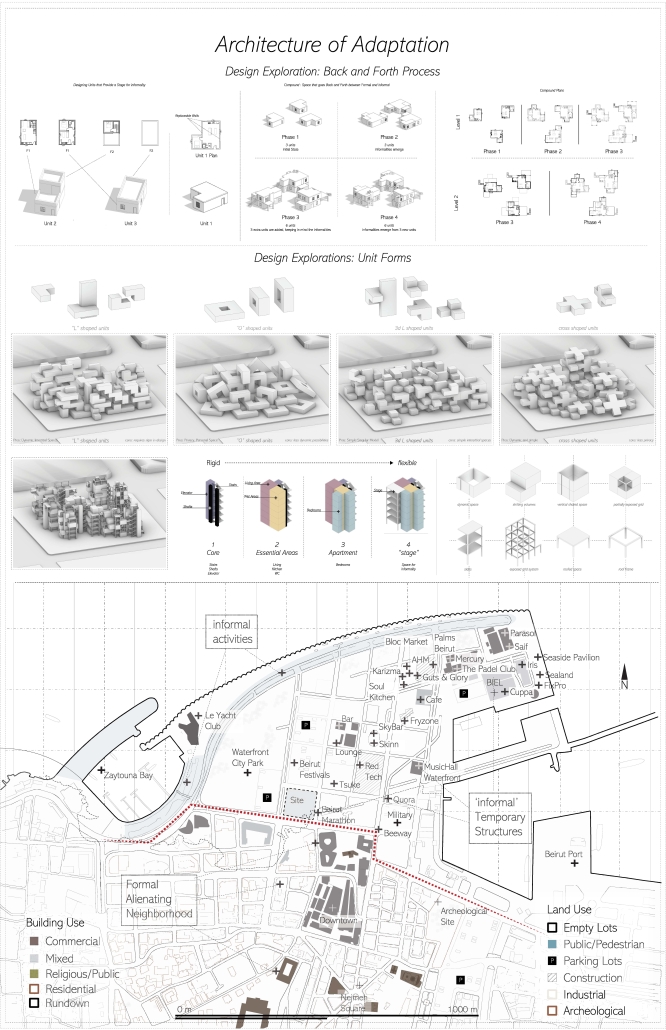
the informal Formal: a third way out by Yamen al Mohtar, B.Arch ’25
American University of Beirut | Advisor: Makram Al Kadi

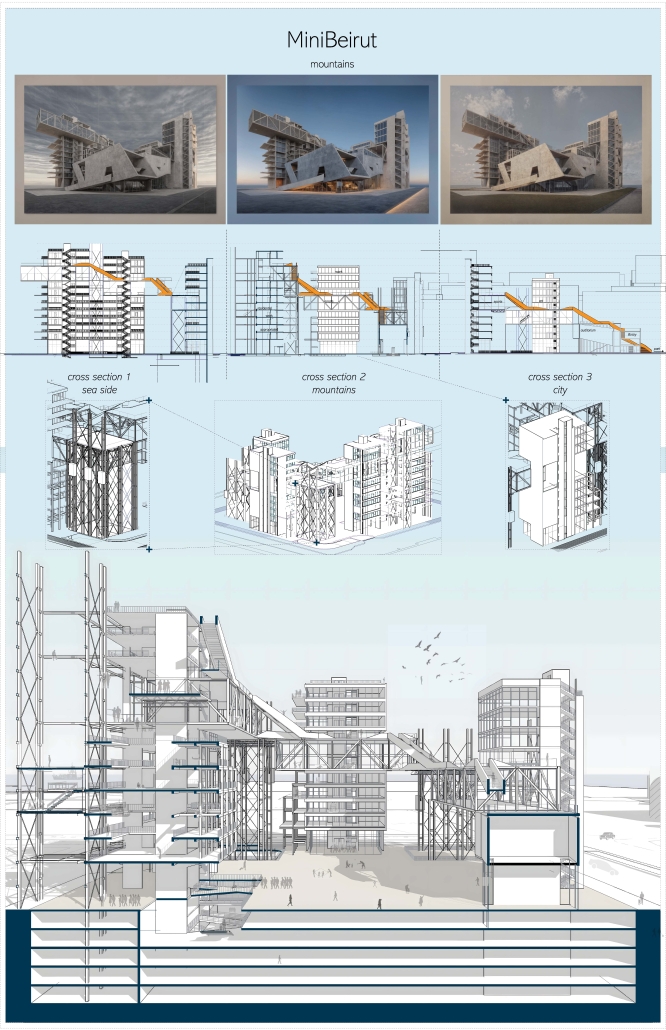
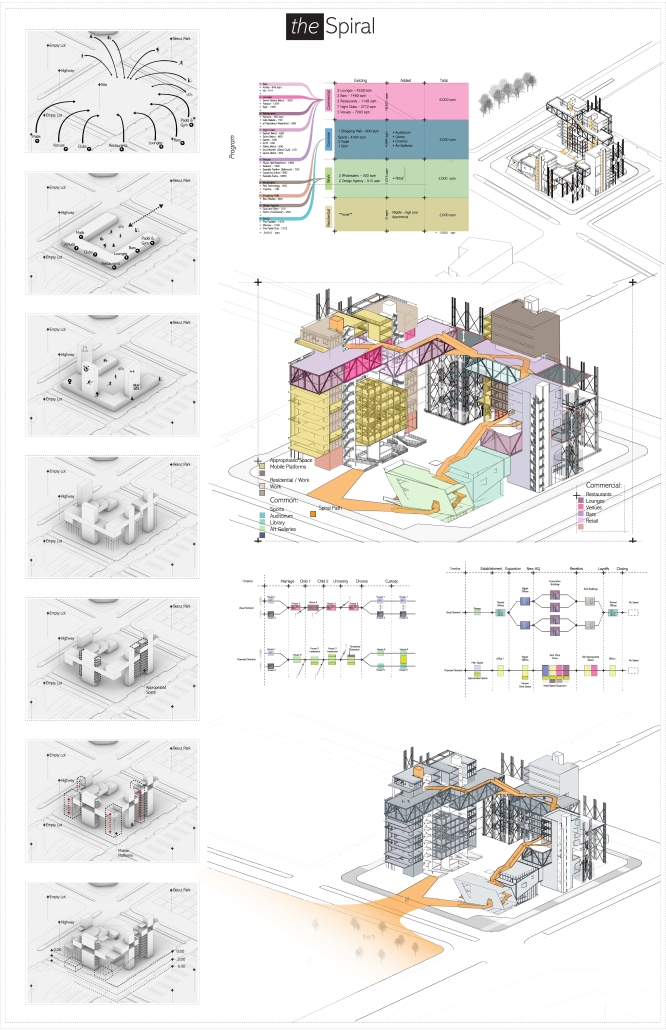
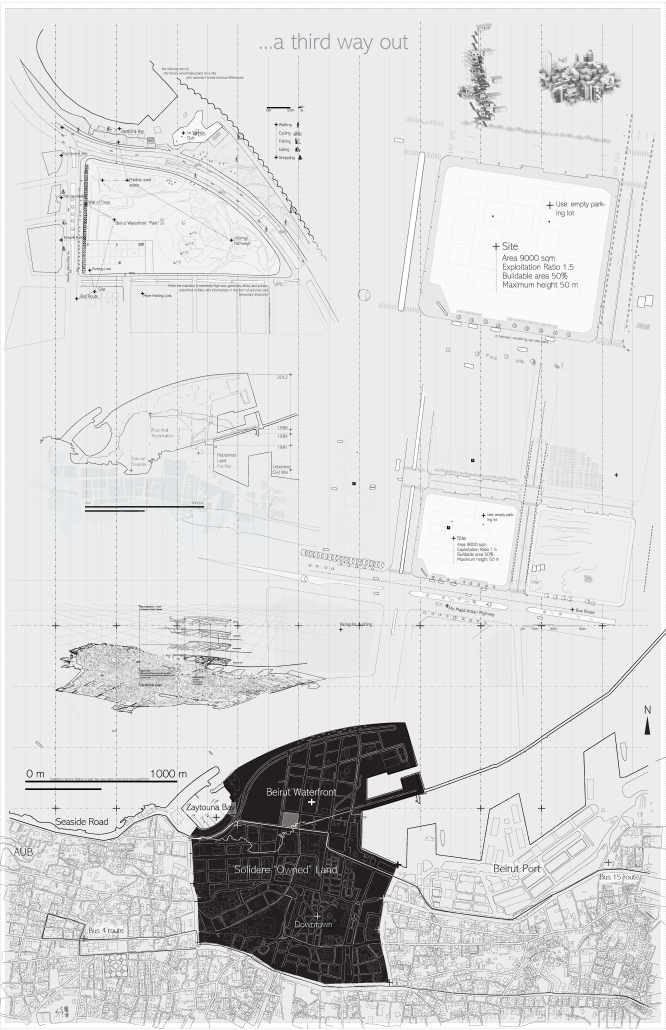
In today’s world, where architecture is designed down to every small detail, spontaneity has been cast aside in favor of control. However, while being true in certain cities, this reality is in no way universal. That is because in most countries and cities, designed architecture is only a fraction of what is built. Most buildings are built without architects, without engineers or professionals, sometimes even without builders. This language of architecture is embodied in various informalities, ranging from informal neighborhoods and slums to temporary structures and “spontaneous” buildings built out of necessity.

This thesis exploration delves into questions regarding this untapped space, asking questions like: What if informality emerges not as a product of circumstance, but as a personalized method of design? What if different classes of society can be brought together through the incorporation of the informal into formal design? How can we use informality as a design method that could be applied universally, providing unique spatial qualities that would otherwise be exclusive to a few? What if there’s a new design process? One which is neither formal nor informal, but one which has the virtues of both and the downsides of none?

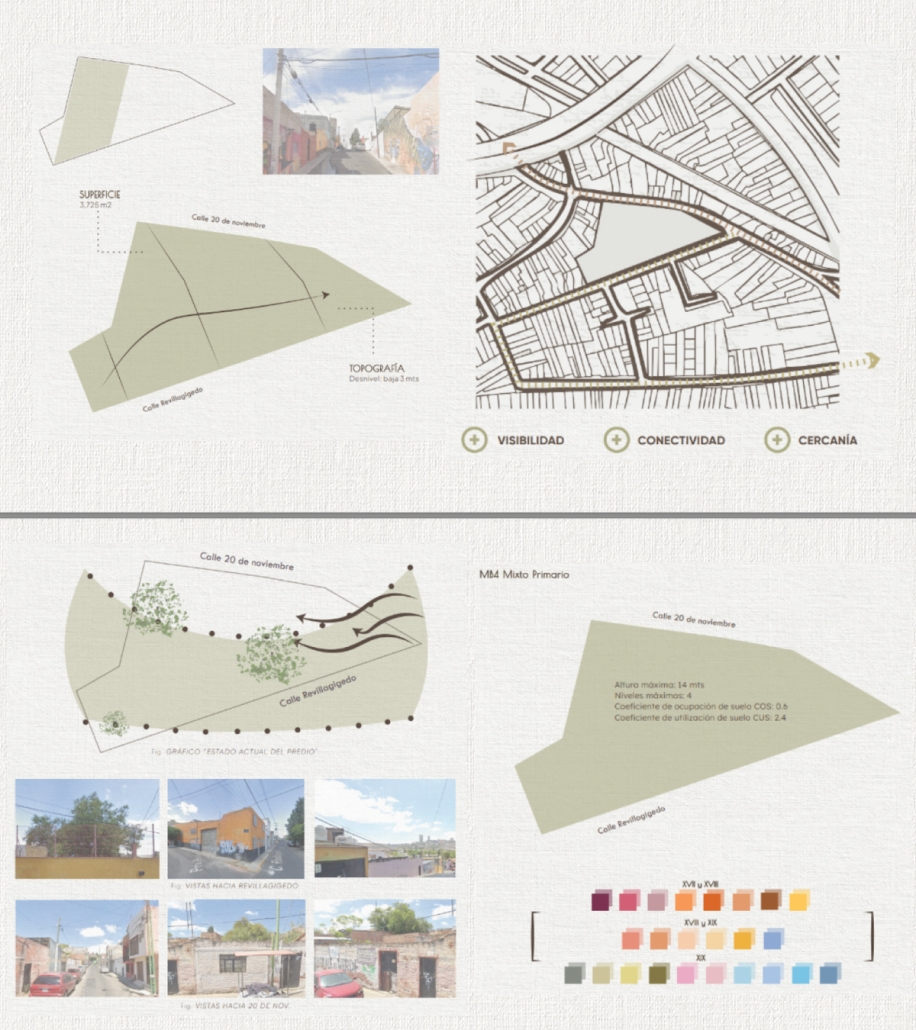
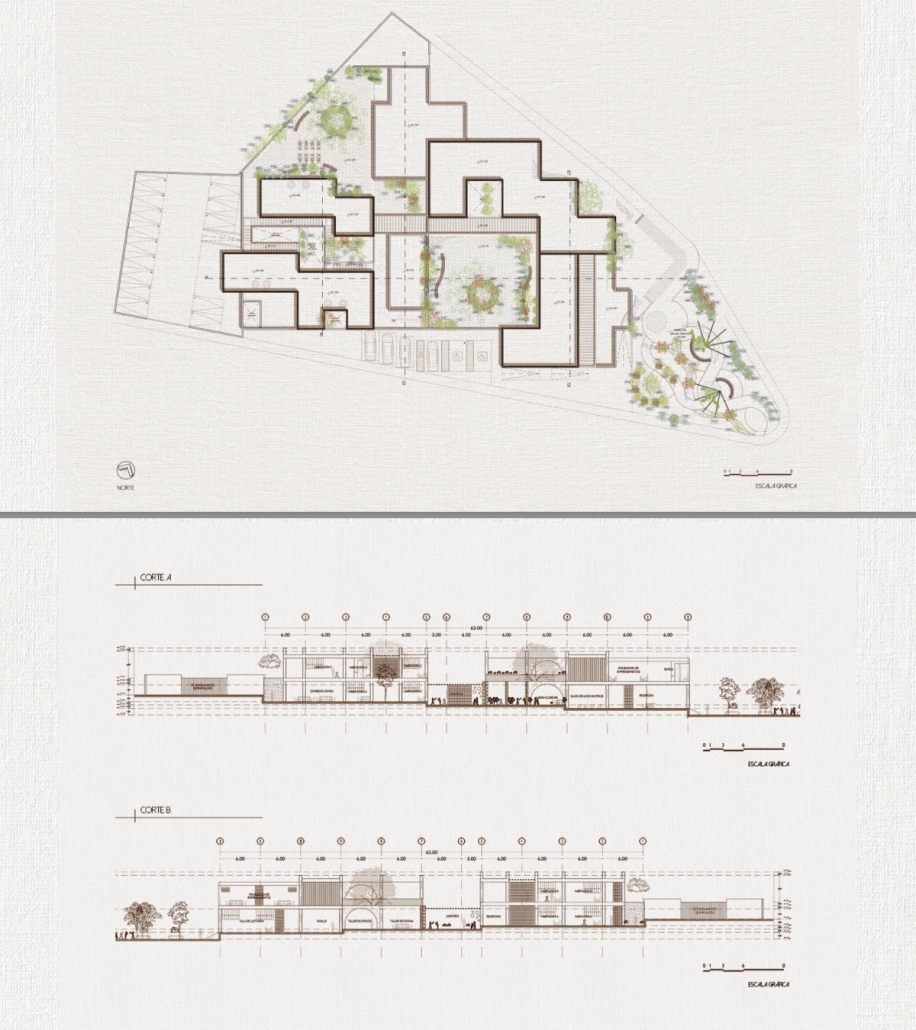
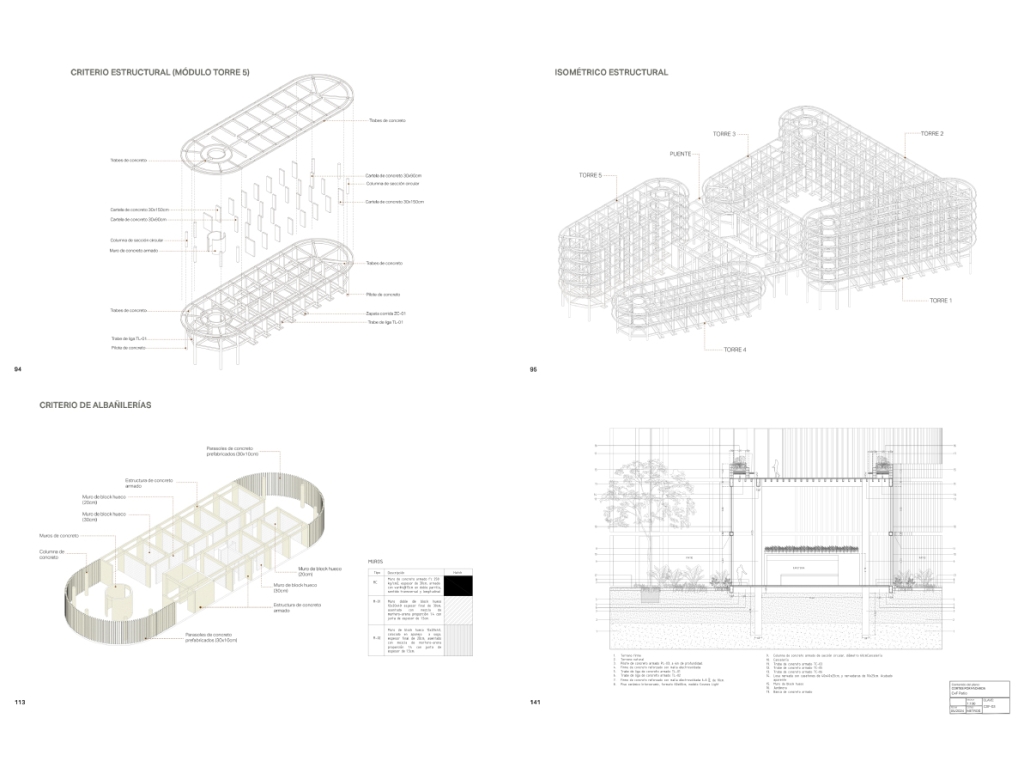
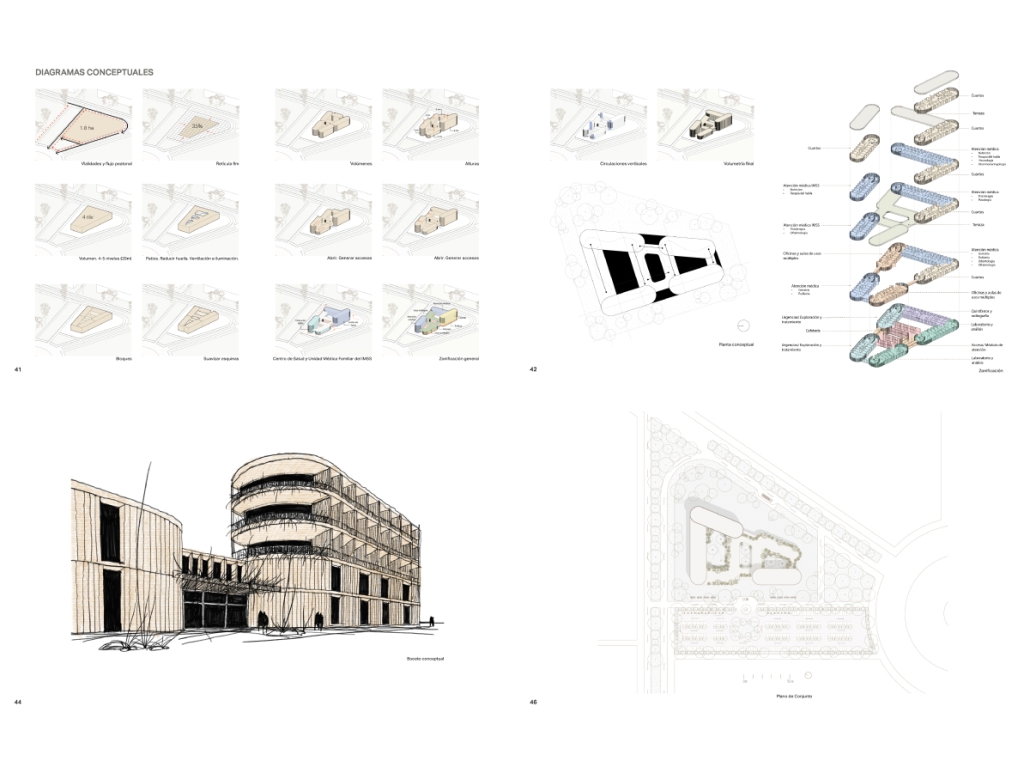
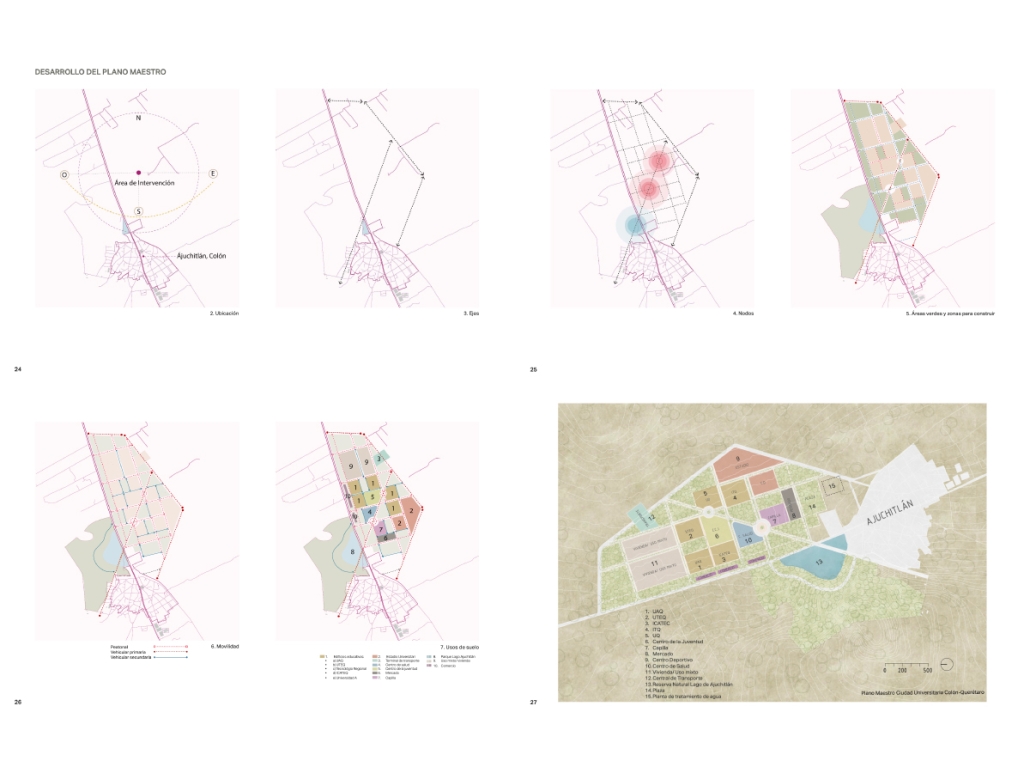
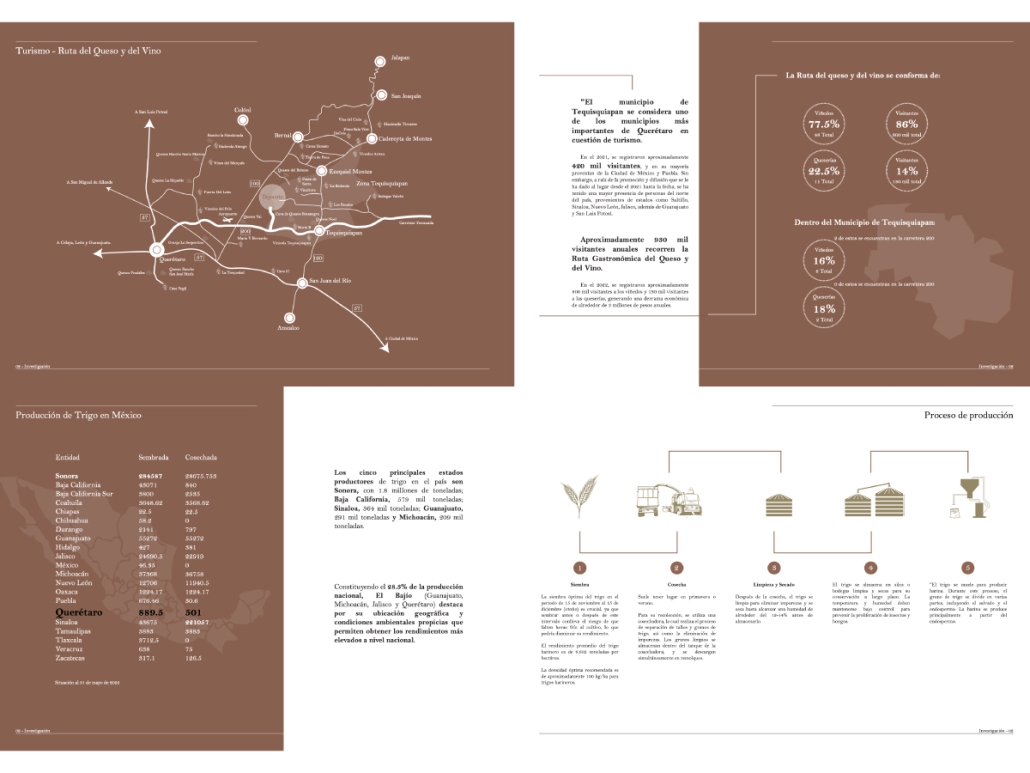
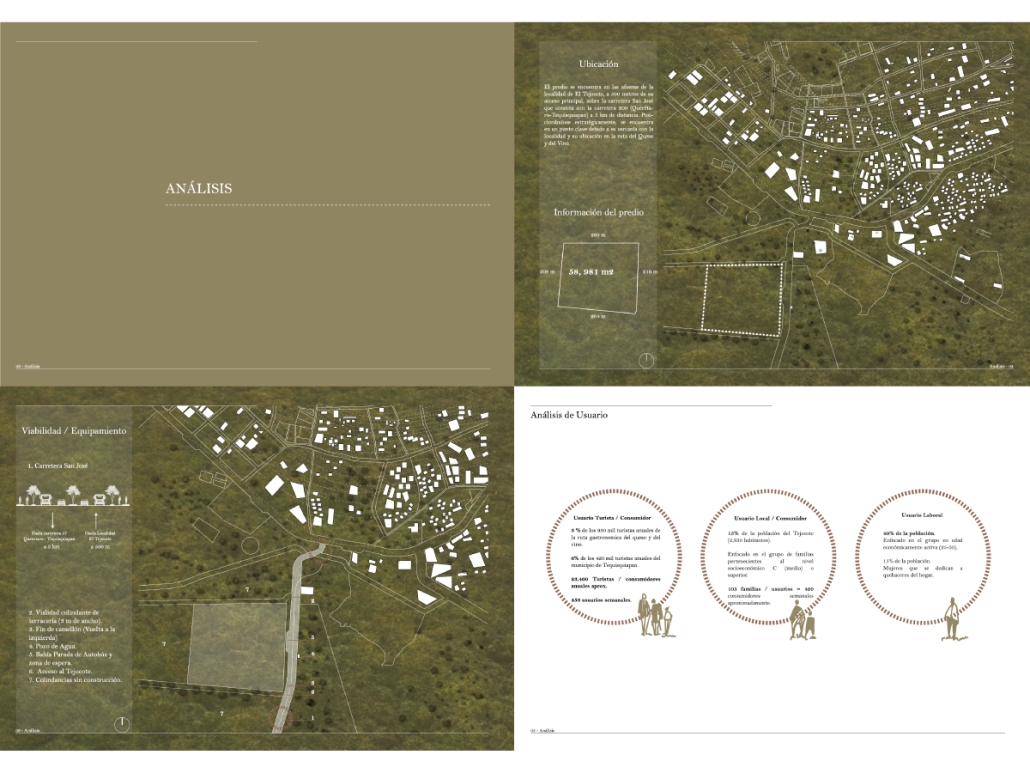
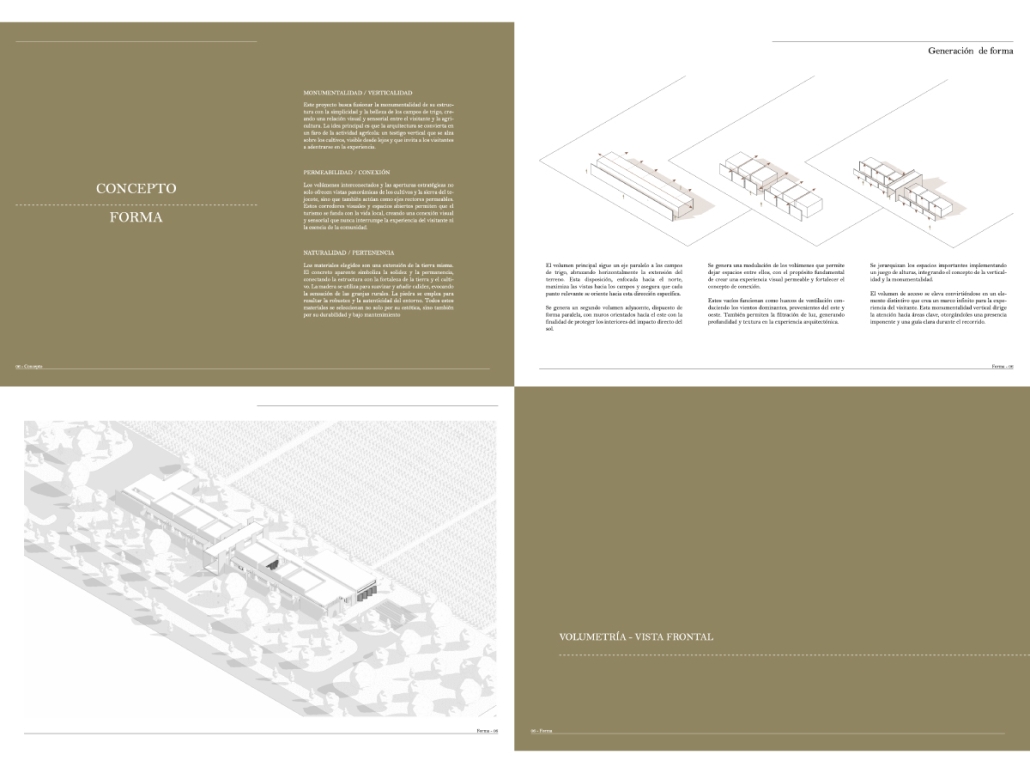
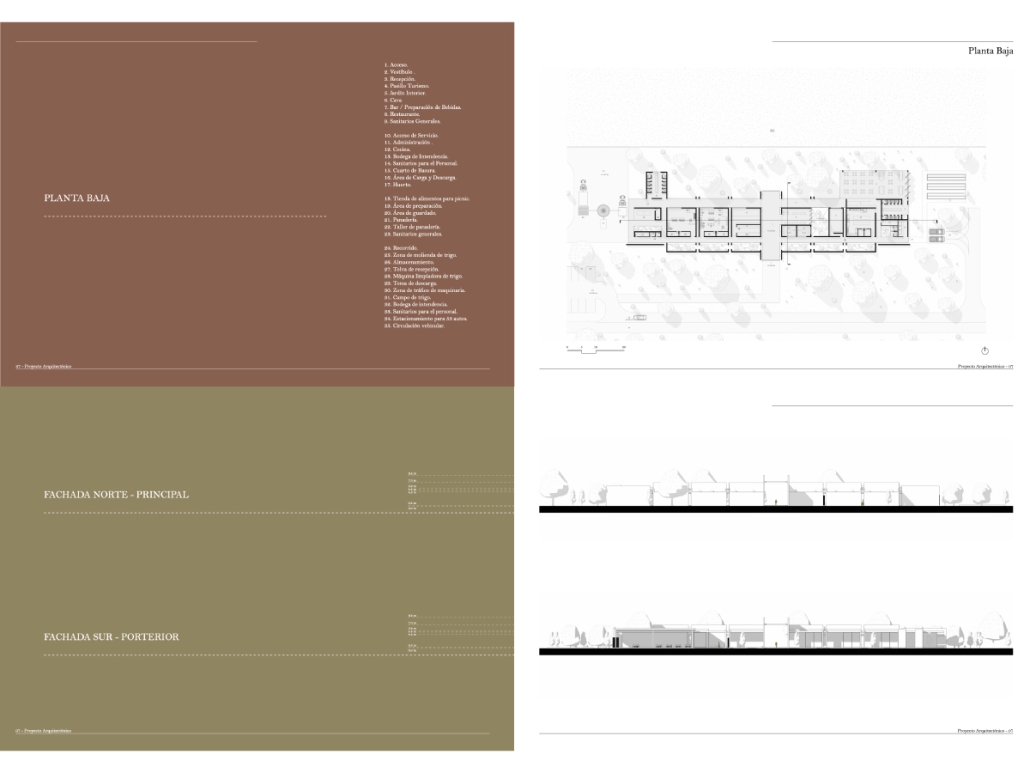
The Corridor, Neighborhood Center by Alejandro Rodríguez Torres, B.Arch ’25
Universidad Anáhuac Querétaro | Advisors: Guillermo Márquez, Patricia Cutiño & Jorge Javier

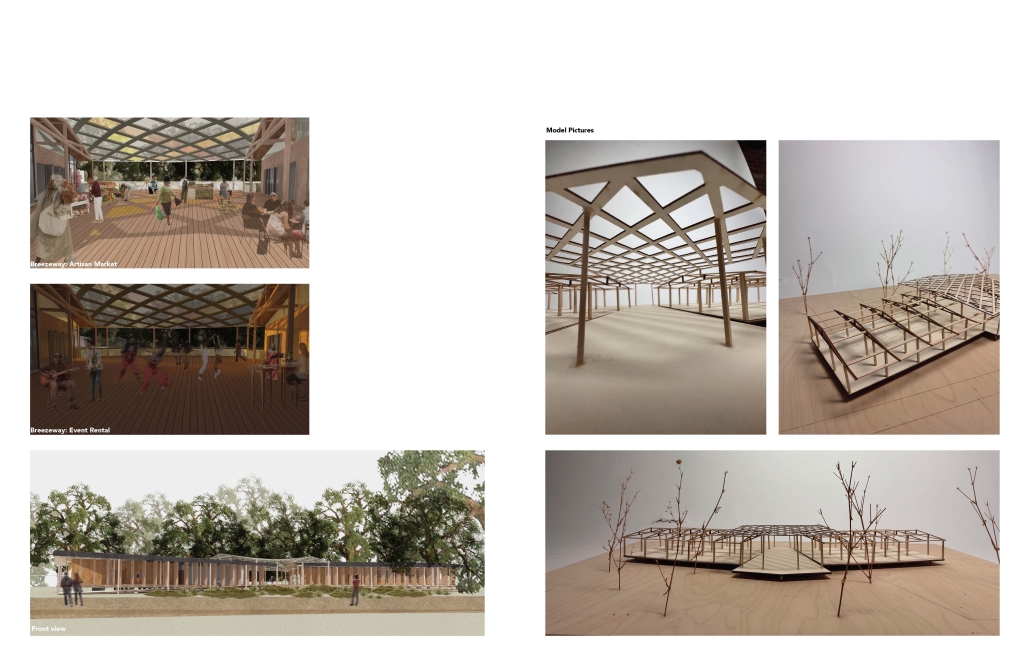
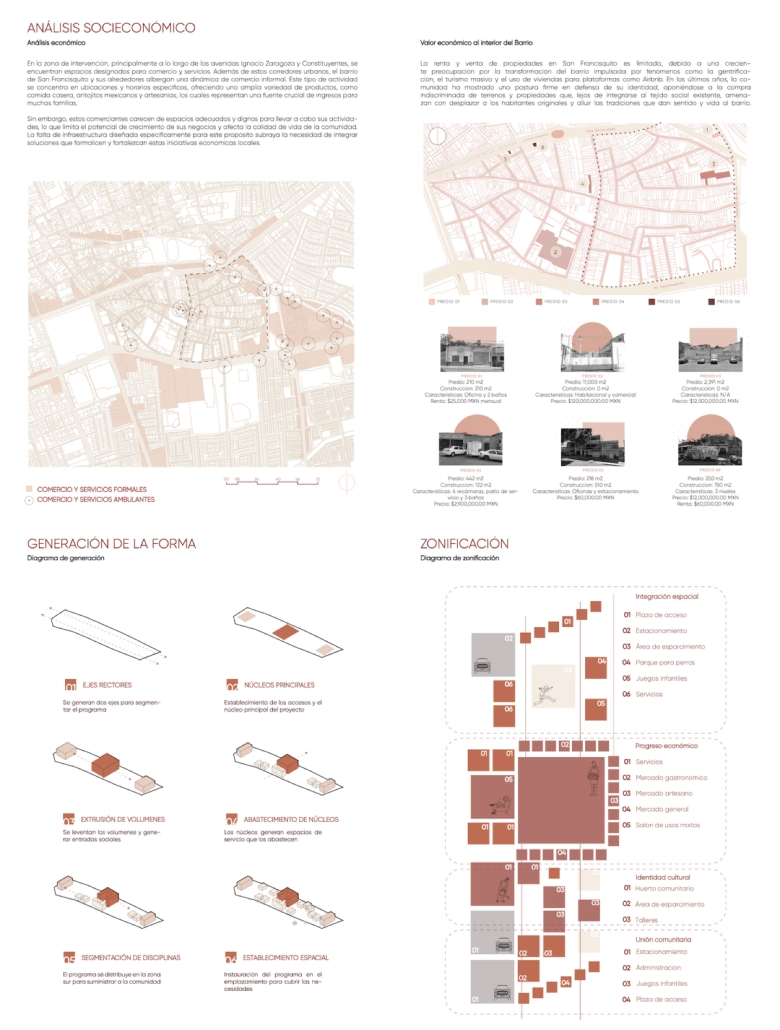
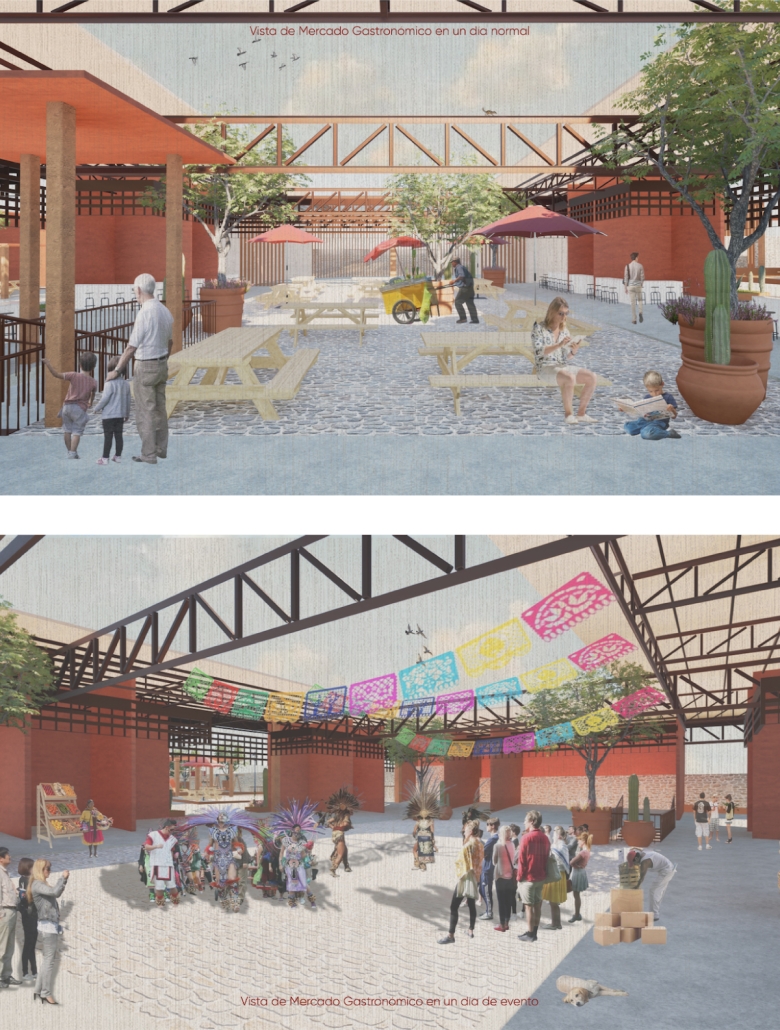
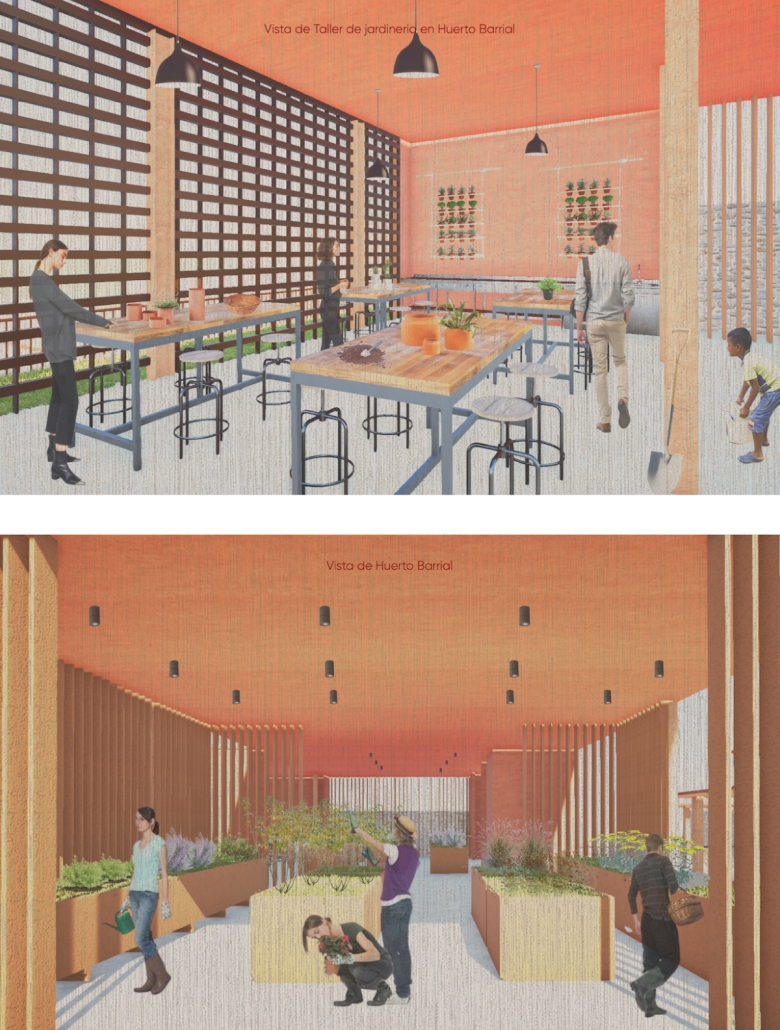
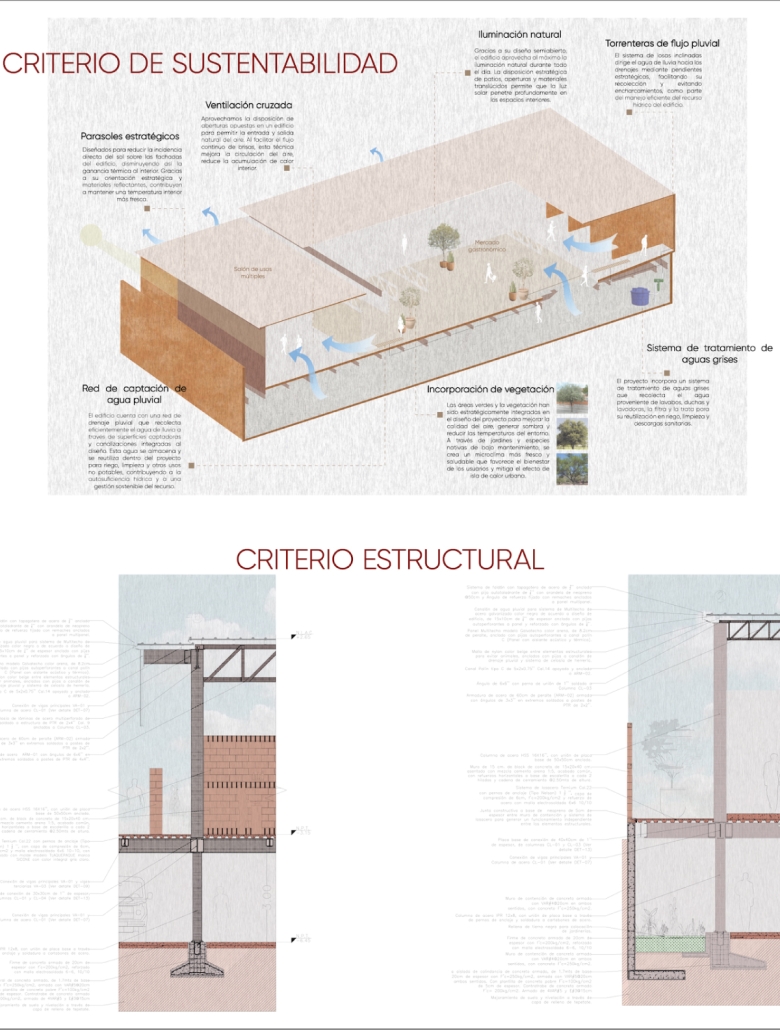
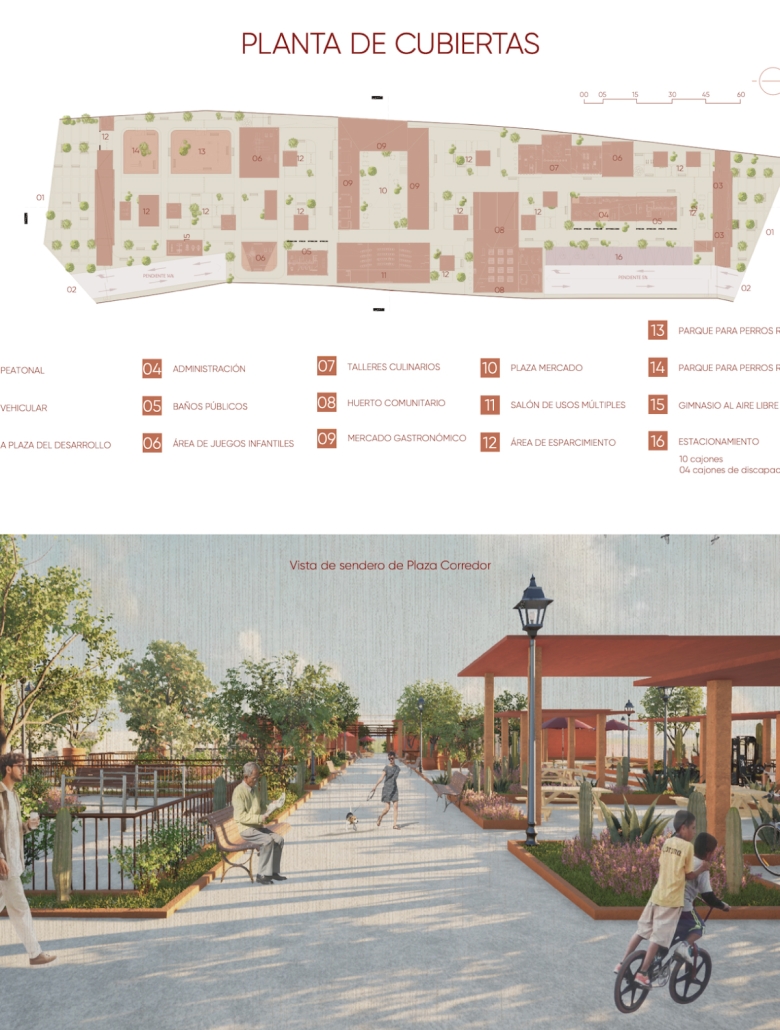
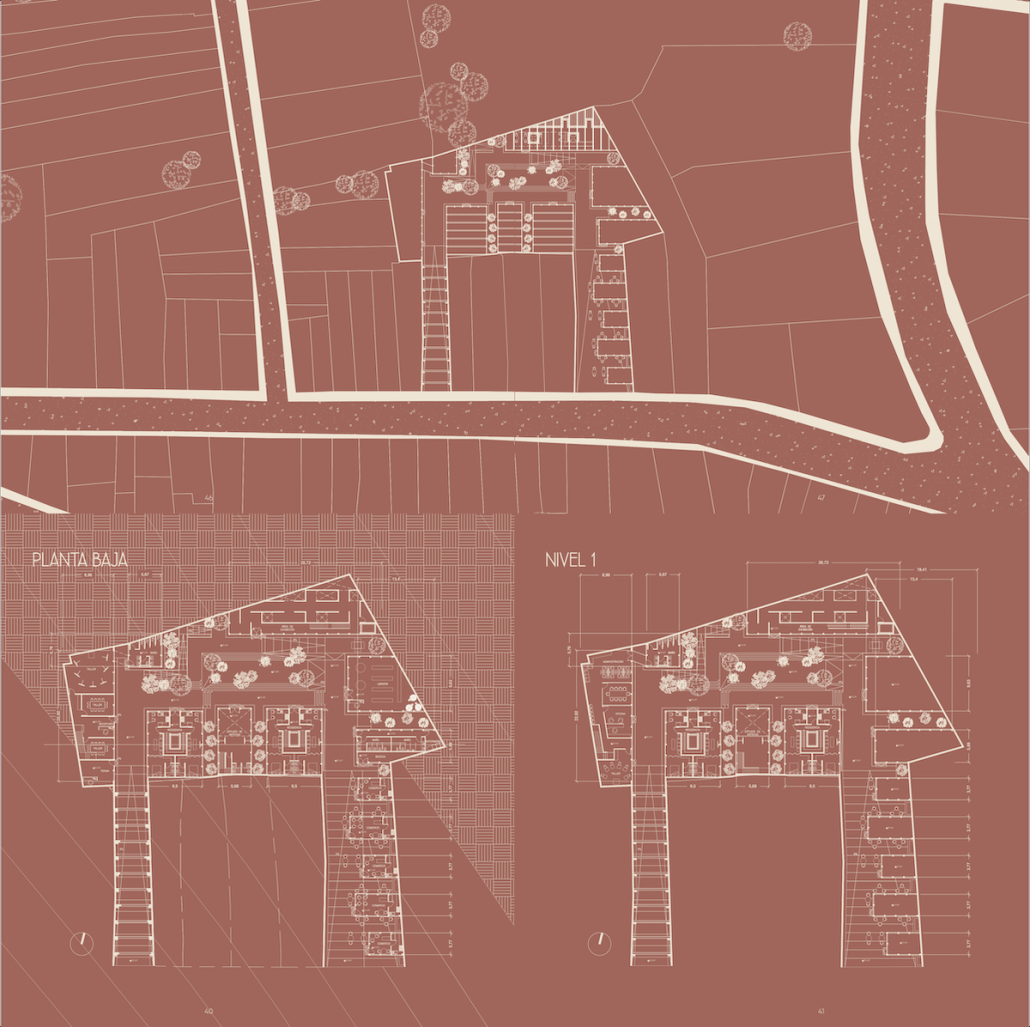
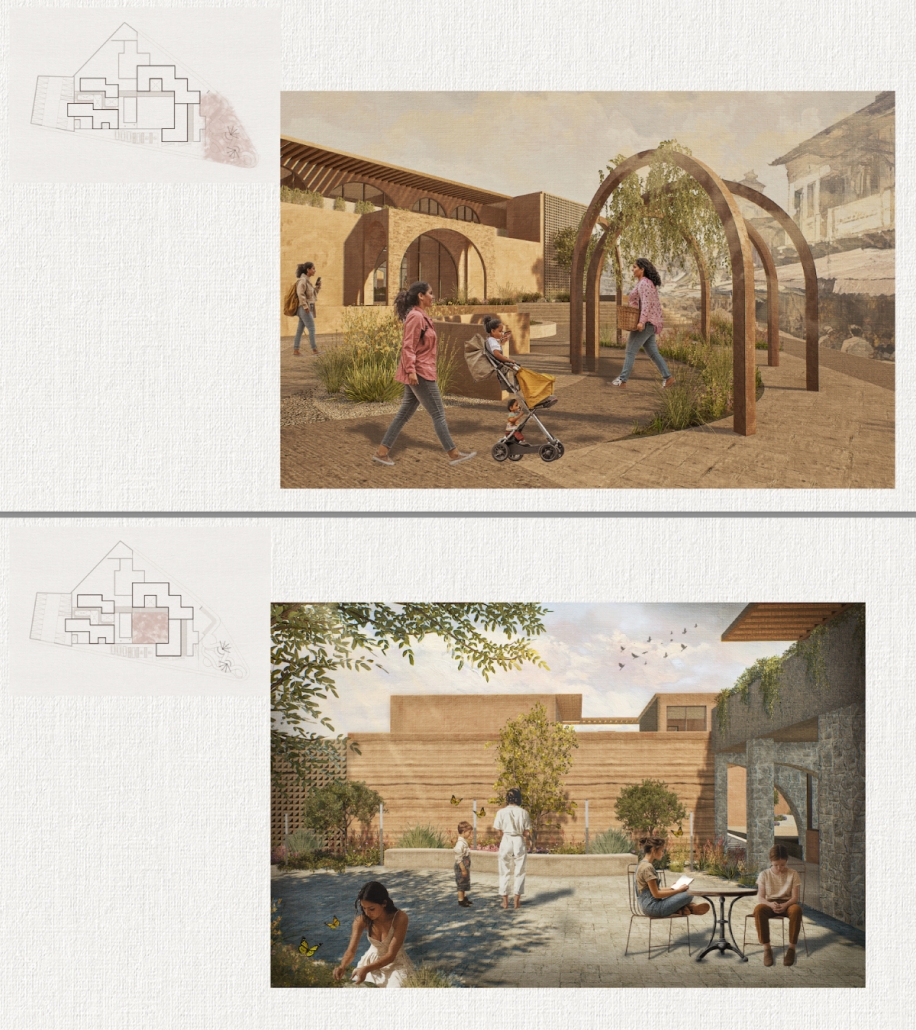
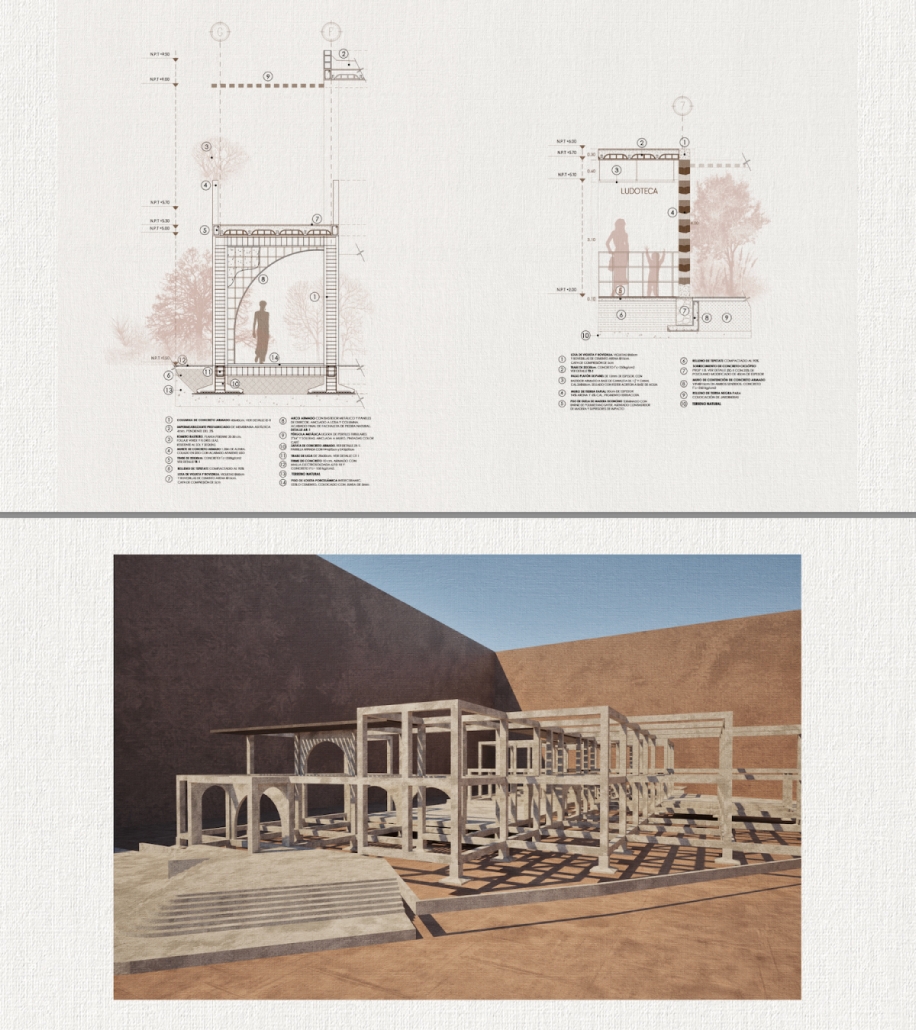
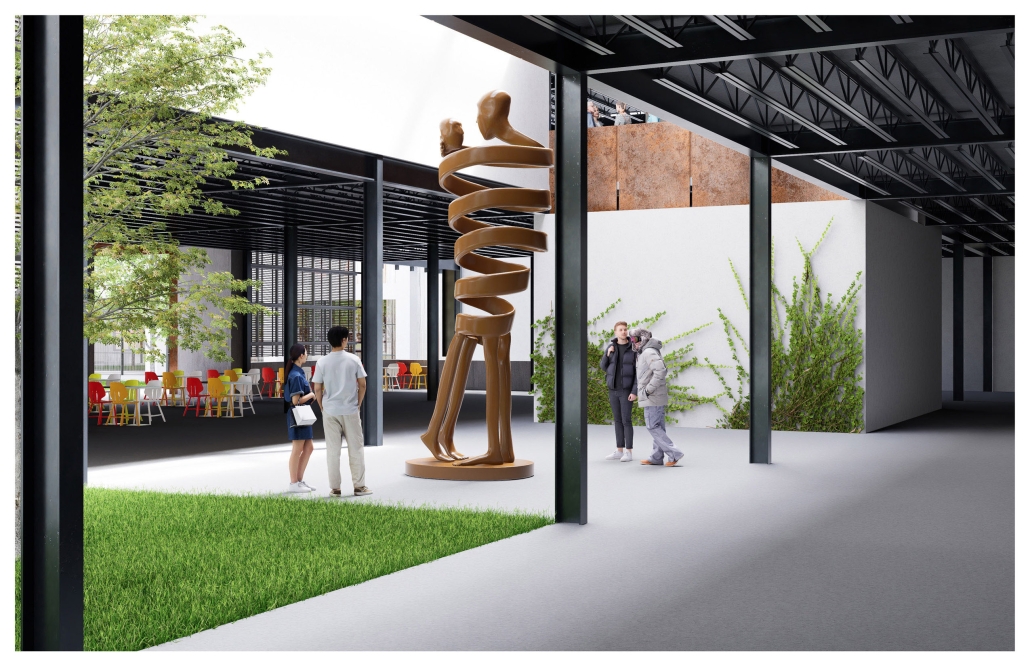
The goal of the project is to meet the need for a dignified central space that honors the history and cultural legacy of the San Francisquito neighborhood. It seeks to strengthen community unity through a specialized program that will position the project as a local and regional landmark. This space will integrate areas dedicated to recreation, culture, gastronomy and coexistence, key aspects to revitalize and strengthen the social fabric of the community.

Located in front of the Divina Pastora parish church, ‘El Corredor’ will become the main square of the neighborhood, housing a food market, culinary workshops and a multi-purpose esplanade. This space will host sporting, cultural, religious and recreational events, consolidating, together with the parish church, as the main cultural and social centre of the San Francisquito neighborhood.

The architectural approach focuses on creating a vibrant and cohesive neighborhood centre that not only revitalizes a neglected environment, but also becomes the beating heart of the community. Designed to bring residents together, our space promotes coexistence and collaboration, while driving local economic development and celebrating the rich cultural diversity of the neighborhood. By integrating recreational, commercial and cultural zones, we have conceived a place where every corner invites interaction, learning and creativity. This project will not only transform the urban landscape but also strengthen community ties, providing an environment where everyone feels included and valued.

Instagram: @atorres025, @arquitectura_anahuac

The Urban Ecology Center by Sydney Tucker, M.Arch ’25
Kansas State University | Advisor: Chad Schwartz

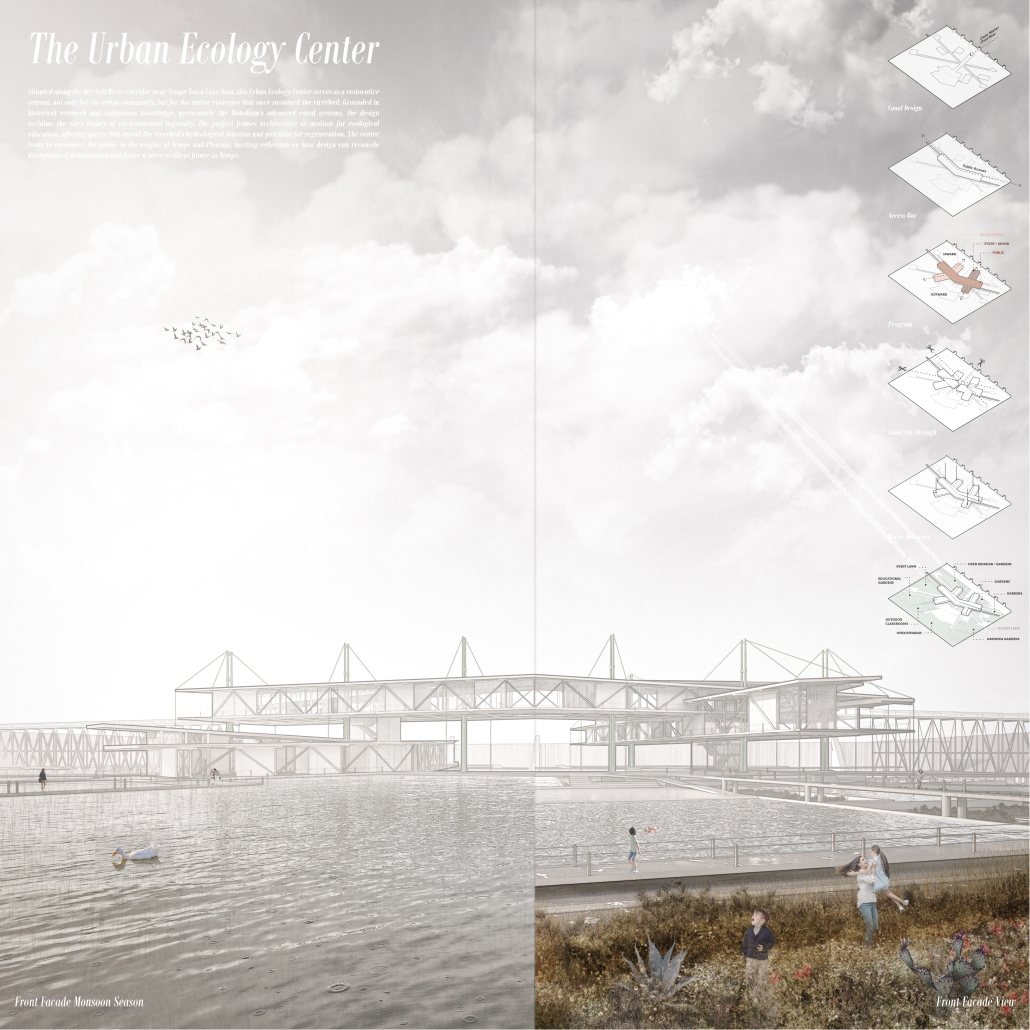
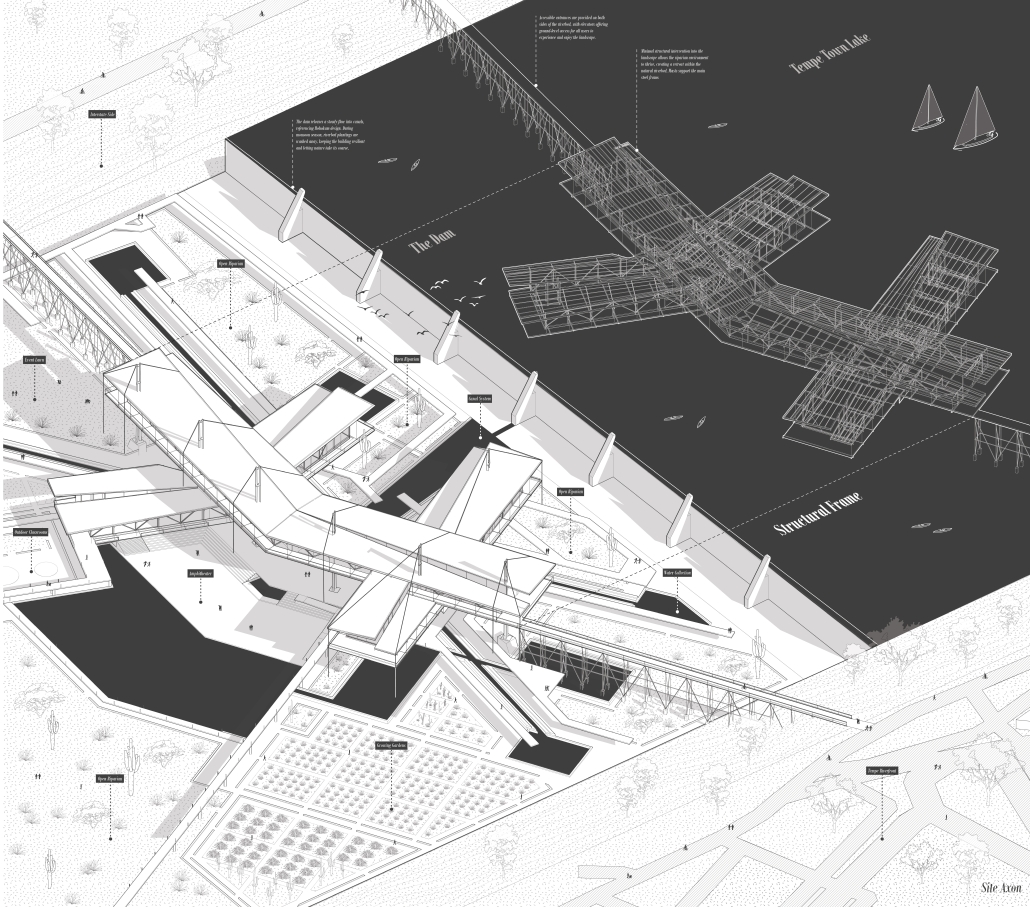
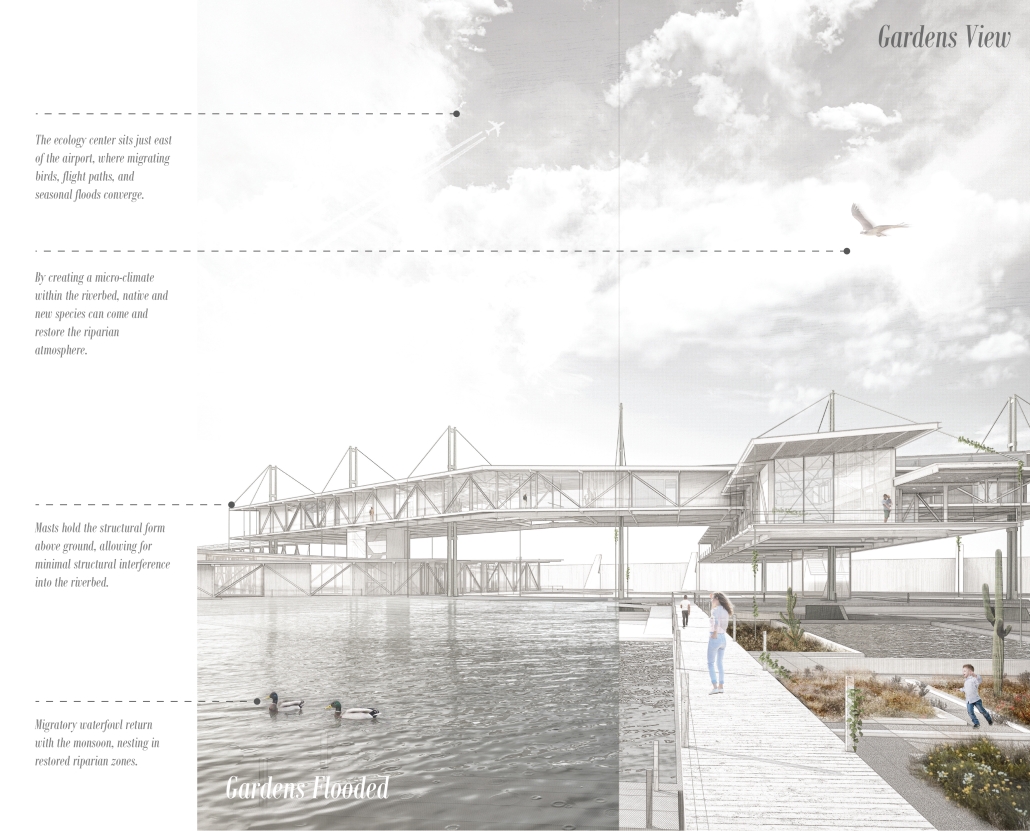
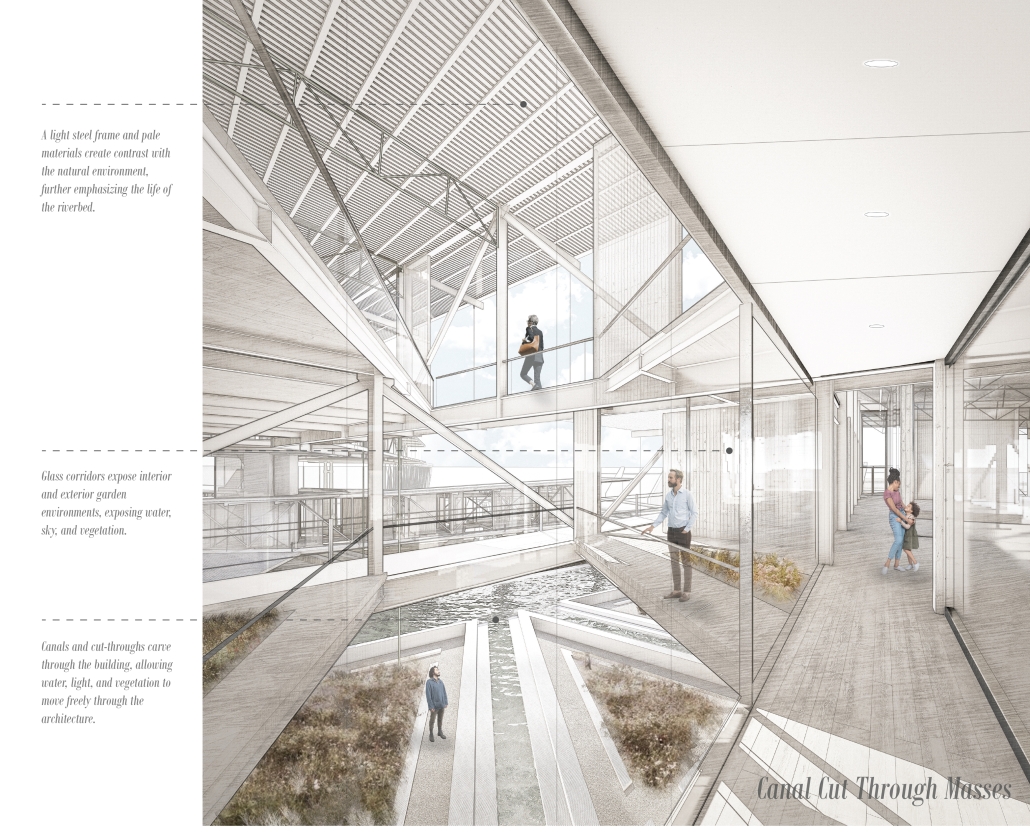
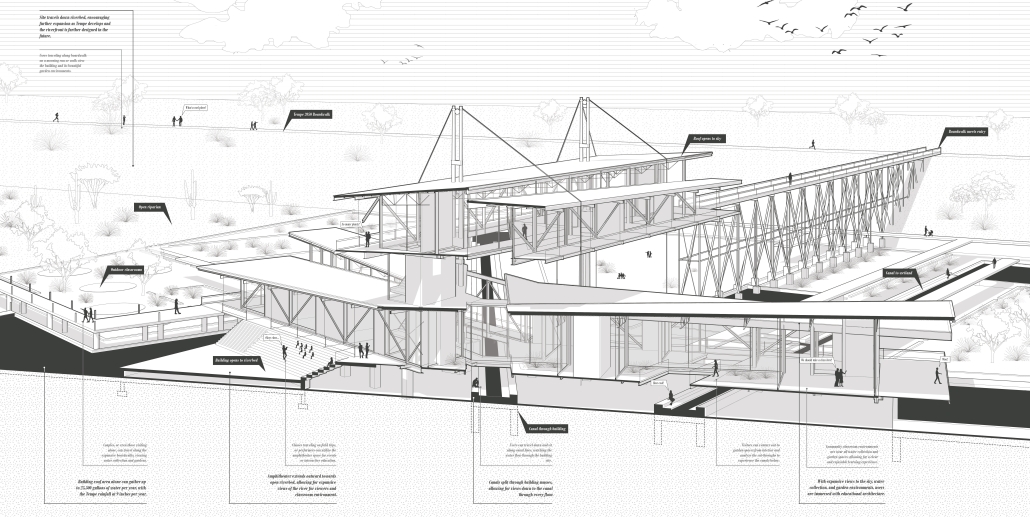
Situated along the dry Salt River corridor near Tempe Town Lake Dam, this Urban Ecology Center serves as a restorative retreat, not only for the urban community, but for the native ecologies that once sustained the riverbed. Grounded in historical research and indigenous knowledge, particularly the Hohokam’s advanced canal systems, the design reclaims the site’s legacy of environmental ingenuity. The project frames architecture as a medium for ecological education, offering spaces that reveal the riverbed’s hydrological function and potential for regeneration. The center looks to reconnect the public to the origins of Tempe and Phoenix, inviting reflection on how design can reconcile disruptions of urbanization and foster a more resilient future in Tempe.

Instagram: @sydneytucker1, @cjs_arch

Eco-corridor by Tinarith Tann, B.Arch ’25
New York Institute of Technology | Advisor: Jeannette Sordi

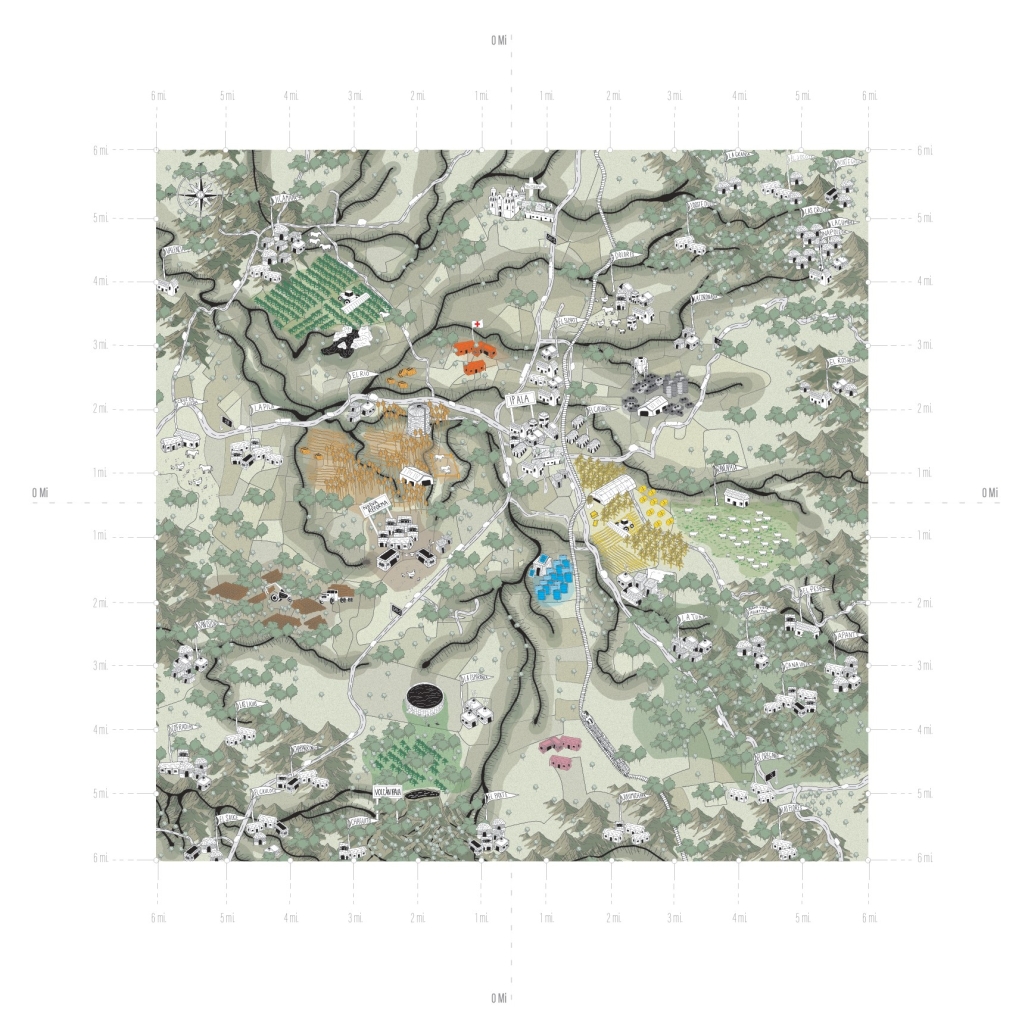
Far Rockaway, located at the eastern end of the Rockaway Peninsula in Queens, New York, is a coastal community uniquely situated between two bodies of water: Jamaica Bay to the north and the Atlantic Ocean to the south. Despite offering natural beauty, its geographical setting is vulnerable to flooding, especially during extreme weather conditions such as hurricanes, nor’easters, and intense coastal storms.

This thesis project designs eco-corridors—living pathways that transform unused urban spaces into a continuous green network stretching from downtown Far Rockaway to the water. These connections will revive neglected areas while addressing multiple challenges at once: managing stormwater and providing people with beautiful, functional natural and indoor spaces.

Click here to learn more.

This project was featured in the NYC Design Week, NYIT Exhibition.

Instagram:  @narith___, @jeannettesordi

BARN REIMAGINED: Adaptive Reuse as Environmental Stewardship by Kevin Johnson & Leanne Vera, M.Arch ’25
University of Notre Dame | Advisor: Ming Hu

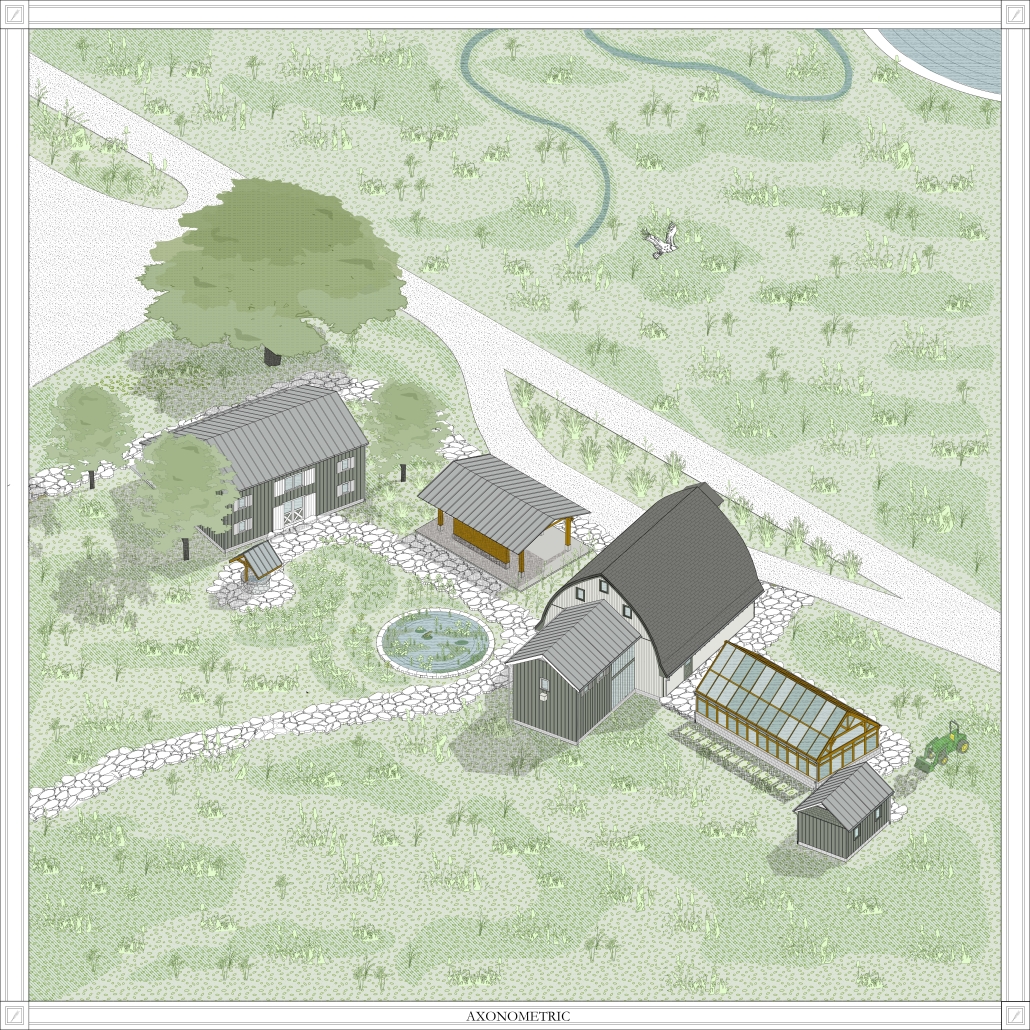
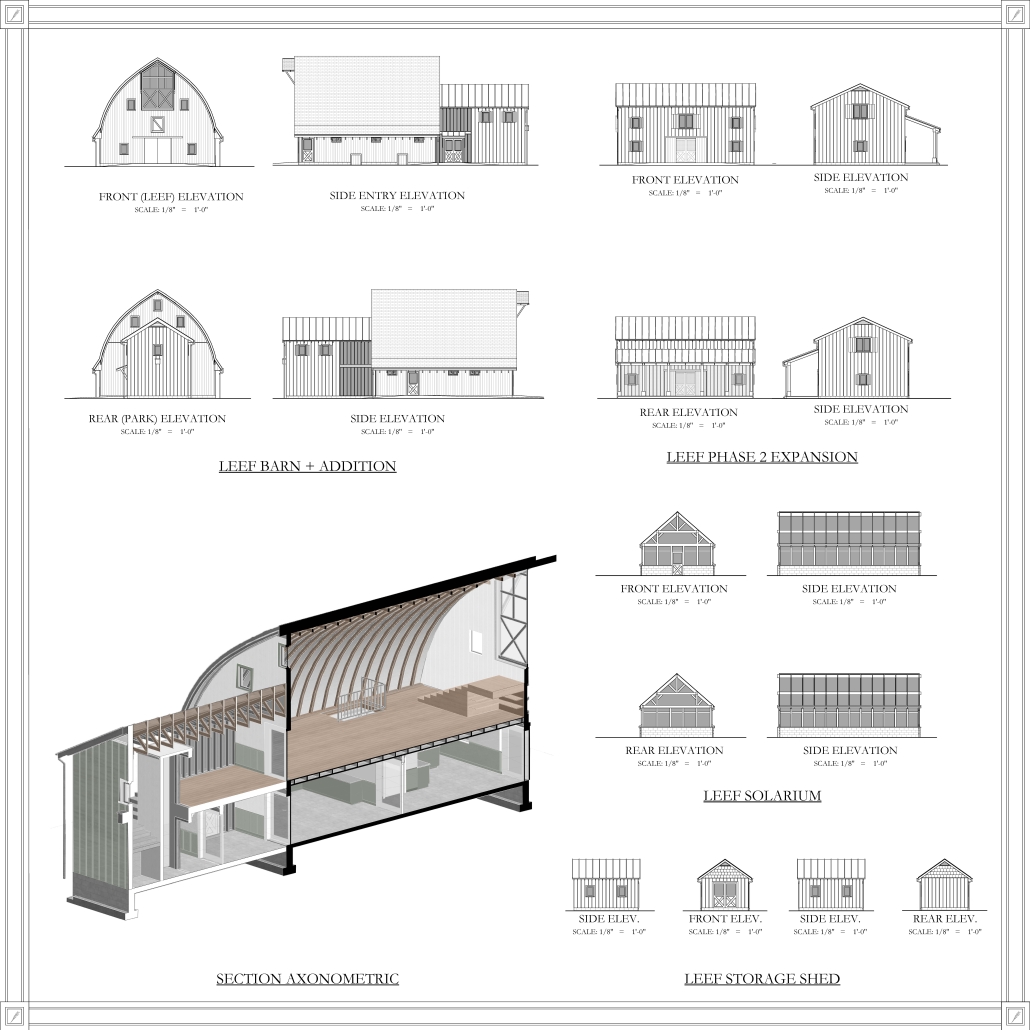
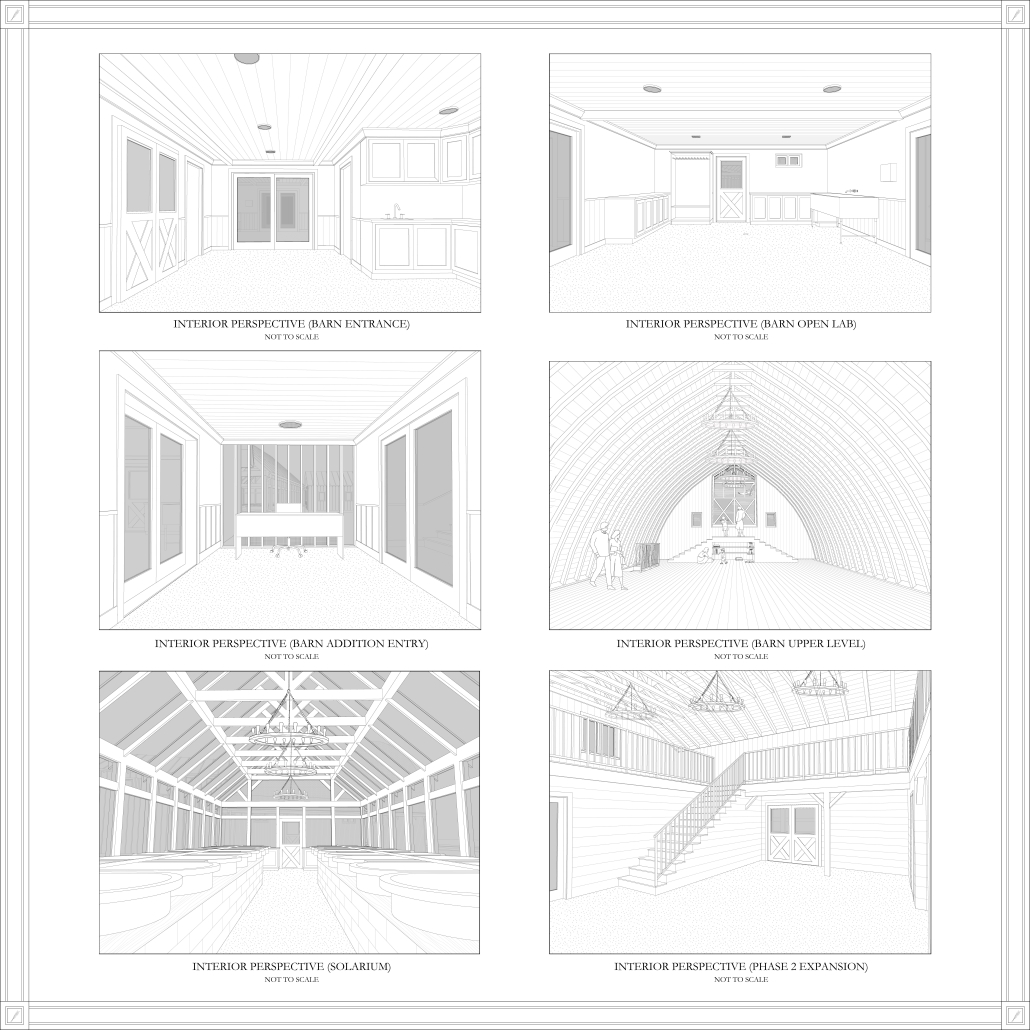
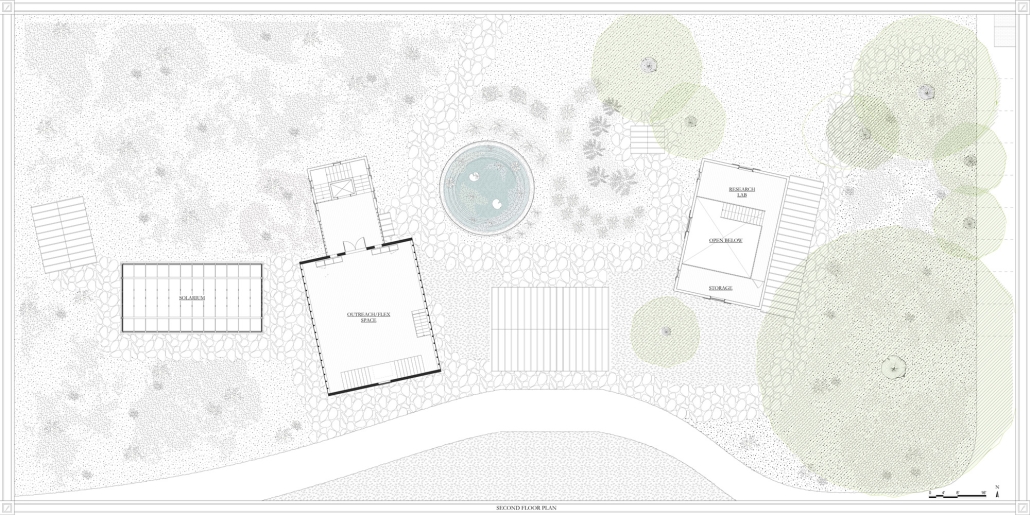
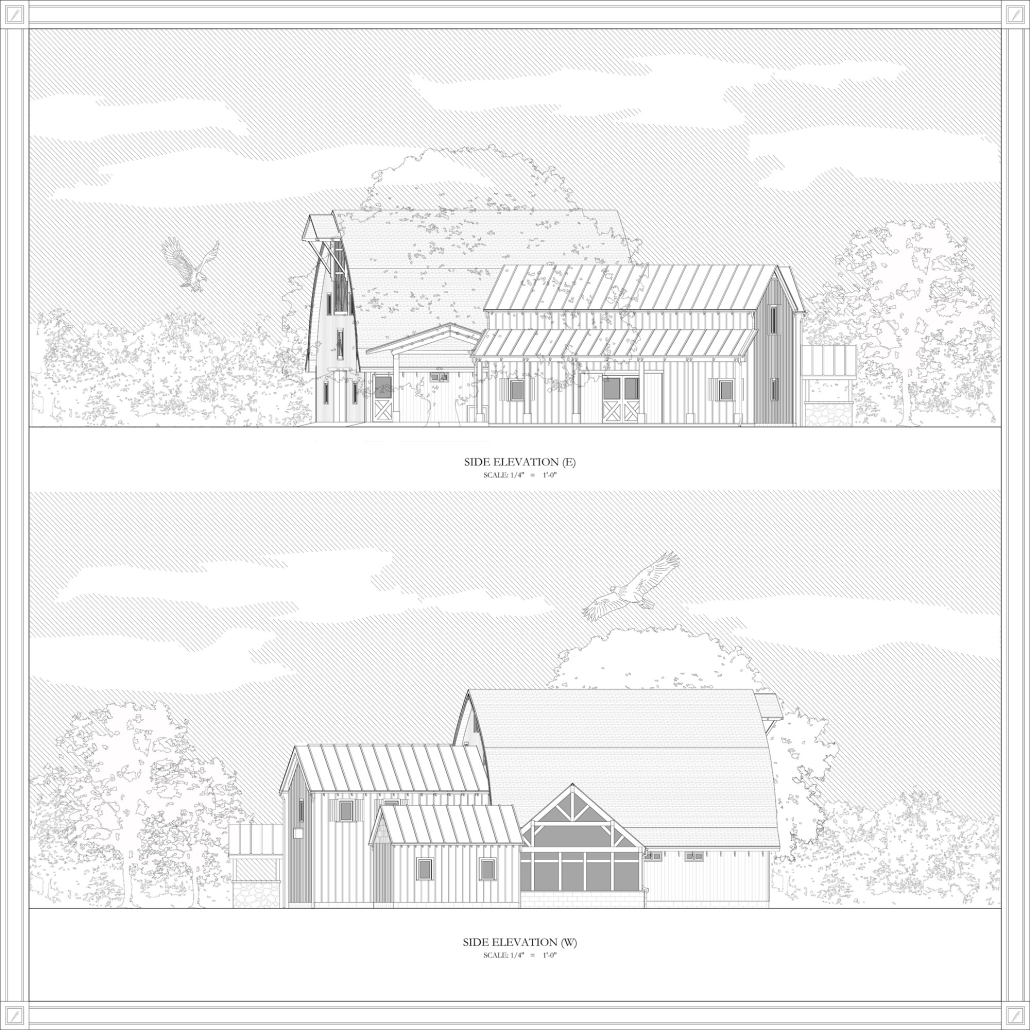
This design aims to propose a barn complex that addresses LEEF’s mission of “Science Serving Society”, creating a functional complex that meets the need for public and private uses, enhances user views towards the Eagle’s Nest, and responds sensitively to the climatic conditions of the site while integrating into the landscape with minimal interventions to appear as if it were always there. At the core of the project, we sought to integrate sustainable design strategies as a link between LEEF’s mission and the architect’s duty to the environment.

We decided to orient the barn’s front facade, which contains the large triangular window, directly towards the existing Eagle’s Nest, which is a mainstay of the existing LEEF site. This orients the building roughly SE and maximizes the barn’s solar capabilities. The Solarium takes the orientation of the existing pavilion in order to maximize solar gain.

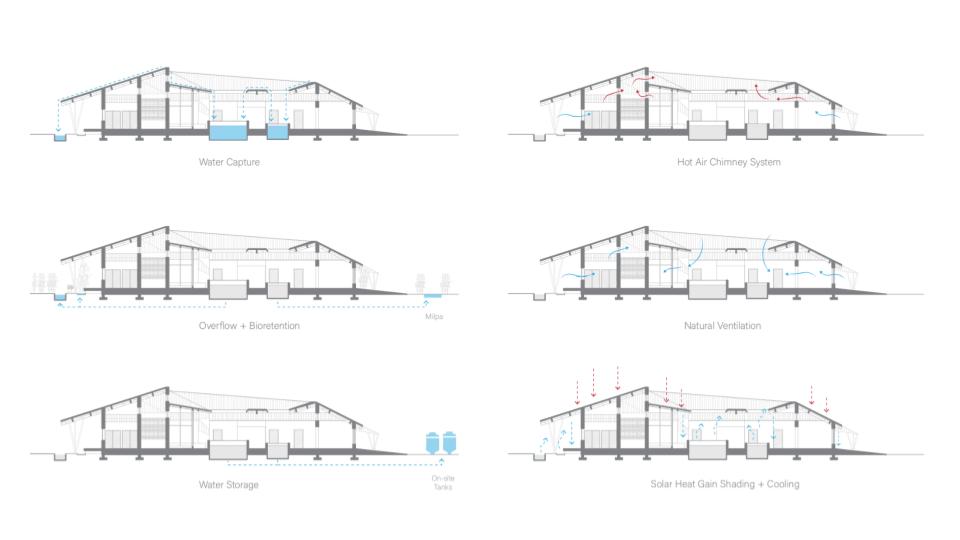
By keeping the building footprints small and separating the massings, we were able to reduce excessive heating, cooling and energy expenses. We also emphasized the importance of the natural prairie habitat as the predominant landscape and tried to minimize additional landscaping. Additionally, we propose utilizing local materials and adding a rainwater collection system for reuse in the LEEF facilities.

Our project embodies a holistic approach to adaptive reuse by thoughtfully preserving the historic Gothic arch barn and integrating it within a sustainably designed complex that supports LEEF’s mission of “Science Serving Society.” By achieving net-zero energy usage, implementing rainwater harvesting, restoring prairie ecosystems, and utilizing locally sourced materials, our proposal not only preserves the historic barn but also sets a precedent for future environmentally conscious adaptive reuse projects. 

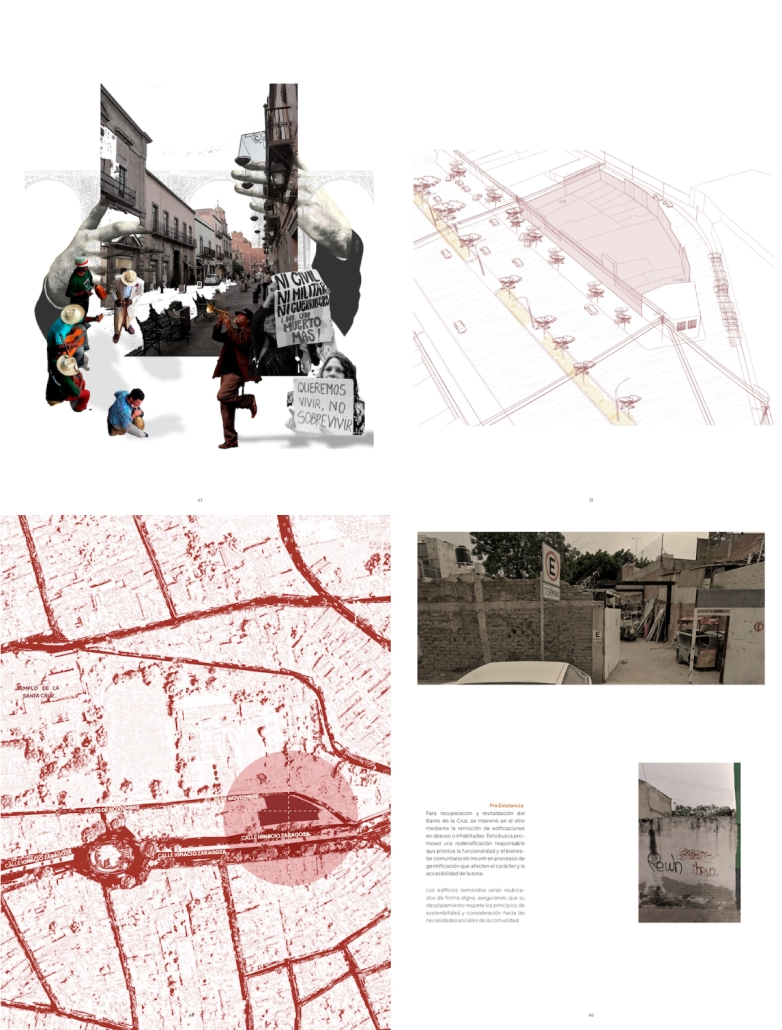
La Factoría del Pueblo, Artist’s temporary internship by Estefania Vizcaya, B.Arch ’25
Universidad Anáhuac Querétaro | Advisors: Guillermo Márquez, Patricia Cutiño & Jorge Javier

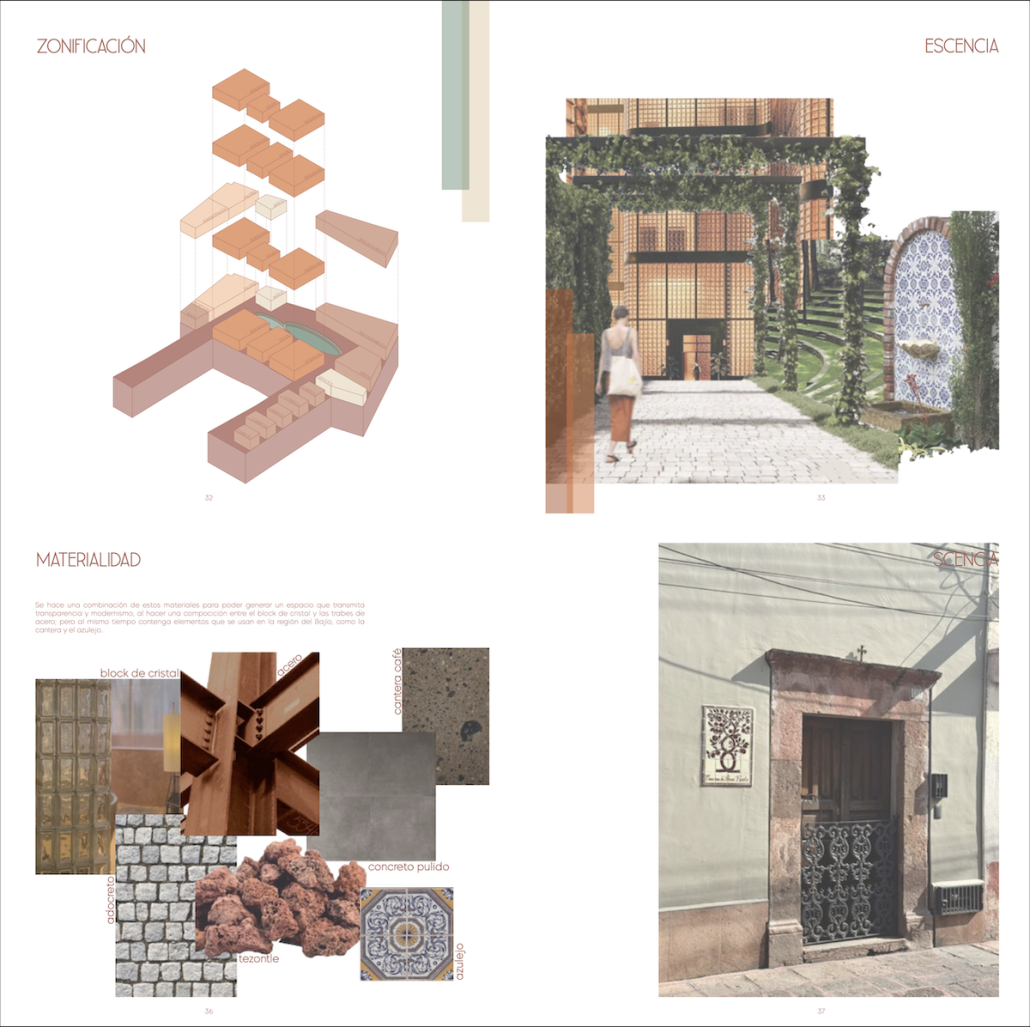
The project “La Factoría del Pueblo” is about La Santa Cruz, and [was] created to provide temporary housing for artists seeking support to grow in the creative sector of the visual arts (painting and sculpture), in addition to creating a community among people who are interested in this subject and want to learn and soak up this art.

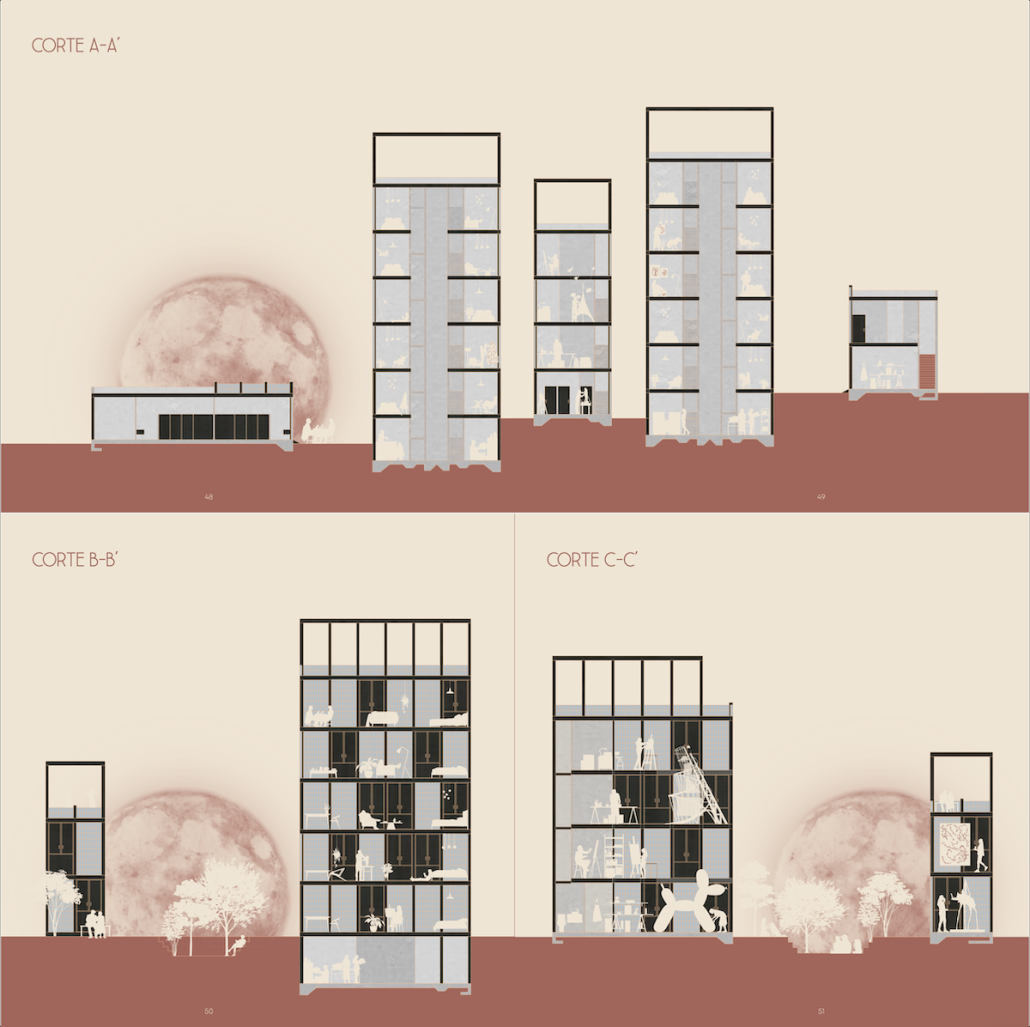
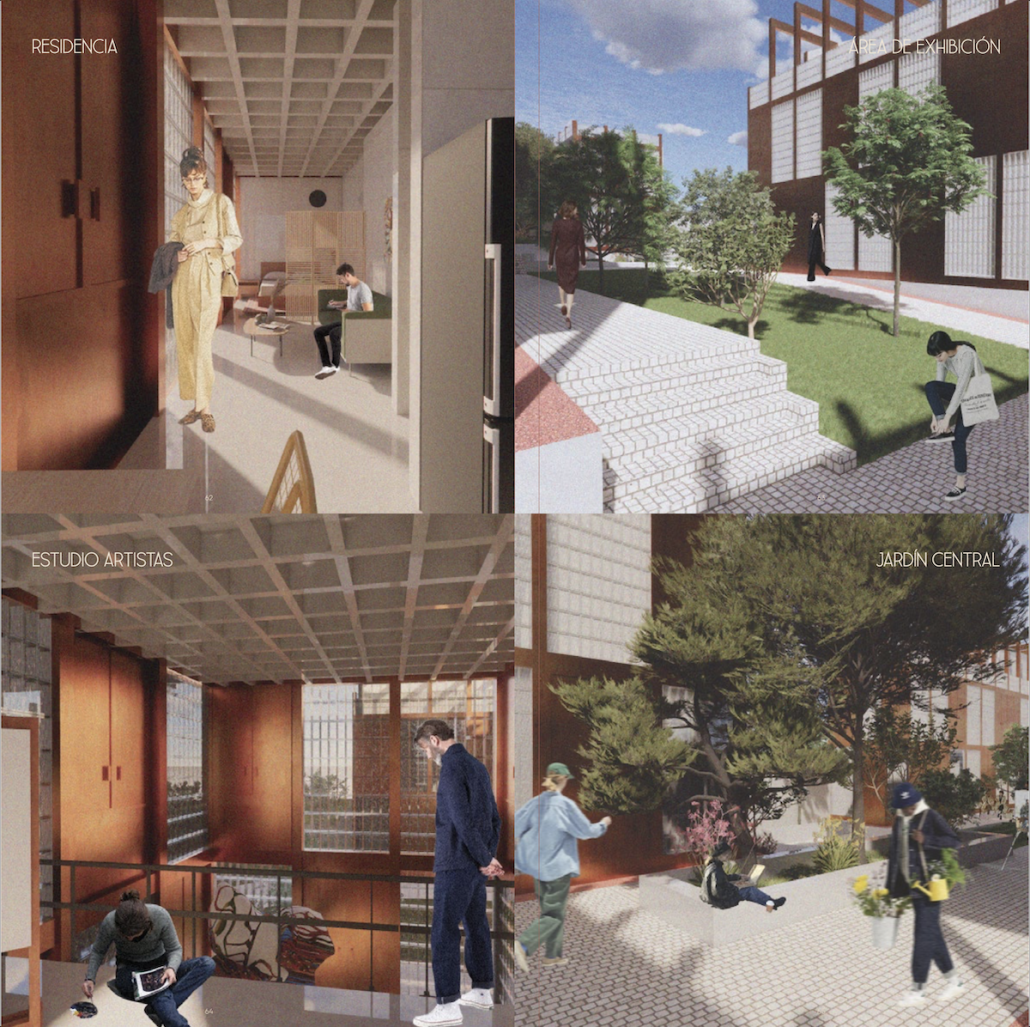
The design is sectioned to create different buildings and between them, small niches that help creativity and environment, all of them are united by a central square that has different ways of use, all with the purpose of uniting people who live there or visit the space to create a community. 

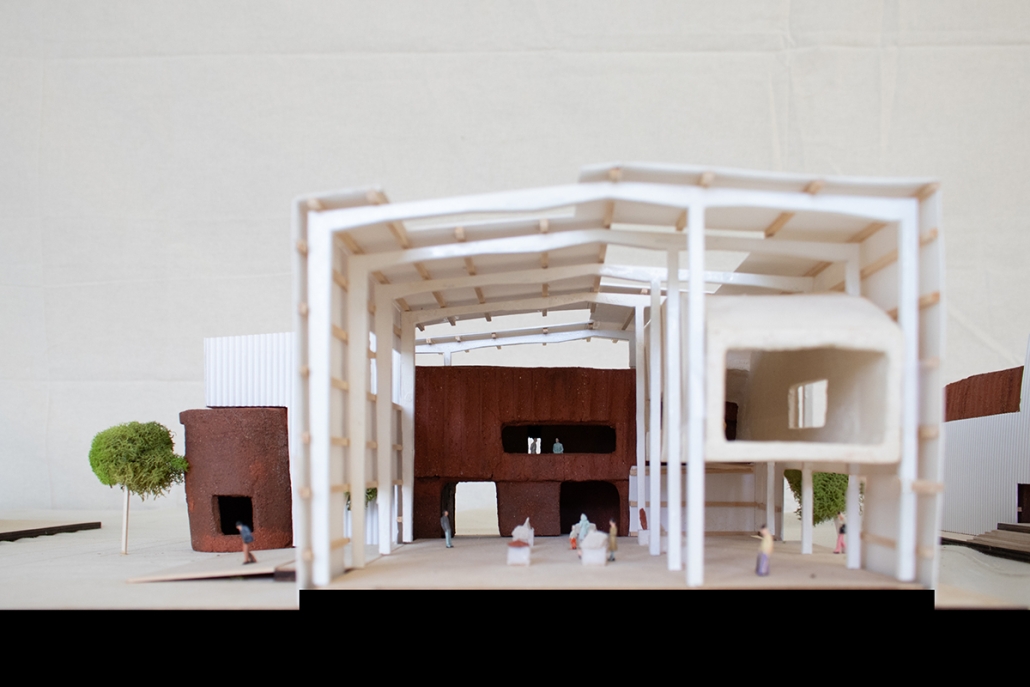
The materiality was chosen to minimize maintenance requirements for the space, as it is social. Therefore, we also created modules with frosted glass brick featuring thermal insulation to provide privacy and comfort to the space. We also have the steel rusted so that the spaces have more color; on the other hand, the materiality of slabs and walls is of apparent concrete. But also with the exteriors, the circulation is of paving stone, which is used locally for the different spaces.

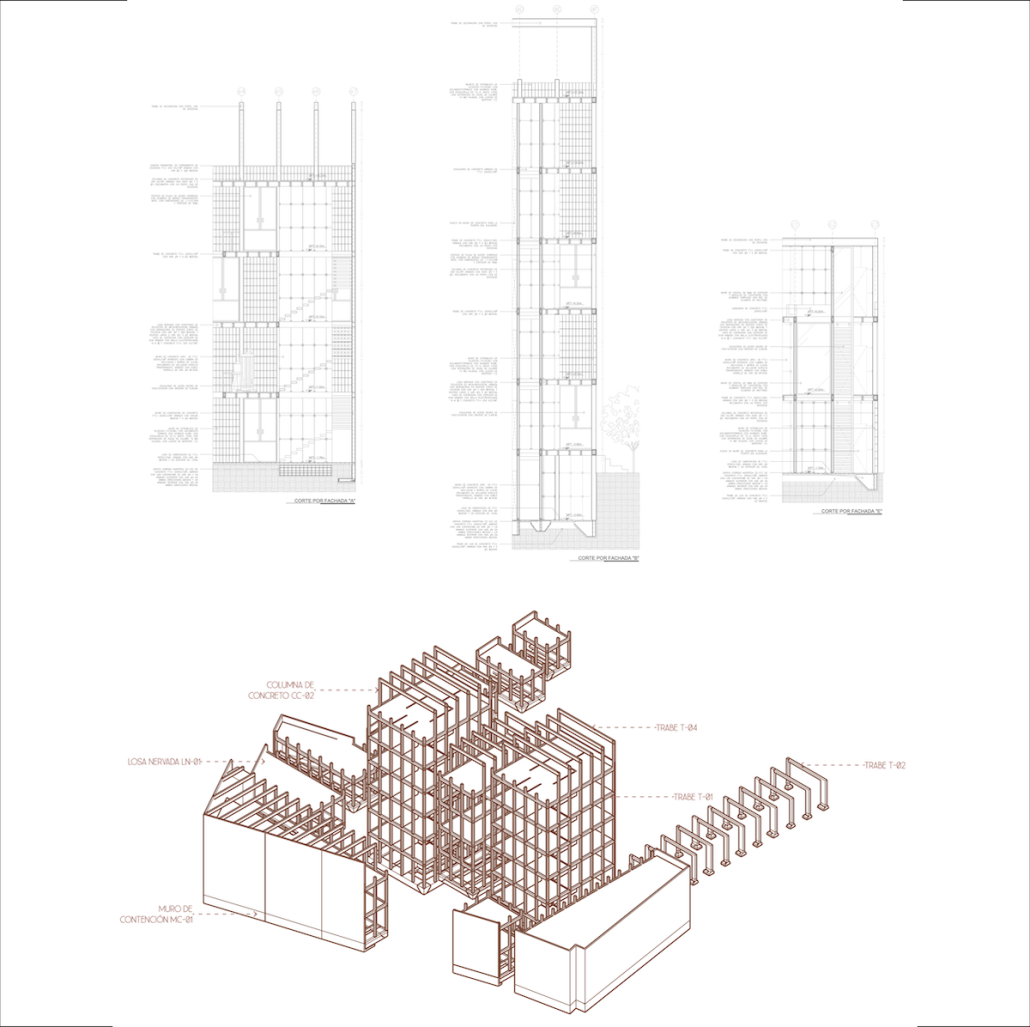
Finally, the construction system is very important; the concrete was fused with steel, which led to having columns of HSS beams that are poured with concrete and perimeter beams covered with CPS profiles. In this way, it is possible to make a union with the apparent ribbed slab that has a support for the concrete retaining wall.

Instagram: @fannyvizcaya, @arquitectura_anahuac, @arqwave

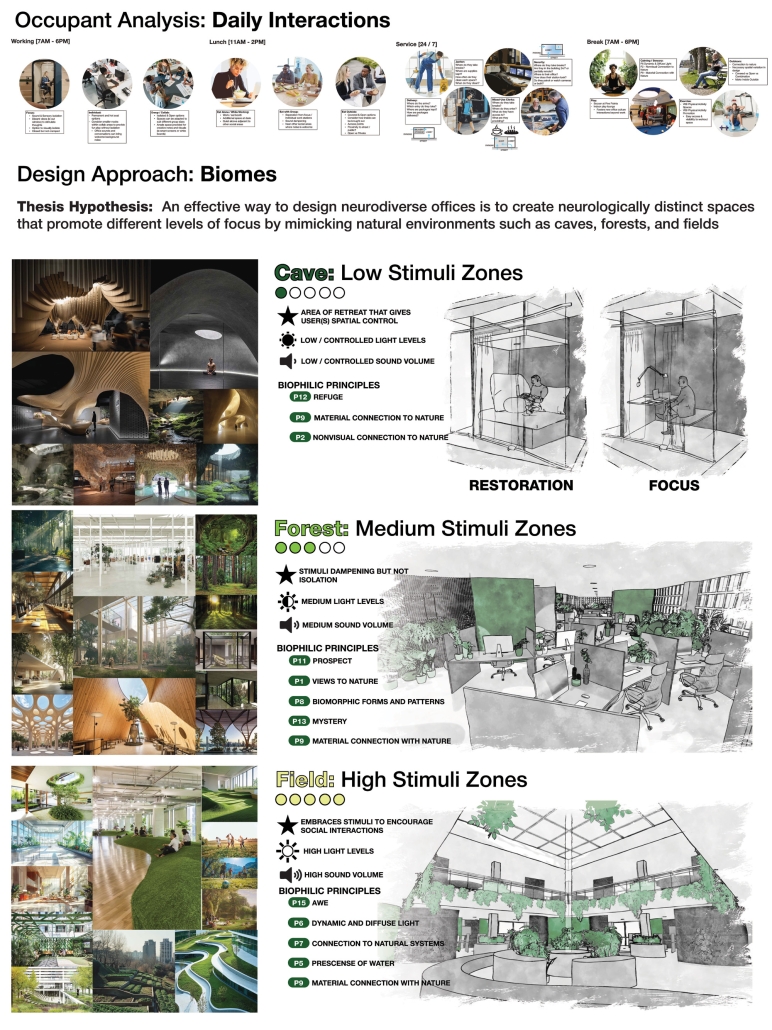
VARIANT MINDS: DESIGNING FOR NEURODIVERSITY IN OFFICES by Maya Schiltz, B.Arch ’25
Kennesaw State University | Advisor: Robin Puttock

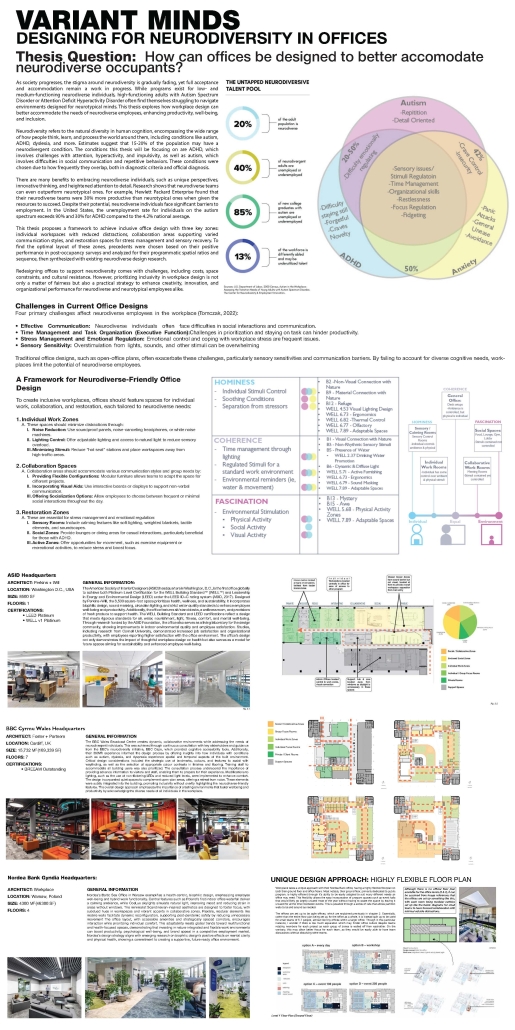
As society progresses, the stigma around neurodiversity is gradually fading, yet full acceptance and accommodation remain a work in progress. While programs exist for low- and medium-functioning neurodiverse individuals, high-functioning adults with Autism Spectrum Disorder or Attention Deficit Hyperactivity Disorder often find themselves struggling to navigate environments designed for neurotypical minds. This thesis explores how workplace design can better accommodate the needs of neurodiverse employees, enhancing productivity, well-being, and inclusion.

Neurodiversity refers to the natural diversity in human cognition, encompassing the wide range of how people think, learn, and process the world around them, including conditions like autism, ADHD, dyslexia, and more. Estimates suggest that 15-20% of the population may have a neurodivergent condition. The conditions this thesis will be focusing on are ADHD, which involves challenges with attention, hyperactivity, and impulsivity, as well as autism, which involves difficulties in social communication and repetitive behaviors. These conditions were chosen due to how frequently they overlap, both in diagnostic criteria and social diagnosis. There are many benefits to embracing neurodiverse individuals, such as unique perspectives, innovative thinking, and heightened attention to detail. Research shows that neurodiverse teams can even outperform neurotypical ones. For example, Hewlett Packard Enterprise found that

their neurodiverse teams were 30% more productive than neurotypical ones when given the resources to succeed. Despite their potential, neurodiverse individuals face significant barriers to employment. In the United States, the unemployment rate for individuals on the autism spectrum exceeds 90% and 30% for ADHD, compared to the 4.2% national average.

This thesis proposes a framework to achieve inclusive office design with three key zones: individual workspaces with reduced distractions, collaboration areas supporting varied communication styles, and restoration spaces for stress management and sensory recovery. To find the optimal layout of these zones, precedents were chosen based on their positive performance in post-occupancy surveys and analyzed for their programmatic spatial ratios and sequence, then synthesized with existing neurodiverse design research. Redesigning oces to support neurodiversity comes with challenges, including costs, space constraints, and cultural resistance. However, prioritizing inclusivity in workplace design is not only a matter of fairness but also a practical strategy to enhance creativity, innovation, and organizational performance for neurodiverse and neurotypical employees alike.

This project was recognized as a Thesis Finalist (Top 5 of 90+).

Click here to learn more.

Instagram: @mayaschiltz, @robinzputtock

Urban Poverty: The Villas in Argentina by Lizbeth M. Padilla-González, B.Arch ’25
Pontifical Catholica University of Puerto Rico | Advisors: Jesús O. García-Beauchamp & Pedro A. Rosario-Torres

Urban poverty has emerged as a complex challenge affecting millions globally, profoundly impacting residents of informal settlements and marginalized neighborhoods. This multifaceted issue extends beyond economic deprivation to encompass inadequate access to essential services, substandard housing, food insecurity, limited educational opportunities, and systemic social exclusion. These challenges are intrinsically linked to economic inequality, spatial segregation, and evolving urban structures.

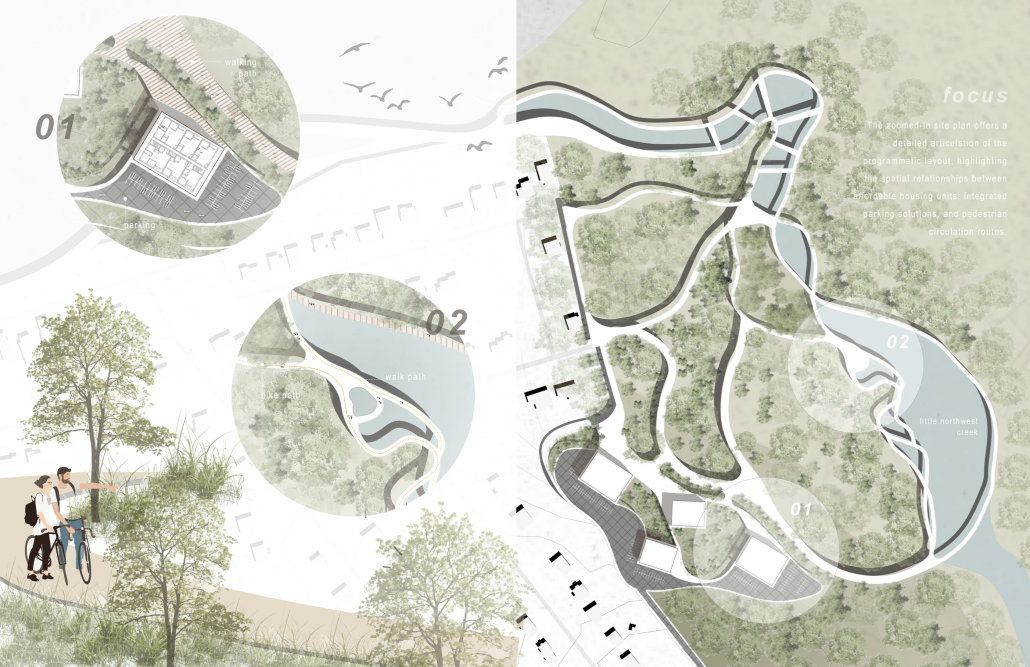
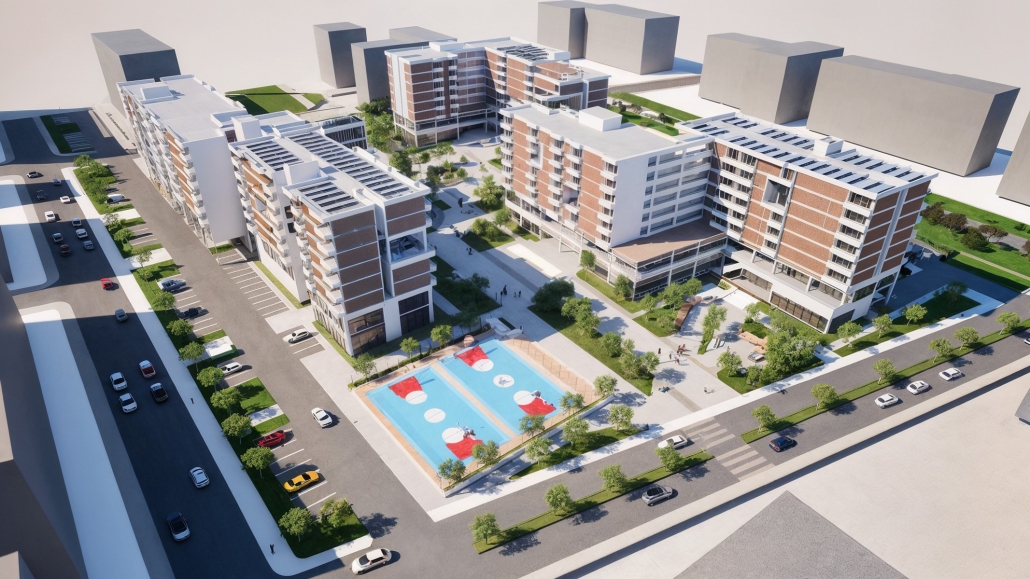
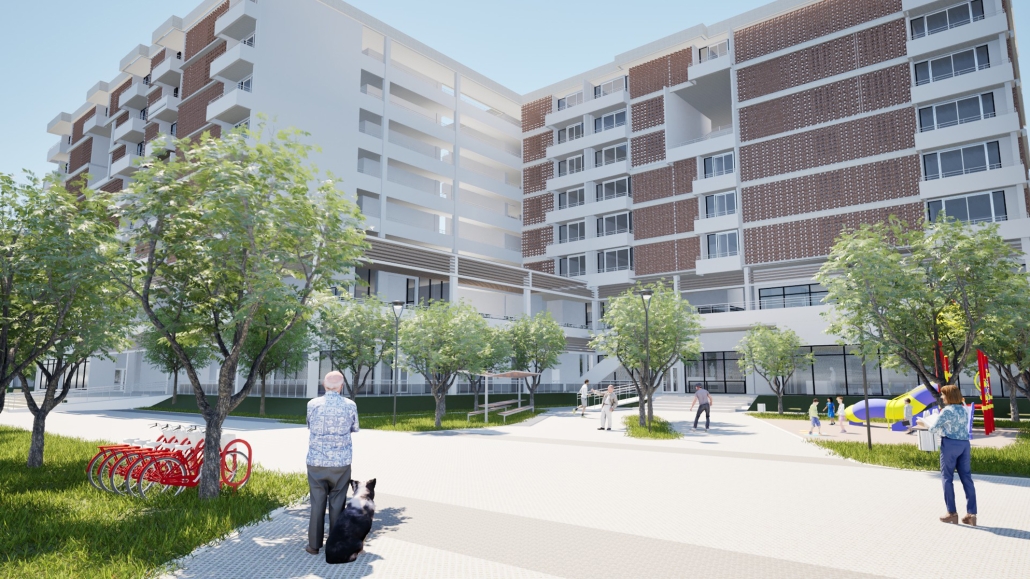
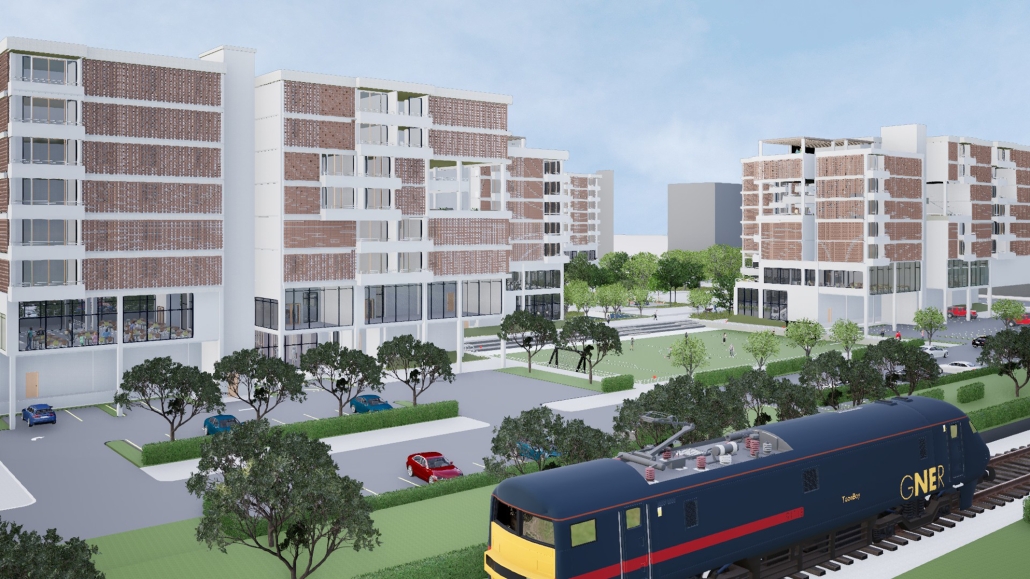
This architectural proposal addresses these challenges within Villa 21-24 (Villa Zavaleta) in Argentina through a comprehensive urban master plan that reimagines the existing urban fabric. Drawing inspiration from the consolidated city’s formal grid system, the design introduces strategic reorganization that enhances spatial articulation, improves connectivity, and establishes a foundation for transformative architectural interventions.

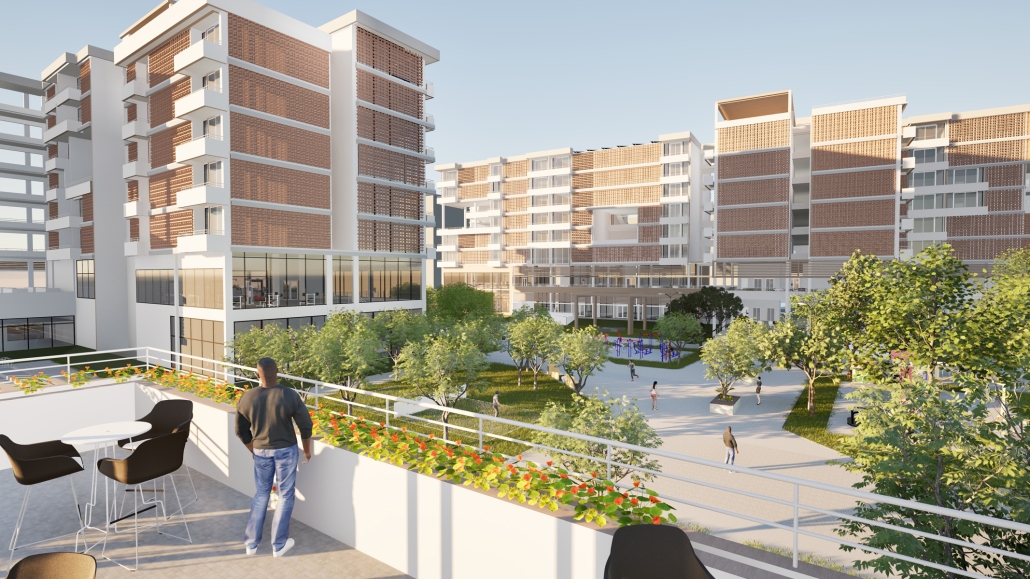
The project’s cornerstone is a major linear park traversing the settlement from north to south, serving as both an organizing spine and vital public space for community cohesion. Three strategically positioned mixed-use buildings line this central corridor, creating a dynamic interface between public and private realms. The ground and second levels house essential community programs, including dining facilities, technology education centers, libraries, vocational workshops, gymnasiums, children’s recreation areas, and flexible rental spaces for local entrepreneurs. These elements were selected through comprehensive community needs assessments to strengthen social networks, enhance quality of life, and foster comprehensive development pathways.

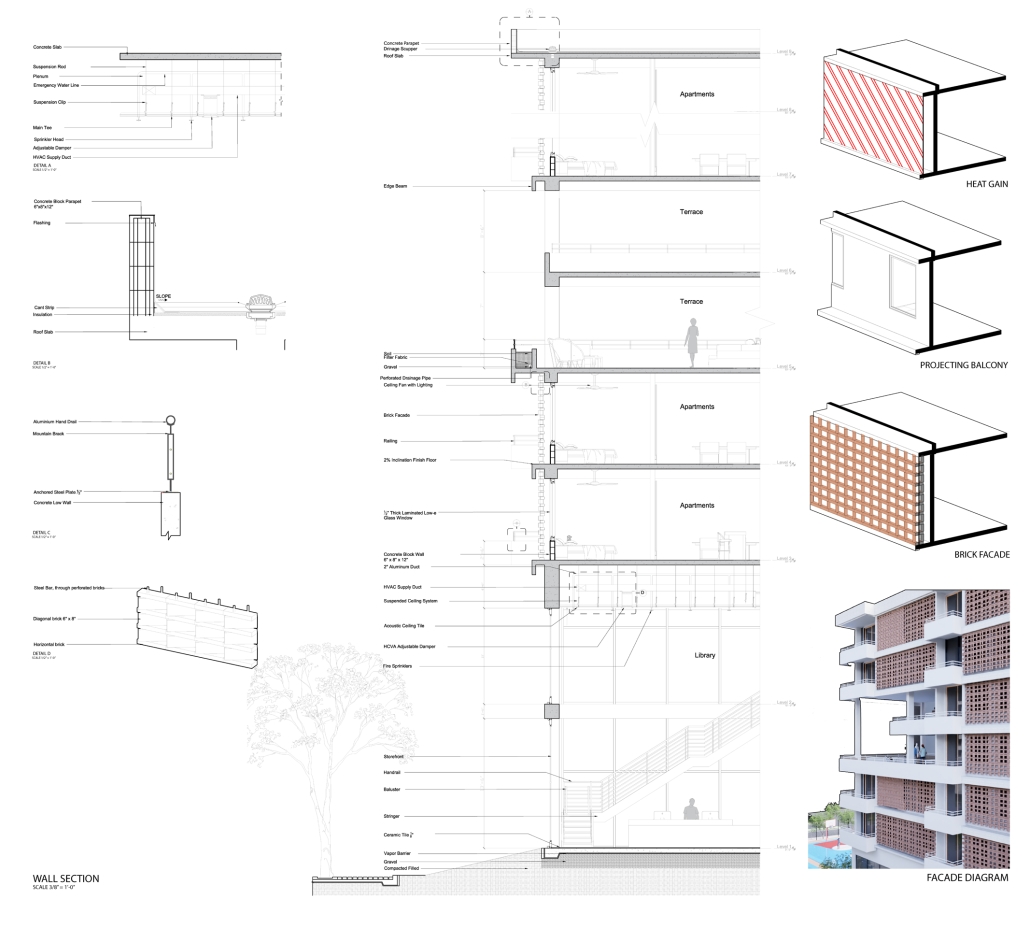
The upper levels accommodate diverse residential typologies, from studio units to three-bedroom apartments, serving varied family structures within the community. Each dwelling incorporates terraces and balconies strategically oriented toward recreational areas, fostering visual connections with green infrastructure and reinforcing the relationship between private living spaces and communal areas. The buildings employ a brick façade system providing effective solar protection and thermal regulation while maintaining authentic integration with the existing urban landscape, where brick represents one of the most prevalent and culturally significant building materials in the region. This material choice exemplifies the project’s commitment to environmental responsiveness and contextual sensitivity.

Click here to learn more.

Instagram: @Lizbethmarie_1

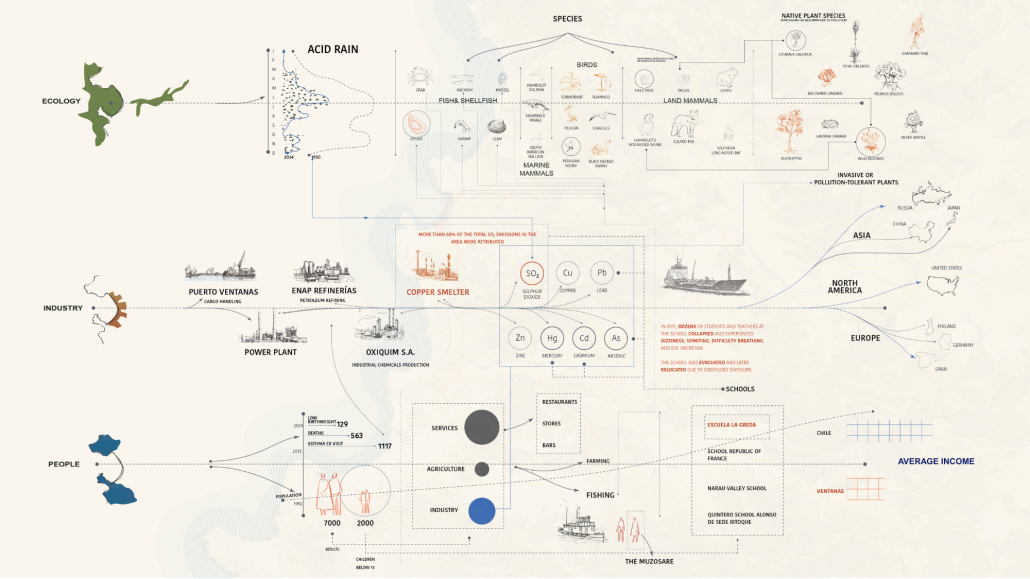
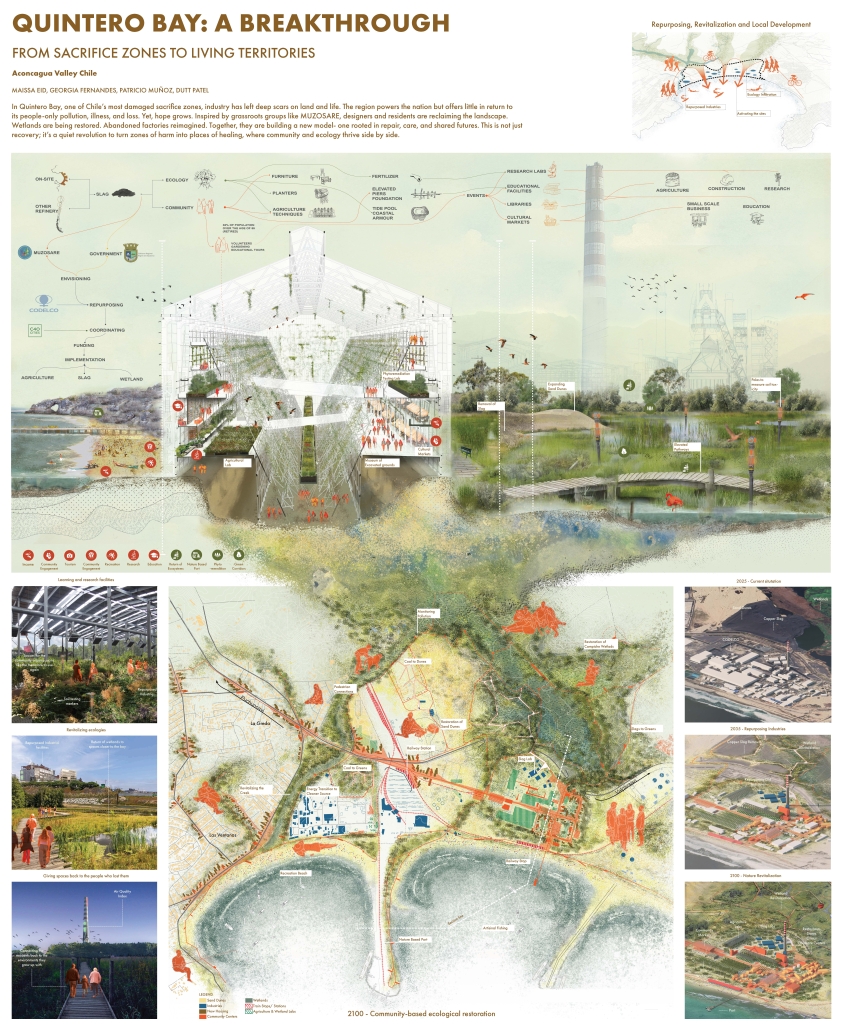
Quintero Bay: A Breakthrough by Georgia Fernandes, Maïssa Eid, Patricio Munoz & Dutt Patel, M.S.AUD (Masters of Science in Architecture and Urban Design) ’25
Columbia University | Advisors: Kate Orff, Geeta Mehta, Gabriel Vergara, Sebastian Delpino, Emanuel Admassu & Lucas Coelho

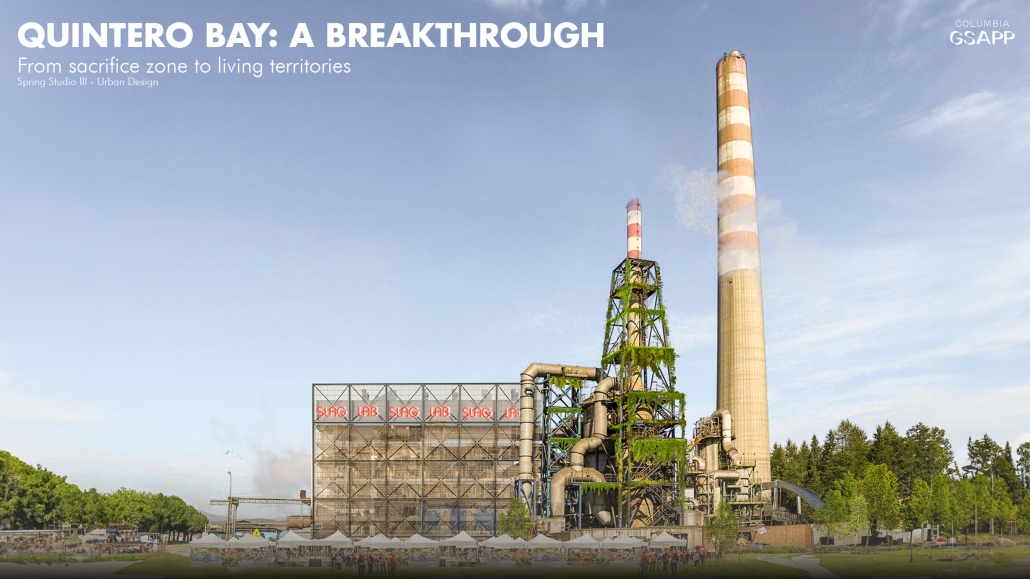
Quintero Bay, once a thriving coastal ecosystem in Chile, has become one of the country’s most heavily polluted sacrifice zones. Years of industrial activity have contaminated the air, land, and sea, deeply impacting the health and livelihoods of its residents. The region powers 7% of Chile’s energy, yet the communities living here have received only environmental harm in return.

Our project, inspired by the work of local feminist collective MUZOSARE, envisions a future rooted in healing and co-existence. Rather than erase the industrial past, we aim to repurpose it. The phased closure of the Codelco copper smelter offers a unique opportunity to restore wetlands, uncover buried sand dunes, and adapt former factories into community hubs for housing, research, culture, and ecological stewardship.

Guided by the principles of revitalizing, repurposing, and community development, the design introduces green corridors, nature-based ports, and SLAG LABS to transform industrial waste into public infrastructure. Residents can participate in restoration through income or social credit-based programs, reactivating the local economy while building environmental resilience.

This is not just a vision for Quintero Bay—it’s a model for all sacrifice zones. By integrating policy, ecology, and community leadership, the project offers a blueprint for transforming places of harm into living territories of shared futures.

This project won the Lucille Smyser Lownfish Memorial Prize.

Instagram: @g__fernandes, @misssoouuuu, @pamb.070, @duttpatel108, @mehtageeta999, @sdelpino_arq, @gabrielvergarag, @lucascoelhonetto, @eadmassu

Rhythmic Ribbons by Tadhg McDonald, M.Arch ’25
Lawrence Technological University | Advisor: Masataka Yoshikawa

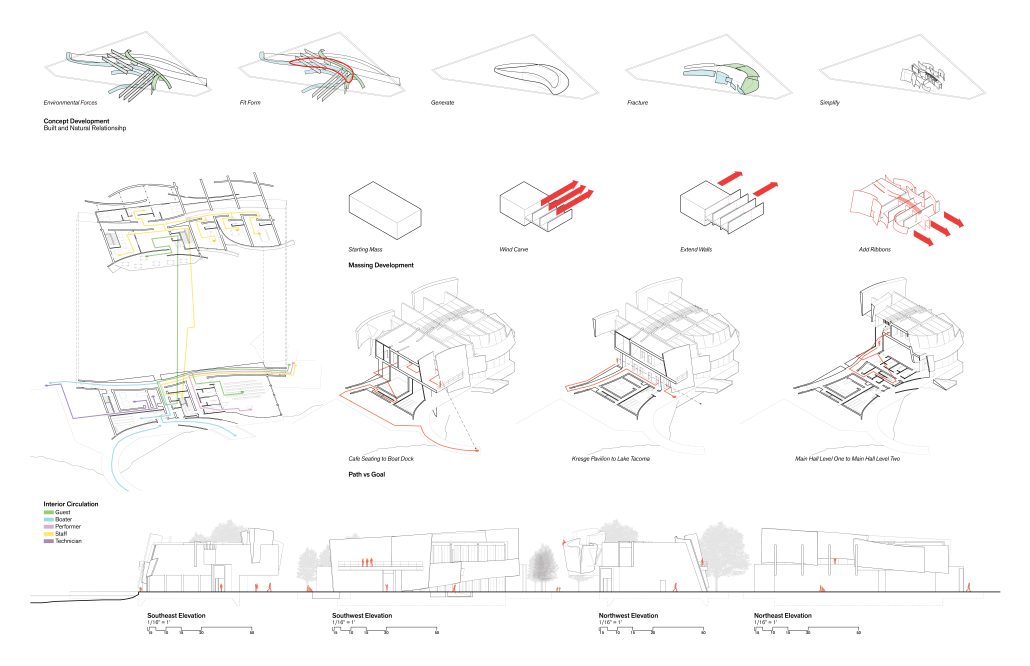
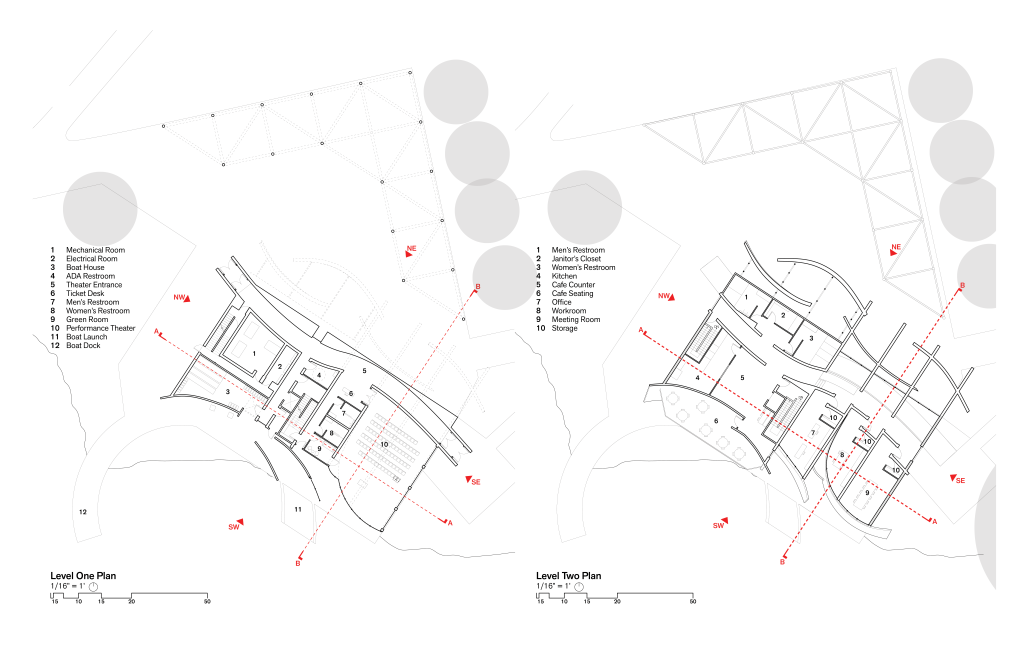
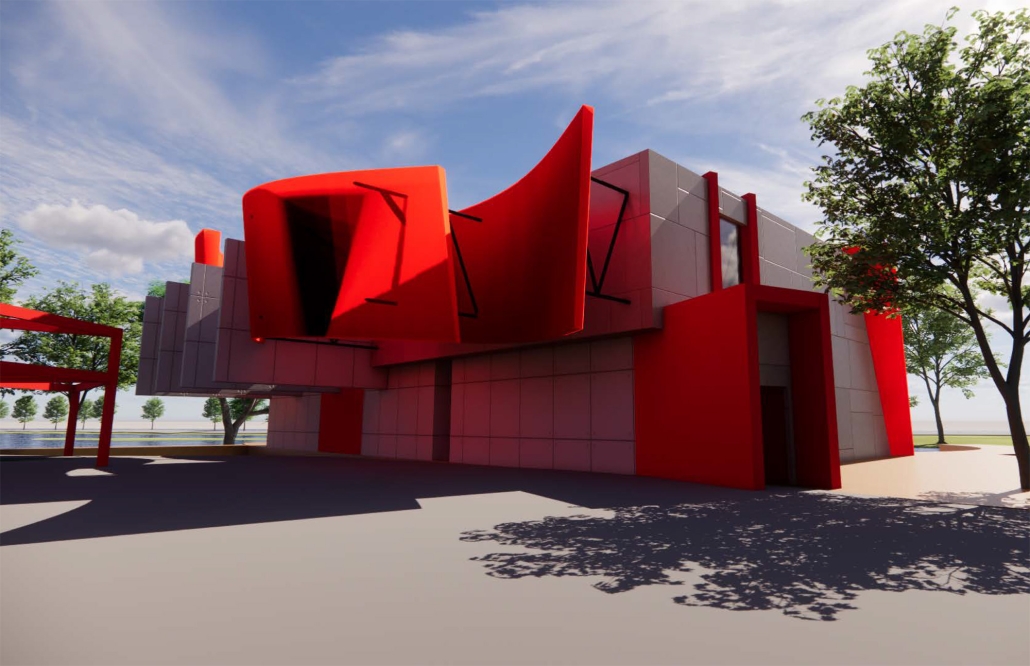
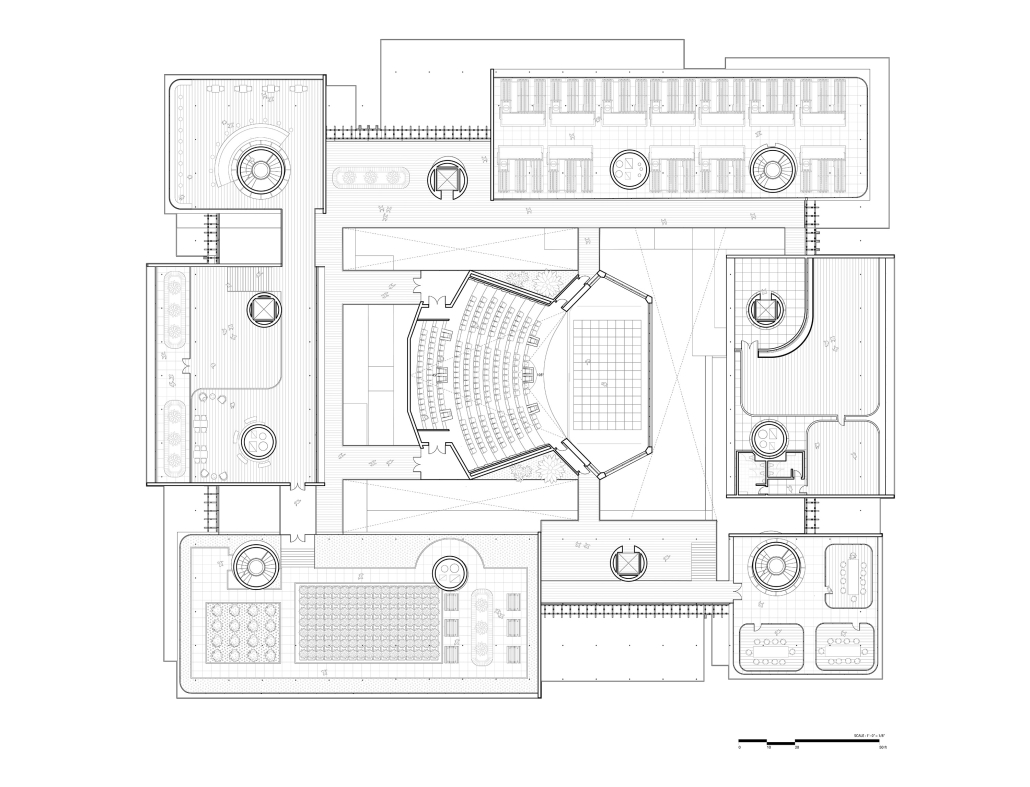
The goal of this design was to highlight the site’s seclusion from the rest of Belle Isle and how it is reinforced by the relationship between the existing built and natural environments. This relationship influenced the formal design elements through the utilization of both orthogonal and curved walls. The orthogonal walls represent the built environment, while the curved walls represent the natural [environment.] The main generator for the site’s seclusion was the journey that any site visitors have to travel in order to reach the secluded core of the site. From the parking lot, the visitor can partially see all of the stunning views of the site, but they do not get the full experience until they have passed through the lines of trees and the Kresge Pavilion. This idea of Path vs. Goal was heavily influential for the interior design of this new construction. Overall, the site’s inherent seclusion, journey, and built and natural confines create a uniquely private experience for all visitors.

Instagram: @ta.dhg, @masataka.yoshikawa

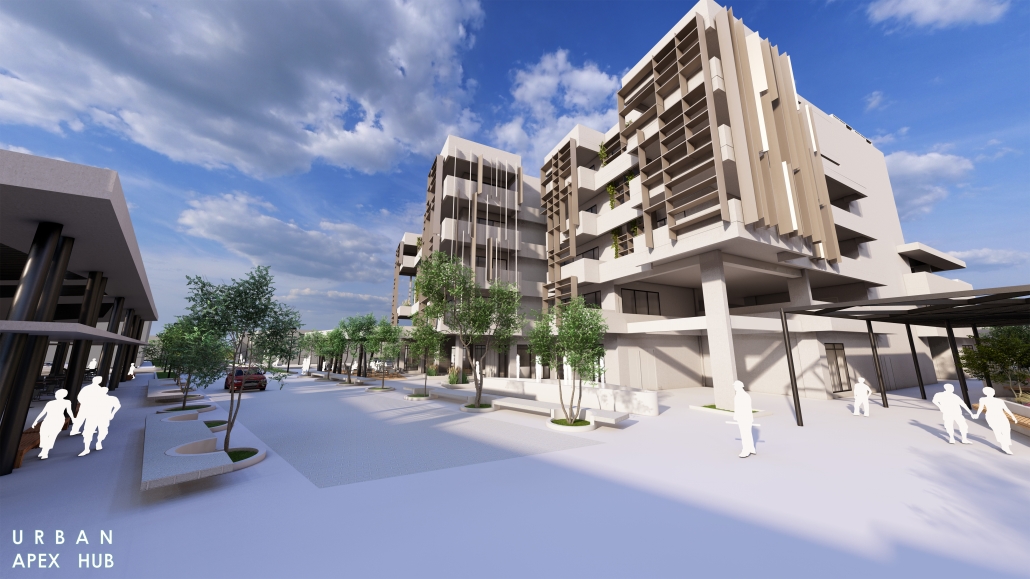
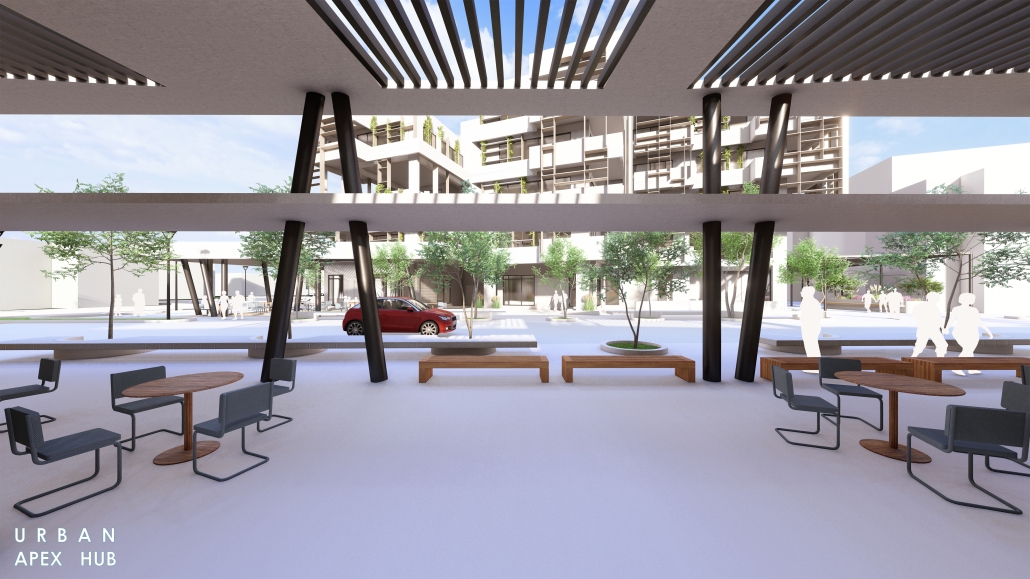
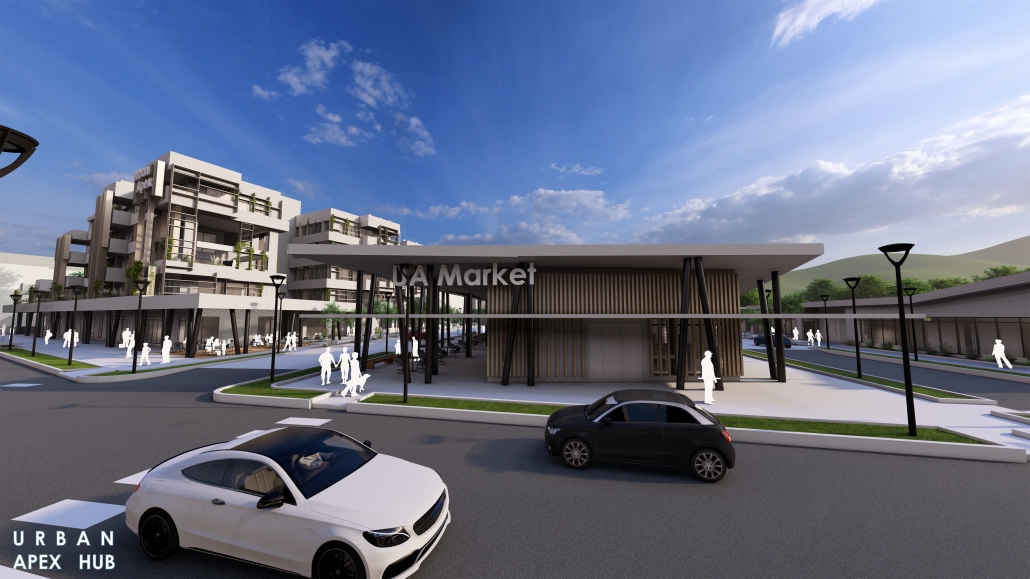
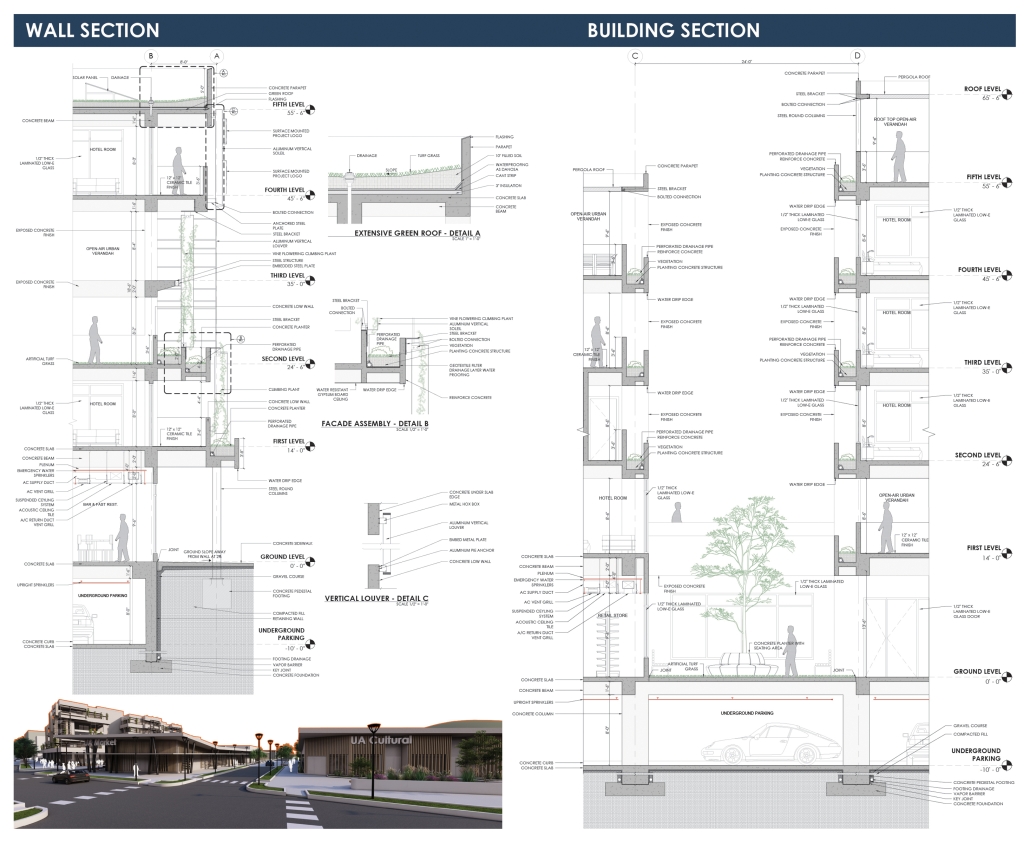
Urban Apex Hub – Sustainable Tourism: A Path to the Reconstruction of Urban Spaces by Louis Y. Sepúlveda-Homs, B.Arch ’25
Pontifical Catholica University of Puerto Rico | Advisors: Jesús O. García-Beauchamp, Pilarín Ferrer-Viscasillas & Pedro A. Rosario-Torres

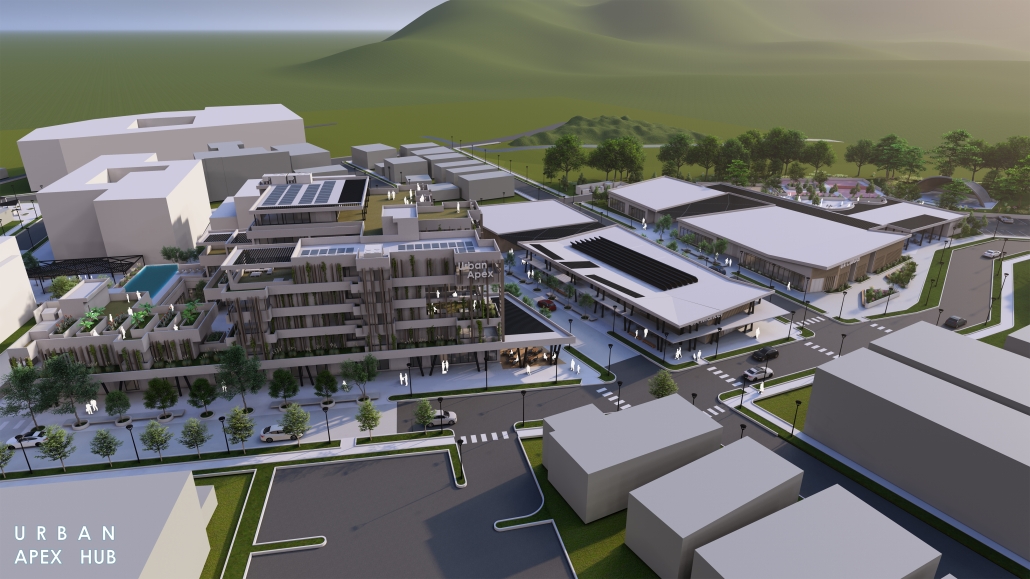
Urban decay is a persistent condition in many contemporary cities, leading to the deterioration of physical infrastructure, the disappearance of cultural identity, and the disconnection between communities and their environments. This capstone investigates the potential of sustainable tourism as a catalyst for the reconstruction of such spaces, proposing an architectural and urban intervention that integrates ecological, cultural, and economic dimensions. Titled “Urban Apex Hub – Sustainable Tourism: A Path to the Reconstruction of Urban Spaces,” the project is located in the deteriorated historic center of Río Grande, Puerto Rico, a site marked by abandonment, weak pedestrian infrastructure, and lack of public activation.

This research explores the intersection between landscape urbanism, urban obsolescence, and ecotourism as strategic tools to regenerate neglected urban cores. Drawing from the theories of Charles Waldheim on landscape as a framework for urbanization, Kevin Lynch’s concept of urban obsolescence, and Richard Butler’s tourism area lifecycle model, the proposal envisions a hybrid public space that merges architecture and nature. The program includes an eco-conscious hotel, a cultural center for local expression and education, and a public market that supports local entrepreneurship and food sustainability.

The methodology combines site analysis, ecological mapping, and community engagement to develop a masterplan focused on walkability, stormwater management, cultural preservation, and green infrastructure. Key spatial strategies include the use of interior gardens, green roofs, permeable surfaces, and open-air courtyards that enhance microclimates and support social interaction. The project also addresses tourism from a critical lens, proposing a model that attracts ecotourists to under-visited urban areas while empowering local communities.

Urban Apex Hub reimagines tourism as more than a temporary activity; it becomes a long-term drive for environmental stewardship, cultural resilience, and economic regeneration. By rooting the architectural proposal in the specific ecological and social context of Río Grande, the project demonstrates how sustainable tourism can actively participate in reconfiguring urban identity and restoring meaning to forgotten spaces. Ultimately, this research advocates for an architecture that is not only responsive to climate and place, but also capable of reshaping the narrative of urban decline into one of collective renewal.

Click here to learn more.

Instagram: @arch.louis_yarell

Ecologies of Extraction: Reclaiming Industrial Landscapes for Ecological and Social Renewal by Anna MacDonald, B.Arch ’25
Wentworth Institute of Technology | Advisor: Lauren McQuistion

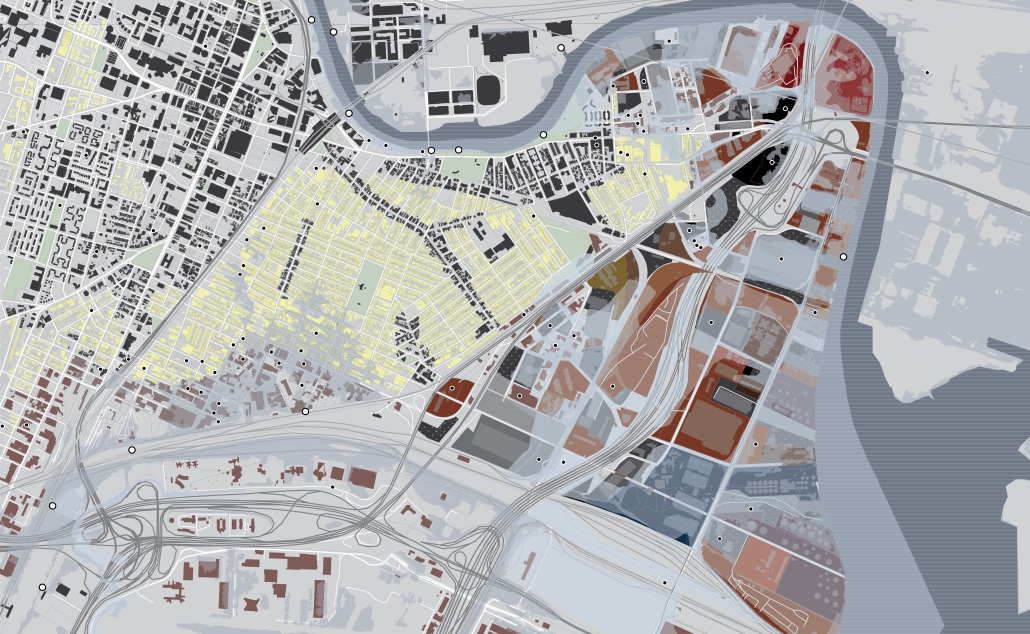
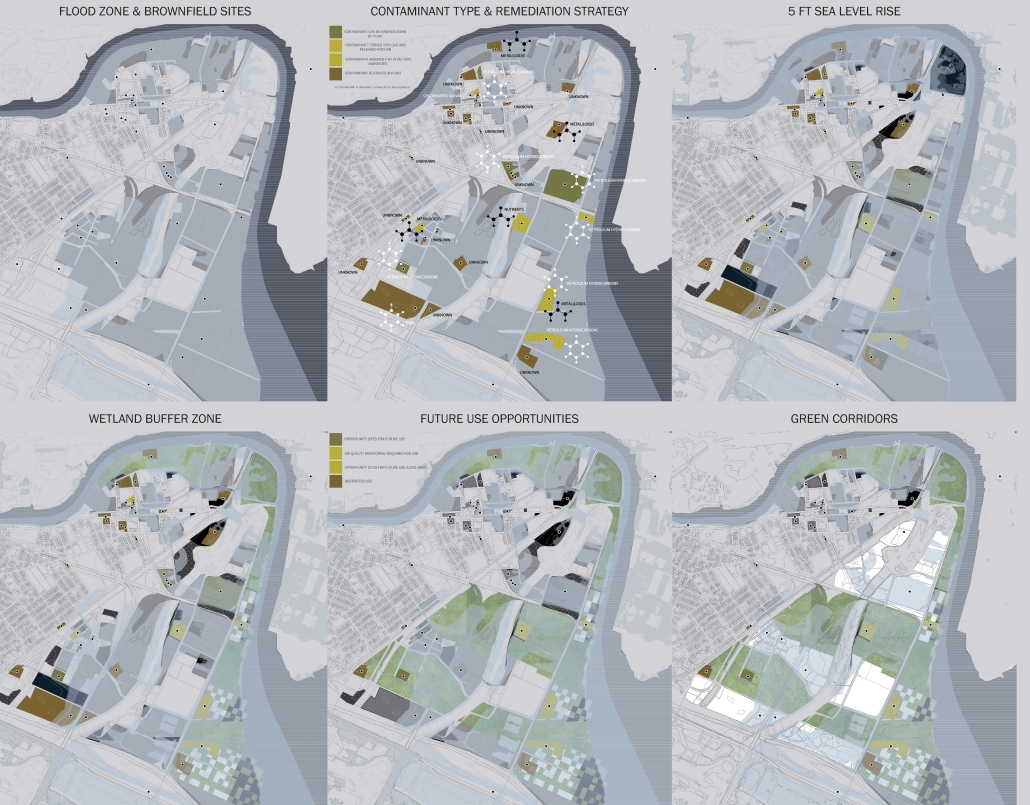
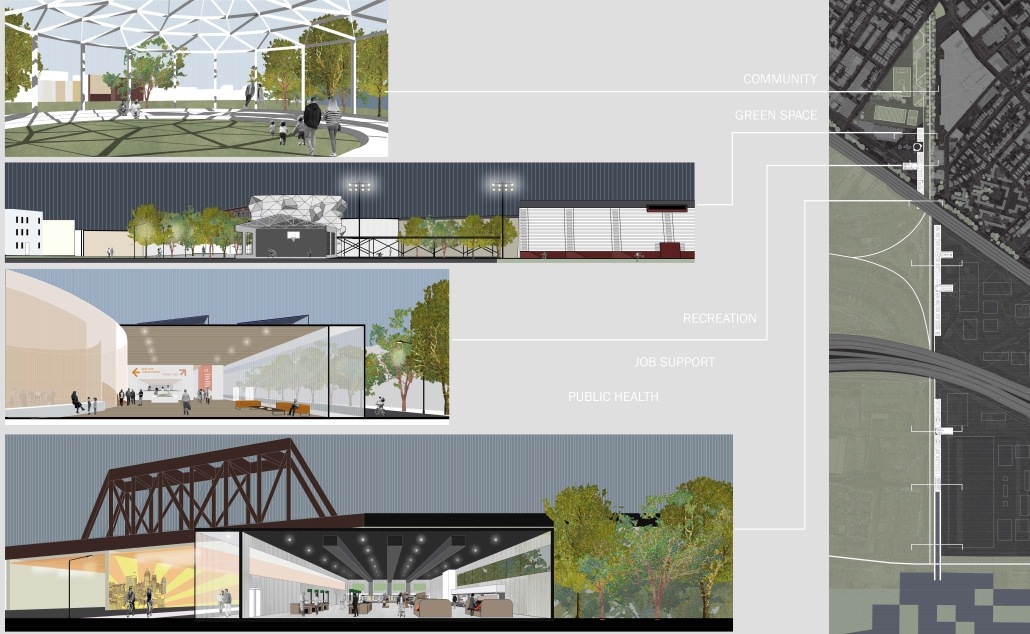
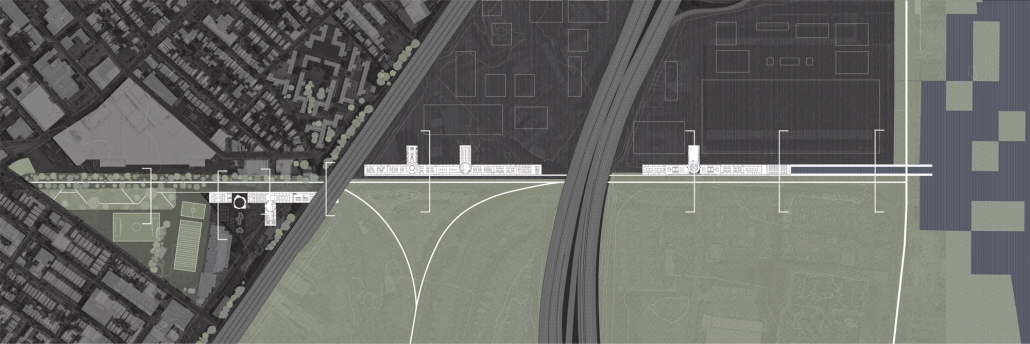
The remediation of declining industrial landscapes in cities can serve as a catalyst for reimagining the urban fabric through the establishment of resilient infrastructure and renewed community connections. Newark’s industrial zone exemplifies the tensions and possibilities of this transformation, revealing how design, policy, and environmental strategies can converge to reshape industrial spaces. Industrial landscapes have long been shaped by economic shifts, ecological negligence, and urban expansion. As industries shrink or relocate, their physical remnants—factories, warehouses, rail lines, and contaminated land—present both challenges and opportunities for urban and ecological transformation. 

The transition to sustainable, post-industrial cities requires strategies that integrate environmental remediation, adaptive reuse, and equitable redevelopment. Newark, NJ, serves as just one extreme example of the contaminated, underutilized industrial landscapes that permeate U.S. cities, and regulatory agencies must implement a framework for transforming modern industrial zones through sustainable infrastructure, ecological restoration, and social equity. Strategic interventions explored in this study establish a model for cities to move beyond extractive histories toward climate-conscious and socially inclusive futures, demonstrating how industrial spaces can evolve into regenerative landscapes.

This project won the ARCC King Award, Wentworth School of Architecture and Design: Design Excellence Award.

Instagram:@annarmacdonald, @mc.quistion

WHEN THE LEVEES BROKE by Madisyn Hunter, M.Arch ’25
Florida A&M University | Advisors: George Epolito, Andrew Chin & Ronald B. Lumpkin

WHEN THE LEVEES BROKE: THE IMPACT OF HURRICANE KATRINA ON THE CREATIVE PROCESS OF MUSICIANS AND THE EVALUATION OF ARCHITECTURAL LANDSCAPES

This thesis examines the intersection of architectural innovation and cultural resilience in the wake of Hurricane Katrina, focusing specifically on its impact on the creative processes of young musicians in New Orleans. The project investigates how architectural design can serve as both a physical and emotional safeguard against future natural disasters, while simultaneously nurturing cultural expression and healing.

Following Katrina’s devastation, rebuilding efforts largely favored traditional architecture over progressive design solutions—often reinforcing systemic inequities and overlooking the creative lifeblood of the city’s youth. Yet, in the face of limited resources and widespread destruction, many musicians returned to their craft, channeling trauma into vibrant, transformative art. This thesis argues that their resilience and creativity were not merely responses to adversity but vital threads in New Orleans’ cultural recovery.

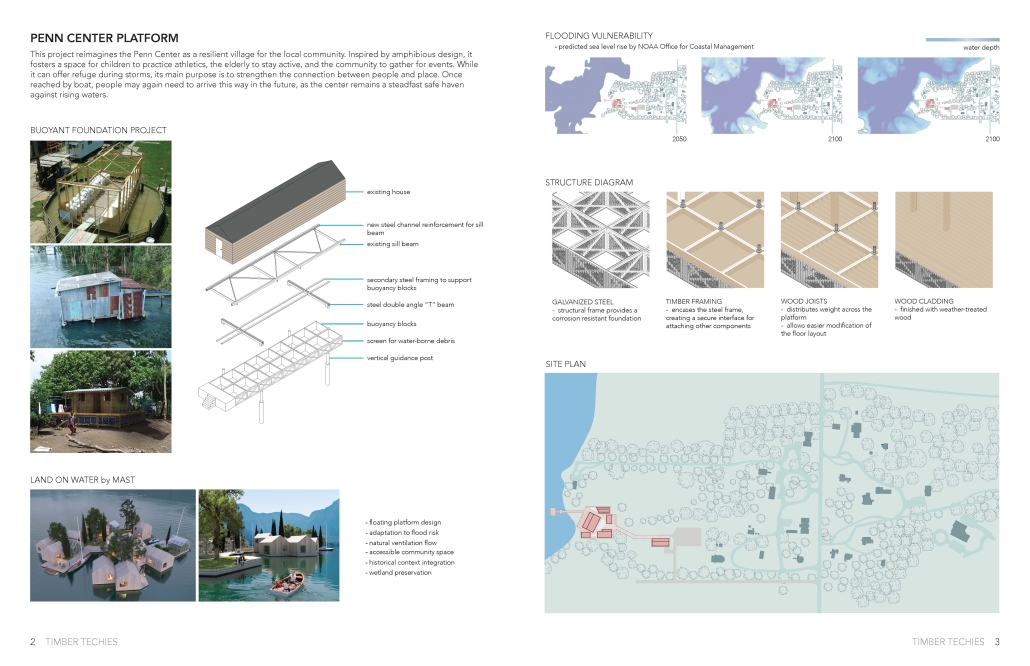
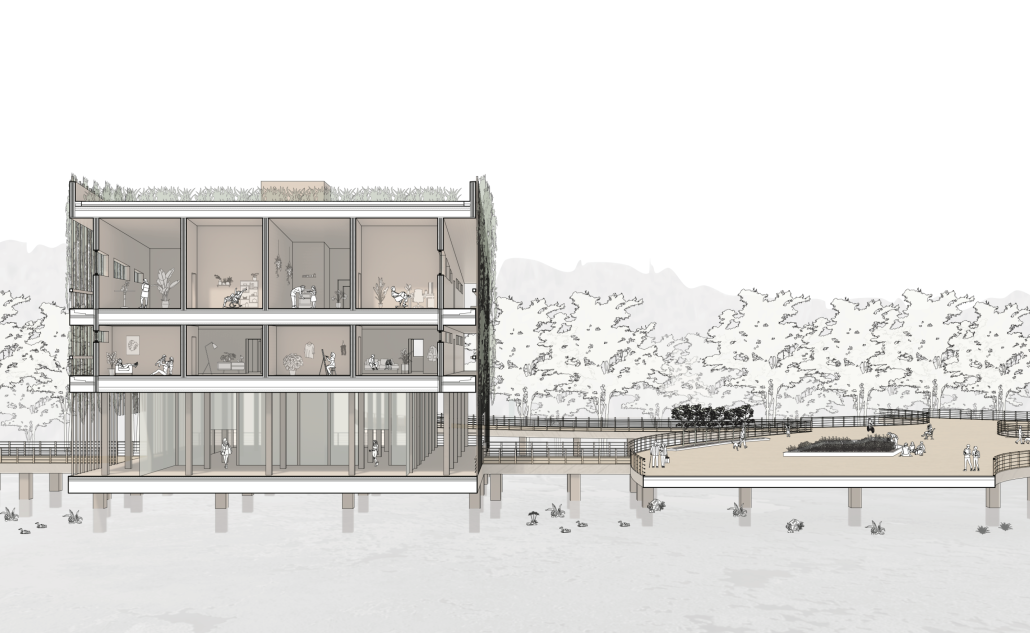
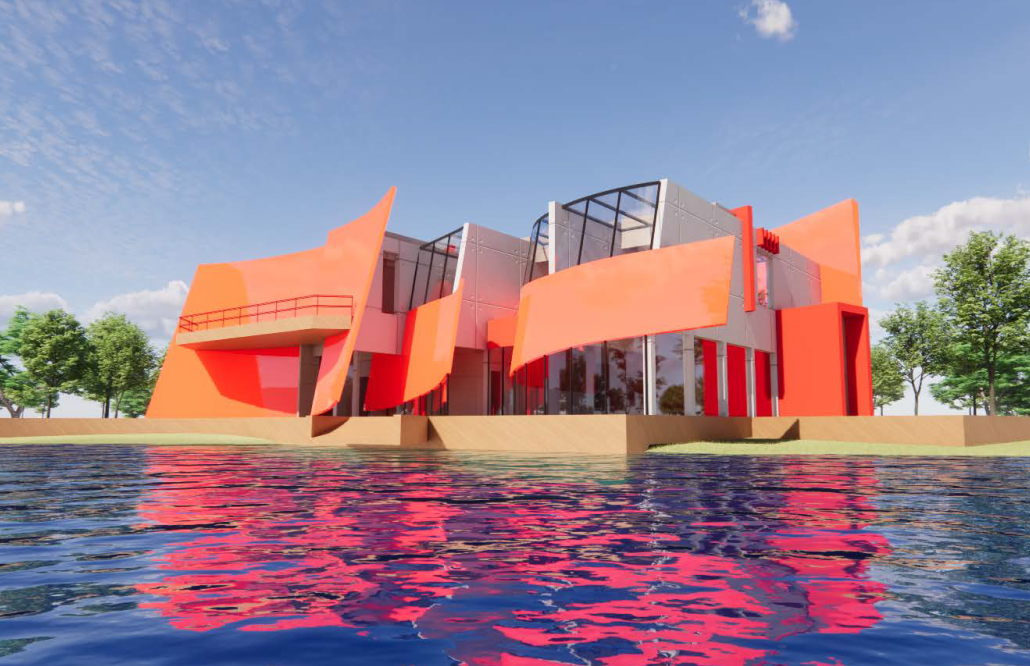
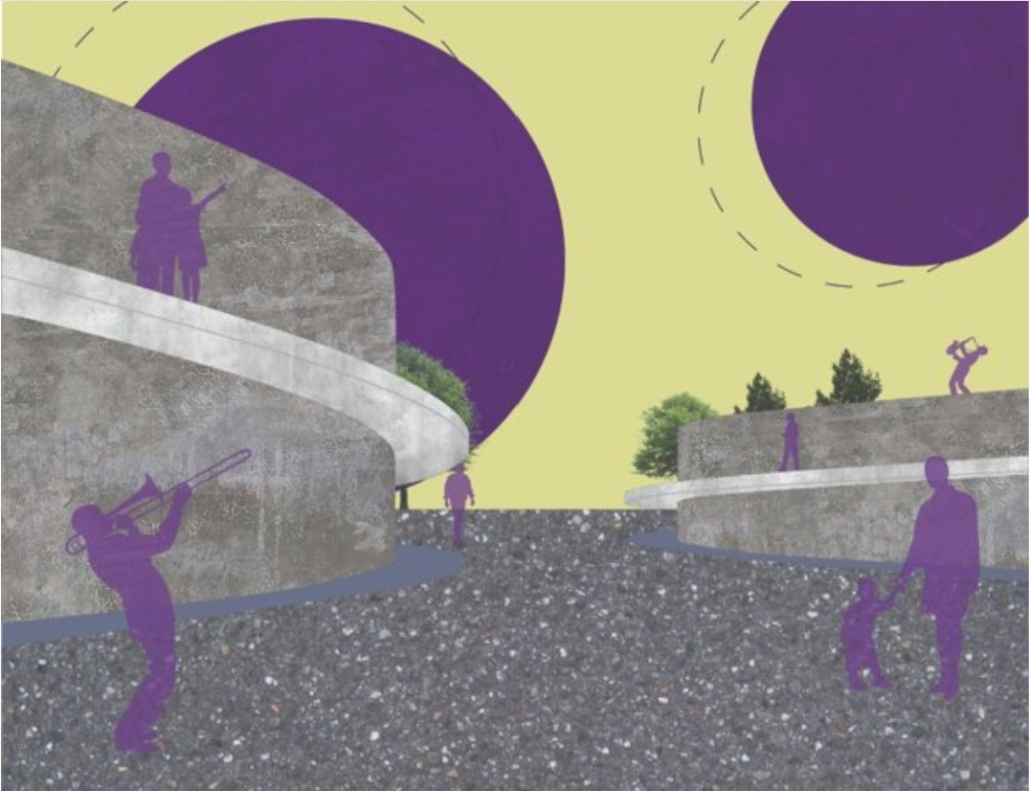
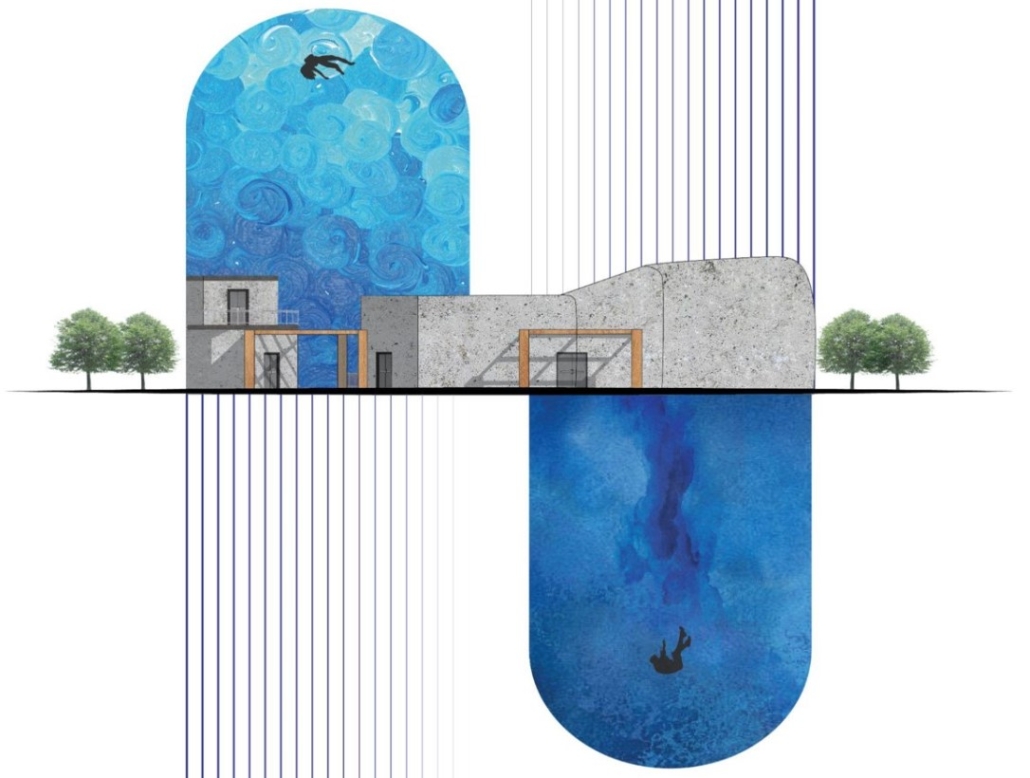
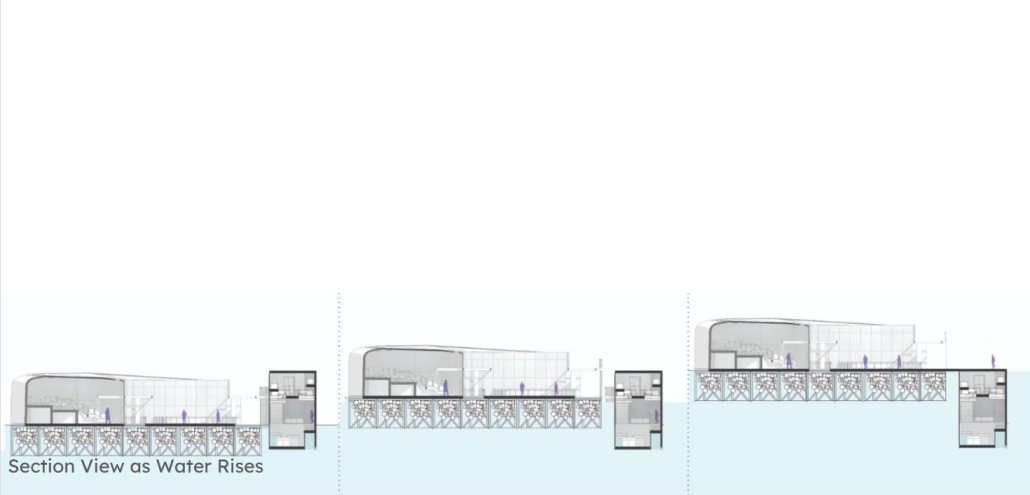
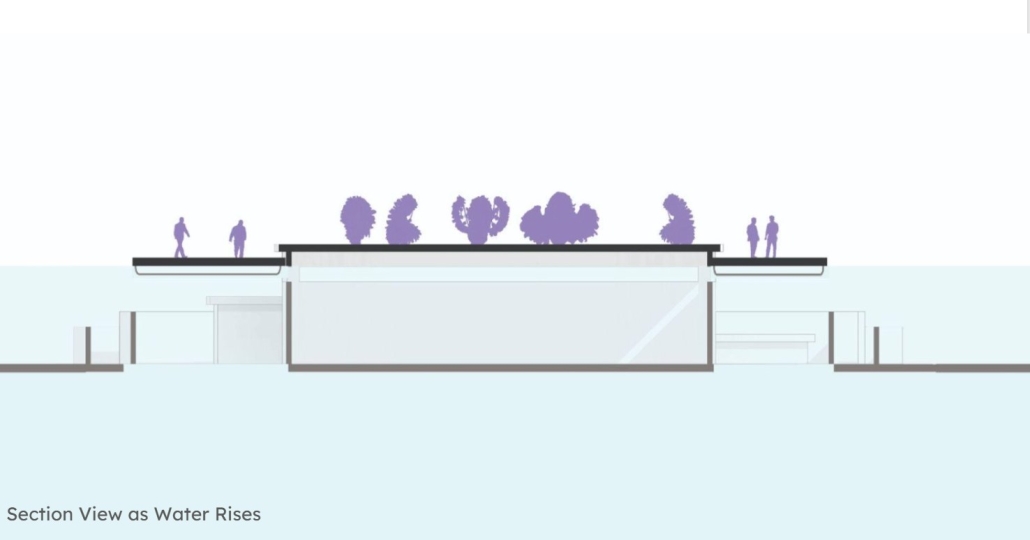
The research combines case studies, archival data, and design analysis to explore how architecture can support post-disaster recovery by integrating cultural spaces within resilient infrastructure. The proposed design envisions floating structures that act as creative havens—spaces for performance, collaboration, and remembrance. These architectural interventions respond not only to storm surge patterns and environmental threats but also to the need for safe, inclusive places that honor the city’s musical heritage and provide psychological support.

Ultimately, “When the Levees Broke” presents a vision for architecture that does more than mitigate disaster—it becomes a catalyst for cultural preservation, artistic growth, and long-term community healing. The thesis underscores that in a city where music is a lifeline, architecture must rise to meet both environmental and emotional needs with equal care.

Instagram: @famusaet, @famu_masterofarch
Lazo by Rafael Martínez Marín, B.Arch ’25
Tecnológico de Monterrey | Advisor: Claudia Berenice Muciño García

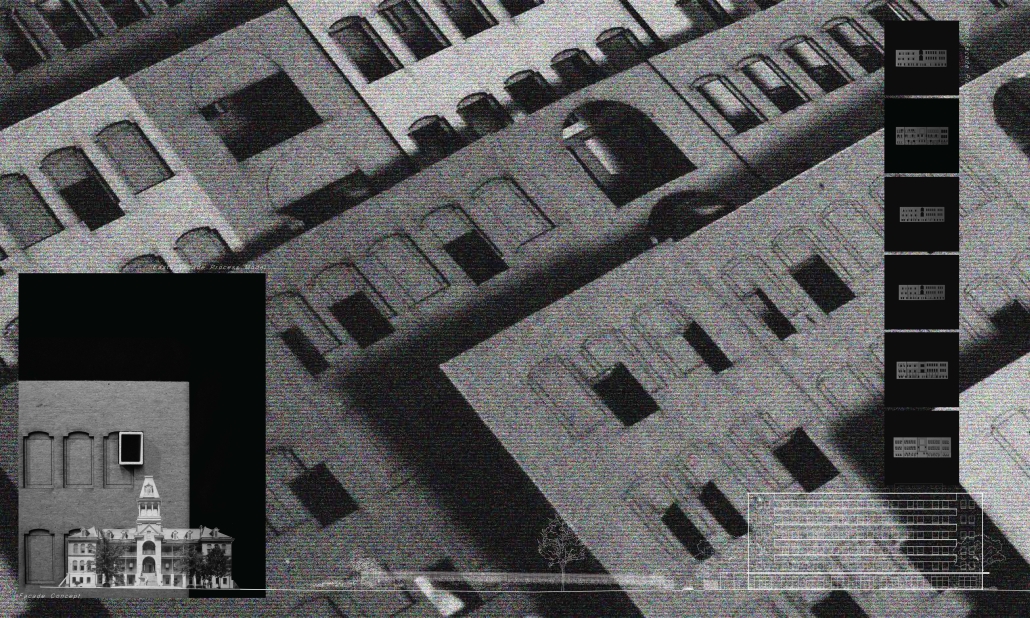
The abandonment of Puebla’s Historic Center stems from urban, economic, and social transformations that, since the city’s founding, have triggered segregation and displacement, altering its residential character. In the 20th century, urban sprawl and the creation of new housing zones pushed residents out of the center. This trend was deepened by economic crises, weak public policy, and a lack of housing incentives, leaving many buildings in disrepair and community life fractured.

In recent decades, the city’s designation as a World Heritage Site and the growth of tourism have transformed the center into a commercial hub, further reinforcing residential abandonment and neglecting the development of its original neighborhoods.

This study focuses on the Analco neighborhood, a place deeply affected by these dynamics. It now faces advanced deterioration and insecurity. Through documentary research, interviews, comparative analysis, and analogous case studies, the project identifies patterns, challenges, and opportunities that have shaped Analco’s transformation.

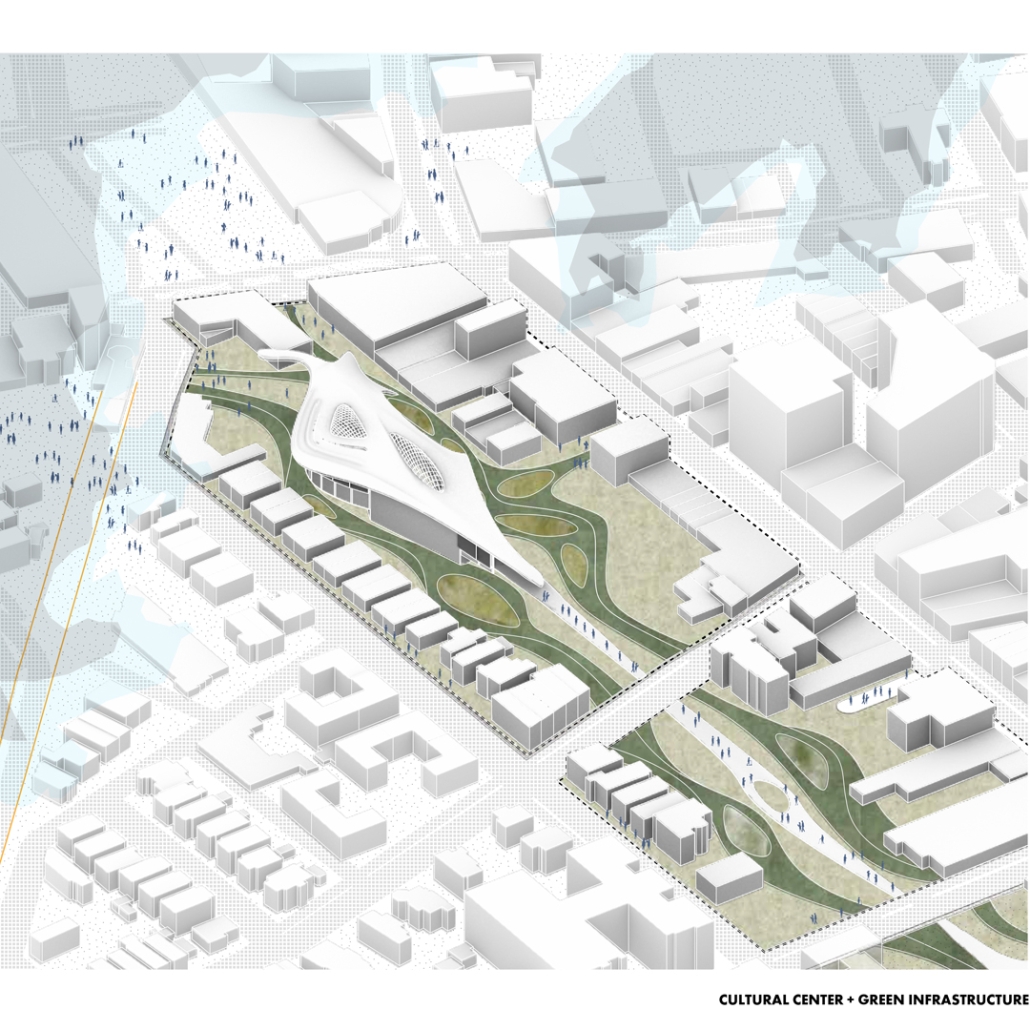
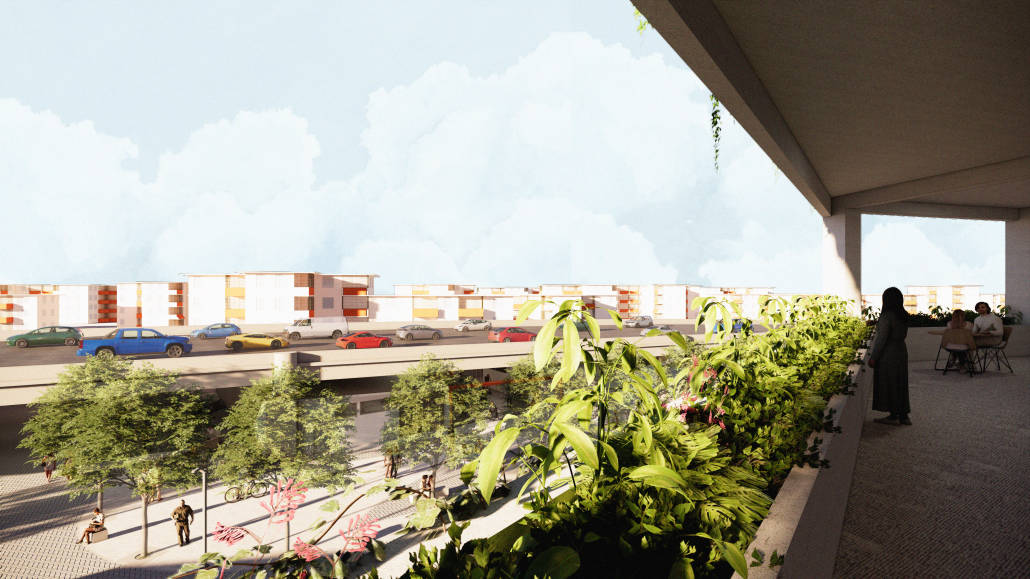
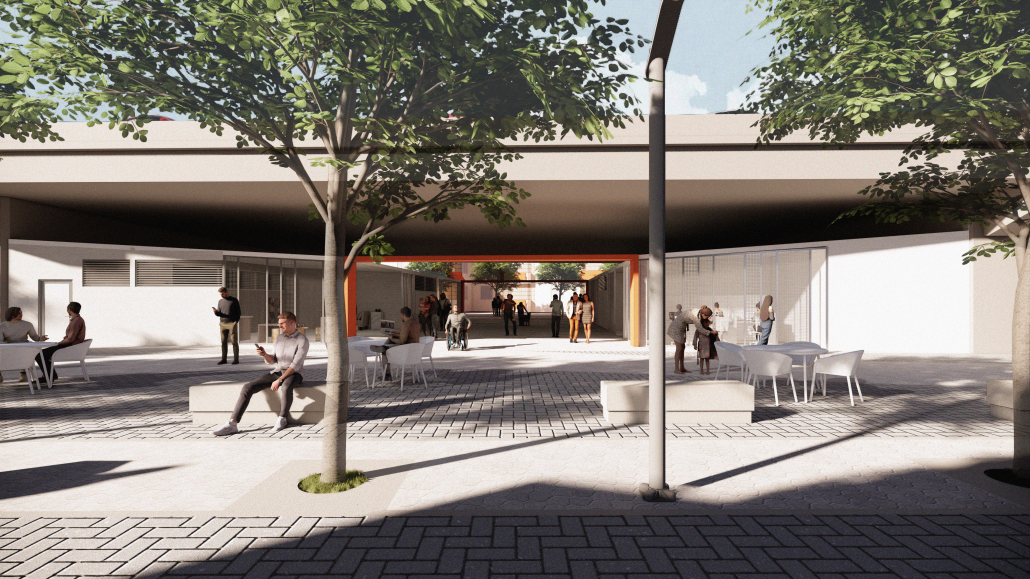
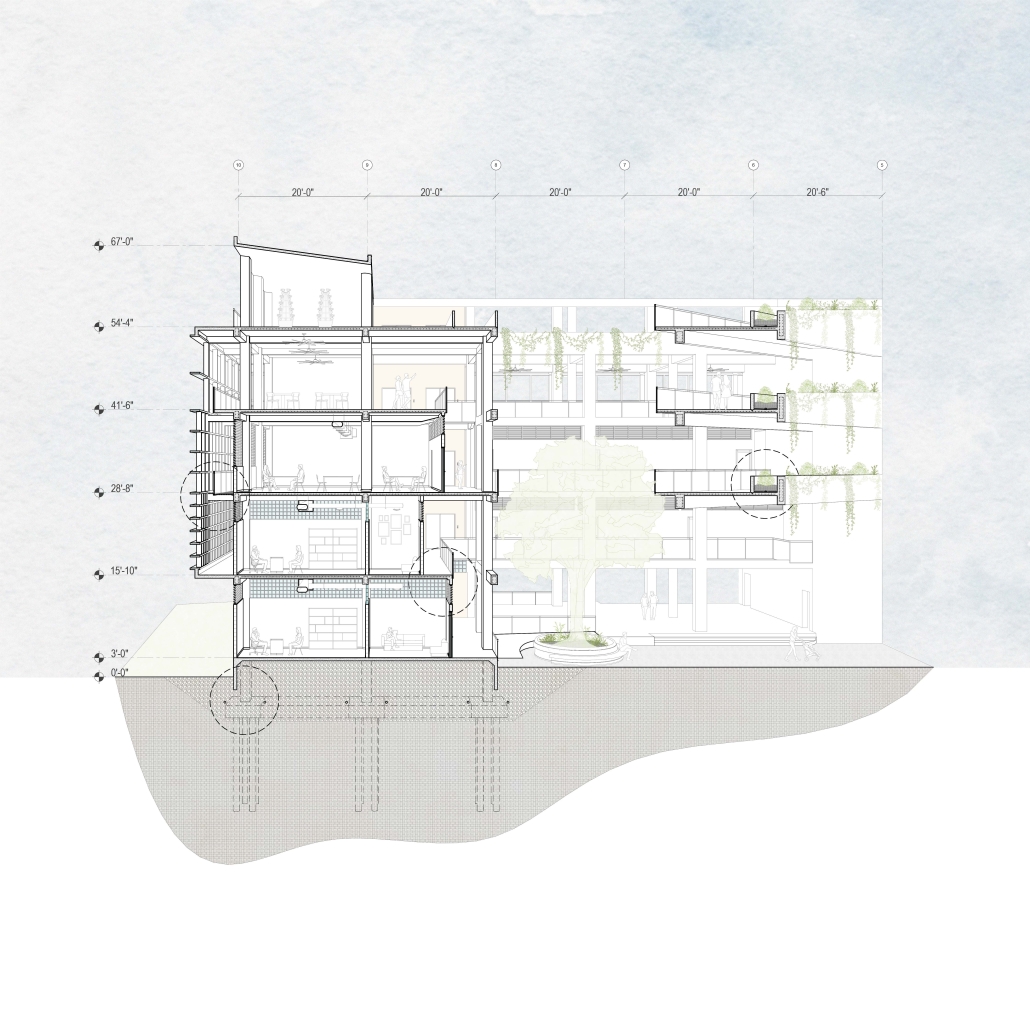
As a response, the architectural project “Lazo” proposes a strategy to reconnect the neighborhood with its people. Situated on two plots separated by a street, the design links them through a habitable bridge that becomes both a symbolic and functional connector. This elevated structure hosts cultural, educational, and social programs that strengthen community bonds.

More than a finished object, the project is conceived as an open and adaptable system, shaped through community involvement. Public space is the core of the proposal, with plazas, open workshops, and shared courtyards designed to encourage interaction and daily use. The program includes classrooms, artisan workshops, a communal kitchen, and exhibition areas—spaces that promote learning, creativity, and the transmission of local knowledge.

The bridge redefines the street not as a boundary but as a space of encounter, promoting pedestrian movement and intergenerational exchange. “Lazo” becomes not just a building, but an infrastructure of care, identity, and continuity—an active agent in the regeneration of one of Puebla’s most historic yet neglected neighborhoods.

The capstone was recognized as Best Generation Project by Tecnológico de Monterrey.

Instagram: @rafamtz._, @arq.pue.tec

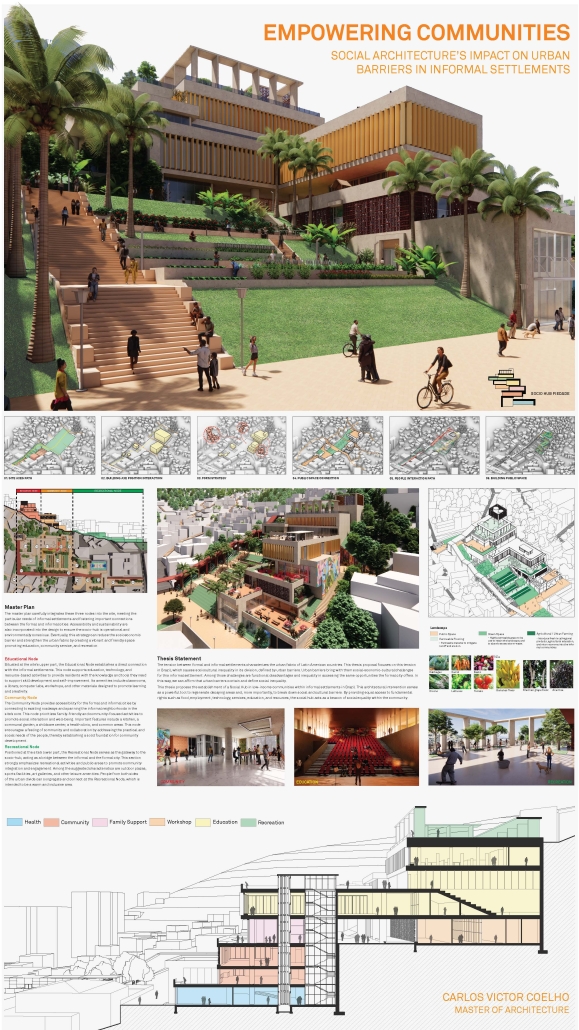
Empowering Communities by Carlos Victor Coelho, M.Arch ’25
Boston Architectural College | Advisors: Ralph Jackson & Ian F. Taberner

SOCIAL ARCHITECTURE’S IMPACT ON URBAN BARRIERS IN INFORMAL SETTLEMENTS

This thesis proposal focuses on the tension between formal and informal settlements in Latin American countries, particularly in Brazil, where urban barriers contribute to sociocultural inequality. These barriers, including spatial, economic, and political exclusions, create challenges for informal settlements, such as infrastructure disadvantages and limited access to opportunities. By asking the following questions, this proposal suggests establishing a social hub in a low-income community within informal settlements, emphasizing the importance of considering its unique conditions and challenges in planning urban interventions. 

The Social Hub aims to break down social and cultural barriers through social architectural intervention. This intervention will act as a powerful tool to provide equal access to essential resources and services, such as food and water. The initiative also aims to promote social equality and inclusion. This proposal suggests establishing the social hub in an informal settlement in Vitoria, ES, Brazil. To achieve its goal, the proposed site, approximately 1.8 acres, is situated in a sloped informal neighborhood within the heart of the city and the Historical center, rich in cultural and historical relevance.

Methods of Inquiry:

– How can social architecture in informal settlements increase the quality of life and social equality?

– What challenges and barriers do urban barriers within low-income communities bring to them?

– How can deconstructing urban barriers through architecture help guarantee needy community residents’ right to the city and ensure integration and equality?

Term of Criticism:

– Does the proposal project help overcome challenges such as the urban barrier within the community?

– Does the proposal present a structure that fulfills the community’s significant needs, such as food access, education, and public space?

– Does the project offer a structure that encourages the community’s involvement and inspires pride and opportunities

This project received Commends for Thesis.

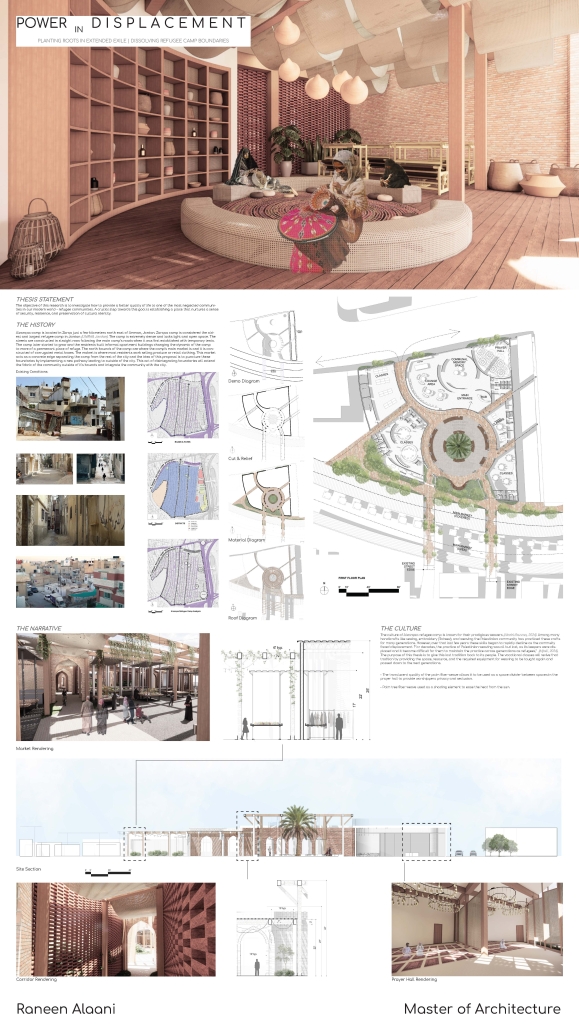
Power In Displacement by Raneen Alaani, M.Arch ’25
Boston Architectural College | Advisors: Lorraine Kung & Ian F. Taberner

Planting roots in extended exile – Disintegrating refugee camp boundaries.

This research investigates establishing a sense of security, resilience, and preservation of cultural identity for Palestinian refugee communities in the Middle East. These communities have been struggling with instability and feeling that they have been uprooted from their homes for many decades. The political status of most of these refugees complicates the issue even further. Palestinian refugees in many Middle Eastern countries fall under the status of “stateless”. This dilemma is not only affecting their social and economic lives, but it is detrimental to their psychological and emotional wellbeing as they continue to feel imprisoned within the intangible boundaries of their refugee camps.

  • Creation of a safe haven to exhibit communal memory that reminisces the homeland
  • A place of attachment that empowers the culture, religion and heritage
  • The use of natural light to invoke healing – peace – tranquility

Methods of Inquiry:

  • Sense of security and stability is restored
  • Refugee community’s youth have aspirations for their future
  • Self-esteem and self worth is restored

Terms of Criticism:

Alzarqaa refugee camp is only a few kilometers outside of Amman, Jordan. It is one of the oldest refugee camps in the region (UNRWA Jordan). Alzarqaa camp struggles with density and lack of job opportunities in addition to water scarcity, lack of resources, and lack of natural light. This thesis proposes a resilience center of approximately 9000 SF just outside the bounds of the camp that acts as a continuation of the community extending just beyond the boundaries of the camp.”

This project received Commends for Thesis.

Stay tuned for Part XII!

2025 Study Architecture Student Showcase - Part V

In Part V of the 2025 Study Architecture Student Showcase, we take a look at projects centered on equity. From natural highways to aid centers, the featured student work includes design solutions catered toward migrants, widows, and other historically marginalized groups. By providing culturally sensitive architectural interventions, each project fosters resilience, equity, and empowerment. 

Scroll down to learn more!

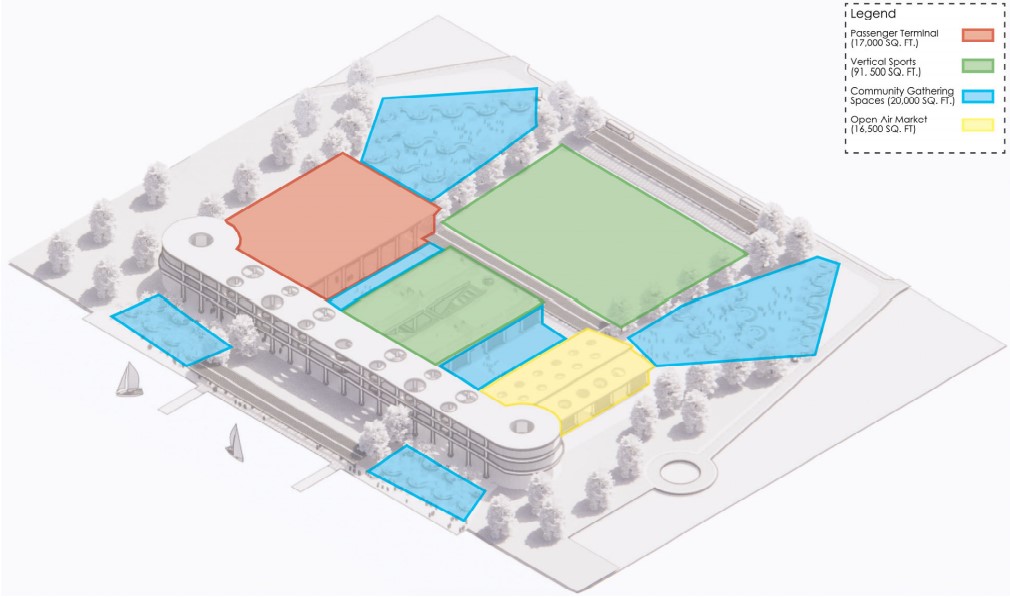
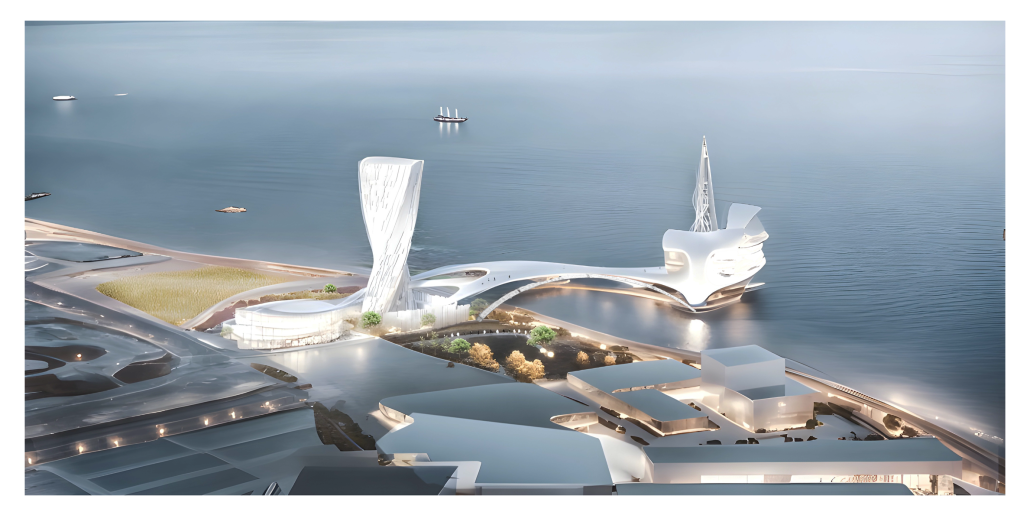
BARRA DA TIJUCA MARITIME TERMINAL by Justyn D. Grant, M.Arch ‘25
Florida A&M University | Advisors: George Epolito, Andrew Chin & Ronald B. Lumpkin

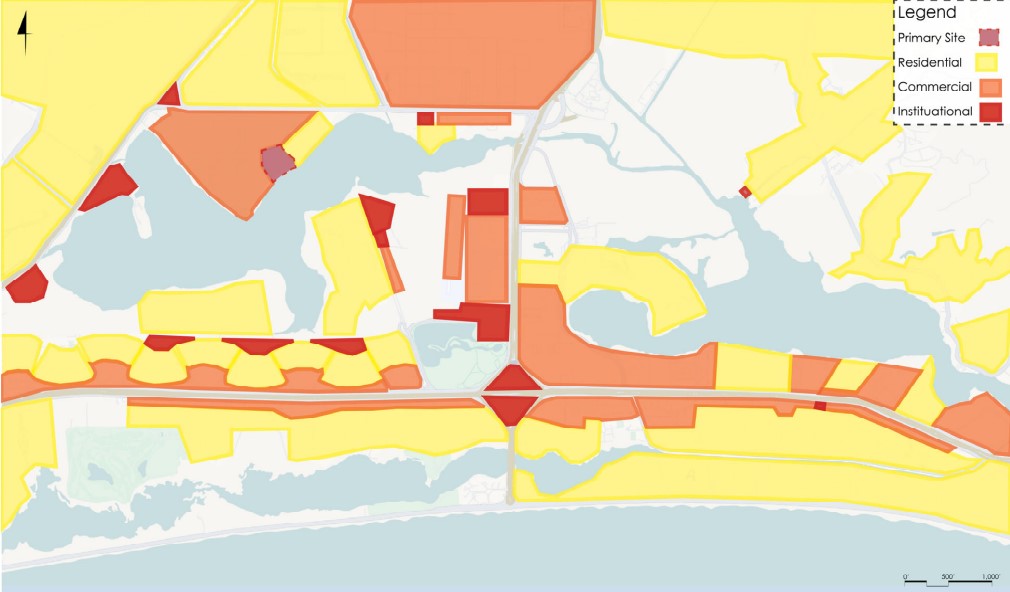
Barra da Tijuca Maritime Highway Terminal responds to a long-standing pattern of neglect toward disenfranchised communities impacted by large-scale global events like the Olympics. This thesis focuses on Rio das Pedras, a self-built favela in Rio de Janeiro, Brazil, that, despite being in proximity to the 2016 Olympic sites, remains disconnected from the infrastructural and economic benefits promised during the event’s planning and execution.

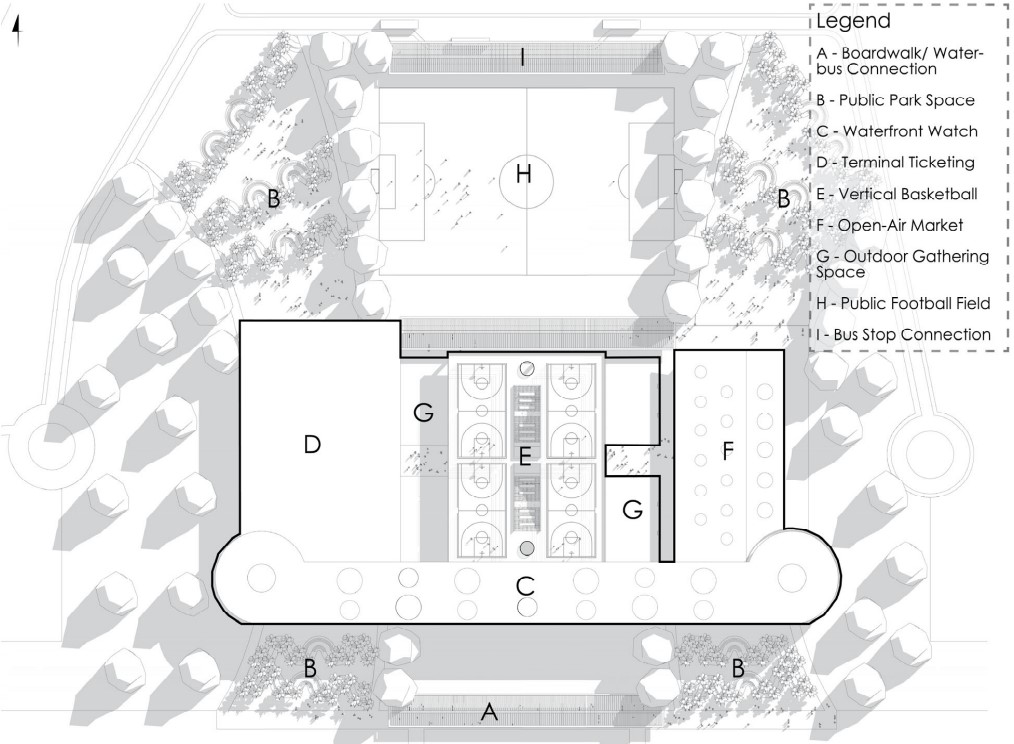
The project proposes a bold intervention: a maritime terminal located at Athlete’s Park that connects Rio das Pedras with the broader Barra da Tijuca area via the lagoon system. This “natural highway” avoids disruption within the favela while offering a culturally sensitive, environmentally harmonious transit solution. The terminal is envisioned as more than a transportation node—it will be a space for economic empowerment, community gathering, and cultural exchange, serving both residents and tourists.

Architecturally, the design draws from the spatial and material logic of Rio das Pedras to promote familiarity, dignity, and inclusivity. By integrating construction practices and vernacular forms found in the favela, the terminal becomes a home away from home—bridging class divides and reshaping perceptions of informal urbanism.

This thesis critiques the post-Olympic urban landscape and interrogates the broken promises of legacy investments. It reframes infrastructure as a tool for equity, proposing design strategies that center the needs and aspirations of historically marginalized communities. In doing so, it advocates for a model of development that honors cultural identity, fosters connection, and plants the seeds for long-term resilience and economic vitality.

Instagram: @famusaet, @famu_masterofarch
Centro Mariposa: The Refuge of Wings, Women’s Shelter, Querétaro by  Leslie Bocanegra Valdivia, B.Arch ’25
Universidad Anáhuac Querétaro | Advisors: Guillermo Márquez, Patricia Cutiño & Jorge Javier

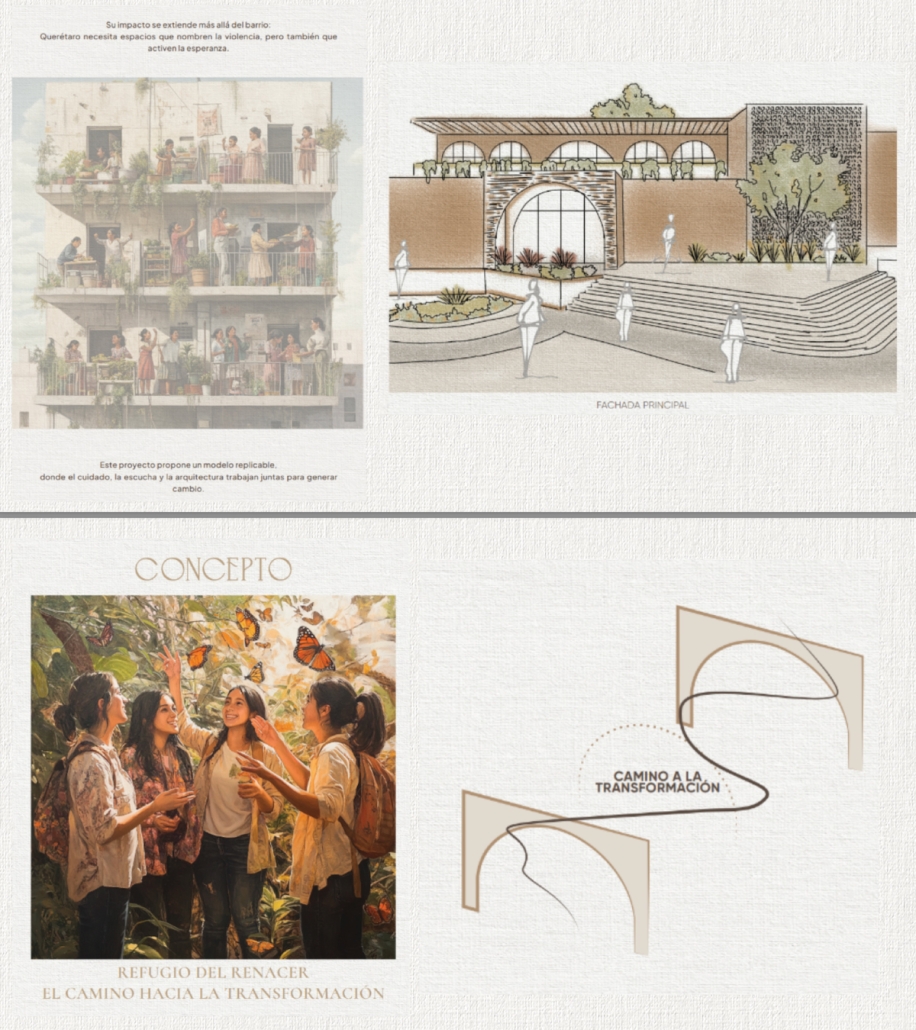
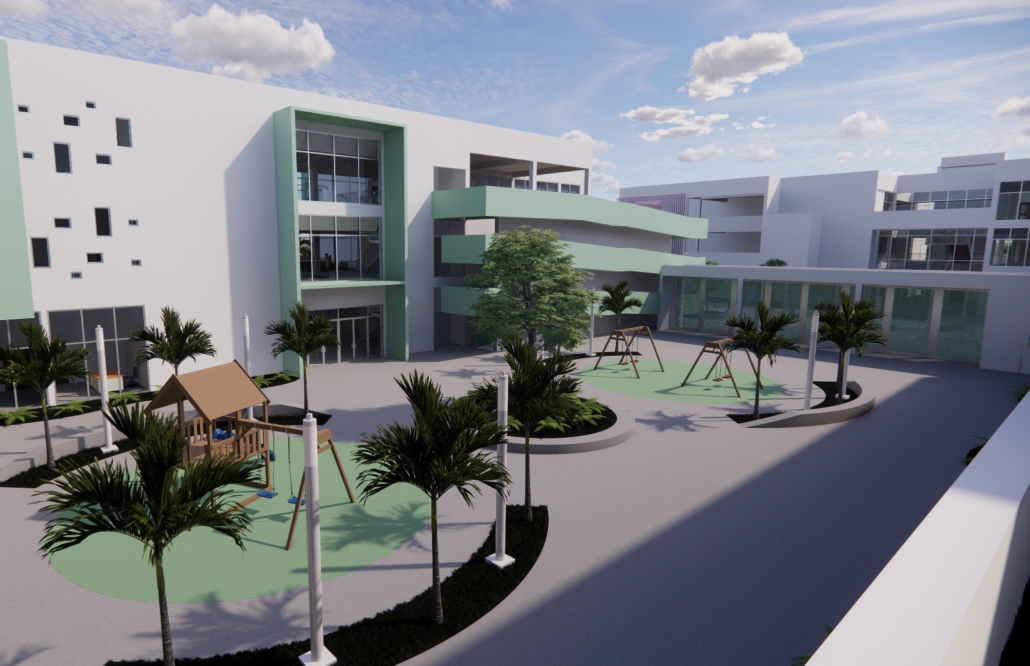
At the heart of the indigenous neighborhood of San Francisquito, Querétaro — a city affected by gender violence and inequality — [is] CENTRO MARIPOSA, inspired by the butterfly’s journey of rebirth, emerges as an architectural space for transformation. In response to the lack of safe spaces for women, the project offers more than refuge; it provides a place to heal, rebuild identity, and begin anew, surrounded by physical, symbolic, and collective protection.

A pavilion marks the entrance — a civic gesture that transforms a neglected corner into a new community anchor. More than a threshold, this space invites gathering and recreation, intervened with messages of resistance. It is here — where the intimate and the public intertwine — that the transition from pain to rebirth begins.

The proposal integrates a network of spaces that respond to women’s needs: medical, legal, psychological, and physical support combine with workshops on crafts, art, recreation, connection, entrepreneurship, and empowerment — all within an atmosphere of mutual care and healing. A temporary shelter area offers safety, professional support, and dignity to those in urgent need, the architecture draws inspiration from metamorphosis: Organic paths, contemplative patios, and warm materials create a nurturing environment. Every architectural gesture is an act of care. The design respects the neighborhood’s heritage and connects with the land and its people.

The impact of CENTRO MARIPOSA extends beyond its walls. It seeks to heal a community, rekindle hope in forgotten spaces, and offer Querétaro a model of architecture grounded in social justice and gender equality.

Like a butterfly, each woman who finds strength here takes flight — lighting the way for others to rise, transform, and soar.

Instagram: @leslie_bocanegra, @bocle.architecture, @arquitectura_anahuac, @arqwave

UMBRE Comprehensive Aid Center for Migrants by Natalia Pérez Pereyra, B.Arch ’25
Universidad Anáhuac Querétaro | Advisors: Guillermo Márquez, Patricia Cutiño & Jorge Javier

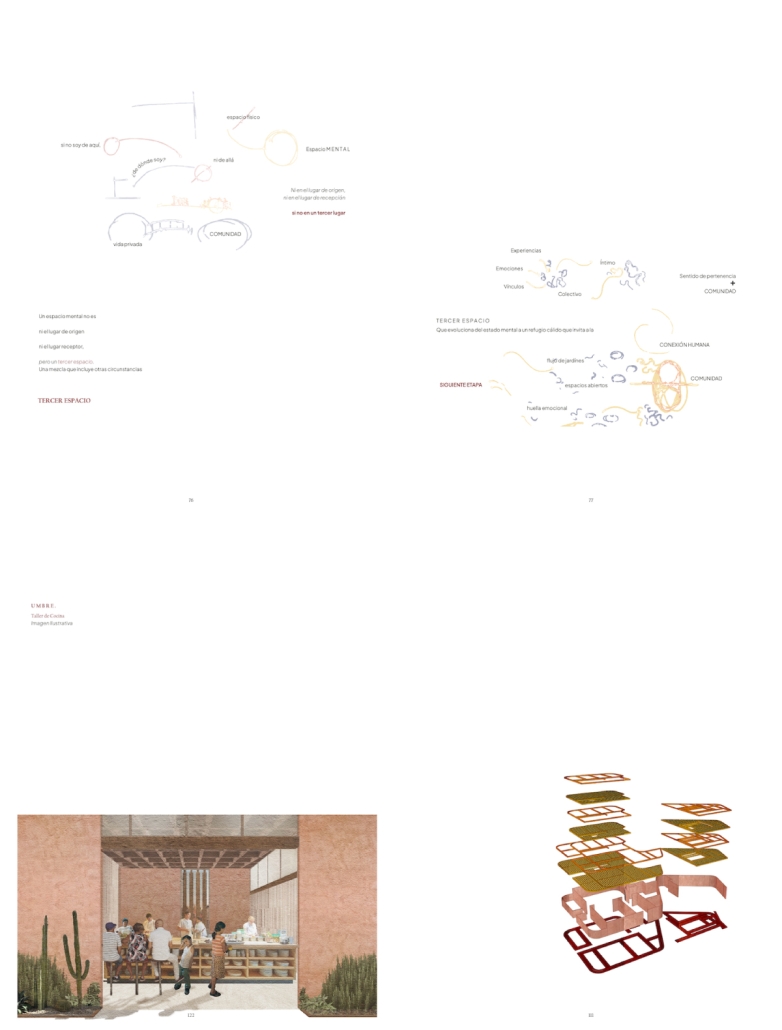
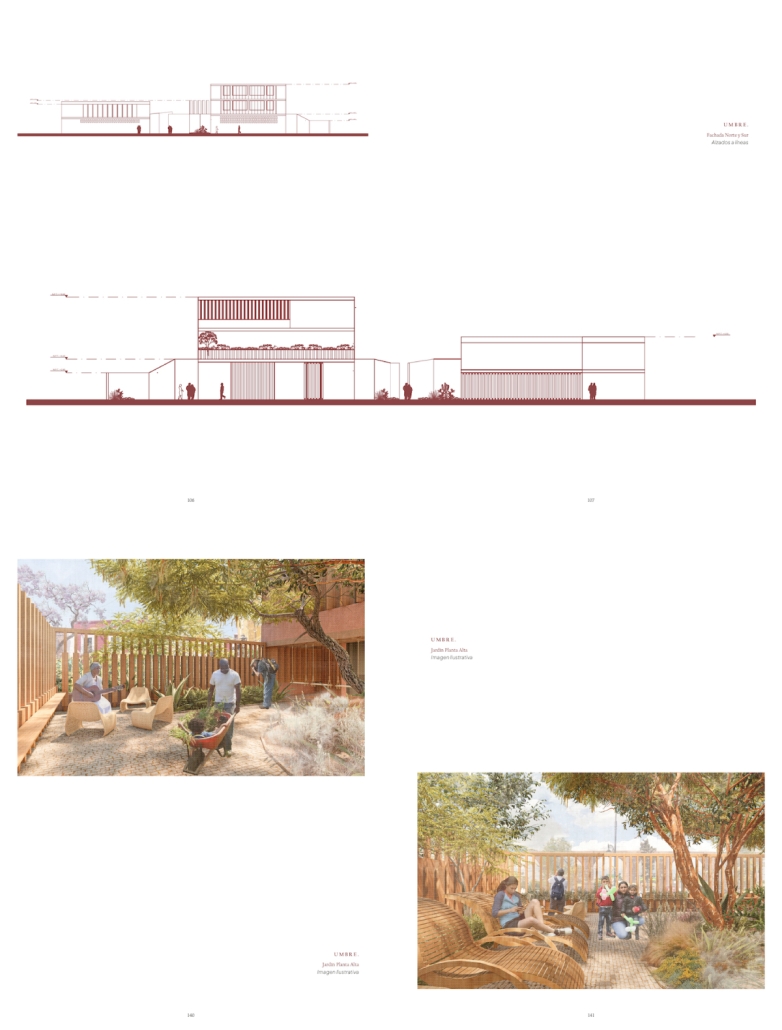
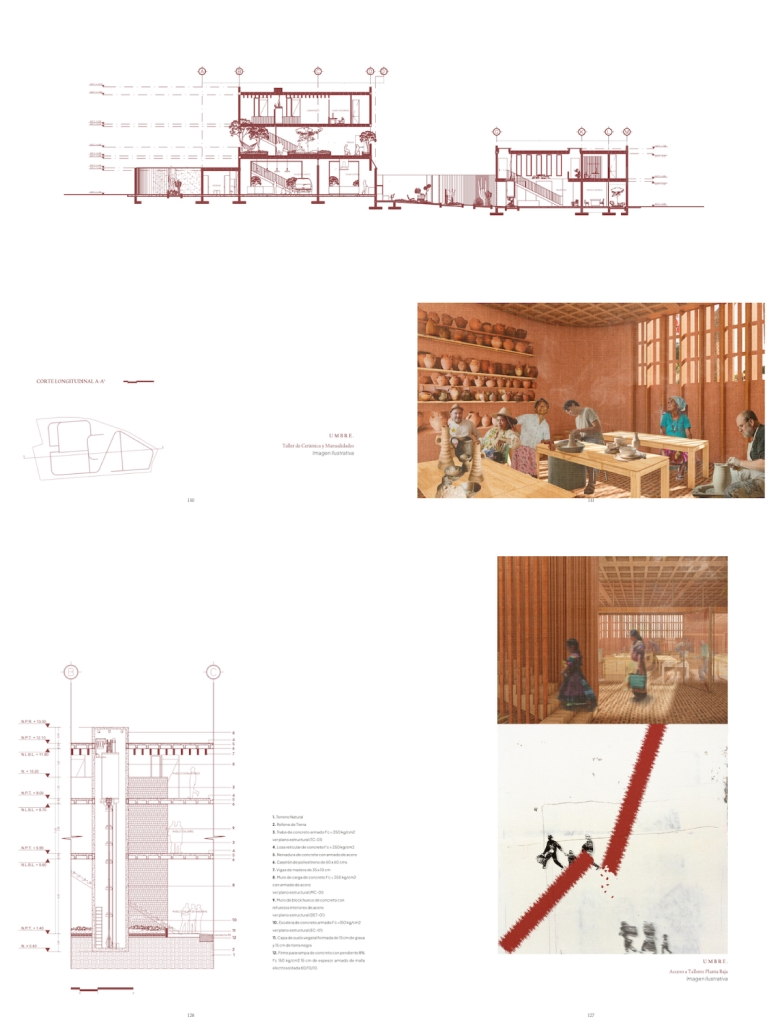
The project offers a temporary stay of up to six months, intended as a preparation and support period so that people on the move can decide their next step: settling in Querétaro or continuing their journey. During this time, workshops, talks, and training sessions are held focused on their labor and social integration. In addition, the center provides outpatient services for those not temporarily housed there. This includes food, sanitation, medical and psychological care, legal assistance and support, training workshops in various sectors, and support in finding employment.

These services do not have a strict time limit, allowing them to be adapted to the migrants’ different trajectories and needs. In coordination with volunteers and specialists, support is also offered in finding housing and managing legal documentation, such as a humanitarian visa, which can be completed in approximately 20 days. The goal is to offer a safe, dignified, and connected environment to the city, strengthening users’ autonomy and integrating them into the social fabric of Querétaro.

Instagram: @nataliaprzp, @perezparch, @arquitectura_anahuac, @arqwave

URBAN FRAGMENTATION AND SOCIAL ISOLATION: The Impact of High-Speed Expressways and the Reconnection of the Luis Lloréns Torres Public Housing Complex with Its Surrounding Communities by Lara S. Pérez-Fuentes, M.Arch ’25
University of Puerto Rico | Advisors: Omayra Rivera Crespo, José R. Coleman-Davis & María Helena Luengo

In the Luis Lloréns Torres Public Housing Development and its neighboring communities, such as Shanghai and Villa Palmeras, physical and symbolic barriers, resulting from its architectural design and the Baldorioty de Castro Expressway, have generated urban fragmentation and social isolation. This isolation has limited mobility, access to essential services, and economic opportunities, while perpetuating the social stigma associated with public housing. Based on this context, the study proposes designing an integrative public space as a strategy to mitigate barriers, foster social cohesion, and improve residents’ quality of life.

The research combines qualitative and quantitative approaches, including interviews and surveys, which highlight the challenges of mobility, community disconnection, and lack of adequate infrastructure. Key elements of identity and belonging are also identified, guiding the proposed interventions. The design program includes a pedestrian corridor, a Community Connection Center, and a Cultural Center, along with strategies to revitalize informal commercial spaces and promote social interaction. 

This integrative approach not only responds to the functional needs of accessibility and connectivity, but also seeks to transform the perception of residents and neighboring communities, fostering a sense of unity and active participation. The research underscores the importance of inclusive and collaborative urban planning as a means to overcome exclusion and build resilient, cohesive, and equitable communities.

Click here to learn more.

Instagram: @larita0013, @uprarchitecture

Jackson Center for the Blind and Visually Impaired by Anna Kate Horn, B.Arch ’25
Mississippi State University | Advisors: Jassen Callender, Mark Vaughan, Aaron White, David Perkes & David Buege

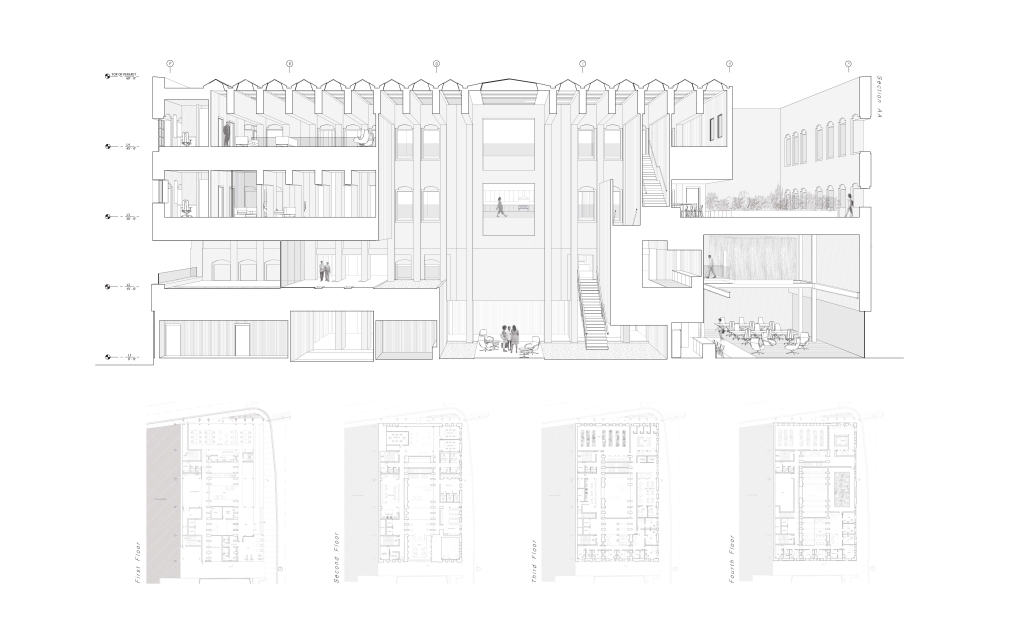
“Jackson’s Center for the Blind and Visually Impaired” is a training facility that empowers individuals with vision loss to gain greater independence. This project explores the understanding that design solutions addressing the needs of the blind and low-vision communities are universally beneficial—enhancing the spatial experience for all users by deepening the sensory richness of the environment. Located at one of the most prominent and sensory-rich intersections in Jackson, Mississippi, the training center creates a space for its user group within the city that celebrates the acceptance of diverse perspectives in urban environments.

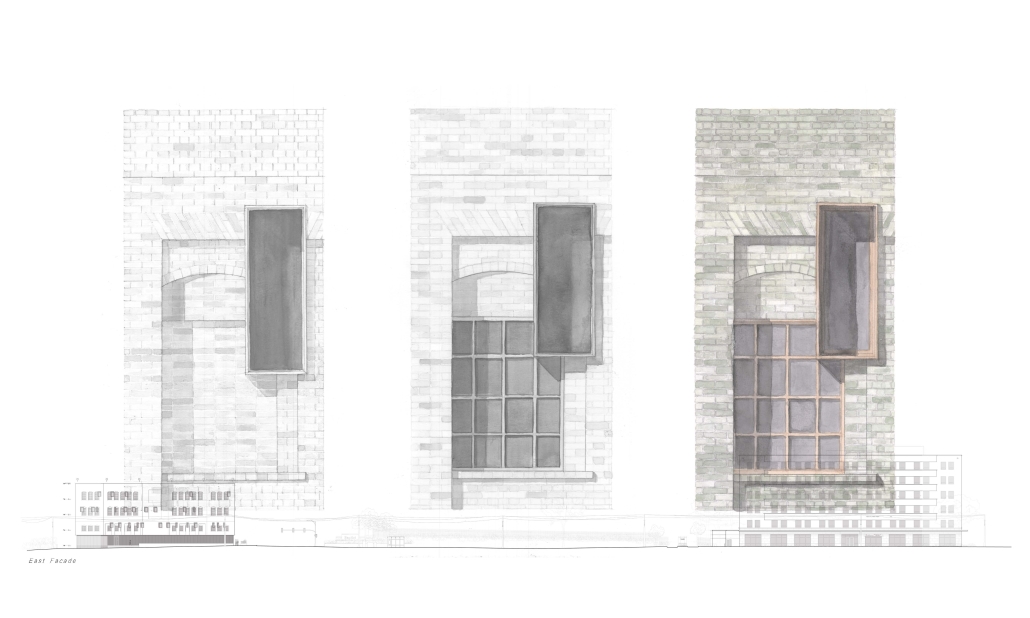
Across the street once stood the first location of the Institute for the Blind in Jackson. The geometry of this original building has become the base of the façade, which is intentionally disrupted with boxed bronze window openings that pierce through the underlying rhythm, contradicting the established grid to create moments of tension. Sculpted from green glazed brick with medium gray mortar, the materiality speaks to the context and historic structure without attempting to replicate the past, while celebrating the primary user group’s history within the community. The green glazed mass levitating above the ground reveals a district condition of light and sound from the street at the entry to indicate arrival.

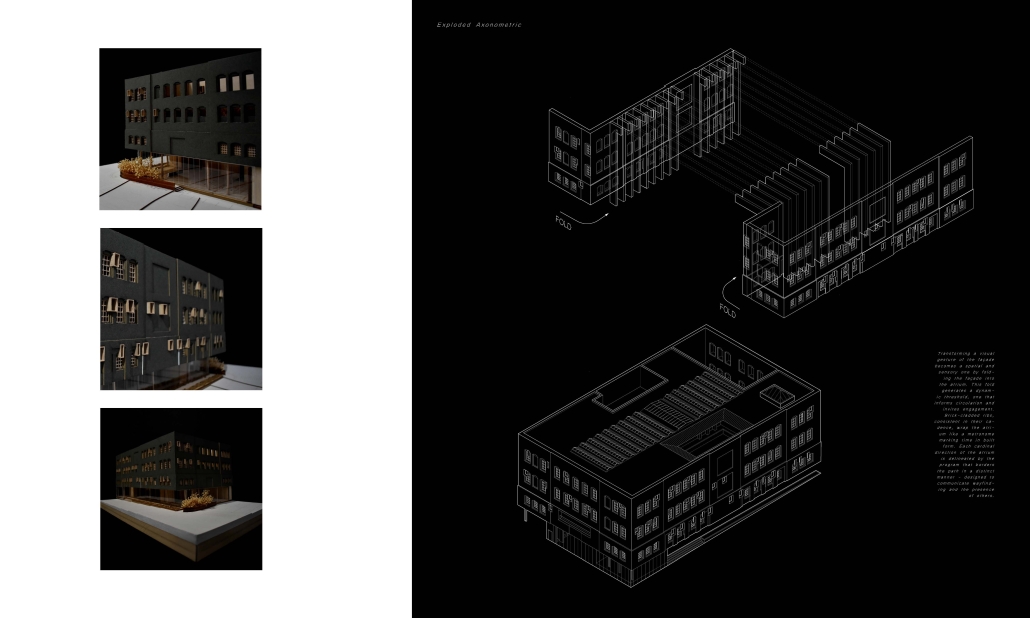
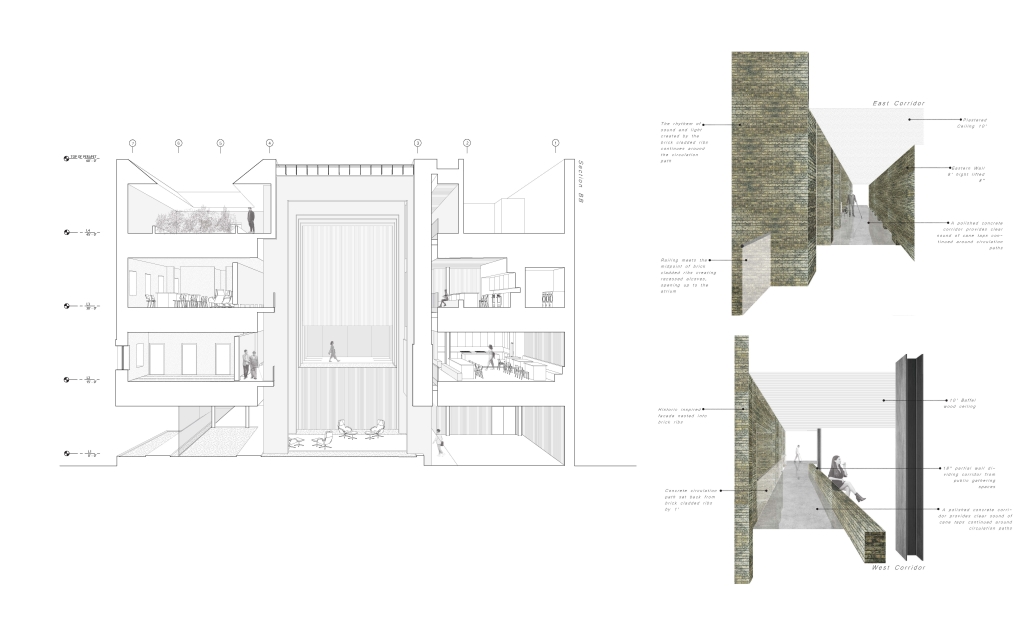
Transforming a visual gesture of the façade becomes a spatial and sensory one by folding the façade into the atrium. This fold generates a dynamic threshold, one that informs circulation and invites engagement. Brick-cladded ribs, consistent in their cadence, wrap the atrium like a metronome marking time in built form. Each cardinal direction of the atrium is delineated by the program that borders the path in a distinct manner – designed to communicate wayfinding and the presence of others.

This project received the CDFL Capstone Studio Travel Award. 

Instagram: @designs_by_akhorn, @jassencallender

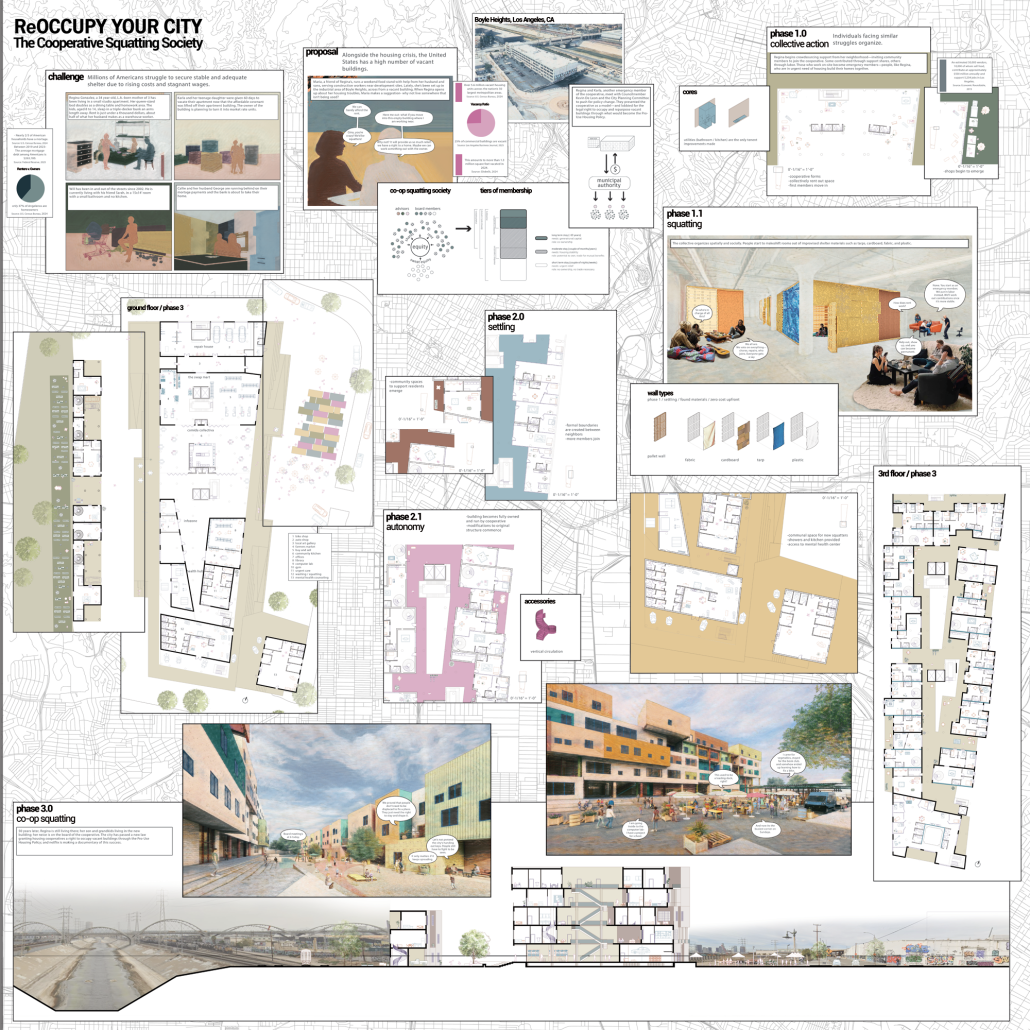
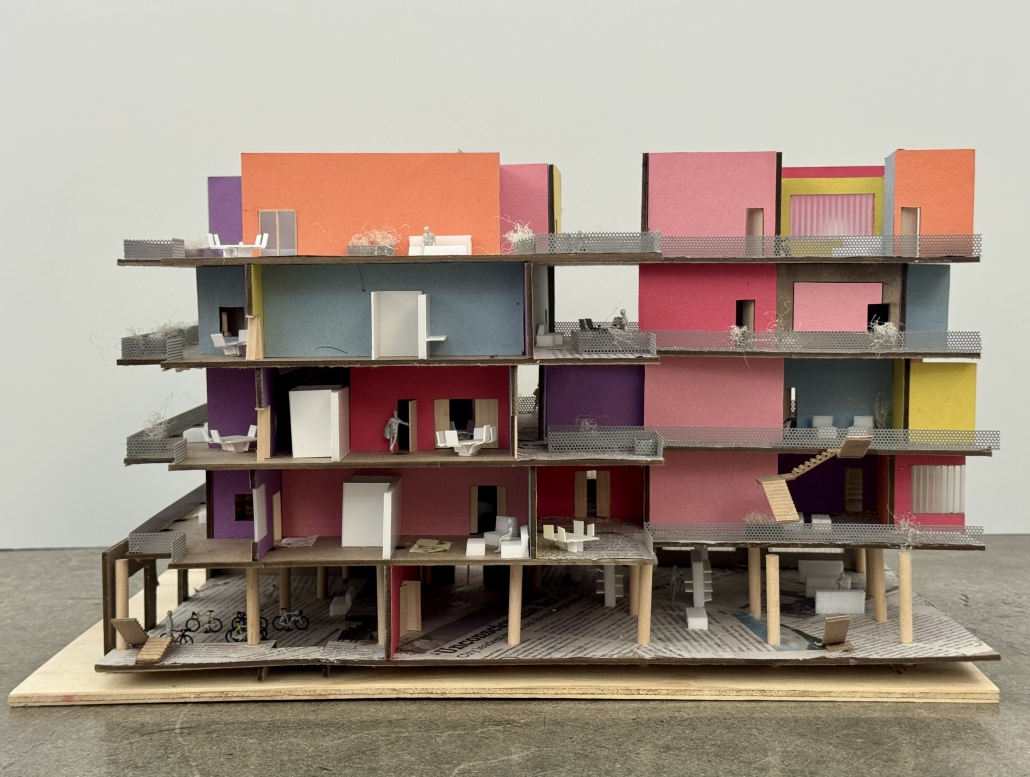
ReOCCUPY Your City – The Co-operative Squatting Society by Nour Kaddoura, M.AARS City Design + Housing (CDH) ’25
University of Southern California | Advisor: Sascha Delz

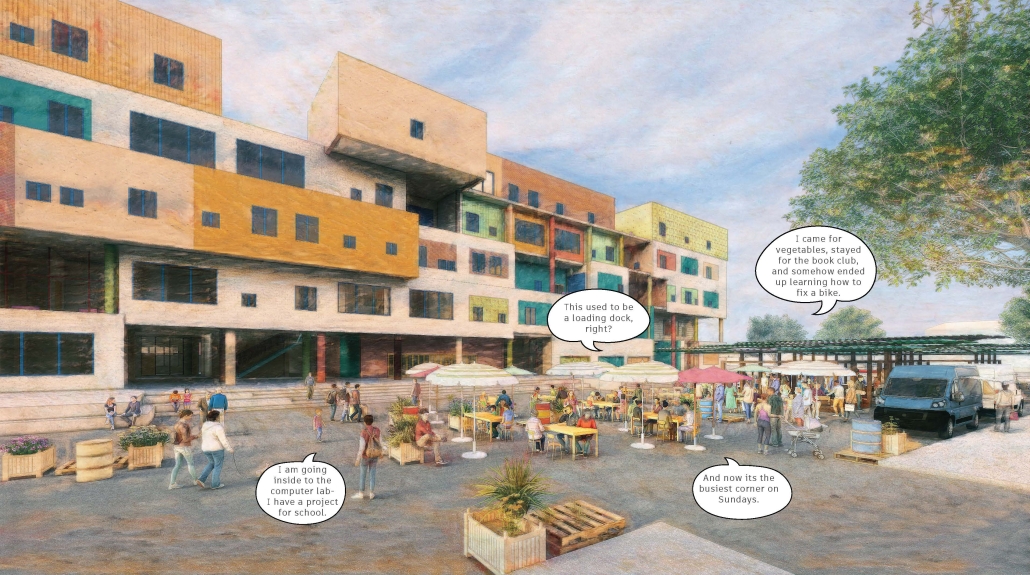
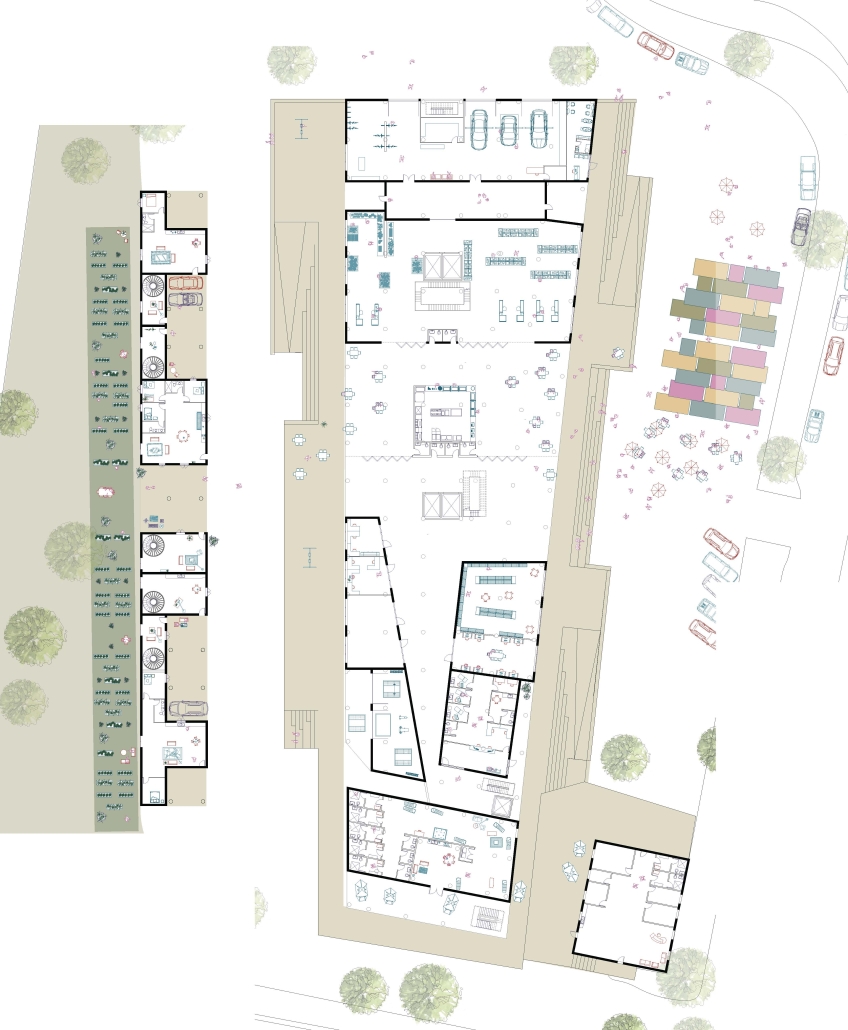
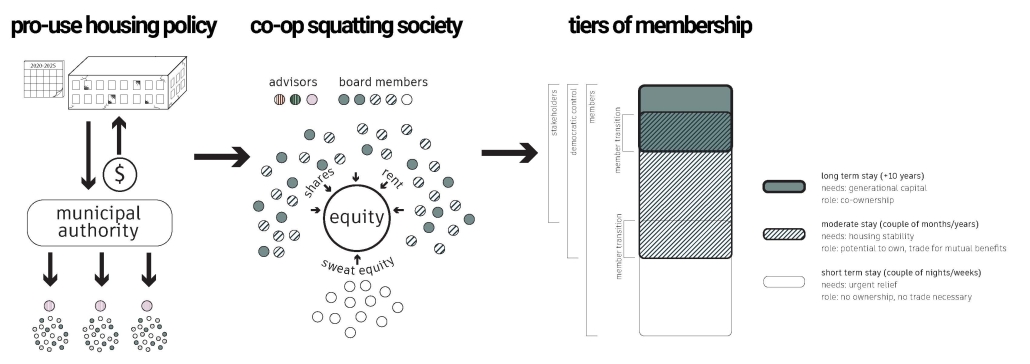
For many marginalized individuals and communities, informal practices are an essential means of gaining access to services and spaces that are otherwise unavailable or unaffordable. This is especially true for shelter and housing, where squatting often serves as a last resort. While property owners have broad legal means to evict squatters, squatters also hold limited rights, leading to often adversarial and protracted legal battles.”ReOCCUPY Your City” offers an alternative approach to squatting. By combining a supportive legal framework, a Pro-use Housing Policy, and formalized Co-operative Squatting Societies, it empowers squatters to take control of vacant industrial properties, transforming them into collaborative spaces that provide affordable housing for Los Angeles. 

Under the Pro-use Housing Policy, a group of dwellers can form a Co-operative Squatting Society, claim collective ownership of an abandoned building, and gradually inhabit and manage it democratically over time. As residents join, their involvement in the co-operative can evolve from emergency occupancy to transitional and ultimately permanent residency. ReOCCUPY Your City thus enables a community-driven, democratic reuse of vacant buildings, empowering squatters to not only claim and improve these structures but also to contribute to the city’s housing stock. The project also allows the city’s housing administration to make underutilized spaces progressively productive, offering affordable, self-governed housing solutions.

Instagram: @coop_urbanism

B.lab Community-Based Design by Lowai Ghaly, Mazen Ghaly, Mohamed Meawad, Andrew Hart, Kim Ebueng, Kenny Soriano, Edgar Castillo, Peter Peritos, Shadi Vakilian, Amanda Estrada, Giewel David, B.Arch ’25
Academy of Art University | Advisor: Sameena Sitabkhan

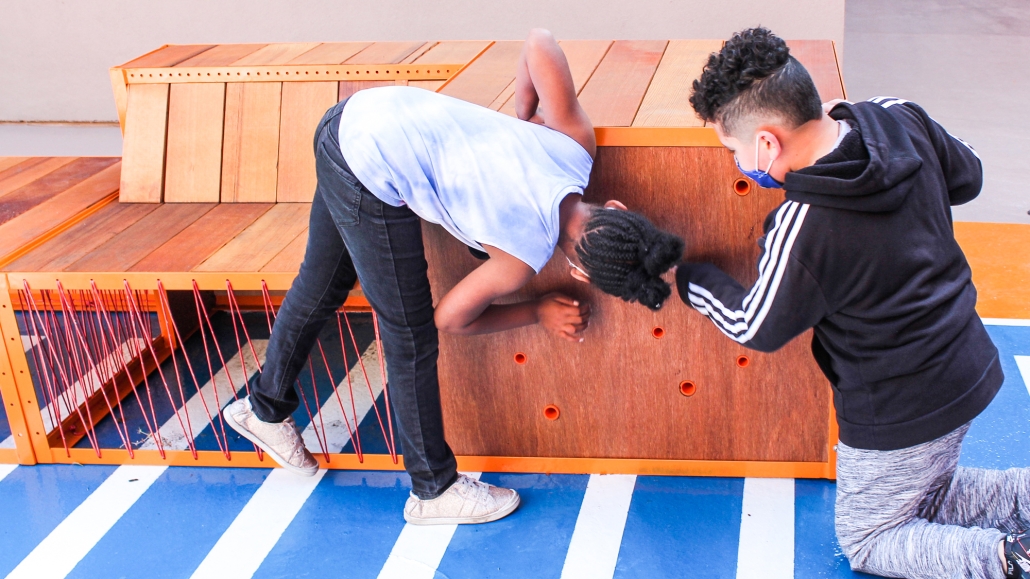
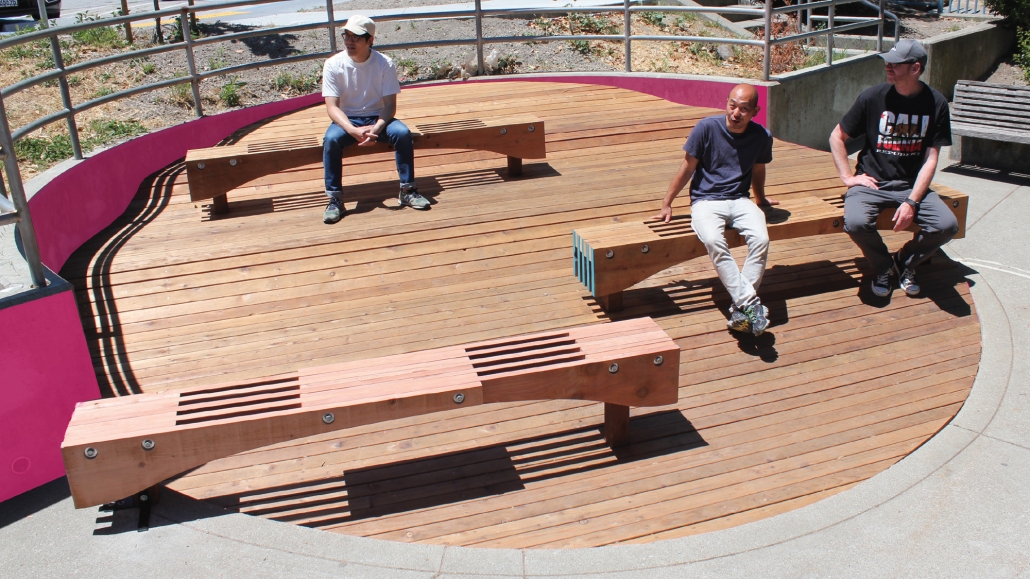
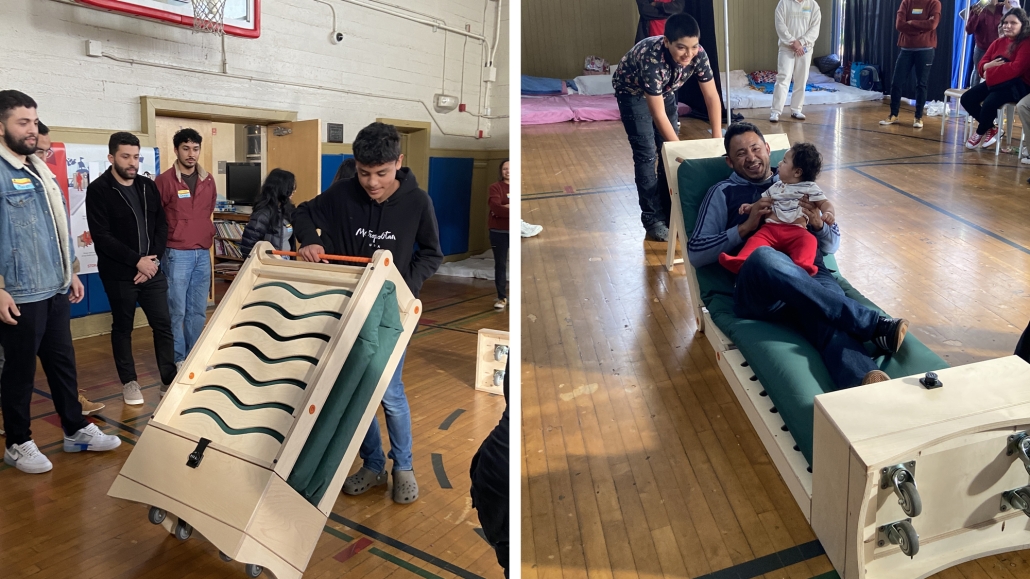
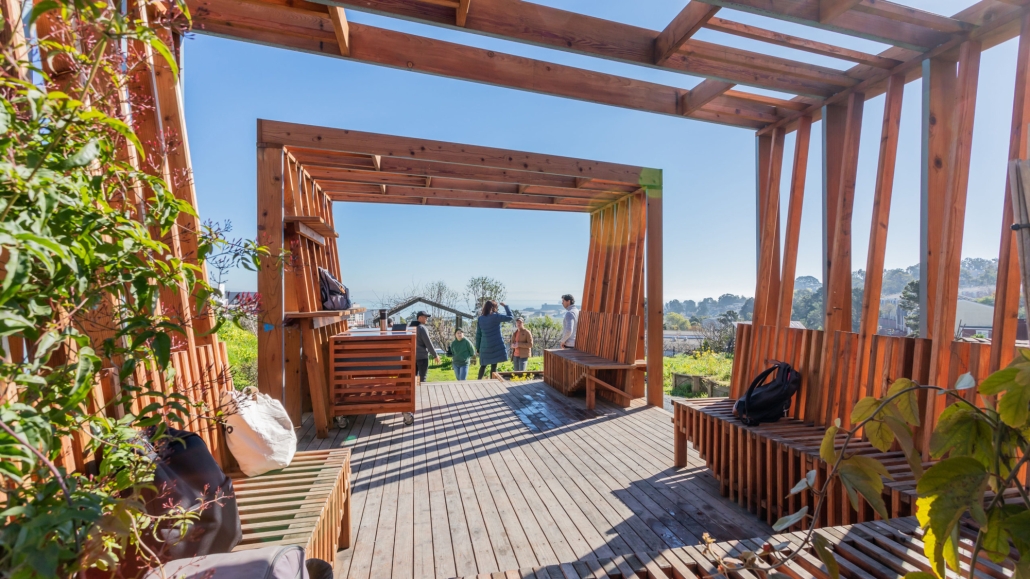
The B.lab program at the Academy of Art University was founded in 2018. Through robust partnerships with our neighbors and local nonprofit organizations, the program has implemented several projects in the Bay Area. At its core, the B.lab program is a community-based design program promoting spatial justice and advocacy for future designers. Through radical listening and co-creation, we empower communities and bring positive change to the built environment.

This project received the B.Arch Community Building Award.

Instagram: @studio.sideproject

Empowerment Center by Devangi Patel, M.Arch ’25
Boston Architectural College | Advisors: Emeline Gaujac, AIA. & Ian F. Taberner, AIA.

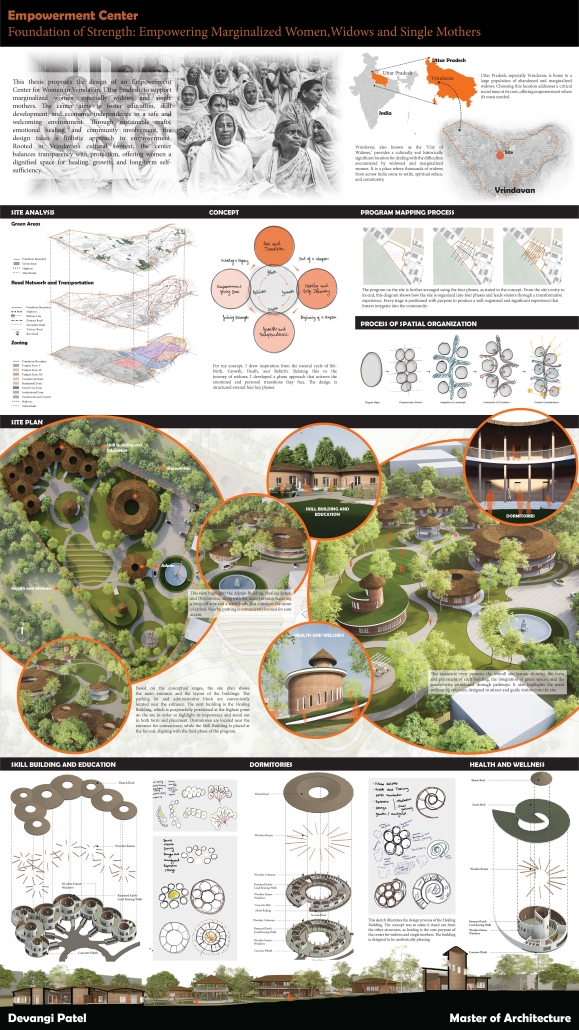
This thesis proposes the design of an Empowerment Center for Women in Vrindavan, Uttar Pradesh, India, as a response to the social, cultural, and economic marginalization of widows and single mothers in the region. Vrindavan, often referred to as the “City of Widows,” is a place of profound spiritual importance. It is home to thousands of women who are abandoned and forced to live in poverty, social isolation, and emotional distress.

The Empowerment Center aims to restore dignity, independence, and resilience to these women by offering a comprehensive, community-based center that integrates education, skill development, emotional healing, and economic empowerment. The architectural vision emphasizes a balance between safety and openness, combining secure, private zones with transparent and inclusive spaces that encourage connection, confidence, and personal growth.

Key features of the design include sustainable green areas such as gardens and courtyards, and also form is Inspired by inspired by local vernacular architecture and supported by research. These spaces foster mindfulness, promote physical and emotional well-being, and create opportunities for community interaction and collective healing. The project incorporates flexible, adaptive spaces for workshops, training, and communal living to support the evolving needs of its users.

Using techniques including demographic analysis, community participation, and contextual site study, this thesis, which is based on collaborative research and cultural sensitivity, informs an inclusive, accessible, and responsive design. The Empowerment Center seeks to establish a standard for gender-sensitive, socially conscious architecture that not only meets immediate needs but also sparks long-term structural change.

In conclusion, this thesis demonstrates how architecture can serve as a cause for social transformation by addressing the needs of marginalized women in Vrindavan. The Empowerment Center offers a dignified, inclusive, and healing environment that fosters education, independence, and community. By integrating cultural sensitivity with sustainable design, the project aims to empower women and inspire broader change toward gender equality and social resilience.

This project received “Commends for Thesis.”

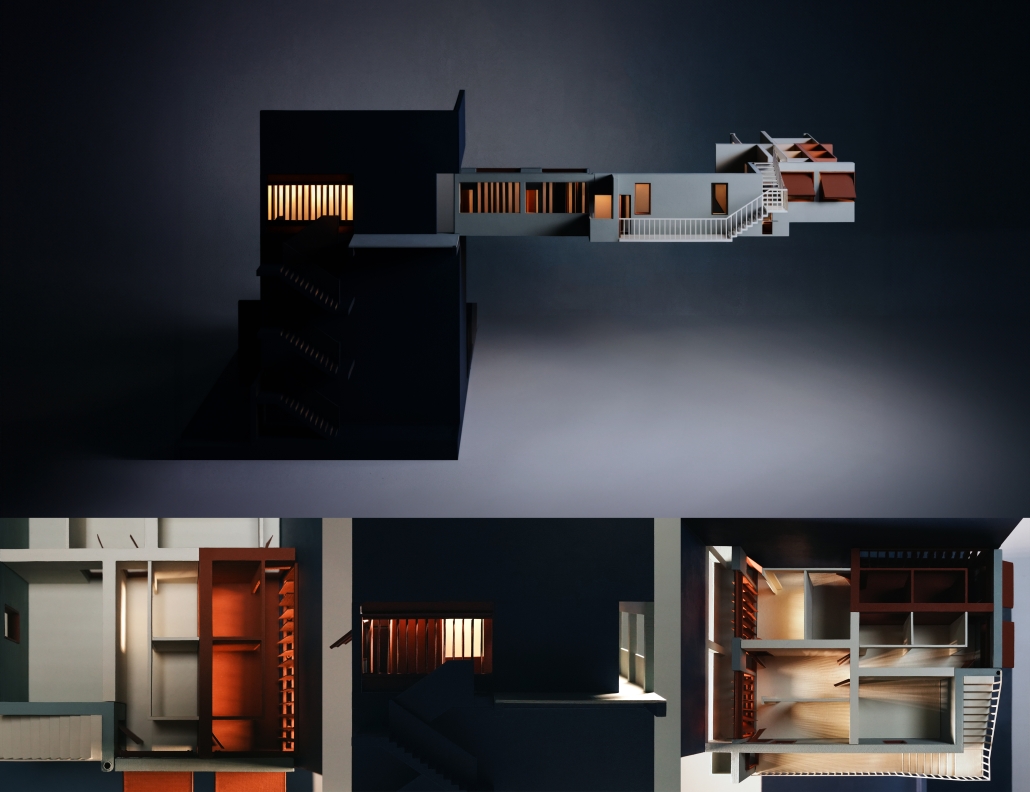
The right to the city by Cindy Caitong Duan, M.Arch II ’25
Yale University | Advisors: Andrei Harwell & Alan Plattus

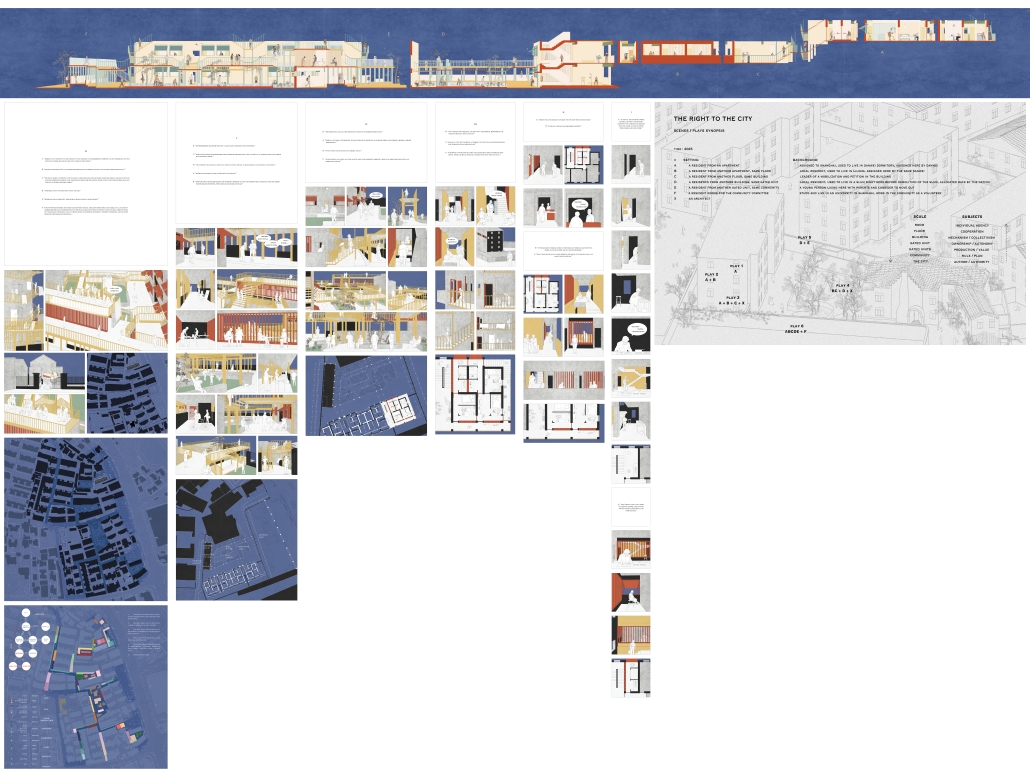
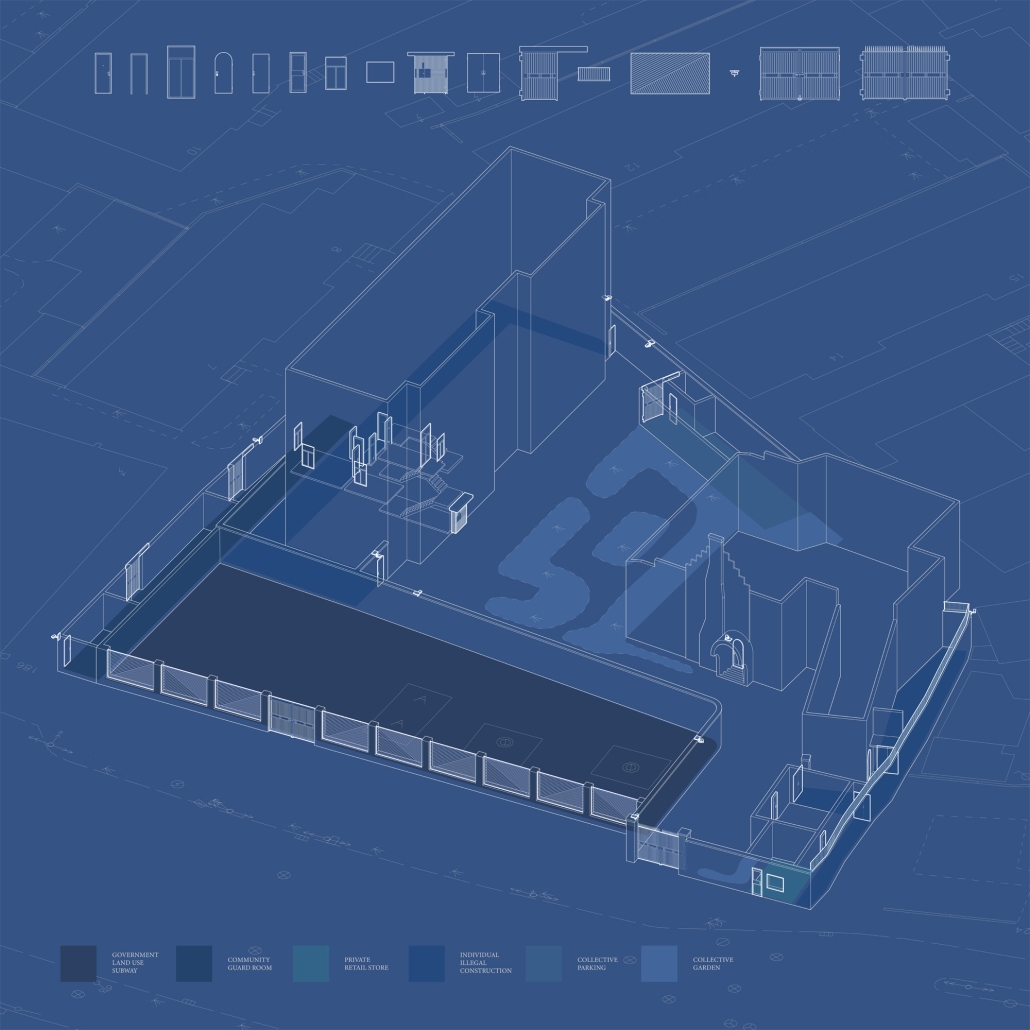
The cities in China have a long tradition of planning based on the gated unit – a collective residential form strictly controlled by entrances, walls, and different levels of thresholds. People live within walls, which define the space of a gated unit; and in the wall that is the building itself. Walls gather us but also limit us, until their imprints are etched into our minds and build obedience and indifference to life. These spaces are both the metaphor and the embodiment of power in Chinese society. 

In this way, I feel it is necessary to ask: What is a city? What should the balance be between governance and defending people’s rights to the city? 

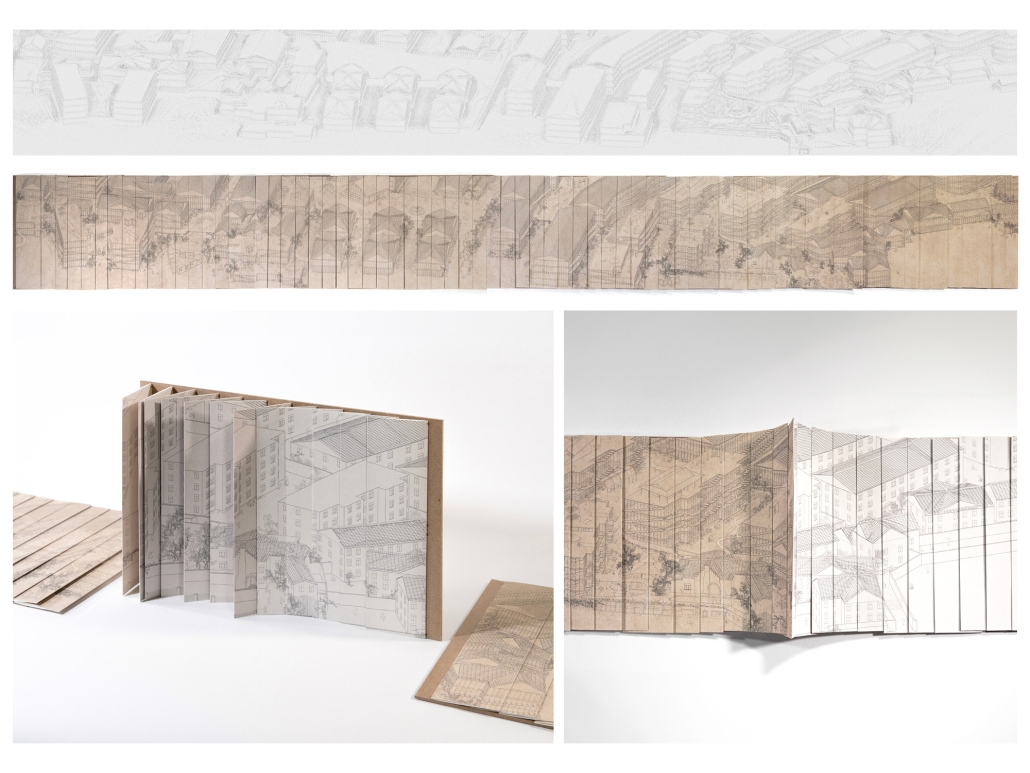
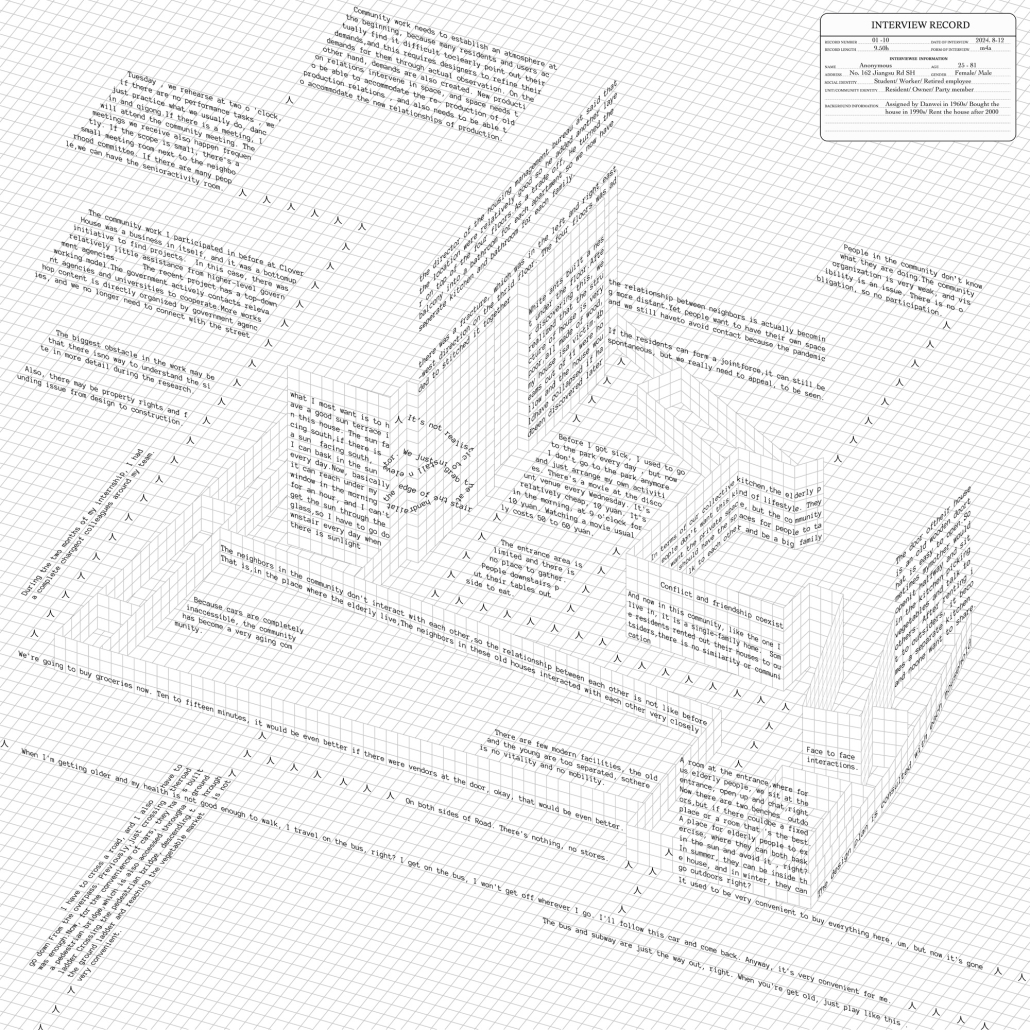
This thesis addresses these questions through a close study of the gated unit where my grandaunt lives in Shanghai, China. The project comprises two parts: first, research analyzing the formation of collectivism and the gated unit; second, a design proposal exploring how gated communities can actively foster local identity and autonomy while mitigating surveillance and urban segmentation. 

The concept of “collectivism” fosters a stronger sense of solidarity but also poses the risk of deindividuation by homogenizing people. As a result, the notion of collective space shifts from being a symbolic space of belonging to a geographically defined common space, diminishing the notion of individual residents’ rights. 

However, I believe a city and its built form should be the second self of the individual, responding to and encouraging open narratives. Gated units and their communities can be transformative, connecting individuals while forming a new entity based on shared agency. More importantly, whenever the collective emerges, it arises from countless “I”s—each independent, each different—reaching a timely commonality through mutual agreement. There is no single form. 

Thus, this project is not the solution but a demonstration of how to regain an individual’s right to the city. It can strike a balance between you and “I”, between us and “I”, and between them and “I”, and the city is its metaphor and site. 

This project received the Yale Drawing Prize.

Instagram: @Cindycaitongd, @andrei__simon

Stay tuned for Part VI!

2025 Study Architecture Student Showcase - Part IV

Part IV of the 2025 Study Architecture Student Showcase spotlights architecture in public health. These student projects feature architectural responses to topics, including amputee rehabilitation, incarceration reform, sober living homes, and maternity care. By incorporating holistic, biophilic elements and utilizing various building typologies, each project fosters a supportive and healing environment based on a wide range of community needs.

Browse the projects below for more details!

Rehabilitation and Empowerment for Amputees by Bryan Feliciano-Torres, B.Arch ‘25
Pontifical Catholic University of Puerto Rico | Advisors: Manuel De Lemos-Zuazaga & Pedro A. Rosario-Torres

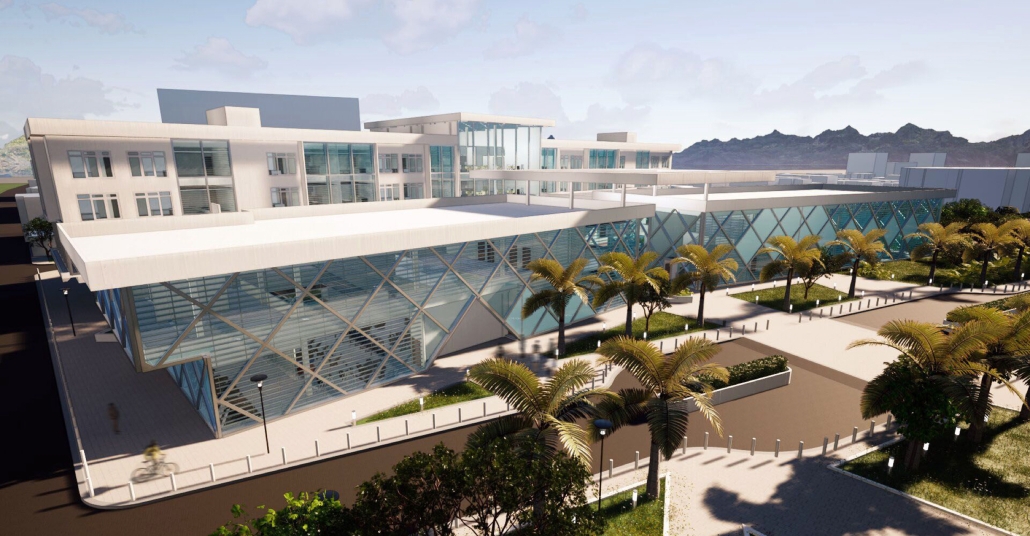
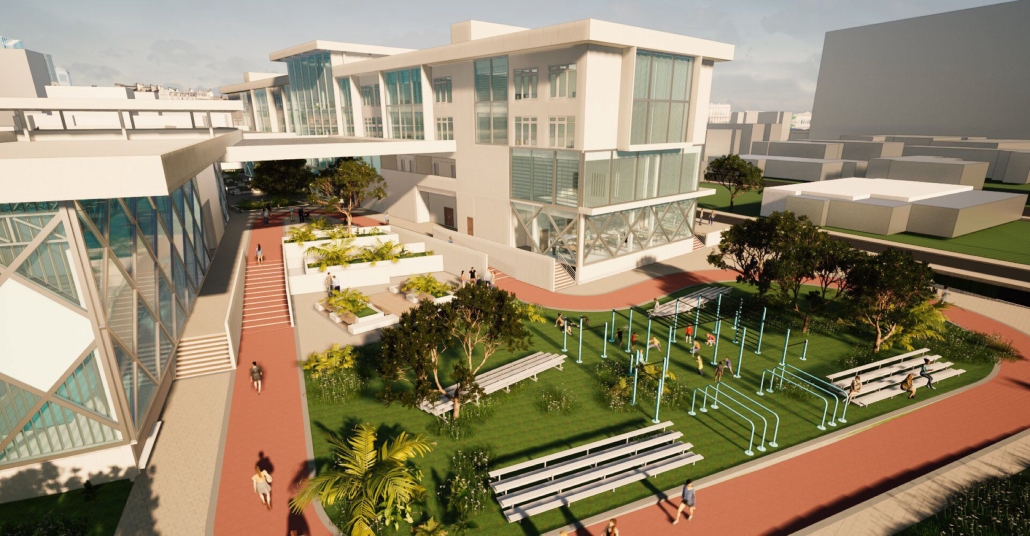
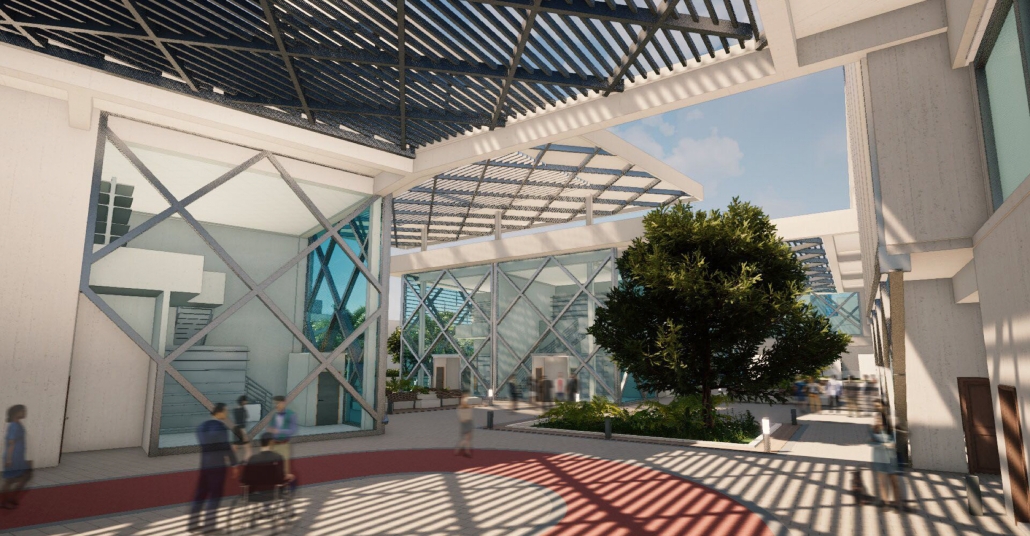
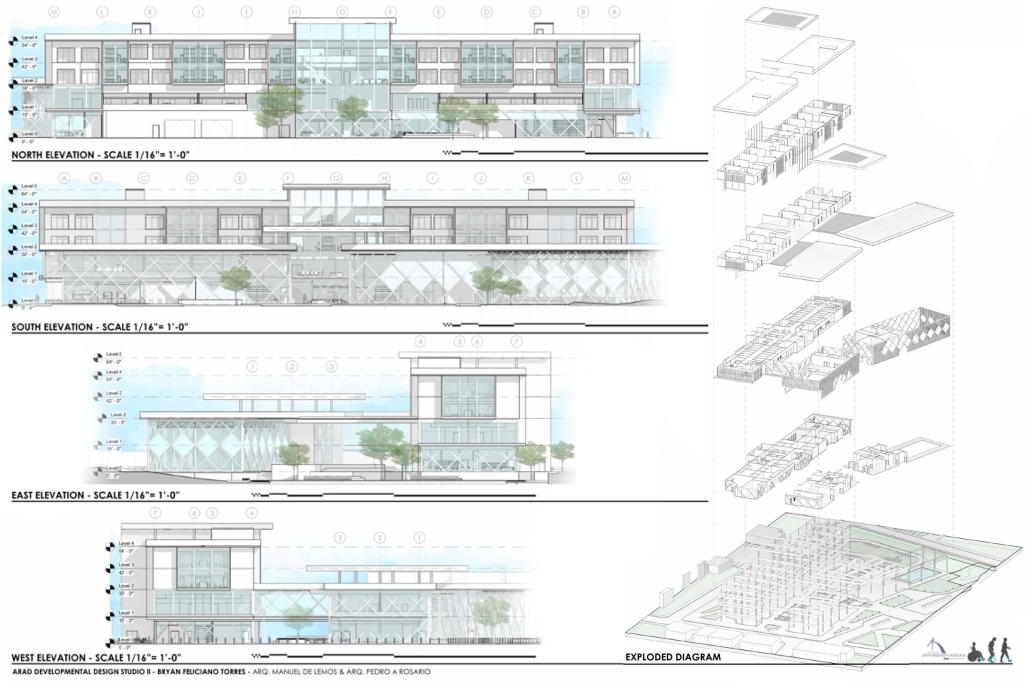
“R.E.F.A.” is about how architecture can help rehabilitate the lives of limbless people for both upper and lower limb amputations. The research aimed to explore better solutions for prosthetic patients’ recovery, from initial physical therapy until a full recovery. The project expanded on the typical prosthetic clinic program, with three main objectives:

– Prosthetic manufacture and physical rehabilitation for patient care

– Prosthetic research and development for scientific innovations

– Lodging program for traveling patients who seek quality care

Prosthetic patients require a series of training in order to achieve full control over their limb, especially for those who have been amputated for a long time. Not only do they have to go through the process of fitting and adjusting sockets, but they also train their muscle strength, resistance, and balance. This average time spans from one week to three weeks, depending on the patient’s capability and physical condition.

Most prosthetic clinics provide limited space with the essential programs: manufacture, socket fitting, and basic gait training. The patient is then encouraged to train outside on their own terms, only to return later to make changes if needed.

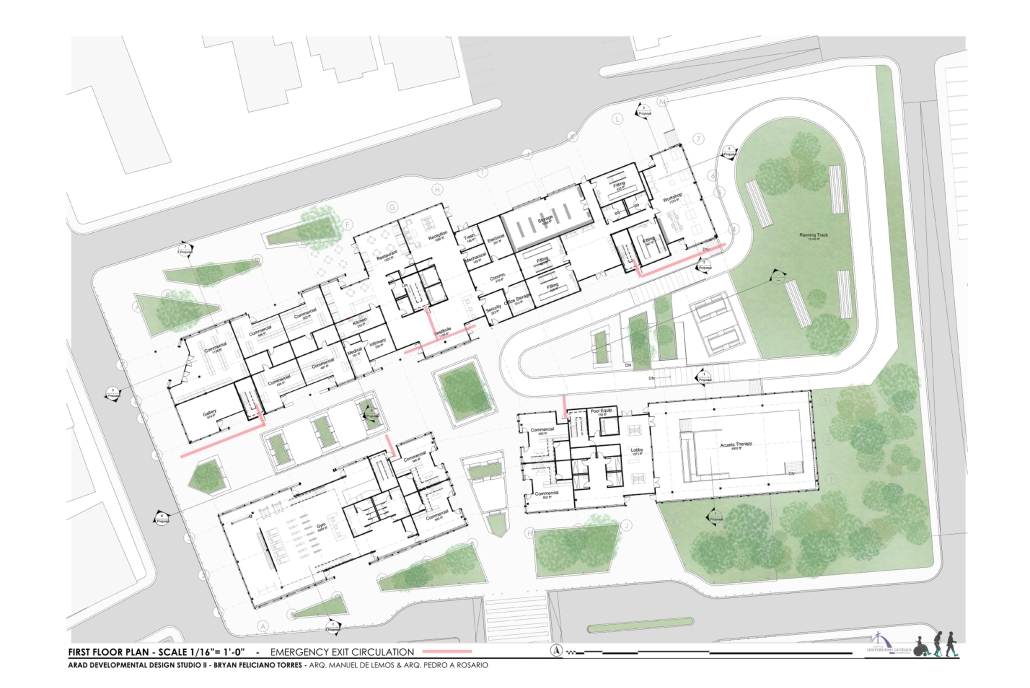
This research sees an opportunity to improve on this by providing all their needs in a single space. These programs are divided into zones:

– Prosthesis: Workshops, storage, and fitting areas

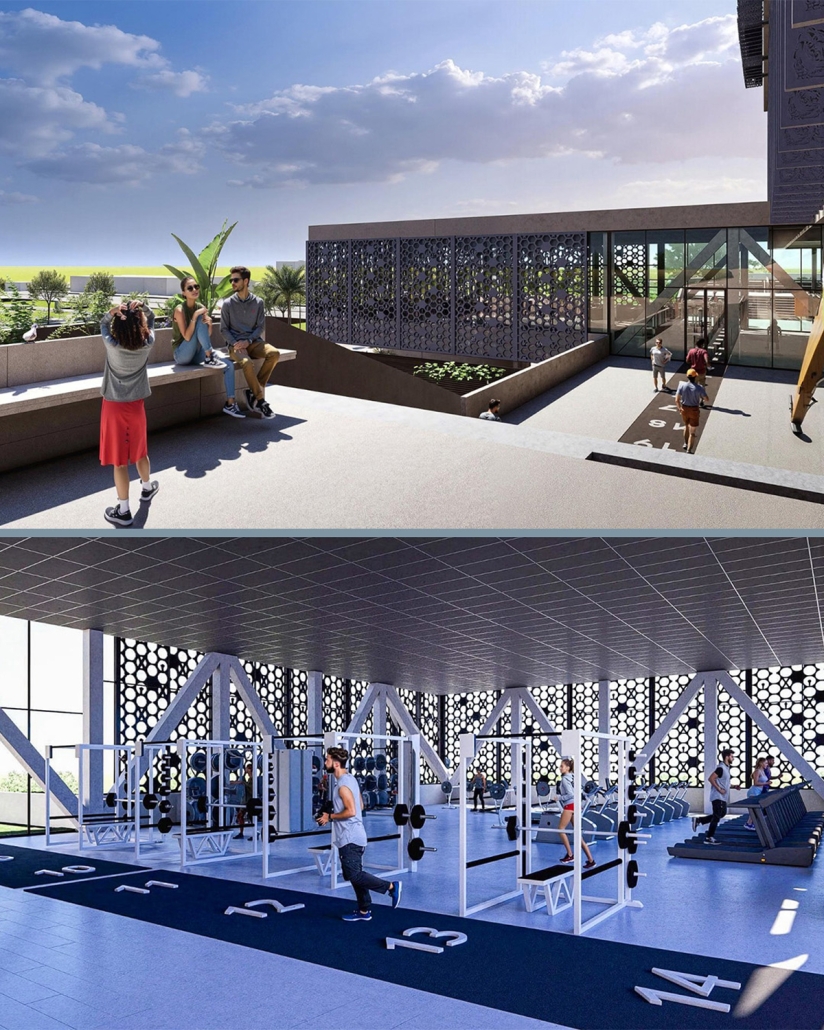
– Physical/Psychological therapy: Aquatic therapy, gym facilities, and therapists’ offices

– Public areas: Gait training, running track, commerce, and restaurant

– Research: Office spaces for rent, laboratories, and conference rooms

– Lodging: Extended stay rooms and lounge

Amputations are becoming more prevalent as time goes on, whether from incidents or diseases. Taking this into account, along with technological improvements, prosthetic clinics have to improve drastically in order to provide everything an amputee needs in order to live independently.

THE TRANSLUCENT FORTRESS by Owen Phillips, B.Arch ’25
Kennesaw State University | Advisor: Robin Puttock

THESIS QUESTION:

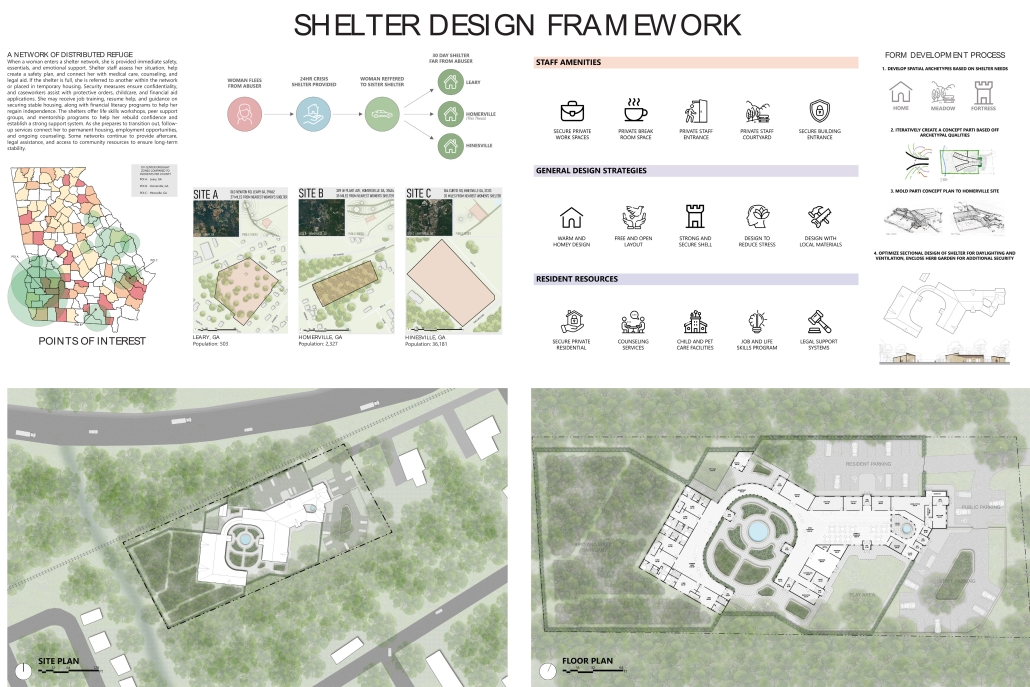
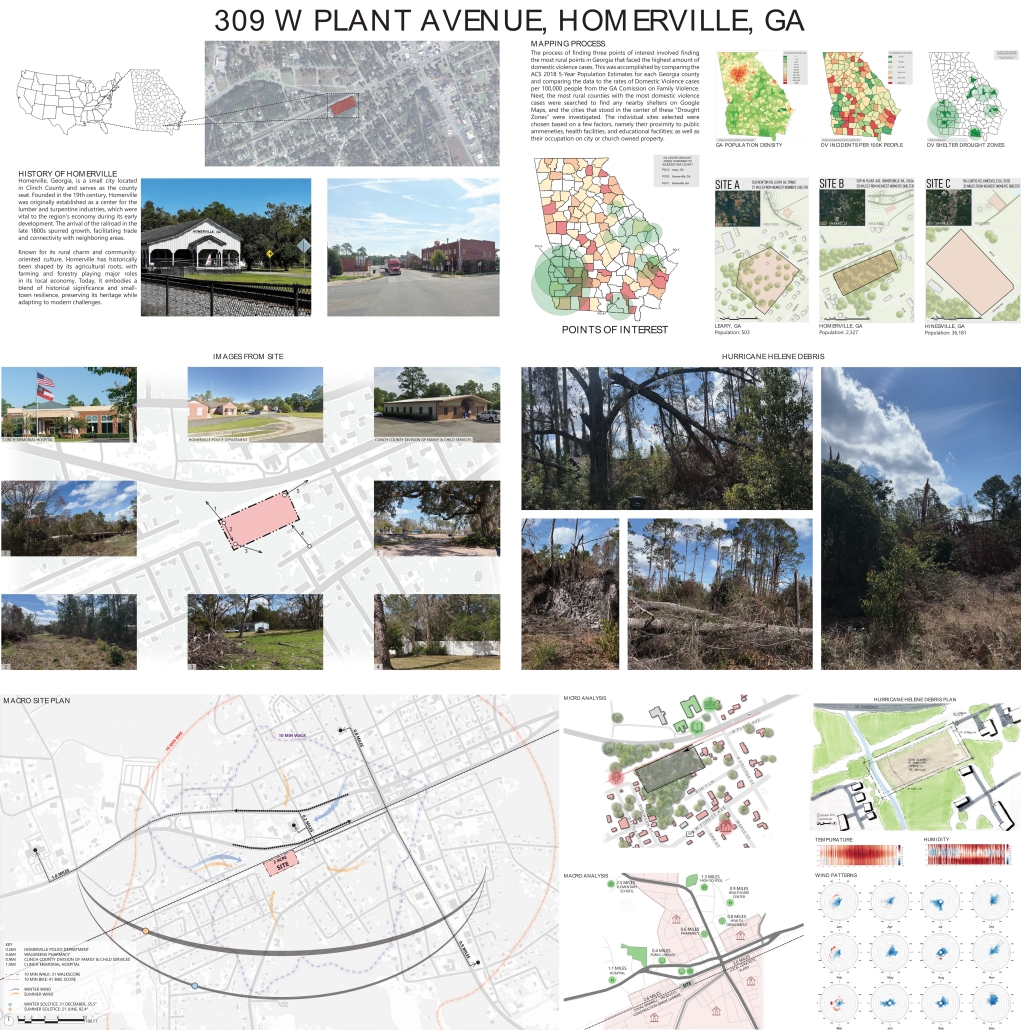
How can the architectural typology of women’s shelters be reimagined to more effectively provide support, safety, and healing for domestic violence victims in rural Homerville, Georgia?

DESIGN HYPOTHESIS:

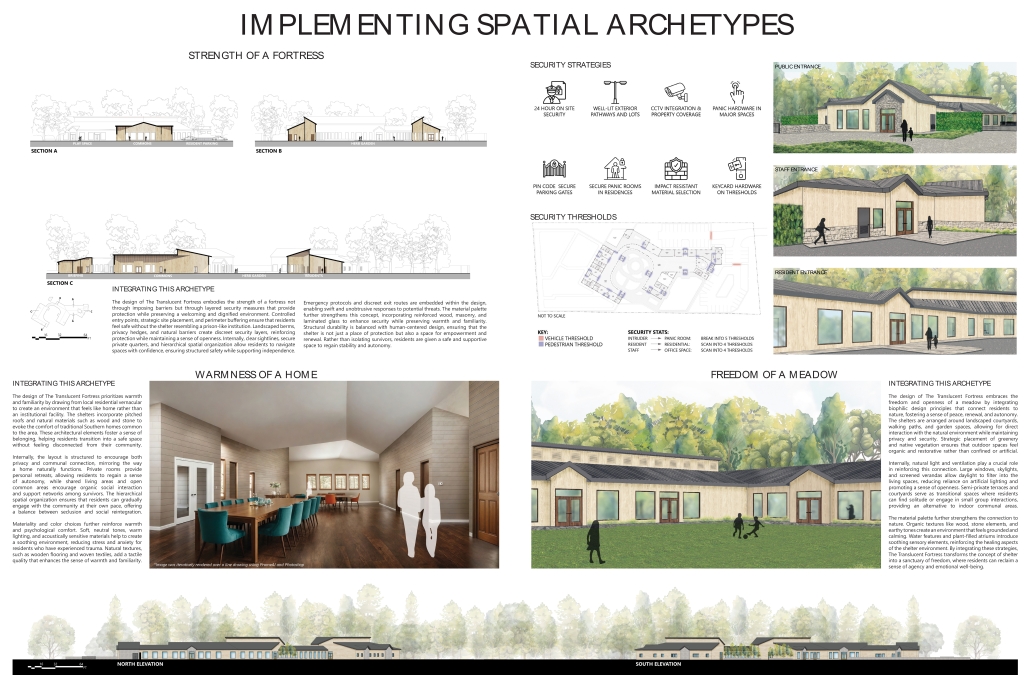
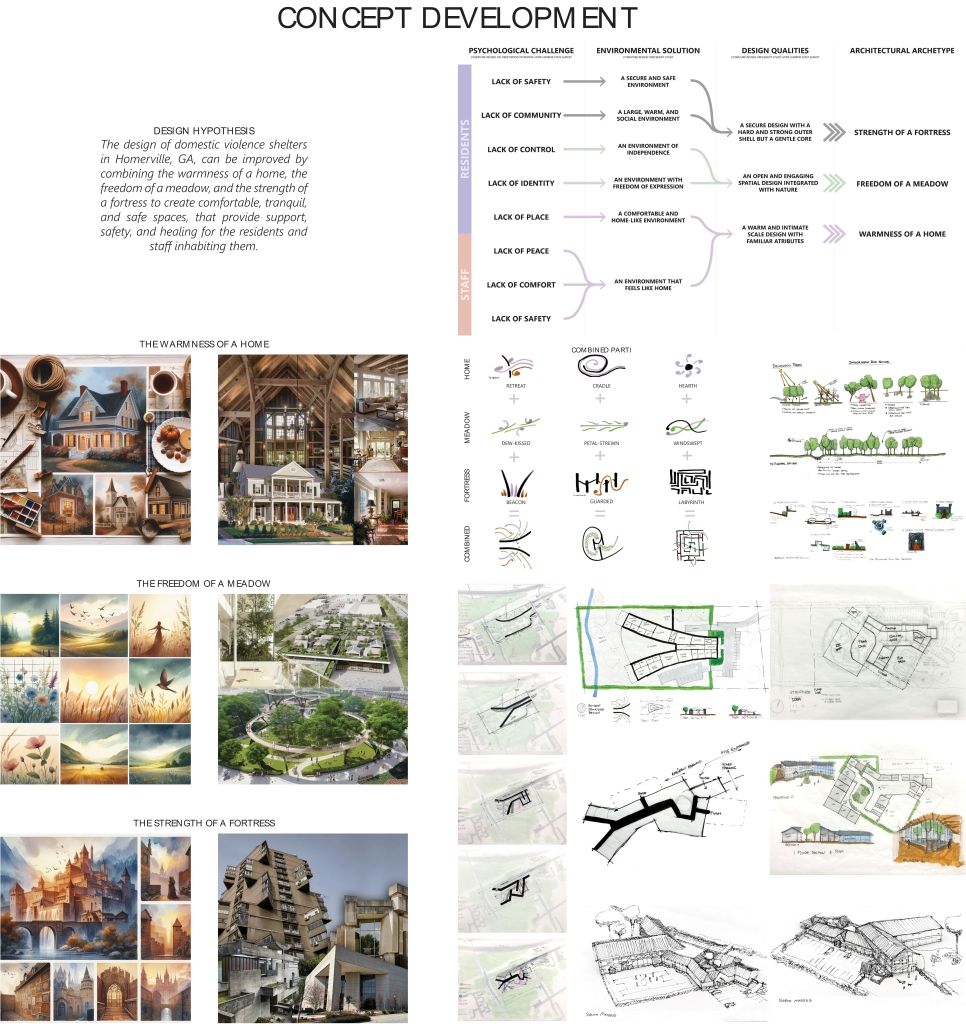
The design of domestic violence shelters in Homerville, GA, can be improved by combining the warmness of a home, the freedom of a meadow, and the strength of a fortress to create comfortable, tranquil, and safe spaces that provide support, safety, and healing for the residents and staff inhabiting them.

SOLUTION:

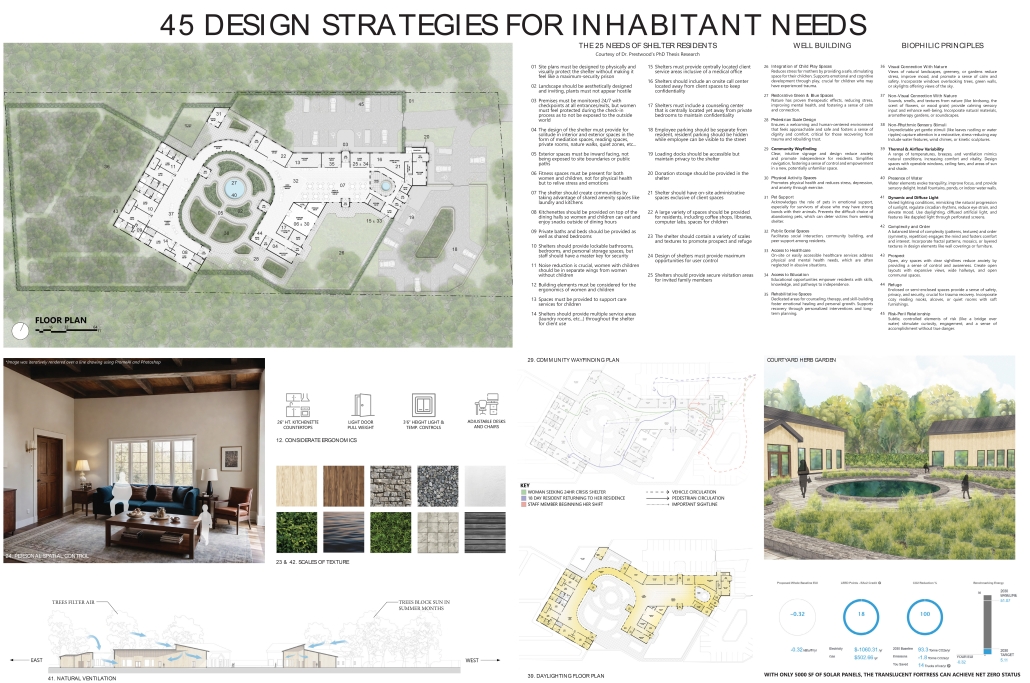
The building typology of a women’s shelter will be reimagined to better apply to a modern stage using qualitative research from an architect-conducted survey that has been compared to similar existing research. This new typology will be tested on a site in Homerville, Georgia, to address the psychological and spatial needs of victims, the most important of these needs include the feeling of being protected (secure architecture), a sense of community (social spaces), access to medical assistance (operating/examination rooms), and appropriate design to accommodate living spaces for both women and/or their children (Eastman et al, 2007). Construction of this project must be efficient and cost-effective as to not diminish the already limited financial resources available to public services, but still secure enough to provide a safe space for rural victims of domestic violence.

METHODOLOGY:

Research for this thesis will be broken up into multiple different sections. To give the architect a better understanding of the victim’s condition and needs, surveys and interviews were conducted during the summer of 2024 at women’s shelters in rural Georgia with both the residents and shelter staff, and literature reviews were done to compare collected data with similar research. This provided an updated set of data to be used and compared with older information (pre-COVID-19). To determine the site for the project, mapping was used to locate a site in Georgia with the least access to domestic violence crisis centers. Finally, construction methods and building design will be studied through precedents that share the scope of being low-cost, remote, secure, and inhabitant-friendly design for the purpose of applying efficient design methods.

Click here to learn more.

This project was a finalist for the ARCC King Student Medal.

Instagram: @owen_p02, @robinzputtock

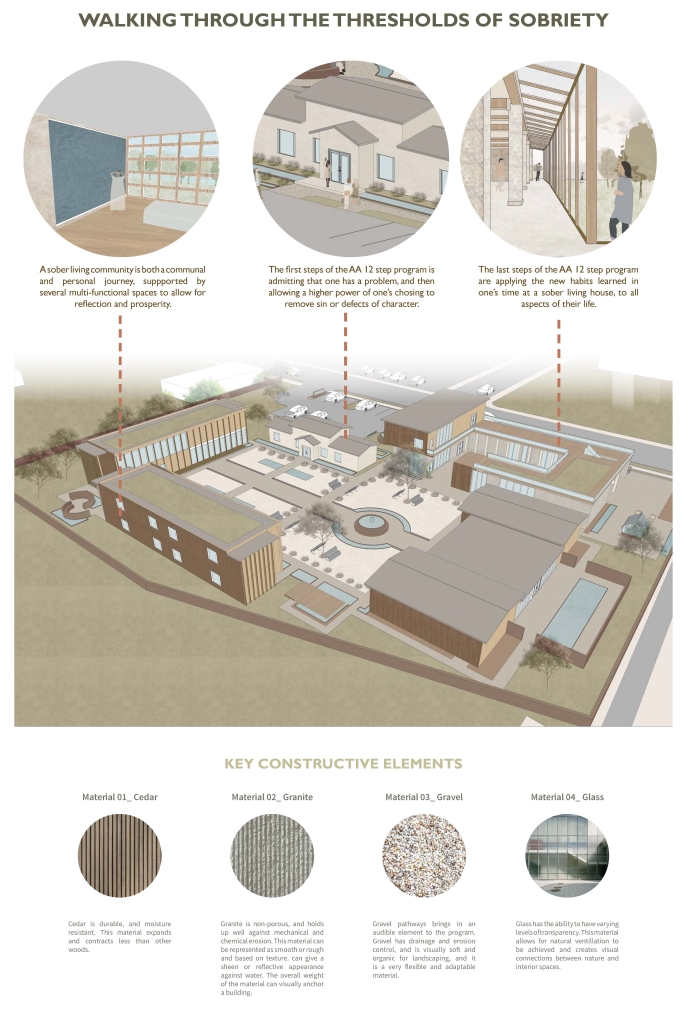
REIMAGINING RECOVERY: The Role of Architecture in Sobriety by Teagan Littleton, B.Arch ’25
Kennesaw State University | Advisor: Robin Puttock

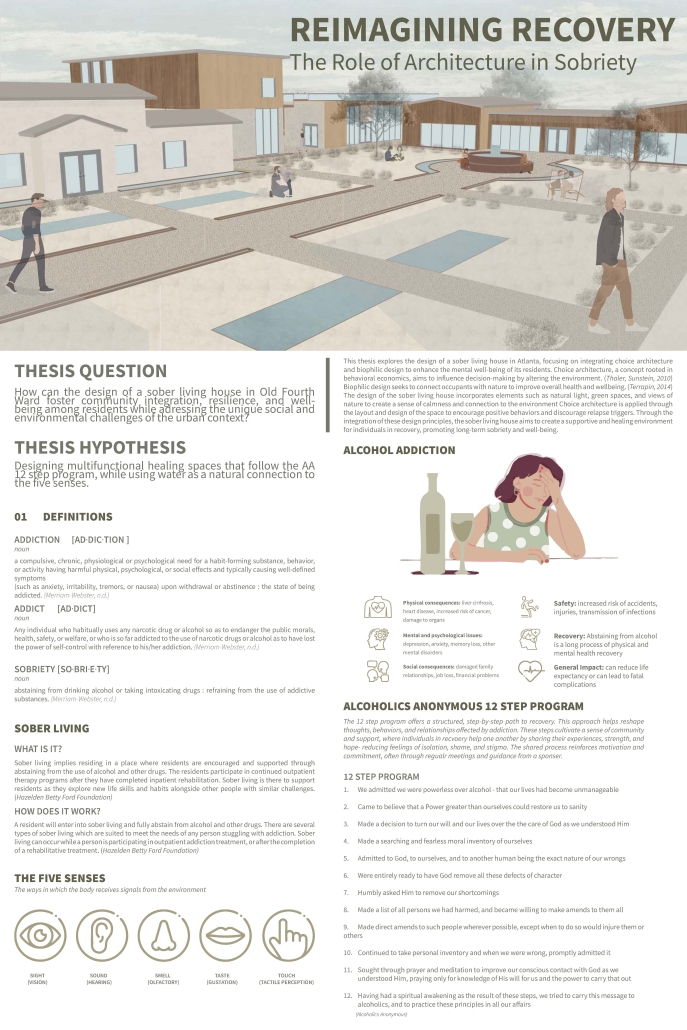
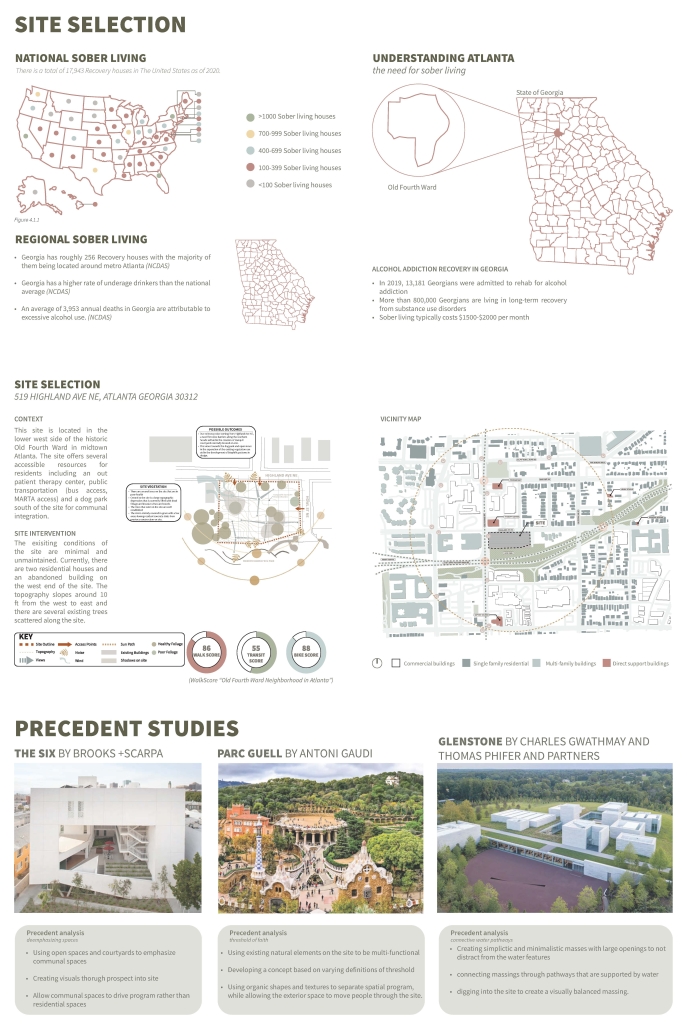
This thesis explores the design of a sober living house in Atlanta, focusing on integrating choice architecture and biophilic design to enhance the mental well-being of its residents. Choice architecture, a concept rooted in behavioral economics, aims to influence decision-making by altering the environment (Thaler & Sunstein, 2010). Biophilic design seeks to connect occupants with nature to improve overall health and well-being (Terrapin, 2014). The design of the sober living house incorporates elements such as natural light, green spaces, and views of nature to create a sense of calmness and connection to the environment. Choice architecture is applied through the layout and design of the space to encourage positive behaviors and discourage relapse triggers. Through the integration of these design principles, the sober living house aims to create a supportive and healing environment for individuals in recovery, promoting long-term sobriety and well-being.

Click here for a closer look.

This project was selected as a Thesis Semi-Finalist (Top 20 of 90+).

Instagram: @teagan.littleton02, @robinzputtock

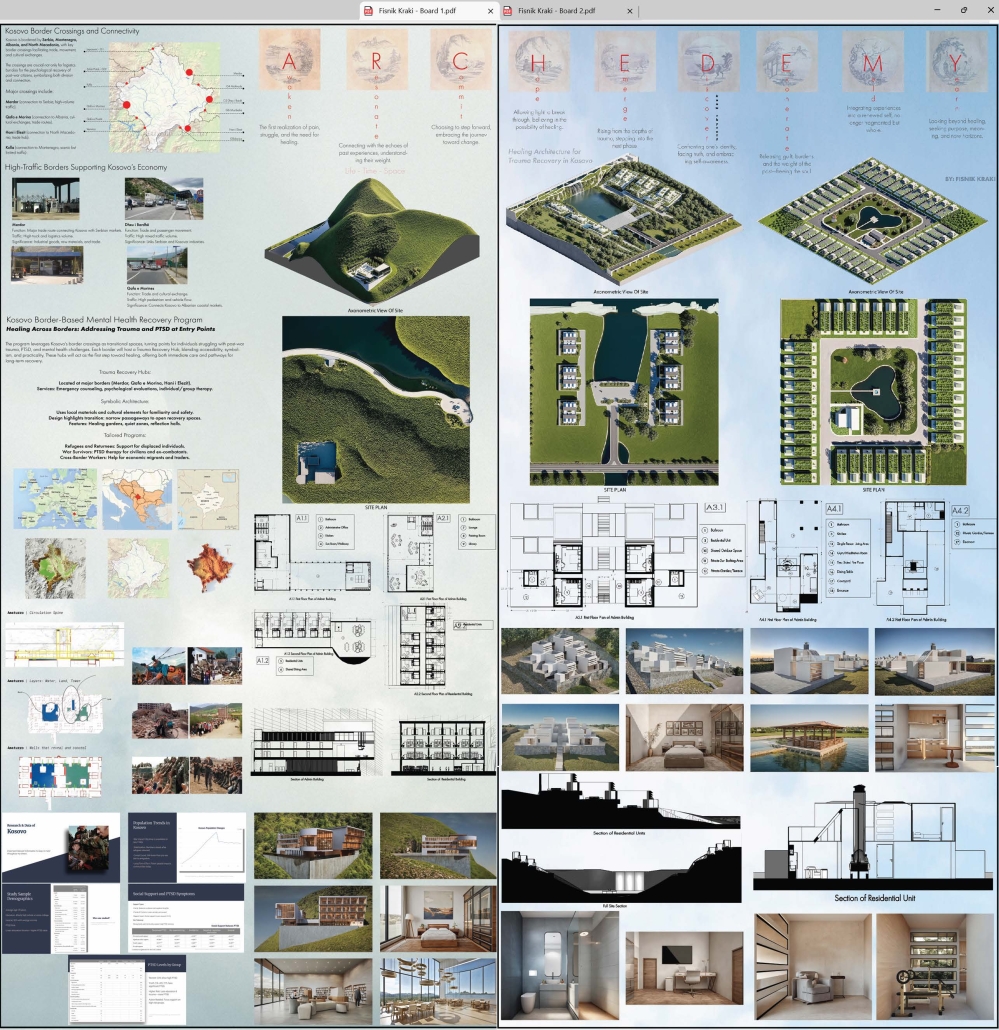
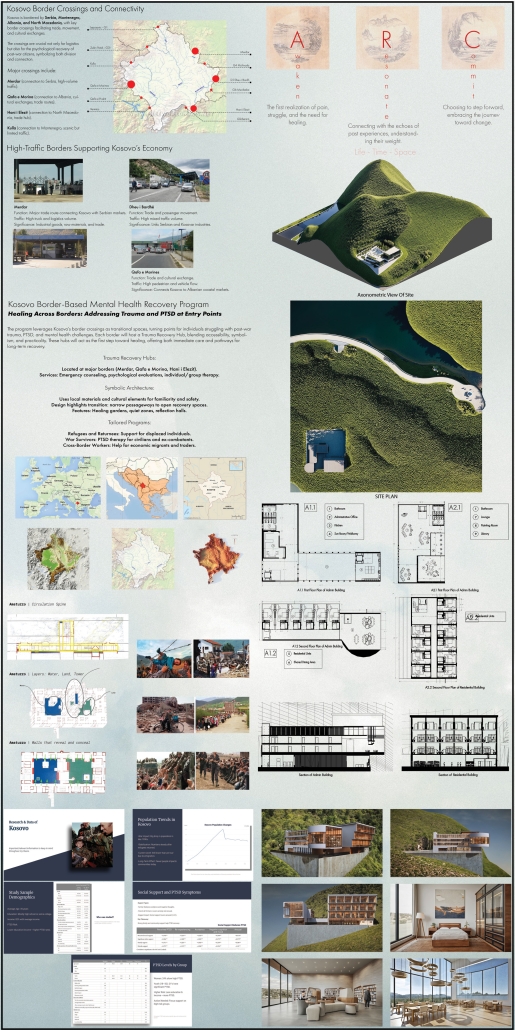
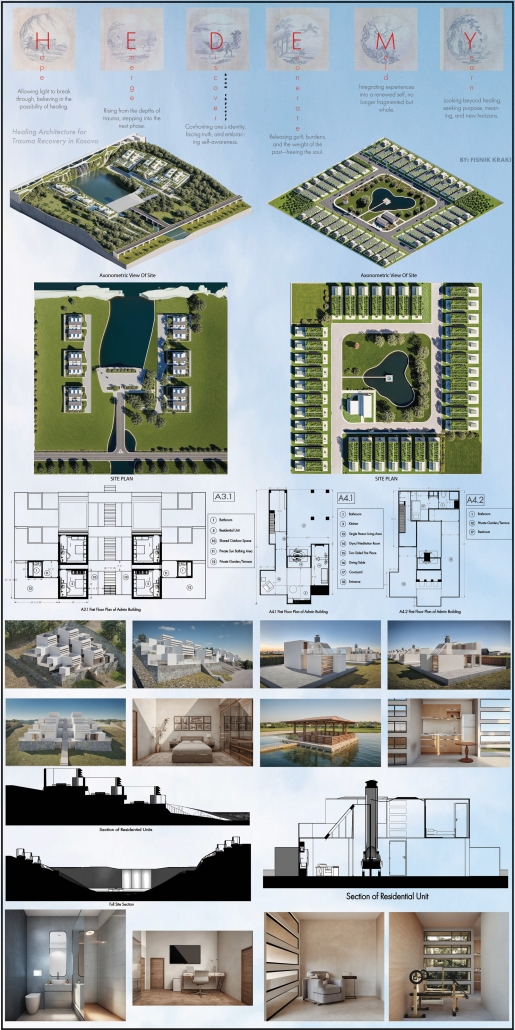
KOSOVO BORDER-BASED MENTAL HEALTH RECOVERY PROGRAM Healing Across Borders: Addressing Trauma and PTSD at Entry Points by Fisnik Kraki, B.Arch ’25
New York Institute of Technology | Advisor: Jonathan Block Friedman

The program leverages landlocked Kosovo’s border crossings as transitional spaces, turning points for individuals struggling with post-war trauma, PTSD, and mental health challenges. Each border will host a Trauma Recovery Hub, blending accessibility, symbolism, and practicality. These hubs will act as the first step toward healing, offering both immediate care and pathways for long-term recovery. Services provided include emergency counseling, psychological evaluations, and individual/group therapy.

The architecture offers a poetic transformation for both individual returnees and the country as a whole. Local materials and cultural elements provide familiarity and safety. A spectrum of enclosures, from narrow passageways to wide open spaces enhance healing gardens, quiet zones, and reflection halls. Tailored programs support displaced individuals, war survivors, PTSD therapy for civilians, and ex-combatants. 

Each mountainous entry portal provides a sequence of three multi-week healing experiences in carefully wrought architectural responses to both the inner needs of the struggling returnees and the power of each succeeding resonant landscape. The progression of section relationships highlights the potential for group and individual personality reintegration.

The new group first finds a shared lodge perched on a cliffside lookout above a rushing mountain stream. Here are paths for private walks, but also shared meals, as well as group therapy sessions.  

Then the group moves to more gently rolling hillsides, where now the cohort breaks into smaller subgroups who share modest “family houses” as they re-learn how to interact together, and with the other “families” in a more dispersed community setting. A spillway and small dam provides a lake for beginning to embrace a return to self-awareness. 

For the third and last month, each person in the group finds their own dwelling for the hard work of private meditation, complete with eating, sleeping, a fireplace, and physical exercise spaces, and a garden for them to contribute to the collective needs for food production. The site is flat, with a small pond of still water at its center as a geographical eco-environmental mirror for the soul as they look beyond healing, seeking purpose, meaning, and new horizons. 

This project received the Chair Design Award, awarded by the department chairs and faculty of the School of Architecture and Design to a graduate who has achieved distinction in architectural design.

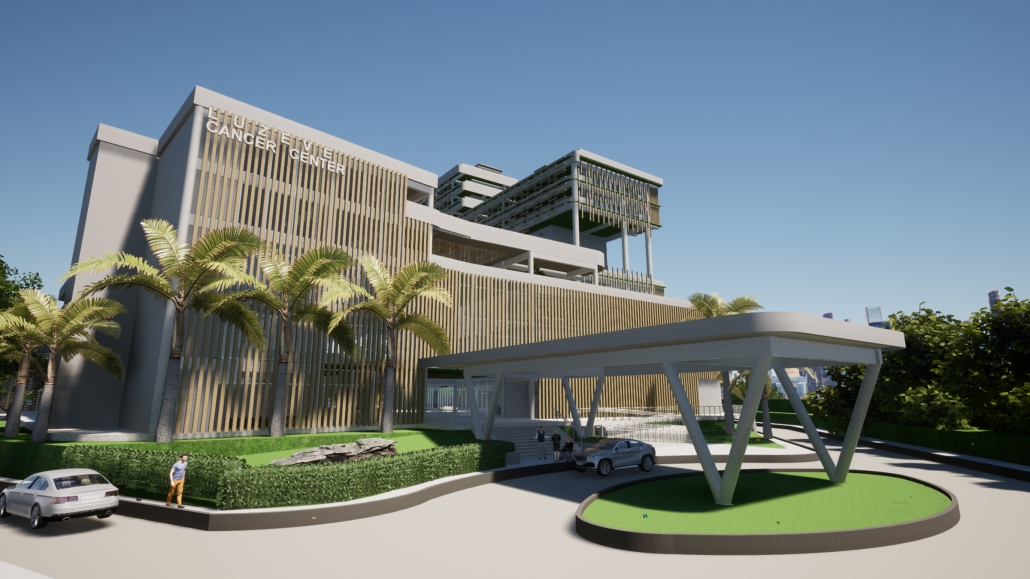
How Can Facilities Contribute to the Mental Health of Cancer Patients and Their Families Within Their Treatment in Architecture? by Nelson L. Quirindongo-Rodríguez, B.Arch ’25
Pontifical Catholic University of Puerto Rico | Advisors: Pedro A. Rosario-Torres & Pilarín Ferrer-Viscasillas

Cancer is one of the main public health crises in Puerto Rico, with more than 303,000 people diagnosed in 2020. This disease not only affects the body, but also profoundly alters the emotional and mental health of patients and their families. Emotions such as fear, anxiety, sadness, and uncertainty constantly accompany the oncological process, and often do not receive the necessary treatment or attention.

This work proposes a comprehensive and humane approach to cancer, recognizing the importance of mental health at all stages of treatment. The incorporation of interdisciplinary strategies is key, including therapeutic architecture and connection with nature. In particular, it highlights the value of biophilia, a movement that recognizes the innate link between humans and nature.

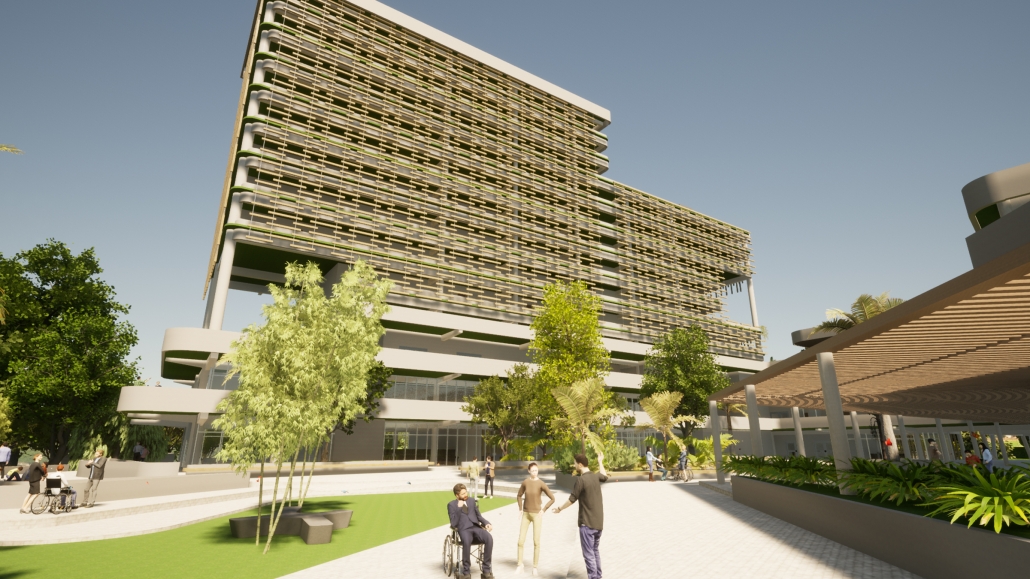
The design of spaces that integrate natural elements such as gardens, natural light, and cross ventilation can significantly contribute to reducing stress, improving mood, and fostering resilience in patients. This includes views of the sea, for example, which offer a multisensory experience that calms the mind, relieves tension, and promotes introspection and hope.

In addition to treating cancer clinically, it is necessary to address emotional suffering in a conscious and compassionate manner. The physical environment plays an active role in this process, and by including biophilic elements and visual or direct access to nature, a more complete healing environment can be created.

In conclusion, coping with cancer requires a holistic approach that combines medicine, mental health, and design. In this way, not only is the disease combated, but the person is accompanied in a process of deep, dignified, and hopeful healing.

Instagram: @nlqr.arch

Addressing the Shortage of the Veterinarian Profession in Puerto Rico and Its Effect on Animal Care by Alejandra M. Quiñones-Velázquez, B.Arch ’25
Pontifical Catholic University of Puerto Rico | Advisors: Jesús O. García-Beauchamp & Pedro A. Rosario-Torres

Veterinarians play a crucial role in taking care of animal health and welfare, public health, environmental protection, food safety, and medical research. However, a global shortage of veterinarians has emerged, exacerbated by increased pet ownership and insufficient capacity to train professionals. Puerto Rico only has 300 veterinarians, facing a shortage outside the metropolitan area, where the center of the island lacks veterinary services. With over 643,000 households owning pets, this scarcity has tangible consequences for animal welfare and public health.

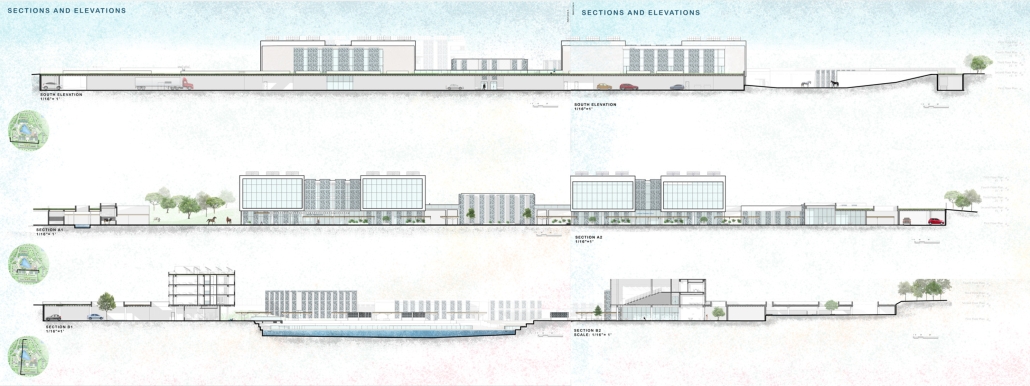
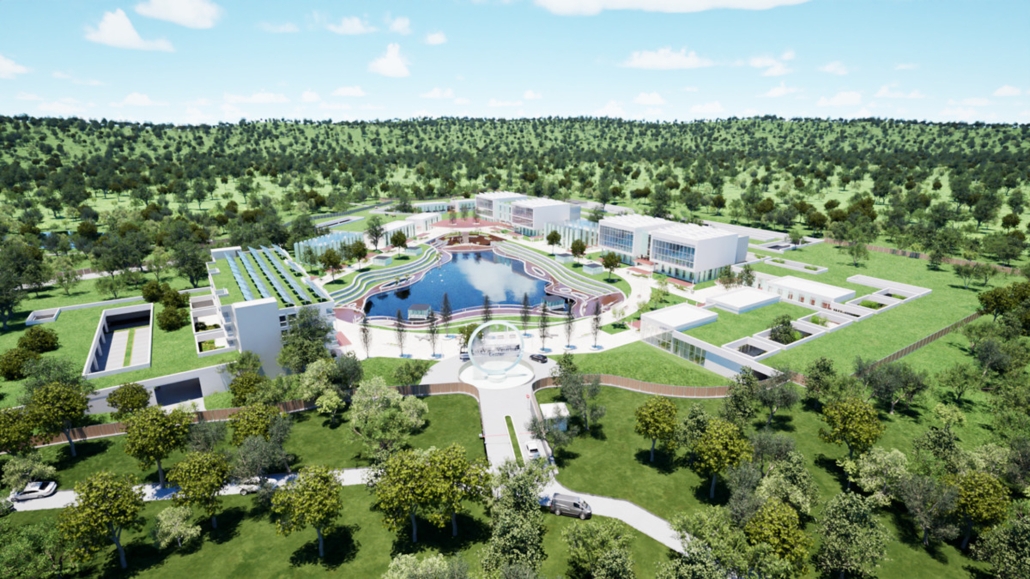
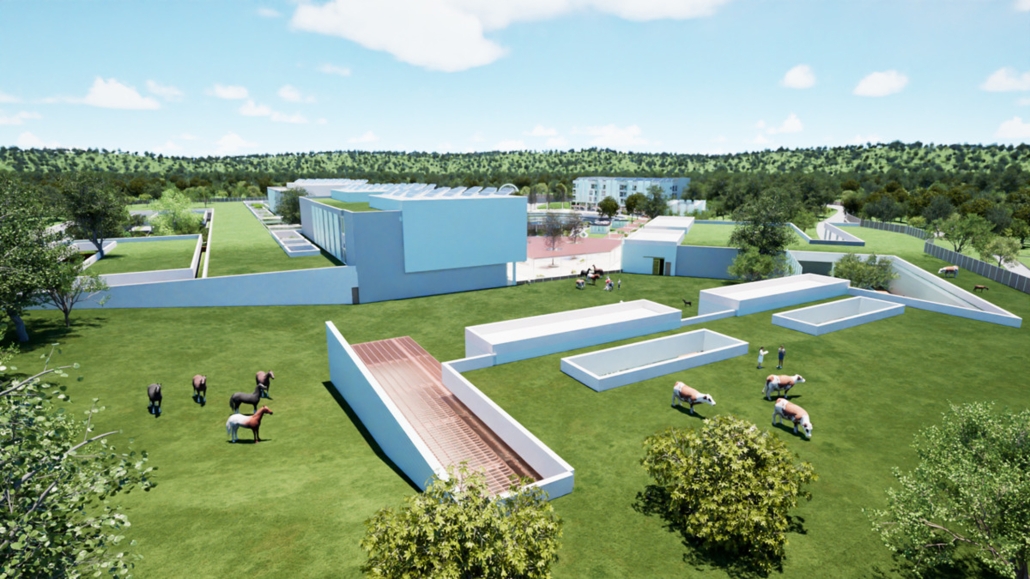
This research proposes an integrated architectural solution: a comprehensive veterinary education and care facility in Mayagüez, strategically located near the former zoo and a natural lake. The site was chosen for its potential for growth, semi-isolated setting, zoning compliance, and opportunity to merge architecture with nature. The proposed facility houses a veterinary school, research laboratories, a clinic for small and large animals, equine stables, and on-site housing for students and faculty. Designed to meet American Veterinary Medical Association accreditation standards, the center will allow students to complete their training locally and expand access to quality veterinary care across Puerto Rico.

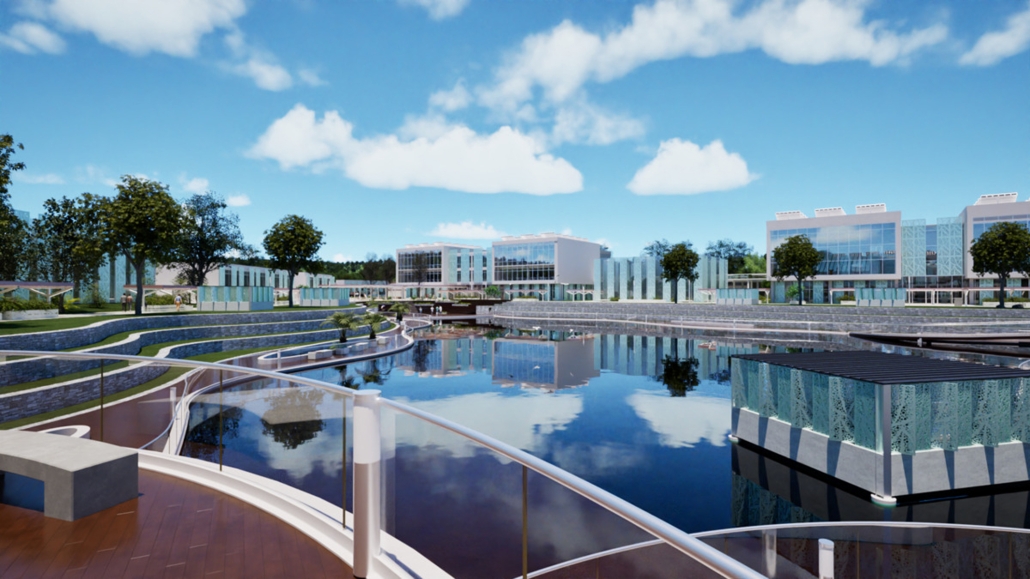
Design strategies focus includes segregation of species, articulation of the landscape to foster connection and interaction, connection of spaces with nature, and noise control. Design thinking in the site is organized around a central axis and a lake that forms the heart of the project—creating an articulated space where landscape and built environment interact harmoniously. Outdoor areas will serve as peaceful, shaded environments for interaction and learning, while architectural consistency across buildings ensures a cohesive and professional atmosphere.

By combining education, clinical care, and research in one facility, the veterinarian shortage will be addressed, creating a new generation of professionals and enhancing animal and community well-being in Puerto Rico.

Click here to learn more. 

This project was nominated for the Francisco Luis Porrata-Doria Medal for Excellence in Design.

Instagram: @alemar1347

Building Wellness: Integrating Nature and Design to Prevent Diabetes by Daniela M. Ruiz-Rosado, B.Arch ’25
Pontifical Catholic University of Puerto Rico | Advisors: Pedro A. Rosario-Torres & Pilarín Ferrer-Viscasillas

Diabetes is one of the most pressing public health issues in Puerto Rico, where nearly half a million people live with the disease—equivalent to one in every six residents. Type 2 diabetes, in particular, is closely linked to lifestyle factors such as physical inactivity and poor nutrition. This research explores how architecture can become a proactive tool in the prevention of this chronic illness by promoting healthy behaviors in the built environment.

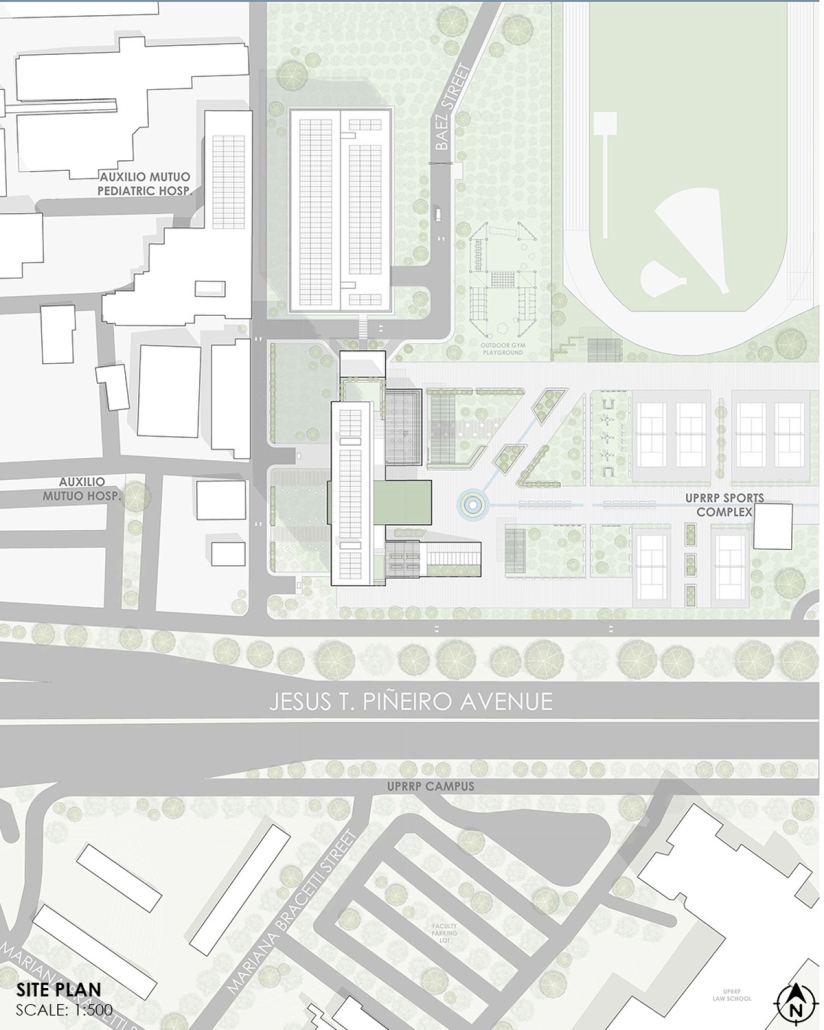
This project proposes the Integral Diabetes Prevention Center, located in Río Piedras, within the grounds of Hospital Auxilio Mutuo and adjacent to the University of Puerto Rico’s Sports Complex. The selected site offers a strategic opportunity to serve two target populations: young adults between the ages of 15 and 28, who are at a key stage for adopting preventative habits, and diabetic patients in need of ongoing care and wellness support.

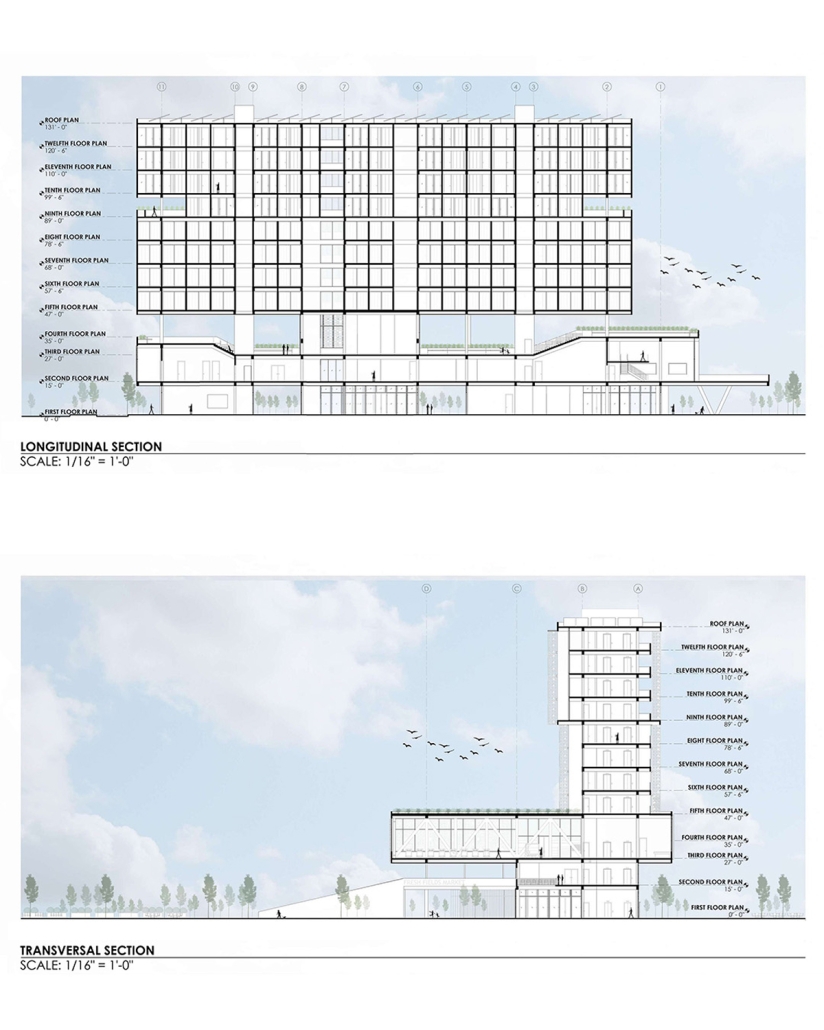
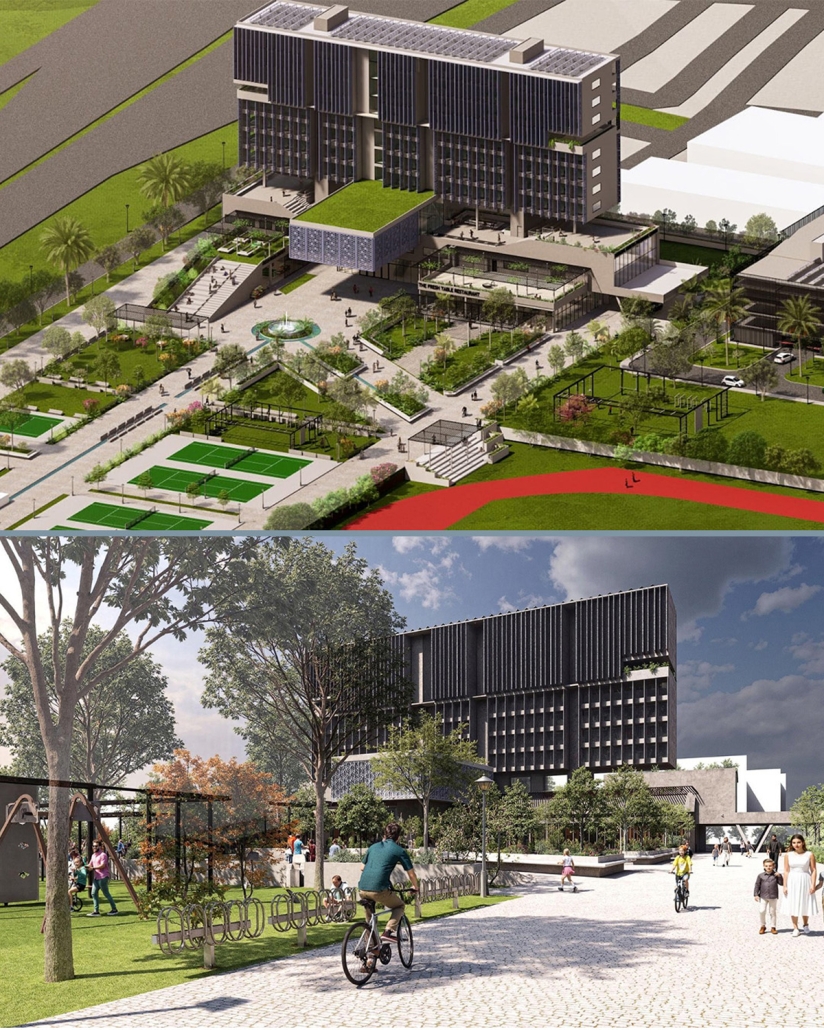
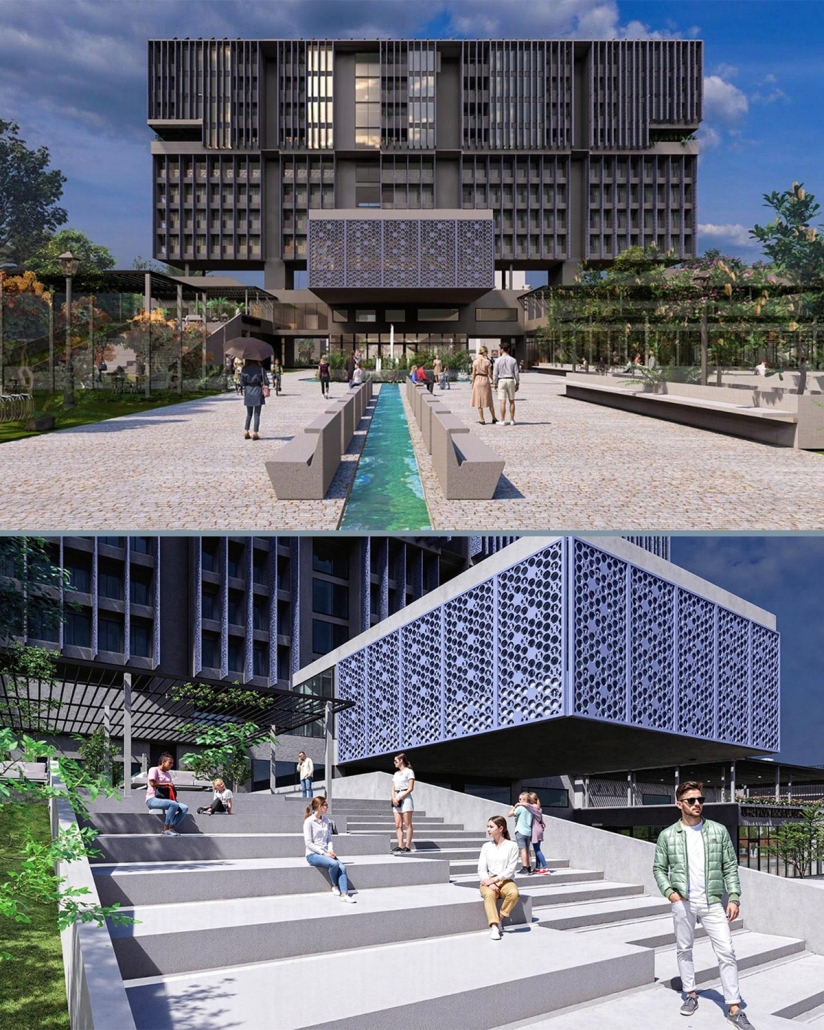
The architectural strategy is rooted in the promotion of an active lifestyle through design. The program includes student residences, extended-stay units for patients, a wellness center with a gym, medical consultation areas, educational spaces, and health-focused commercial areas. A central plaza connects the hospital and the sports complex, acting not only as a circulation node but as a social and interactive public space that fosters movement and community engagement.

The design encourages physical activity through accessible, walkable, and open layouts while also integrating green areas that support mental and physical well-being. By embedding health education, fitness, and healthcare into the spatial experience, the project aims to create an environment that not only treats but actively prevents illness. This research demonstrates how architecture can serve as a catalyst for healthier communities by shaping behaviors and daily routines through intentional, health-centered design.

This project was nominated for the Francisco Luis Porrata-Doria Medal for Excellence in Design

Instagram: @druizrosado00

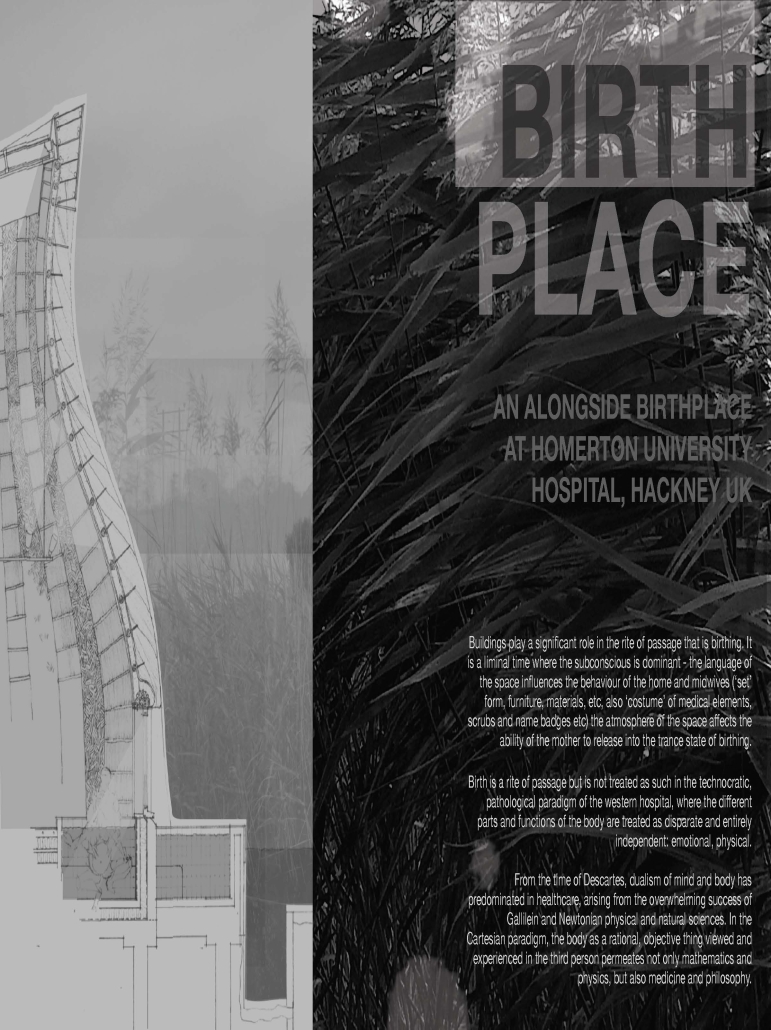
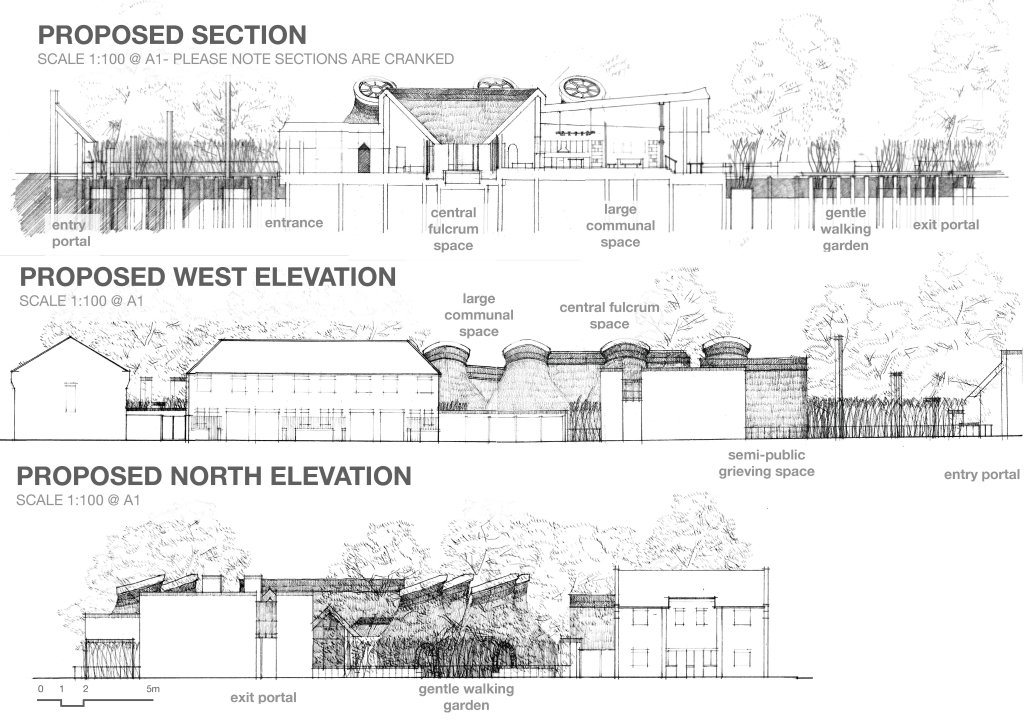
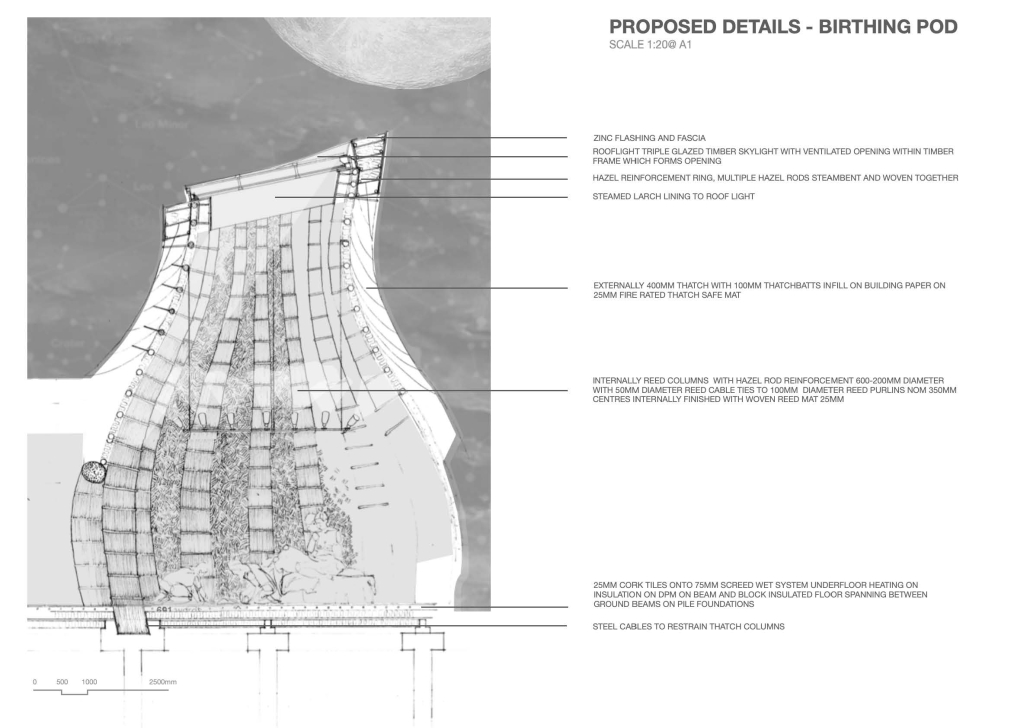
Birthplace – proposal for an alongside birthing place in Hackney, UK by Sophie Martin, M.ArchD ’25
Oxford Brookes University | Advisor: Francesco Proto

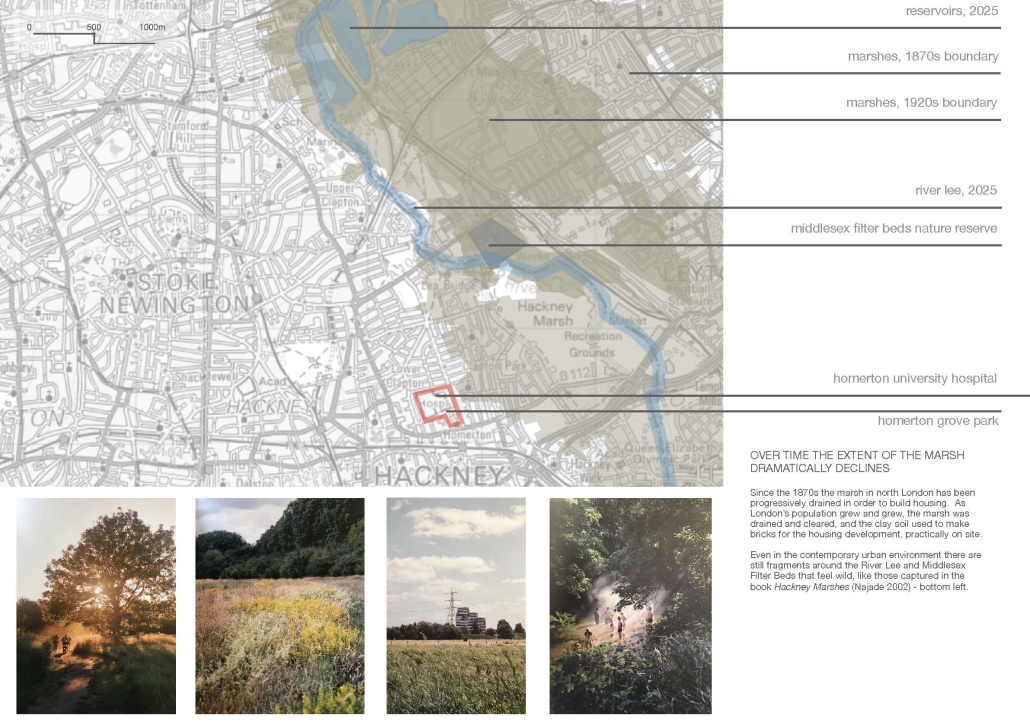
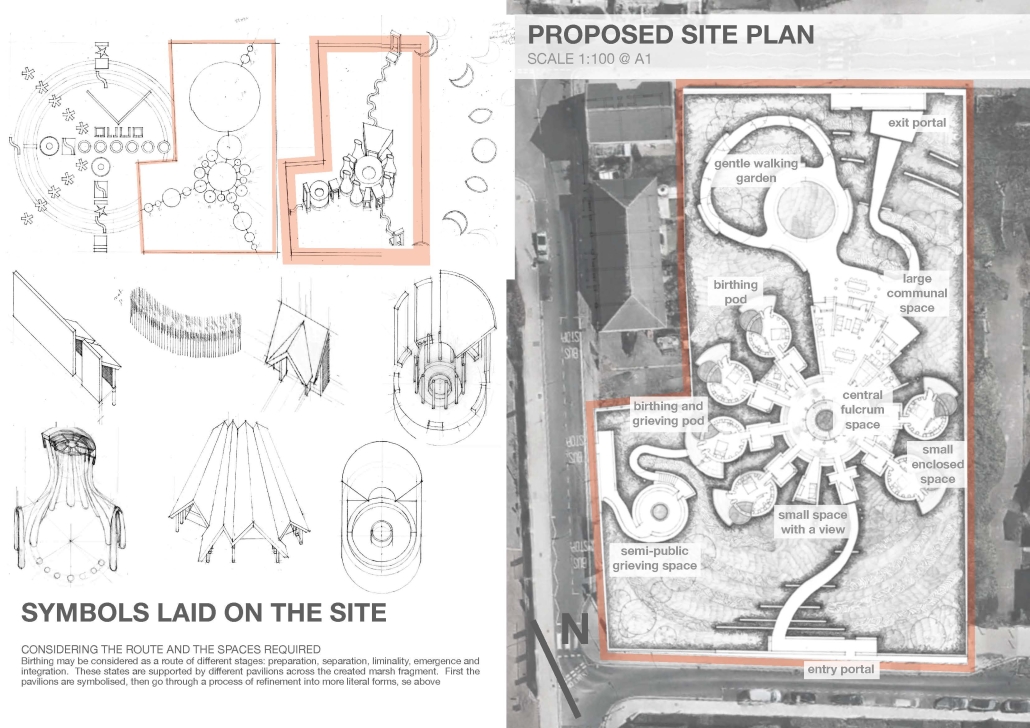
This project seeks to create spaces to support and celebrate birth as a rite of passage, through the development of a new paradigm in maternity care: a worked example of a design for an alongside birthing place for physiological birth in a fragment of natural setting, with views to natural landscapes of water, sky, and moon. Birthing places surrounded by natural/human-scale materials of reed and brick, in urban surroundings close to a hospital.

Focusing on creating an atmosphere to support physiological birth, a route of pavilions to mark each stage in the rite of passage is proposed, using metaphors from popular culture to drive the design. These pavilions will incorporate references to the cycles of the moon to mark the profound transformation of the birthing woman from maiden to mother, and offer a connection between the woman to her place in the cosmos at this liminal time.

The task is a fundamental one: to investigate the effects of form and space on childbirth, families and caregivers. How can the rite that is giving birth once again play a richer central role in communities with a myriad positive outcomes? The incentives to explore this approach would also lead to cost savings – ditch an outdated focus on infection control – pregnancy is not a disease in and of itself. The rates of Cesarean birth and obstetric interventions could drop, and money would be saved if there were a greater proportion of physiological births. (But not through imposing some vaginal birth doctrine from on high, but as a symptom of women and midwives feeling well supported by the place).  

This is not a panacea – wonderful spaces will not impact directly upon staffing levels, maternity budget, political agenda and outdated non evidence based hospital protocol – but begin to give women and midwives a sense of value in their experience, sense of occasion, sense of the gravity of the greatest physiological event for our species, coming as the finale of the greatest feat of human endurance, is an event worth marking. What a fantastic space this would be. 

Instagram: @studio_malmaison, @oxfordschoolofarchitecture

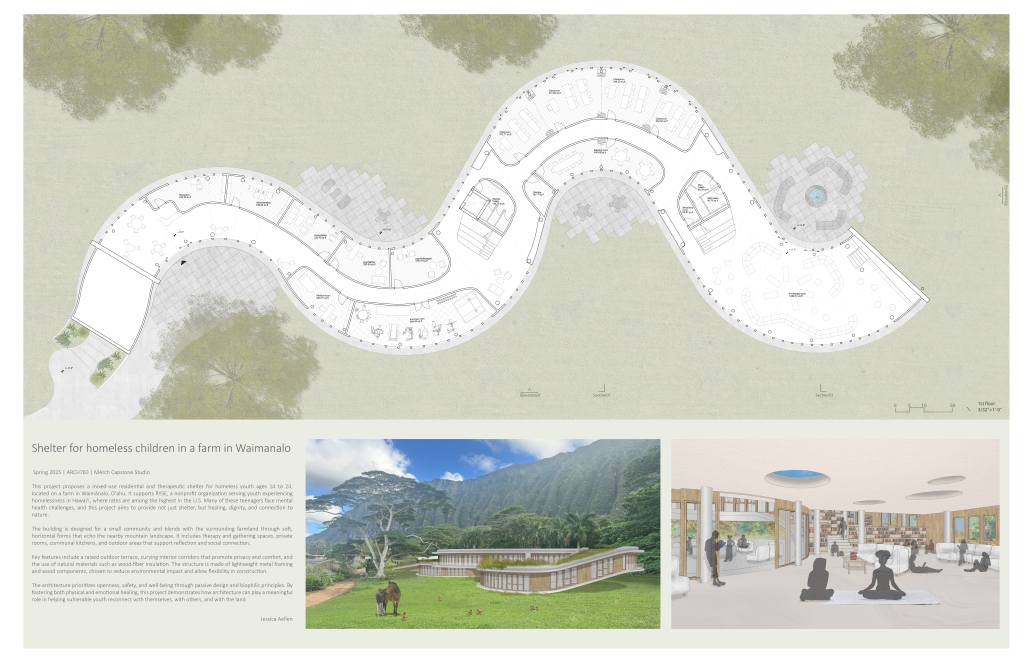
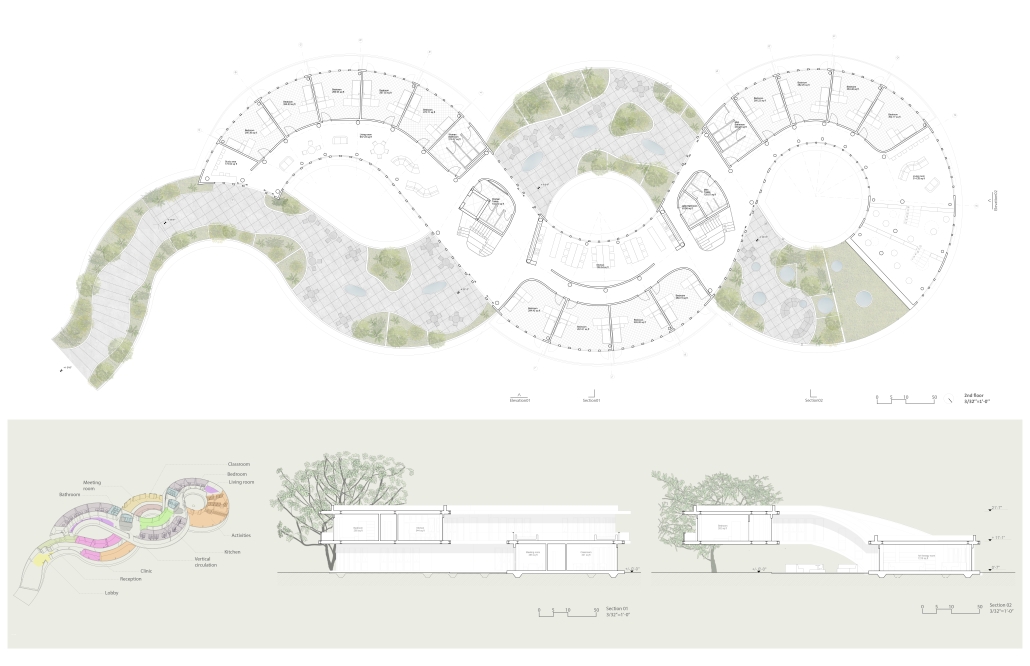
Shelter for Homeless Children in a Farm in Waimānalo by Jessica Aellen, M.Arch ’25
University of Hawaiʻi at Mānoa | Advisor: Yasushi Ishida

This project proposes a mixed-use residential and therapeutic shelter for homeless youth ages 14 to 24, located on a farm in Waimānalo, Oʻahu. It supports RYSE, a nonprofit organization serving youth experiencing homelessness in Hawaiʻi, where rates are among the highest in the U.S. Many of these teenagers face mental health challenges, and this project aims to provide not just shelter, but healing, dignity, and connection to nature.

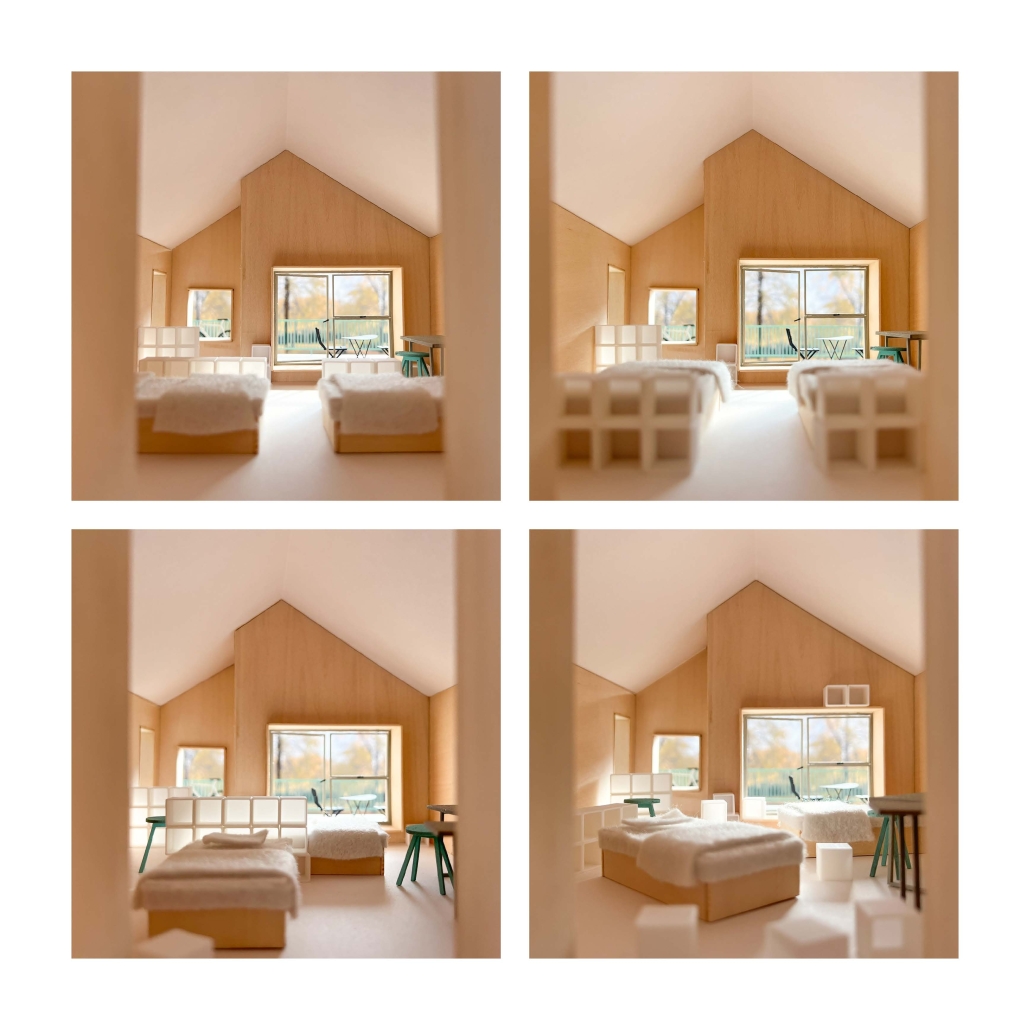
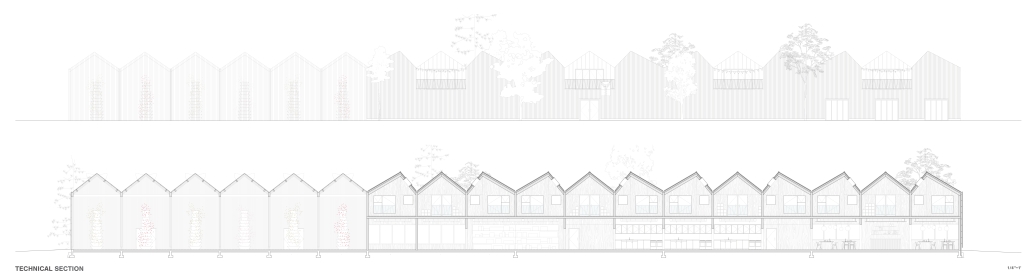
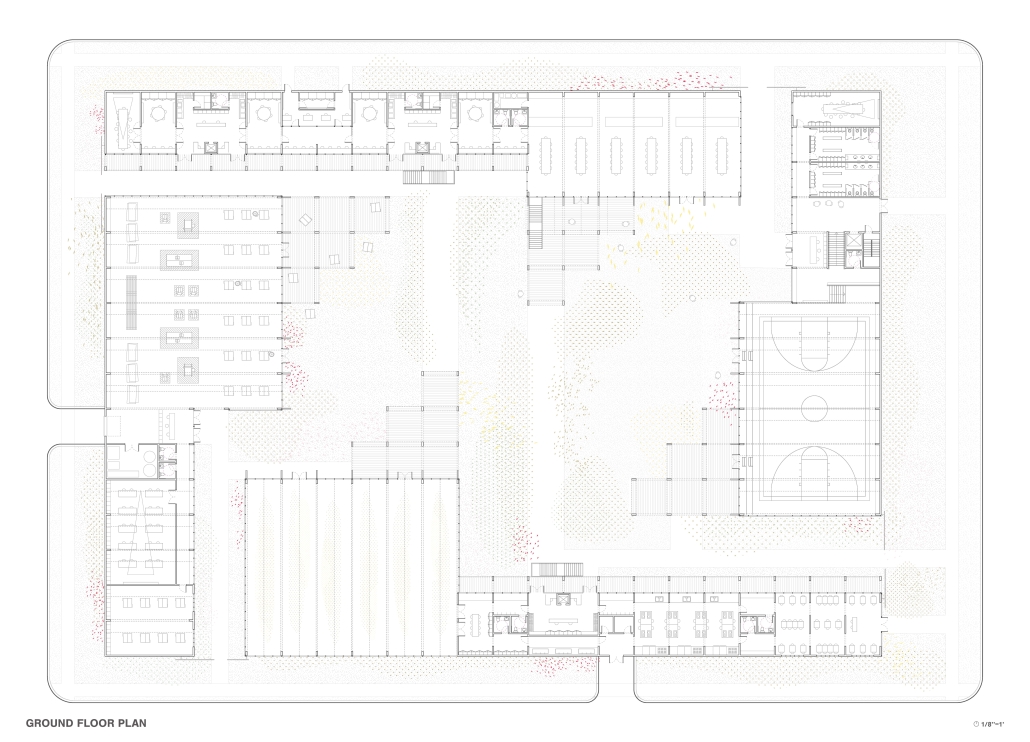
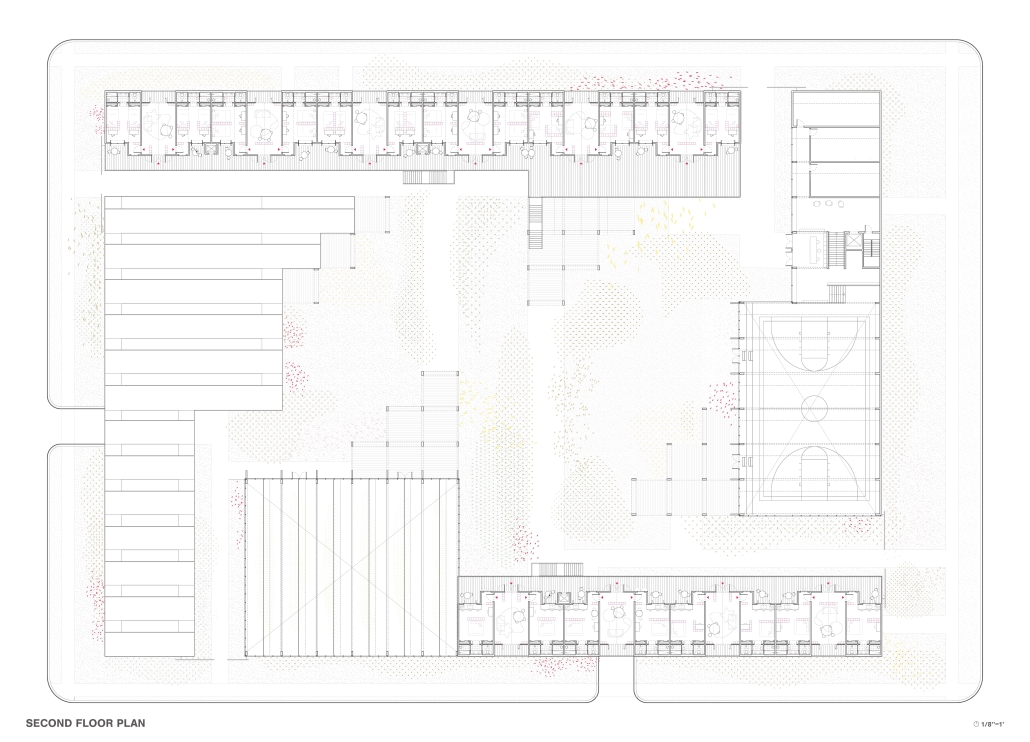
The building is designed for a small community and blends with the surrounding farmland through soft, horizontal forms that echo the nearby mountain landscape. It includes therapy and gathering spaces, private rooms, communal kitchens, and outdoor areas that support reflection and social connection.

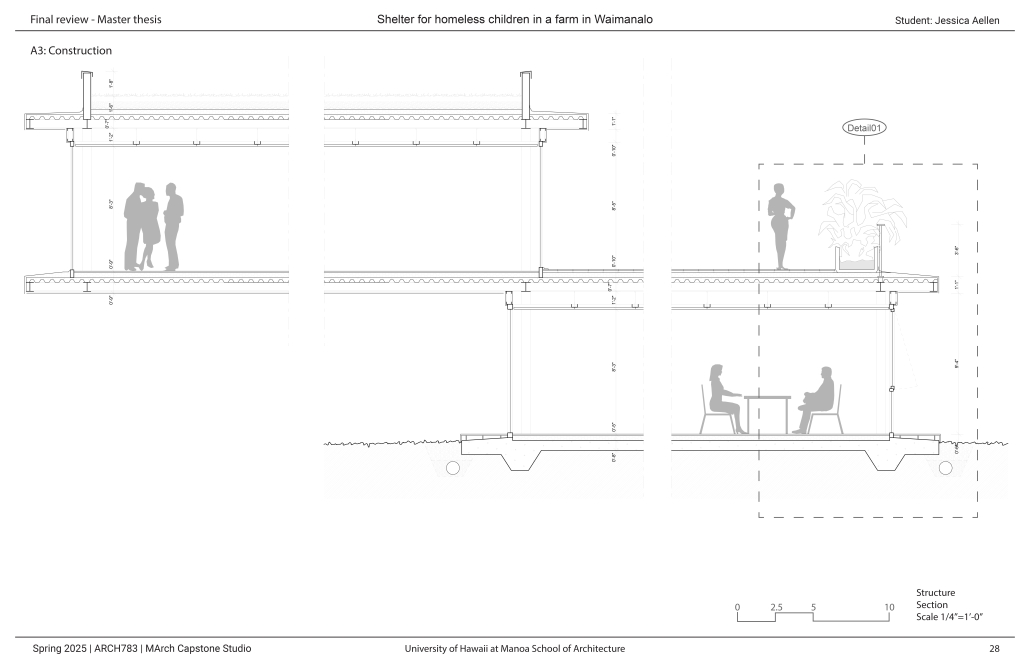
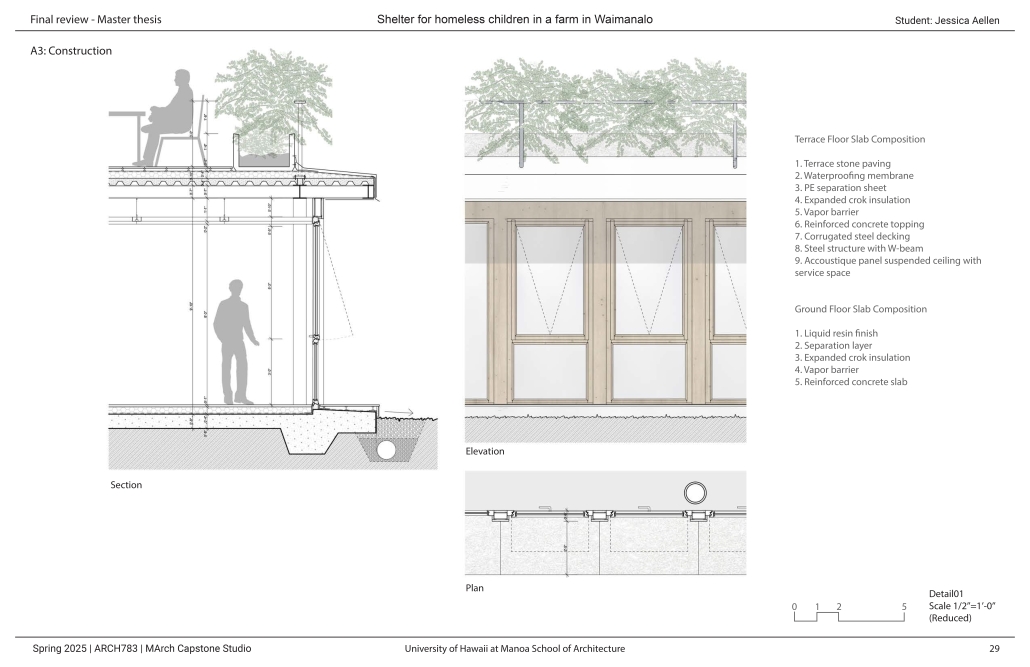
Key features include a raised outdoor terrace, curving interior corridors that promote privacy and comfort, and the use of natural materials such as wood-fiber insulation. The structure is made of lightweight metal framing and wood components, chosen to reduce environmental impact and allow flexibility in construction.

The architecture prioritizes openness, safety, and well-being through passive design and biophilic principles. By fostering both physical and emotional healing, this project demonstrates how architecture can play a meaningful role in helping vulnerable youth reconnect with themselves, with others, and with the land.

This project received recognition at the Hawai‘i Architectural Foundation (HAF) Awards. 

Instagram: @yasushi_ishida_arc

Center of Hope by Arushi Singhal, M.Arch ’25
Boston Architectural College | Advisors: Russel Feldman & Ian F. Taberner

“The Center for Hope” explores how architecture can serve as a catalyst for emotional and psychological healing in the context of palliative cancer care. Situated overlooking the Jamaica Pond in Boston, the healing center merges the therapeutic qualities of nature with innovative design to support patients, their families, and caregivers. Unlike traditional hospital environments that prioritize clinical and programmatic efficiency, the project focuses on creating spaces that evoke hope, foster introspection, and build community. The central idea of this thesis is to investigate how architecture transcends physical form to influence emotional resilience. Grounded in phenomenology, the project investigates how spatial layouts, material tactility, light, and biophilic elements contribute to the healing process.

A hybrid program of contemplative spaces, therapy rooms, community courtyards, and meditative gardens, these spaces are designed to accommodate a diversity of needs and emotional states, offering agency to users through choice and comfort. Importantly, the center opens itself to the neighborhood—welcoming local residents to participate in communal activities, wellness events, or moments of pause along their daily routes. This act of inclusion not only normalizes the presence of illness within the city but transforms the Center into a reciprocal civic gesture—an anchor of care that gives back to its urban surroundings. As part of Boston’s Emerald Necklace, the design becomes a threshold between healthcare and everyday life, offering both a contemplative refuge and a socially engaged urban insertion.

This project received “Commends for Thesis.”

Transformative Architecture for Incarceration Reform by Methusela C. Mulenga, M.Arch ’25
Boston Architectural College | Advisors: Ralph Jackson & Ian F. Taberner

This thesis explores the potential of architecture to facilitate transformative reforms within the incarceration system through human-centric design strategies, specifically focusing on youth demographics. It highlights the pressing need for intervention, as many young individuals are often held for non-criminal offenses or are awaiting trial. By examining the unique challenges faced by these youths, the project envisions architectural spaces that promote hope and healing, allowing for improved mental health and a sense of purpose while they transition back to society. To underpin this exploration, the research begins by analyzing statistics regarding youth incarceration. By identifying this specific population, the thesis emphasizes the importance of integrating appropriate resources and technology within the building typology. It argues that providing detained individuals with educational tools and a supportive environment can significantly enhance their mental well-being and self-improvement opportunities, ultimately aiding their reintegration efforts.

The design approach prioritizes essential elements such as natural light, access to nature, privacy, and educational opportunities that contribute to an environment conducive to healing. The thesis outlines architectural interventions that incorporate calming colors, recreational spaces, and vocational training facilities, proposing that these features can prepare youths for successful reintegration while reducing the risk of homelessness. The goal is to create welcoming and inclusive transition spaces that foster community connection and emotional support. 

Lastly, the thesis investigates global prison systems, defining “transition spaces” as environments that improve the experience of those incarcerated. It emphasizes the significance of architectural design reforms that promote rehabilitation and community connections while addressing safety and well-being for both inmates and staff. By proposing a building typology that is accessible and connected to the community, this research aims to demonstrate how thoughtful architectural considerations can reshape the landscape of incarceration into spaces that offer a renewed sense of belonging and purpose for youth in transition.

This project received “Commends for Thesis.”

In Between by Polina Korolkova, M.Arch ’25
Washington University in St. Louis | Advisor: Julie Bauer

“In Between” is a holistic housing and education project designed specifically for young mothers and pregnant teens navigating a transitional moment in life—in between adolescence and adulthood, dependency and independence, challenge and potential. The project aims to provide not only shelter, but dignity, stability, and opportunity through architecture that nurtures growth and support.

The program integrates residential units with an educational facility and community services, creating a safe and empowering environment. The school component, located on the ground floor, features multiple accessible entrances to accommodate daily routines with strollers, caregivers, and young children. Classrooms, counseling rooms, and communal kitchens are woven into the educational wing, ensuring support extends beyond academics to life skills and wellness.

Above, modular housing units made from precast Cross-Laminated Timber (CLT) offer sustainable, warm, and efficient living. Each unit includes a private balcony, natural daylight, and a small courtyard connection—spaces that support healing, reflection, and parenting. Flexibility in the module layout allows for varying family sizes and future adaptability.

Shared gardens, childcare areas, and lounges are dispersed across the site to create a soft rhythm of private and communal life. These in-between spaces encourage informal connections, peer support, and a sense of belonging—turning a temporary stay into a place of pride and transformation.

Structurally, the project employs a hybrid system: the concrete ground floor provides acoustic isolation and structural strength for the learning and gathering areas, while the lightweight CLT units above minimize embodied carbon and construction disruption. The material palette is intentionally soft, natural, and restorative, echoing the project’s core values.

In Between is not just a building—it is a framework for second chances, built with care, strength, and the belief that architecture can be a partner in healing and growth.

This project received the Book Award.

Instagram: @k.poli.na, @julie.e.bauer

Return to Earth, End of Life Care in Northern St. Louis by Hannah Grau, M.Arch ’25
Washington University in St. Louis | Advisor: Julie Bauer

Research in Northern St. Louis reveals a need for palliative and end-of-life care. The project proposes a place [where] those who are at the end stages of life may experience tranquility, celebration, remembrance, spirituality, and a connection with nature. In this program, domestic-scale housing is an active departure from medical room typologies, instead inviting warmth, comfort, rest, respite, and space. Outside of the residential grain of the program, there are spaces to gather, celebrate, commemorate, pray, meditate, nap, bathe, sit in the sun, feel the air, and be surrounded by caregivers and loved ones. The space is accessible, welcoming, and easy to navigate. It is situated along the Mississippi River and looks to bring back communal retreat by creating public garden spaces of memorium, celebration, and gathering. The materiality, textures, nourishment, and outdoor observance will provide connections with nature, connections with memory, and connections with healing. Focusing on the small moments of high-touch, high-interaction, and deep rest, the space will offer permeating peace in both the built and unbuilt environments.

This project received a Book Award.

Instagram: @grauhannah, @julie.e.bauer

RE-ENTRY RE-IMAGINED, Transitional Housing & Support for Previously Incarcerated Young Men by Abigail Fonville, M.Arch ’25
Washington University in St. Louis | Advisor: Julie Bauer

“They said it was a revolving door. But I always asked, did anyone ever take the time to figure out why the door kept revolving?” —Ta’janette Sconyers, Former St. Louis Juvenile Detention Center Employee

A transitional housing proposal designed to support young men, ages 12 to 21, as they transition from juvenile detention toward self-sufficient adulthood. The program spans four buildings and offers a campus-like setting that maximizes the site’s potential, encouraging daily movement and fresh air, luxuries absent in the St. Louis Juvenile Detention facility. At its core, the program focuses on housing. Residents live in minimally furnished units that promote a sense of ownership and autonomy over their space. These units are organized into pods of 2 to 4 individuals, each sharing a communal living space that encourages connection and support. Beyond housing, the campus includes a woodshop and a training kitchen where participants gain hands-on experience and develop practical skills for future employment. Located in the Grand Arts neighborhood, a vibrant mix of cultural, commercial, and residential activity, “Re-entry Reimagined” emphasizes the importance of being a part of the community for a successful reintegration. For young men who have served their time and have nowhere else to go, this is a place to call home.

This project won the Widmann Prize. 

Instagram: @bigail_fonville, @julie.e.bauer

Stay tuned for Part V!
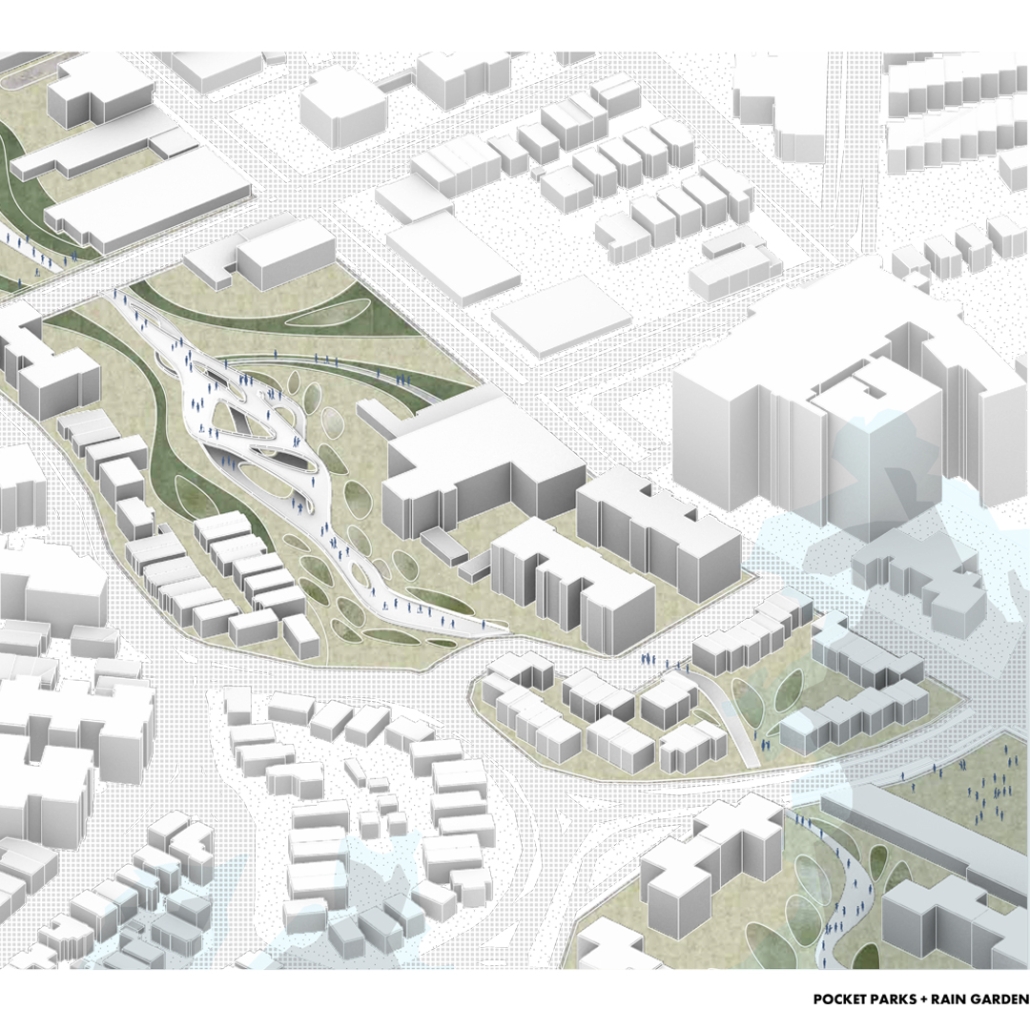
2025 Study Architecture Student Showcase - Part III

Today’s installment of the 2025 Study Architecture Student Showcase highlights innovation in technology and artificial intelligence (AI). In Part III, we look at senior projects that reimagine how technology can transform architectural practices, human experiences, sustainability, and design workflows. You may find yourself asking: What happens when AI is used as a co-designer? 

From smart cities in Puerto Rico to augmented reality, each project will broaden your perspective on the capabilities of technology in design. 

Browse the projects below!
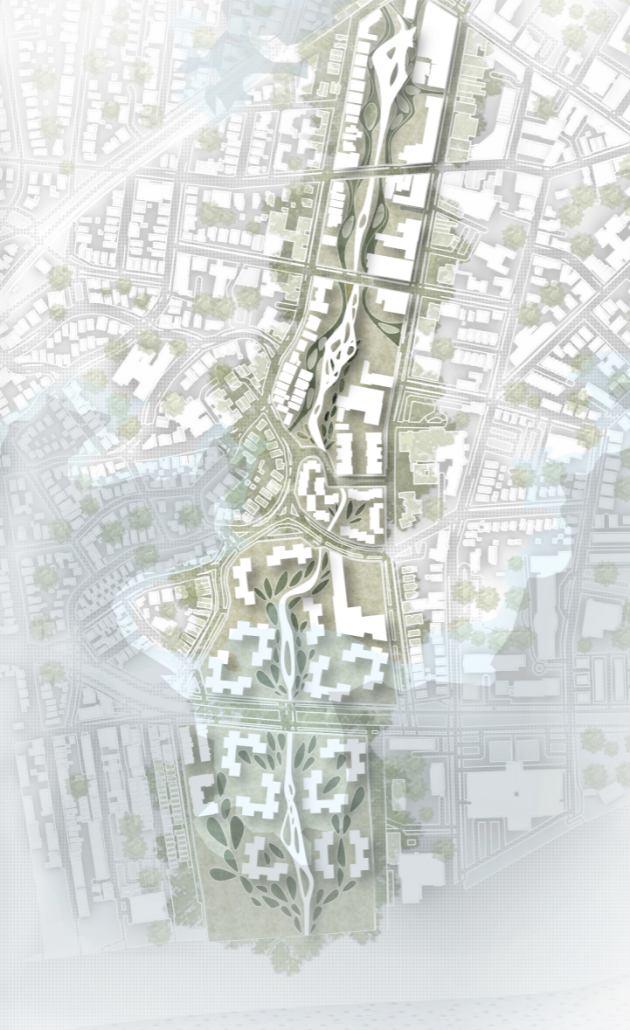
Urban Metamorphosis: Smart Cities Resignifying Spaces by Ramón L. Meléndez-García, B.Arch ‘25
Pontifical Catholic University of Puerto Rico | Advisors: Pedro A. Rosario-Torres & Juan C. Santiago-Colón

This research investigates the urban regeneration of Río Piedras, Puerto Rico, through the strategic implementation of smart city principles adapted to local needs. In response to widespread physical, social, and economic decay—evident in abandoned lots, deteriorated infrastructure, and declining public life—the study proposes a multidimensional framework that reimagines the urban fabric through technological innovation, sustainable development, and architectural intervention.

Departing from mainstream smart city models centered solely on digital efficiency, this study develops a localized smart city theory that combines cultural identity, community participation, and advanced technologies. The proposal includes the integration of smart housing, cultural and educational hubs with augmented reality capabilities, green infrastructure, efficient public transportation, and urban data nodes to improve services and connectivity. Core technologies such as the Internet of Things (IoT), Artificial Intelligence (AI), and Big Data are utilized to inform urban planning decisions, support sustainability, and foster civic engagement.

Río Piedras is positioned as a prototype for urban acupuncture, where vacant and underused parcels are reactivated as strategic anchors for community life, innovation, and economic growth. The intervention emphasizes not only technological transformation but also the importance of contextual design—bridging the gap between historic architecture and contemporary urban needs.

By transforming obsolete spaces into adaptive smart infrastructures, the project demonstrates how urban regeneration can be achieved through a balance of innovation and local identity. This research presents a replicable smart city model for Latin American contexts, focused on equitable access to services, environmental responsibility, and inclusive urban development.

Ultimately, the study reframes smart cities as people-centered ecosystems, where technology, space, and society coalesce to create resilient, livable, and forward-looking urban environments.

Fold Me a Path: An Experience of Fractured Flow by Farah Swilam, M.ArchD ’25
Oxford Brookes University | Advisors: Adam Holloway, Elliot Krause & Deniz Topcuoglu

Distortion:

This project explores how fractured geometry and pattern-based aggregation can be reimagined through artificial intelligence to generate new kinds of human experiences in architecture. At its core is the idea of distortion—reshaping familiar systems like Islamic pattern growth and crystallographic expansion through AI to produce forms that feel intuitive yet unfamiliar.

Crystallization:

Inspired by how crystals grow—from a single point to complex geometries—the architecture builds on repetition, branching, and fracture. These logics were first tested physically and digitally, then handed over to AI as a co-designer. Trained on sketches, models, and prompts around fragmented patterns and public infrastructure, the AI generated outputs that became provocations, not solutions.

Narrative:

The result is a prefabricated ferry terminal on Istanbul’s Golden Horn waterfront—where infrastructure becomes a spatial narrative. Modular units cluster and grow across a path, shifting in orientation and size to guide a fractured journey from land to water, compression to openness.

Behavior:

AI simulations shaped the plan by mapping how curiosity, comfort, and pressure influence movement. These behavioral zones structured flows for tourists and commuters, varying path widths and densities to create both fast transitions and moments of pause.

Shell:

Externally, the terminal’s form draws from a library of AI-generated crystal geometries—clustered, mirrored, and oriented to respond to light, program, and views. The fragmented skin filters shadow and light, echoing Istanbul’s energy while remaining grounded in geometric order.

Assembly:

Constructed from prefabricated timber shells and CNC-milled panels, the structure sits lightly on steel piers over water. Brass cladding reflects the city’s historic palette. Passive strategies like cross-ventilation and rainwater harvesting are integrated into the system, and prefabrication minimizes urban disruption.

Resonance:

Ultimately, “Fold Me a Path” is a proposal for architecture that listens—guided by AI, rooted in culture, and attuned to human experience.

Instagram: @acciofxra7_, @holloway_arch

Gastro-Genesis by Dana Otoom, B.Arch ’25
American University in Dubai | Advisor: José Antonio Carrillo

Exploring the intersection of architecture, gastronomy, and parametric design through the creation of edible objectiles-geometrically-driven food forms that act as catalysts for designing an entire multisensory dining experience. Drawing from the theories of Bernard Cache, Greg Lynn, and Patrik Schumacher, the project translates infinite variability into spatial and experiential diversity. Each objectile is generated through a parametric algorithm based on flavor perception, sensory attributes, and contextual cues such as temperature, aroma, and emotional response. The edible forms define not only the food but also influence the design of cutlery, furniture, spatial layout, and user journey within a dining environment. Set in the UAE, the project culminates in a metabolically inspired spatial sequence that mirrors digestion, transitioning from urban farming to sensory labs, with the buffer zone acting as a sensory terrain of sweet, rounded objectiles to ease entry and exit.

Click here for a closer look.

Instagram: @danaaotoom, @d.otoom, @j.carrilloandrada

Biosphere by Shrilaxmi Nair, Sharanya Mathrudev & Parth Solanki, M.Arch ’25
University of Illinois Urbana-Champaign | Advisor: Yun Kyu Yi

The landscape of architectural design is rapidly evolving with advances in 3D modeling, rendering software, and, more recently, artificial intelligence (AI). While tools like Stable Diffusion, DALL·E, and Midjourney have transformed illustration by allowing users to generate images from text prompts, architecture is now seeing its own set of AI tools tailored for design professionals. These tools can assist in generating building forms, interior styles, façade systems, and code-compliant floor plans, while also supporting layout optimization. As these tools become more powerful and accessible, they are beginning to reshape how architects approach the design process.

This shift is prompting reflection within architectural practice: Should traditional skills like manual representation and code literacy remain central, or should designers explore how to engage critically and creatively with AI? Rather than replacing the designer, AI has the potential to enhance creativity and support more thoughtful, design-driven decision-making.

This project explored the role of AI not simply as a visualization tool, but as an active collaborator in the design process. The work focused on three key phases where AI tools were integrated into schematic design: Concept Development, Concept Actualization, and Objective-Based Form Finding. Through this exploration, the project aimed to understand how AI can shape design workflows, support ideation, and open new directions for architectural thinking and practice.

This project is inspired by Jeju Island, a UNESCO Biosphere Reserve. The design celebrates Earth, Air, and Water through architecture that blends with nature. Earth|Terra, the tower, reflects the volcanic rock found in Jeju and represents it through biomimicry and sustainability. Air|Zephyr, the bridge, flows seamlessly between land and water, evoking balance and calm. Water|Octo, inspired by Jeju’s Haenyo divers, serves as a cultural immersion center and coral observatory, honoring resilience and ecological harmony.

Instagram: @shrilaxmi_nair, @sharanya__2000, @iamparthsolanki, @ral_isoa

Embrace – Performative Connections by  Alejandro Arizpe, Stephanie Balbin, Javier Fano, Emily Guerrero, Erica Herrera, Kevin Linton, Raul Montalvo, Danny Murray, Ricardo Reyes, Sarah Staten, Gustavo Tirado, Jennifer Villarreal & John Zerda, B.Arch ’25
University of Texas at San Antonio | Advisor: Armando Araiza

At its core, architecture is a choreography of connections. In this advanced research studio, students explored assembly not as an afterthought, but as the generative principle for design. Through a semester-long investigation, they studied how different elements, digital, material, and structural, come together to form performative wholes.

The studio began with an in-depth analysis of joints and bonding methods across disciplines and histories, treating the connection itself as both an aesthetic and structural act. From laser-cut prototypes to iterative digital models, each student developed a speculative connection system, refined through hands-on experimentation.

These efforts converged in the fabrication of a full-scale, inhabitable prototype. Built collaboratively and rapidly deployed, the final installation tested how a single connection logic could drive formal, spatial, and assembly decisions. With no hierarchy between part and whole, the project revealed how connection is not just a means of construction, it’s a way of thinking, making, and inhabiting space.

Instagram: @armando_araiza

The Waterscape: UNDERGRADUATE LIBRARY by  Kay Hau, Yogitha Reddi & Taylor Solomon, M.Arch ’25
University of Illinois Urbana-Champaign | Advisor: Yun Kyu Yi

Architectural design is undergoing a major transformation with advancements in 3D modeling, rendering software, and, more recently, artificial intelligence (AI). Tools like Stable Diffusion, DALL·E, and Midjourney have revolutionized illustration by enabling users to generate visuals from text prompts. Now, architecture is seeing the emergence of AI tools specifically developed for design professionals. These tools assist in generating building forms, interior designs, façade systems, and code-compliant floor plans, while also optimizing layouts. As they become increasingly powerful and accessible, AI technologies are redefining how architects approach the design process.

This evolution is sparking important questions within architectural practice: Should traditional skills like hand drawing and code literacy still hold central importance, or should designers embrace new ways to engage critically and creatively with AI? Rather than replacing the designer, AI has the potential to amplify creativity and encourage more thoughtful, design-driven decisions.

This project investigated the role of AI not just as a tool for visualization, but as a true collaborator in the design process. It focused on three key stages where AI was incorporated into schematic design: Concept Development, Concept Actualization, and Objective-Based Form Finding. The goal was to explore how AI can influence design workflows, spark new ideas, and open up innovative directions for architectural thought and practice.

“The Waterscape” reimagines the UIUC Undergraduate Library site through three central ideas: Nexus, Senses, and Encapsulation. Drawing inspiration from the library’s legacy as a communal space, the design emphasizes sensory experiences—sight, sound, and touch—while maintaining the site’s natural environment and uncovering its hidden subterranean layers. Using AI tools such as ComfyUI, Neural Network, and DeepGaze, the design team explored form-making approaches that maximize daylight and collect water efficiently. The result is a passive cooling system that activates and unifies the three-tiered space.

This project received an Honorable Mention for the Ratio Prize, Spring 2025.

Instagram: @kaylhau, @ral_isoa

Sculpted Time by Layla Danelle Neira, B.Arch ’25
New Jersey Institute of Technology | Advisor: Andrzej Zarzycki

Project Description:

“Sculpted Time” is an augmented reality (AR) project designed to deepen community engagement with the large stone sculptures on NJIT’s campus. Despite their scale and presence, I noticed many students and visitors pass by them without knowing their significance. I wanted to create an experience that reintroduces these sculptures in a more dynamic and relatable way—inviting people to reflect on the tension between the permanence of stone and the fleeting nature of the technology these sculptures represent.

The project is ultimately an application where users can scan a sculpture and have immersive AR experiences that engage multiple senses. Through context-aware environments and storytelling, “Sculpted Time” aims to transform how we engage with public art on campus and rethink our role in an age of rapid technological change—especially within the context of NJIT, where many of us are preparing for careers in tech-driven fields.

Methodology:

This was my first time working with AR technology beyond social media filters, so much of the early stages were marked by experimentation and guidance from my studio professor, Andrzej Zarzycki. I developed the project using tools such as Unity for building the immersive AR environments, Kiri Engine for photogrammetry and 3D modeling, and Vuforia for marker-based AR tracking.

Since the final outcome was a functioning app prototype, I also had to learn and apply UI/UX design principles to ensure the experience was both user-friendly and intuitive. Designing the interface and user interactions became just as important as developing the AR content itself. This part of the process felt more familiar to me since my background in architecture helped me approach spatial planning, visual hierarchy, and user flow with confidence.

Click here for a closer look.

This project was recognized at NJIT’s Dana Knox Research Showcase, 2025.

Instagram: @laylan981, @andrzejzarzycki

Tame Your Mushroom by Tova Gold, M.Arch ’25
New York Institute of Technology | Advisor: Sandra Manninger

“How To Train Your Mushroom- Fungal Computation, Toward Sustainable Biocomputing in Architecture”

This research explores fungal bioelectricity as a foundation for sustainable, living computational systems with potential applications in architecture. Pleurotus ostreatus (oyster mushrooms) exhibit stimulus-responsive electrical activity analogous to neural computation. While traditionally studied for ecological roles, fungal mycelium demonstrates capacities for memory, adaptive behavior, and environmental sensing, positioning it as a viable substrate for biologically embedded computation within architectural systems.

Controlled experiments involved embedding electrodes into living fungal colonies to record voltage fluctuations under mechanical pressure, light exposure, and thermal stimuli. Time-series features from these electrical signals were processed and analyzed using convolutional neural networks to classify stimulus types. Preliminary results indicate distinct waveform patterns associated with different environmental inputs, suggesting that fungal networks encode information through structured bioelectrical signaling.

These findings highlight the potential of mycelium as a living sensor network capable of integration into architectural assemblies. Responsive to light, heat, mechanical stress, or air quality, fungal materials offer a pathway to architectural systems that adapt in real time to their environment. Unlike conventional computing systems, fungal substrates require minimal energy input, operate at ambient temperatures, and are biodegradable—aligning with goals of ecological design and regenerative material practices.

In architecture, fungal biocomputing implies a shift from inert, passive materials toward active, sensing infrastructures. Mycelium may serve not only as a sustainable building component but also as a medium for distributed computation, enabling novel forms of environmental interactivity and feedback. Moreover, fungal information processing—distributed, embodied, and chemically mediated—resonates with emerging paradigms in architecture that reject centralized control in favor of non-linear, rhizomatic systems.

By combining fungal electrophysiology, machine learning, and computational design, this research redefines the role of material intelligence in architecture and proposes a future in which built environments are both materially and computationally alive.

Instagram: @sandramanninger_studio

Stay tuned for Part III!
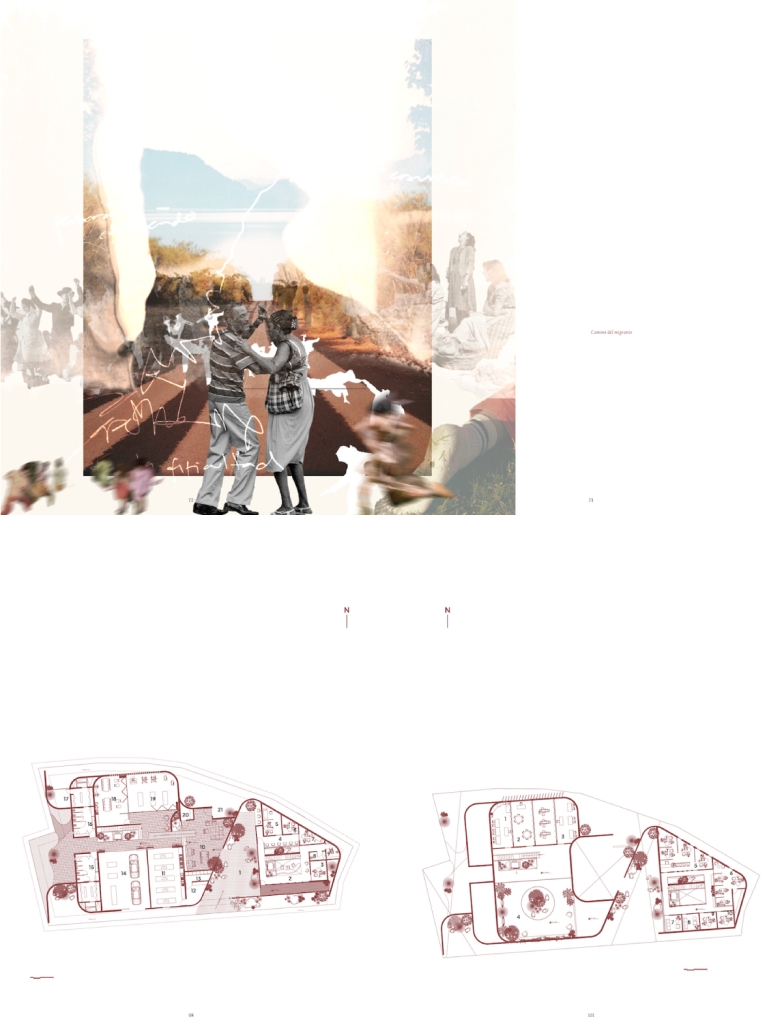
2024 Study Architecture Student Showcase - Part IX

The projects featured in Part IX of the 2024 Study Architecture Student Showcase explore architecture’s role in supporting public health and wellness. 

By addressing disparities in public health frameworks, the presented thesis work includes design interventions ranging from a mental health wellness resort for veterans to safe spaces for those addicted to opioids. With each design, there is an opportunity for rehabilitation, advocacy, and human-centered experiences.

Return to Base: How Can Architecture Help Veterans Suffering from PTSD Reintegrate into Society through Therapy, Community and Routines by Leimar P. Acevedo-Santana, B. Arch ‘24
Pontifical Catholic University of Puerto Rico | Advisor: Pedro A. Rosario-Torres

It is estimated that 30% of personnel deployed in Iraq and Afghanistan require some sort of mental health treatment; however, only half of them receive any. Many times, those who need treatment do not seek it due to stigma, accessibility issues like travel time, or because the facilities are oftentimes “not appealing or attractive”. By providing a place to tackle and heal mental health issues that is not a hospital or anything similar, the proposal hopes to attract and help those who need the help.

VISTA, Veteran’s Inn for Serenity, Tranquility & Ascendance, is a hotel located at the Ramey Base in Aguadilla, Puerto Rico. The proposal seeks to help veterans who suffer from post-traumatic stress disorder (PTSD) reintegrate into society by helping, not only with the psychological treatment they may need but also helping them transition into life as a civilian, by teaching them different social and life skills. The hotel, or “wellness resort”, offers wellness amenities to attract veterans, classrooms to teach veterans different social and life skills, and psychological and medical facilities at a smaller scale to offer treatment. Taking advantage of the topography onsite, the medical facilities are located at a semi-underground level which is only accessible from Hook Road, allowing those seeking treatment to arrive at a more private level rather than being “exposed” by arriving at the main lobby. By providing these medical services at a “hidden” level, the proposal, at first glance, appears to be an ordinary wellness resort. The proposal is located in a “guest community” in Ramey Base, allowing the hotel to not require any type of barrier and serve as a connector between the community, the new park, and the beach nearby.

Instagram: @lacevedosantana

Heart House by Graziella Pilkington, M. Arch ’24
Boston Architectural College | Advisor: Russel Feldman, AIA

Thesis Statement:

This thesis explores how architecture can promote healing within inner-city populations affected by opioid addiction and homelessness. It investigates design interventions that alleviate social and health disparities, foster rehabilitation, and cultivate a sense of belonging and support.

Abstract:

Currently, our Nation is grappling with an epidemic—opioid abuse. This epidemic is by definition localized, and it often escapes our collective awareness. Yet, for individuals and communities whose lives are deeply entwined in the vicious cycle of addiction, it can feel as though they have nowhere to turn. 

Architecture can serve as a powerful tool for cities to support people in overcoming addiction. Real change requires accessible, practical, and stigma-free resources and support.

This project provides a safe space where clients can access help when they are ready, on their terms, and use substances safely along the way to recovery.

Dignity is a sense of pride in oneself; self-respect.

How can architecture make someone feel this pride in themselves?

This building gives people the opportunity to feel worthy—worthy to walk into a beautiful building that is for them.

Self-worth is the first step in recovery.

Site:

Located on Atkinson Street in Boston, Massachusetts, the site is a former industrial zone known as “Methadone Mile” or “Recovery Road.” This area is increasingly associated with homelessness, drug use, violence, crime, sex trafficking, and unsanitary conditions.

Program:

Heart House is designed to serve up to 250 clients per day, consistent with neighborhood needs according to the Mass/Cass Dashboard (2023).

The building features two main zones: the substance zone for safe self-administration and the recovery zone for rehabilitation resources. These zones do not intersect to prevent triggering clients in recovery. Staff travel between the substance and recovery zones. Secure outdoor space, which is lacking in the neighborhood, separates clients from the noise and distraction of the street, while providing a sense of nature in the city. The entry sequence safeguards clients’ privacy with a single secure entrance reducing stigma.

Heart House, the area’s pioneering drug consumption center, offers vital recovery services and prioritizes a dignified experience—an unprecedented offering for this demographic.

This project received an M. Arch Thesis Nomination for Commends

ReFive – Rehabilitative Architecture: Individualized Treatment by Sebastián A. Colón-López, B. Arch ‘24
Pontifical Catholic University of Puerto Rico | Advisor: Pedro A. Rosario-Torres

The “ReFive – Rehabilitative Architecture: Individualized Treatment” research offers a critique of Puerto Rico Law 67, which allows involuntary treatment of patients with drug addictions. This analysis underscores deficiencies in the island’s traditional methods, often based on religious beliefs and the use of inadequate facilities that were previously used for other purposes, rather than developing specialized spaces. The research highlights the need to adopt evidence-based treatments.

The conclusions of this research led to the creation of new infrastructures dedicated exclusively to rehabilitation, with environments that promote the recovery and well-being of patients. The project consists of five independent treatment phases and, therefore, five built volumes: detoxification (clinics), dishabituation (therapy), rehabilitation (education), reinsertion (temporary housing), and tracking (administration). These five phases are linearly arranged on-site to provide patients with a healing journey and, at the same time, assist in their orientation from arrival in critical conditions to reintegrating into society. Each phase is designed to meet the specific needs of patients at different stages of their recovery. Spaces include partially open areas with views to the outside, natural light, ventilation, and therapeutic gardens. These elements are essential for creating an environment that facilitates physical and mental recovery and promotes a sense of well-being among patients.

The project is located in Santurce, Puerto Rico because one of the main objectives is to reintegrate patients into society. Locating the building in a densified urban district provides better job opportunities and greater proximity to essential services, thus facilitating reintegration.

ReFive addresses ineffective and outdated methods in the treatment of substance use disorders in Puerto Rico through an innovative, evidence-based model. By critiquing current practices, it identifies shortcomings and presents a plan to transform the mental health care system to be centered on the patients and their specific needs.

This project was nominated for the Medal for Excellence in Design, Francisco Luis Porrata-Doria.

Instagram: @_sebaandrecl

Architecture as a Form of Care: A Transdisciplinary Approach to the Integration of Human-centric Design in Grady Memorial Hospital’s Emergency Department by Sara Clement, B. Arch ’24
Kennesaw State University | Advisor: Pegah Zamani

In what ways can the design of the built environment enhance spatial efficiency without compromising the spatial experience of its diverse occupants? This transdisciplinary research focuses on the possibilities of designing optimized built environments while advancing their inhabitants’ well-being. The study centers on a pivotal spatial setting: healthcare emergency facilities with a particular emphasis on Grady Memorial Hospital, a safety net hospital serving uninsured patients from marginalized communities. In the context of emergency care delivery, as a case, this thesis highlights the potential oversight of human-centered experience within the internalized and efficiency-driven nature of emergency departments (EDs) that impact inhabitants, especially in moments of extreme stress. I analyze visible and invisible, clinical and environmental factors. along with human-centered design interventions associated with efficient space planning that fosters connection between clinicians, patients, and visitors.

The research employs a multifaceted transdisciplinary methodology, incorporating an extensive literature review and case studies to identify innovative practices that improve the overall experience for aII stakeholders. The research utilizes evidence-based design as a catalyst to formulate a set of parameters for developing design strategies that aid in the patient’s healing process while responding to the needs of a diverse range of users as well as future needs. The research addresses the complexities of optimizing occupants’ well-being through design across a variety of built environment settings from the waiting area to the clinical spaces. By examining these critical spaces the goal is to identify ways in which designers can spearhead creating more effective sustainable, equitable, and healthier environments for diverse populations.

This project was awarded Second Place in the KSU Architecture Thesis Competition, 2024

Centro de Salud Universitario by Jesús Gerardo Orduña Hurtado, B. Arch ’24
Universidad Anáhuac Querétaro | Advisors: Eduardo Herrera & Jorge Javier

The project for the University Health Centre and the IMSS Family Medical Unit is born through different strategies that allow the land to be used to accommodate the diverse architectural programme. Formally, the building seeks to adapt to the geometry of the site through a grid that helps to modulate the floor plan. 

The initial volume is fragmented into five blocks with curved corners and one central space to divide the different areas. The three interior courtyards help to generate voids that allow natural lighting and ventilation of the spaces. They also function as large terraces and open spaces that allow the user a direct connection with the natural landscape. The curved edges of the blocks make the building less aggressive despite its height, generating interesting views on all facades and orientations. 

The curved spaces were used to generate four vertical circulation cores. These consist of a double spiral staircase, with the lift hub in the centre. In this way, the stairs become a geometrically attractive and not only functional space.

Instagram: @jgoh_arq, @arqwave, @arquitectura_anahuac

Architectural Decisions, Mental Health Outcomes by Naeemah Merchant, M. Arch ’24
Morgan State University | Advisor: Coleman A. Jordan

Introduction:

The Mental Maze Museum project investigates how space design influences psychological well-being. Rooted in the premise that spaces can significantly affect a person’s psychology, this project aims to demonstrate that intentional design can enhance mental health outcomes. The central research question is: What is psychology’s role in placemaking, and how can it improve mental health?

Research Objectives:

This project will explore how different sensory experiences within a space impact psychological states and contribute to mental well-being. The Mental Maze Museum will act as a live laboratory, focusing on the effects of touch, smell, sound, and sight on the brain’s perception of space and resulting emotional experiences.

Methodology:

Touch: The museum will feature various textures, weights, densities, and temperatures to study the impact of physical sensations on room perception and psychological state.

Smell: By incorporating distinct scents, the project will examine how olfactory stimuli capture and evoke memories, influencing emotional experiences.

Sound: Different acoustic properties will be used to explore how sound creates a three-dimensional atmosphere and its impact on mental health.

Sight: Visual stimuli will be employed to create new experiences, balancing the sense of freedom provided by open spaces with their potential to become overwhelming due to noise.

Expected Outcomes:

The Mental Maze Museum aims to provide insights into how intentional design can improve mental health. By understanding the brain’s analysis of space through sensory experiences, the project will offer evidence-based guidelines for creating therapeutic environments. These findings can inform architecture, urban planning, and mental health care, fostering spaces that promote psychological well-being.

Conclusion:

The project emphasizes the significant impact of space design on mental health. By exploring the relationship between psychology and placemaking, the Mental Maze Museum will contribute to the development of environments that support and enhance mental well-being.

This project received the Best Thesis Project for 2024 award. 

Instagram: @studiocaje

Nueva Reforma – Healthcare Design in Latin America by Madelene Dailey, M. Arch ’24
University of Southern California | Advisor: Andy Ku

Widespread displacement and the inadequate distribution of resources caused by civil wars, social strife, and climate change are ongoing threats to the livelihoods of Latin America’s most vulnerable communities. The expansion of urban centers in Latin America has placed socioeconomic pressures on rural residents, forcing them to seek new resources and opportunities outside their native regions. As one of the most populous urban centers in Latin America, Guatemala also has one of the highest emigration rates in the region. The World Bank Group identified that U.S.-Guatemalan migrants have nearly tripled in the last two decades largely due to emigration from rural areas.

Roughly half of the country’s population lives in poverty and requires humanitarian aid, with numbers projected to increase by the end of 2024. Humanitarian efforts and research in response to this crisis are underway, but funding is limited, and aid is often unable to reach the areas that need it most. However, grassroots rural civic planning initiatives are facilitating opportunities that recenter investment in their communities. Merging culturally thoughtful practices with community-driven interdisciplinary approaches to sustainable rural planning, this project aims to investigate how architecture can be leveraged as a tool to support inclusive rural development frameworks that allow impacted communities to self-navigate crisis response efforts and achieve long-term stability through public healthcare design.

This project received the following awards and recognition:

2023 USC Gusendheit Fellowship Award

2024 USC Research Symposium – 1st place

2024 Distinction in Directed Design Research, USC School of Architecture

2024 Alpha Rho Chi Award, USC School of Architecture

2024 Award for Selected Professions Research, American Association of University Women

Instagram: @maddeedailey, @uscarchitecture

Seattle Health District: Providence Pavilion at Cherry Hill by John Edward Carlisle, M. Arch ’24
University of Miami | Advisors: Joanna Lombard, Veruska Vasconez & Elizabeth Plater-Zyberk

The role of Providence-Swedish in the First Hill and Cherry Hill neighborhoods represents a unique history as well as distinctive architectural, urban, and social characteristics. As the hospitals and academic institutions in these neighborhoods implement change, the present condition is poised between the past and the future.  This offers a timely opportunity to imagine how each institution might draw on its own identity and aspirations to contribute to healthy urbanism as well as coalesce into a vibrant health district.  

Each team explored the historic and current conditions of the neighborhoods as well as the Major Institution Master Plans (MIMP) approved by the City of Seattle for the academic and healthcare institutions within a ½ mile radius of one another. Each group then defined its primary objectives and developed a proposal for a Seattle Health District Masterplan that would provide key elements for neighborhood health and wellness—mixed use, connectivity, and greenness—and express both unique institutional and neighborhood character as well as distinctive identity as a Seattle destination Health District. 

Each team member then developed a proposal for a project within their master plan. Carlisle’s proposal for the Providence Pavilion at Cherry Hill seeks to reestablish the prominence of the historic Providence Hospital (1911) through a new campus plan and to provide an imageable Health District destination through the addition of a new central gallery that supports a series of Medical Specialty Pavilions, gardens and plazas.

This project won the Urban Design Studio Award, Spring 2024

Adaptive PlugScapes: Rethinking Prisons as a Reformative Journey by Yasmine Tabet, B. Arch ’24
American University of Beirut | Advisor: Dr. Howayda Al-Harithy

The evolution of punishment typologies from ancient civilizations to modern times has 

seen a profound shift in ideologies and spatial translations. Historically, punishments were often embodied in public spectacles, with tools like the guillotine and the rack transforming public spaces into stages for retribution and deterrence. However, contemporary corrections systems have moved towards incarceration and rehabilitation, aiming to reform offenders.

This thesis proposal delves into this historical trajectory, examining how spatial elements were designed to reinforce punitive ideologies. It highlights the persistence of existing typologies, though with some improvements, and underscores the need to transcend these traditional models.

To create a new typology aligned with contemporary theories of rehabilitation, the study draws inspiration from innovative design explorations. Case studies and emerging scientific trends, such as the Risk-Needs-Responsivity model and restorative justice, were used to conduct the study. By synthesizing these precedents and integrating emerging scientific trends, this proposal aims to forge a novel typology that reimagines the spatial dimensions of punishment. It envisions a future where architecture is harnessed as a tool for effective rehabilitation, fostering a more humane and socially beneficial corrections system.

This project was nominated for the Areen Projects Award for Excellence in Architecture

Instagram: @ard_aub

Infrastructures of Collective Care by Jessica Wong, M. Arch ’24
University of Pennsylvania | Advisors: Eduardo Rega Calvo & Rashida Ng

The concept of care is one explored by political theorist Joan Tronto, who writes about its potential to cultivate social cohesion and collective consciousness in urban environments. Tronto defines care as “a species activity that includes everything that we do to maintain, continue, and repair our ‘world’ so that we can live in it as well as possible.” Within this conceptual framework, five aspects of care can be identified: caring about, caring for, caregiving, care receiving, and caring with. Through these principles of care, this thesis explores ways to disrupt the ongoing structural violence and impositions faced by communities of color due to unjust and ignorant policies and urban development. The project also aims to shift the perception of care beyond domestic and traditional caregiving notions to promote the development of collective community infrastructures that are formed in solidarity with community input and existing development ambitions and visions for Philadelphia’s Chinatown.

As a result, a larger network of care interventions is identified and interpreted through a series of nodes seeking to amplify the already present social, economic, and cultural assets in Chinatown. The network consists of both future sites and existing resources that rely on adjacencies in the urban fabric of the neighborhood in the justification of their programming.

The overarching ambitions of Infrastructures of Collective Care aim to paint a holistic story of a community’s history of struggle, relentless perseverance, and future scenarios for community growth through a narrative and graphic novel-based approach. The graphic novel is a speculative document comprised of urban design strategies that represent the intersection of a yearlong process of research, analysis, and community engagement. Architectural and landscaping interventions reveal themselves in the graphic novel in hopes of projecting alternative Chinatown futures capable of resisting future institutional pressures of carelessness.

Instagram: @weitzman_arch

Designing for Well-Being: Preventive Architecture against Stress and Anxiety by Odalys Brugman-Santiago, B. Arch ’24
Pontifical Catholic University of Puerto Rico | Advisors: Manuel De Lemos-Zuazaga & Pedro A. Rosario-Torres

According to specialists, in recent years there has been a notable increase in young adults suffering from diseases that generally used to occur in people over 45 years of age. Studies report that the appearance of many of these at an early age is due not only to genetic factors but also to the constant stress and anxiety that people experience in their daily lives. Although statistics show that women suffer the most from anxiety disorders, very few seek treatment compared to men. Of those who do attend, more than 70% report not having children or dependent children, which is why it is concluded that this is an important factor when deciding to take care of their mental and emotional health.

The proposal for the Arasibo Resort & Wellness Center seeks to create a welcoming space where women and children can come to receive services to take care of their mental and emotional health in order to prevent the development or exacerbation of diseases due to constant exposure to situations of stress and anxiety. Its strategic location near the northern coast of Puerto Rico, specifically in the municipality of Arecibo, provides the user with pleasant views of the sea and other natural environments from any of the spaces. In addition, the project provides areas of encounter with nature for both outpatients and inpatients.

The main spatial programs in this project are: mental health service areas, a child daycare center, hotel-type rooms for inpatient treatment, an art and recreation area, commercial spaces for rent, a pharmacy, cafeteria, restaurant, and spa, among others. Every design decision is mainly based on strategies resulting from extensive research. For this, the following theories were cautiously studied: Psychosocial Stress, Chronic Stress, Neuroarchitecture, Architecture through the Senses and Phenomenology of Architecture.

Instagram: @obrvg

Reforming Re-entry: Creating Healing Transition Spaces For The Formerly Incarcerated by Leonard Jefferson, B. Arch ’24
Auburn University | Advisor: David Shanks

This thesis proposal seeks to address the issue of life post-incarceration for former prisoners. After their release, these individuals inevitably cross paths with the many barriers to reentry into society. One reason these barriers exist is due to the time spent within the American prison system itself. In general, this system is built to dehumanize the incarcerated by stripping them of their freedoms. Prisoners are consistently exposed to psychologically traumatizing environments, leaving a negative impact on their mental fortitude. Once released, ex-prisoners face the second barrier of stigmatization from society. Prejudged due to their criminal background, they often have trouble finding stable housing and jobs due to a lack of trust. Based on this realization, the following design proposal creates a transition space that combines housing, education, and employment opportunities under one roof. There are two primary ideals tested in this proposal: (1) Providing opportunities on multiple scales for residents to choose the level of privacy they desire; and (2) embracing the interpersonal contact theory, by creating ample space where residents can interact more often with the public. All in all, if we aim to help the formerly incarcerated, we must provide an architectural typology equipped with the fundamental resources they need to better themselves and fulfill their desire for a second chance.

Instagram: @leo.dj_, @davidrshanks

Stay tuned for Part X!

2024 Study Architecture Student Showcase - Part VII

Welcome to Part VII of the 2024 Study Architecture Student Showcase! Today’s featured projects highlight spaces that serve their local communities. The student work below functions as more than just community centers, but as cultural and educational hubs as well. Each design presents an opportunity to transform communities by supporting the local economy, enhancing sustainability, creating an enriching environment, and more!

Tarboro Road Community Center by Maggie Kroening,  B. Arch ‘24
NC State University | Advisor: Doug Pierson

Tarboro Road Community Center

Anchors: Connecting Community to Landscape

Architecture has the power to include or exclude, establish connections, foster pride, and generate emotion. In turn, when considering public projects, architects have the choice to design for all, promoting a more equitable built environment. This philosophy is exemplified in my design for Tarboro Road Community Center, called “Anchors,” bridging design aspects of both landscape and architecture.  

This informed my project parti: landscape as anchors of gathering. After delineating existing trees on site, the program is placed at the least intrusive spaces, preserving the canopy. Overall, the enclosure is created for the program, and mass is subtracted to reveal entry, instilling a beacon and public park for the community. This site resides in the historically underserved community of East Raleigh. Thus, my project, “Anchors” needed to function larger than a community center, acting as a social nexus as the region urbanizes.

The design maximizes green space by elevating private program spaces to the second floor. This dedicates the entire ground plane to community use, featuring a plaza, recreation, seating, landscape gathering, an enclosed café, lobby, and gymnasium. By creating an urban plaza and elevating private amenities to the second floor, the entire ground plane functions as a public space for the community.  

In designing a space for a community, it is important to reflect on memories of what makes a space meaningful, which are often rooted in nature.  At Tarboro Road Community Center, nature is not just integrated, but celebrated. The landscape incorporates elements that evoke memories of meaningful outdoor experiences. The terraced seating also overlooks the recreation court, allowing viewership during games.  A naturalized playspace not only offers children a safe environment but also incorporates bioswales for sustainable runoff filtration, reinforcing the center’s commitment to ecological celebration.

The Tarboro Road Community Center exemplifies the integration of architecture and landscape, where the natural environment and community needs converge. By preserving the historic trees and maximizing public green space, the center not only honors the past but also prepares for the future as East Raleigh evolves.  

This project won the 2024 AIA Triangle Student Design Award

Instagram: @maggie.k, @podarchitecturedesign, @ncstatedesign

Aguirre Cultural and Visitor Center: The Revitalization of Abandoned Industrial Areas in the Communities by Sebastián R. Medina-Colón, B. Arch ’24
Pontifical Catholic University of Puerto Rico | Advisors: Pedro A. Rosario-Torres & Juan C. Santiago-Colón

The project is located in the Aguirre community in Salinas, Puerto Rico, and focuses on the former Aguirre Sugar Mill, situated near the coast and the community. This sugar mill was an economic pillar of the southern region in Puerto Rico since its establishment in the late 19th century. It spurred an economic boom centered on sugar production, becoming one of the largest and most productive facilities in the Caribbean. However, over time, the sugar industry faced economic challenges, and the sugar mill closed its operations in the 1990s. This closure caused several problems in the community, including the loss of jobs, population, commercial areas, and hospitals, leaving a forgotten and ruined community.

As a solution to this problem, the architectural proposal focuses on highlighting the area’s cultural, historical, and economic aspects. The main programs include a cultural and community center with recreational spaces, auditoriums for various local activities, a community market, and exhibition spaces with educational facilities to stimulate artistic and cultural interest in the area. Additionally, a visitor center is implemented to promote the local economy, which includes a virtual and interactive exhibition to present the history of the place and the processes used during that time, as well as commercial spaces, restaurants, and more.

The project advocates for returning the waterfront to the community by removing visual barriers and obstacles that currently restrict access to the coast. The intervention involves using part of the existing structures to preserve the sense of place, while new interventions are carried out in the deteriorated areas, fostering a strong urban node that highlights the cultural, economic, historical, and artistic activities of the place. The project focuses on three buildings selected for preservation. Two of them, formerly two-level warehouses, are proposed as the building for art and culture, oriented towards the community, and the community building facing the sea. The third and largest building of the sugar mill is designated for a commercial and exhibition space.

Instagram: @sebastianmedinacolon

Centro Juvenil Reginal, De Fomento Educativo y Cultural by Salma Orozco Orozco, B. Arch ‘24
Universidad Anáhuac Querétaro | Advisors: Alfonso Galván & Jorge Javier

The project aims to create an innovative youth centre that will become the heart of the social and cultural life of Cadereyta de Montes, radiating its influence to neighbouring states. This space will be designed so that young people can explore and enhance their talents and skills in both the educational and cultural spheres. In addition to fostering individual development, it will seek to promote positive values and community integration, strengthening ties between the inhabitants of the area and reducing violence rates. 

The project also contemplates the revitalisation of urban spaces in Cadereyta de Montes, turning the youth centre into a tourist reference point in the region. It will seek to stimulate urban activity in the city, generating economic and cultural opportunities for its inhabitants. In short, the youth centre aspires to be much more than a meeting place for young people; it will be an engine of social and urban transformation in the entire community.

Instagram: @orsa.mx, @salma_orozco123, @arqwave, @arquitectura_anahuac

HYOO•GUH by Cristian Salvador Díaz Castillo & Lian Alejandro de la Puente Pozada, B. Arch ’24
Tecnológico de Monterrey | Advisors: María Guadalupe Peñuñuri Soto, Jocelyn Erandi Reyes Nieto, Luis Antonio Valle Cordero & Marco Tulio Muñoz Lopez

Hyoo Guh is an architectural project strategically located in Hermosillo, Sonora, Mexico, inspired by the Danish philosophy of “hygge,” which promotes the enjoyment of life’s simple pleasures. On a site of almost 30,000m², 11 towers will be built, including 4 mixed-use towers and 6 residential towers, generating a population density of 600 inhabitants. However, the project aims to attract all people who seek to celebrate life and generate community through architecture. Promoting this, Hyoo Guh’s main attraction is a central library, which along with the overall project, seeks to create an inclusive ecosystem for all, especially for children, in a way that promotes education and cultural development in an accessible and stimulating way for all ages.

The Danish philosophy of “hygge”, which focuses on warmth, intimacy, and the enjoyment of simple, cozy moments, has guided every aspect of Hyoo Guh. This approach is reflected in every detail of the design, creating an environment that invites relaxation and shared enjoyment, where users not only want to be, but to live, and spend most of their time. 

In addition, Hyoo Guh offers three different paths, each one of a distance under 600 meters, and marked with a different color that defines a different route, adapted to different users, these paths are intended to allow users to explore and experience the project in unique ways. Completing all three tours once adds up to one mile of distance, enriching the visitor’s experience.

The vision for Hyoo Guh is to become a landmark in the city, a place where people will go not only for necessity but for the pleasure of enjoying a welcoming and enriching environment.

Finally, Hyoo Guh aims to set a new standard for community and wellness in Hermosillo, creating an environment where every person feels not only welcome but deeply connected and enriched. Its library will not only be a center of knowledge, but a place where community flourishes, inspiring everyone to live with gratitude and full enjoyment.

Instagram: @teccampusson, @tecdemonterrey, @eaad.tec, @yochi_02

Wine, Water and Architecture: A Multiscale Approach to Terroir Expression by Carmen Al Chahal, B. Arch ’24
American University of Beirut | Advisors: Sandra Frem & Makram El Kadi

Focusing on Anjar within the expansive 215,000 sqm plot of the Bekaa Valley, this thesis seeks to demonstrate that architecture, when thoughtfully integrated into the wine-making process, has the potential to materialize and strengthen the links between terroir and wine production at multiple scales. By addressing water-sensitive processes responding to the challenges, fostering wineries as cultural hubs for local communities, and drawing inspiration from the site’s nature and potential, architecture can play a pivotal role in enhancing the sustainability, connectivity, and cultural richness of the wine industry.

Instagram: @ard_aub

Stay tuned for Part VIII!

2024 Study Architecture Student Showcase - Part VI

In Part VI of the 2024 Study Architecture Student Showcase, we take a look at projects that address various agricultural concepts. For these projects, agriculture is much more than just farmland. From agrotourism and community-centered food banks to using Twitch streaming to cultivate a transparent farming process, viewers are encouraged to expand their thinking about what agriculture encompasses. Scroll down to browse the award-winning projects!

Seed to Seed by Elyssa Hines, Bachelor of Science in Architecture ‘24
Washington University in St. Louis | Advisor: Zahra Safaverdi

Within Garden City, Kansas, industrial agriculture is the bones of the community: the land is dedicated to farming and much of the population works directly with industrial agriculture. While sustaining human life, this drains Garden City’s ecosystem. To name a few examples, the watershed is shrinking, soil health is decreasing, and the better part of four years has been spent in drought. Legislation to allow for positive environmental action is unclear, misleading, or both, resulting in no progress. This creates a need for a place-based community resource such as Seed to Seed.

Seed to Seed is a live-work research institute that explores the life process of crops in the arid grassland with the intention of redesigning the farming process. It merges typical laboratory work with collaboration in other fields and in-situ work with the farmers who will implement the community’s findings. Within the spirit of collaboration and transparency, researchers will use the streaming services Twitch and Nebula to live stream their work within the lab and create curated content to share with researchers globally. Seed to Seed weaves seamlessly between the need for transparency regarding agricultural practices in Garden City and the larger system of sharing knowledge globally, not only through digital practices, but also with academic, industry, and government partners at a variety of scales.

The institute is designed around the circulation of inhabitants physically and digitally. Physical reality is organized around inhabitants’ interactions and deliberation between public and private. Digital reality is designed through what is visible to the streaming services and curated content. The curated content’s audience is Nebula, and they interact with Seed to Seed through 360° cameras. These cameras are within spaces the in-person public cannot access, but the digital audience has a full view of these spaces. Twitch content is streamed using immobile cameras in public spaces that constantly have people moving through them, becoming dynamic through what is within the camera frame. All cameras ensure that the inner workings of Seed to Seed are transparent to all audiences, encouraging everyone to work towards a reimagined farming process.

This project was featured in Washington University in St. Louis’s Year End Show.

Instagram: @elyssa.lyssa.lys

Suspending Urban Farm by Kai Chen & Qiuxiao Tang, M. Arch ’24
University of Pennsylvania | Advisor: Simon Kim

“Suspending” is emblematic of the project’s essence—representing the delicate balance between innovation and tradition, the elevation of community aspirations, and the support extended to those in need. It encapsulates the project’s endeavor to uplift and sustain. Both metaphorically and literally, as it seeks to suspend not just the structures of agriculture and art within its bounds, but also the collective hopes and dreams of a diverse community. The aim is to ensure they are nurtured and allowed to thrive amidst the urban expanse of New York.

In this studio, we propose to design a vertical farm to grow and equitably distribute fresh food to those in need, while also serving as a cultural promotion platform. It will not only cultivate and provide culturally varied foods but also host performances and productions from diverse nationalities, addressing food security and celebrating global cultural heritage. Efforts to combat food insecurity will be enhanced by a diverse fair-pay workforce aiding any group in need, overcoming language barriers, and ensuring accessible, culturally relevant food. Situated in Seneca Village, this project pays tribute to its historical roots, provides a haven for the needy, promotes cultural diversity, and bolsters the tourism economy, aligning with New York’s commitment to equity and inclusivity.

Instagram: @yohey.kim, @kaichen.architecture, @qiuxiaot

Revitalizing an Industry: Jute and Communal Empowerment, Bangladesh by Iana Ishrat, B.S. Architecture ‘24
University of Virginia | Advisors: Peter Waldman & WG Clark

The fibrous plant jute has an important history in Bangladesh. The once-thriving industry has seen closure and difficulties in recent years. But the high demand for plastic alternatives has rekindled interest in the natural fiber that plastic helped replace. 

This project uses architecture and design to revitalize an abandoned jute mill to establish a place of living-working space that can help the surrounding communities. Inspired by the communal traditions around rice cultivation, the project reimagines the arduous process of jute milling as a communal activity to create spaces that can inspire community and traditions around the production of jute products. 

The expansive and repetitive colonial-era factory invokes ideas of mass production. These structures are broken up strategically with alleys and courtyards to allow spaces that reflect a more human-scale work environment. 

The construction consists of two key parts. The first is a visitor center that can help educate the population about the important history of jute and its potential in the future. The second is the renovation of the factory and the construction of the central communal workspace. This area includes a mosque, library, office spaces, Bath house, indoor-outdoor workspaces and courtyard with a water-pool. The Mosque at the center of the site helps establish the factory as a central hub for the surrounding prominently Muslim population.

A small brick kiln is also established on site. This will provide material for the renovation and construction of the factory. With time, parts of the farmland surrounding the factory will be used for other crops like rice and vegetables to provide food for the workers. Some of this land will also be distributed among workers. They can utilize the brick from the kiln for any construction needs in their new communities. This initiative will help foster a sense of ownership and community building among the workforce.

Overall, the project seeks to revitalize the legacy of jute while empowering the local communities who play a vital role in its revival.

This project received the 2024 Exceptional Thesis Project accolade at the University of Virginia.

Instagram: @yana_ishrat, @aschool_uva

The Seed: A New Farming System that Bridges Urban and Rural Areas by Ziheng Li, M. Arch ’24
SCAD (Savannah College of Art and Design)| Advisors: Andrea Bertassi, Aaron Wilner & David Gobel

The project is set in a broad expanse of land in Chengdu, a city characterized by its basin topography and predominantly cloudy weather. Addressing the challenges of rural depopulation, declining farmland, and the appeal of urban migration, the goal of this thesis is to create a new type of farming system that incorporates both traditional and modern farming techniques while also adding additional characteristics to help farmers gain revenue and close the urban-rural divide, preserving cultural heritage while enhancing sustainability. The design integrates residential modules with farming units, creating a cohesive and interactive community space that fosters rural culture within an urban context and contributes to urban food production. This system can grow and expand between urban and rural areas.

Instagram: @henoao_li, @andre_bertassi

A Framework for Regeneration by Lyric Barnik, Bachelor of Architectural Studies ’24
University of Waterloo | Advisor: Jaliya Fonseka

The Cambridge Food Bank is a 1,500sm food bank that integrates social services, food processing facilities, and community spaces. It is in Cambridge, Ontario with a continental climate that is relatively cold and temperate, with significant precipitation. The site, a contaminated brownfield with light-industrial infrastructure, was given to the Food Bank as a potential location for their new facilities. The proposed design explores a compact envelope, incorporating a pre-existing warehouse building and readapting the site into a communal greenspace. The design explores the regenerative multiplicity of food housed within a robust architectural framework.

The food bank sits at this unique intersection of food and community, partaking in duties of both production and social enrichment. The question underpinning this project begins by asking: How can the act of food heal us? How can the act of eating, making, shaping, growing, studying, and sharing food help to regenerate the body, community and land? The act of food is multi-faceted and its modes of expression are in constant flux. Thus, the proposed food bank looks at creating a set of infrastructures that can nurture this regeneration in whatever form it takes in the future.

The architectural manifestation of these guiding principles relies upon a reciprocal exchange between landscape, building and community. The site is divided using the physical and social forces of the site and a matrix of programs are formed, with the food bank radiating from the center of the grid. With a regenerative and circular landscape strategy in mind, the proposed programs study how new energy can be collected, old energy can be reused and long-term growth can be accommodated. In addition to traditional plot urban farming, alternative agricultural systems like a permaculture food forest, a livestock farm and a bio-filtration pond are proposed. The architectural concept proposes a compact square enclosure structured with a robust mass timber column grid, decoupled from the wall assembly. Four porches are created, establishing an interstitial zone between outside and inside as a lightweight shading canopy. A regular saw-tooth structure rests upon the timber frame, spanning across the entire building providing solar energy, collecting rainwater, and dispensing soft daylighting year-round. The spacious grid allows for programmatic flexibility, placing activities with a public appeal along the perimeter to best use the porches.

This project won the Soprema Award. 

Instagram: @lyriclmiracl

Centro de Agroturismo by Montserrat Sánchez Villaseñor, B. Arch ’24
Universidad Anáhuac Querétaro | Advisors: Patricia Cutiño & Jorge Javier

The focus of the Agrotourism Centre is primarily on the cultivation of wheat as a raw material. Integrating the whole process, from the sowing and harvesting of the wheat to the production of high-quality flour and the elaboration of artisan bread. The latter, characterised by its unique particularities rooted in the local culture, with the aim of becoming a true emblem that identifies and distinguishes Tejocote. 

A crucial element of this project is the integration of tourism in each of the production stages. The aim is to generate controlled and sustainable tourism in a decisive and strategic manner. The primary objective is that the main beneficiaries will be the inhabitants of Tejocote, who will experience a significant boost to their local economy thanks to the economic spillover from this agrotourism model. 

This centre not only offers an authentic and educational experience for visitors, but also contributes to the economic development and strengthening of the cultural identity of Tejocote.

Instagram: @arqwave, @arquitectura_anahuac

Red Mountain Pavilion by Daniel Icaza Milson, M.Arch ’24
University of Texas at Austin | Advisor: Nichole Wiedemann

With support of El Camino Real de los Tejas National Historic Trail Association, Tonkawa Tribe and Blackland Collaborative, this studio focused on Milam County, Texas, which straddles the Blackland Prairie and Post Oak Savanah traversed by three rivers –Brazos River ((Río de los Brazos de Dios), Little River and San Gabriel River– flowing to the Gulf of Mexico. In addition to the Camino Real, the area is punctuated by settlements including the Rancheria Grande, Spanish Missions and Freedom Colonies. The area is a place of convergence, connecting diverse peoples (and places) for over 10,000 years.

The Brazos River and its tributaries define the undulating, verdant landscape that surrounds Red Mountain, a sacred mountain for the Tonkawa tribe. These lands are still plentiful today – supporting the farms and ranches of Milam County. Embracing the economy and ubiquity of prefabricated metal structures, the Red Mountain Pavilion is arranged so that the visitor is reoriented from the restored Blackland Prairie and Little River toward Red Mountain, the origin of the Tonkawa. The building is staggered so that the landscape completes the experience of the visitors.

Instagram: @nicholewiedemann, @dash.ing.dash

Aloha Permaliving: Bridging People, Flora and Fauna by Chris Caracena, B. Arch ’24
Cal Poly University – Pomona | Advisor: Pablo La Roche

This permaliving project in Hilo, Hawaii, promotes sustainable and symbiotic agricultural living in the  Hilo Community, by integrating agricultural practices that coexist with the local flora, fauna and residents, the project creates an environment where ecological balance and human well-being go hand in hand addressing food security issues in Hawaii. This affordable housing project creates a sustainable and interconnected ecosystem that thrives on agricultural abundance and collective well-being. 

Instagram: @pmlaroche

Beetecture: Connection between Bees and Architecture by Yaimi L. Cartagena-Santiago, B. Arch ’24
Pontifical Catholic University of Puerto Rico | Advisor: Pedro A. Rosario-Torres

Throughout history, architecture has primarily focused on solving problems related to humans; however, humans consistently overlook the fact that they are part of a much larger world than themselves. In the current context, there is a steady increase in bee mortality worldwide. Various media outlets have attempted to draw attention to this issue, but the efforts of environmentalists, journalists, and a political minority have not generated a strong enough impact to effectively address this phenomenon. The purpose of the APIC (Apiculture Production and Investigative Center) project is to develop an architectural proposal that addresses the challenges faced by apiculture, focusing primarily on the devaluation of this practice and its impact on the scarcity of agricultural production.

The project’s location is the municipality of Hatillo, in the north coast of Puerto Rico. Currently, there is the Puerto Rico Institute of Beekeeping Education, Research, and Development (Hatillo School of Beekeeping), which offers theoretical and practical courses in beekeeping management. The place in turn offers a balance between tropical and subtropical climates, allowing for versatile beekeeping and the possibility of collecting beehive products for much of the year.

The APIC project, as a proposal, is based on the integration of various architectural programs. The main objective of the project is to bring together in a single facility all the activities related to beekeeping, which are currently very fragmented. This installation offers the opportunity to address the challenge of reconnecting architecture with nature. The project aims to maintain the bee population through responsible beekeeping practices, monitor and safeguard the pollination service for multi-floral agriculture, limit damage caused by pests and diseases to ensure bee safety, provide accessibility to the public encourage community sensitivity, and guarantee and promote the future of the local beekeeping industry. Social programs that can be developed within the facilities are proposed to integrate society into the beekeeping culture. The programs are classified into four general zones: beekeeping education, beekeeping production, apitourism, and apitherapy. In conclusion, this project represents a commitment to sustainability, biodiversity, and environmental consciousness while emphasizing the vital importance of bees in our delicate ecological balance.

Instagram: @yaimilizz

Río Verde & Parques del Río Verde Corridor by Hector Michael Miranda Sanchez, M. Arch ’24
University of Puerto Rico | Advisors: Omayra Rivera Crespo & Jose R Coleman-Davis

The sustainable Río Verde project consists of three buildings and a floating greenhouse interconnected through an agora and bridges, with a prominent focus on mixed-use. Most of its space program was determined based on the needs of the community. For instance, the Zoology department at UPRRP required a herbarium, laboratory, and storage space. Similarly, the Río Piedras community needed a place to promote their farmers’ market (agromercado). These spaces were provided, connecting the entire community system while preserving existing green systems. On the other hand, this project also introduces new urban and social public spaces. Additionally, the site borders two green areas: the University of Puerto Rico and the Plaza de la Convalecencia. As a result, the ecological corridor Parques del Río Verde is proposed, integrating directly with the proposed building. Its purpose is to implement a new green system in the urban area of Río Piedras, improving environmental conditions in a highly urbanized and paved city while serving as a bridge between other existing green systems. Furthermore, Río Verde and its corridor aim to promote biodiversity, sustainable and resilient elements, and integration with community agriculture, cultural and economic activities, visual landscapes, and the pre-existing urban fabric of Río Piedras. Ultimately, this project aspires to be an exemplary reference in sustainability, offering a solution within the green construction industry to address the current environmental crisis and mitigate accumulated impacts over the years in Río Piedras, San Juan, Puerto Rico.

Instagram: @mike_mird, @uprarchitecture

Stay tuned for Part VII!

2024 Study Architecture Student Showcase - Part V

Welcome to Part V of the 2024 Study Architecture Student Showcase! In today’s installment, materiality plays a pivotal role in the functionality of buildings, designs, and various architectural processes. 

Cork, acrylic, steel, concrete, wood, timber, and wires – for many, they may seem like mere materials for building. However, the projects below invite viewers to think about these materials through a different lens. 

From rethinking raw material standardization to highlighting the benefits of mass timber, viewers are encouraged to think deeply about sustainable production and opportunities for innovation. Other projects focus on the use of cork as a sound-insulative and the integration of natural materials such as clay and man-made elements such as steel. 

L-Shape Modular Cork Shelving System by Suna Choi & Sara Mohamed, B. Arch ‘24
American University of Sharjah | Advisor: Tania Ursomarzo

This installation is designed to create a double-functional partition that provides sound insulation and serves as a shelving system. It will be installed between the open studio spaces in our architecture, art, and design college building (CAAD) to reduce noise while offering students a place to store their items. Additionally, it serves as an aesthetic decoration for the space.

We chose cork as the main material due to its excellent sound-insulative qualities. Plywood was initially selected as the secondary material to create the shelving planes; however, we later decided to use only cork to fulfill both sound insulation and shelving purposes. Cork is not only sound-insulative but also biodegradable and aesthetically pleasing with its natural color.

The L-shaped modules, consisting of three rectangular patterns, are strategically stacked to form a shelving system that can be used on all sides. To connect the cork L-shaped modules together, we experimented with different materials such as thin plywood and acrylic to create simple connectors. After multiple iterations, we chose acrylic for its transparency, which would not distract from the natural aesthetic of the cork, unlike plywood.

Finally, we painted the top view of the model (the shelving surfaces) using primary colors: red, yellow, and blue, inspired by Mondrian’s compositions.

Instagram: @suliman.studio, @suna.choi_i, @triptychnyc

MODULAR CORK ACOUSTIC INSULATION AND FURNITURE SYSTEM by Rabab Al-Ali & Razan Almajid, B. Arch ’24
American University of Sharjah | Advisor: Tania Ursomarzo

In approaching this project, our primary objective was to address the disruptive noise levels at the College of Architecture, Art, and Design (CAAD), where our site will be located. These noise levels are highly distracting for both students and visitors, necessitating an effective solution to enhance the acoustic environment. Our considerations for the site location are based on the noise levels. We identified the two loudest areas as the spaces between studios and the main entrance. These areas are particularly disruptive during pinups and reviews, necessitating a strategic approach to mitigate the noise and improve the overall environment.

Our aim is to design a flexible, easily movable, and rebuildable structure, ensuring multi-functionality. We sought to develop a solution that could be effortlessly relocated and reassembled multiple times, providing adaptability and improved acoustic management throughout the space. An additional benefit of our modular design is its versatility; the modules can be easily reconfigured into different types of furniture, demonstrating their efficiency and practicality.

We have selected cork as the primary material for our project due to its numerous advantages. Firstly, cork possesses excellent sound absorption properties, effectively addressing our main noise concern by significantly reducing noise levels and minimizing sound transmission between spaces. Secondly, its lightweight yet durable nature facilitates the easy construction, deconstruction, and relocation of our structure. Lastly, cork is a natural and sustainable material, harvested from the bark of cork oak trees without causing harm, making it an environmentally friendly choice.

Instagram: @ralali.arch, @rnm.arch, @triptychnyc

Wheel House by Tilden Reid Puckett, B.S. Architecture ‘24
University of Virginia | Advisor: Peter Waldman

I designed the Wheel House after experiencing land and water I know to be beautiful. Its sleek, sailboat-inspired lines and lotus flower aesthetics evoke a sense of tranquility and orthogonal organic beauty. The building’s foundation integrates seamlessly with the dam’s robust concrete structures, enhancing the synergy between natural and man-made elements. Inside, large windows and open spaces ensure an abundance of natural light, crafting an atmosphere reminiscent of being on an open ocean or beneath a cascading waterfall. Every detail, from the material strategy of utilizing the natural erosion of corten steel to the proportional light/heaviness that attributes to its vertical and horizontal harmony. 

The design draws inspiration from the works of renowned architects such as Frank Lloyd Wright, known for his integration of structures with their natural surroundings; Tadao Ando, whose use of concrete and light creates spaces that are both minimalist and profoundly serene; and Peter Waldman, my studio professor of whom’s work intelligently collages materials into profound sculptures of place. With its placement, the Wheel House defines the nature around it. Built on a steep slope, its terracing and retaining walls allow it to seamlessly rest under, on, and above its environment. This project reimagines the home and presents a more careful architectural attention to beauty and art. I believe that when one looks at this structure, they can start to imagine the coarse roar of the water falling down the dam and feel the rippling wind stream across the reservoir. I designed the Wheel House to express further land and water I know to be beautiful. 

This project won the Duncan J. McCrea Memorial Award.

Instagram: @tilden.reid, @aschool_uva

Epiphytic-Retrofitting: Wooden Structures to Top Out Unfinished Constructions on the Galapagos by Paula Cano-Vergara, M. Arch ’24
University of Texas at Austin | Advisor: David Heymann

Epiphytic-Retrofitting: Wooden Structures to Top Out Unfinished Construction on the Galapagos Research explores potential applications of lightweight timber members to envision design possibilities that might lead to more environmentally responsive architecture, endemic to the Galapagos Island in Ecuador. 

The study focuses on ten wood species, both endemic and introduced—Avocado, Bamboo, Black Carob, Cascarilla Cinchona, Guava, Galapagos Guava, Machinel, Mahogany, Matazarno, and Spanish Cedar—to explore how timber can replace conventional construction methods and address rapid urbanization and the prevalence of unfinished concrete structures.

The title emphasizes two concepts: “Epiphytic,” referring to plants that use other vegetation for physical support rather than nutrients, and “Retrofitting,” a sustainable method for vertical growth and densification. The project aims to protect the fragile ecosystem by reducing the exploitation of natural resources and restoring endemic vegetation. The proposed vertical expansion utilizes lightweight timber from six selected species to complete unfinished buildings, up to 5 floors total.

The structural capacity of each species is determined by grain structure, categorized into three main types: 1) Curvy and wavy, 2) Irregular, and 3) Straight grain. Structural elements are designed based on standard branch and trunk diameters and lengths, with Mahogany and Matazarno ideal for joints, Spanish Cedar and Guava for primary and secondary elements, and Avocado and Carob for cladding and decking planks. The proposal also includes three vertical growth strategies that prioritize efficiency by branching to the nearest points from the top element to the next floor, based on [the types of] tree branching: Dichotomous, Monopodial, and Sympodial. Additionally, trusses integrate the vertical elements and transfer loads to concrete frames ranging from 3x3m to 9x15m.

Despite common perceptions of timber as an unsafe and inferior material compared to its competitors, this research advocates for its potential in developing safe, low-carbon buildings. Timber supports better forest management, curbs deforestation, and promotes the use of locally-sourced materials. Additionally, the research serves to protect and contribute data records of remote geographies like the Galapagos Island, the “living museum and showcase of evolution.”

This thesis was selected for the Innovation and Material category, Fall 2024.

Instagram: @utsoa

De-Framing the Built Environment by Drew Dunphy, M. Arch ’24
University of Miami School of Architecture | Advisors: Christopher Meyer & Joachim Perez

To design is to challenge what has come before to create something new. In today’s modern era of architecture, there has been an explosion of new programs and materials that facilitate the design process and have increased the production rate exponentially. In doing so, the profession has accepted standard practices as rules and allowed material use and industry to become rigid.

Challenging what makes architecture function as a profession is not easy, but it is necessary to continue driving innovation. Using mass timber as a case study, De-Framing the Built Environment looks holistically at manufacturing, architecture, and construction to break down what is immediately accepted as best practice. 

De-Framing the Built Environment breaks the process by which design goes from raw materials to an inhabitable space into three focus areas. Starting with the manufacturing process, it challenges the current centralized system of material sourcing and calls for a regionalist approach that emphasizes sustainable sourcing. From there, it stresses the importance of integrated design that reorients the cost from strictly economic to include ecological and temporal design costs. Finally, De-Framing the Built Environment rejects the accepted lifespan of a building by focusing on architecture that is easy to assemble, inhabit, and disassemble with a low margin of wasted material. 

Design, by its very nature, should be synonymous with innovation. While this thesis focuses on mass timber, questioning the process by which raw materials are transformed into space is a universal principle that must be applied across disciplines and building practices. You, as architects, designers, and construction professionals, are integral to this change.

This project was awarded an Honorable Mention by the University of Miami School of Architecture Faculty Award for Outstanding Thesis Work in the Master of Architecture Program. 

Instagram: @dunphy_27, @LU_lab_miami, @ateliermey 

Turning Tree Forks into Structures: An Experimental Analysis of a Minimally Processed Material Within the Age of Standardization by Zachary Chartrand, M. Arch ’24
Lawrence Technological University | Advisor: Scott Shall

Since the Industrial Revolution, the building industry has dedicated enormous energy to developing processes that can take raw, idiosyncratic materials and produce highly controlled, specifiable products. This has served the building industry well for years. Material standardization allows for standardized structural details and procedures that can be easily followed by the common builder, [allowing them] to produce structures that can be analyzed and designed based on the uniform properties of the building product. Unfortunately, this process rejects those materials that do not meet the uniformity required, regardless of their unique structural potential.

Recent advancements in digital analysis allow for the ability to identify unique qualities within raw materials. Advancements in computational technology allow for the optimization of a structural design to accommodate for these idiosyncratic properties. The development of a platform, involving digital analysis and computational design, would make this method of design available to the common builder and architect. The development of a process, using common construction techniques, would allow the common builder to build structures using these idiosyncratic pieces. The development of this platform for design, and system of construction, would demonstrate that advancements in technology can initiate a movement towards more sustainable architecture by reducing the amount of processing necessary to use raw materials in a structural capacity.

This will be studied by obtaining an inventory of tree forks and scanning them into a digital inventory. A script will then be developed that optimizes fork fitment to different assembly logics for shell structures. Next, a joinery system and system of construction will be developed that processes the forks based on data outputs from the script. Success will be measured in joint precision and structural rigidity.

This thesis won the 2024 CoAD Deans Award. 

Instagram: @scott_shall

Moore Square Indie Music Center by Daniel Knorr, Bachelor of Environmental Design in Architecture ’24
NC State University | Advisor: Zach Hoffman

Moore Square Indie Music Center gives a home to the indie musicians of Raleigh, fulfilling their three core needs: practicing, recording, and performing. The center contains practice and recording room clusters in addition to a main performance venue space. The center embodies the spirit of the indie music community through the use of rhythm and movement and a familiar gritty materiality that alludes to the idea of “garage” or “basement” bands. 

Interstitial spaces generate chance encounters between musicians and fans. This not only strengthens the indie music community, but more importantly, allows musicians to engage and grow their fan base.

The Stitch / Chance Encounters

The most important elements of the Center are the interstitial spaces that occur between major programmatic elements. These spaces act as an environment where chance encounters can happen between musicians and fans. This is especially important for indie music, a culture that thrives on strong interpersonal connections, and a strong dedicated fanbase. 

The entire Center is split down the middle, with the left theater half belonging to the community, and the right practice and recording half belonging to the musicians. The atrium space, “the stitch,” bridges the two halves of the Center together.

Materiality

The idea of a garage band has pervaded indie music culture since its inception. To capture this spirit, the Center uses materials such as cast-in-place concrete and raw metal, alluding to the origins of indie music. On the other hand, wood is used in the interiors of the practice studios to create a homey atmosphere, alluding to the idea of a sole musician practicing in their bedroom.

Texture and material are also used to signify the function of the spaces within the Center. The interiors of both the theater and the studios have highly textured acoustic paneling systems, whereas their exteriors are seamless and perfect. The exterior wood cladding of the theater serves to create an inviting presence that guides visitors into the theater. On the other hand, the monolithic concrete used in the exterior of the studios creates a fortress-like feeling, “protecting” the musicians inside.

This project won the ​​2024 AIA Triangle Student Design Award.

Instagram: @daniel.knorrr 

The Clay Huts and Metal Shed by Shixian Zhang & Ruozhao Cui, B. Arch ’24
Cal Poly University – Pomona | Advisor: Claudia Wainer

The Clay Huts and Metal Shed is a community-oriented ceramic arts and design center located in Elysian Valley. It is positioned with its north side facing the LA River and the future Taylor Yard development, and its south side overlooking the Lewis MacAdams Riverfront Park. The rich history of Elysian Valley, marked by a blend of manufacturing facilities, single-family homes, and a flourishing artist community, forms a distinctive backdrop for this project. The design merges existing industrial elements with new, organically inspired clay volume, aiming to create not just an artistic space for ceramic artists but also a vibrant community hub for the Elysian Valley neighborhood. 

This project involves the adaptive reuse of an existing industrial building, which serves as a shell for the newly proposed clay volumes. The design strategy begins by categorizing program spaces into enclosed and loose types. Each clay volume, distinct in its form, encompasses a variety of enclosed functions. The interstitial spaces between these volumes, designated as loose programs fostering interaction and community engagement. Additionally, the design incorporates two sculptural gardens within these volumes. The clay huts deform the metal shed perimeter and break down the scale of the building, making it more approachable and relatable to the community.   

The material palette is a harmonious blend of clay and steel, symbolizing the integration of traditional craftsmanship with industrial production. The clay walls, constructed of rammed earth, feature a scalloped facade that lends a tactile, organic feel to the design. The primary structure utilizes the existing metal framework, altered and updated to support the new programmatic volumes. This interplay of materials is a defining characteristic of the design, with some areas showcasing an overlap of clay and steel through openings, while in others, the metal shell stops short, allowing the clay volumes to peek through. 

The juxtaposition of the clay huts against the metal shed highlights the contrast between stereotomic and tectonic, creating varied transitions in different spaces. For instance, upon approaching the building, one can see both the clay and corrugated metal cladding simultaneously. Entering the building through the open programs, visitors experience the interplay of the metal shed, steel structure, and clay huts. Once inside a clay volume, the surroundings are entirely enveloped by clay finish, offering a distinct spatial experience.

Instagram: @claudwain

Debunking the Myths of Wood: Mass Timber Contemporary Architecture to the Rescue of Cultural Heritage by Neftalí X. Luciano-Castillo, B. Arch ’24
Pontifical Catholic University of Puerto Rico | Advisors: Manuel De Lemos-Zuazaga & Pedro A. Rosario-Torres

Wooden architectural heritage represents an invaluable asset in the cultural and historical narrative of Puerto Rico. With its unique characteristics, craftsmanship and carpentry of a bygone era, it stands out from other architectural styles. Moreover, wooden heritage serves as a catalyst for reevaluating our approaches to designing and constructing buildings. As society gravitates towards sustainable practices, the resurgence of wood as a primary construction material offers a promising opportunity. This resurgence not only revitalizes historical structures but also enables a harmonious coexistence between traditional wooden architecture and contemporary design. However, this traditional architecture is often misjudged and misunderstood due to the poor knowledge and involvement of people in their culture, and the lack of legislations in favor of heritage preservation. Due to these and other external threats, these structures have begun to disappear from our urban fabric, leaving not only a void in space, but also in our culture and identity.

As a response to these factors, the proposal seeks to promote the preservation of wooden architectural heritage through community engagement, tourism, education, testing and manufacturing, in a design that serves as a living laboratory that combines historic structures with mass timber construction. The synergy between historic preservation and the incorporation of contemporary architecture signifies a unique chance to embrace the past while paving the way for a more sustainable future. The project’s location is the Central Aguirre Historic District in Salinas, Puerto Rico, an old sugar cane company town that houses a collection of historic wooden structures. The design is organized into three main volumes: a restored and repurposed historic building that houses museum spaces; a second volume that contains a manufacturing laboratory; and a taller volume that functions as a school of wooden architecture design and conservation. The main goal of this project is to serve as a catalyst for the preservation and restoration of historic wooden structures in Aguirre and all around Puerto Rico.

Instagram: @neftalixavier

Harmonic Convergence by Nicholas Owens, M. Arch ’24
Lawrence Technological University | Advisor: Masataka Yoshikawa

This project explores spatial and structural design, inspired by the concept of a ‘Cabinet of Curiosities’ and music. The initial phase focused on finding objects and integrating music, using guitar strings and thick wire to symbolize sheet music, representing order in chaos.

In the representation phase, the project incorporated methodologies from Neil Denari and Borges. The transition to 2D representation utilized Maya to create music stand models linked by chains, with six layers of wire illustrating chaos and order visually.

During development, Rhino was used for initial designs and Zbrush for refinement, creating a wire mesh structure. This phase emphasized materiality and spatial dynamics, resulting in a unique architectural design facilitating gallery spaces and visitor pathways.

The final phase integrated the structure with its landscape, showcasing LED wires and spatial potential. Interior renders highlighted the gallery space’s unique characteristics, creating a quasi-moiré effect with overlapping glass structures. The project envisioned future enhancements, including wire animation to visualize music flow, enhancing the visitor experience and reflecting the project’s foundation in music and organized chaos.

Overall, the project is a sophisticated blend of design, representation, and development, creating an innovative space that intertwines musical and structural elements to find order in chaos.

Instagram: @owensarchitecturaldesign, @masataka.yoshikawa

Stay tuned for Part VI!

2024 Study Architecture Student Showcase - Part II

In Part II of the 2024 Study Architecture Student Showcase, we take a look at projects that focus on education. From supporting the social integration of neurodivergent students to designing a Makerspace for a university, the featured student work addresses education in various capacities.  

Today’s installment includes proposals to build schools and increase the accessibility of education in underserved communities, designs for South Korean Hagwons, and more!

Sustainable School in Bangladesh by Cesar Augusto Borges dos Santos, B.Sc in Architecture ’24
University of District of Columbia | Advisor: Dr. Golnar Ahmadi

Elin Nordegren once said, “Education is one thing no one can take away from you.” This powerful statement underscores the importance of establishing an elementary school in Modhubagh, a densely populated and predominantly low-income area in Dhaka. Currently, the absence of a local elementary school forces children to embark on long and arduous journeys to reach distant educational institutions. This situation not only hinders their academic progress but also exacerbates the cycle of poverty that grips the community.

According to UNICEF, only 19% of children aged 3-5 in Bangladesh attend an early childhood education program. This alarming statistic highlights the urgent need for more accessible educational facilities. By constructing a new elementary school in Modhubagh, we can ensure that children have better access to quality education, thereby laying a strong foundation for their future.

The proposed school will serve as a beacon of hope, providing a safe and nurturing environment for the children of Modhubagh. It will offer a comprehensive curriculum designed to foster cognitive, social, and emotional development. Moreover, the establishment of this school will create job opportunities for local residents, further uplifting the community.

In summary, building an elementary school in Modhubagh is a transformative step towards breaking the cycle of poverty and empowering the next generation. This project is not just about constructing a building; it is about building a brighter future for the children and the community as a whole.

Instagram: @Golnarahmadi

SNAPD by Baraa Abdolkarim, Yusuf Abdul-Rakib, Lauren Cepeda, Alondra Egure, Angel Estrada, Aneida Flores, Luis Flores, Marianne Friedel, Lorena Gonzalez, Brianna Guerra, Douglas Long, Isabel Vera Lopez, Simran Maredia, Kawa Ojo, Bylasan Shalabi, Jesus Sifuentes & Kyndal Thompson, B. Arch ’24
The University of Texas at San Antonio | Advisor: Armando Araiza

The project was designed for the entrance of the new Makerspace in the newly finished Science and Engineering Building at the UTSA Main Campus. The design allows students from all majors to showcase projects made in the Makerspace as well as welcome students to work on new projects. The studio explored the concept of folding, while transforming 2-dimensional surfaces into 3-dimensional volumes. The volumes organically flow throughout the Makerspace Lobby, displaying the concept of growth and transformation. Color and lights were incorporated into the design in order to illuminate the project and make it feel like an immersive and interactive experience for those entering the Makerspace Lobby.

Field Station: A Land Based Elementary School by Huê Bùi, M. Arch ‘24
University of California, Berkeley | Advisors: Neyran Turan (Primary Advisor) & Liz Gálvez

Field Station proposes a land-based elementary school as a response to the growing disconnect between people and land in industrializing rural Vietnam.

Land is big and school is small. Field Station is situated in Bac Giang, Vietnam, and centered around the lychee tree, the region’s key agricultural export. The school is located on an existing field to foster direct, place-based knowledge. The school is realized as a trail, integrating local land maintenance practices into both its pedagogy and architecture.

In the flat topography of the site, lychee trees are grown on mounds to help the roots stay above flood level and protect them from weeds. Field Station comprises interventions around these lychee mounds, organized like an almanac that suggests how architecture can adapt seasonally to facilitate different programs and spatial organizations during different planting stages throughout the year. The scroll drawing experiments with depicting both time and space in a two-dimensional medium. Read from right to left, the drawing aims to depict Field Station at four points of activation: Spring school during flower development, Summer school during harvest, Autumn school during ground preparation, and Winter school during canopy development. 

Land time is long and school time is short. Yet both are cyclical, rooted in repetition and resulting in growth. Field Station explores time across scales: the time of a human, a tree, a school year, an annual crop; the time of growth and decay. Using primarily bamboo and lychee bi-products (branches, leaves, fruits), the interventions aim to promote regenerative agriculture through various composting strategies, proposing the restoration of land depleted by mono-crop as an essential component of land education.

Instagram: @nemestudio, @office.for.example, @ucberkeleyarch

Social Ribbon by Brandon Rosas, Eddie Lam & Huiying Tan, M. Arch ’24
University at Buffalo | Advisor: Jin Young Song

The competitive college entrance process in South Korea has led to the proliferation of Hagwons, after-school private learning institutions. We also observe an emerging trend of commercialized “Study Cafes” in most Hagwon districts. A Study Cafe is a hybrid space between a cafe and a reading room in a library. This project explores a novel integration of Study Cafes into a “vertical school,” maximizing the performance of the cafe space in the context of classroom spaces in Hagwons.

The Study Cafe spaces are all connected as a flow of socialization, like a ribbon. The “social ribbon” is a new vertical school typology featuring vertical and diagonal circulation to encourage social interaction, relaxation, and other diverse activities. This ribbon transforms the Hagwon spaces, creating versatile, programmatic areas that blend the boundaries between levels, including Study Cafes, mini libraries, lounges, and galleries. Accessible from the ground to all levels, the ribbon offers students the freedom to engage in collaborative or private activities, easing the stress of their daily routines. The verticality is designed to provide efficient and diverse behaviors, not only as places but also as means of circulation.

Additionally, the ribbon incorporates a series of angled and protruding balconies that provide outdoor space and shade, enhancing the building’s performance. This design gesture is highlighted on the north façade, serving as a prominent feature that activates both the building’s interior and exterior.

Instagram: @ubuffaloarchplan

Hagwon On The Move by Toni Vargas, Omar Ibrahim & Staci Tubiolo, M. Arch ’24
University at Buffalo | Advisor: Jin Young Song

Hagwon On The Move proposes a transformative intervention in the heart of South Korea’s Hagwon (private institutions) culture. We understand that young students have the most interactive, meaningful, and enjoyable social activities ‘before and after’ classes. While the current Hagwon culture focuses on efficient learning, the architecture lacks the sense of a ‘place’ to linger. We aim to extend this particular ‘before and after’ class time as much as possible. Through an extended walking experience within the building, the project redefines the traditional private cram school experience, creating a vibrant, inclusive learning environment for students of all ages.

The building emphasizes the social and physical benefits of walking, inviting users to explore its 7-story structure via a moderate 1:25 continuous ramp. While the north-facing side of the building is reserved for efficient learning spaces, the south-facing side is highly dynamic, accommodating various programs including flexible studying spaces, a library, and activity lounges.

Ascending to the open roof, users are treated to engaging views across the building through a central atrium, transforming the walking experience into a spectacle. The constant change in the angle at which the floor slabs meet the façade introduces double-height balcony spaces, reconnecting users with nature. This shifting, angular design is clad in terracotta panels that mirror the fluidity of the ramp behind and provide shade and thermal comfort. Additionally, terracotta baguettes extend underneath the panels to provide extra shading where needed.

Hagwon on the Move offers students the opportunity to engage with their peers and surroundings in a dynamic setting that contrasts with traditional education spaces. Embracing innovation and community, the project is poised to re-evaluate the learning experience in vertical spaces.

Instagram: @ubuffaloarchplan

Down Syndrome: A Path to Independence by Luis D. Maldonado-Albertorio, B. Arch ’24
Pontifical Catholic University of Puerto Rico | Advisors: Pedro A. Rosario-Torres, Juan C. Santiago-Colón & Manuel De Lemos-Zuazaga

Down Syndrome is a condition observed in different parts of the world, and people with this condition are often perceived as incapable of doing what a neurotypical person would do. However, in many cases, these individuals do not achieve independence because appropriate approaches for their integration into society are not adopted. There is a mistaken belief that a simple program will solve their problems. People with Down Syndrome may have intellectual disabilities, motor difficulties, and some distinctive features in their bodies, but this does not mean they cannot improve and advance toward a successful life. It is crucial to work with them from an early age to achieve great results in adulthood.

The project proposes an idea where architecture performs a central role in creating a space specifically designed for people with Down Syndrome to learn and progress towards an independent life.

The architectural proposal is located in Puerto Rico, in the city of Ponce, at a site that is currently an incomplete and abandoned sports complex. This represents an opportunity not only to improve and develop a master plan for the complex but also to implement an educational proposal for children with Down Syndrome. Being located in an existing sports area, the project will help improve the users’ motor skills and allow for the “Special Olympics” to take place for this community, fostering an exchange of experiences and learning between neurotypical individuals and children with Down Syndrome.

From an architectural perspective, the idea is to implement ludic areas that will make learning efficient and enjoyable, helping to improve both mental and motor aspects. Additionally, various programs specifically designed for these users are implemented, such as the simulation of a home, located in volumes of geometric shapes. These colorful geometric shapes aim to help the users clearly identify different spaces.

Instagram: @daniel_albertorio30

Architecture for Autism Spectrum Disorder: In Search of Social Integration for People with ASD by Jorelma Alfaro-Padilla, B. Arch ’24
Pontifical Catholic University of Puerto Rico |Advisors: Pedro A. Rosario-Torres, Juan C. Santiago-Colón & Manuel De Lemos-Zuazaga

Over the years, statistical studies have demonstrated the exponential increase in diagnoses and prevalence of Autism Spectrum Disorder (ASD) globally. This is a lifelong condition implying that each diagnosed individual receives personalized treatment, and it is primarily characterized by its impact on individuals’ communication skills. With the growth of this community, the need for spaces that foster the social integration of the autistic community with the neurotypical population has become more apparent. Although the autistic community must be fully attended to, early diagnosis and care allow for the identification of strategies and the insertion of individuals with the condition into environments that enable full development adjusted to their abilities. In this context, architecture becomes a tool for designing spaces that meet the needs of autistic users, such as through the use of sensory design theory, allowing for spaces that promote the social integration of these users.

This architectural proposal is located in the town of Caguas, Puerto Rico, on a lot adjacent to a cluster of existing schools. The proposal comprises a set of structures subdivided according to their use: education, treatment, and integration; leading to the creation of five structures: an amphitheater, a treatment center, a K-12 school, a gymnasium, and a school of fine arts. The placement of these structures seeks the social integration of the autistic community through the creation of a connecting axis that facilitates the creation of spaces for interaction between school communities through urban spaces, as well as the interaction of neurotypical and autistic school communities in the fine arts program. As part of the educational program, the implementation of retreat spaces in classrooms for autistic students was considered, so that in the event of overstimulation or lack of stimuli, they can take a moment to recompose themselves and use a space that, in addition to being designed for their needs, becomes an element for the façade design of the K-12 school. Additionally, the structures feature sensory gardens which, together with the vegetation, provide an outdoor retreat space and an area for social interaction. Architecture, in these respects, becomes a mediator for the social integration of autistic users, enabling interactions among users.

Instagram: @jorelma_a

Stay tuned for Part III!

2023 Study Architecture Student Showcase - Part XXXII

In Part XXXII of the 2023 Study Architecture Student Showcase, each project highlights water in various capacities. Viewers can browse designs ranging from the reimagining of a floating Girl Scouts campsite to a holistic hydrotherapy spa. The featured student theses and designs also address threats to water by proposing systems for water collection and distribution and creating new infrastructure for wastewater plants.

Glacier Jane by  Lauren Beemer, Tess Brown, Sandra (Lindsey) Chaplik, Ryan Fitzsimmons, Kayla Flyte, Dean Hemminghaus, Alex Hernandez, Samantha Labrosky, Alexander Laudone, Patrick Moorhouse, Tyler Muir, Michelle Petrik, Tyler Quick & Jade Rolon, B.Arch ‘23
Marywood University | Advisors: Jodi La Coe & Maria MacDonald

Glacier Jane envisions a zero-energy revitalization of Mariners’ Camp at Girl Scouts’ Camp Archbald, where urban activist Jane Jacobs trained her powers of observation on the riparian ecology surrounding Ely Lake. In 1938, Mariners’ Camp was constructed for a teenage troop on the north shore of a 45-acre glacial lake and boasted the first floating cabin ever built for the Girl Scouts of the USA. Today, Mariners’ Camp includes three pontoon platforms, two of which have floating cabins, a separate troop house with attached latrines, a standalone outhouse, a water station, platform tents, and a campfire circle.

Floating on the pristine waters of Ely Lake as they slowly flow into nearby Meshoppen Creek before joining the north branch of the Susquehanna River en route to the Chesapeake Bay, Glacier Jane will serve as a living laboratory for water research. Its gardens – planted with native species on the roofs, hanging from the railings, floating in the water, and terracing the landscape – will integrate with the dense lily pads and vegetation ringing the sunny side of the lake and with the surrounding shade of the evergreen forest to filter chronic acid rainfalls and nitrate-ladened, stormwater run-off. In addition to improving the water quality of the Chesapeake Bay, Glacier Jane will also extend the Girl Scouts’ focus on combining observation, self-reliance, and harmonious living with hands-on, STEM educational activities.

This project won the Second Prize, Retrofit Housing Division of the 2023 Solar Decathlon Design Challenge.

Instagram: @glacier_jane, @jodilacoe, @tessrose13, @alaudone, @maria_iarch, @marywood_architecture

Aquatecture as Mitigator of Water Scarcity by Yolyanne A. García-Meléndez, B.Arch ‘23
Pontifical Catholic University of Puerto Rico | Advisor: Pedro A. Rosario-Torres

Global warming is a problem that occurs over long periods of time. It affects us little by little, but we increasingly notice the change it produces in our daily lives. With global warming, a number of problems arise that affect human lives, one of these is drought. Due to the high temperatures on the planet, the availability of water reduces while its demand increases. According to scientists, “the predictions point to a considerable increase in droughts: for every degree that the temperature increases, we will see a 4 percent reduction in rainfall, so we will suffer reductions of between 5 and 20 percent.” This affects humans, animals and the agriculture of a place. If drought extends too long, what we know as famine can occur. Drought depends on the climate and it can be caused by two different variants that affect the weather, thus causing a lack of rain. The first one is natural, either by changes in atmospheric patterns or variations in solar activity. The second is caused anthropogenically, with the main reason being global warming due to bad human practices against the environment.

The project’s location in Copiapo, Chile, is a town located in the Atacama region and desert, and one of the driest places in South America. Chile is big on crop exportation and importation for its agriculture is very important. It is also known for its history of dry seasons and a big drought that lasted for about 10 years. The proposal seeks to collect and distribute water to the nearby crops. The idea was to create a water pump experience, using the water from underground canals that the visitors could see and learn from, while also enjoying the process of collecting water and distributing it to the crops. Spaces for restaurants, a museum and stations with important information aim to create awareness of water management and usage. The project also serves as an information center and tourist spot, with the goal of maximizing water for crops and food for the city.

Instagram: @y_anne_

Education Point by Francesco Manninno, B.Arch ‘23
New York Institute of Technology | Advisor: Evan Shieh

Duluth, MN, is a mid-size American city that historically relied upon declining mono-industries (like ore + timber) and mono-functional transportation modes to fuel its economic growth. Education Point is a Marine Research + Development Satellite Campus proposal that provides a blueprint to transition the city’s future towards education and tourism as more sustainable industries. Located on Duluth’s shoreline at the termination point of Interstate I-35, the project spans over and transforms an underutilized highway to reconnect the city to its shoreline while simultaneously providing a local educational hub for neighboring university institutions and the greater public.

Instagram: @studio.fs2, @ev07

Industrial Interface: A Transparent Relationship Between Wastewater Treatment and The Human by Leah Bohatch & Camille Kreisel, B.Arch ‘23
Tulane University School of Architecture | Advisors: Cordulla Roser Gray & Ammar Eloueini

Wastewater treatment is currently an isolated system despite its importance in serving civilians, creating a linear relationship that wastes a limited resource while harming the health of its source: the body. Such isolation has further harmed the environment due to civilians’ lack of knowledge and overuse. Additionally, such physical and social separation has made citizens more unlikely to adapt to wastewater reuse methods because of misconceptions about safety standards.  

Miami’s current wastewater plant, located on the flood-threatened Virginia Key, requires an assessment and renewal of systems that should be raised, work on a network, separate different water types for efficient cleansing, reuse treated water for facility use, and invite the public into the process. A micro WWTP in Miami is proposed to run a cycle of water treatment and reclamation that supports the heat-stricken city by reprogramming a cooling aquatic center to act as an example for future plants. This redefinition of infrastructure proposes a rejuvenated future in which civilians can experience the necessity and amenity of wastewater infrastructure. 

This new interface is represented in a ribboning red path of circulation that fluctuates between snaking around mechanical systems or inhabiting the mechanical space as a volume that enables the user to experience the treatment cycle. The user moves in a multisensory path of observation and inhabitation, allowing them to reflect on their own impact on the municipal water cycle, as well as experience a new relationship with treated water in which waste is no longer the end, but the beginning, of a treated community spring through a sauna, splash pool, and bathhouse. The stripped plaza allows for exterior cleansing of city runoff as a gradient strategy composed of vegetation, gravel, and enhancement ponds, merging the mechanical and landscape.

This project won the AIA Louisiana 2023 Celebrate Architecture Scholarship and the Tulane University School of Architecture Outstanding Thesis Award 2023

Instagram: @leahb_arch, @ckreisel_arch, @tulanearch

SULIS: Hydrotherapy Centre and Spa by Alanis Baez Colon, BFA Architecture ‘23
Savannah College of Art and Design | Advisor: Daniel Brown

Minerva Sulis: Celtic goddess of healing and sacred waters. 

In the bustling modern world, where stress and tension have become an everyday reality, the need for holistic healing has become increasingly vital. Water has been known for its remarkable mental and physical healing properties in many cultures. Sulis Hydrotherapy Centre and Spa seeks to create a haven of tranquility, where the power of water is harnessed to promote a deeper state of well-being. The building and site design marry to create a journey for its users, where water is highlighted as a transformative element in healing the human body, mind, and spirit. 

Nestled in the French Broad River Park, North Carolina, Sulis harmoniously integrates with its surroundings. Situated next to a flowing river, the building takes inspiration from the natural allure of water to create a sensory experience that fosters healing. From end to finish, the site design aims to create an immersive journey for users of all ages allowing them to engage and connect with water in diverse and captivating ways. Finally, at the end of the journey, visitors reach their final destination- Sulis Hydrotherapy Centre and Spa. 

Sulis encapsulates the belief that water holds remarkable healing properties by offering a range of pools and spas, each carefully designed to cater to the different needs of the users. A large central public pool at the ground level serves as the heart of the facility, aiming to promote a community-centric space where users of all ages can immerse themselves in the soothing waters and interact with each other. On this level, we can also find the Hydrotherapy pool area where specialized treatments are available for those seeking specific physical therapies. The programmatic elements on the upper levels housed within the cantilevered wings are dedicated to creating a more intimate connection between the users and the water. Here, we can find spaces such as private baths, where users can immerse themselves in mineral waters and heal their minds through meditative therapies. These diverse offerings allow visitors to tailor their experience and find solace in a personalized healing journey. 

The façade design was inspired by the fluidity and transparency of water, and its interaction with sunlight creates a captivating façade that constantly transforms throughout the day. Instead of completely concealing the robust steel exoskeleton at the core of the design, the façade celebrates it by still allowing the steel to visually shine through a composition of a lightweight and dynamic material that mimics the cascading and rippling nature of water. The steel exoskeleton acts as a framework upon which the facade elements are anchored, accentuating the fluidity and movement of the design. From night to day, the ever-changing pattern of light and shadow, embraces the dynamic qualities of water and light, offering a visually stunning experience for both occupants and passersby. It establishes a strong connection to lightness, while still expressing the strength and stability of the underlying structure, leaving an unforgettable impression on all who behold it. 

This project was awarded Best Senior Project.

Cultural Infrastructures: Cisterns as Urban Artifacts in Yazd by Najmeh Malekpour Bahabadi, M.S. in Architecture and Historic Preservation ‘23
Texas Tech University | Advisor: David Turturo

Yazd is a city in the arid central plateau of present-day Iran that arose around a water source in the protective Shirkuh mountain range. This water source established Yazd as an important stop on an ancient trade route, the secondary branch of the Silk Road. Water structures and facilities, including Ab-Anbars (cisterns for local water access), Yakhchaals (ice houses), Asiab (mills), Hammams (bathhouses), and Payaabs (underground ponds), played a significant role in shaping the city. These buildings are located on qanats, elaborate underground canals that guided the city’s development. Today, most of the qanats within the city are drained and have therefore lost their initial function. Some water structures are abandoned and others have been adapted to serve new purposes.

This research considers the contemporary water crisis of Yazd to bring attention to the forces that allowed these ancient water structures to shape the city both historically and presently, after losing their initial function. In particular, this project focuses on cisterns as an architectural typology. The implication is that cisterns comprise a generic architectural form that is bound to the public space and public buildings of the city. This project uses analytical drawings to identify the significance of a building type in forming the city. Such typologies are of particular value for discussing both a building’s singleness and shared features. In other words, this project is concerned not only with the forms of buildings in isolation but also with the external forces that shape those buildings and are shaped by them. As such, the cisterns act as a historical grammar for a city shaped by the architecture of water.

Instagram: @na.malekpour, @davidturturo

Still Waters Run Deep – Mobilizing Architecture through the Art of Quilting along the Lachine Canal, Montréal, Canada by Ashleigh Abraham, M.Arch ‘23
Laurentian University | Advisors: Shannon Bassett (Advisor), Claire Weisz (Second Reader) & Heather Braiden

This design research and proposal gives voice to the histories of Montréal’s Black community which, until now, have largely been untold, save through oral histories. The design proposal is for a community centre for the Black communities of Montréal’s Little Burgundy and Pointe St. Charles. This includes a Community Pool and Centre for Oral Archives, located on one of the derelict post-industrial sites along Montréal’s post-industrial Lachine Canal.

Excerpted from Ashleigh’s thesis:

Keywords: water heritage, public space, deindustrialization, eco-gentrification, oral histories, spatial justice, quilting, stewardship, Montreal

“The project maps the relationship with Montréal and water. Through the proposed re-greening and anticipated gentrification of the Lachine Canal, the critical histories of residents, neighborhoods and industrial workers have been neglected. Only through oral histories their narratives have lived on, acknowledging a fraught, yet rich and diverse history of Montréal’s industrial era. Through the intersection of interdisciplinary theory and place-based investigation, this thesis explores how architecture might utilize water as an agent to challenge existing power structures to offer cultural inclusivity and stewardship. The craft of quilting is used as a methodology for employing oral histories and establishing a framework for equitable access to the Lachine Canada. The framework established is applied to one of the canal’s discarded industrial sites, addressing spatial injustices and opportunities for community engagement within the realm of public space.

This thesis was inspired by a walk along the Lachine Canal with my grandfather, during which we discussed the canal’s history and the politics that shaped its current state. My grandparents were born in Montréal to parents from the Caribbean Island of Barbados and witnessed the city’s evolution firsthand. Oral histories were essential to their everyday lives. Offering insights into the history and experiences of a community that cannot be found in conventional records. These extraordinary tales included hardship and success, happiness and sorrow, frustration and perseverance. In her later years, my grandmother never lost her sense of belonging. She frequently referred to “home” as her childhood residence on Atwater Avenue, once in the St. Antoine neighborhood. Her residence has been demolished, and her neighborhood is unrecognizable. However, her memories were as strong and vivid as when she was a child. My grandmother’s home was expropriated and demolished, forcing her family to relocate to a place that would never feel like “home.” They persevered in maintaining strong ties to the people and locations they once frequented, despite being uprooted. They may have encountered obstacles, but they were not vanquished by their situation. In spite of adversity, they became community pillars. They forged ties with a community split apart by people and structures that did not recognize their value and place within the urban fabric of the city.”

This project won the McEwen School of Architecture (MSoA) Architecture and Society Award.

Instagram: @shannonbassett

See you in the next installment of the Student Showcase!